
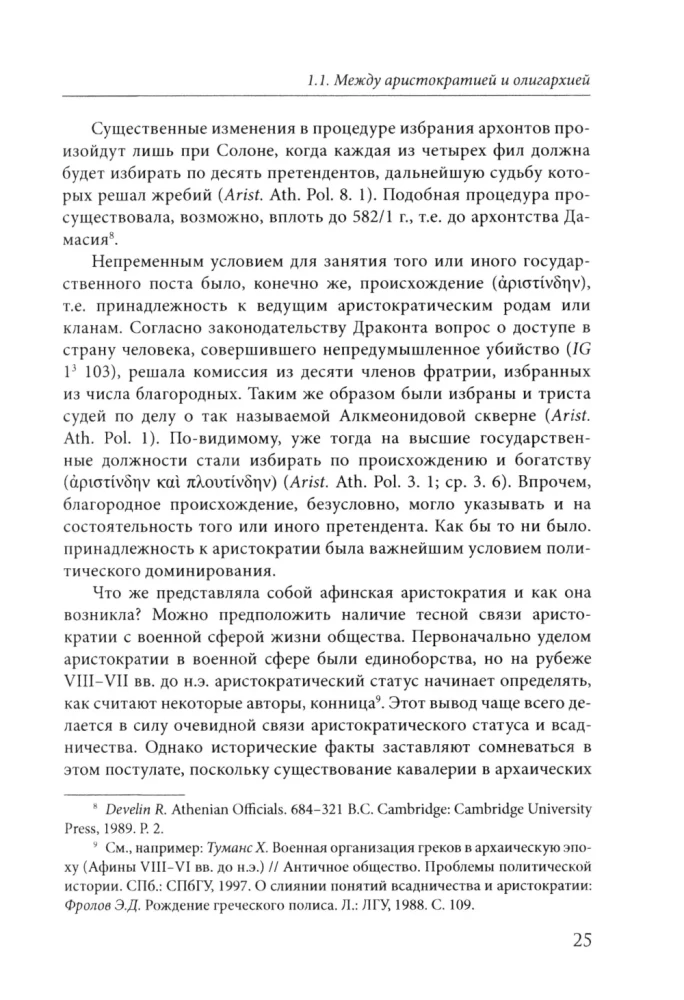

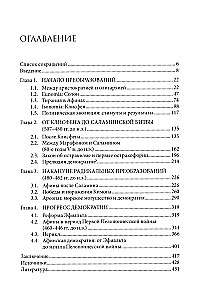
Athens on the Path to Democracy: 8th–5th Centuries BC
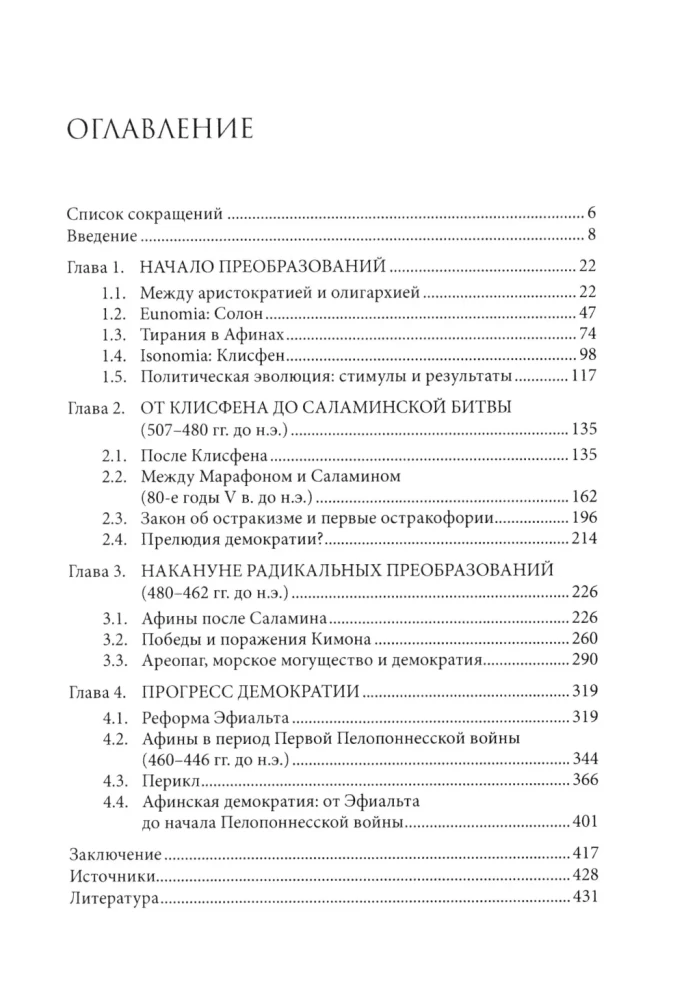
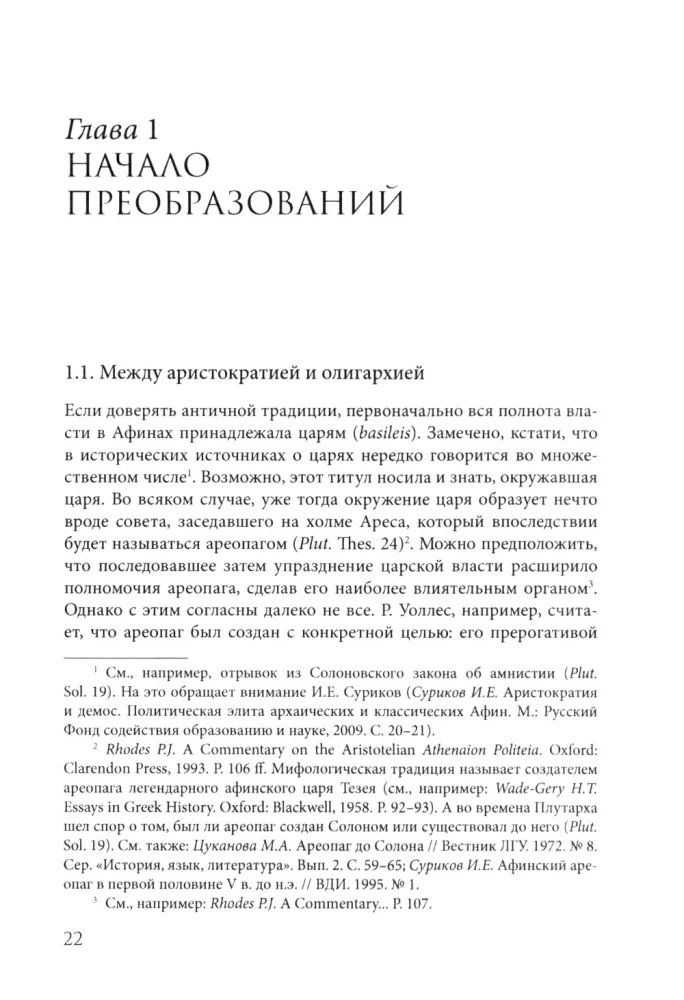
This monograph explores the process of the establishment of Athenian democracy during the archaic and classical periods (8th to mid-5th centuries BC). The questions of what Athenian democracy is, when it arose, and what role various social strata played in...
its emergence have remained contentious for a long time. The book demonstrates that one of the significant stimuli for the emergence of democracy was the struggle for power and influence within the aristocracy, which often involved the Athenian demos as well. In the course of this struggle, on the one hand, equal conditions were created for the 'best' (eunomia, isonomia), and on the other hand, the political rights of the common people were expanded. The result of these processes was a state structure in which collegial political institutions played a significant role, primarily the Assembly that elected officials and the Heliaia (people's court) that exercised control over the annually elected magistrates. Nevertheless, Athenian democracy cannot be considered a people's rule or 'power of the people.' The Athenians themselves characterized it as collective rule or the power of the 'majority' of those who possessed political rights.
Author: Валерий Гущин
Printhouse: VYSShAIa ShKOLA EKONOMIKI
Series: HSE Monographs: Humanities
Age restrictions: 16+
Year of publication: 2025
ISBN: 9785759841739
Number of pages: 456
Size: 210x140x26 mm
Cover type: hard
Weight: 642 g
ID: 1740844
Sold out
€ 14.49
Sold out
€ 14.49
Bestsellers






€ 13.29
In stock
12 Weeks in a Year. How to Achieve More in 12 Weeks Than Others Do in 12 Months
Майкл Леннингтон, Брайан Моран



€ 7.89
In stock
Choice. On the Freedom and Inner Strength of a Person
Эдит Ева Эгер, Эсме Швалль-Вейганд



€ 6.99
In stock



€ 6.99
In stock
How to Talk So Kids Will Listen, and How to Listen So Kids Will Talk
Элейн Мазлиш, Адель Фабер