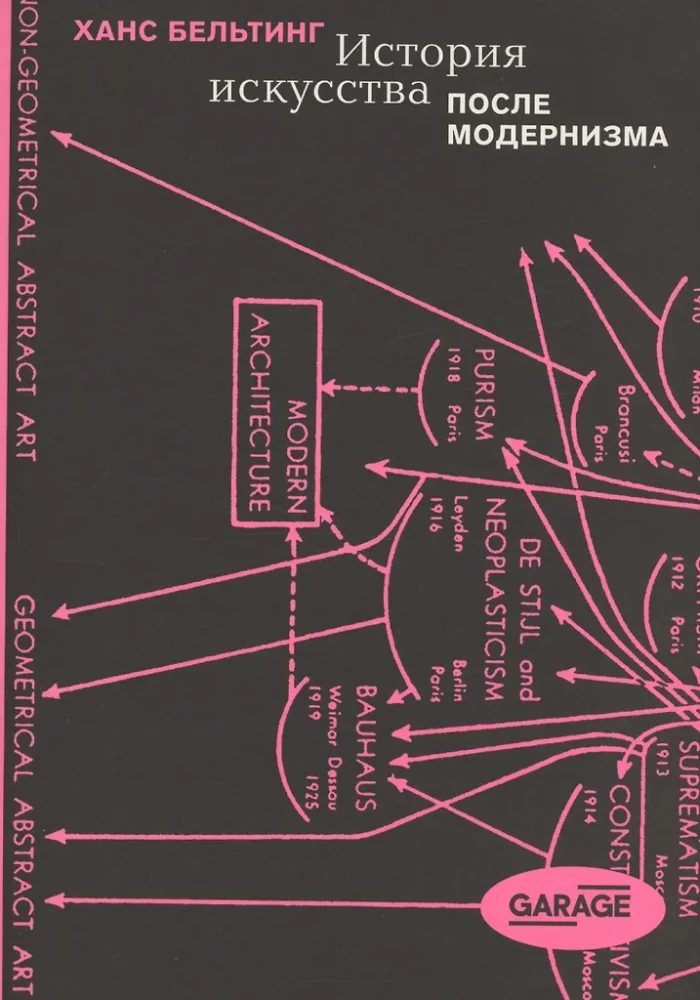
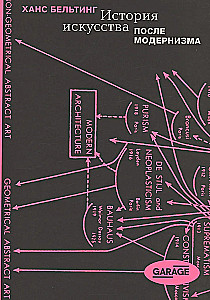
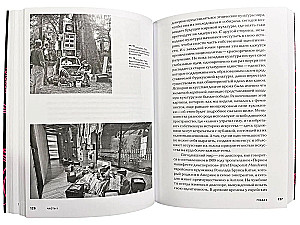
The History of Art After Modernism
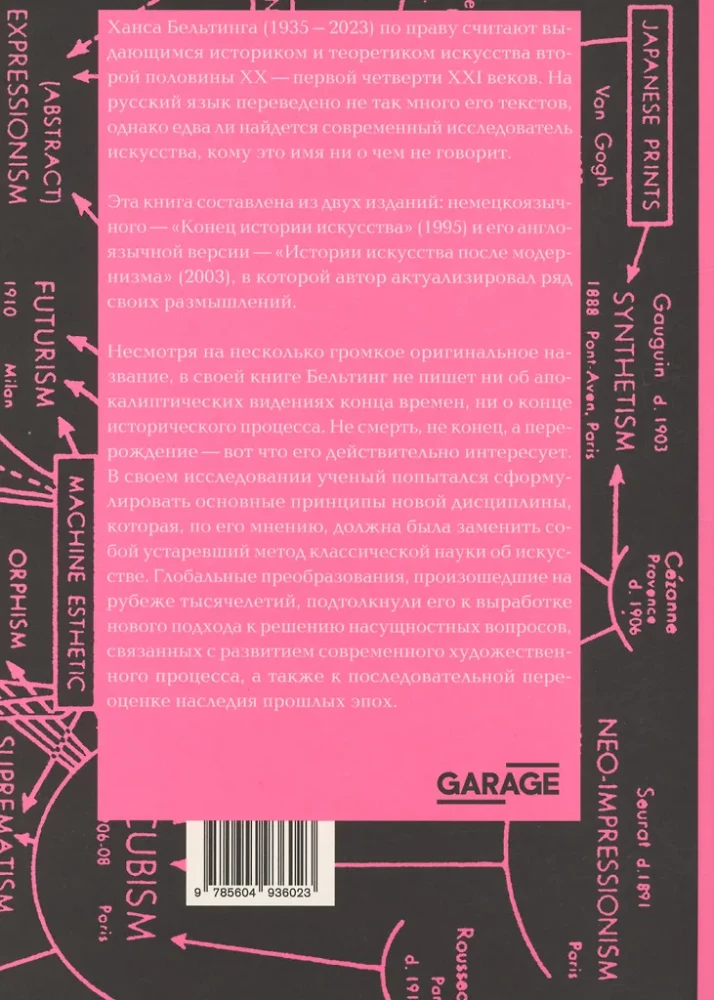
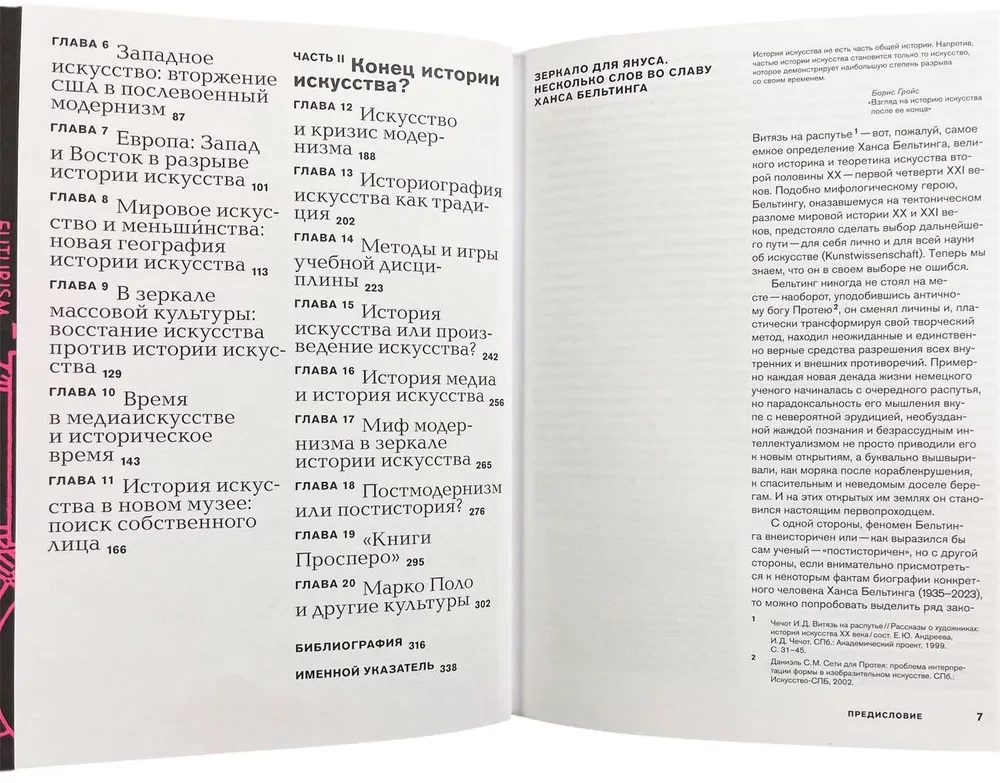
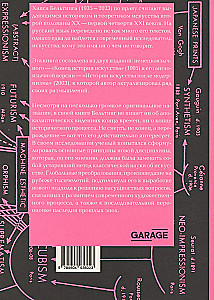
Hans Belting (1935–2023) is rightly considered a prominent historian and theorist of art in the second half of the 20th century and the first quarter of the 21st century. Not many of his texts have been translated into Russian, but...
there is hardly a contemporary art researcher to whom this name means nothing.
This book is made up of two editions: the German edition – "The End of Art History" (1995) and its English version – "The History of Art After Modernism" (2003), in which the author updated several of his reflections. Despite the somewhat sensational original title, in his book, Belting does not write about apocalyptic visions of the end times, nor about the end of the historical process. Not death, not an end, but rebirth – that is what truly interests him.
In his research, the scholar attempts to formulate the basic principles of a new discipline that, in his view, should replace the outdated method of classical art science. The global transformations that occurred at the turn of the millennium prompted him to develop a new approach to addressing pressing issues related to the development of contemporary artistic processes, as well as a systematic reassessment of the legacy of past eras.
This book is made up of two editions: the German edition – "The End of Art History" (1995) and its English version – "The History of Art After Modernism" (2003), in which the author updated several of his reflections. Despite the somewhat sensational original title, in his book, Belting does not write about apocalyptic visions of the end times, nor about the end of the historical process. Not death, not an end, but rebirth – that is what truly interests him.
In his research, the scholar attempts to formulate the basic principles of a new discipline that, in his view, should replace the outdated method of classical art science. The global transformations that occurred at the turn of the millennium prompted him to develop a new approach to addressing pressing issues related to the development of contemporary artistic processes, as well as a systematic reassessment of the legacy of past eras.
Author: Ханс Бельтинг
Printhouse: Garage
Age restrictions: 16+
Year of publication: 2024
ISBN: 9785604936023
Number of pages: 340
Size: 230х168х25 mm
Cover type: soft
Weight: 690 g
ID: 1728463
Sold out
€ 23.39
Sold out
€ 23.39
Bestsellers



€ 13.29
In stock
12 Weeks in a Year. How to Achieve More in 12 Weeks Than Others Do in 12 Months
Майкл Леннингтон, Брайан Моран

€ 7.89
In stock
Choice. On the Freedom and Inner Strength of a Person
Эдит Ева Эгер, Эсме Швалль-Вейганд


€ 6.99
In stock