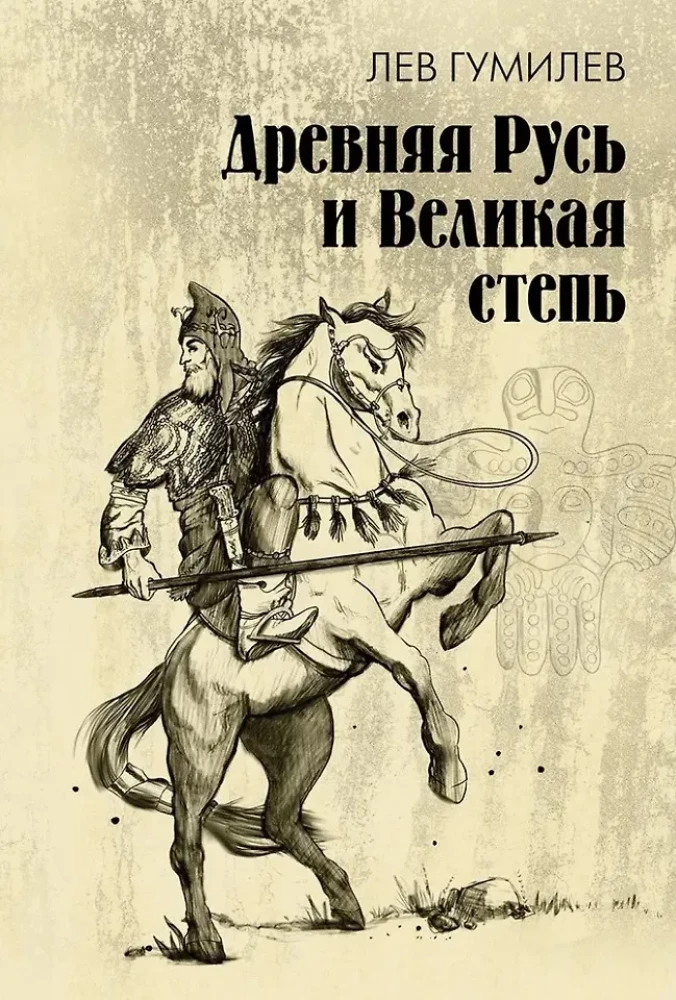
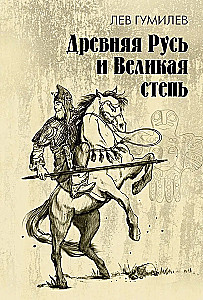
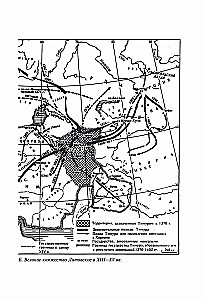
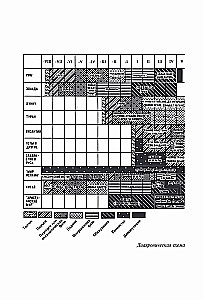
Ancient Rus and the Great Steppe
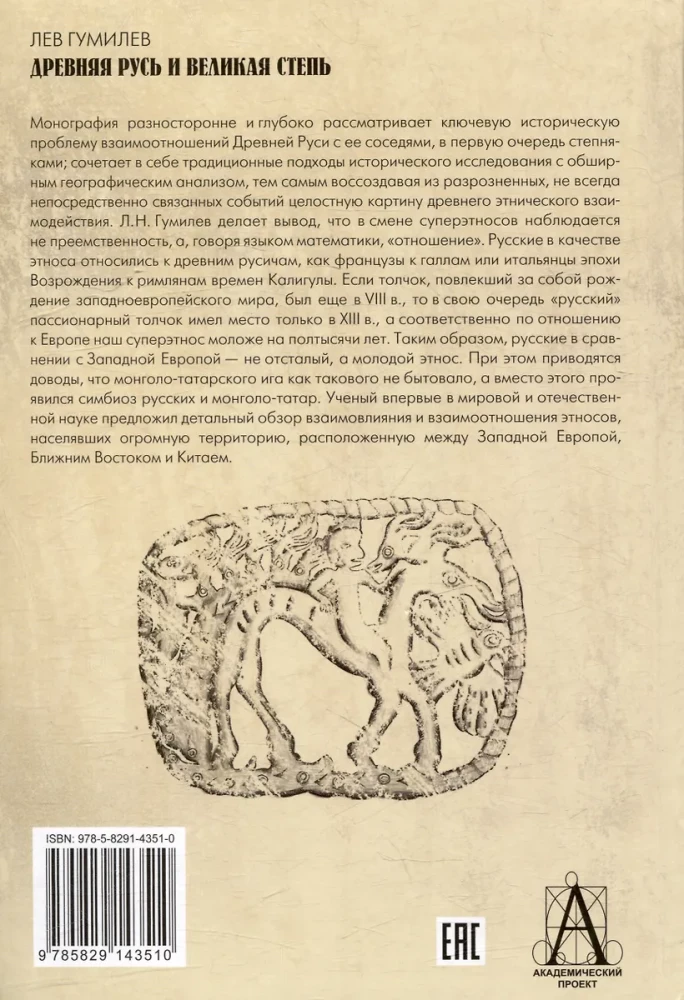
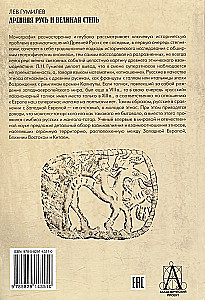
The monograph comprehensively and deeply examines the key historical issue of the relationships between Ancient Rus and its neighbors, primarily the steppe peoples; it combines traditional approaches to historical research with extensive geographical analysis, thereby recreating a cohesive picture of...
ancient ethnic interactions from disparate events that are not always directly related. L.N. Gumilev concludes that the change of superethnos is not characterized by continuity, but rather, in mathematical terms, by "relations." The Russians, as an ethnos, related to the ancient Rusichs in the same way that the French related to the Gauls or the Italians of the Renaissance to the Romans of Caligula's time. If the impetus that led to the birth of the Western European world occurred as early as the 8th century, then, in turn, the "Russian" passionate impetus took place only in the 13th century, which means that our superethnos is younger than Europe by five hundred years. Thus, compared to Western Europe, the Russians are not a lagging, but a young ethnos. At the same time, arguments are presented that the Mongol-Tatar yoke as such did not exist, but instead manifested as a symbiosis between the Russians and the Mongol-Tatars. The scholar was the first in global and domestic science to propose a detailed overview of the mutual influences and relationships of the ethnos that populated the vast territory located between Western Europe, the Middle East, and China.
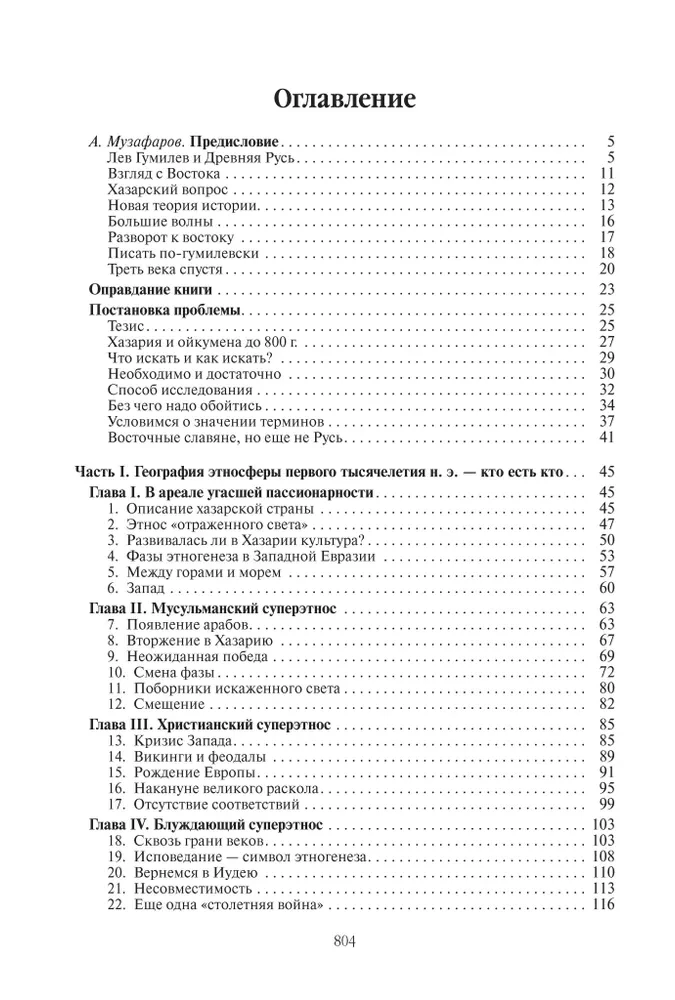
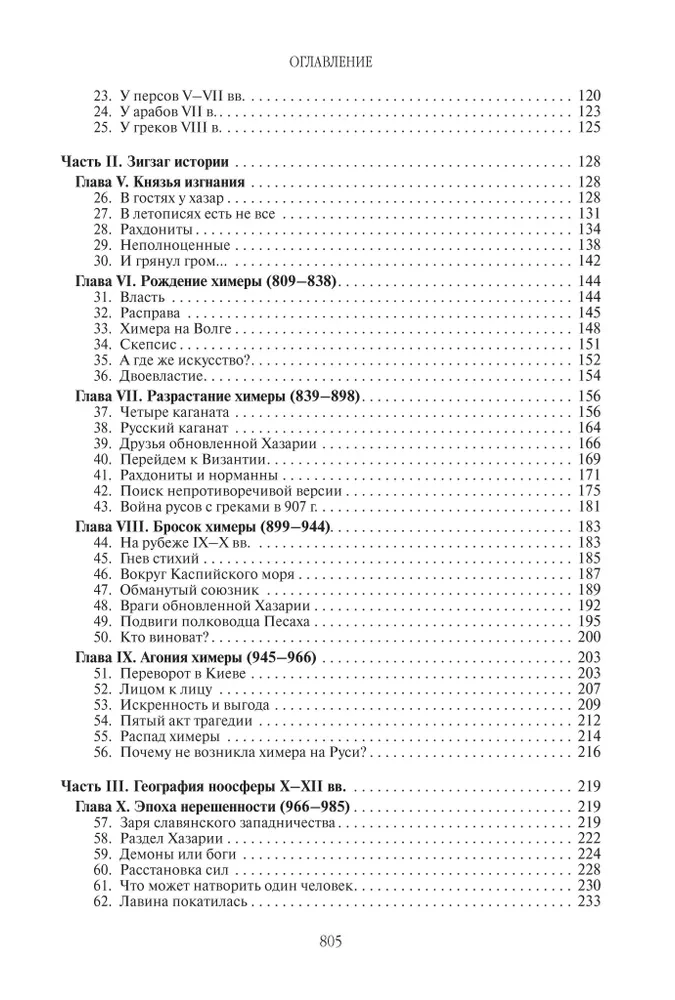
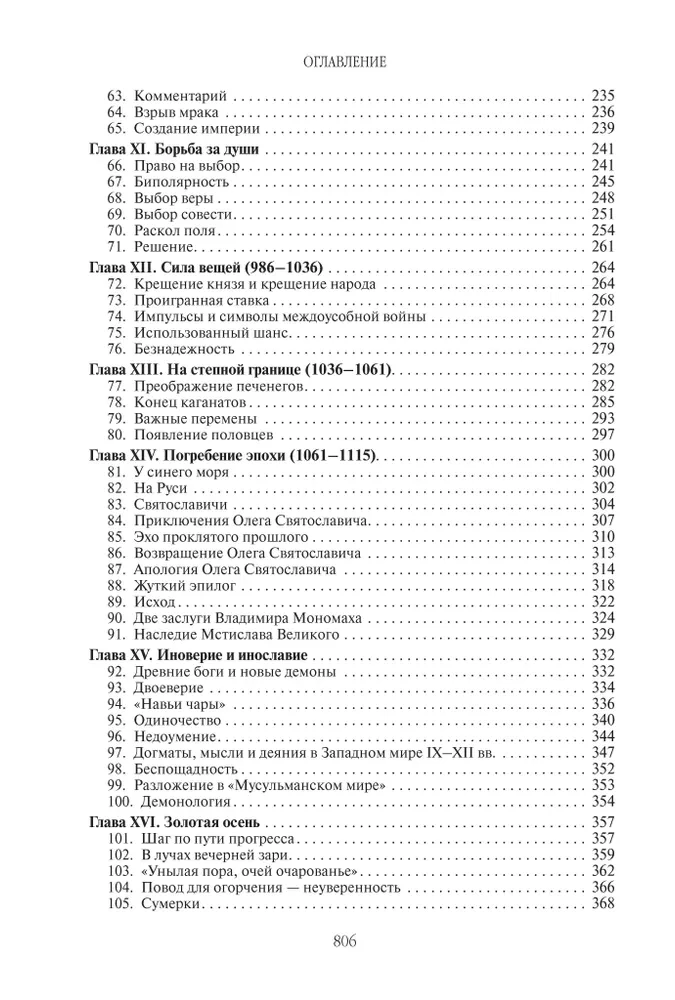
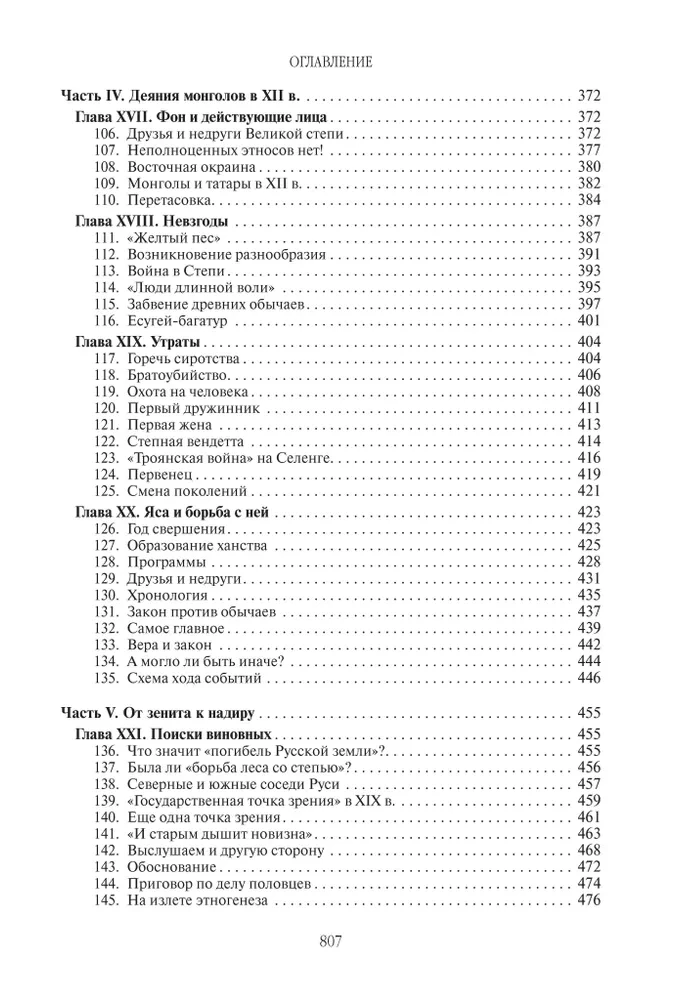
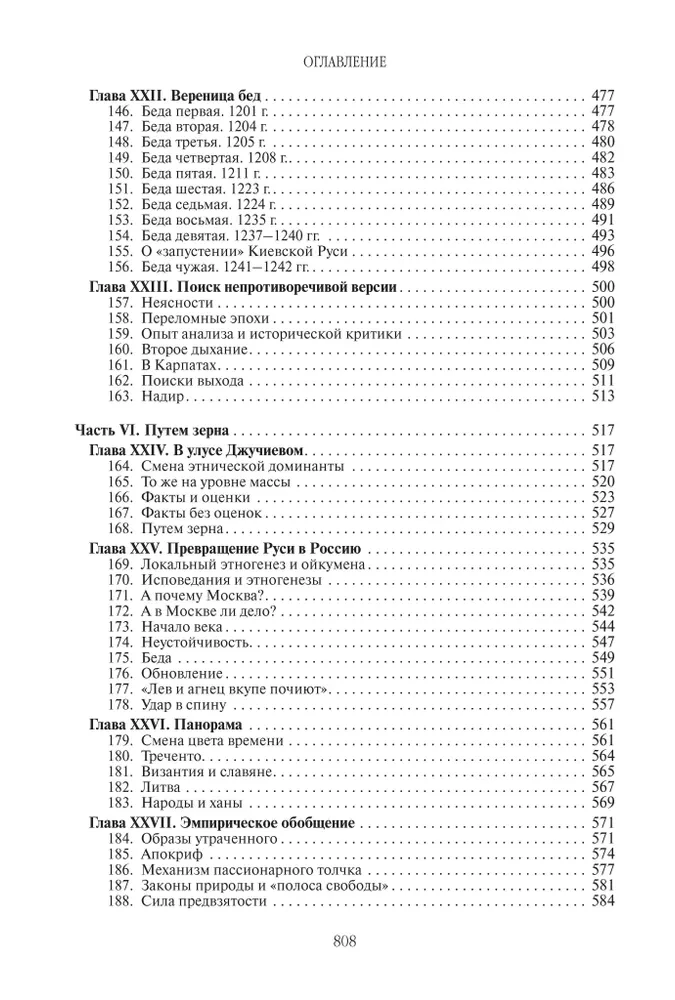
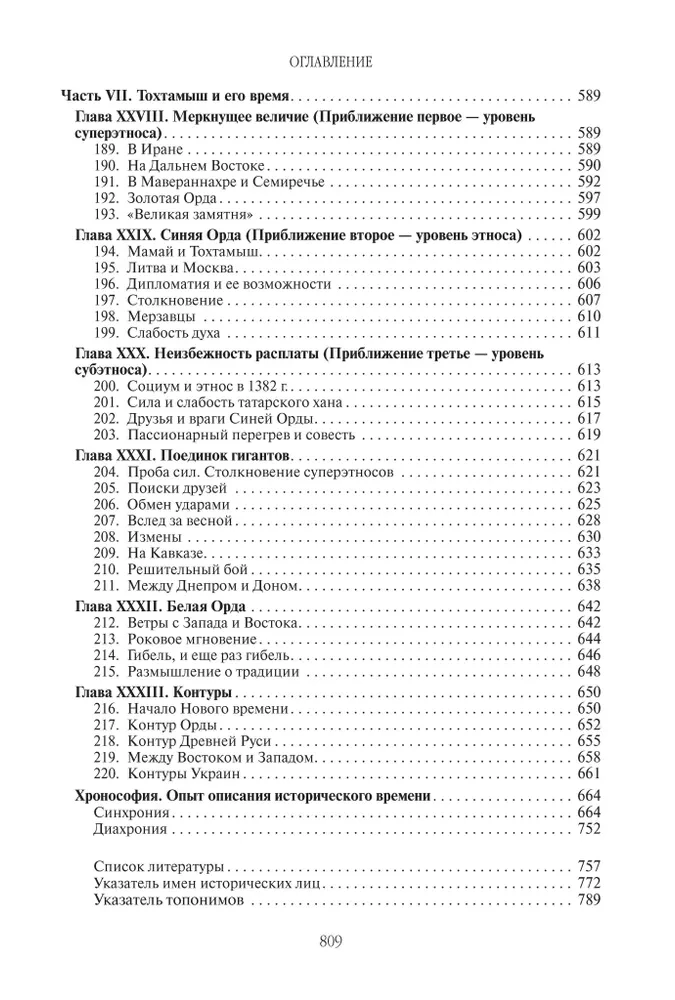
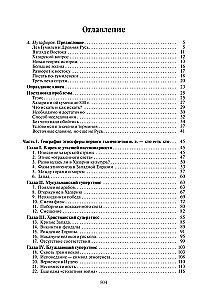
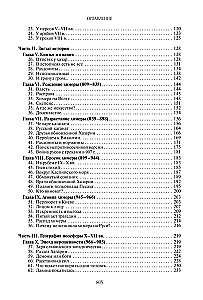
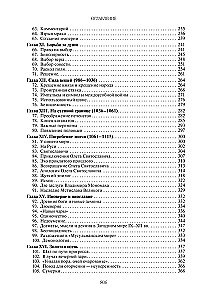
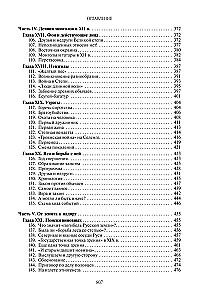
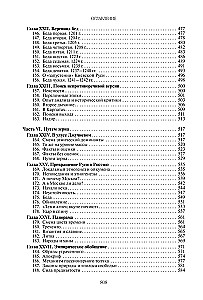
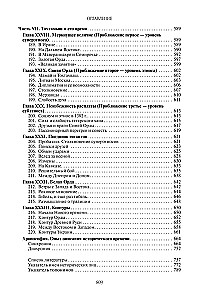
The author of the preface to L.N. Gumilev's book "Ancient Rus and the Great Steppe" is A. Muzafarov, a senior lecturer at the Department of History of the Moscow State University of Technology and Management named after K.G. Razumovsky and a senior lecturer at the Moscow State Institute of Culture. The book is equipped with a bibliography, an index of historical figures, and a toponymic index.
The author of the preface to L.N. Gumilev's book "Ancient Rus and the Great Steppe" is A. Muzafarov, a senior lecturer at the Department of History of the Moscow State University of Technology and Management named after K.G. Razumovsky and a senior lecturer at the Moscow State Institute of Culture. The book is equipped with a bibliography, an index of historical figures, and a toponymic index.
Author: Лев Гумилев
Printhouse: Akademicheskii proekt
Age restrictions: 16+
Year of publication: 2025
ISBN: 9785829143510
Number of pages: 809
Size: 220х155х38 mm
Cover type: hard
Weight: 960 g
ID: 1704405
Sold out
€ 34.39
Sold out
€ 34.39
Bestsellers

€ 13.29
In stock
12 Weeks in a Year. How to Achieve More in 12 Weeks Than Others Do in 12 Months
Майкл Леннингтон, Брайан Моран

€ 7.89
In stock
Choice. On the Freedom and Inner Strength of a Person
Эдит Ева Эгер, Эсме Швалль-Вейганд

€ 6.99
In stock