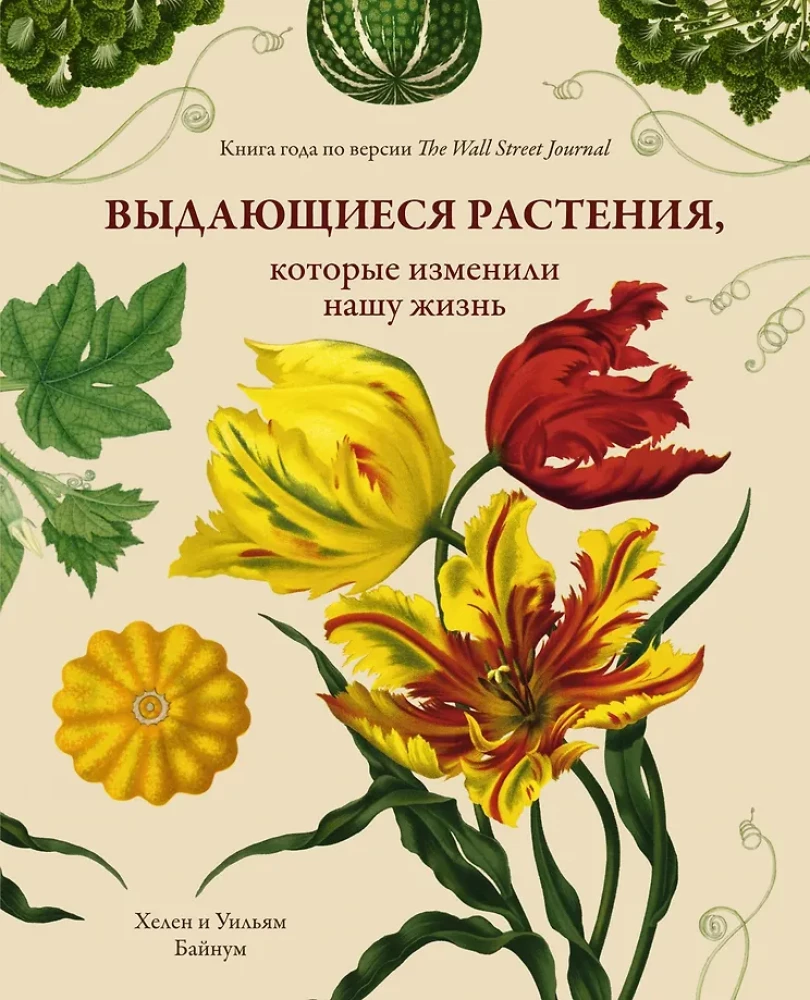

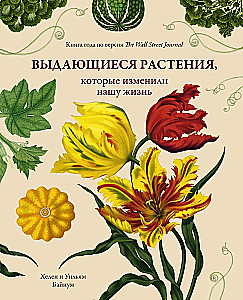
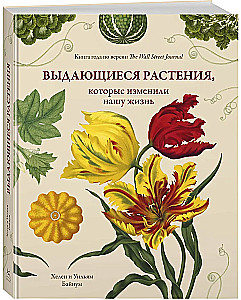
Outstanding Plants That Changed Our Life
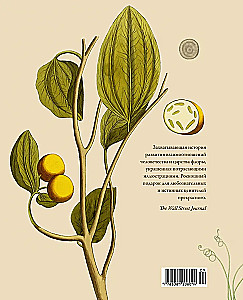
The development of humanity is unimaginable without plants: for thousands of years they have provided us with food, shelter, clothing, means of transportation, and medicine. Helen and William Bynum — historians of science and medicine, as well as passionate gardeners...
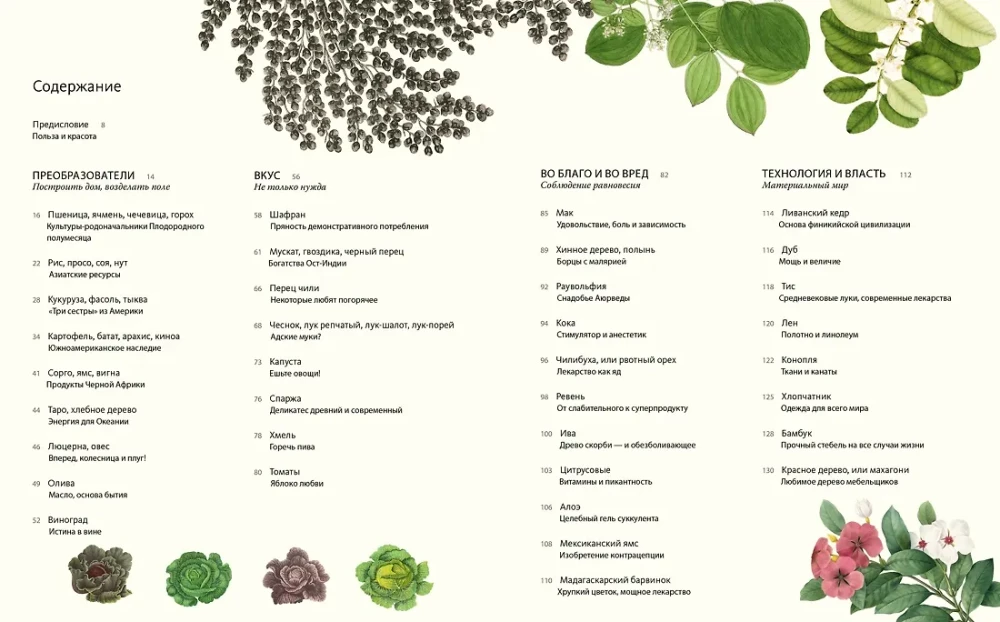
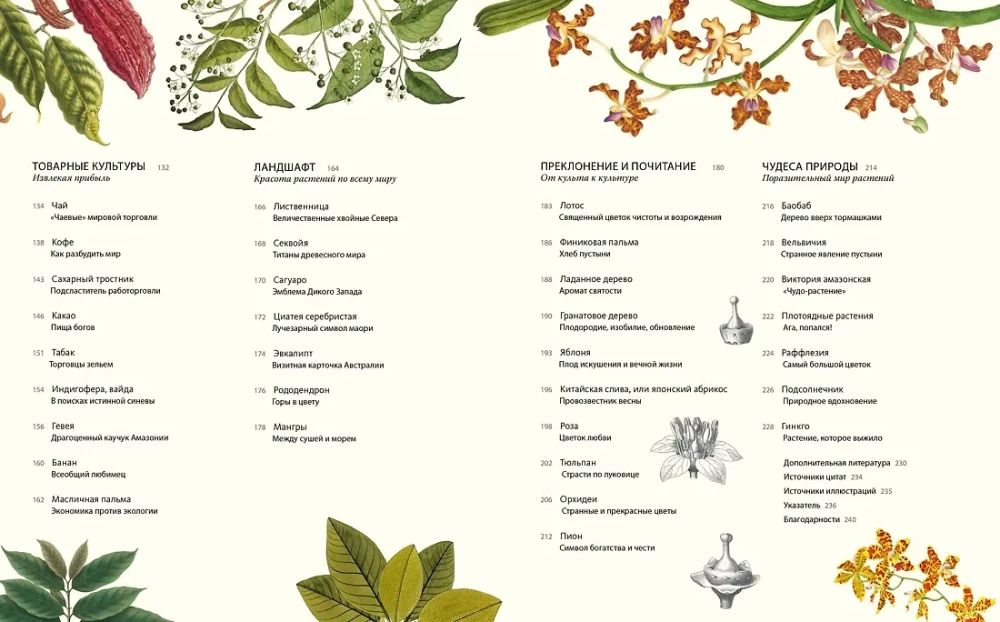
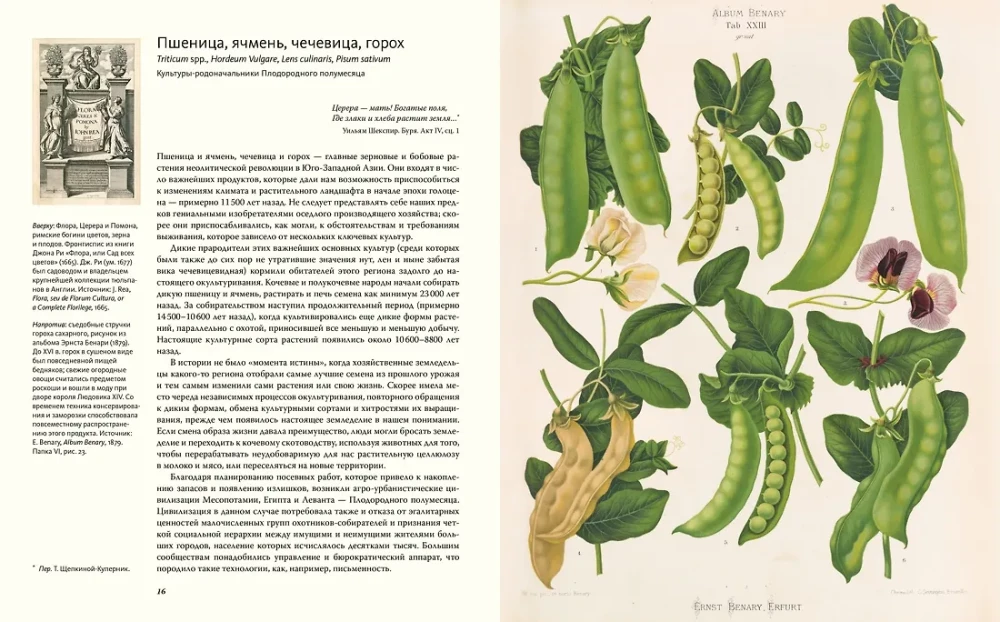
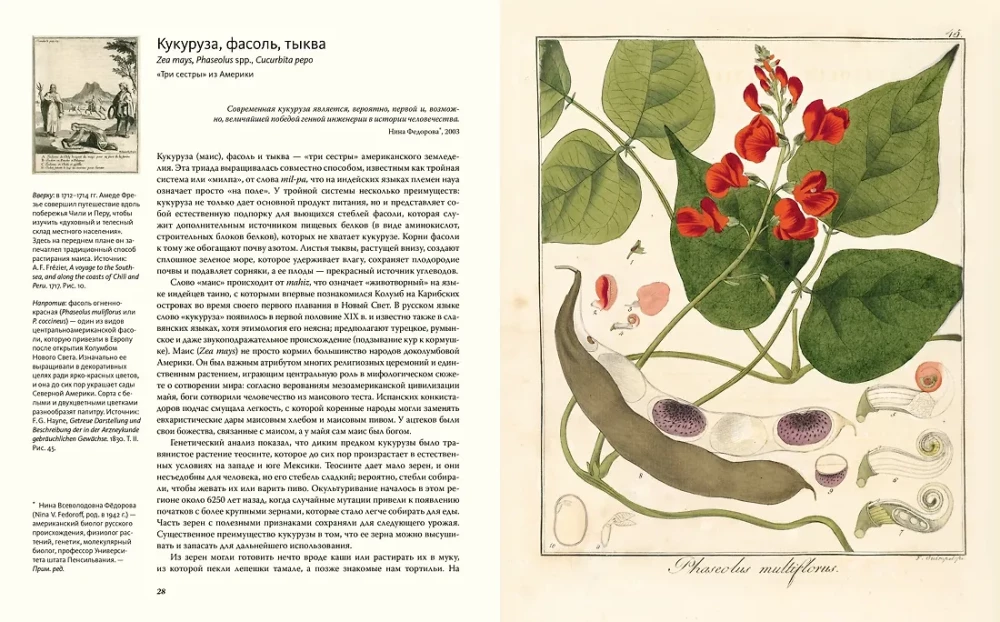
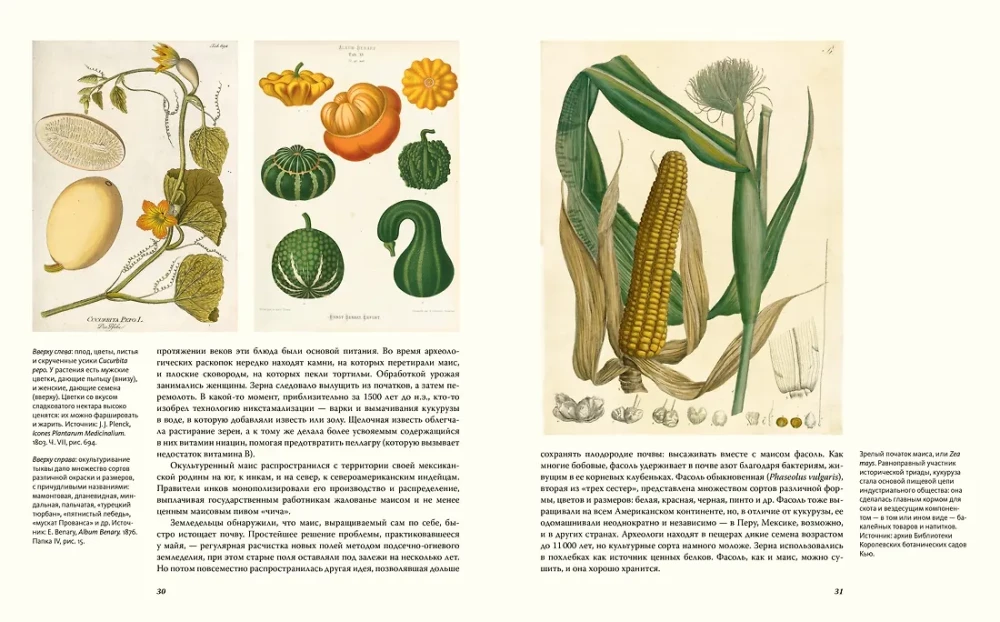
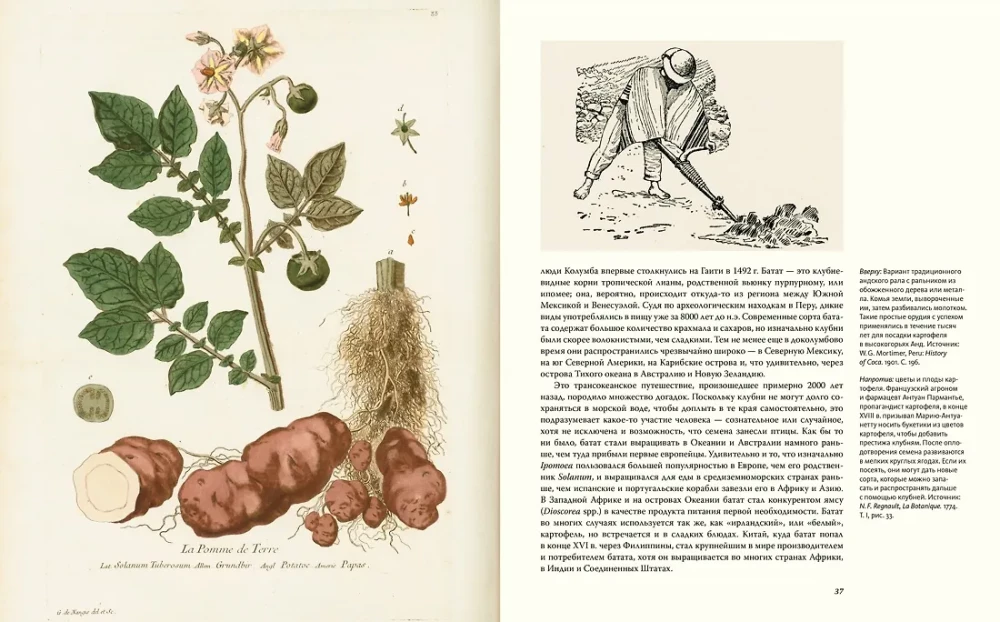
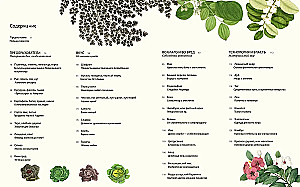
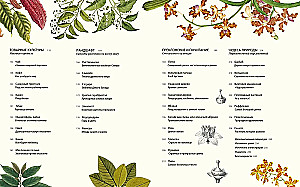
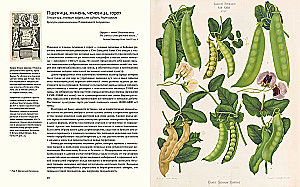
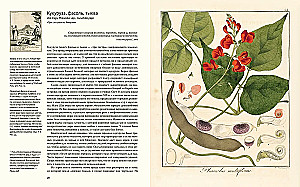
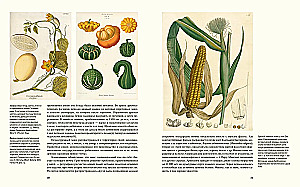
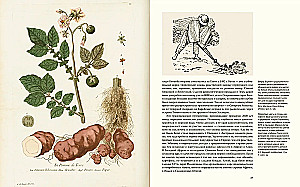
— trace in this book the history of human interaction with 80 key plants over the past 12,000 years. They start with the first cultivated grains that laid the foundations for the development of civilizations (wheat, rice, corn), devote the next section to plants that formed our material world — ships, houses, clothing, furniture (oak, flax, cotton), and then move on to cash crops that radically affected the global economy, colonialism, and post-colonialism, as well as our familiar consumption patterns (tea, coffee, sugar cane). From pumpkin and beans that came from America to African sorghum and yams, from Brazilian rubber to Chinese bamboo — the geographical scope of the book is monumental. This stunning edition, illustrated with unique old drawings, engravings, lithographs, and paintings from the collection of the Royal Botanic Gardens, Kew, in London, will be a source of new knowledge and inspiration for anyone interested in history, anthropology, and cultural studies, as well as botany, and for anyone who cares about the beauty and diversity of the plant kingdom.
Author: Уильям Байнум, Хелен Байнум
Printhouse: KoLibri
Series: New Naturalist
Age restrictions: 16+
Year of publication: 2025
ISBN: 9785389138094
Number of pages: 240
Size: 230х190х23 mm
Cover type: hard
Weight: 856 g
ID: 501734
In stock
€ 24.79
Will be delivered to United States on :
Unfortunately, we are currently unable to deliver orders to your region.
In stock
€ 24.79
Will be delivered to United States on :
Unfortunately, we are currently unable to deliver orders to your region.
Bestsellers






€ 13.29
In stock
12 Weeks in a Year. How to Achieve More in 12 Weeks Than Others Do in 12 Months
Майкл Леннингтон, Брайан Моран



€ 7.89
In stock
Choice. On the Freedom and Inner Strength of a Person
Эдит Ева Эгер, Эсме Швалль-Вейганд



€ 6.99
In stock



€ 6.99
In stock
How to Talk So Kids Will Listen, and How to Listen So Kids Will Talk
Элейн Мазлиш, Адель Фабер