

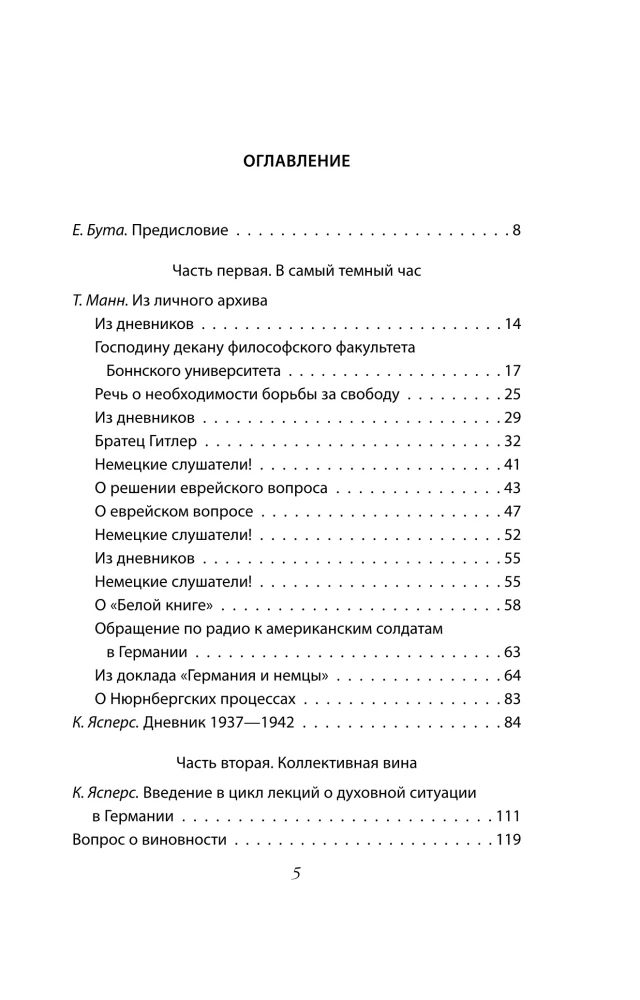
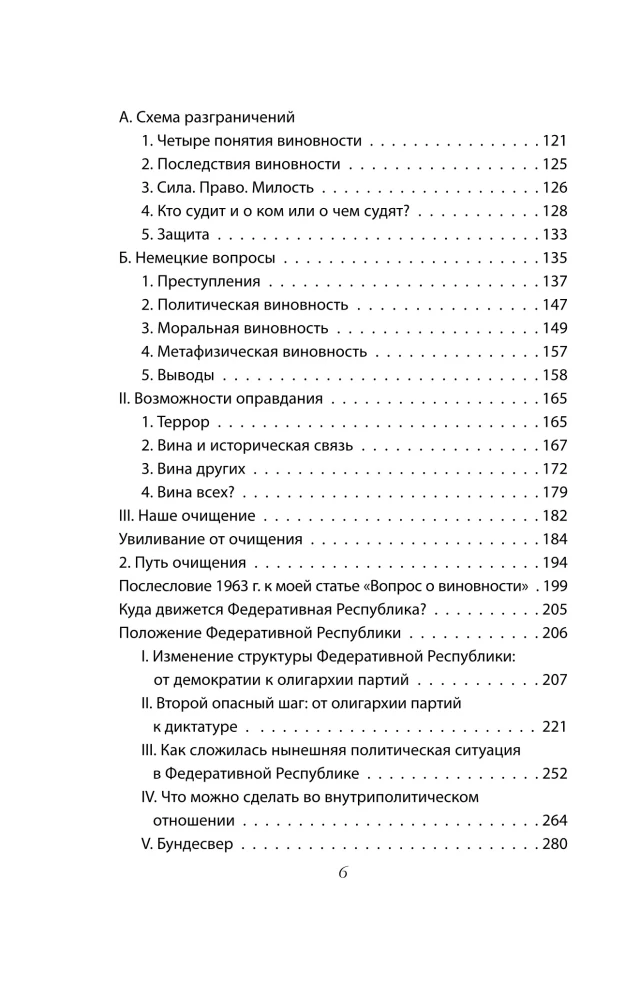




Collective Guilt. How Germans Lived After the War
Edited by Elizaveta Buta
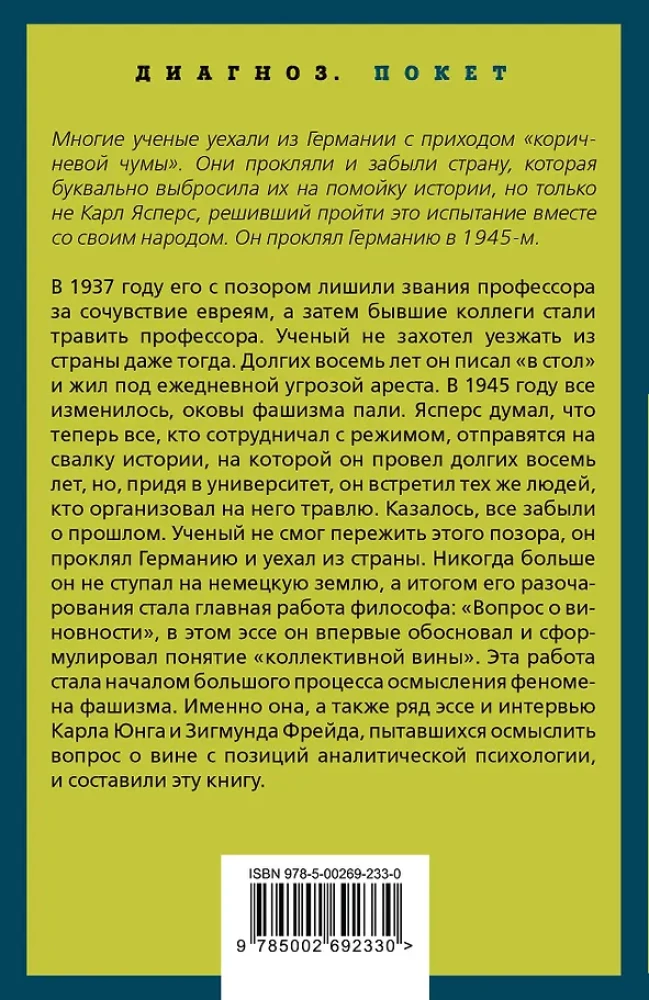
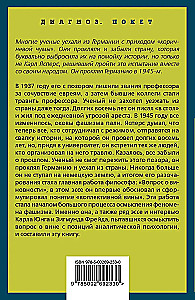
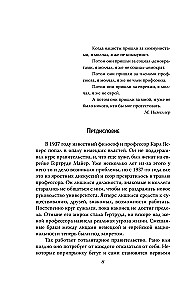
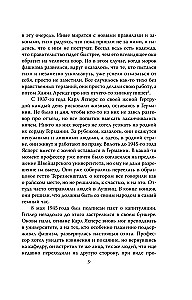
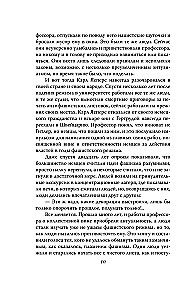
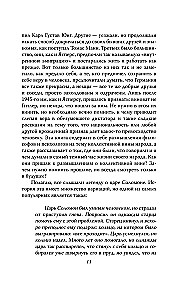
Many scholars left Germany with the advent of the "brown plague." They cursed and forgot the country that literally threw them onto the garbage heap of history, but not Karl Jaspers, who decided to endure this ordeal... alongside his people. He cursed Germany in 1945.
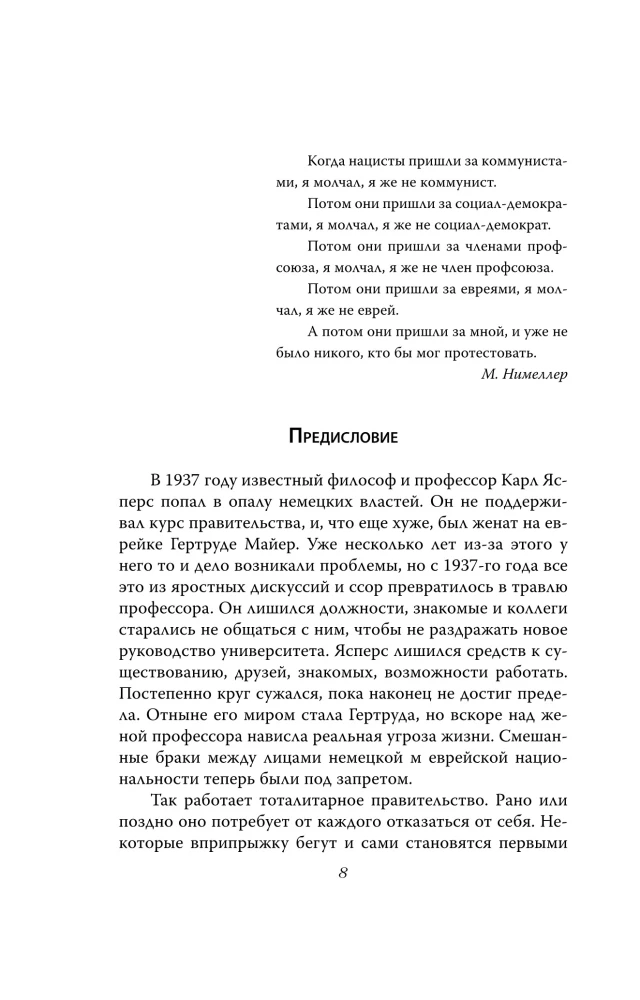
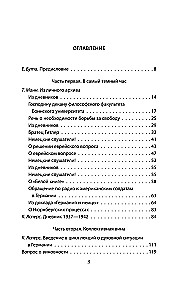
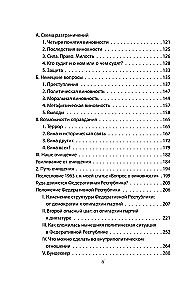
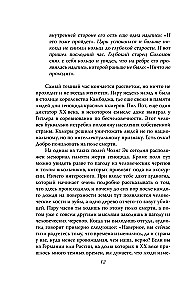
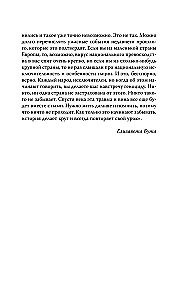
In 1937, he was disgracefully stripped of his title of professor for sympathizing with the Jews, and then his former colleagues began to harass the professor. He did not want to leave the country even then. For eight long years he wrote "into the drawer" and lived under the constant threat of arrest. In 1945, everything changed, the shackles of fascism fell. Jaspers thought that now all those who collaborated with the regime would end up on the dump of history, where he had spent those long eight years, but upon arriving at the university, he met the same people who had organized the harassment against him. It seemed that everyone had forgotten the past. The scholar could not bear this shame; he cursed Germany and left the country. He never set foot on German soil again, and the result of his disappointment became the philosopher's main work: "The Question of Guilt," in which he first substantiated and formulated the concept of "collective guilt." This work marked the beginning of a great process of understanding the phenomenon of fascism. It is this work, along with a series of essays and interviews by Carl Jung and Sigmund Freud, who sought to understand the question of guilt from the perspective of analytical psychology, that comprised this book.
Many scholars left Germany with the advent of the "brown plague." They cursed and forgot the country that literally threw them onto the garbage heap of history, but not Karl Jaspers, who decided to endure this ordeal... alongside his people. He cursed Germany in 1945.
In 1937, he was disgracefully stripped of his title of professor for sympathizing with the Jews, and then his former colleagues began to harass the professor. He did not want to leave the country even then. For eight long years he wrote "into the drawer" and lived under the constant threat of arrest. In 1945, everything changed, the shackles of fascism fell. Jaspers thought that now all those who collaborated with the regime would end up on the dump of history, where he had spent those long eight years, but upon arriving at the university, he met the same people who had organized the harassment against him. It seemed that everyone had forgotten the past. The scholar could not bear this shame; he cursed Germany and left the country. He never set foot on German soil again, and the result of his disappointment became the philosopher's main work: "The Question of Guilt," in which he first substantiated and formulated the concept of "collective guilt." This work marked the beginning of a great process of understanding the phenomenon of fascism. It is this work, along with a series of essays and interviews by Carl Jung and Sigmund Freud, who sought to understand the question of guilt from the perspective of analytical psychology, that comprised this book.
Author: Карл Ясперс, Карл Юнг
Printhouse: rodina
Series: Diagnosis. Pocket
Age restrictions: 16+
Year of publication: 2026
ISBN: 9785002692330
Number of pages: 416
Cover type: soft
Weight: 183 g
ID: 1741118
Available from suppliers
Expected delivery time is about 3 weeks
€ 7.69
Available from suppliers
Expected delivery time is about 3 weeks
€ 7.69
Bestsellers





€ 13.29
In stock
12 Weeks in a Year. How to Achieve More in 12 Weeks Than Others Do in 12 Months
Майкл Леннингтон, Брайан Моран



€ 7.89
In stock
Choice. On the Freedom and Inner Strength of a Person
Эдит Ева Эгер, Эсме Швалль-Вейганд





€ 6.99
In stock