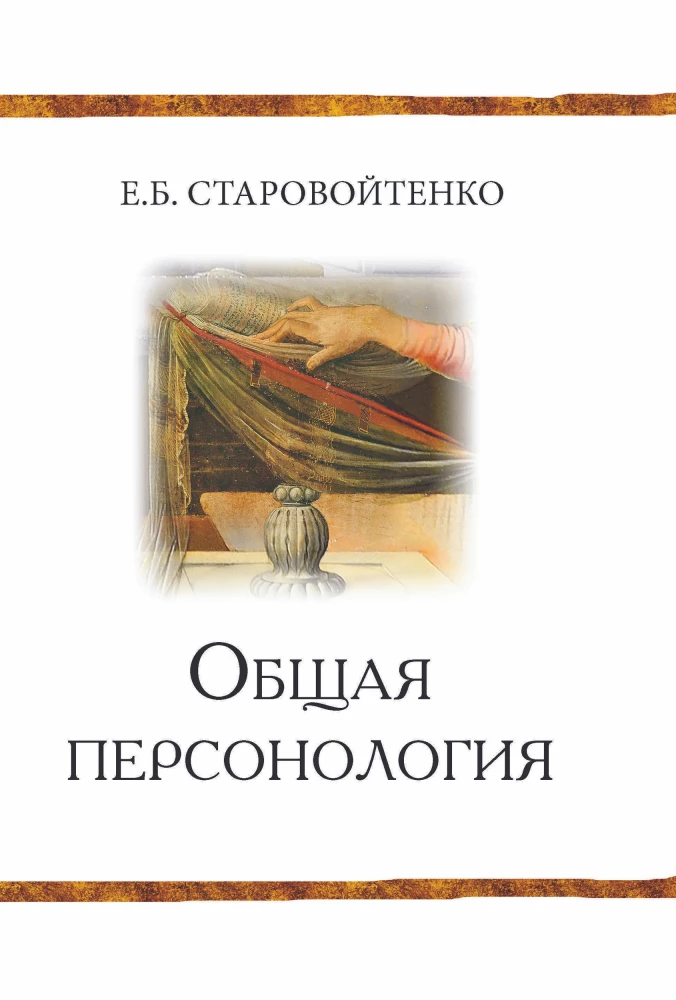

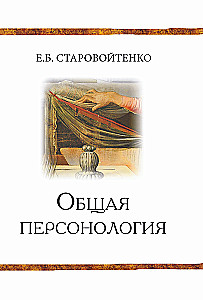

General Personology
The book by Professor E. B. Starovoitenko is a revised and expanded version of the author's monograph "Personology: The Life of the Individual in Culture." The book summarizes the author's many years of work on the implementation of a scientific...
and educational project dedicated to the development of general personology as a new direction in personality psychology. It substantiates the method of constructing a "science of synthesis," which consists in achieving unity, firstly, of cultural-historical knowledge about the individual and the hermeneutics of cultural texts that develop the "idea of the individual"; secondly, of fundamental psychological theory of personality; thirdly, of consultative-psychotherapeutic and developmental practices oriented towards the psychological support of the individual; fourthly, of ways of self-knowledge and self-realization of the individual acting as a researcher, author of the text, consultant-psychotherapist, recipient of psychological help.
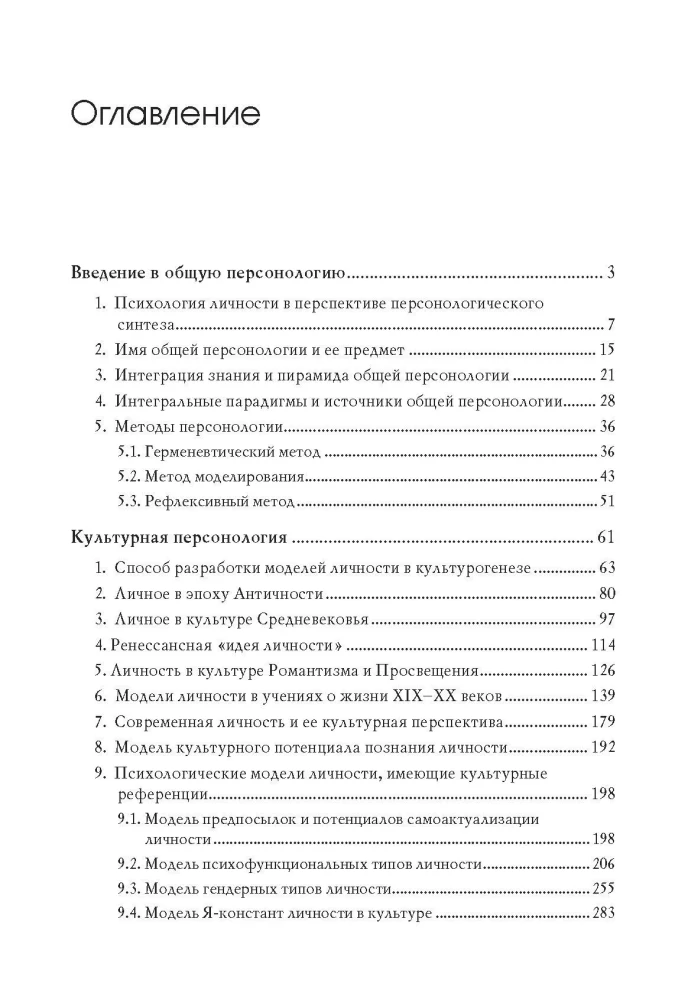
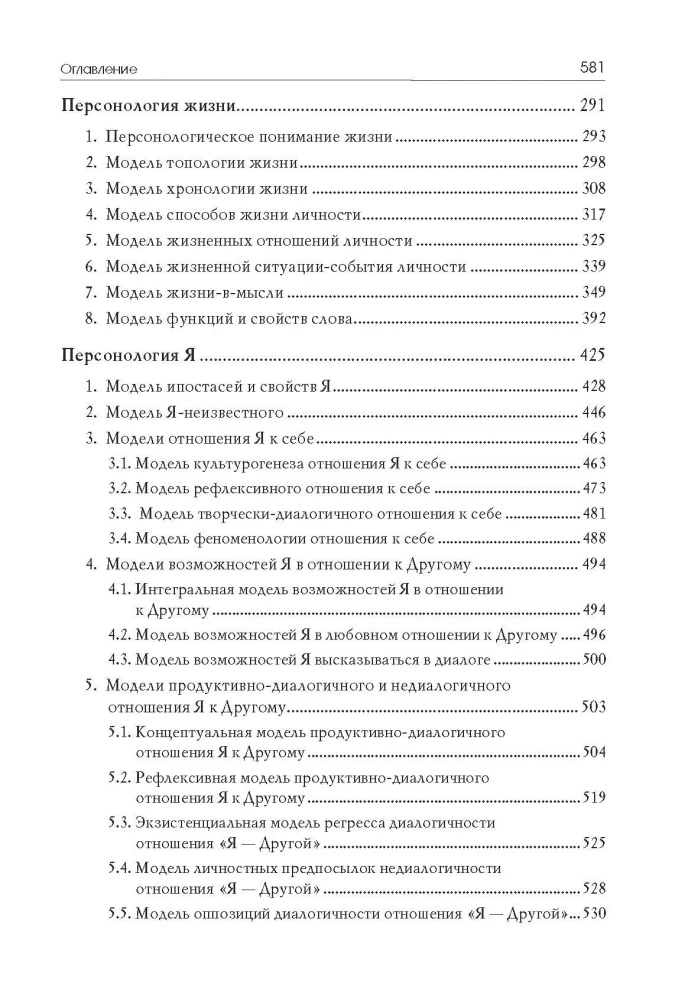
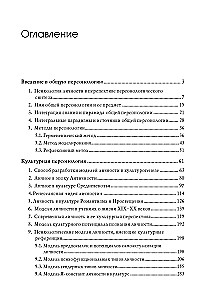
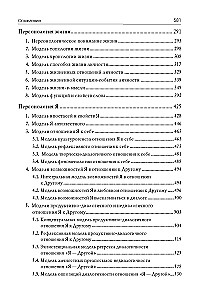
The thematic emphases of the monograph are: the methodology for developing the format of general personology, including the basic methods of personality research; problems and models of cultural personology, life personology, and self-personology; models and techniques of reflexive practice applicable in counseling and self-knowledge of the individual. A number of studies presented in the monograph were conducted in collaboration with colleagues from the Center for Fundamental and Consultative Personology and the Department of Psychology at the National Research University "Higher School of Economics," and were also supported by grants from the Scientific Foundation of HSE.
The text of the book is a collection of hermeneutic, explanatory, descriptive, and reflexive models, serving the functions of representation and acquiring knowledge, transferring knowledge in education, applying it in the interpretation of individual cases, building scientific dialogues, and consultative interactions.
The monograph by E. B. Starovoitenko is a crucial part of the scientific and educational-methodological support for teaching personology in the master's program at HSE and can be used as an innovative project in training students at other research universities. It contains authorial practices for enhancing the individual self in social relationships, professional activities, close communication, and attitude towards oneself. Its leitmotif is the development of modern culture of human life as a "culture of the individual," in which general personology plays a significant role. This role is expressed in the appointment of personology to be "the science of the individual, about the individual, for the individual, in the name of the individual."
The thematic emphases of the monograph are: the methodology for developing the format of general personology, including the basic methods of personality research; problems and models of cultural personology, life personology, and self-personology; models and techniques of reflexive practice applicable in counseling and self-knowledge of the individual. A number of studies presented in the monograph were conducted in collaboration with colleagues from the Center for Fundamental and Consultative Personology and the Department of Psychology at the National Research University "Higher School of Economics," and were also supported by grants from the Scientific Foundation of HSE.
The text of the book is a collection of hermeneutic, explanatory, descriptive, and reflexive models, serving the functions of representation and acquiring knowledge, transferring knowledge in education, applying it in the interpretation of individual cases, building scientific dialogues, and consultative interactions.
The monograph by E. B. Starovoitenko is a crucial part of the scientific and educational-methodological support for teaching personology in the master's program at HSE and can be used as an innovative project in training students at other research universities. It contains authorial practices for enhancing the individual self in social relationships, professional activities, close communication, and attitude towards oneself. Its leitmotif is the development of modern culture of human life as a "culture of the individual," in which general personology plays a significant role. This role is expressed in the appointment of personology to be "the science of the individual, about the individual, for the individual, in the name of the individual."
Author: Елена Старовойтенко
Printhouse: Triksta
Series: Psychological Technologies
Age restrictions: 16+
Year of publication: 2023
ISBN: 9785829141455
Number of pages: 582
Size: 220x155x30 mm
Cover type: hard
Weight: 702 g
ID: 1733431
In stock
€ 30.99
Will be delivered to United States on 29 September (Tu):
By courier
from € 38.94
Bestsellers

€ 13.29
In stock
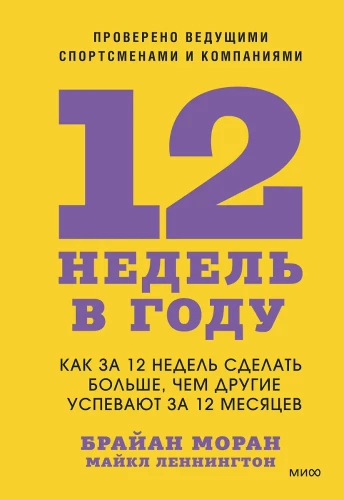
12 Weeks in a Year. How to Achieve More in 12 Weeks Than Others Do in 12 Months
Майкл Леннингтон, Брайан Моран

€ 7.89
In stock
Choice. On the Freedom and Inner Strength of a Person
Эдит Ева Эгер, Эсме Швалль-Вейганд


€ 6.99
In stock

€ 5.29
In stock




€ 11.59
In stock
We Are Right for Each Other: How Attachment Theory Can Help Create Harmonious Relationships
Амир Левин, Рэйчел Хеллер