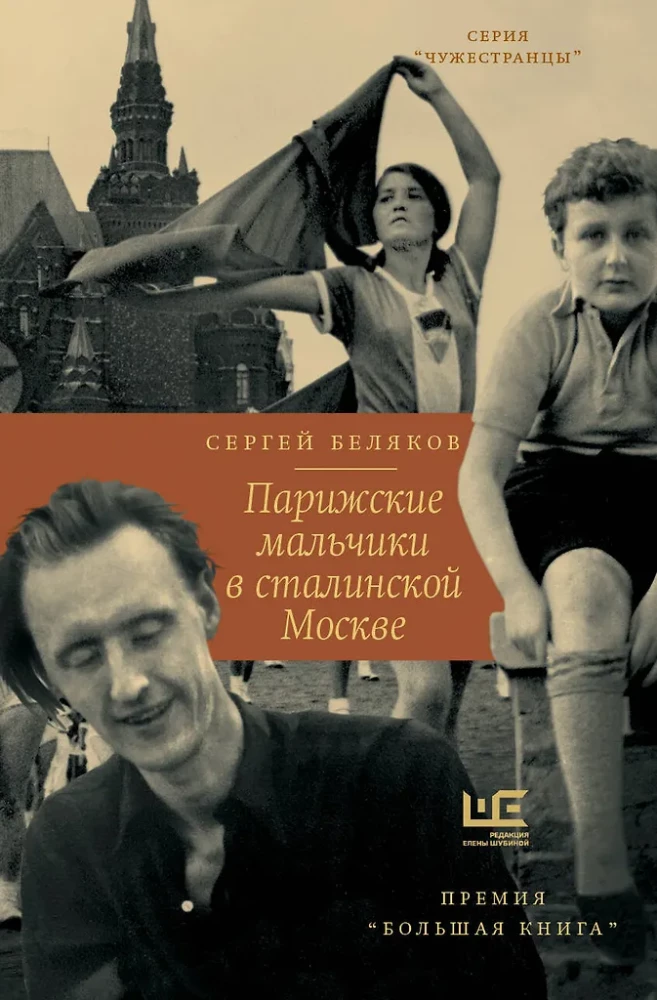
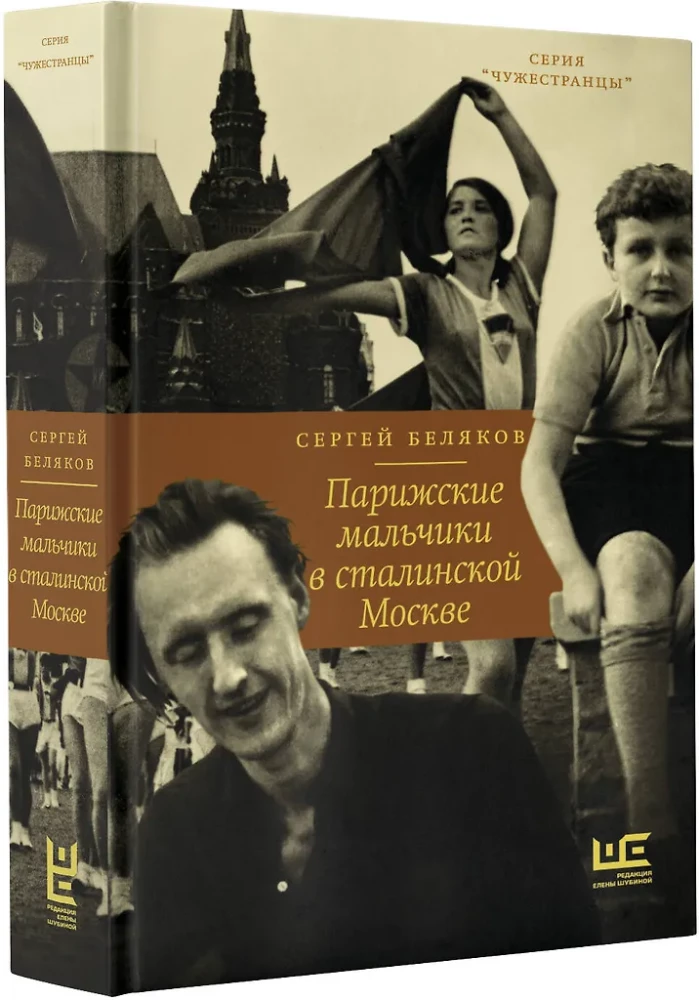
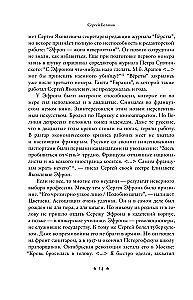
Parisian Boys in Stalin's Moscow
Sergey Belyakov is a historian and writer, the author of the books “Gumilev, Son of Gumilev,” “The Shadow of Mazepa. The Ukrainian Nation in the Era of Gogol,” “The Spring of Nations. Russians and Ukrainians Between Bulgakov and Petliura,” a...
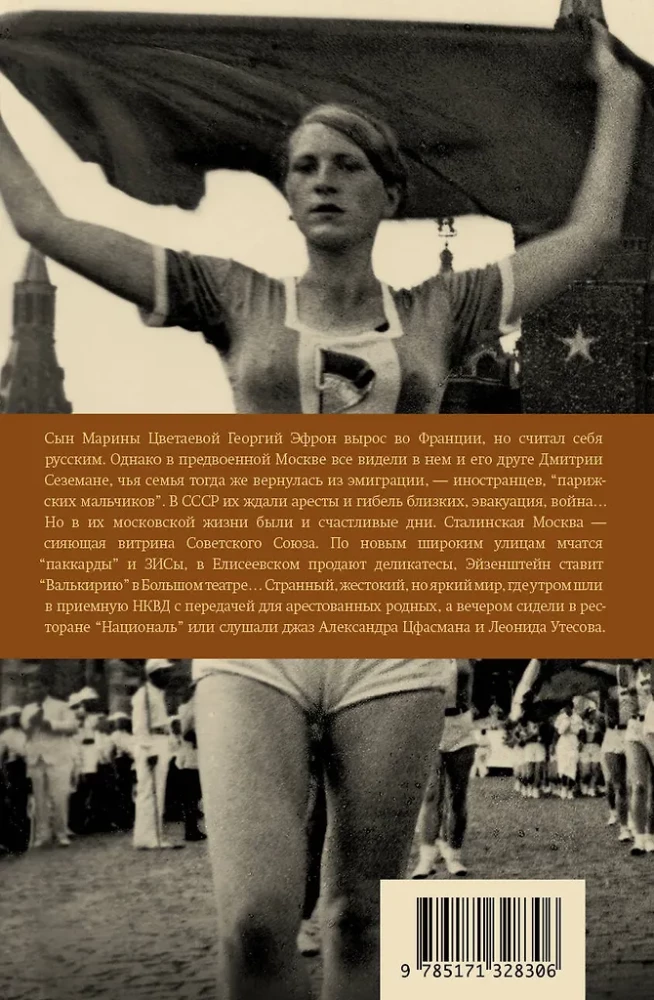
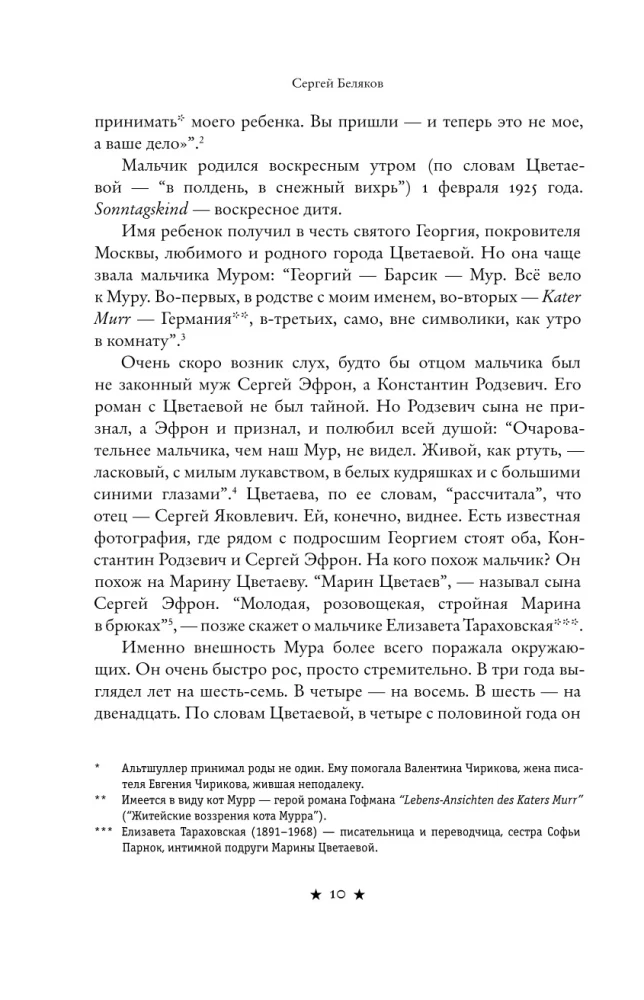
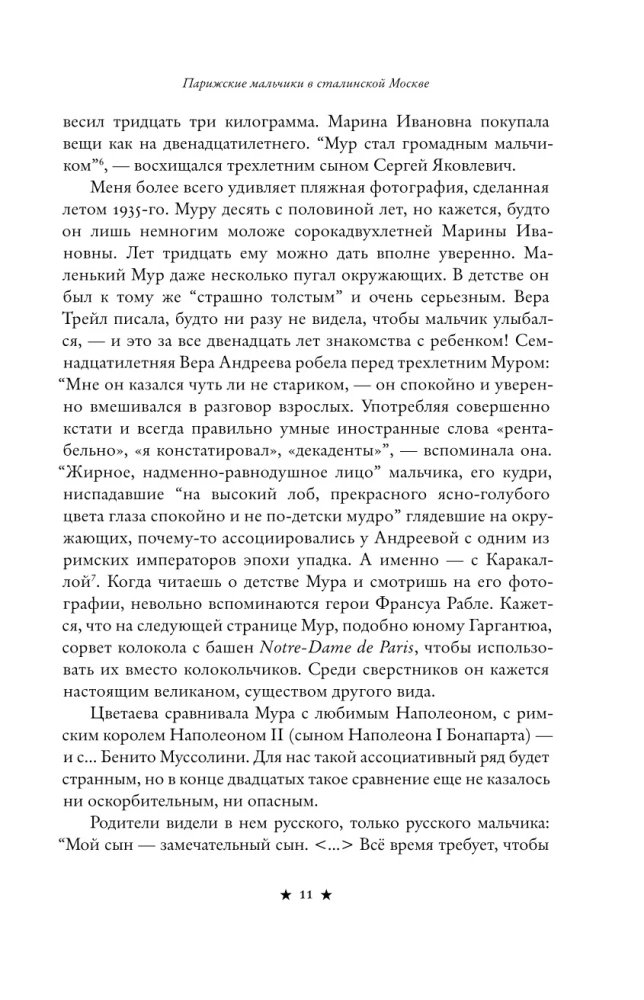
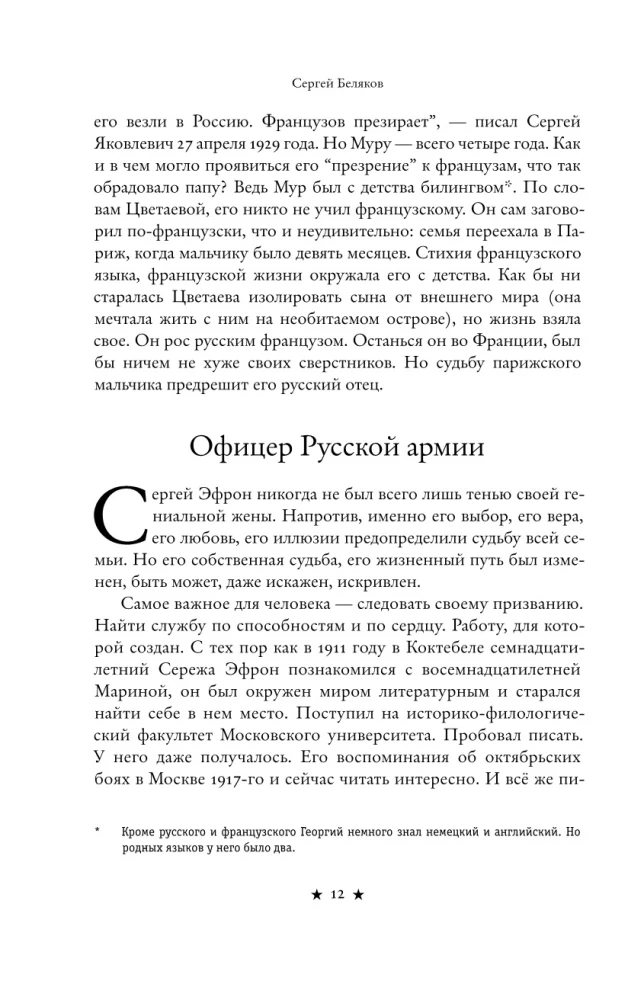
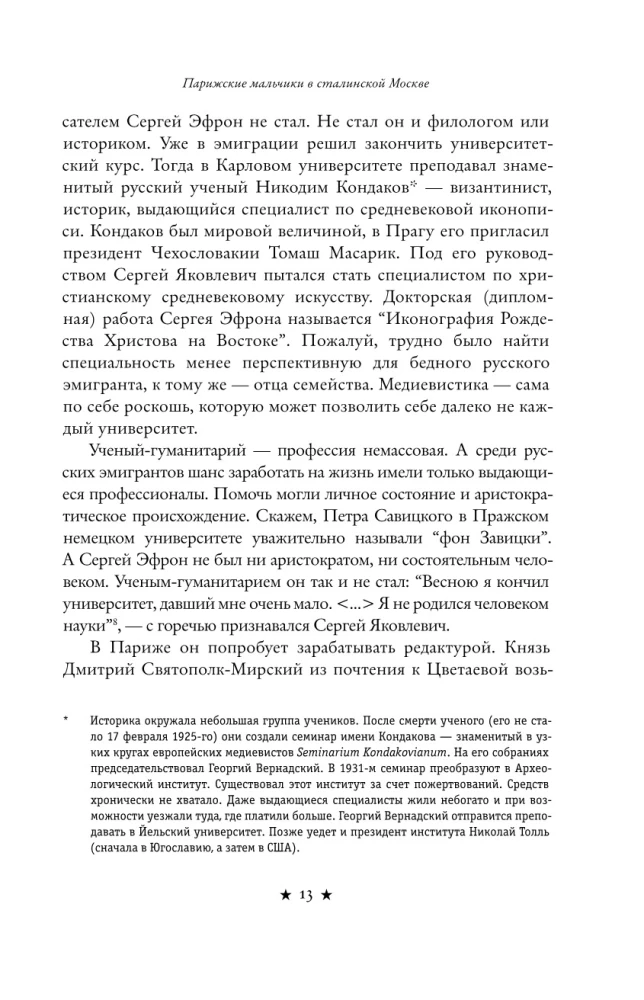
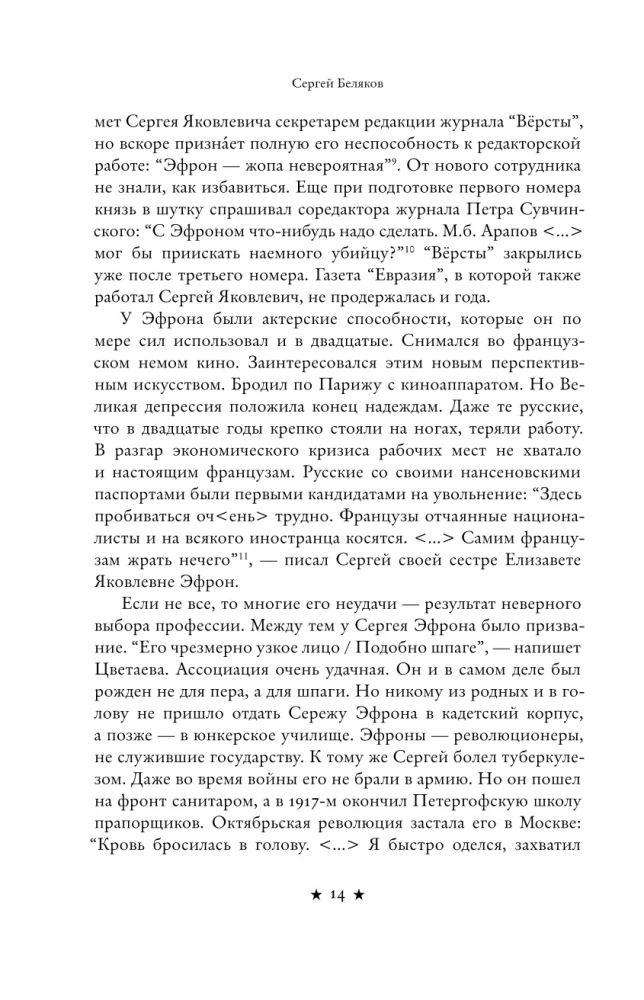
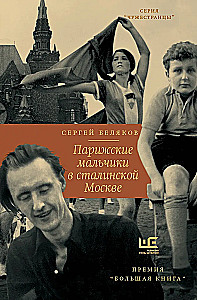
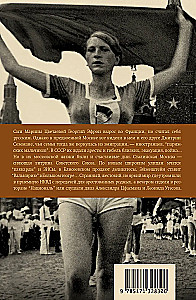
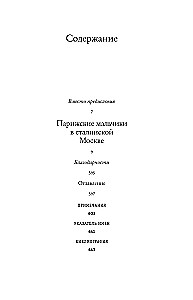
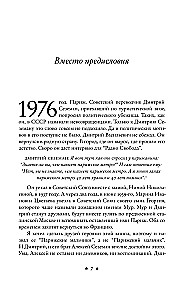
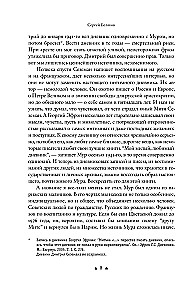
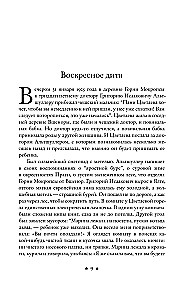
laureate of the “Big Book” prize, and a finalist for the “National Bestseller” and “Yasnaya Polyana” prizes. Georgy Efros, the son of Marina Tsvetaeva, better known by the nickname "Mur," was born in Czechia, grew up in France, but considered himself Russian. However, in pre-war Moscow, classmates, friends, and girls saw him as a foreigner, a Parisian boy. Mur's friend, Dmitry Sezeman, was also a “Parisian boy,” having arrived in Moscow with his parents at the same time. The life of the friends in the USSR seems like a series of misfortunes: arrests and the death of loved ones, homelessness, evacuation, hunger, the front, where one of them would be wounded and the other would die… But their life in Moscow also had happy days. Stalin's Moscow was a shining showcase of the Soviet Union. Lincoln, Packard, and ZIS cars rushed along the new wide streets, delicacies were sold at Yeliseyevsky: from black caviar and crabs to Roquefort. Eisenstein staged “The Valkyrie” at the Bolshoi Theater, and “Madame Bovary” was performed at the Chamber Theater – and even Voroshilov enjoyed attending Tairov's performances. Jazz musicians Eddie Rosner, Alexander Tsfasman, and Leonid Utesov played for Muscovites, while dance teachers earned more than engineers and doctors… A strange, cruel, yet vivid world, where in the morning one would go to the NKVD reception with a package for arrested relatives, and in the evening sit in the “National” restaurant or listen to Sviatoslav Richter in the Tchaikovsky Concert Hall.
Author: Сергей Беляков
Printhouse: AST
Series: Strangers
Age restrictions: 16+
Year of publication: 2021
ISBN: 9785171328306
Number of pages: 672
Size: 218x145x34 mm
Cover type: hard
Weight: 965 g
ID: 858583
Sold out
€ 20.79
Sold out
€ 20.79
Bestsellers



€ 13.29
In stock
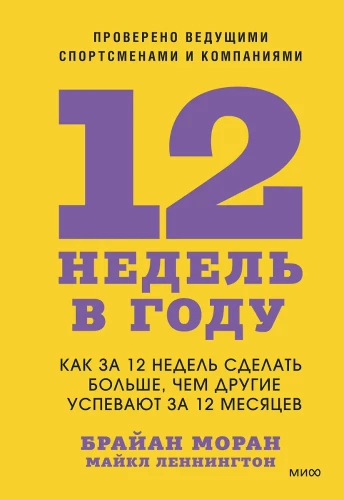
12 Weeks in a Year. How to Achieve More in 12 Weeks Than Others Do in 12 Months
Майкл Леннингтон, Брайан Моран

€ 7.89
In stock
Choice. On the Freedom and Inner Strength of a Person
Эдит Ева Эгер, Эсме Швалль-Вейганд

€ 6.99
In stock
Publishers "AST" recommends






Bestseller
€ 12.39
In stock
Intensive Korean Language Course for Beginners
Анастасия Погадаева, Чун Ин Сун