

One Hundred Days in the Grip of Madness: The Rwandan Genocide of 1994
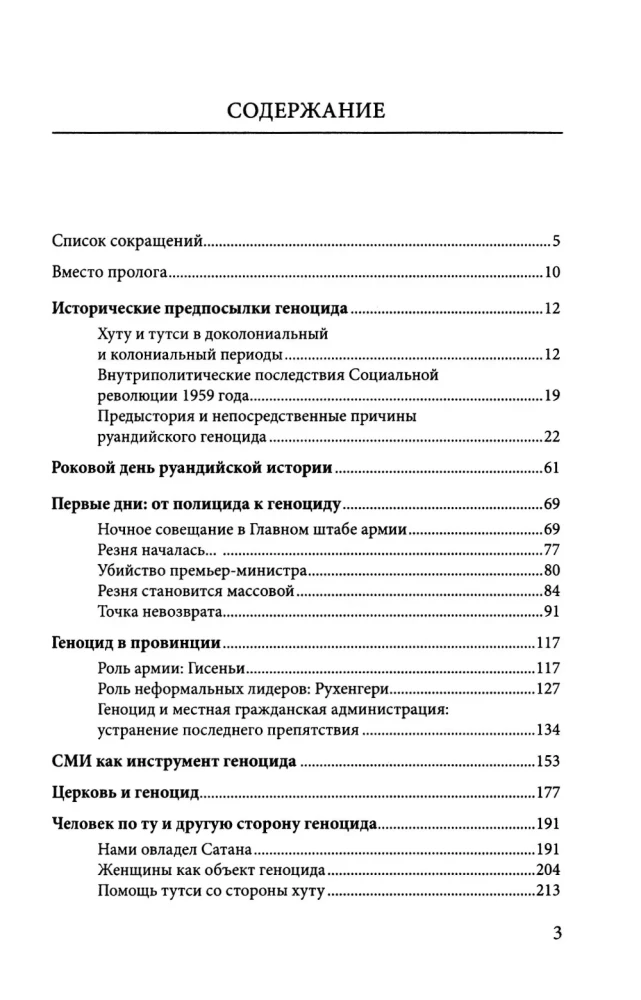
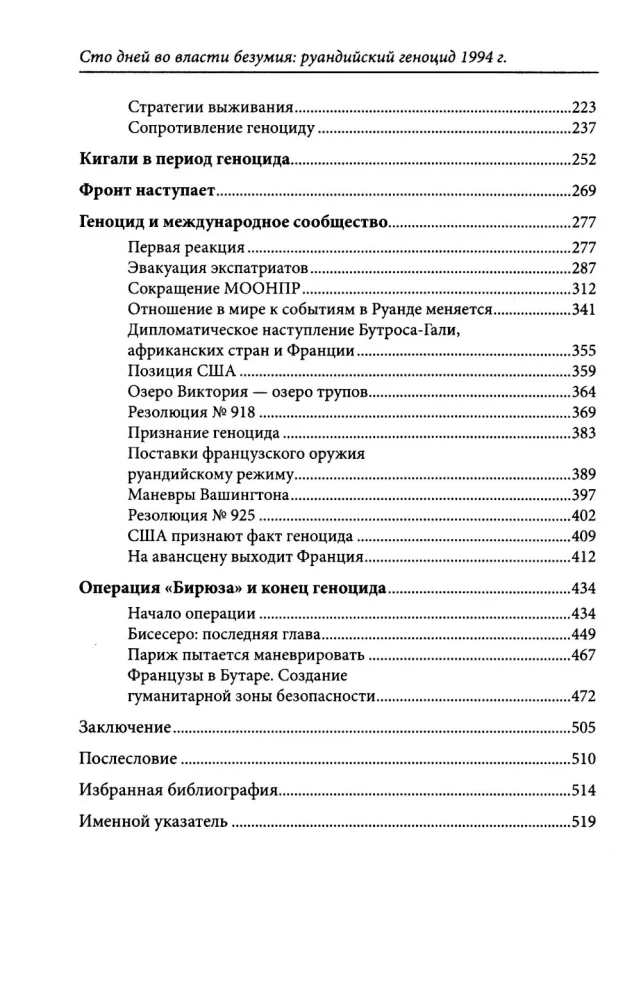
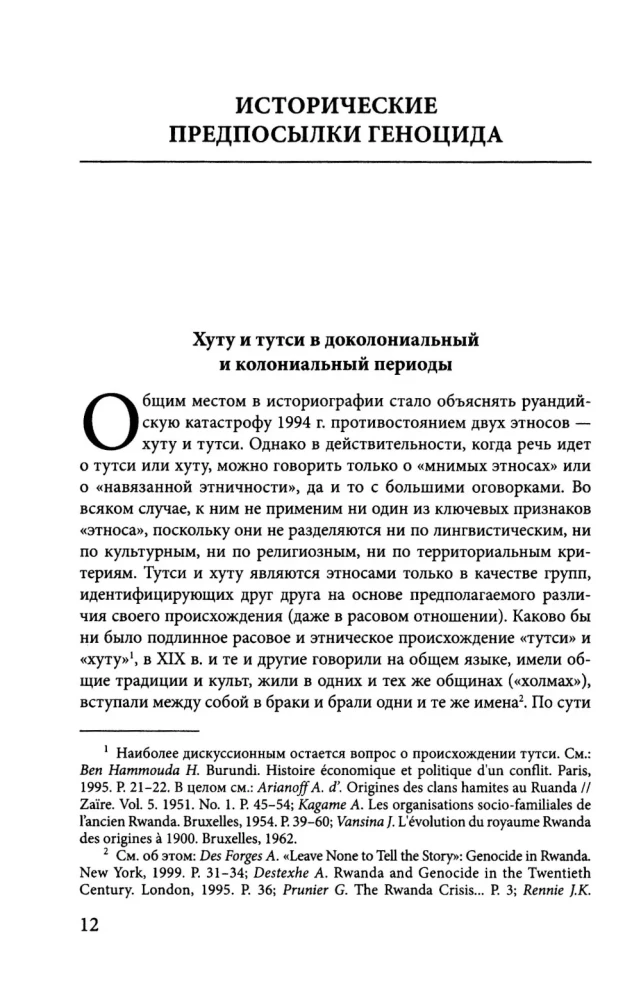
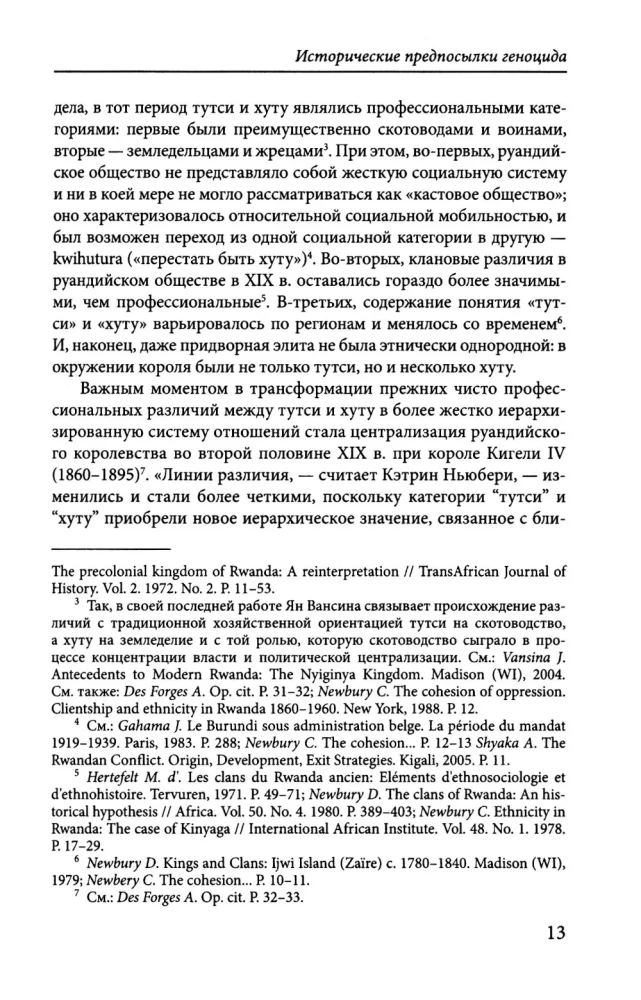
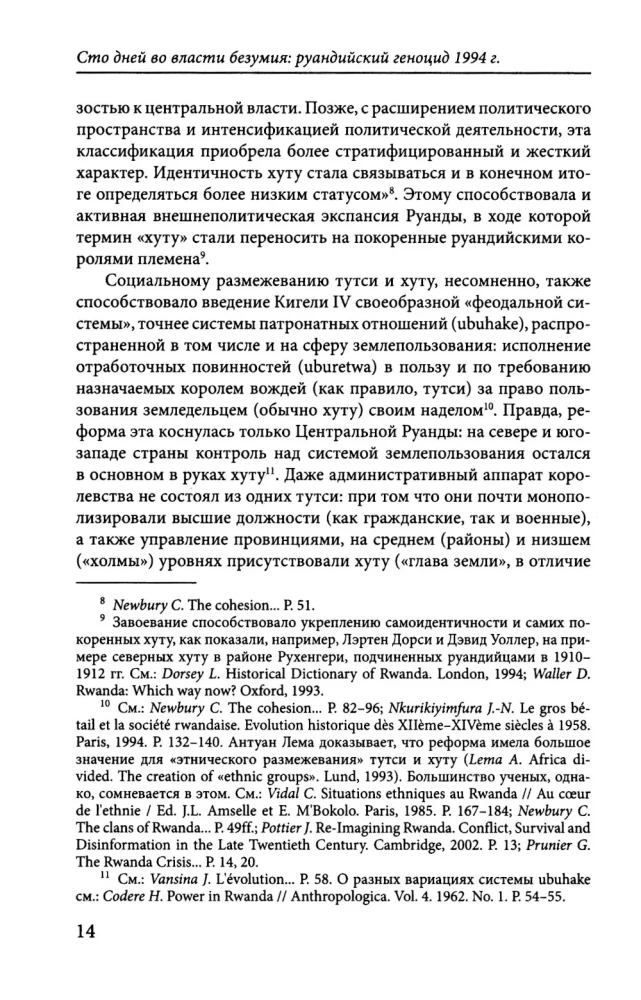
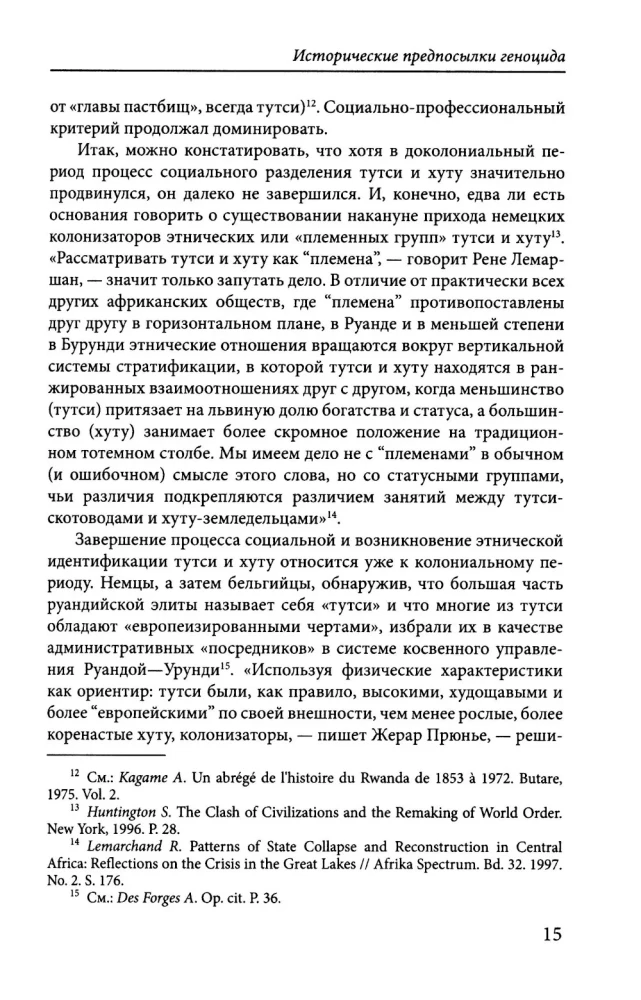
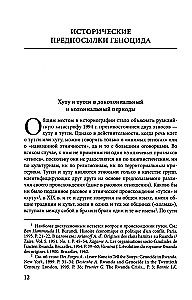
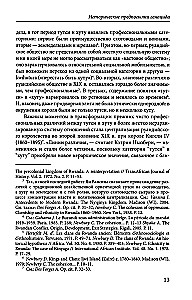
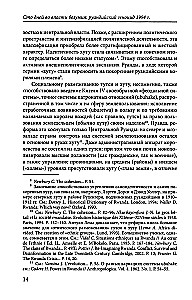
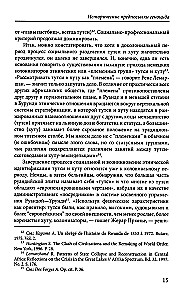
In the monograph by Professor I.V. Krivushin, Doctor of Historical Sciences at the National Research University Higher School of Economics, a comprehensive analysis of the 1994 genocide in Rwanda, its historical preconditions and causes is carried out for the first...
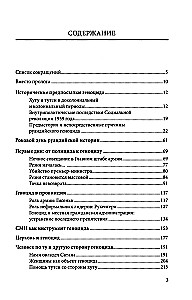
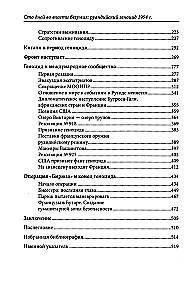
time in domestic historiography. The methods of its implementation, the main organizers and participants, and the role of the media and Christian churches in the genocide are identified. The research, based on a large array of sources, shows how the "discourse of genocide" was formed, how traditional administrative structures were transformed into mechanisms for the mass extermination of "enemies" and their "accomplices", how the consciousness of those involved changed, in what forms resistance to the genocide was carried out and by what means it was suppressed, what the strategies for extermination and survival were, and what the reasons were for the indifference of the UN, foreign states, and global public opinion. For a wide range of readers, primarily political scientists, historians, ethnologists, international experts, psychologists, sociologists, and journalists.
Author: Иван Кривушин
Printhouse: VYSShAIa ShKOLA EKONOMIKI
Age restrictions: 16+
Year of publication: 2026
ISBN: 9785759843610
Number of pages: 600
Size: 220х140х34 mm
Cover type: hard
Weight: 714 g
ID: 1740856
Sold out
€ 13.39
Sold out
€ 13.39
Bestsellers






€ 13.29
In stock
12 Weeks in a Year. How to Achieve More in 12 Weeks Than Others Do in 12 Months
Майкл Леннингтон, Брайан Моран



€ 7.89
In stock
Choice. On the Freedom and Inner Strength of a Person
Эдит Ева Эгер, Эсме Швалль-Вейганд



€ 6.99
In stock



€ 6.99
In stock
How to Talk So Kids Will Listen, and How to Listen So Kids Will Talk
Элейн Мазлиш, Адель Фабер