
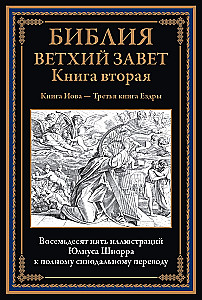
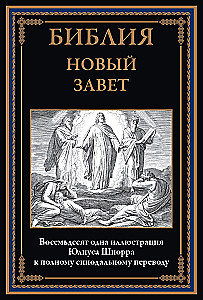


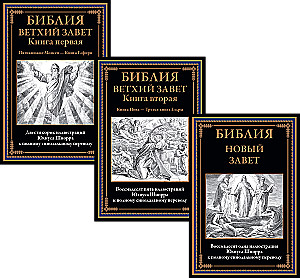
Bible. Old Testament Books 1 and 2. New Testament
The Bible is not only the foundation of Christianity but also an essential part of world culture. Its Old Testament was written in ancient Hebrew. These texts, created from the 15th to the 1st century BCE, were carefully preserved during...
copying, and by the 10th century CE, thanks to the efforts of Jewish scholars—the Masoretes—who worked with ancient manuscripts of the Holy Scripture, they attained a firmly established form. The Old Testament, translated into ancient Greek in the 3rd–1st centuries BCE in Alexandria, became known as the Septuagint, meaning "translation of the seventy elders." The New Testament of the Bible was also written in ancient Greek. In the late 4th century CE, the Vulgate—a translation of the Bible into Latin—emerged, and this "Latin Bible" was first printed in 1450 by Johannes Gutenberg.
In the 9th century, Cyril and Methodius translated the Bible into Old Church Slavonic. With the advent of printing in Russia, the Bible began to be published in Church Slavonic; these texts were used in both church and domestic contexts. In 1751, by the decree of Empress Elizabeth, they were compared with the Septuagint; however, by that time, Church Slavonic was no longer understood by all Russians, so by the decree of Alexander I, the Bible began to be published in Russian. The translation was carried out by the Synod—the highest state organ of church administration—thus it became known as the Synodal. The translation of the 39 canonical books of the Old Testament was made from Hebrew (Masoretic text); ten of its non-canonical books were translated from Greek, and one—from the Latin Vulgate. The translation of the New Testament was made from the Greek original.
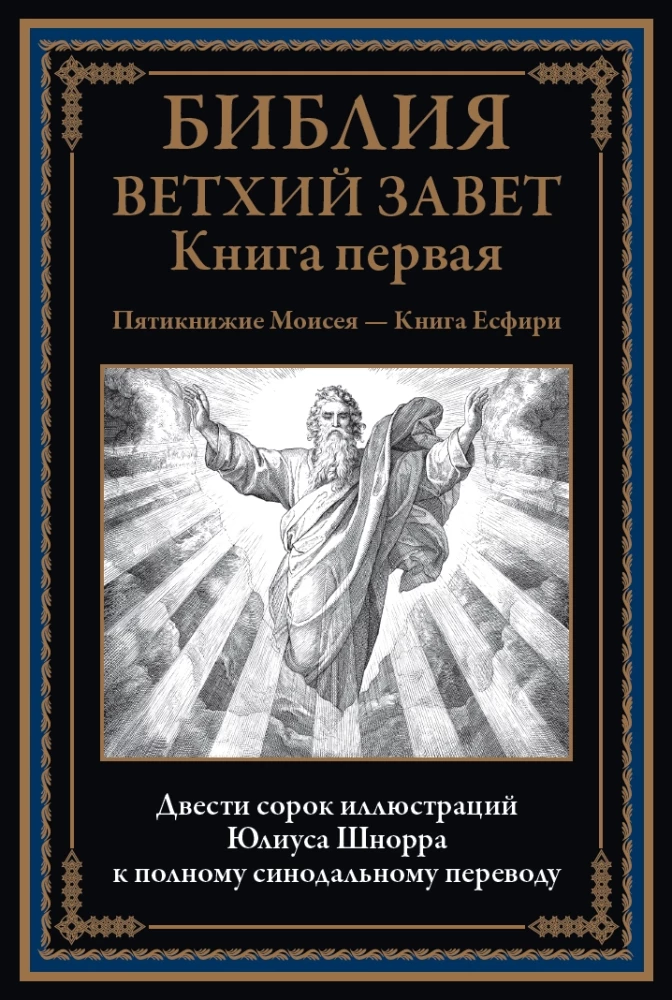
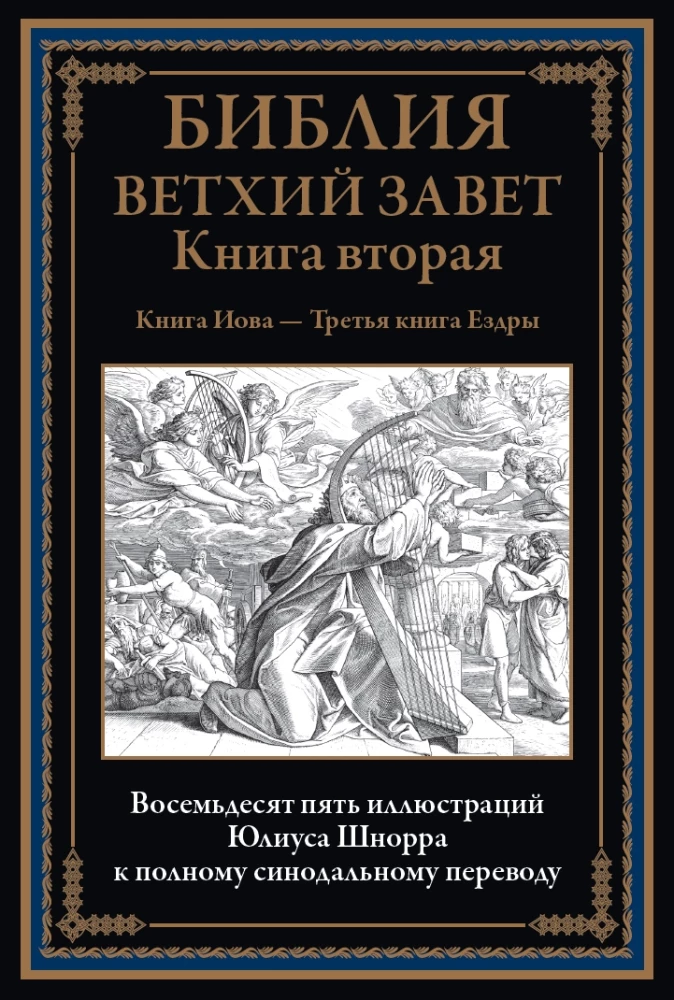
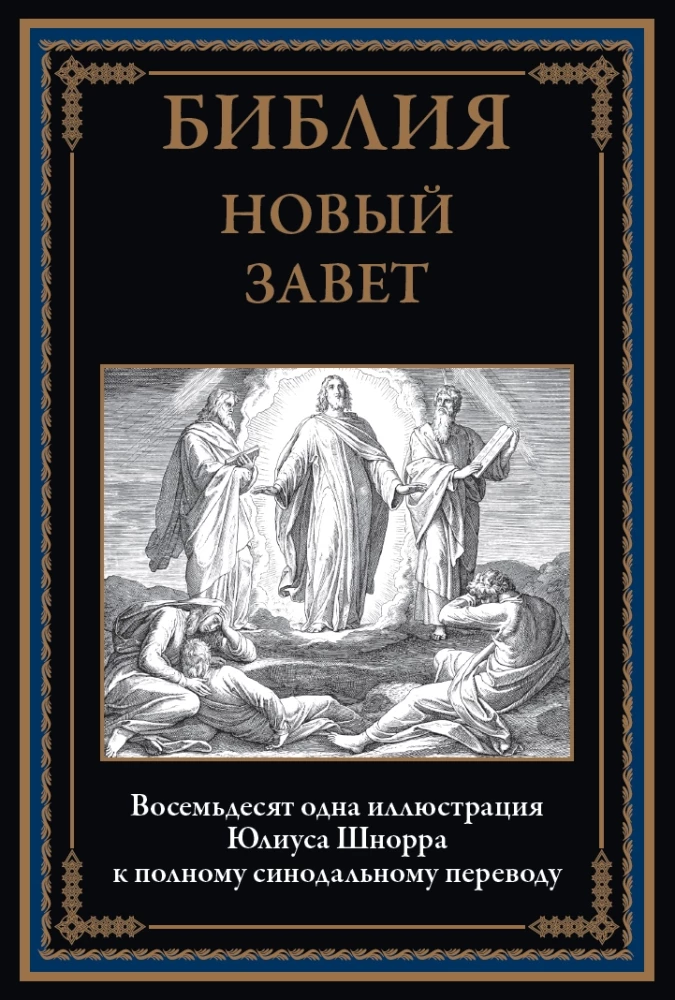
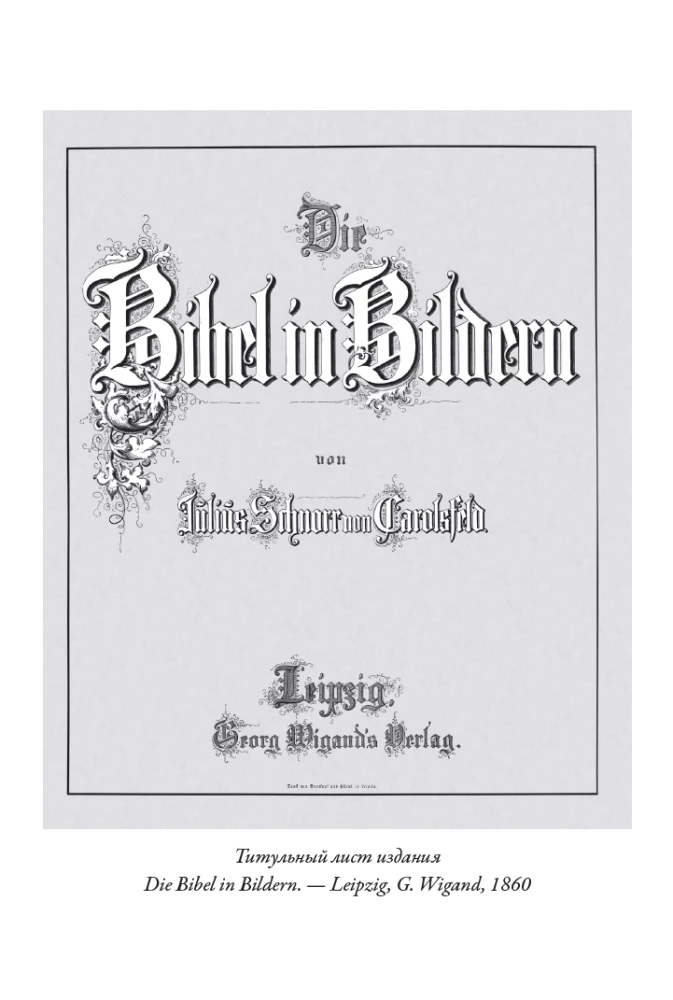
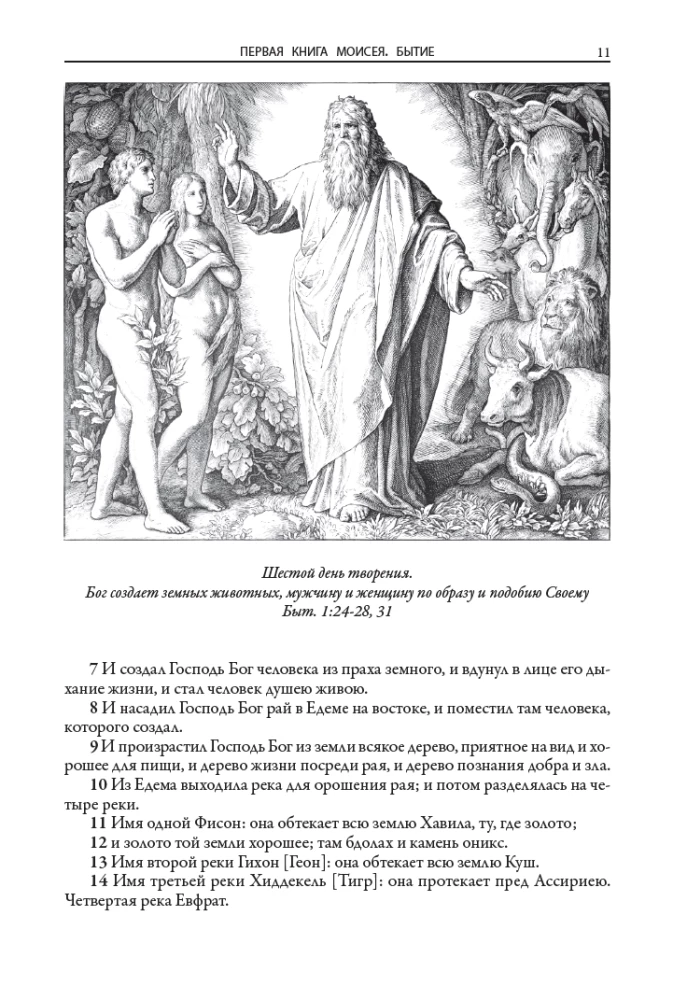
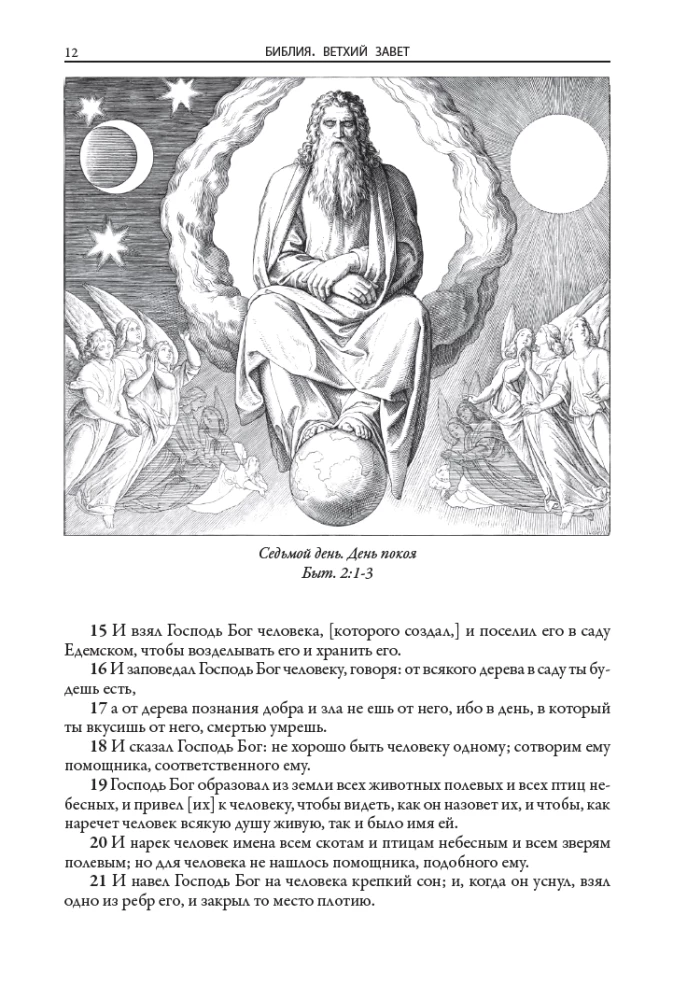
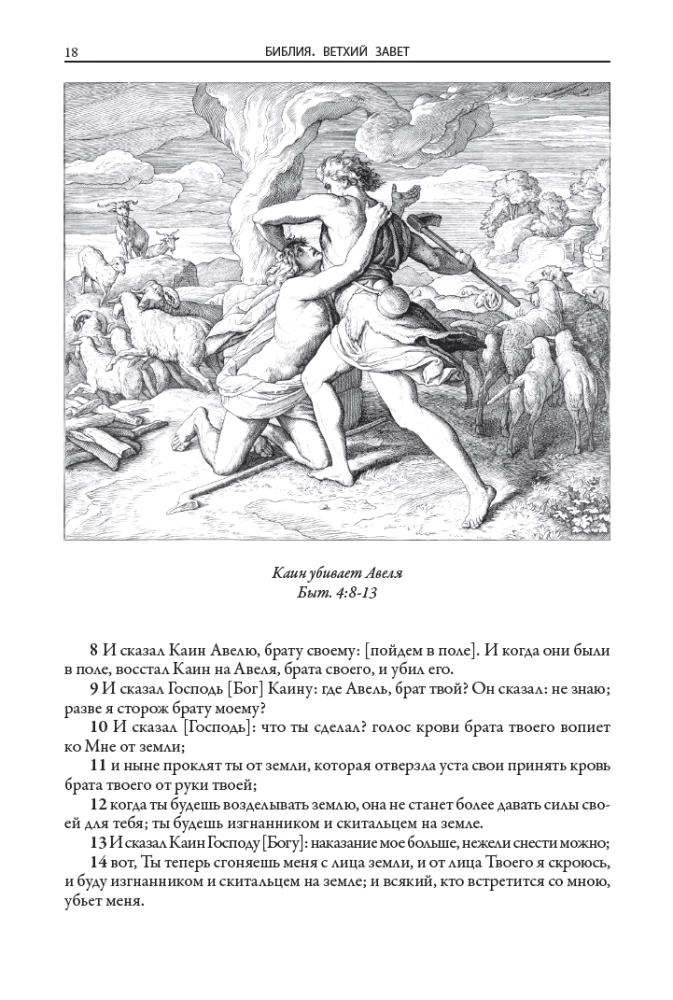
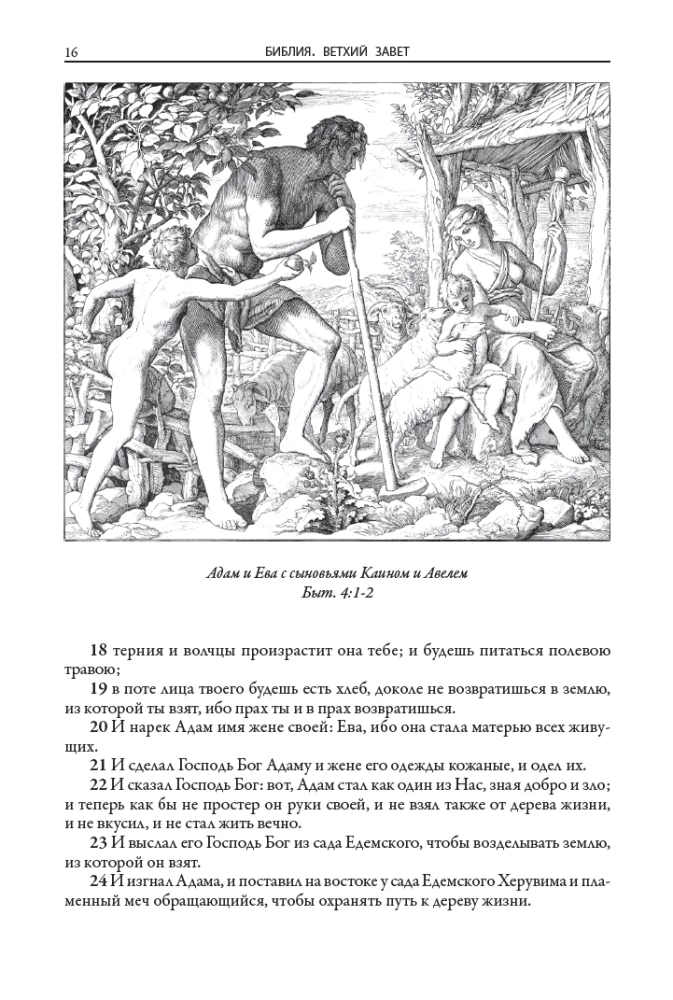
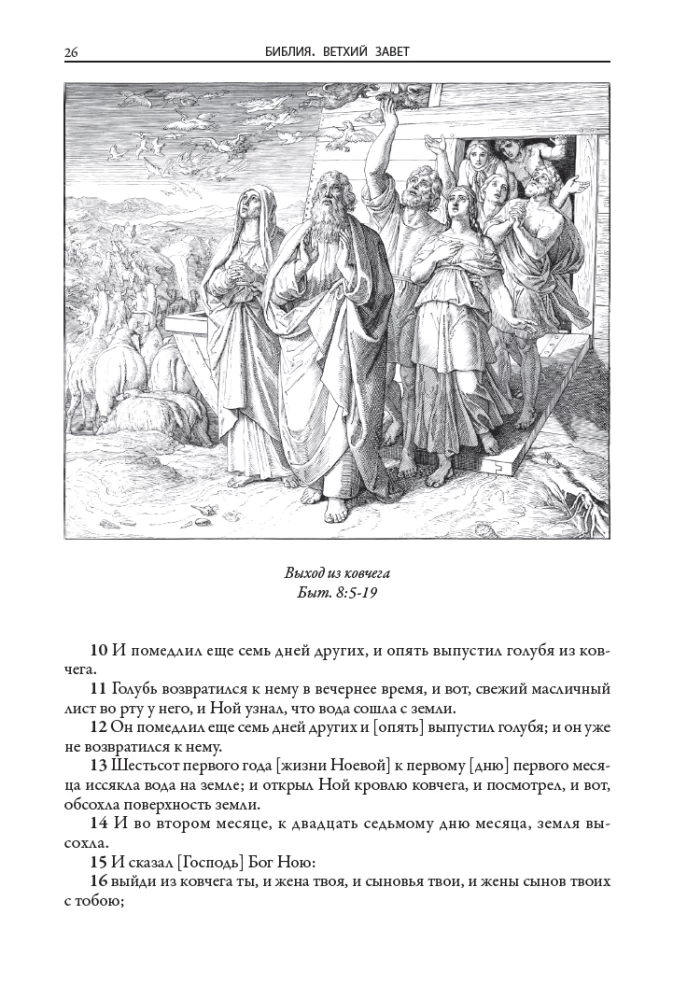
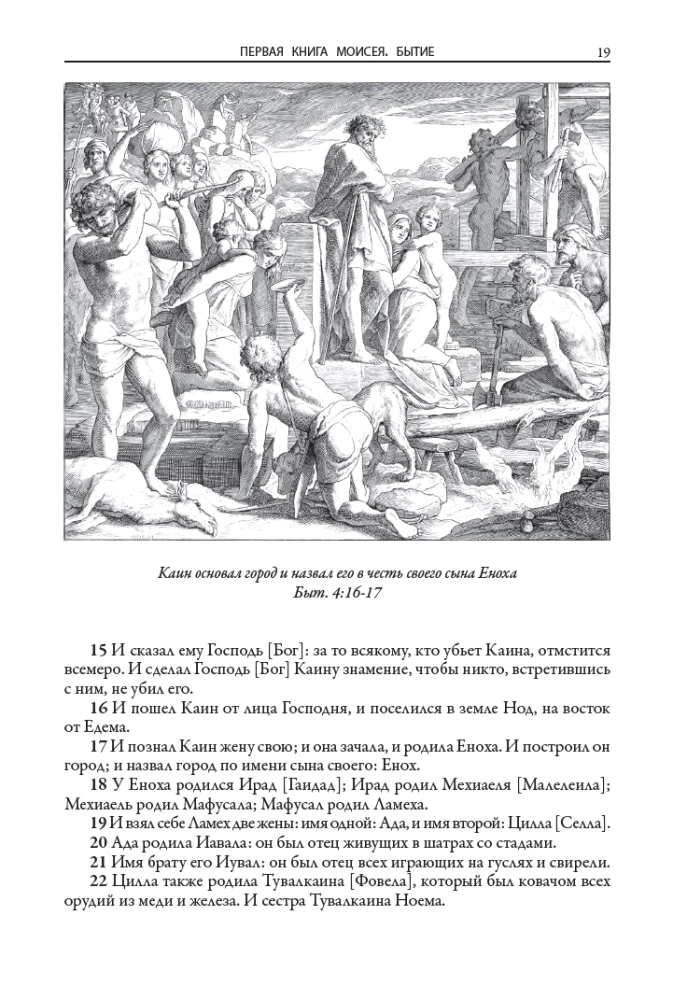
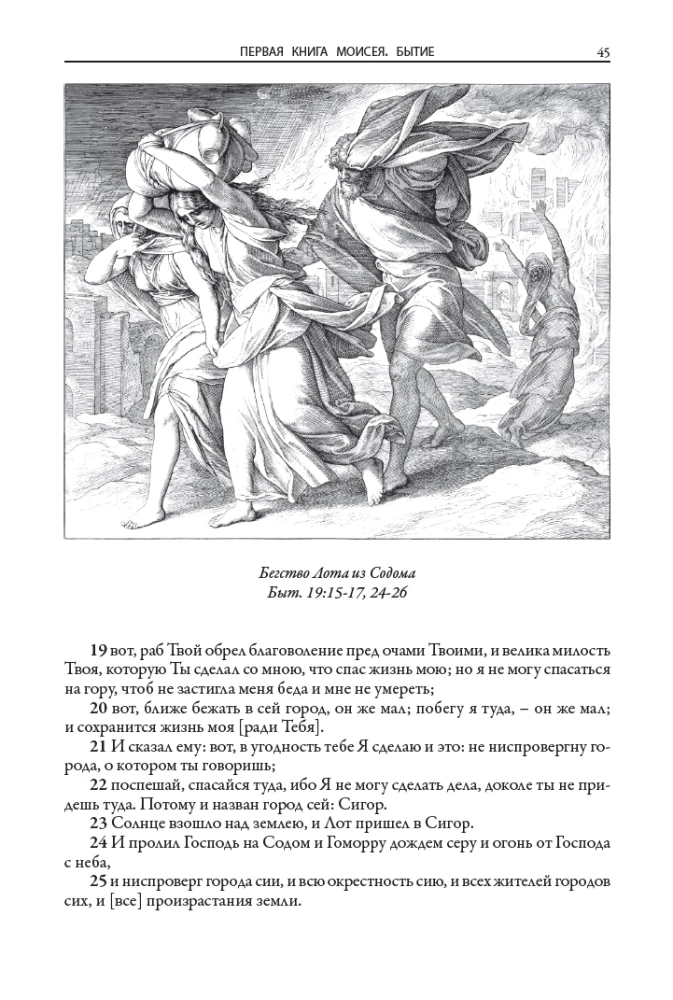
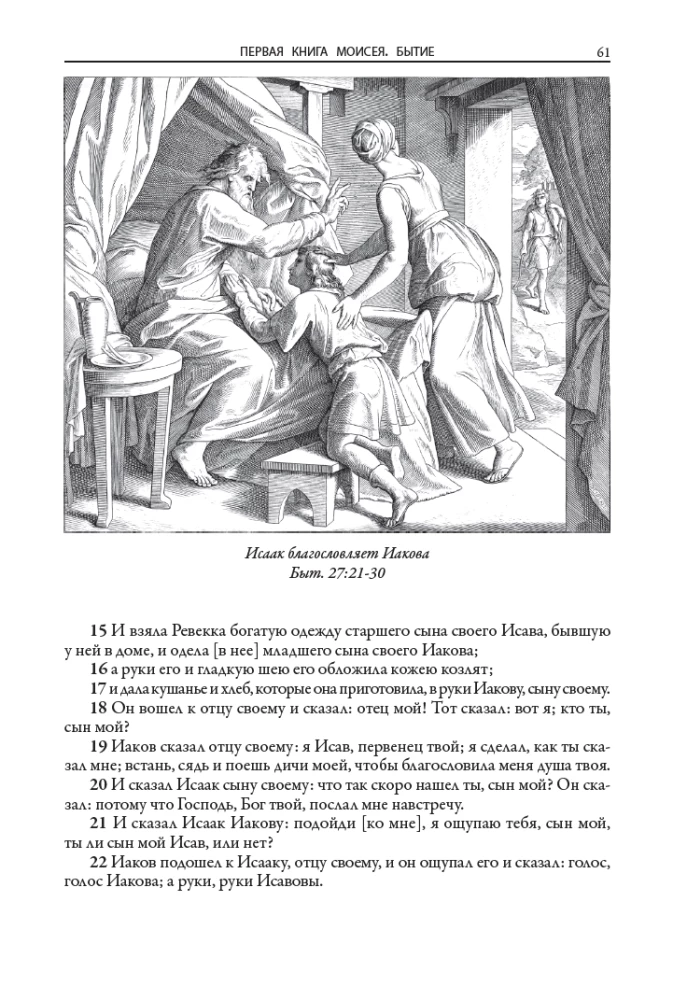
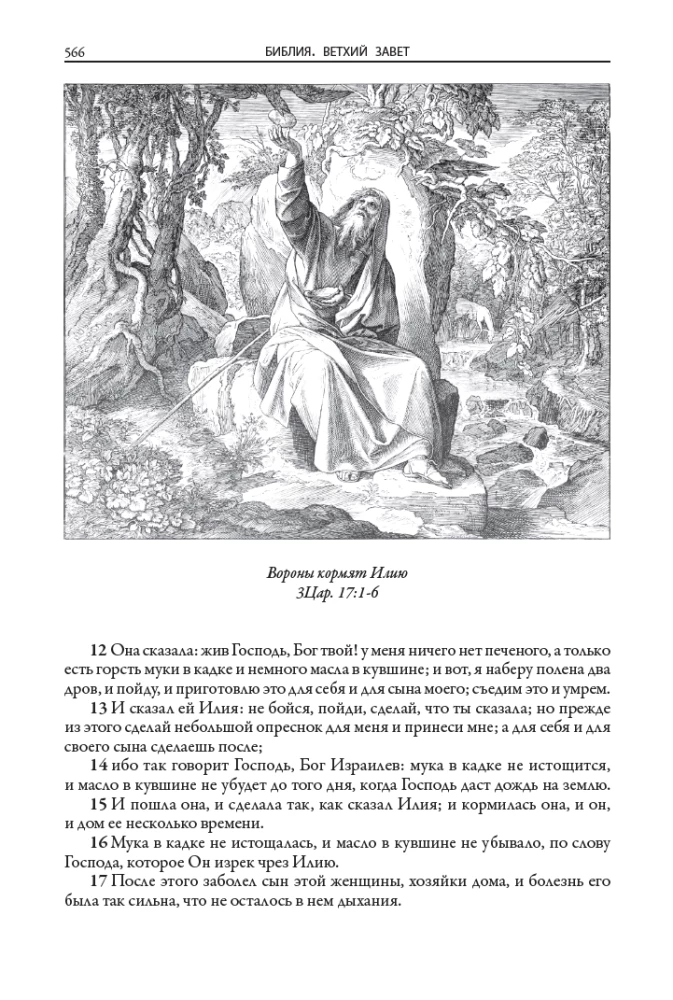
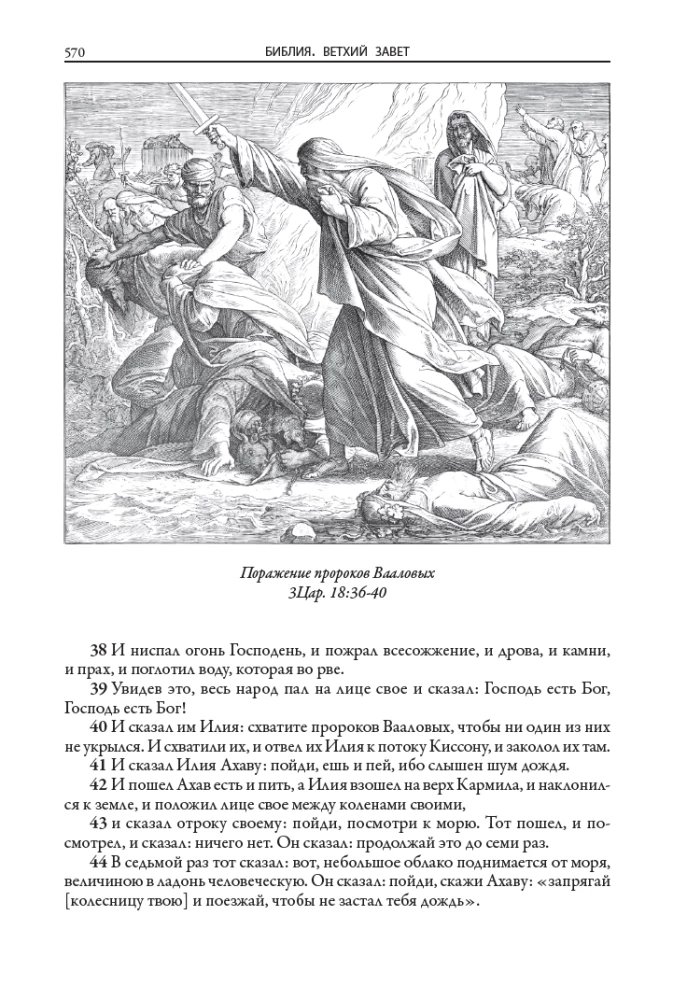
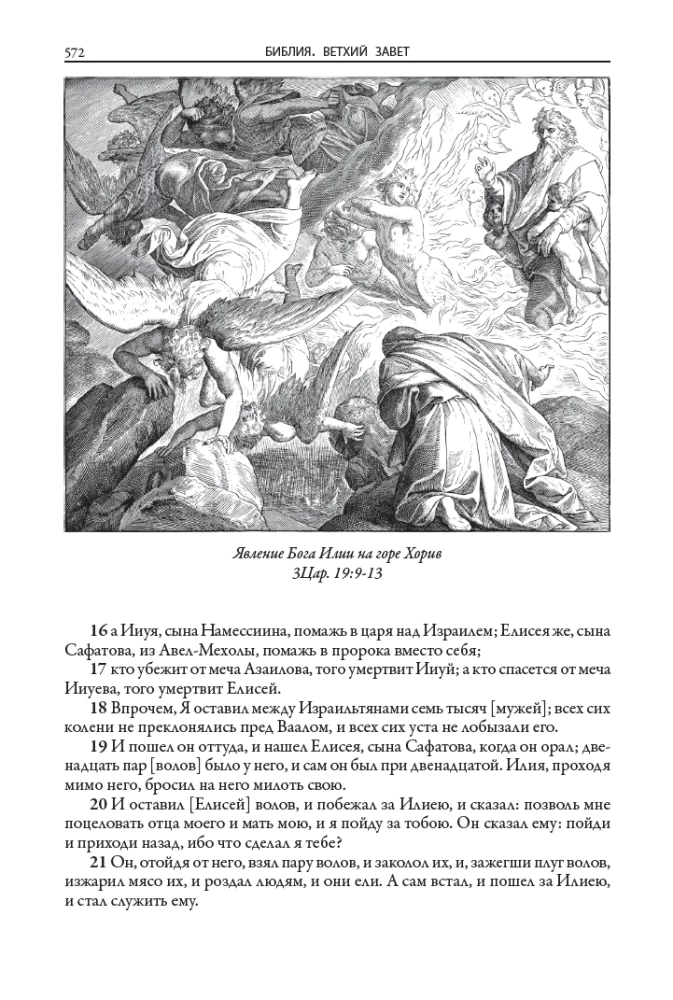
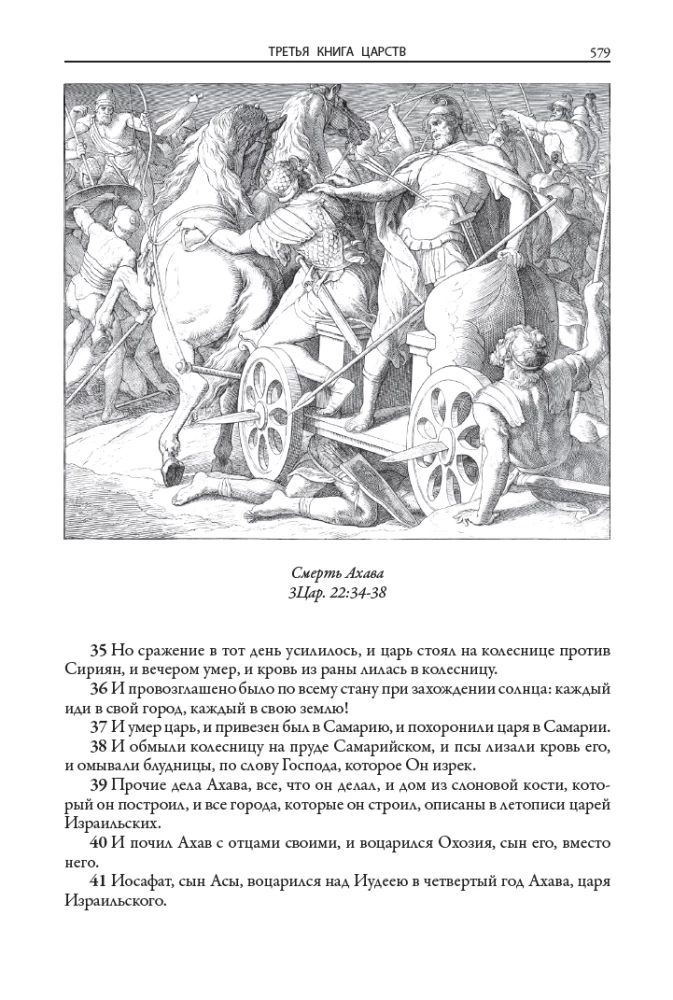
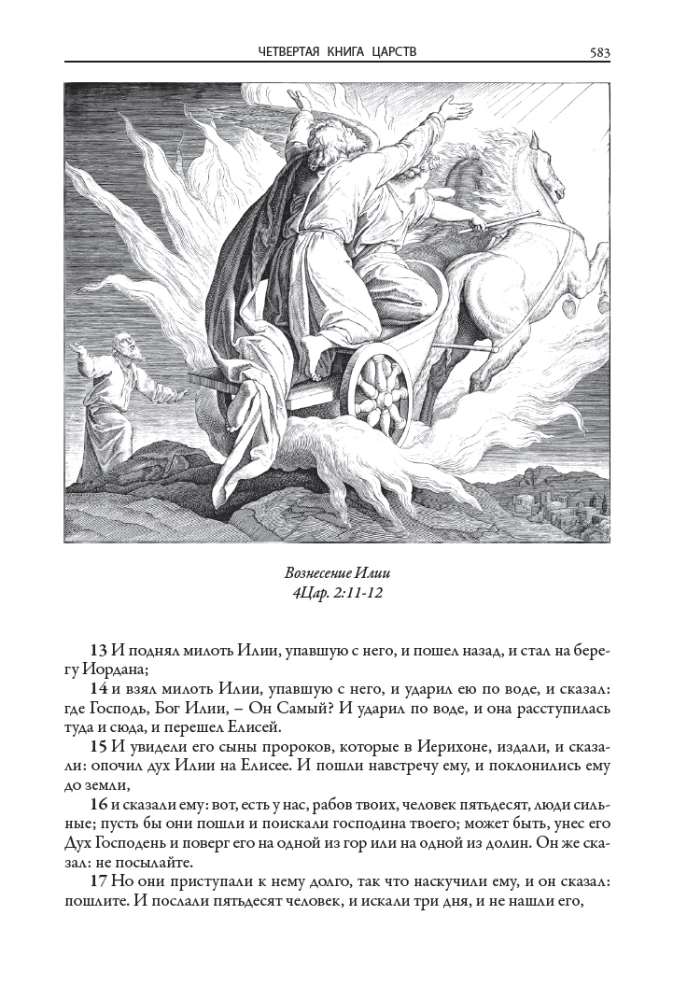
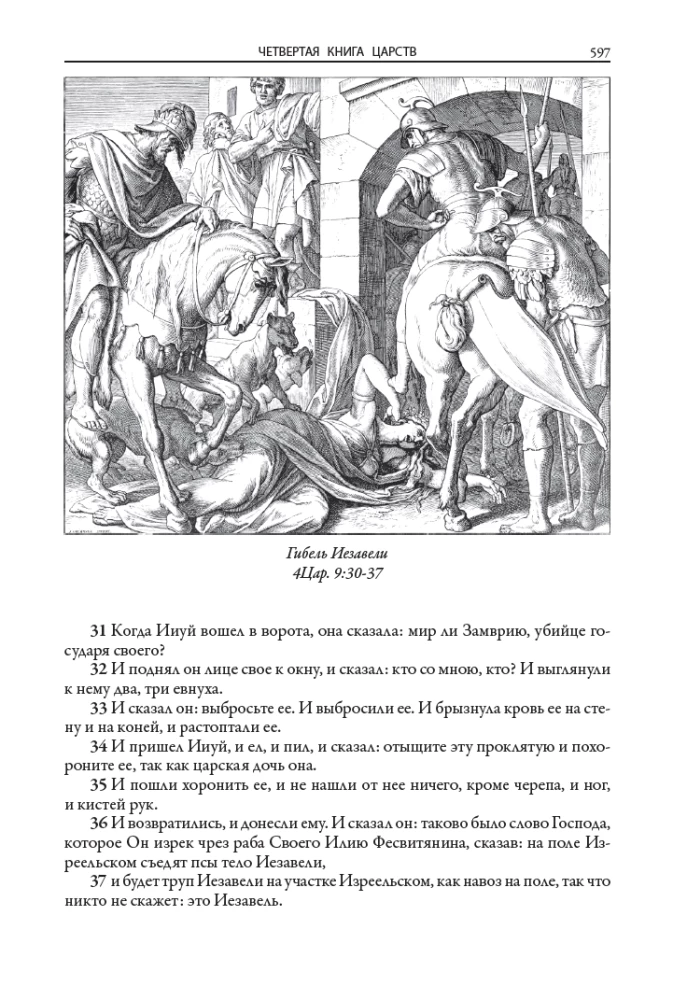
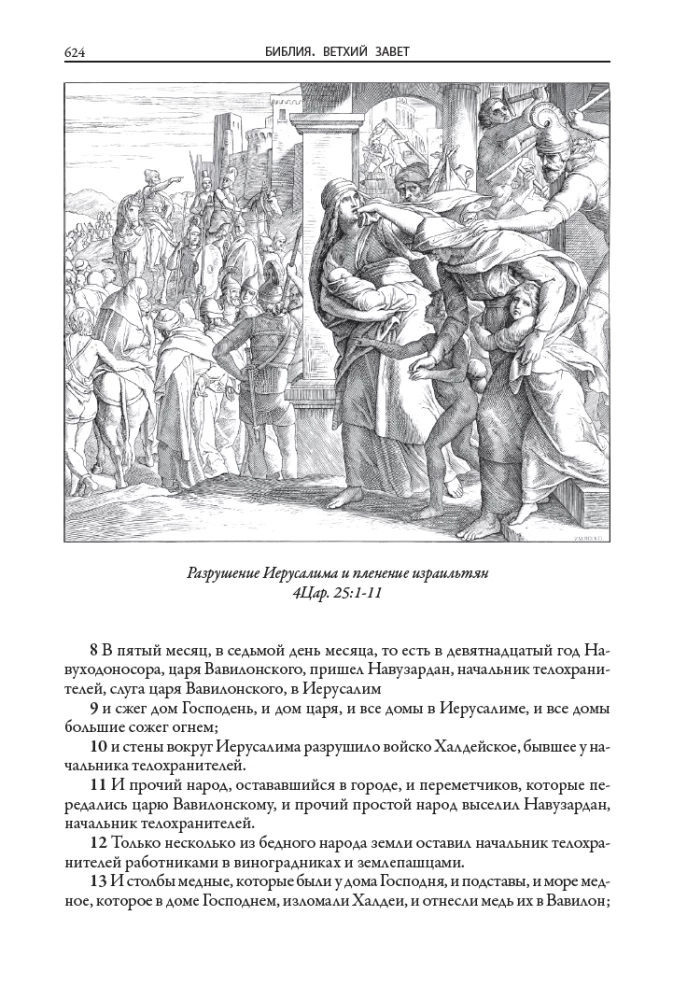
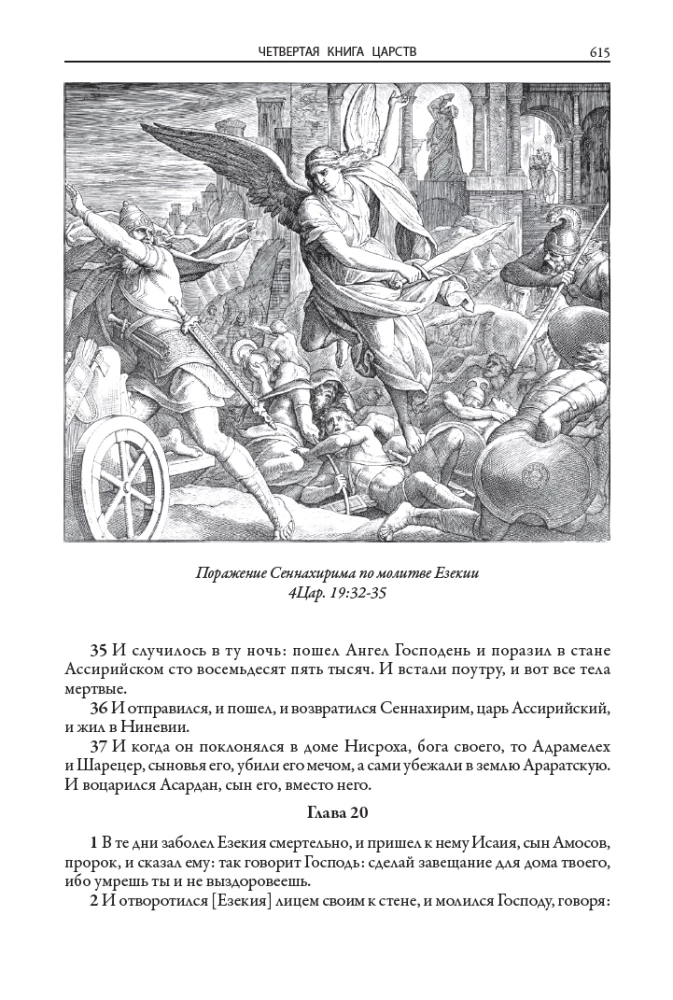
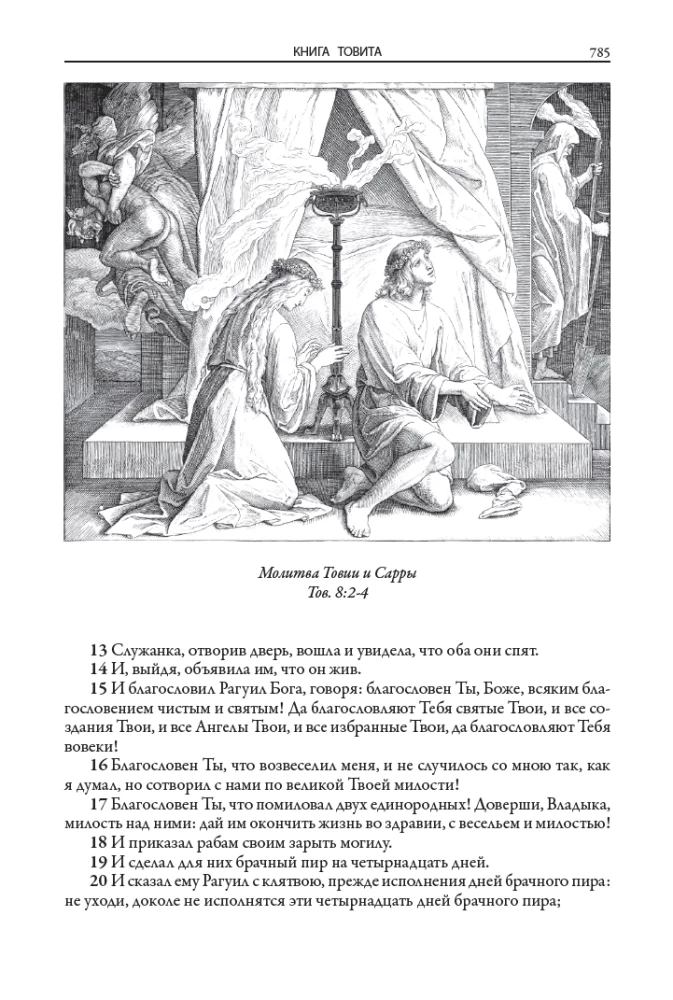
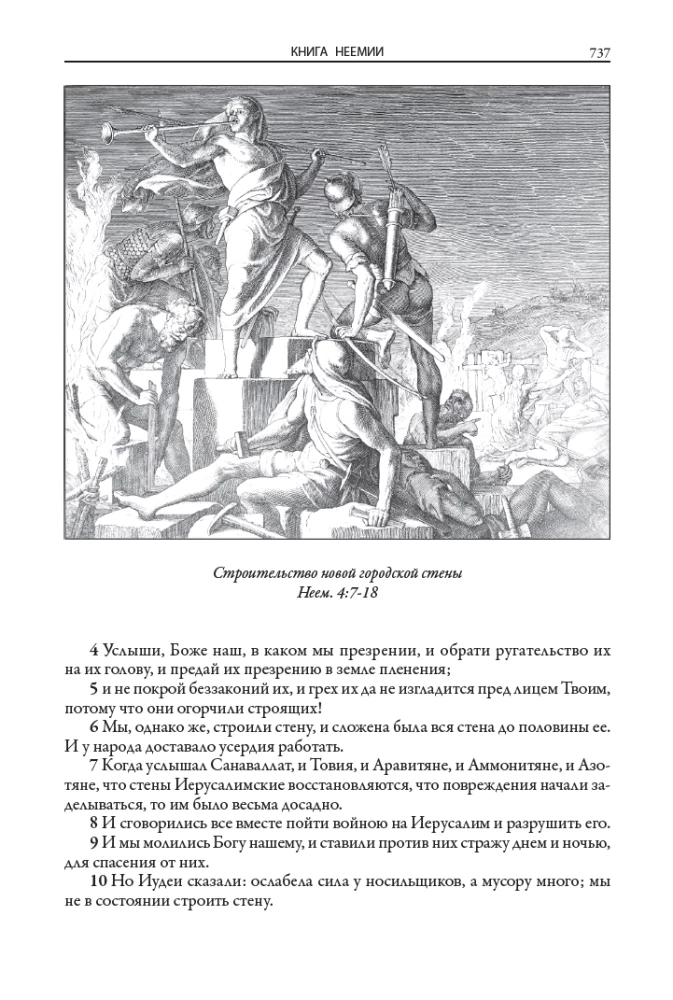
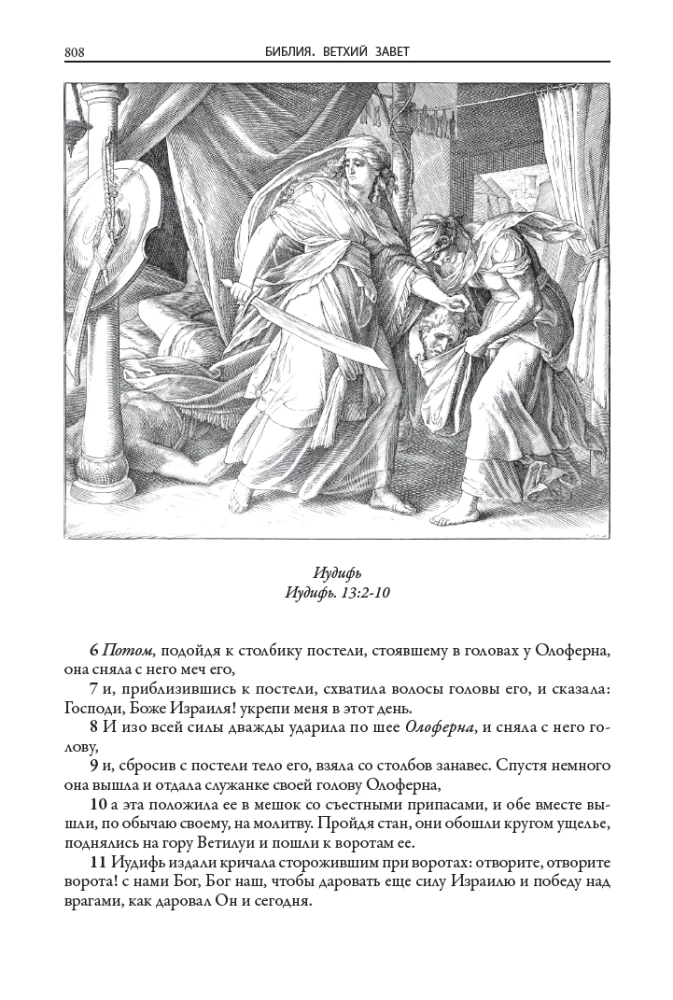
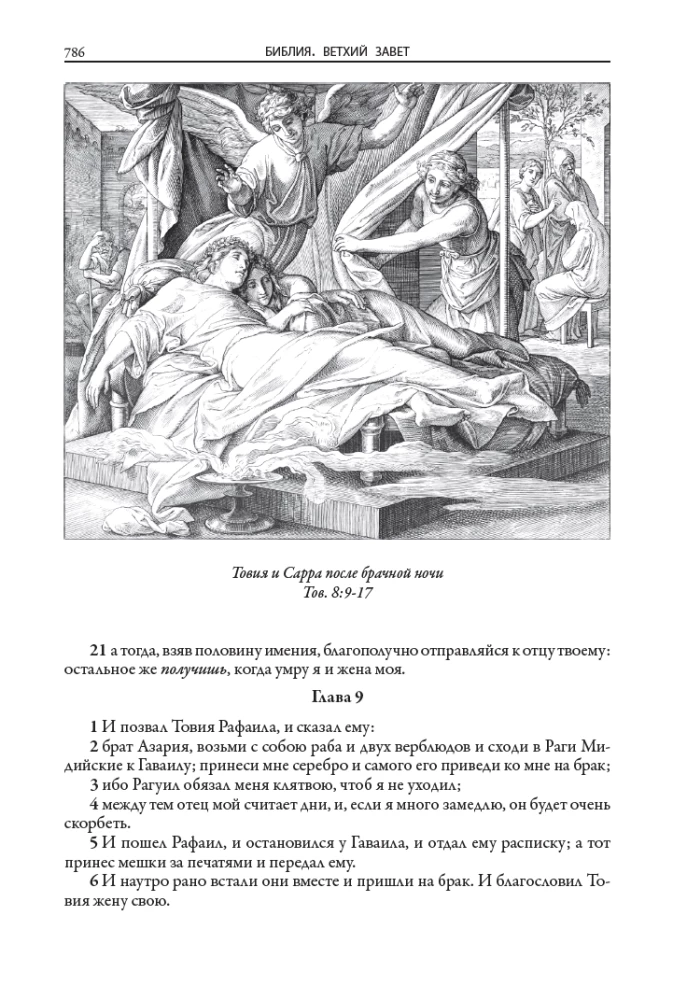
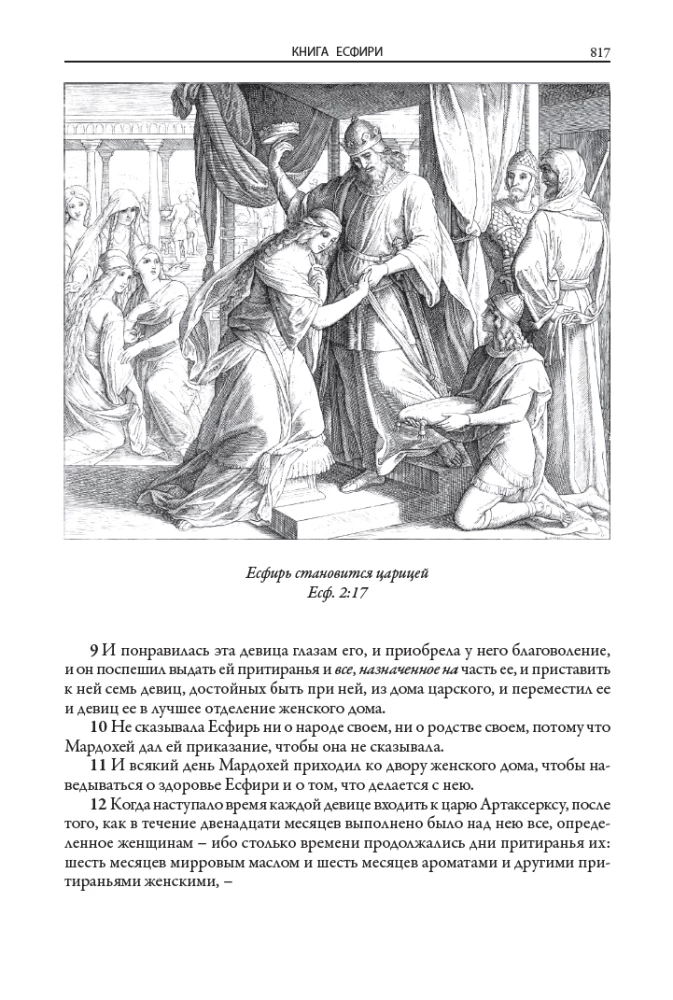
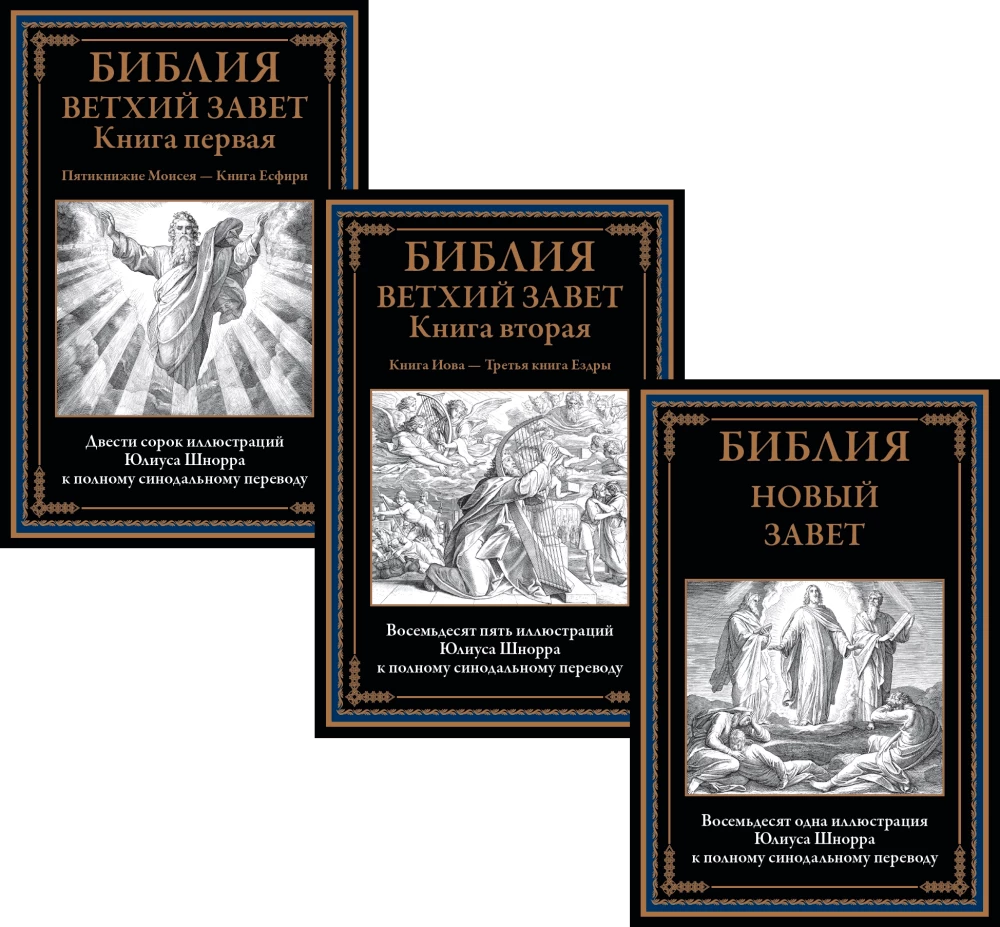
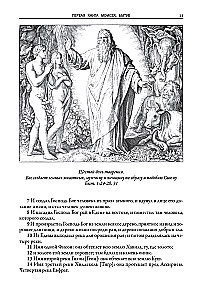
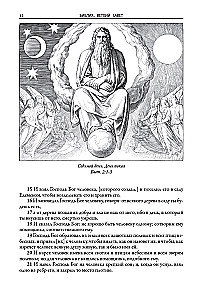
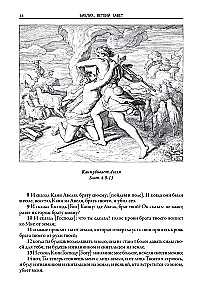
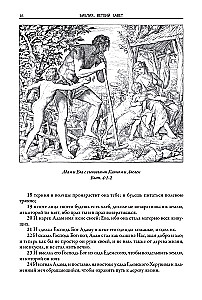
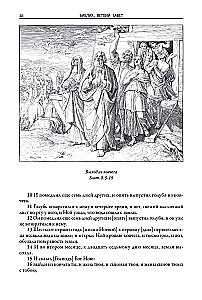
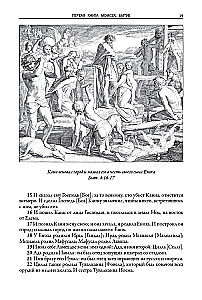
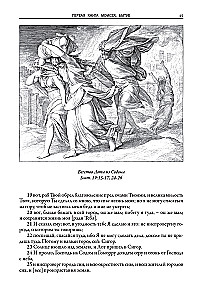
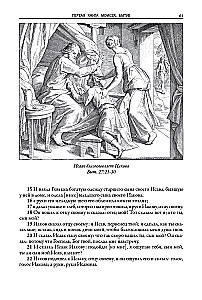
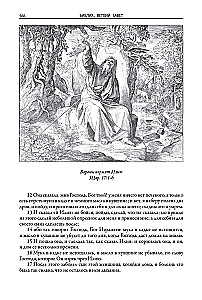
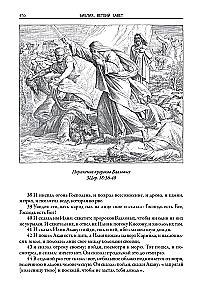
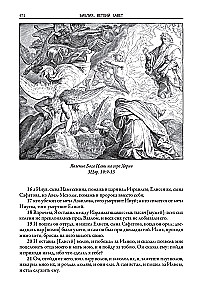
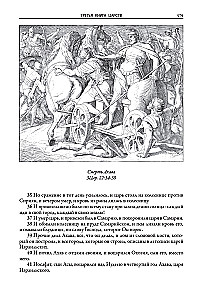
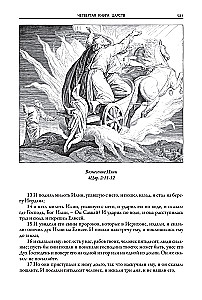
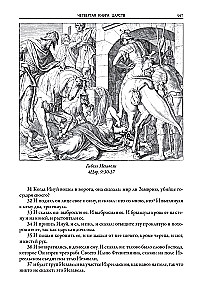
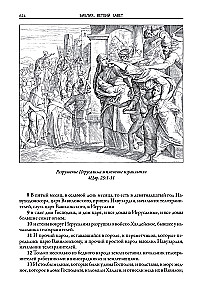
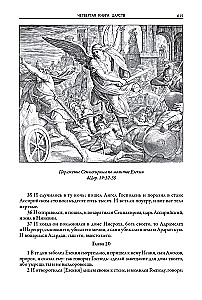
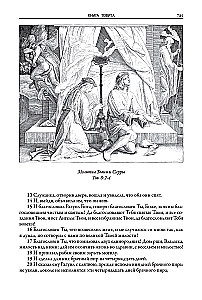
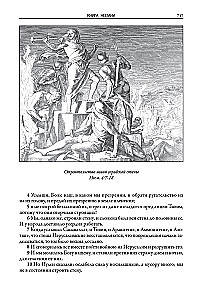
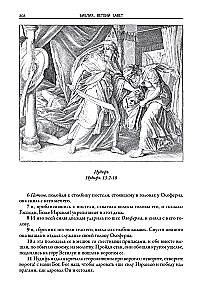
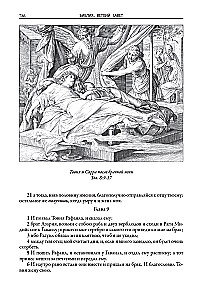
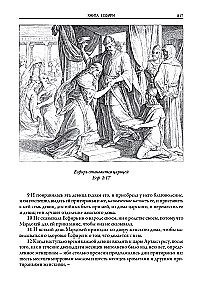
Illustrations for the books (160 for the Old Testament and 80 for the New Testament) were created by the German painter, draftsman, and engraver of the academic direction, professor of the Dresden Academy of Arts, and director of the Picture Gallery in Dresden, Julius Friedrich Hans Schnorr von Carolsfeld (1794–1872). As early as March 1817, he became a member of the Union of Saint Luke, or the Nazarenes—a creative association of German and Austrian romantic artists of the early 19th century who sought to revive the aesthetics and artistic style of the masters of the Middle Ages and early Italian Renaissance. Starting in 1824, Schnorr conceived the idea of creating a series of illustrations for the Bible, and finally, in 1860, his plans were realized: the "Bible in Pictures" was published by the Leipzig publishing house Georg Wigand—a book that has since been translated into many languages and reprinted multiple times in various countries around the world.
In the 9th century, Cyril and Methodius translated the Bible into Old Church Slavonic. With the advent of printing in Russia, the Bible began to be published in Church Slavonic; these texts were used in both church and domestic contexts. In 1751, by the decree of Empress Elizabeth, they were compared with the Septuagint; however, by that time, Church Slavonic was no longer understood by all Russians, so by the decree of Alexander I, the Bible began to be published in Russian. The translation was carried out by the Synod—the highest state organ of church administration—thus it became known as the Synodal. The translation of the 39 canonical books of the Old Testament was made from Hebrew (Masoretic text); ten of its non-canonical books were translated from Greek, and one—from the Latin Vulgate. The translation of the New Testament was made from the Greek original.
Illustrations for the books (160 for the Old Testament and 80 for the New Testament) were created by the German painter, draftsman, and engraver of the academic direction, professor of the Dresden Academy of Arts, and director of the Picture Gallery in Dresden, Julius Friedrich Hans Schnorr von Carolsfeld (1794–1872). As early as March 1817, he became a member of the Union of Saint Luke, or the Nazarenes—a creative association of German and Austrian romantic artists of the early 19th century who sought to revive the aesthetics and artistic style of the masters of the Middle Ages and early Italian Renaissance. Starting in 1824, Schnorr conceived the idea of creating a series of illustrations for the Bible, and finally, in 1860, his plans were realized: the "Bible in Pictures" was published by the Leipzig publishing house Georg Wigand—a book that has since been translated into many languages and reprinted multiple times in various countries around the world.
Printhouse: SZKEO
Series: Library of World Literature
Age restrictions: 16+
Year of publication: 2026
ISBN: 9785960313827
Number of pages: 2000
Size: 250х180х100 mm
Cover type: hard
Weight: 2700 g
ID: 1735447
Sold out
€ 38.39
Sold out
€ 38.39
Bestsellers










Bestseller
€ 12.19
In stock
Kanashibari. Until the Last Lantern Goes Out. Volume 1
Ангелина Шэн, Вероника Шэн

Bestseller
€ 19.99
In stock
Sapiens. A Graphic History. Part 1. The Birth of Humanity
Юваль Ной Харари, Давид Вандермелен, Даниэль Казанав