
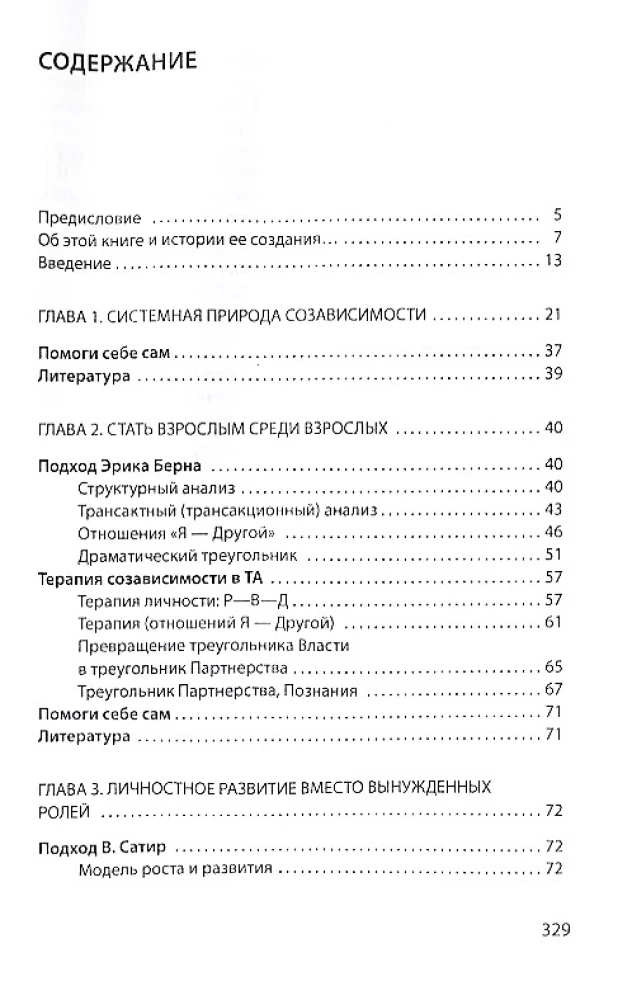
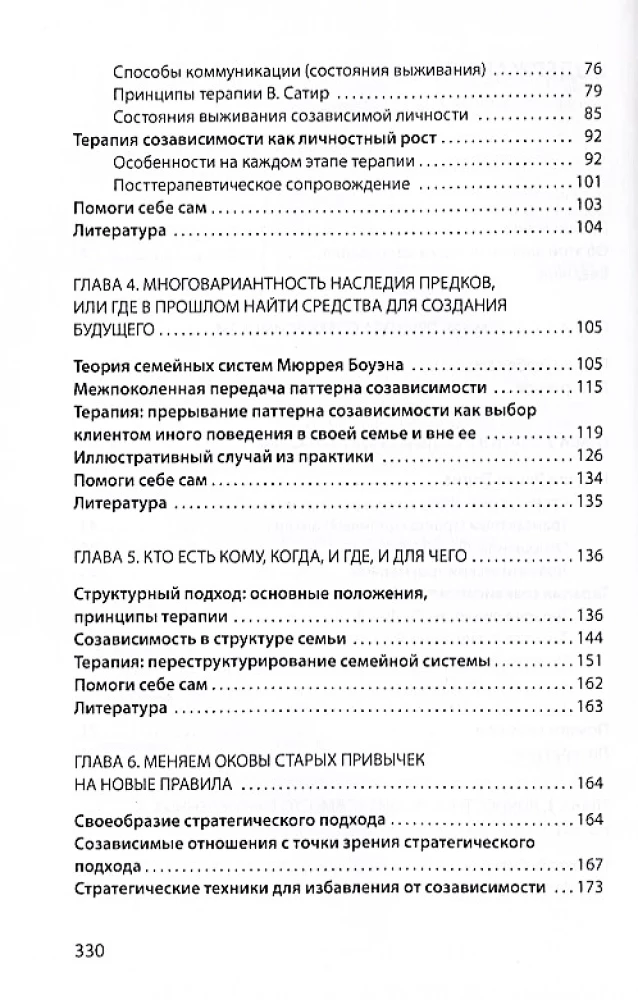
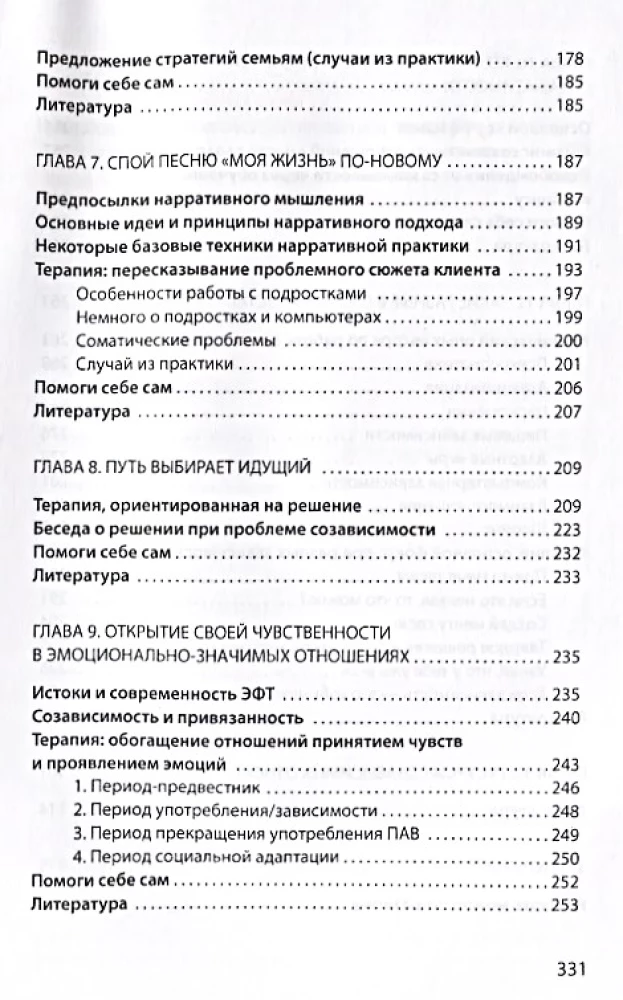
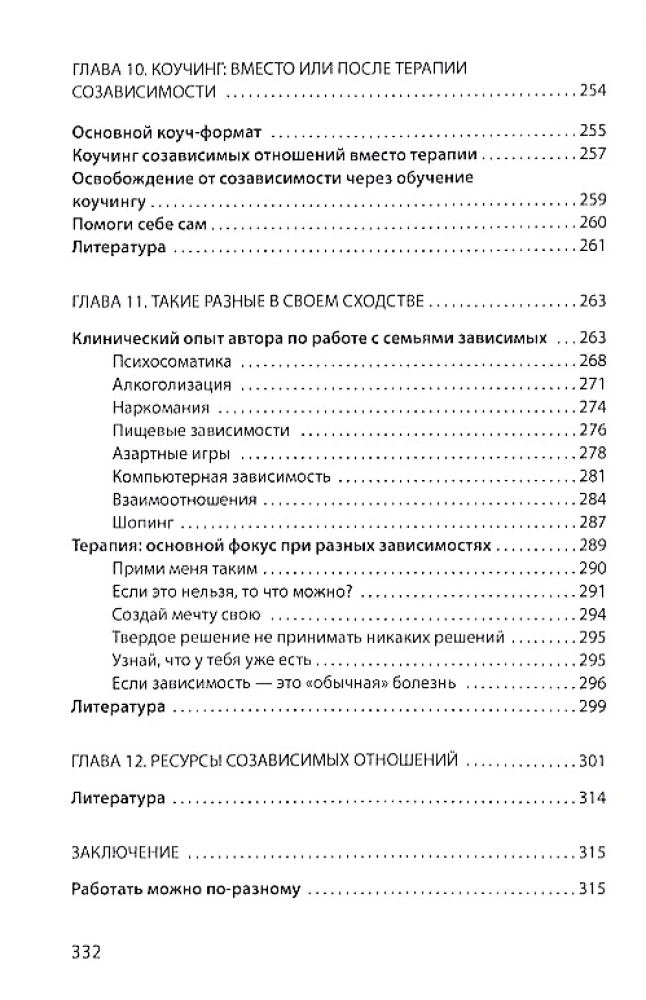
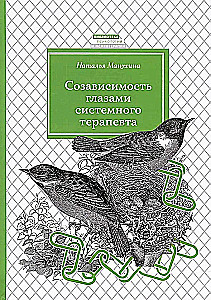
Co-dependence Through the Eyes of a Systemic Therapist
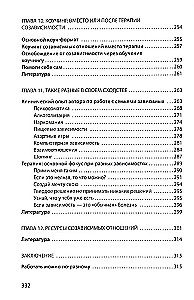
The lifestyle, attitudes, and values of family members with various types of dependencies – alcohol, drugs, computer addiction, gambling, or shopping – have several differences. Nevertheless, the relationships within them are united by specialists under the term "co-dependence"...
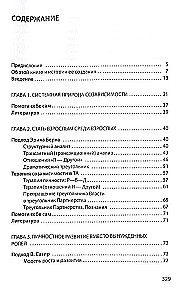
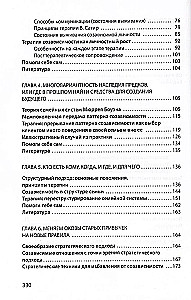
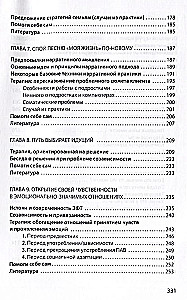
In her book,... Natalia Manukhina, a systemic family psychotherapist, examines ways to help dependents and co-dependent family members by utilizing ideas and methods from a number of well-known psychotherapeutic approaches. A significant number of clinical examples make the book lively and vibrant.
In her practice, the author shifts the focus from problems to the resources of co-dependent relationships, revealing new opportunities for transforming them into more harmonious and fulfilling ones.
The book is addressed to everyone concerned about the issues of dependent behavior. Specialists in the "helping" professions will find new ideas for their practice, while co-dependent individuals will discover recommendations for changing and improving relationships within their families.
Quote:
Any dependency serves as a protection from confronting one’s feelings. The methods chosen are various (drugs, alcohol, enmeshed relationships, gambling, etc.), but the essence is the same: to run away, hide, or replace the reality that causes negative experiences with a seemingly illusory state that brings pleasure and euphoria.
Every dependent was once co-dependent.
Co-dependent individuals may make numerous concessions and sacrifices on their part just to maintain a connection with a significant person. In doing so, they do not communicate openly with them as much as they compare their partner's responses with their own expectations. Their thinking is dominated by negativity, denial, distrust, expectation, and the desire to avoid the worst, which they constantly seek out and, as a result, sustain – in their thoughts, feelings, and actions. To change co-dependent relationships, they need the experience of others who have less enmeshed and more independent relationships, where they can discover new facets of their personality. Such perspectives and relationships they find in communication with a psychologist.
In her book,... Natalia Manukhina, a systemic family psychotherapist, examines ways to help dependents and co-dependent family members by utilizing ideas and methods from a number of well-known psychotherapeutic approaches. A significant number of clinical examples make the book lively and vibrant.
In her practice, the author shifts the focus from problems to the resources of co-dependent relationships, revealing new opportunities for transforming them into more harmonious and fulfilling ones.
The book is addressed to everyone concerned about the issues of dependent behavior. Specialists in the "helping" professions will find new ideas for their practice, while co-dependent individuals will discover recommendations for changing and improving relationships within their families.
Quote:
Any dependency serves as a protection from confronting one’s feelings. The methods chosen are various (drugs, alcohol, enmeshed relationships, gambling, etc.), but the essence is the same: to run away, hide, or replace the reality that causes negative experiences with a seemingly illusory state that brings pleasure and euphoria.
Every dependent was once co-dependent.
Co-dependent individuals may make numerous concessions and sacrifices on their part just to maintain a connection with a significant person. In doing so, they do not communicate openly with them as much as they compare their partner's responses with their own expectations. Their thinking is dominated by negativity, denial, distrust, expectation, and the desire to avoid the worst, which they constantly seek out and, as a result, sustain – in their thoughts, feelings, and actions. To change co-dependent relationships, they need the experience of others who have less enmeshed and more independent relationships, where they can discover new facets of their personality. Such perspectives and relationships they find in communication with a psychologist.
Author: Наталья Манухина
Printhouse: Klass
Age restrictions: 18+
Year of publication: 2017
ISBN: 9785863752198
Number of pages: 336
Size: 216х151х17 mm
Cover type: hard
Weight: 460 g
ID: 1735298
In stock
€ 19.79
Will be delivered to United States on 29 September (Tu):
By courier
from € 38.94
Bestsellers




€ 13.29
In stock
12 Weeks in a Year. How to Achieve More in 12 Weeks Than Others Do in 12 Months
Майкл Леннингтон, Брайан Моран

€ 7.89
In stock
Choice. On the Freedom and Inner Strength of a Person
Эдит Ева Эгер, Эсме Швалль-Вейганд



€ 6.99
In stock



€ 5.29
In stock




€ 11.59
In stock
We Are Right for Each Other: How Attachment Theory Can Help Create Harmonious Relationships
Амир Левин, Рэйчел Хеллер