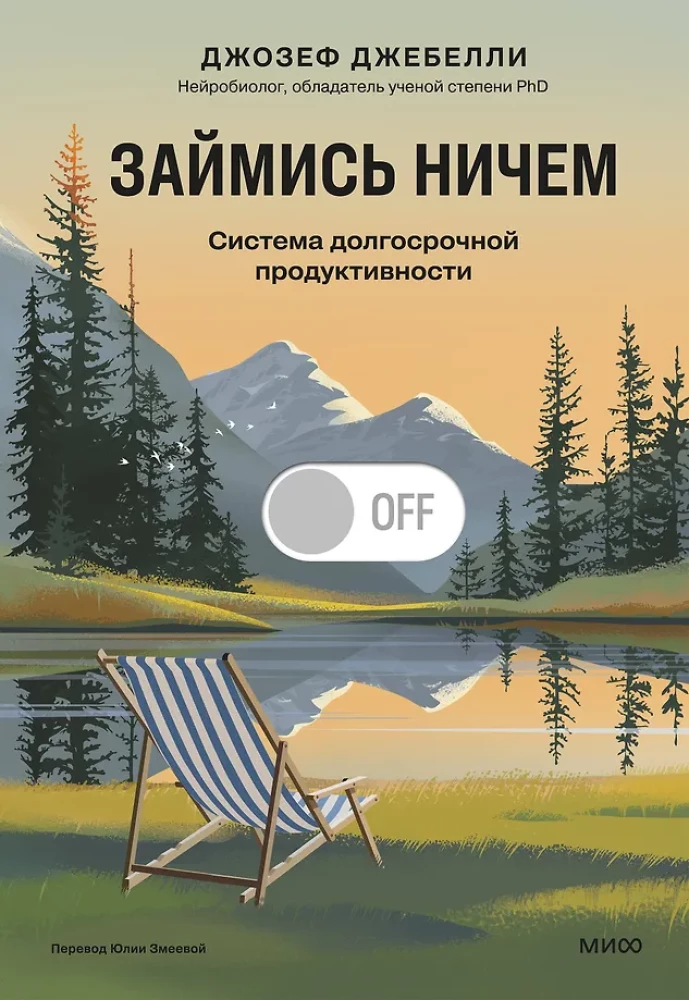


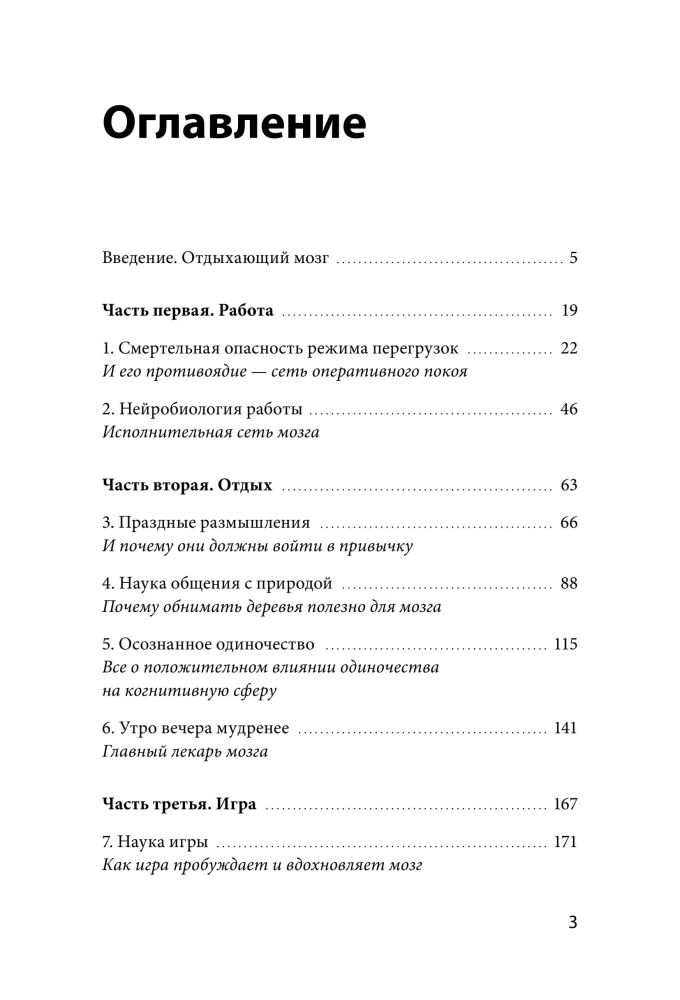
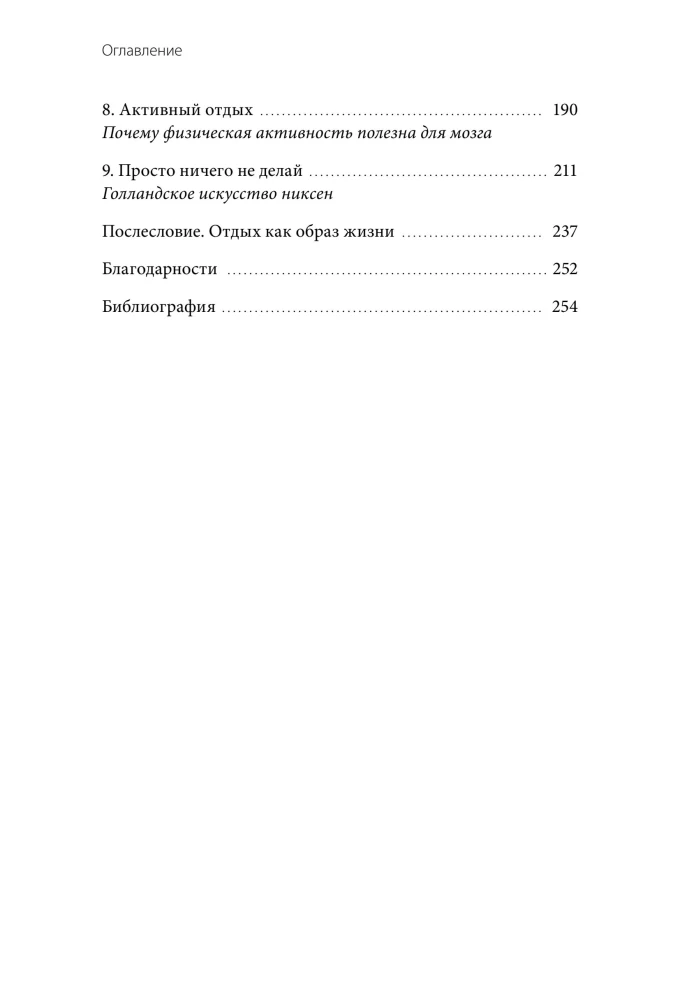
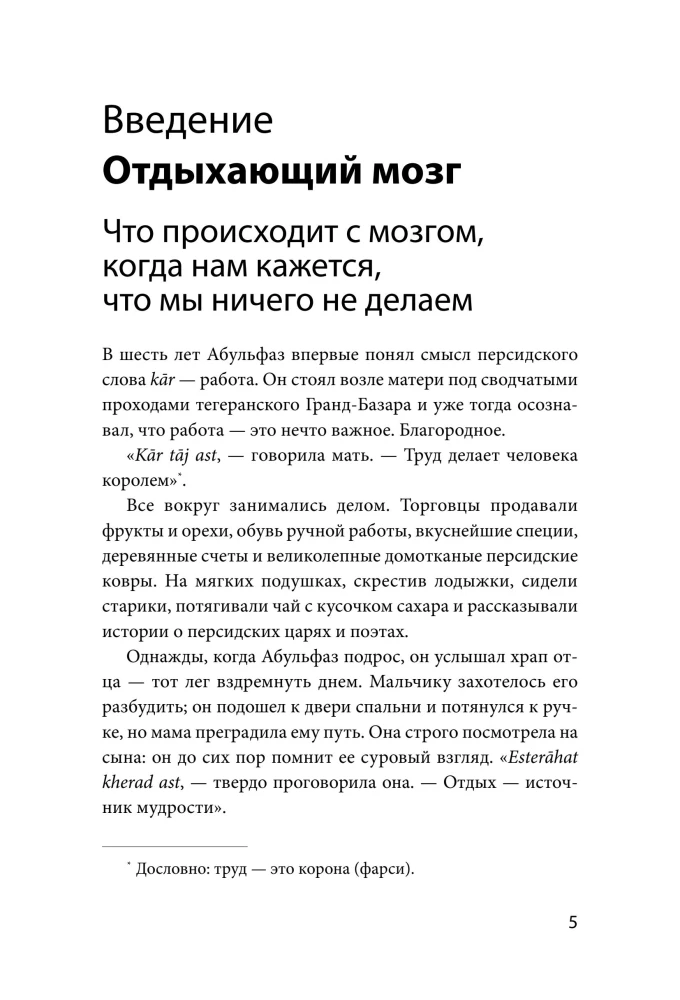
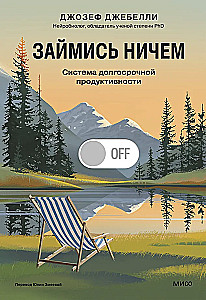
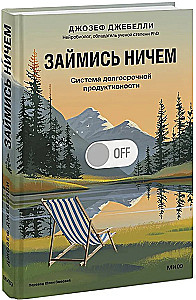

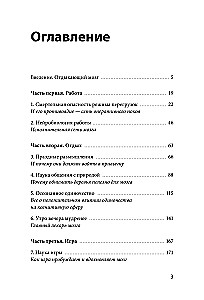
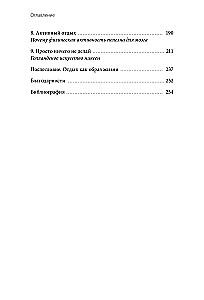
Do Nothing: A System for Long-Term Productivity
When was the last time you truly allowed yourself to do nothing - without a phone, tasks, or to-do lists? We tend to think of rest as a weakness and constant busyness as a sign of success. But neuroscience says...
the opposite: the brain needs breaks. Neurobiologist Joseph Jebelli, who once suffered from workaholism himself, proves that walking, meditation, and daydreaming are not luxuries, but conditions for a happy and productive life. The book includes research, true stories, and practical advice.
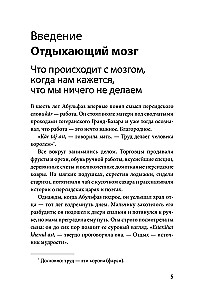
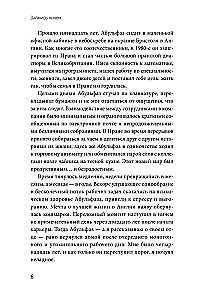
Charles Darwin went fishing and rested a lot. Maya Angelou promoted the idea of a "day of rest" dedicated to bathing, walking, and resting on park benches. Poincaré idly rode buses for hours. The genius contemplative Leonardo da Vinci spent hours gazing at the "Last Supper," adding just one brushstroke and leaving.
We have been taught all our lives that inactivity is giving in to our desires, lack of principles, and even irresponsibility. And it is always considered the opposite of success. But what if people often succeed not in spite of their inactivity, but because of it? When we allow ourselves to do nothing - without phones, tasks, and external stimuli - the DMN, the default mode network, which is responsible for insights, creativity, decision-making, and resilience to stress, is activated.
The author examines how overload affects cognitive functions and health - and why trying to "just pull yourself together" often only makes things worse. This book is for those who are tired of the race for results and are looking for a more sustainable, healthy, and smart way to work and live. It is read in the USA, Canada, Spain, Greece, China, Germany, Italy, and the Netherlands.
Charles Darwin went fishing and rested a lot. Maya Angelou promoted the idea of a "day of rest" dedicated to bathing, walking, and resting on park benches. Poincaré idly rode buses for hours. The genius contemplative Leonardo da Vinci spent hours gazing at the "Last Supper," adding just one brushstroke and leaving.
We have been taught all our lives that inactivity is giving in to our desires, lack of principles, and even irresponsibility. And it is always considered the opposite of success. But what if people often succeed not in spite of their inactivity, but because of it? When we allow ourselves to do nothing - without phones, tasks, and external stimuli - the DMN, the default mode network, which is responsible for insights, creativity, decision-making, and resilience to stress, is activated.
The author examines how overload affects cognitive functions and health - and why trying to "just pull yourself together" often only makes things worse. This book is for those who are tired of the race for results and are looking for a more sustainable, healthy, and smart way to work and live. It is read in the USA, Canada, Spain, Greece, China, Germany, Italy, and the Netherlands.
Author: Джозеф Джебелли
Printhouse: Mann, Ivanov i Ferber
Age restrictions: 16+
Year of publication: 2026
ISBN: 9785002508037
Number of pages: 256
Size: 215х150х19 mm
Cover type: hard
Weight: 341 g
ID: 1733369
In stock
€ 11.49
Will be delivered to United States on 6 October (Tu):
By courier
from € 38.94
Bestsellers





€ 13.29
In stock
12 Weeks in a Year. How to Achieve More in 12 Weeks Than Others Do in 12 Months
Майкл Леннингтон, Брайан Моран

€ 7.89
In stock
Choice. On the Freedom and Inner Strength of a Person
Эдит Ева Эгер, Эсме Швалль-Вейганд


€ 6.99
In stock



€ 6.99
In stock



€ 6.99
In stock
How to Talk So Kids Will Listen, and How to Listen So Kids Will Talk
Элейн Мазлиш, Адель Фабер
Publishers "Mann, Ivanov i Ferber" recommends





Bestseller
€ 18.69
In stock
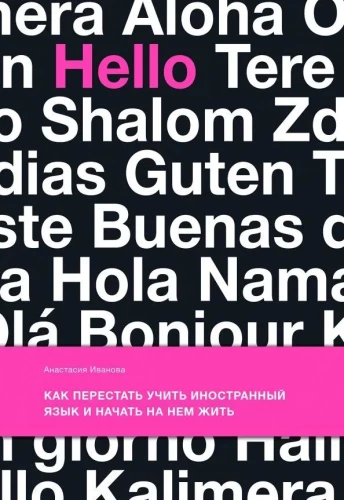
How to Stop Learning a Foreign Language and Start Living in It
Анастасия Иванова

Bestseller
€ 22.19
In stock
Urban Jungle. Как создать уютный интерьер с помощью растений
ЙОСИФОВИЧ И., ДЕ ГРАФ Д.

Bestseller
€ 45.39
In stock
Gastro Obscura. Culinary Wonders from Around the World
СЕСИЛИ ВОНГ, ДИЛАН ТЮРАС