














The History of Color (set of 6 books)
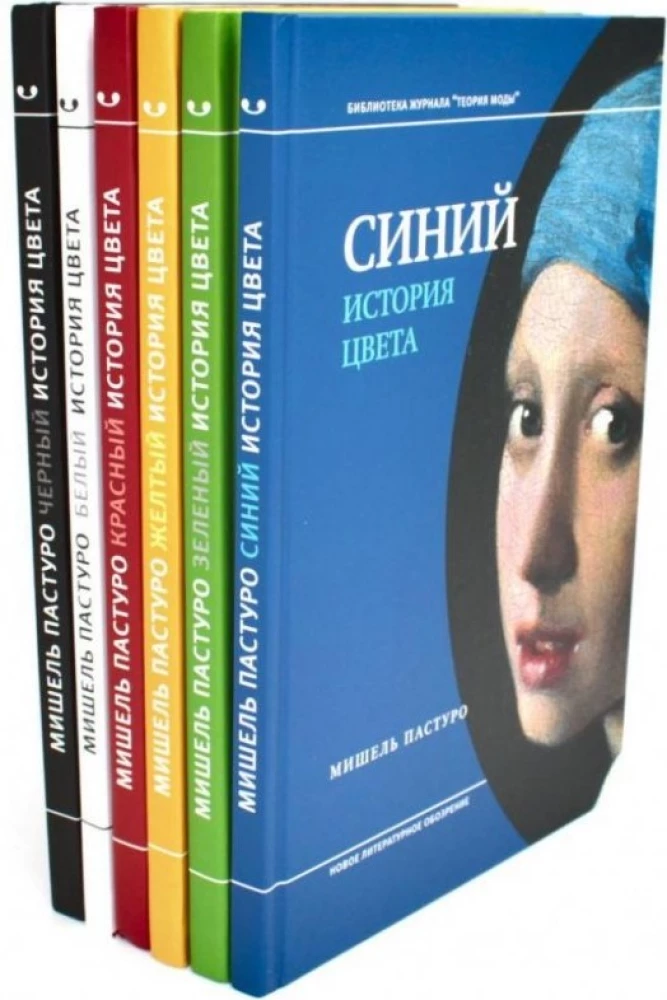
The set "The History of Color" includes the following books:
"White. The History of Color"
French medievalist Michel Pasturo raises the question of how white was perceived at different times: was it synonymous with colorlessness? Did it have a definitively positive connotation?... The book explores various facets of white, its evolution from the color of religious cults (analogous to sacred) and monarchy to the active incorporation of white in sports and medicine in recent history, as well as its role in contemporary hygiene concepts. Pasturo pays special attention to the dualism and the connection between white-black and white-red, where these colors become opposites of each other. This study sheds light on the dynamic symbolism of white and its role in various historical contexts from ancient times to the present day.
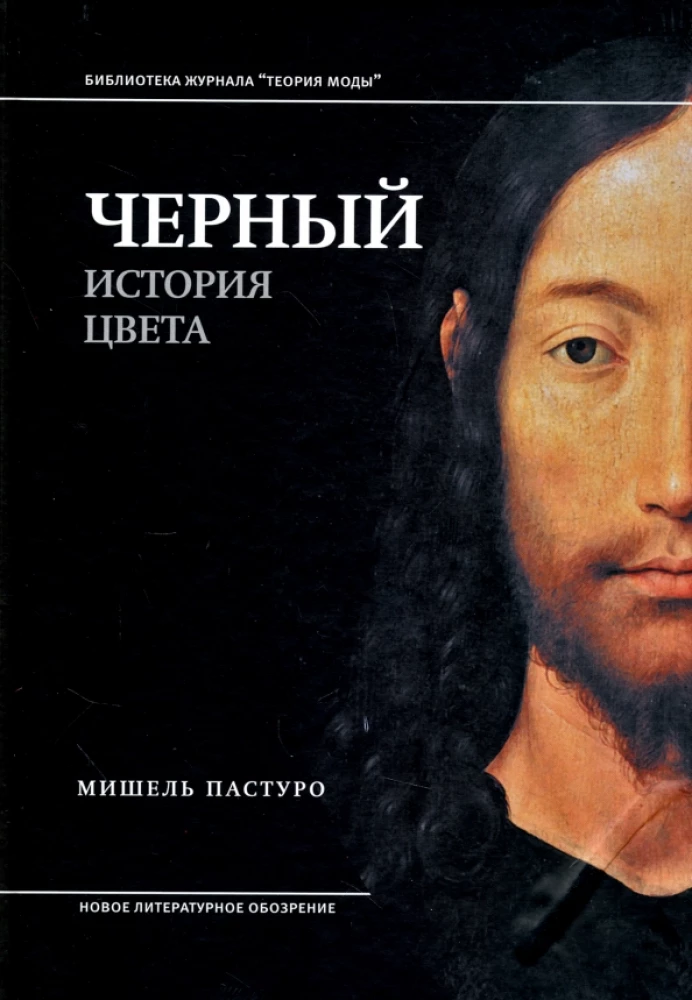
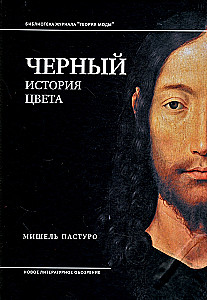
"Black. The History of Color"
This time, Pasturo focuses on one of the most mysterious and controversial colors with a rather complicated fate - black. The author undertakes a true detective investigation into the adventures, and often misadventures, of the color black in Western European culture. The color of primordial darkness, the Black Death, and the Black Knight, in the Middle Ages it migrated to the garments of monks, soon dominated Protestant wardrobes, became the favorite color of lawyers and merchants, in the Romantic era it became an inseparable feature of melancholic veils, and later a marker of elegance and chic, as well as an indispensable attribute of the everyday life of a city dweller.
"Green. The History of Color"
Until the 19th century, this color was one of the most challenging to produce and fix: chemically unstable, it has for centuries been associated with everything changeable, ephemeral, fleeting: childhood, love, hope, luck, play, chance, money. Only the Romantics discerned its close connection with nature, which remains relevant to this day, when green, now the color of health, freedom, and hope, has been entrusted with the lofty mission of saving the planet.
"Red. The History of Color"
Noble and majestic, full of life, energetic, and even aggressive, red was the first color that humans learned to produce and divide into shades. Until relatively recently, it remained the most in-demand and occupied the highest position in the color hierarchy. Why is it believed that red wine invigorates more than white? Is red meat more nutritious? Does red lipstick adorn a woman better than other shades? Red cars - let's recall "Ferrari" and "Maserati" - are faster than others, and in sports, as legend has it, players in red jerseys morally suppress their opponents, which is why their team loses less often? French historian M. Pasturo attempts to answer these and other questions, to figure out where such unquestionable faith in powerful red comes from, and to find the reasons for its gradual disappearance from our daily lives.
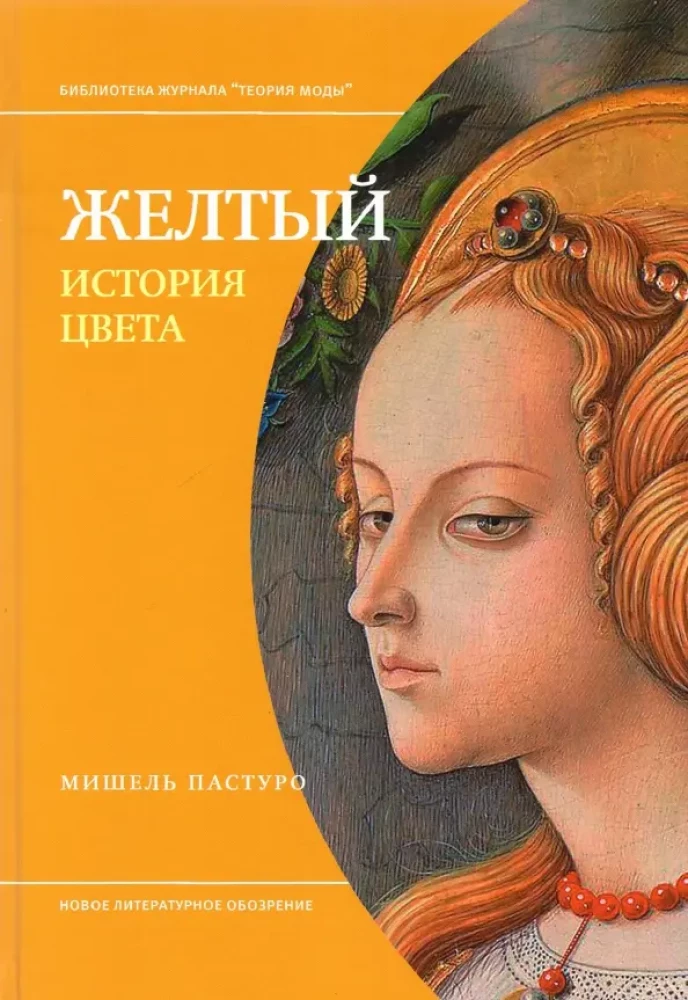
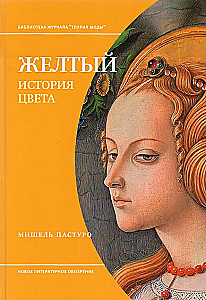
"Yellow. The History of Color"
The book is dedicated to the color yellow, which is little present in the everyday life of modern Europe and is scantily represented in official symbolism. However, it was not always so. People in the past saw it as a sacred color - the color of light, warmth, wealth, and prosperity. The Greeks and Romans paid special attention to it in religious rituals, while the Celts and Germans associated it with wealth and immortality. The downgrade of the yellow color's status occurred in the Middle Ages. On the one hand, it became the color of bitter bile and demonic sulfur - a sign of lies, greed, and sometimes even illness and madness. At the same time, there is also a good yellow: gold, copper, and ripe ears of corn - symbols of power, joy, abundance. This and other semantic metamorphoses of the yellow color are dedicated to the book.
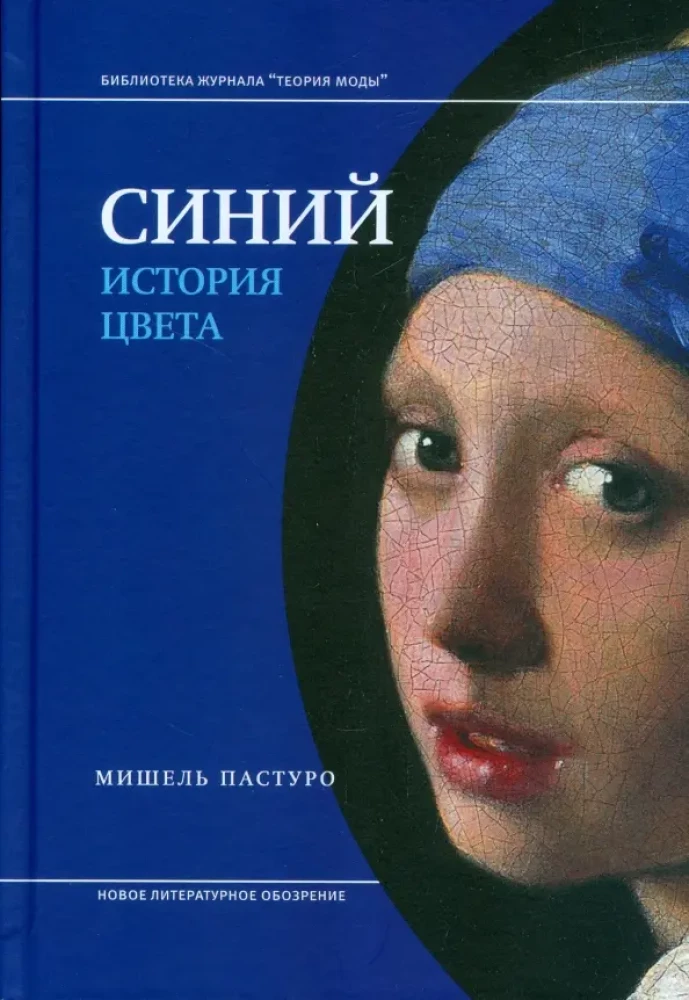
"Blue. The History of Color"
The study of the French historian is dedicated to the understanding of the history of Europeans' relationships with the color blue, which holds many mysteries and surprises. From this book, the reader will learn what social, moral, artistic, and religious values have been associated with it at different times, as well as its prospects in the future.
"White. The History of Color"
French medievalist Michel Pasturo raises the question of how white was perceived at different times: was it synonymous with colorlessness? Did it have a definitively positive connotation?... The book explores various facets of white, its evolution from the color of religious cults (analogous to sacred) and monarchy to the active incorporation of white in sports and medicine in recent history, as well as its role in contemporary hygiene concepts. Pasturo pays special attention to the dualism and the connection between white-black and white-red, where these colors become opposites of each other. This study sheds light on the dynamic symbolism of white and its role in various historical contexts from ancient times to the present day.
"Black. The History of Color"
This time, Pasturo focuses on one of the most mysterious and controversial colors with a rather complicated fate - black. The author undertakes a true detective investigation into the adventures, and often misadventures, of the color black in Western European culture. The color of primordial darkness, the Black Death, and the Black Knight, in the Middle Ages it migrated to the garments of monks, soon dominated Protestant wardrobes, became the favorite color of lawyers and merchants, in the Romantic era it became an inseparable feature of melancholic veils, and later a marker of elegance and chic, as well as an indispensable attribute of the everyday life of a city dweller.
"Green. The History of Color"
Until the 19th century, this color was one of the most challenging to produce and fix: chemically unstable, it has for centuries been associated with everything changeable, ephemeral, fleeting: childhood, love, hope, luck, play, chance, money. Only the Romantics discerned its close connection with nature, which remains relevant to this day, when green, now the color of health, freedom, and hope, has been entrusted with the lofty mission of saving the planet.
"Red. The History of Color"
Noble and majestic, full of life, energetic, and even aggressive, red was the first color that humans learned to produce and divide into shades. Until relatively recently, it remained the most in-demand and occupied the highest position in the color hierarchy. Why is it believed that red wine invigorates more than white? Is red meat more nutritious? Does red lipstick adorn a woman better than other shades? Red cars - let's recall "Ferrari" and "Maserati" - are faster than others, and in sports, as legend has it, players in red jerseys morally suppress their opponents, which is why their team loses less often? French historian M. Pasturo attempts to answer these and other questions, to figure out where such unquestionable faith in powerful red comes from, and to find the reasons for its gradual disappearance from our daily lives.
"Yellow. The History of Color"
The book is dedicated to the color yellow, which is little present in the everyday life of modern Europe and is scantily represented in official symbolism. However, it was not always so. People in the past saw it as a sacred color - the color of light, warmth, wealth, and prosperity. The Greeks and Romans paid special attention to it in religious rituals, while the Celts and Germans associated it with wealth and immortality. The downgrade of the yellow color's status occurred in the Middle Ages. On the one hand, it became the color of bitter bile and demonic sulfur - a sign of lies, greed, and sometimes even illness and madness. At the same time, there is also a good yellow: gold, copper, and ripe ears of corn - symbols of power, joy, abundance. This and other semantic metamorphoses of the yellow color are dedicated to the book.
"Blue. The History of Color"
The study of the French historian is dedicated to the understanding of the history of Europeans' relationships with the color blue, which holds many mysteries and surprises. From this book, the reader will learn what social, moral, artistic, and religious values have been associated with it at different times, as well as its prospects in the future.
Author: Мишель Пастуро
Printhouse: Ripol-klassik
Age restrictions: 16+
Year of publication: 2025
ISBN: 9785885385398
Number of pages: 944
Size: 250x170x20 mm
Cover type: hard
Weight: 2310 g
ID: 1729653
Sold out
€ 48.79
Sold out
€ 48.79
Bestsellers






€ 13.29
In stock
12 Weeks in a Year. How to Achieve More in 12 Weeks Than Others Do in 12 Months
Майкл Леннингтон, Брайан Моран



€ 7.89
In stock
Choice. On the Freedom and Inner Strength of a Person
Эдит Ева Эгер, Эсме Швалль-Вейганд



€ 6.99
In stock




€ 6.99
In stock
How to Talk So Kids Will Listen, and How to Listen So Kids Will Talk
Элейн Мазлиш, Адель Фабер