


Italian Tales of Basile
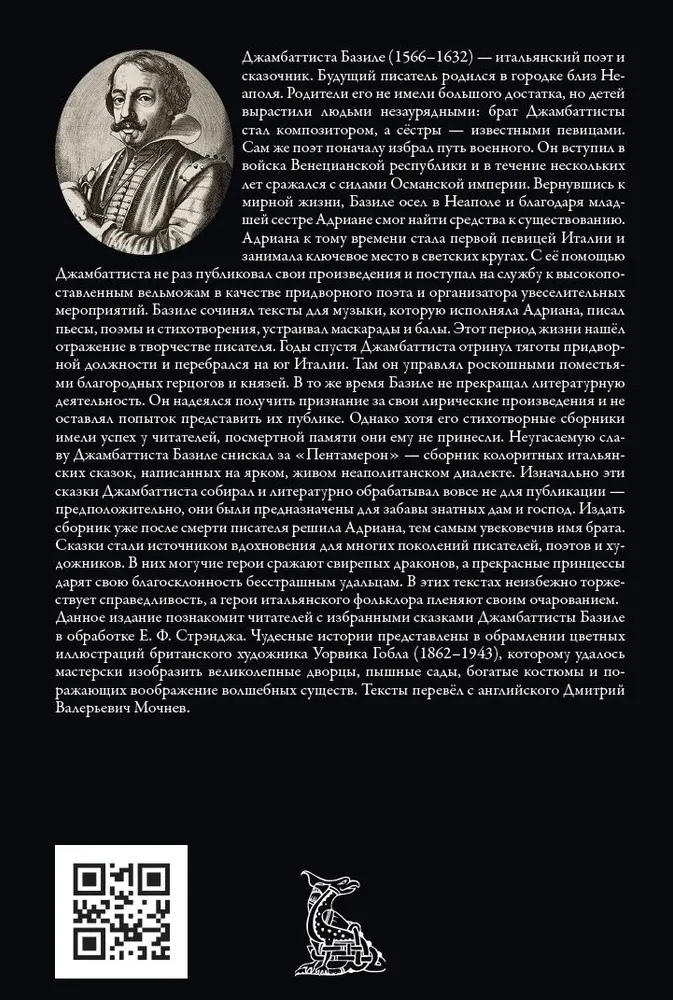
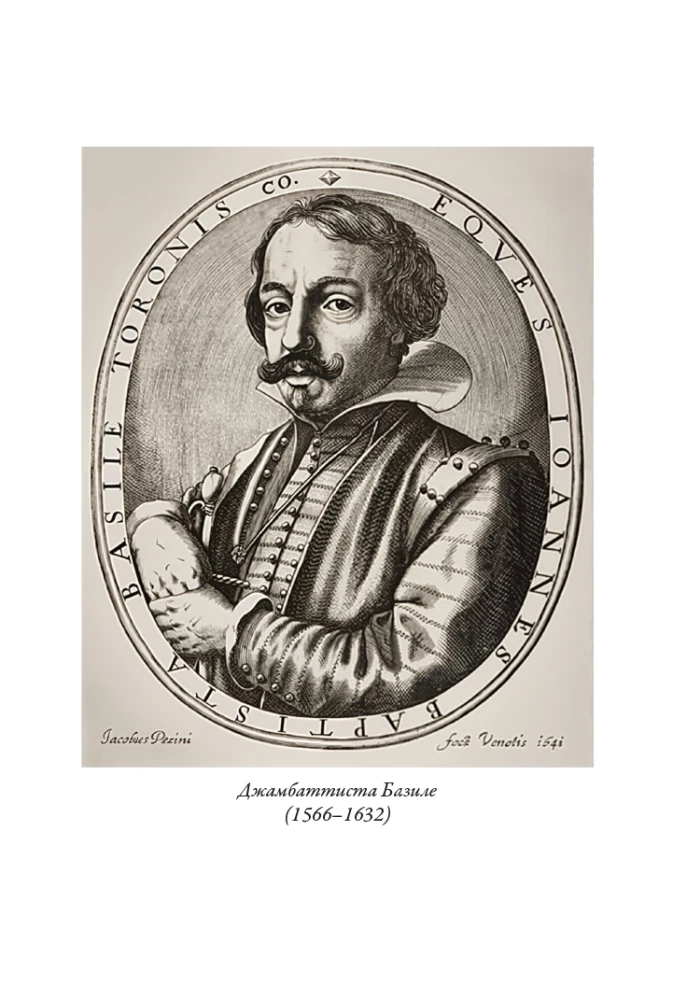
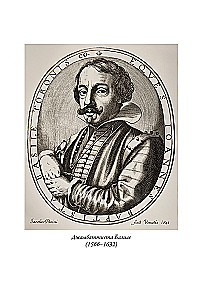
Giambattista Basile (1566–1632) — Italian poet and storyteller. The future writer was born in a town near Naples. His parents were not well-off, but they raised their children to be exceptional people: Giambattista's brother became a composer, and his sisters...
— famous singers. The poet himself initially chose a military path. He joined the army of the Venetian Republic and fought against the forces of the Ottoman Empire for several years. Upon returning to peaceful life, Basile settled in Naples and, thanks to his younger sister Adriana, was able to find a means of subsistence. By that time, Adriana had become the first singer in Italy and held a key position in high society. With her help, Giambattista published his works multiple times and served high-ranking nobles as a court poet and organizer of entertainment events. Basile wrote lyrics for music performed by Adriana, created plays, poems, and sonnets, and arranged masquerades and balls. This period of his life found reflection in the writer's work. Years later, Giambattista rejected the burdens of court office and moved to southern Italy. There he managed luxurious estates owned by noble dukes and princes. At the same time, Basile did not cease his literary activity. He hoped to gain recognition for his lyrical works and did not give up trying to present them to the public. However, although his poetry collections had success with readers, they did not bring him posthumous fame. Giambattista Basile gained enduring glory for the 'Pentamerone' — a collection of colorful Italian fairy tales written in the vivid, lively Neapolitan dialect. Initially, Basile collected and literarily processed these tales not for publication — presumably, they were intended for the amusement of noble ladies and gentlemen. Adriana decided to publish the collection after the writer's death, thereby immortalizing her brother's name. The tales became a source of inspiration for many generations of writers, poets, and artists. In them, mighty heroes fight fierce dragons, and beautiful princesses bestow their favor on fearless adventurers. In these texts, justice inevitably prevails, and heroes of Italian folklore captivate with their charm.
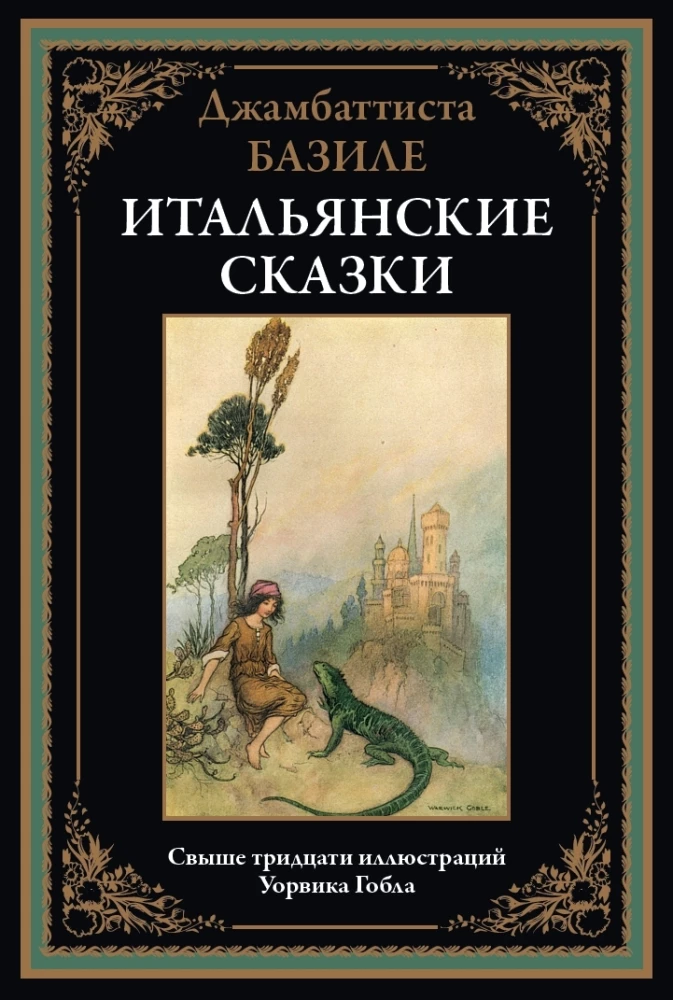
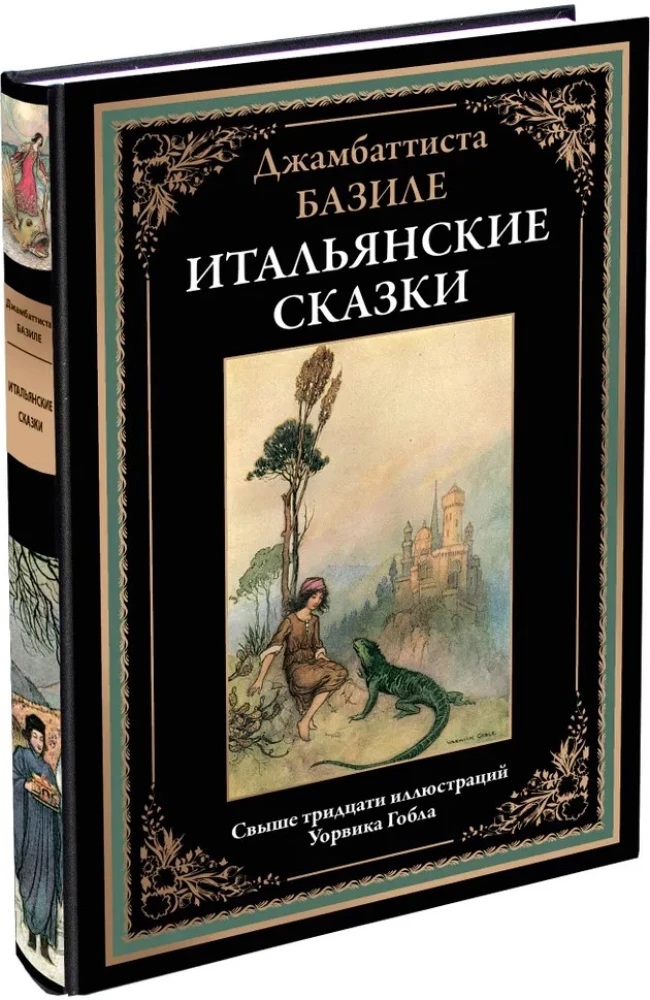
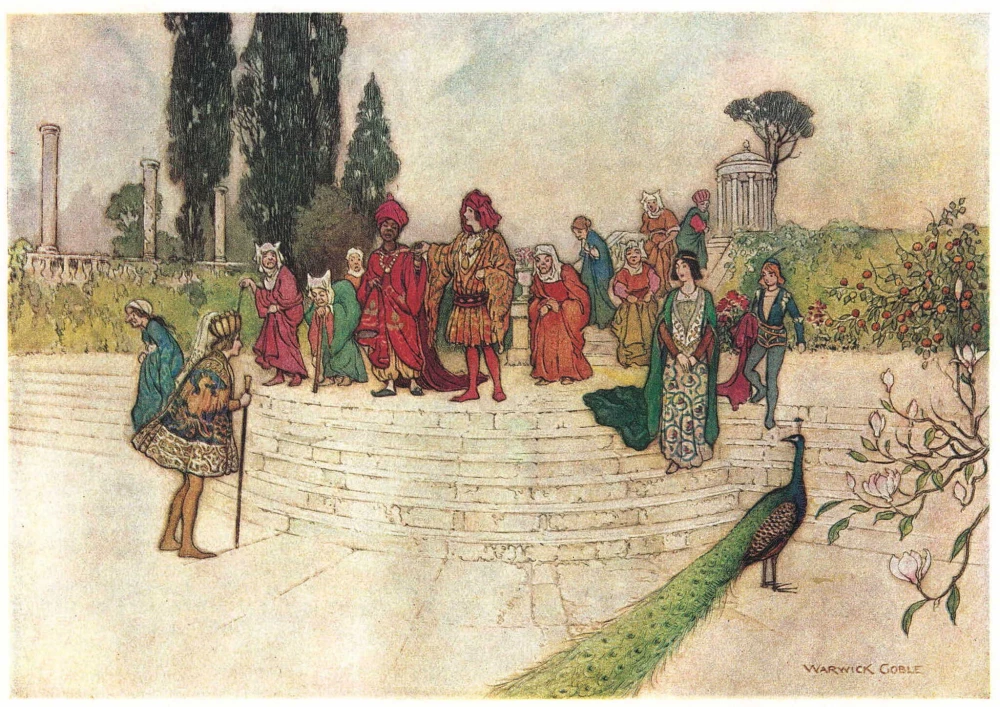
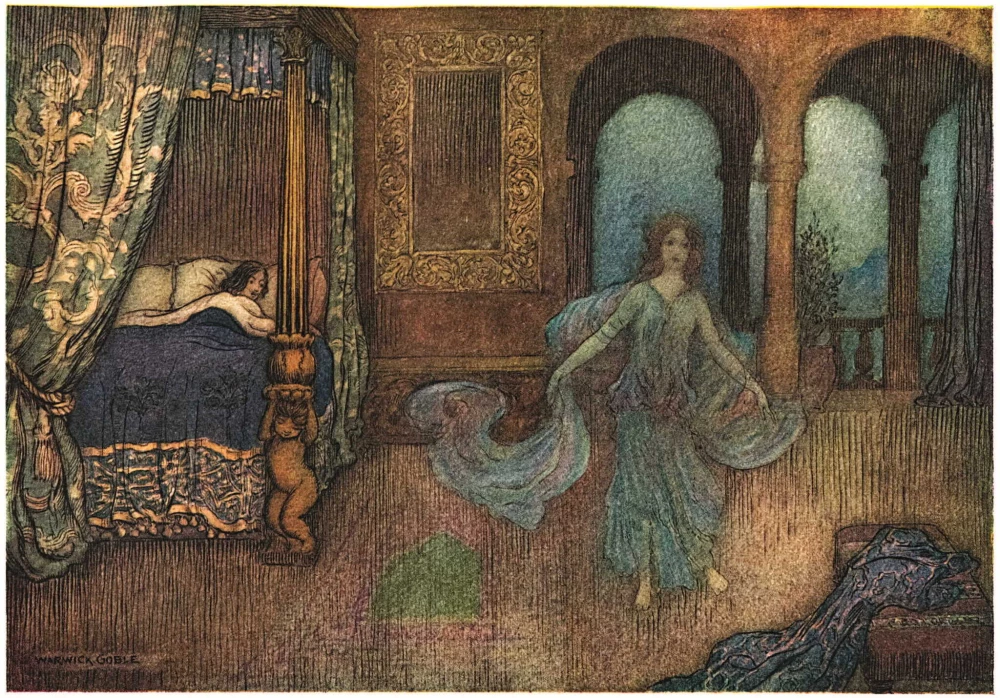
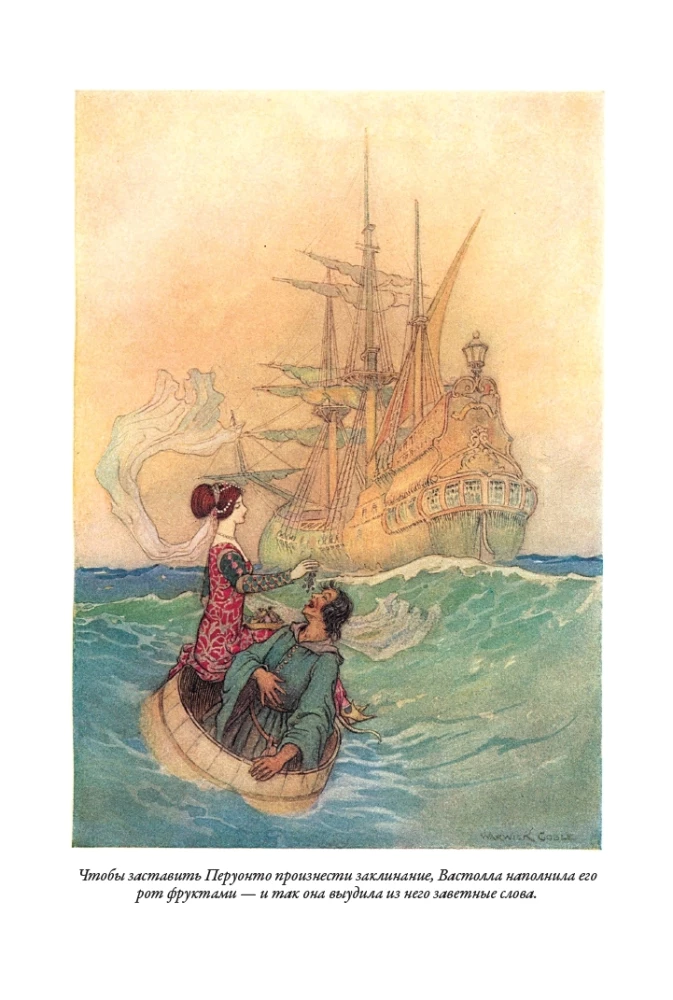
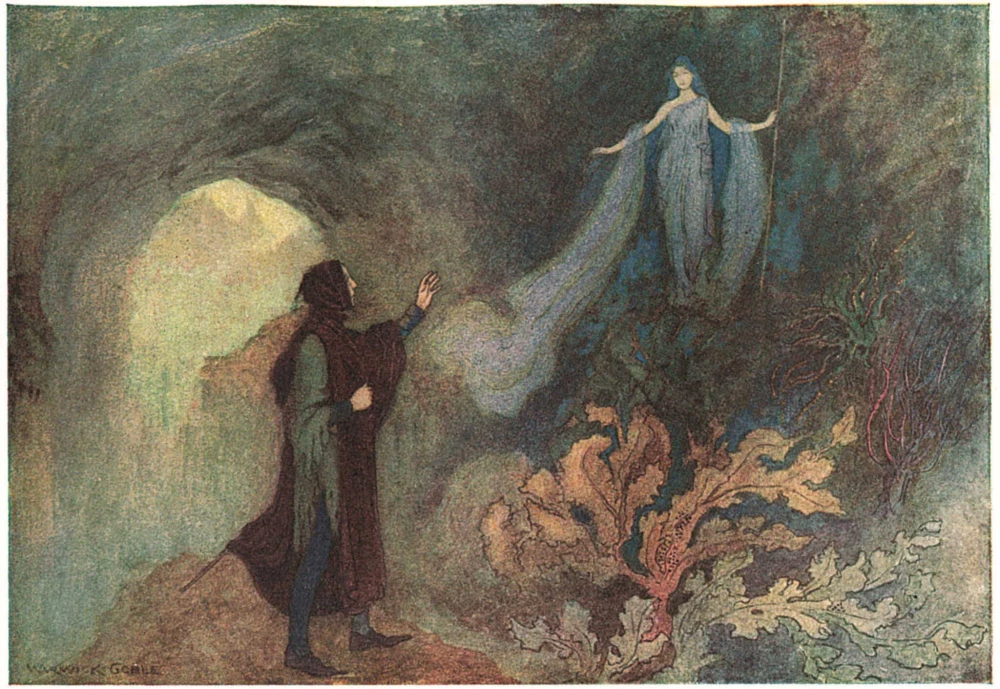
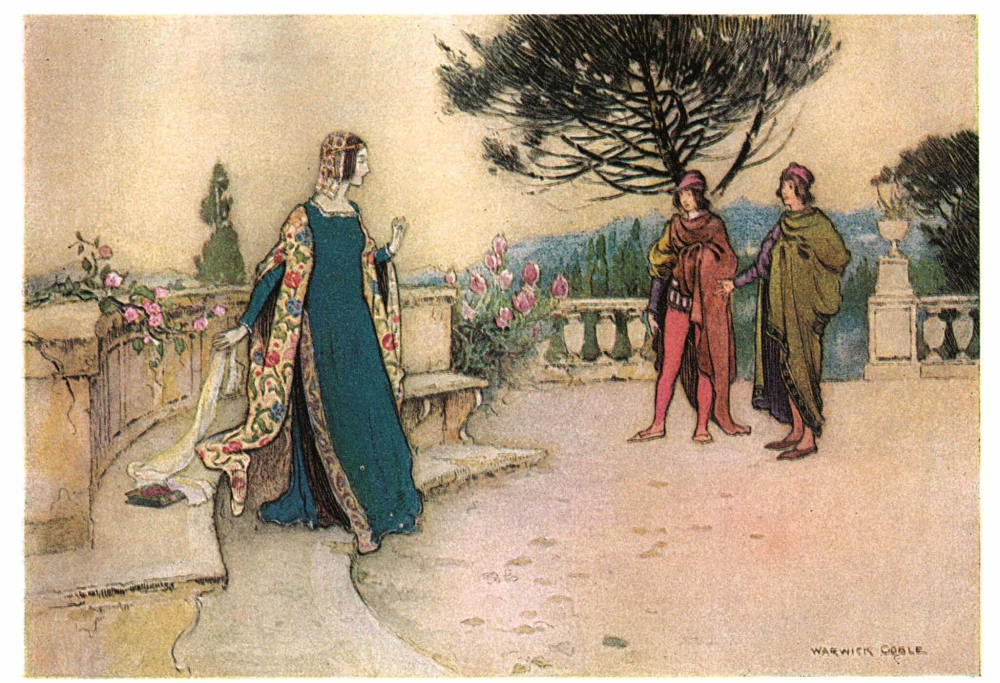
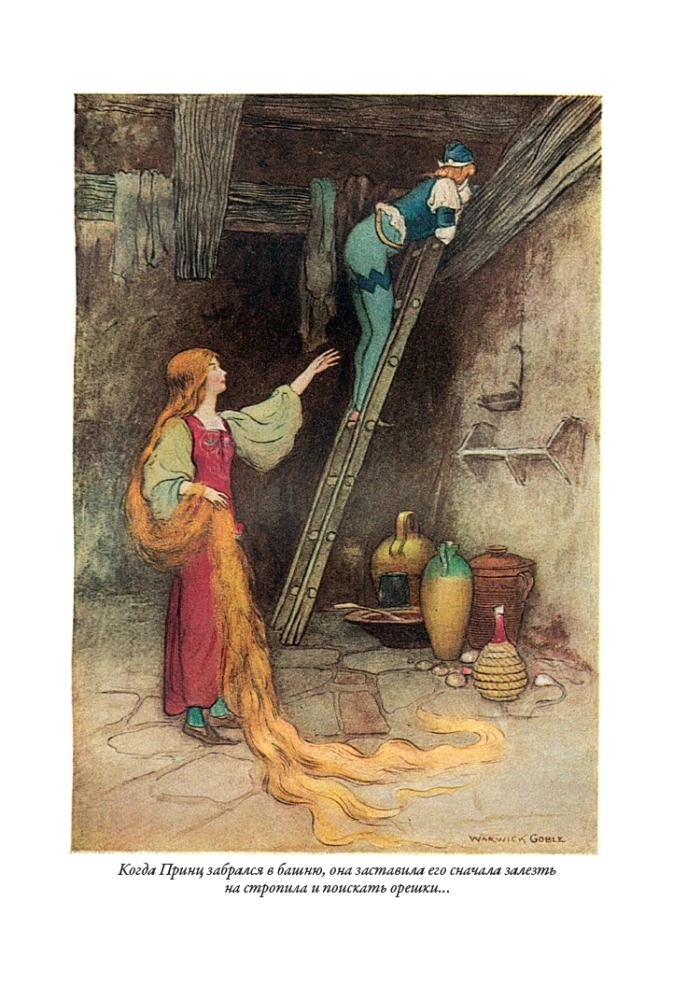
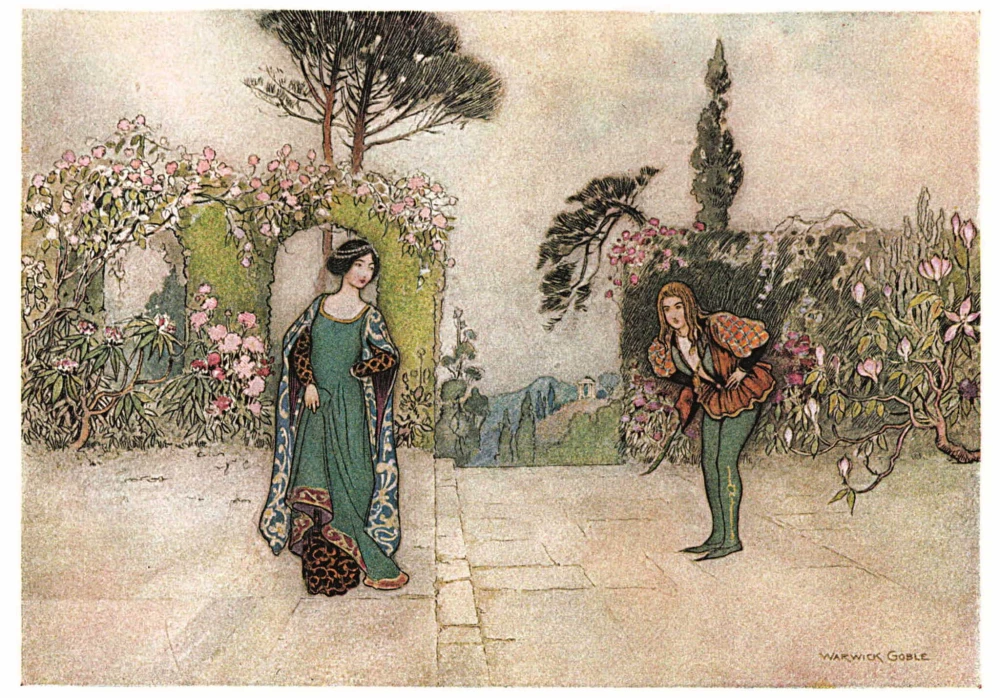
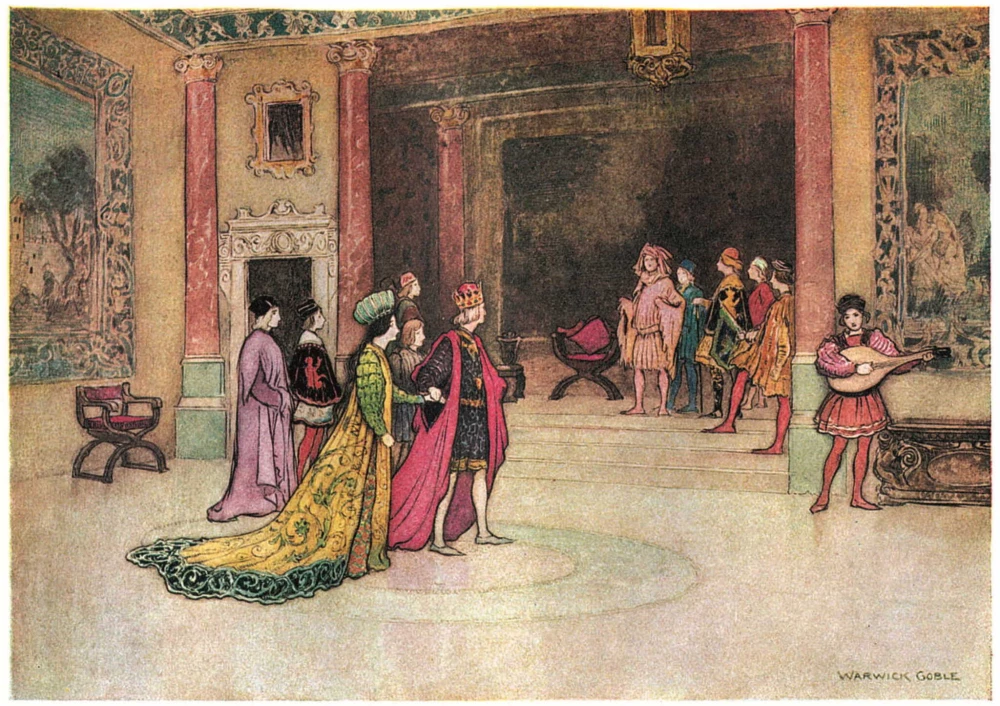
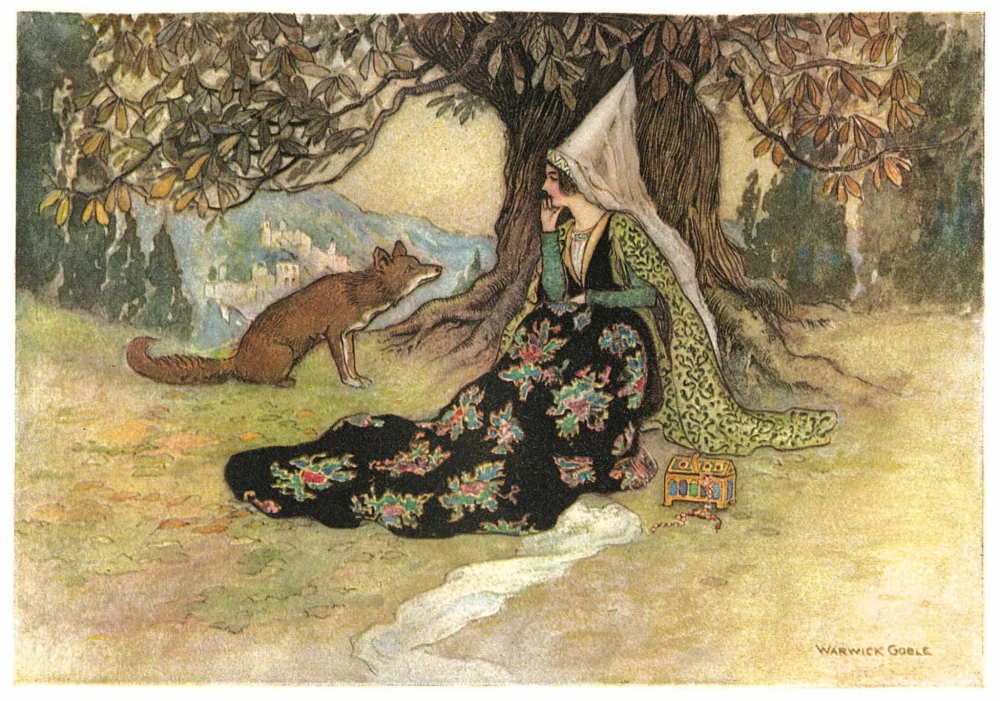
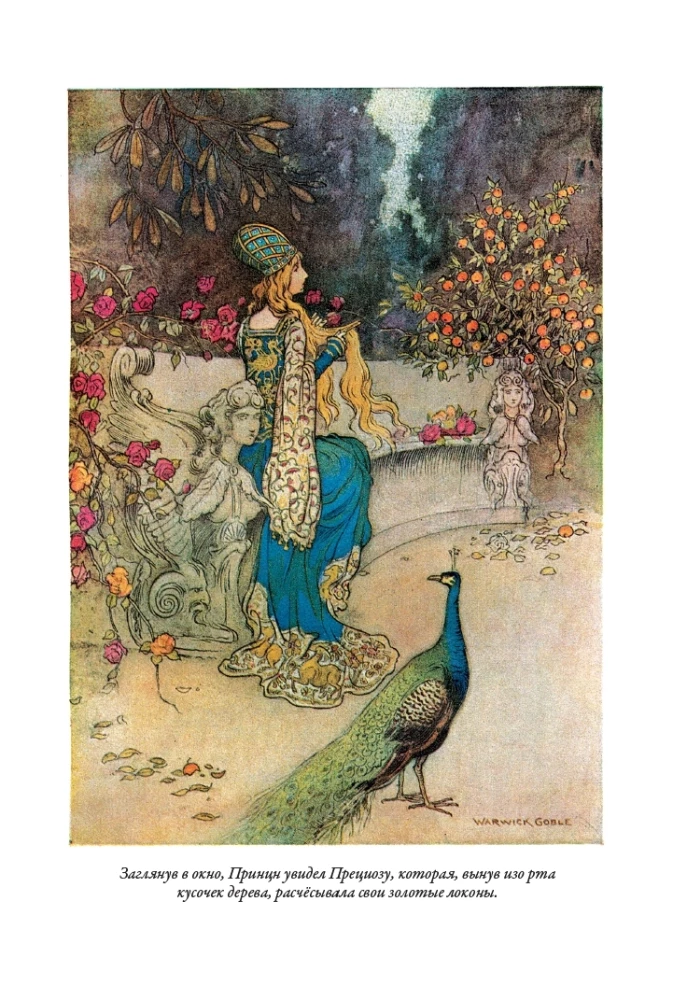
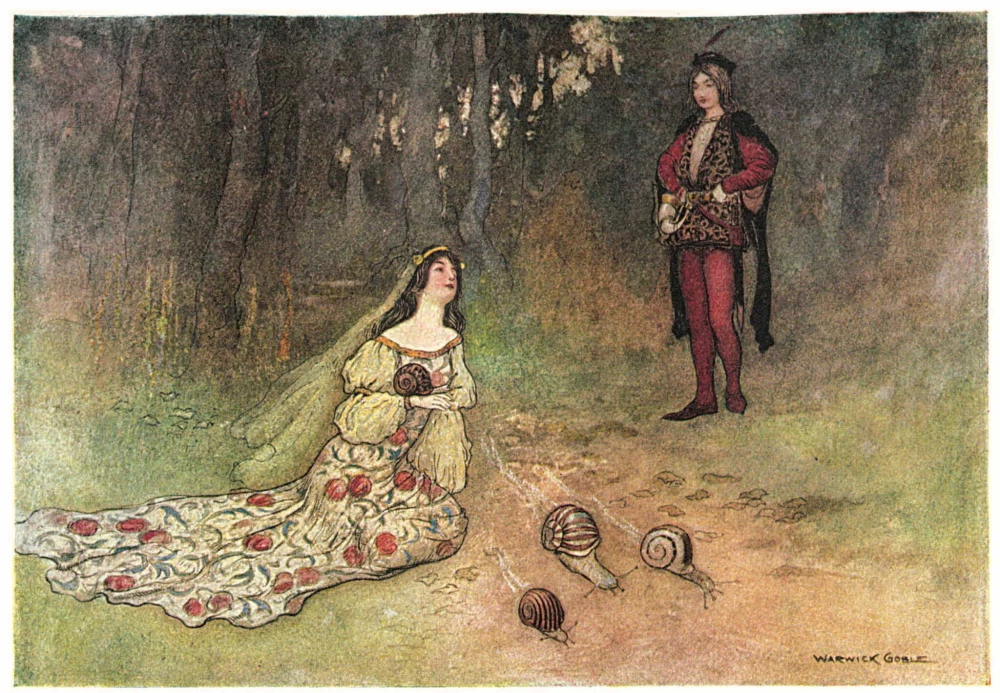
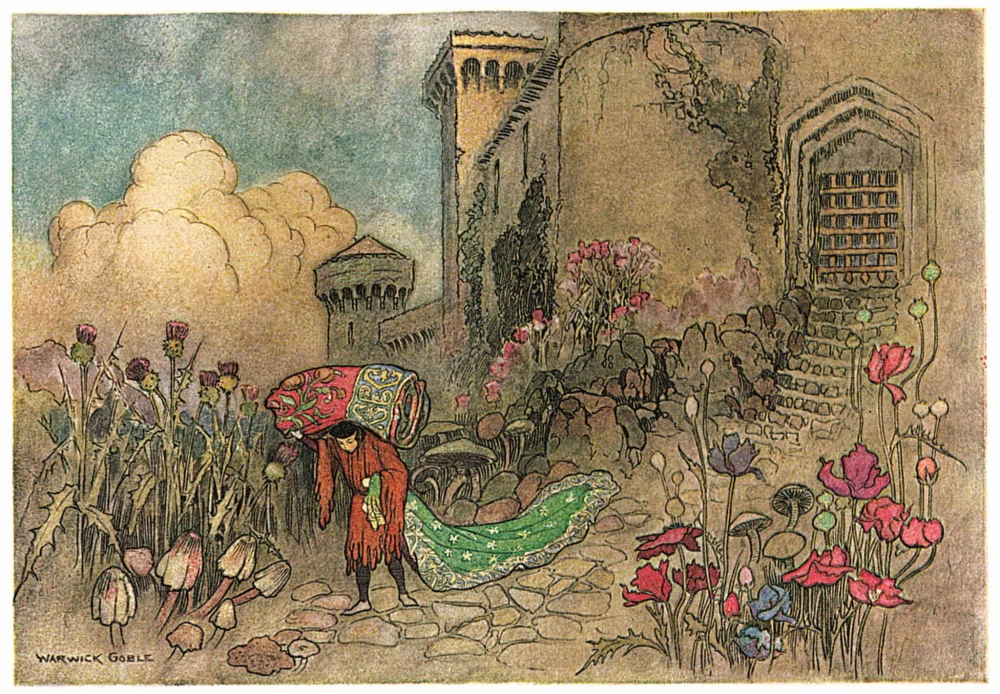
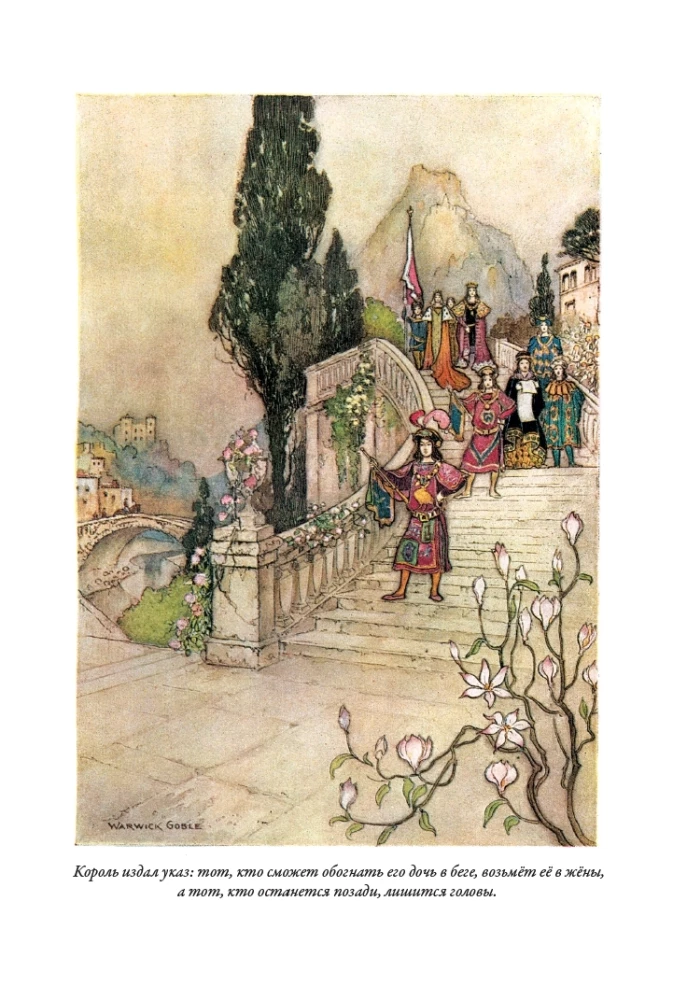
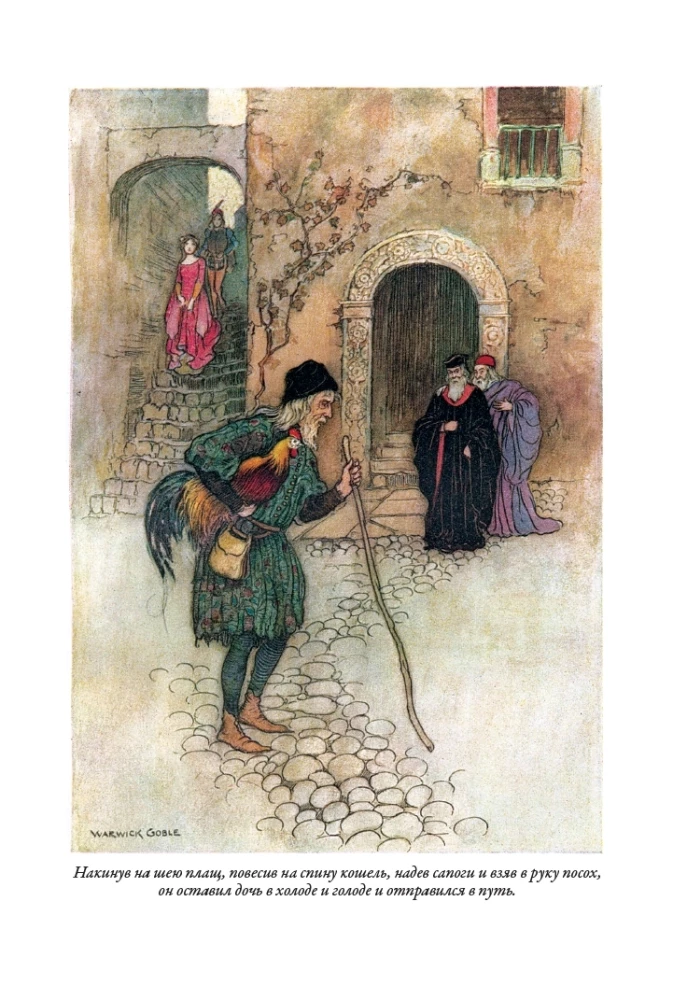
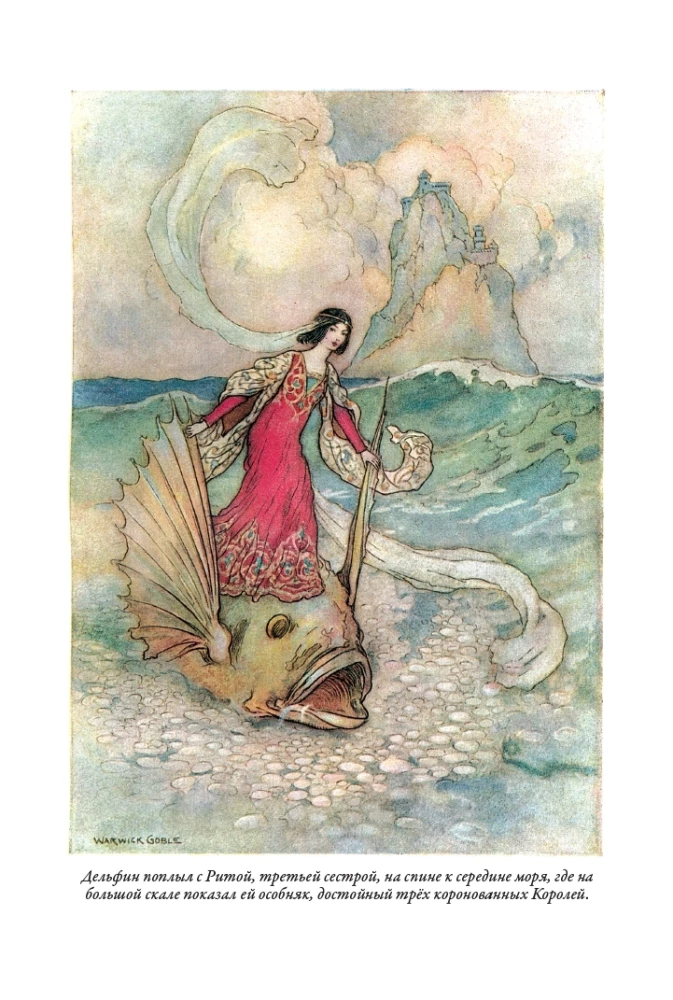
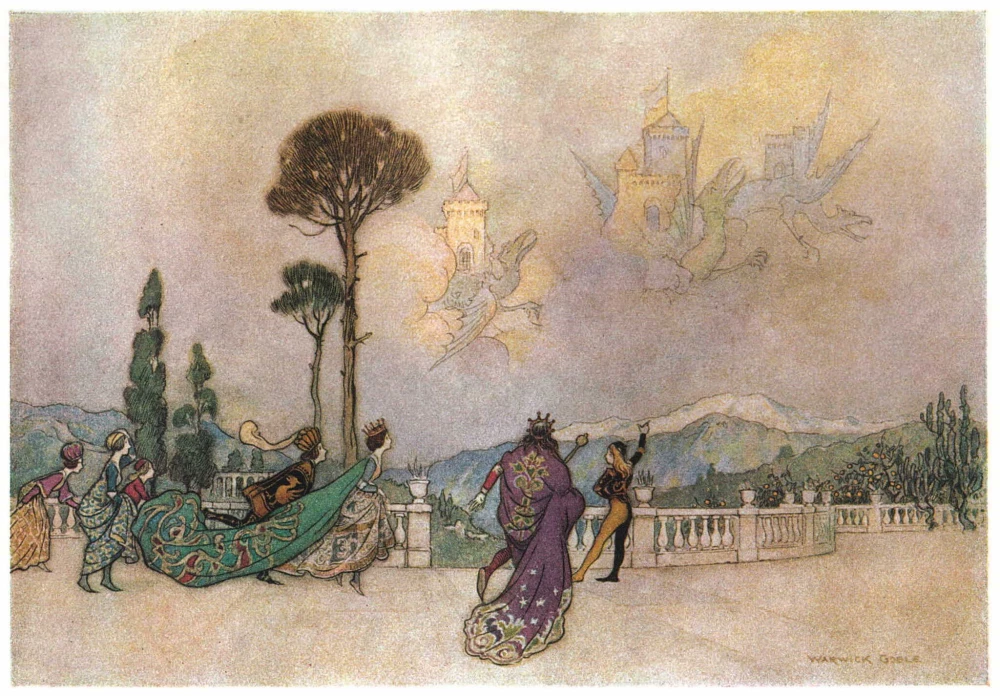
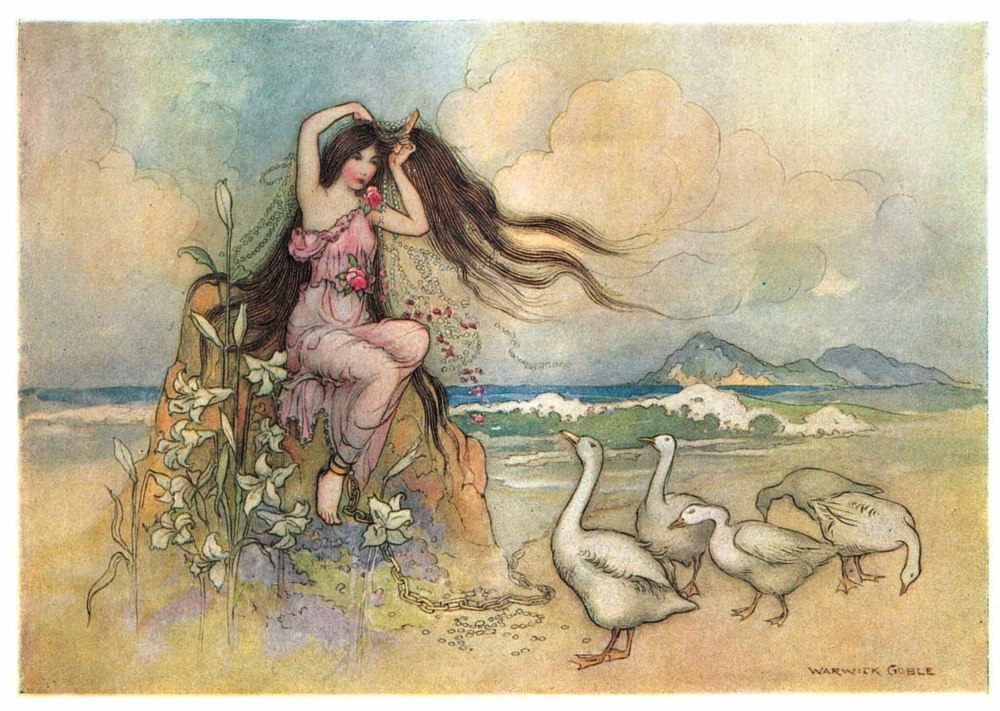
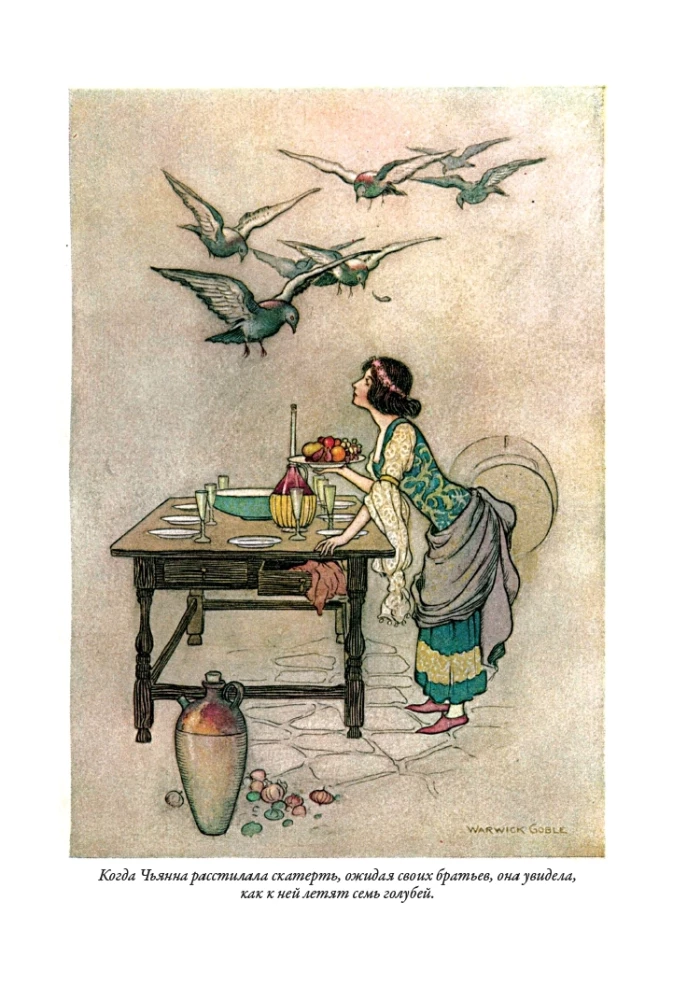
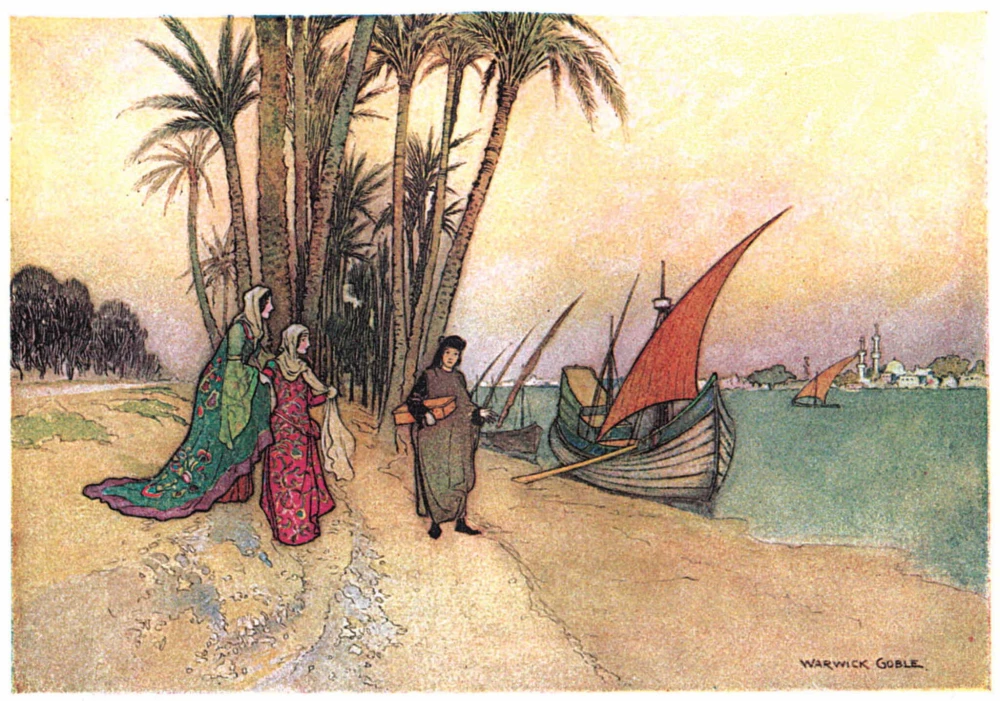
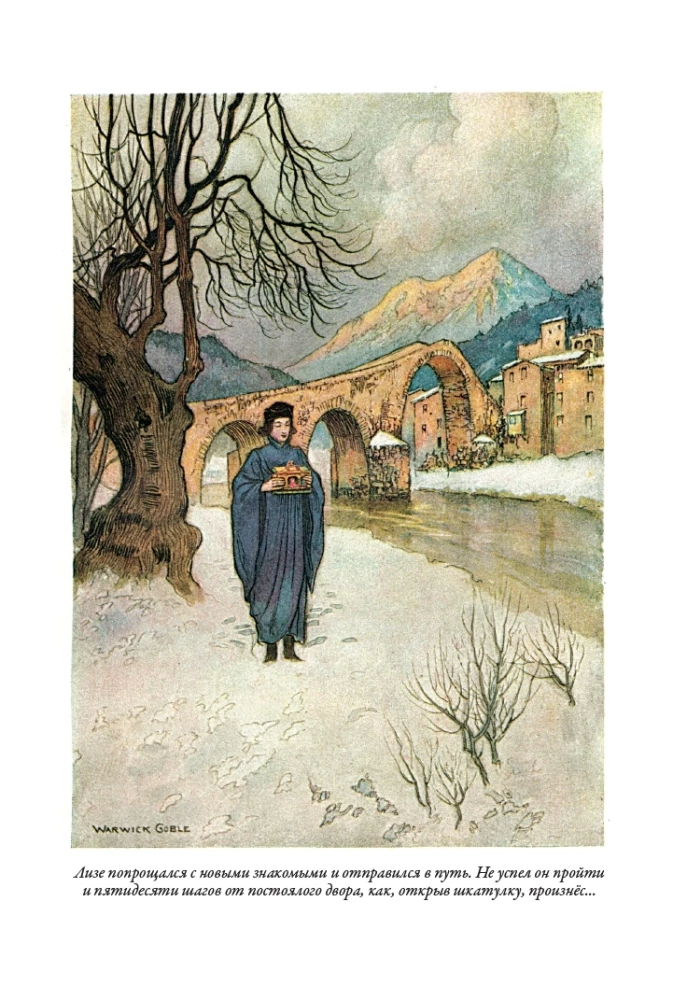
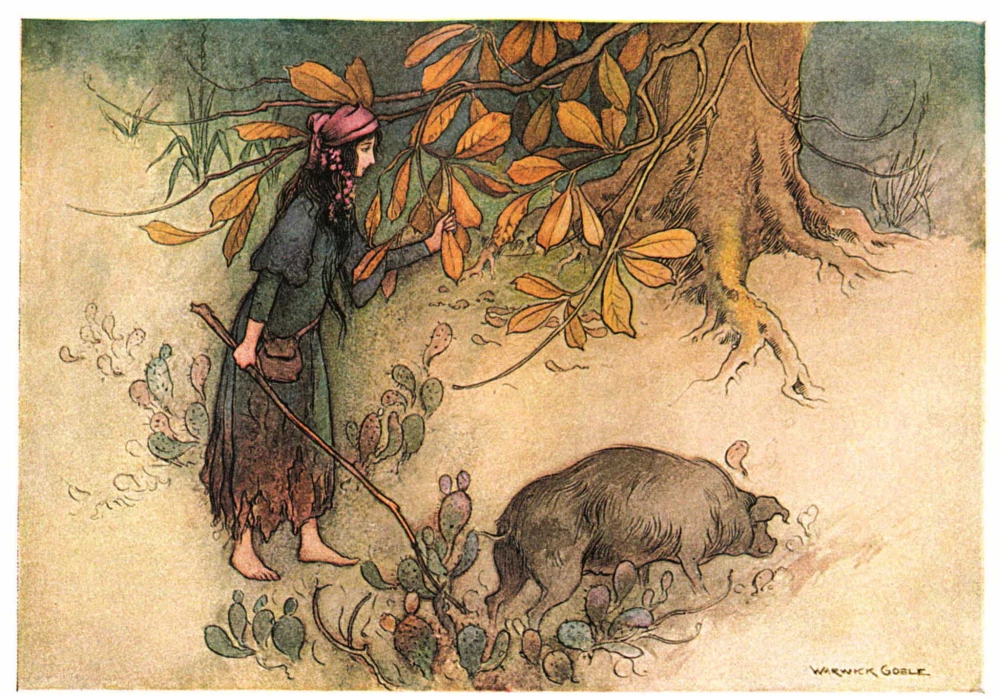
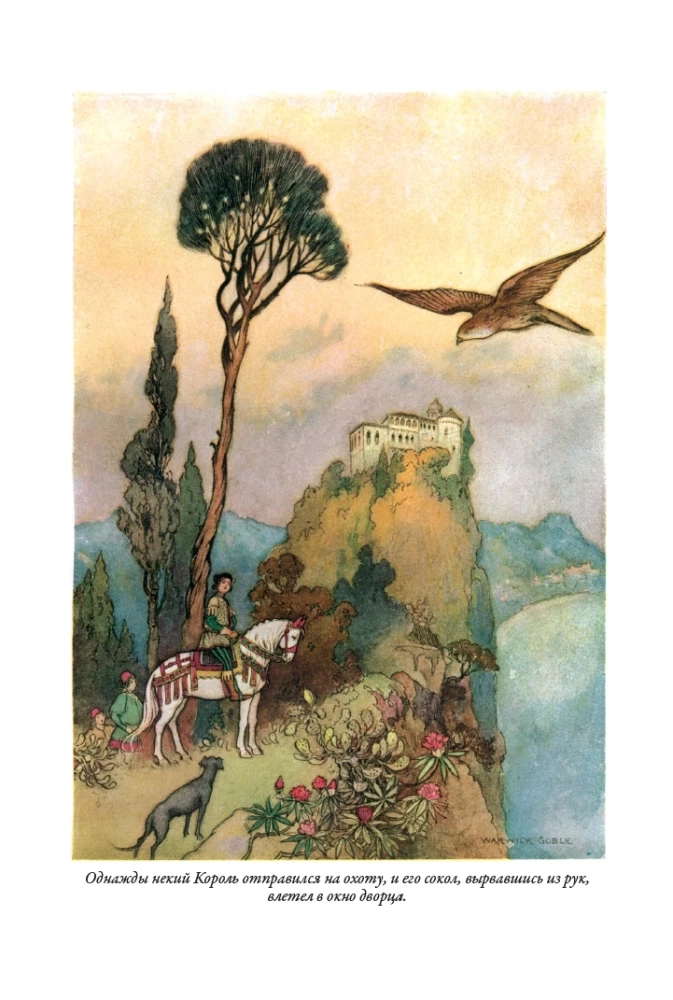
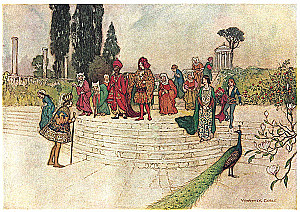
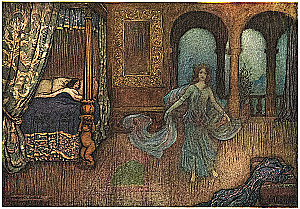
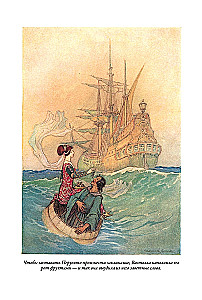
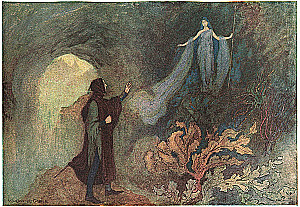
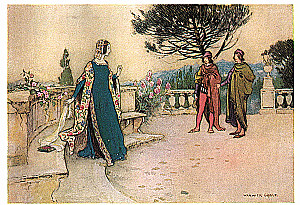
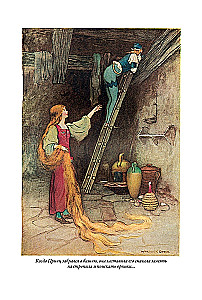
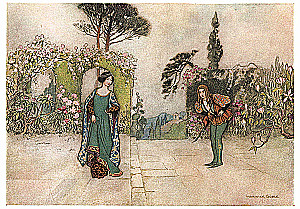
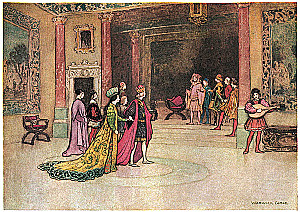
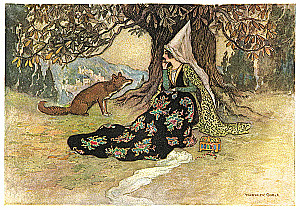
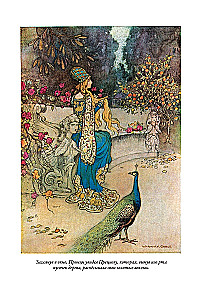
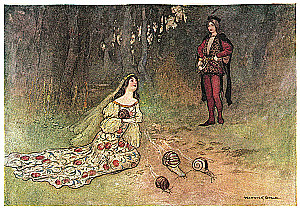
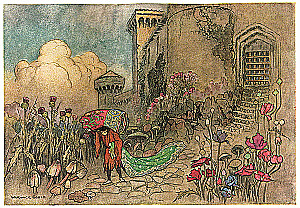
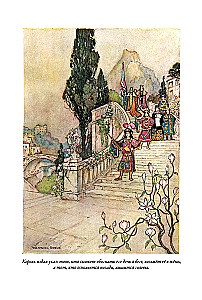
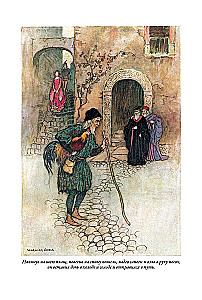
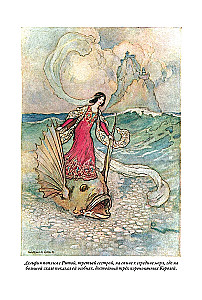
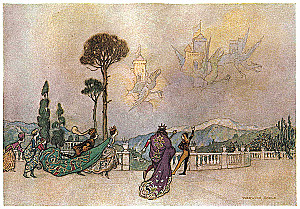
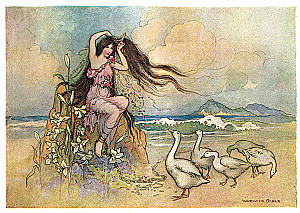
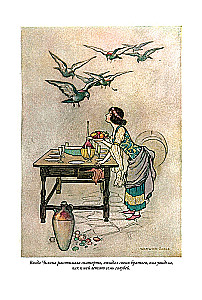
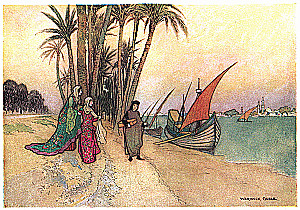
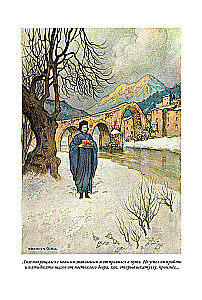
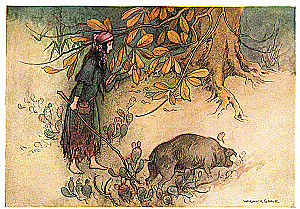
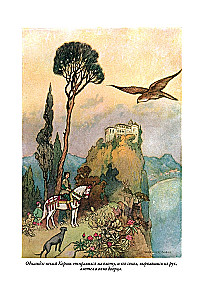
This edition will introduce readers to selected fairy tales by Giambattista Basile, adapted by E. F. Strandz. The wonderful stories are presented within the framework of colorful illustrations by British artist Warwick Goble (1862–1943), who masterfully depicted magnificent palaces, lush gardens, rich costumes, and astonishing magical beings. The texts were translated from English by Dmitry Valeryevich Mochnev.
Artist: Warwick Goble
This edition will introduce readers to selected fairy tales by Giambattista Basile, adapted by E. F. Strandz. The wonderful stories are presented within the framework of colorful illustrations by British artist Warwick Goble (1862–1943), who masterfully depicted magnificent palaces, lush gardens, rich costumes, and astonishing magical beings. The texts were translated from English by Dmitry Valeryevich Mochnev.
Artist: Warwick Goble
Author: Джамбаттиста Базиле
Printhouse: SZKEO
Series: BML
Age restrictions: 7+
Year of publication: 2025
ISBN: 9785960312943
Number of pages: 224
Size: 250х180х20 mm
Cover type: hard
Weight: 700 g
ID: 1723674
In stock
€ 18.99
Will be delivered to United States on 29 September (Tu):
By courier
from € 38.94
Bestsellers








Bestseller
€ 12.19
In stock
Kanashibari. Until the Last Lantern Goes Out. Volume 1
Ангелина Шэн, Вероника Шэн