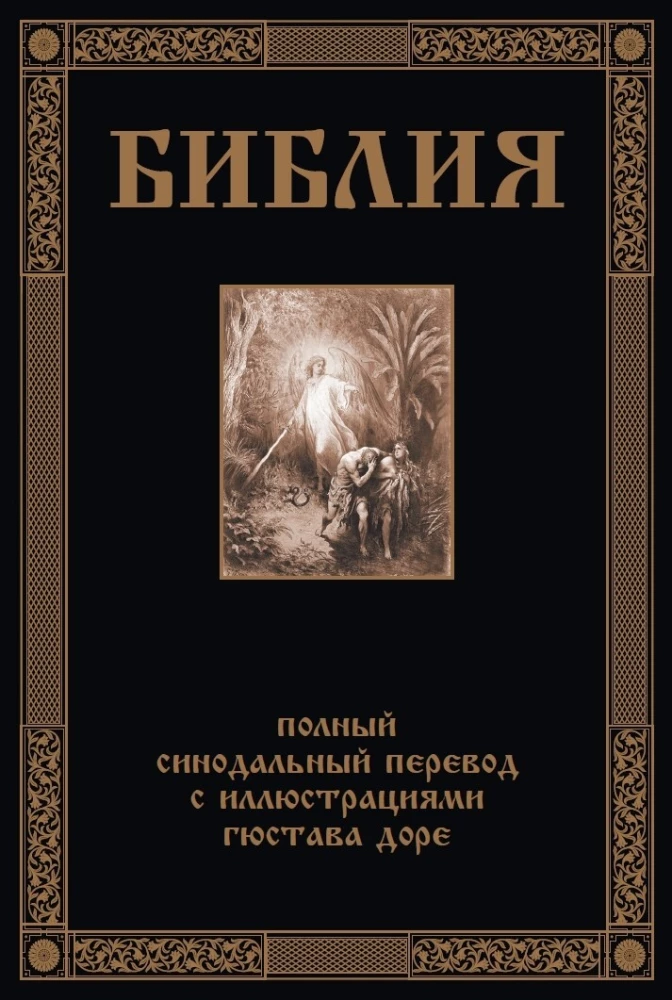

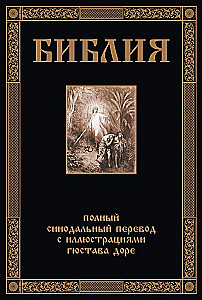
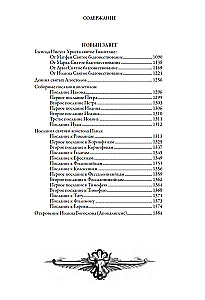
The Bible. Complete Synodal Translation with Illustrations by Gustave Doré
The Bible is not only the foundation of Christianity but also a crucial part of world culture. Its Old Testament was written in ancient Hebrew. These texts, created from the 15th to the 1st century B.C.E., were carefully preserved during...
transcription, and by the 10th century C.E., thanks to the efforts of Jewish scholars — the Masoretes — who worked with ancient manuscripts of the Scriptures, they had taken on a finalized form. The Old Testament, translated in the 3rd–1st century B.C.E. in Alexandria into ancient Greek, became known as the Septuagint, meaning "the translation of the seventy elders." The New Testament of the Bible was also written in ancient Greek. In the late 4th century C.E., the Vulgate appeared — a translation of the Bible into Latin, and this "Latin Bible" was first printed in 1450 by Johannes Gutenberg.
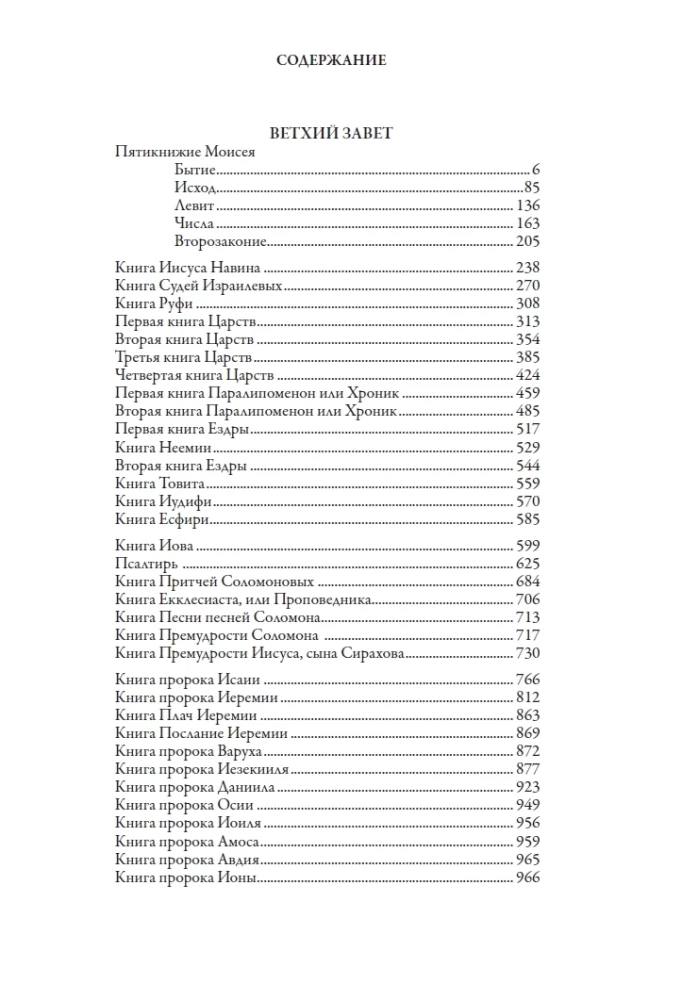
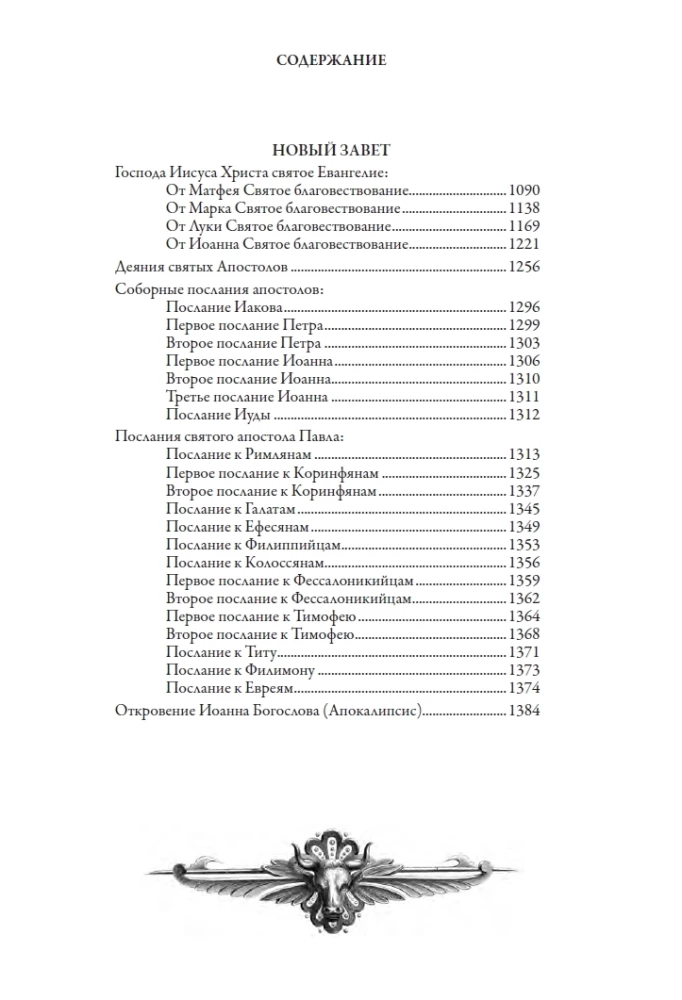
In the 9th century, Cyril and Methodius translated the Bible into Old Church Slavonic. With the advent of printing in Russia, the Bible began to be published in Church Slavonic; these texts were used both in church and in domestic life. In 1751, by the decree of Empress Elizabeth, they were verified against the Septuagint; however, by that time, not all Russians understood Church Slavonic, so by the decree of Alexander I, the Bible began to be published in Russian. The translation was carried out by the Synod — the highest state body of church governance — and thus it became known as the Synodal translation. The translation of the 39 canonical books of the Old Testament was made from Hebrew (the Masoretic text); ten of its non-canonical books were translated from Greek, and one from the Latin Vulgate. The New Testament translation was done from the Greek original.
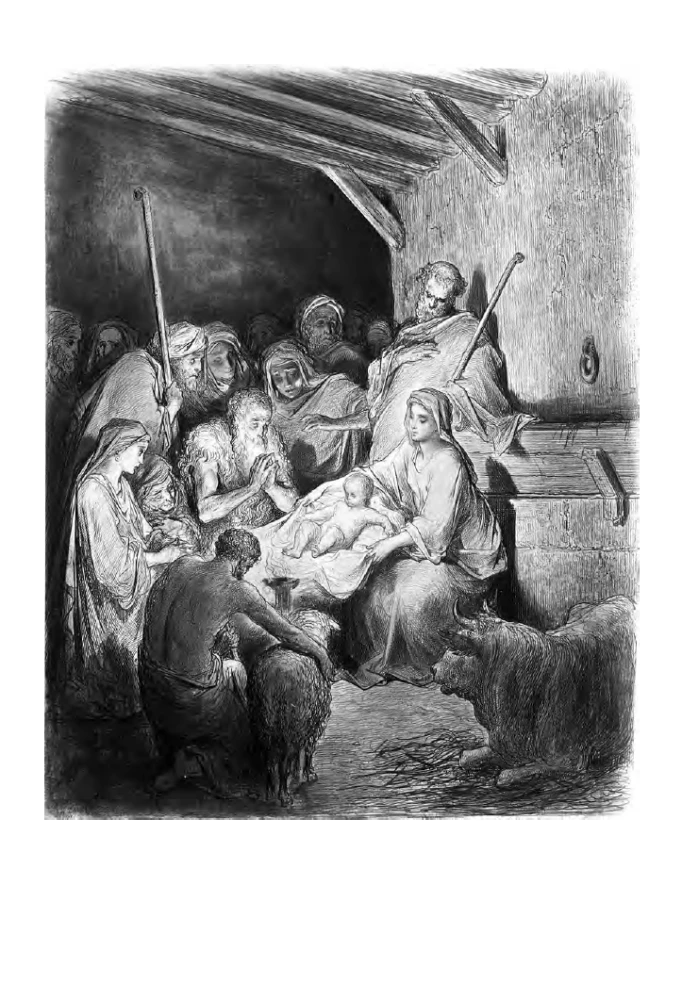
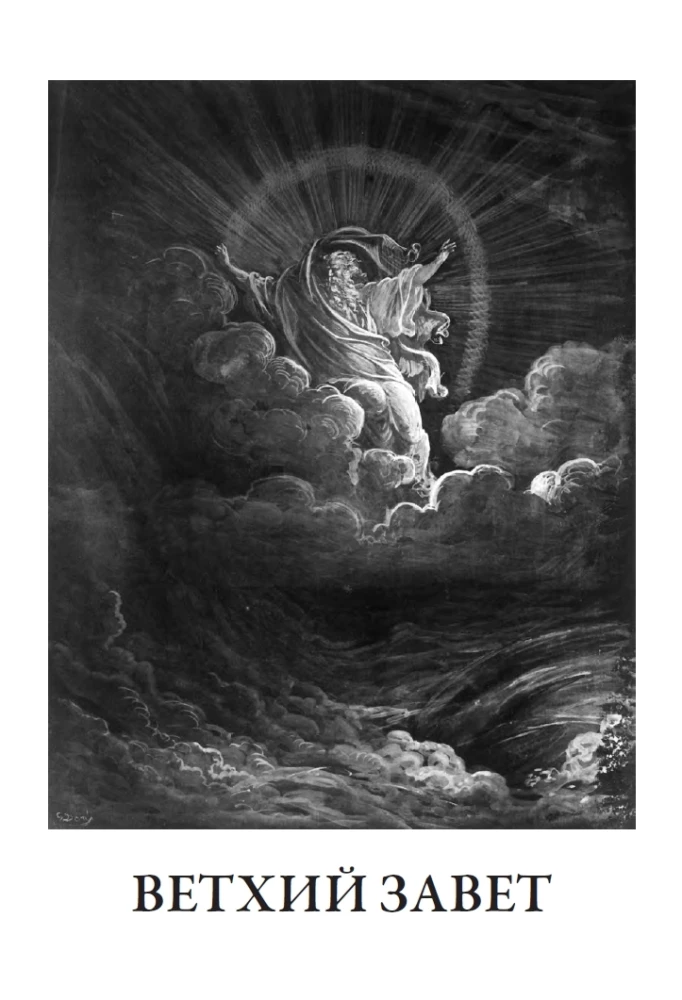
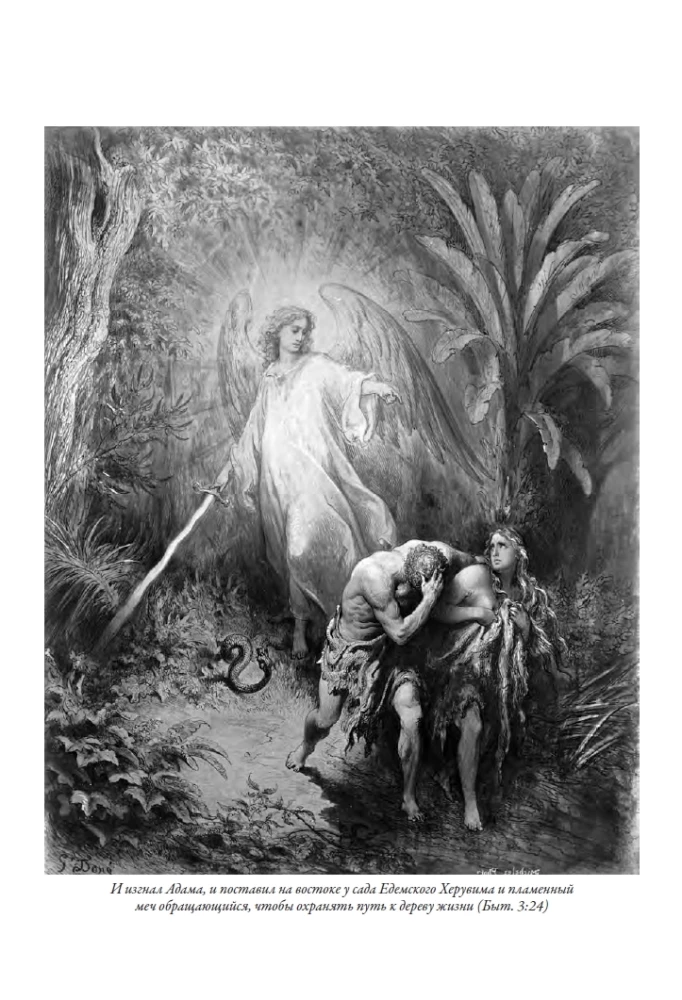
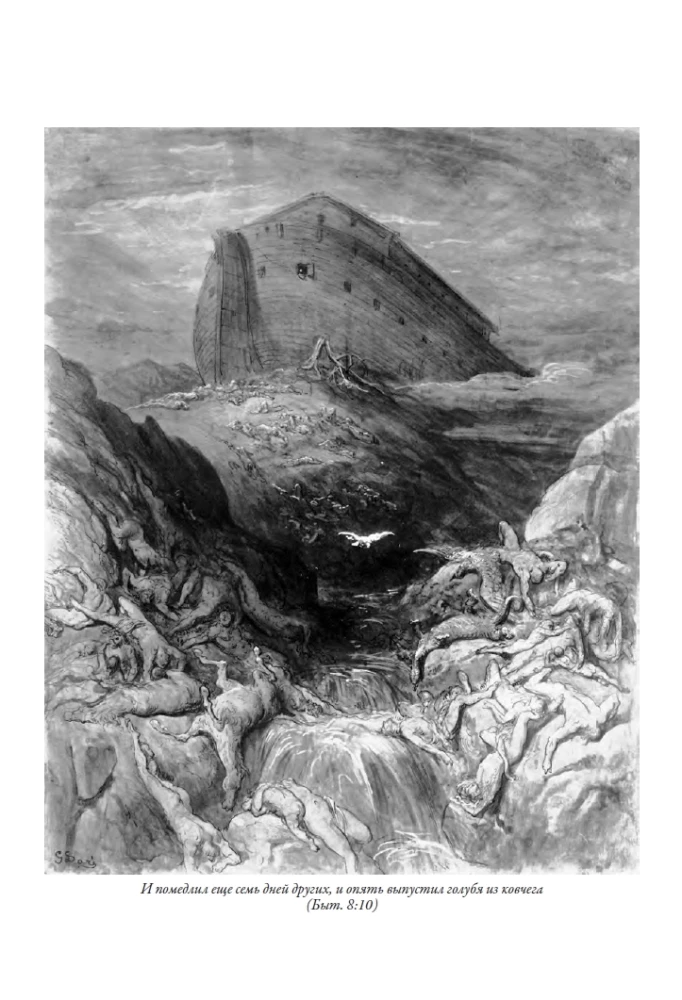
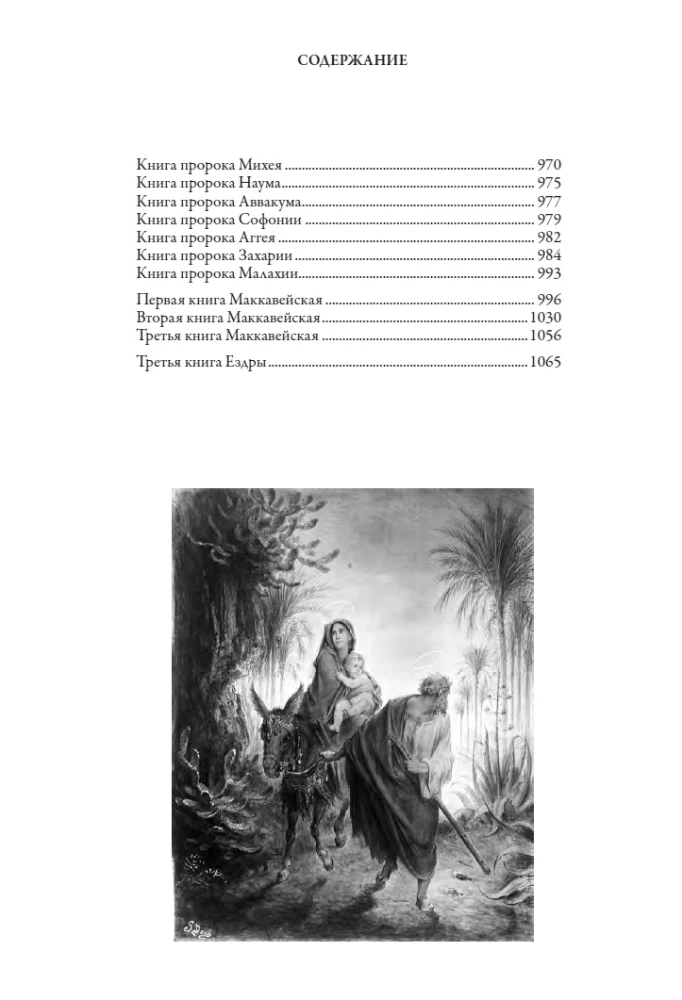
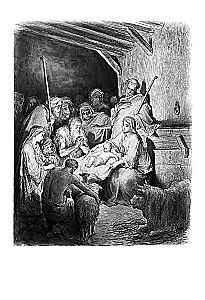
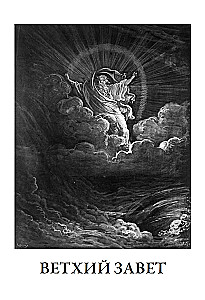
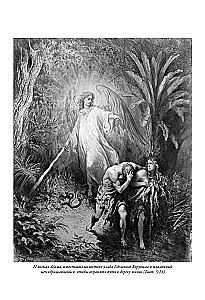
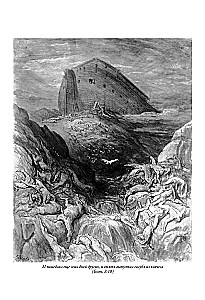
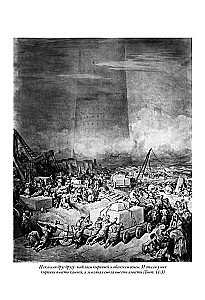
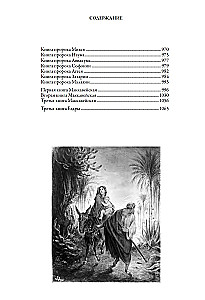
This edition marks the first publication in Russia of 230 original illustrations by Gustave Doré. The talented French artist worked on them for two years while preparing the Bible translated into German by writer and rabbi Ludwig Phillipson. The Bible with Doré's illustrations was first published in 1866, featuring engravings made from the artist's drawings. This edition became so popular that in 1867, the original drawings by Gustave Doré were published as a separate three-volume set. It is these drawings, rather than the engravings made from them, that are reproduced in the present edition.
In the 9th century, Cyril and Methodius translated the Bible into Old Church Slavonic. With the advent of printing in Russia, the Bible began to be published in Church Slavonic; these texts were used both in church and in domestic life. In 1751, by the decree of Empress Elizabeth, they were verified against the Septuagint; however, by that time, not all Russians understood Church Slavonic, so by the decree of Alexander I, the Bible began to be published in Russian. The translation was carried out by the Synod — the highest state body of church governance — and thus it became known as the Synodal translation. The translation of the 39 canonical books of the Old Testament was made from Hebrew (the Masoretic text); ten of its non-canonical books were translated from Greek, and one from the Latin Vulgate. The New Testament translation was done from the Greek original.
This edition marks the first publication in Russia of 230 original illustrations by Gustave Doré. The talented French artist worked on them for two years while preparing the Bible translated into German by writer and rabbi Ludwig Phillipson. The Bible with Doré's illustrations was first published in 1866, featuring engravings made from the artist's drawings. This edition became so popular that in 1867, the original drawings by Gustave Doré were published as a separate three-volume set. It is these drawings, rather than the engravings made from them, that are reproduced in the present edition.
Printhouse: SZKEO
Series: BML
Age restrictions: 12+
Year of publication: 2025
ISBN: 9785960309688, 9785960312417
Number of pages: 1408
Size: 250х180х70 mm
Cover type: hard
Weight: 1600 g
ID: 1715806
Sold out
€ 19.99
Sold out
€ 19.99
Bestsellers




Bestseller
€ 12.19
In stock
Kanashibari. Until the Last Lantern Goes Out. Volume 1
Ангелина Шэн, Вероника Шэн




€ 36.99
In stock