
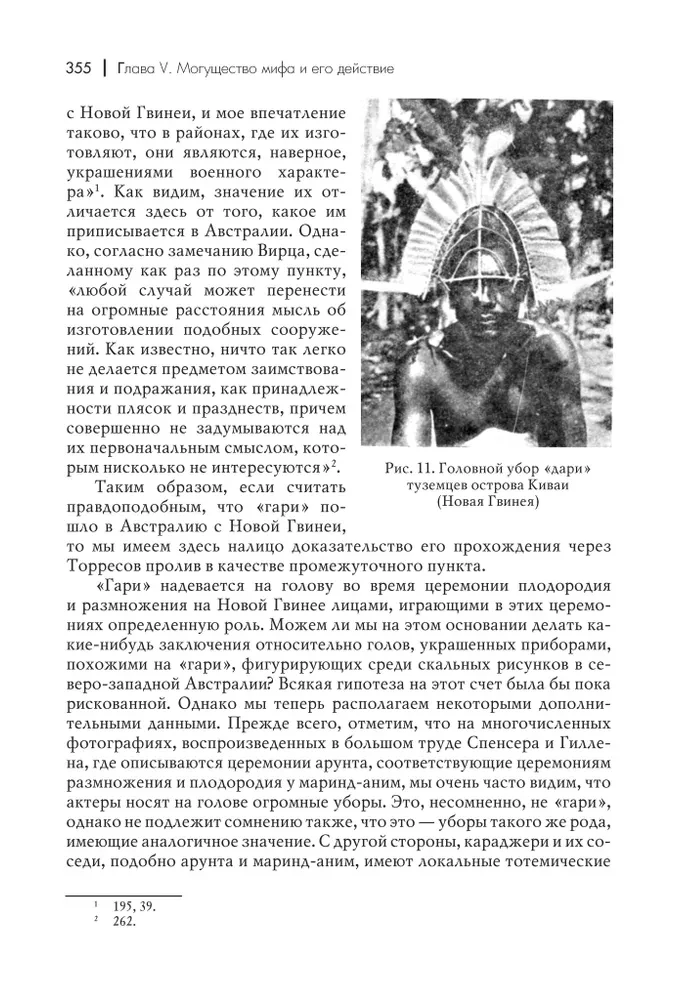
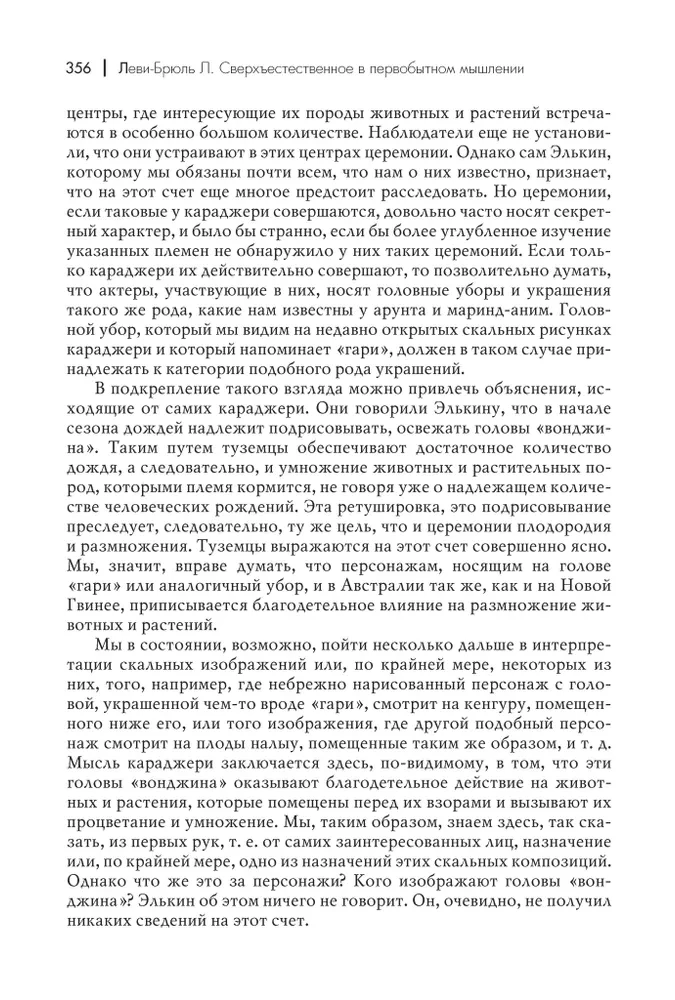

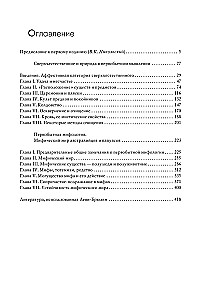
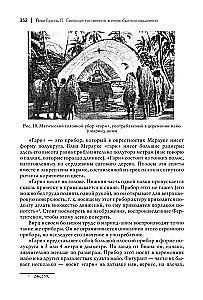
The Supernatural in Primitive Thinking
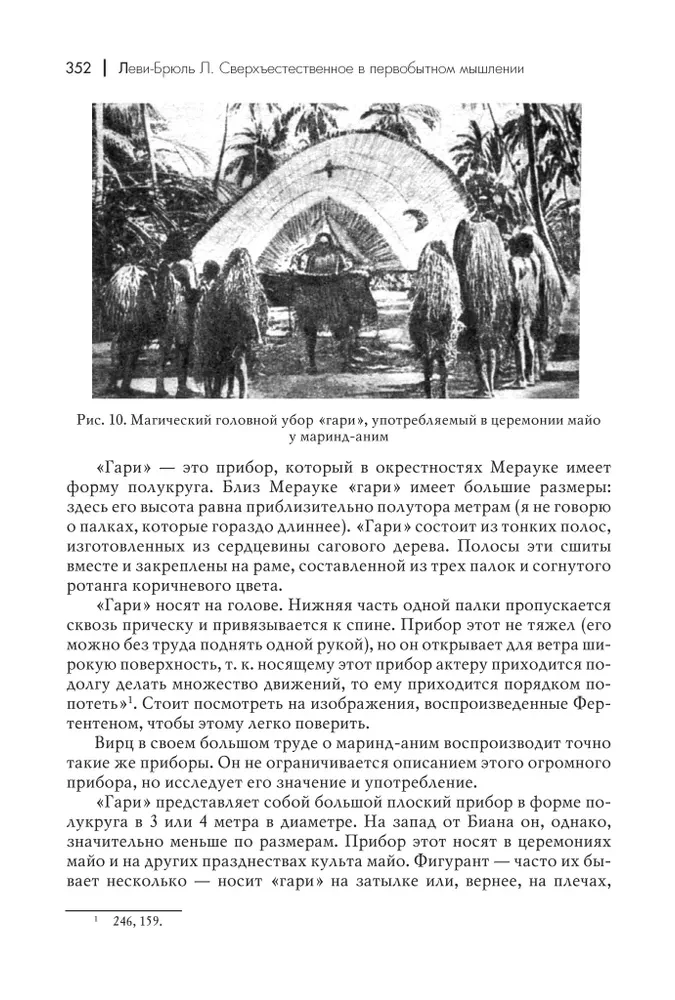
This book presents two of the most important works "the supernatural and nature in primitive thinking" and "Primitive Mythology. The Mythical World of Australians and Papuans" — about the nature of primitive thinking and the driving forces of mythological consciousness,...
written by the outstanding French philosopher and anthropologist Lucien Lévy-Bruhl (1857–1939). Lévy-Bruhl believes that in some areas primitive thinking manifests itself qualitatively differently from the thinking of modern civilized man. He called it prelogical thinking. According to him, such thinking is characterized by insensitivity to contradictions, imperviousness to experience, and subordination to the law of "participation" (communitas). At the same time, prelogical thinking does not exhaust all manifestations of the intellect of primitive man. For example, in the practical sphere, the thinking of primitive man is just as logical as that of modern man. On the other hand, the thinking of modern man can also acquire features of prelogicality, for example, in the realm of religious or moral ideas. Therefore, logical and prelogical thinking do not form a single line, but represent two types of thinking that exist simultaneously in both primitive and modern societies. This collection of works is published for the first time since 1937, when the first edition of these works was undertaken in the Russian language. This edition serves as the basis for the present book.
The book may be recommended to religious studies scholars, anthropologists, psychologists, as well as to anyone interested in the problems of the development of human thought and mythological representations.
The book may be recommended to religious studies scholars, anthropologists, psychologists, as well as to anyone interested in the problems of the development of human thought and mythological representations.
Author: Люсьен Леви-Брюль
Printhouse: Akademicheskii proekt
Series: Philosophical Technologies. Sociocultural Anthropology
Age restrictions: 14+
Year of publication: 2024
ISBN: 9785829141943
Number of pages: 428
Size: 220х150х20 mm
Cover type: hard
Weight: 543 g
ID: 1704347
Sold out
€ 18.69
Sold out
€ 18.69
Bestsellers







€ 13.29
In stock
12 Weeks in a Year. How to Achieve More in 12 Weeks Than Others Do in 12 Months
Майкл Леннингтон, Брайан Моран


€ 7.89
In stock
Choice. On the Freedom and Inner Strength of a Person
Эдит Ева Эгер, Эсме Швалль-Вейганд




€ 6.99
In stock