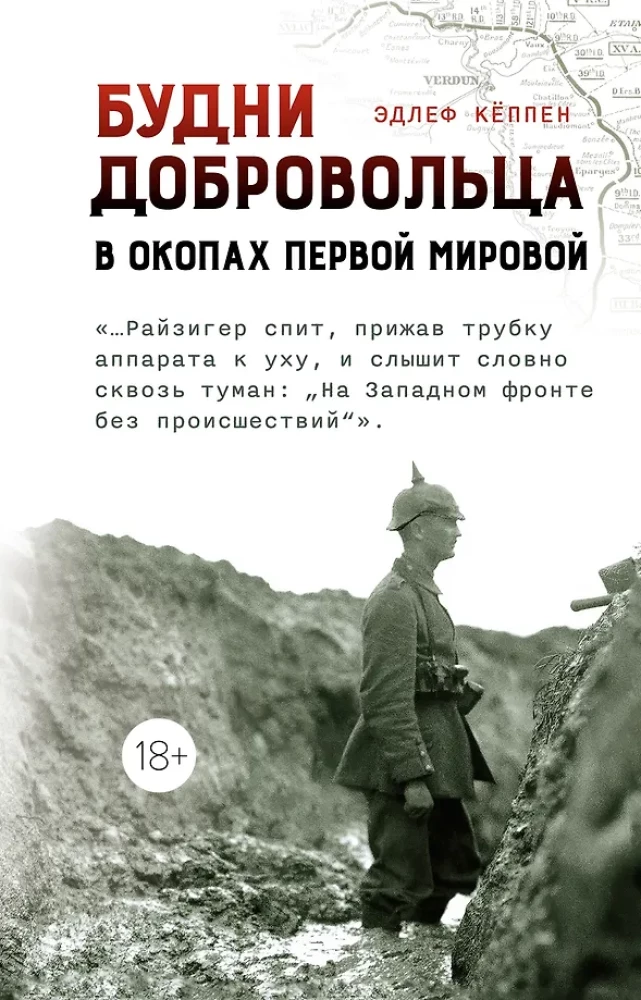
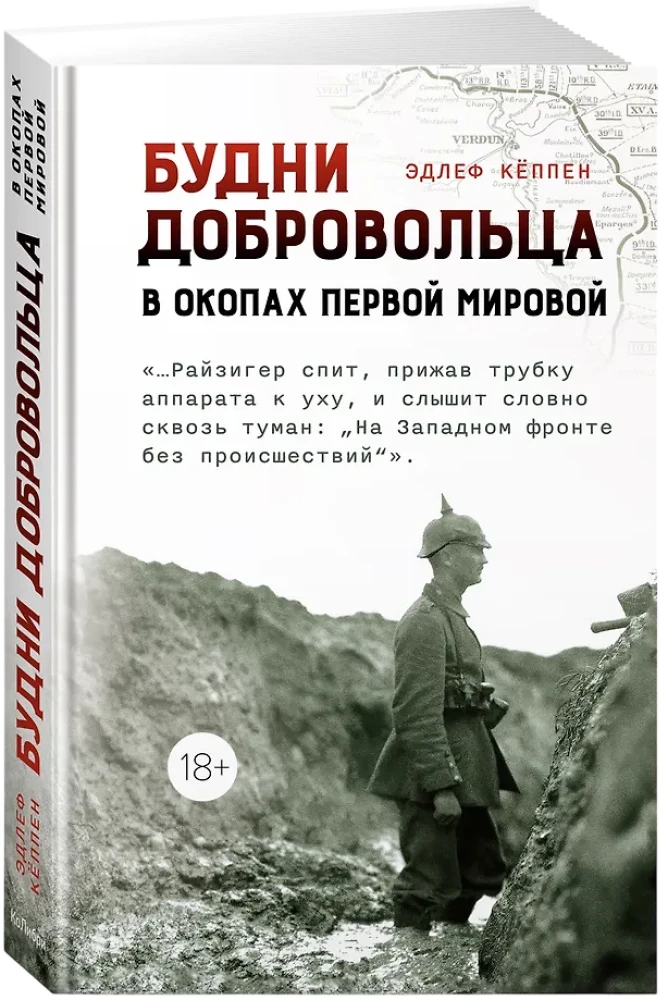

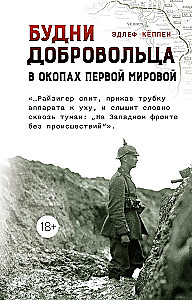


The Life of a Volunteer: In the Trenches of World War I
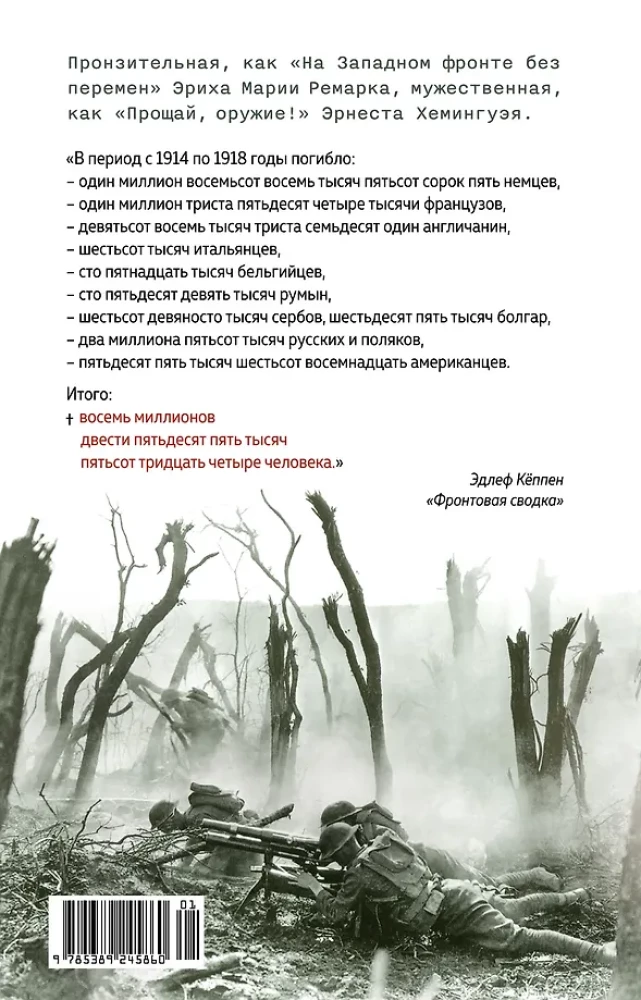
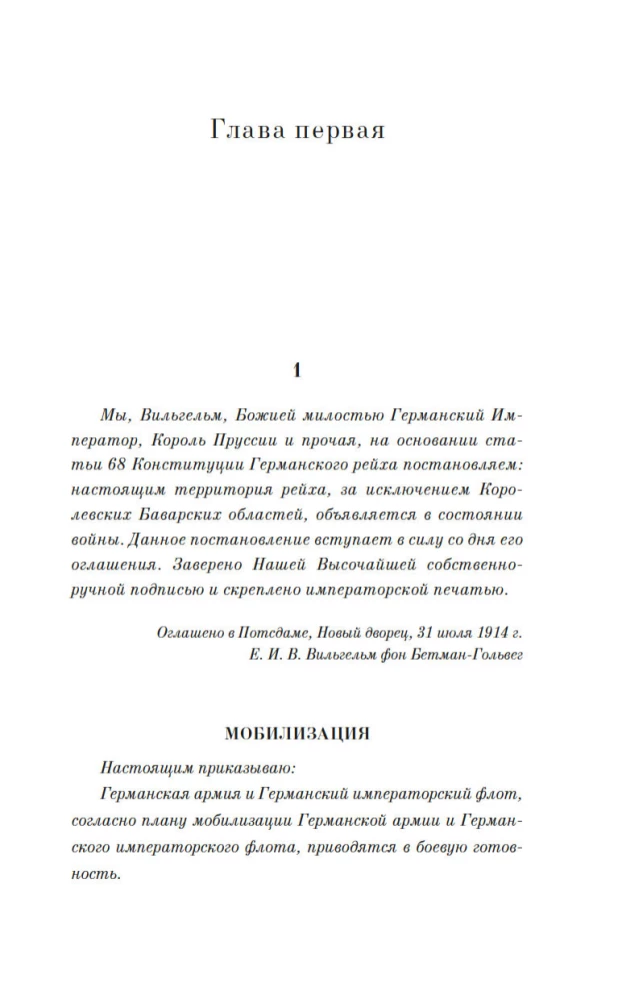
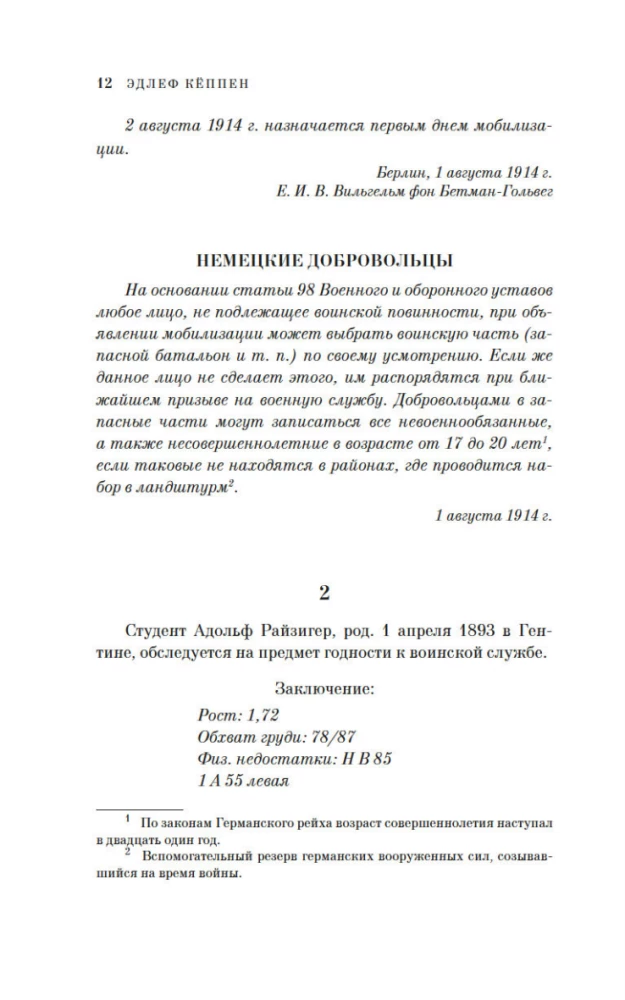
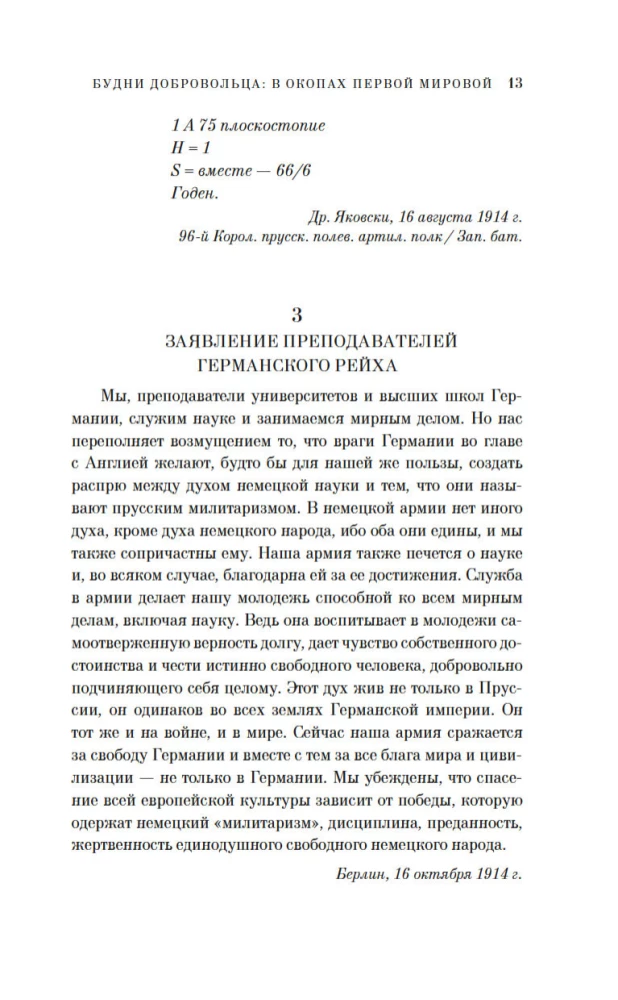
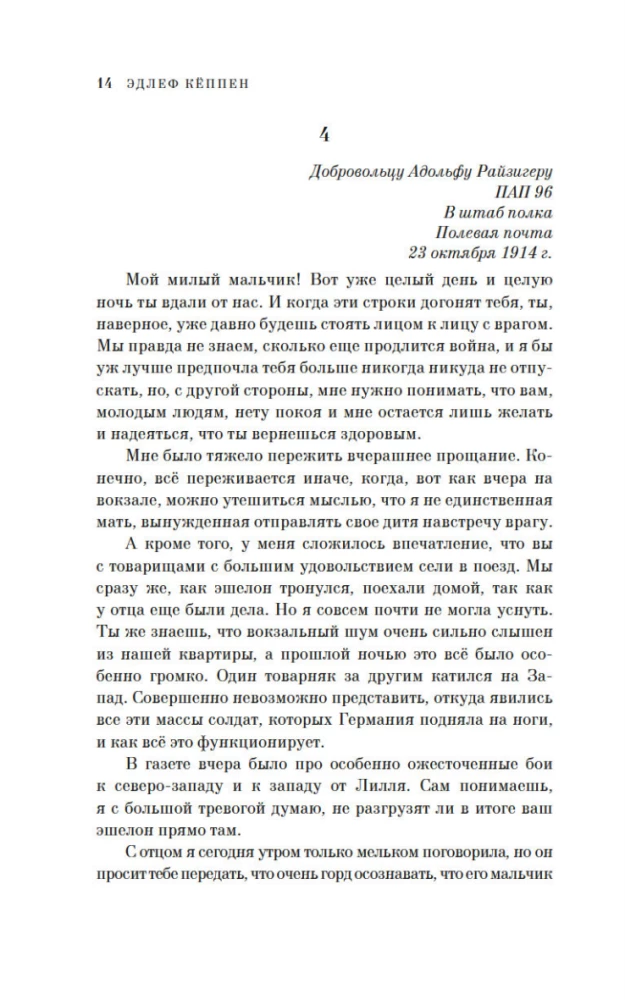
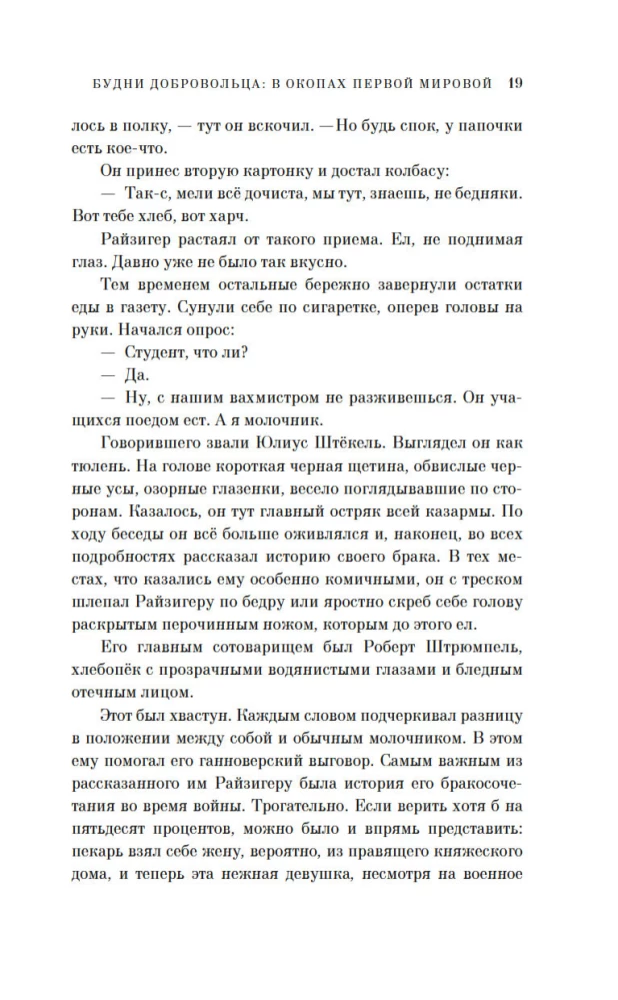
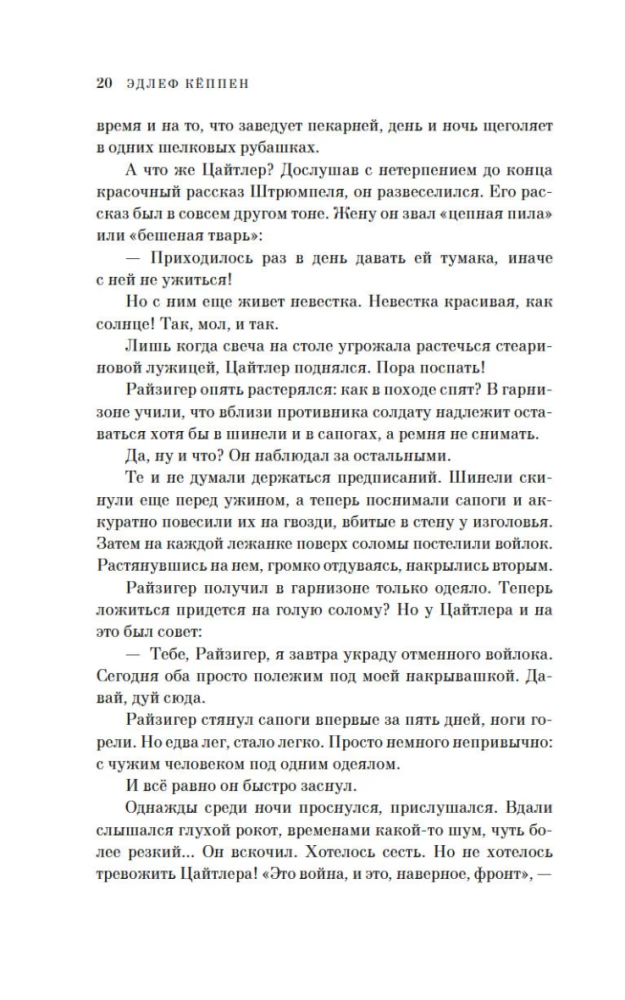
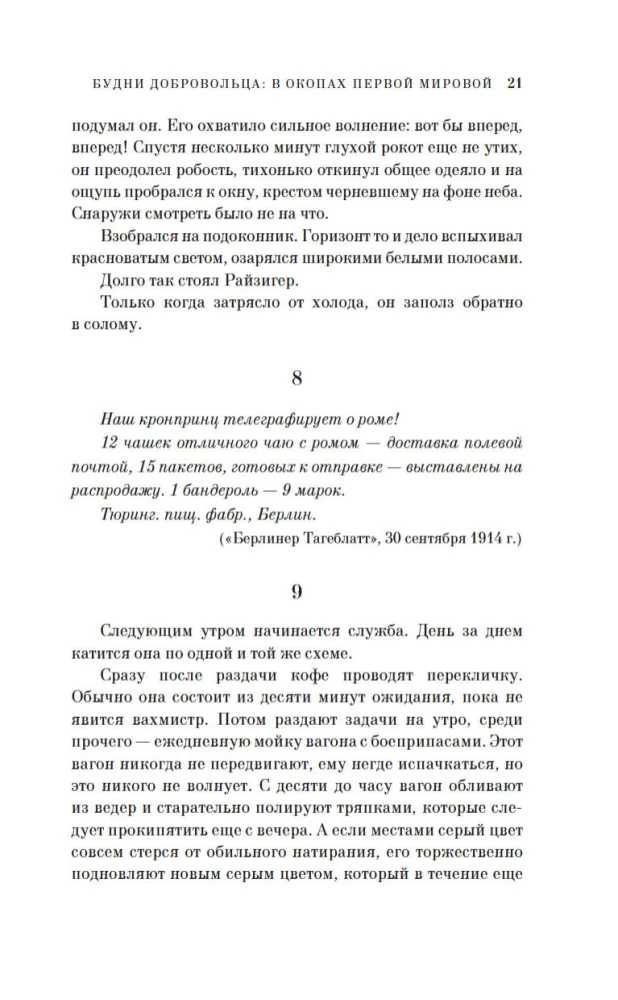
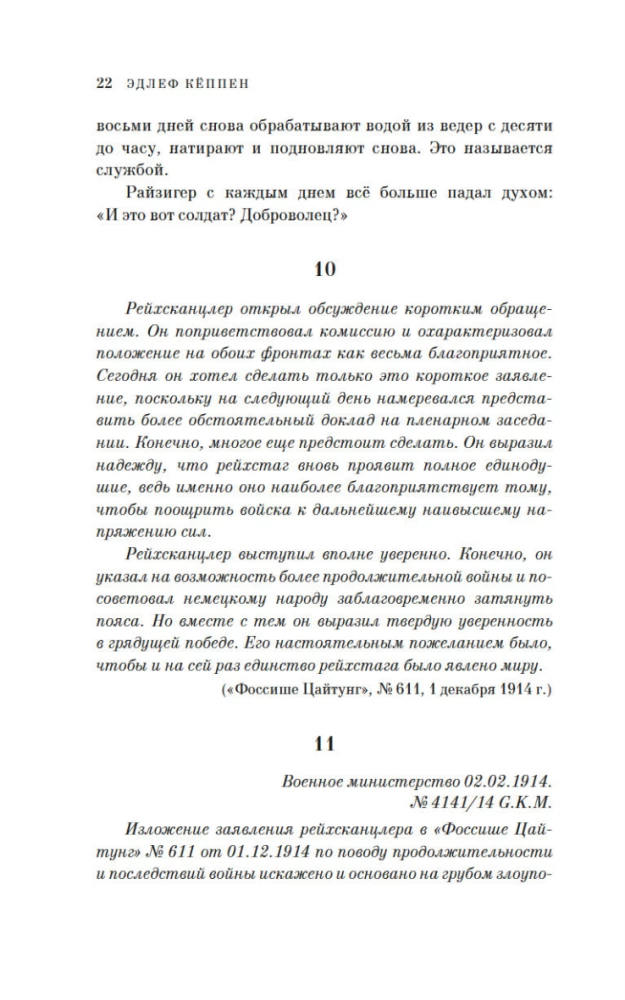
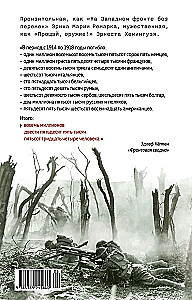
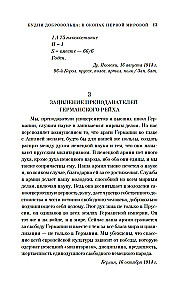
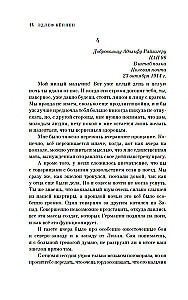
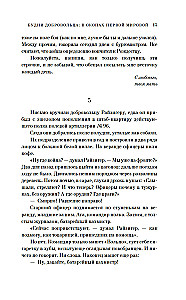
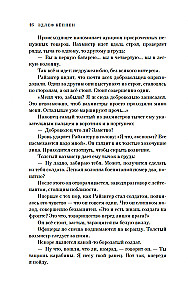
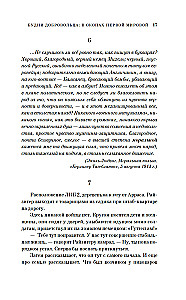
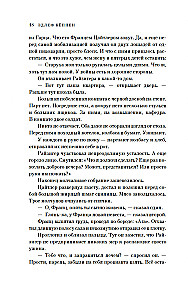
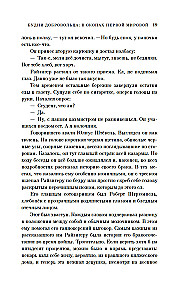
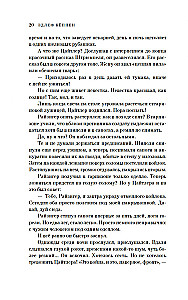
Published in 1930, "The Life of a Volunteer: In the Trenches of World War I" became one of the iconic novels about World War I, alongside works by E.M. Remarque, "All Quiet on the Western Front," R. Aldington's "Death of...
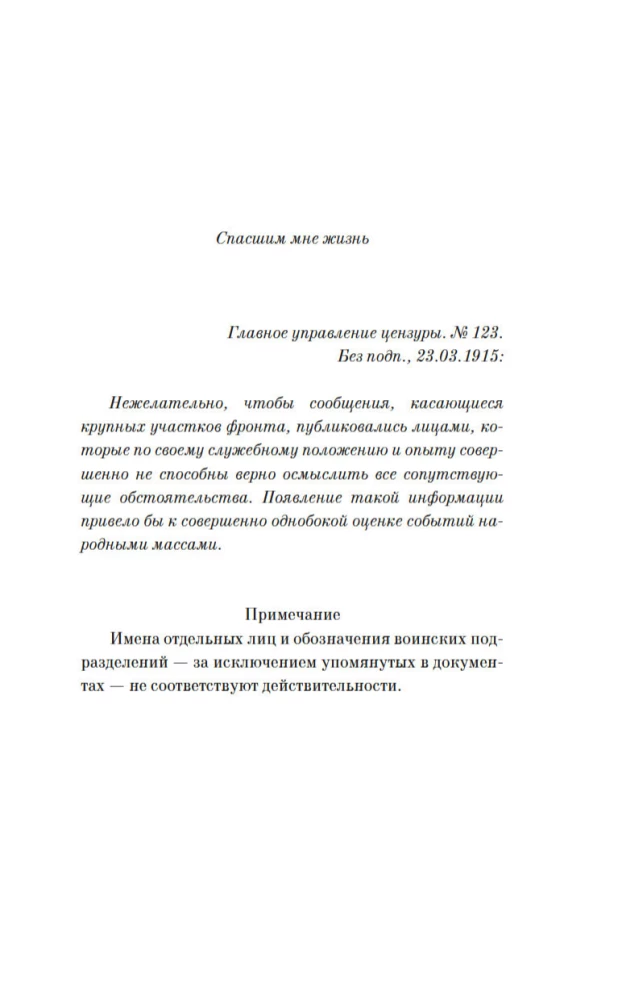
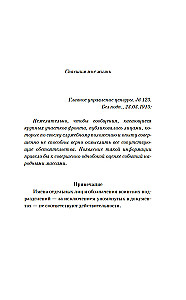
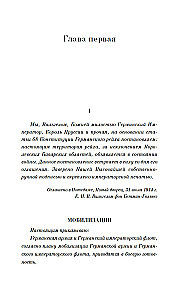
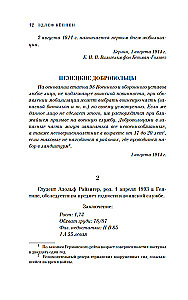
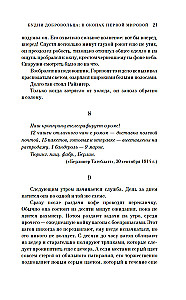
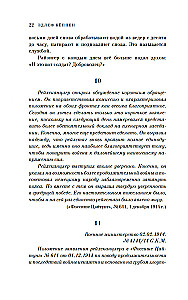
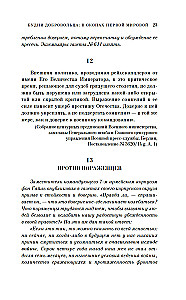
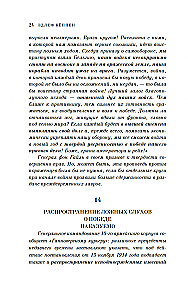
a Hero," and E. Hemingway's "A Farewell to Arms." A participant in World War I who went to the front as a volunteer from the third year of the philosophy faculty at the university, Edlef Köppen created a "montage novel," where original documents – quotes from the proclamations of Emperor Wilhelm II, directives from censorship bodies, and newspaper reports – are seamlessly woven into the plot, and the prototype of the main character, Adolf Reisiger, is the author himself. "The Life of a Volunteer: In the Trenches of World War I" became one of the tens of thousands of books publicly burned in Germany in 1933 and was not published in the Federal Republic of Germany until 1976, and in the GDR until 1981. In the early 21st century, the novel again attracted attention, was repeatedly reissued, and translated into several languages. 20th century, Germany, World War I, war, historical novel, personal stories, biographical novel, eyewitness testimonies.
Author: Эдлеф Кёппен
Printhouse: KoLibri
Series: History of Wars and Military Art
Age restrictions: 18+
Year of publication: 2024
ISBN: 9785389245860
Number of pages: 400
Size: 206x132x21 mm
Cover type: hard
Weight: 456 g
ID: 1679726
Sold out
€ 14.99
Sold out
€ 14.99
Bestsellers








€ 13.29
In stock
12 Weeks in a Year. How to Achieve More in 12 Weeks Than Others Do in 12 Months
Майкл Леннингтон, Брайан Моран



€ 7.89
In stock
Choice. On the Freedom and Inner Strength of a Person
Эдит Ева Эгер, Эсме Швалль-Вейганд




€ 6.99
In stock