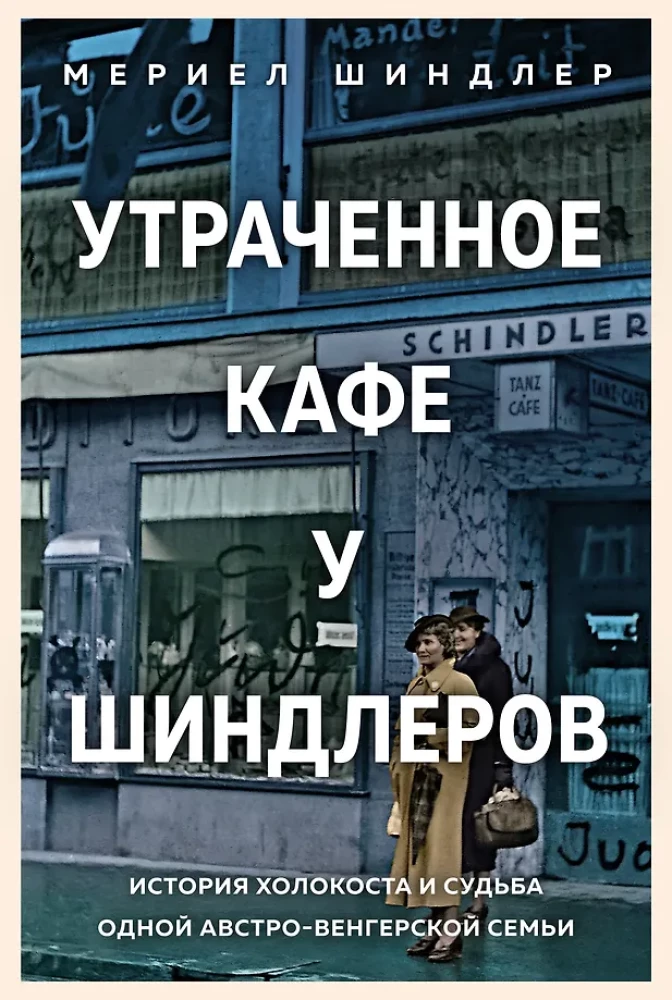
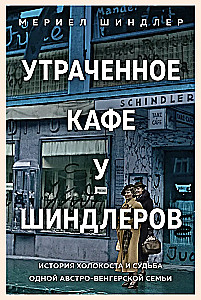
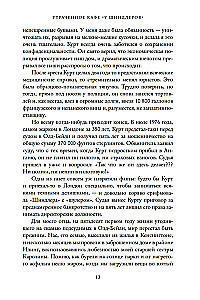
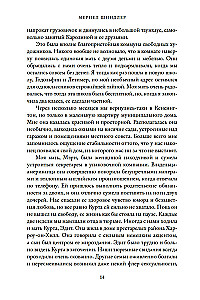
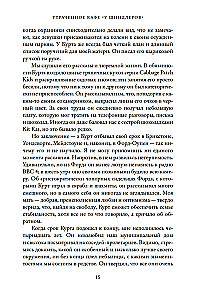
The Lost Café at the Schindlers. The History of the Holocaust and the Fate of One Austro-Hungarian Family
When talking and thinking about the 20th century, we sometimes overlook the details, episodes, and individual destinies that are lost against the backdrop of global ominous events, but they are no less important.
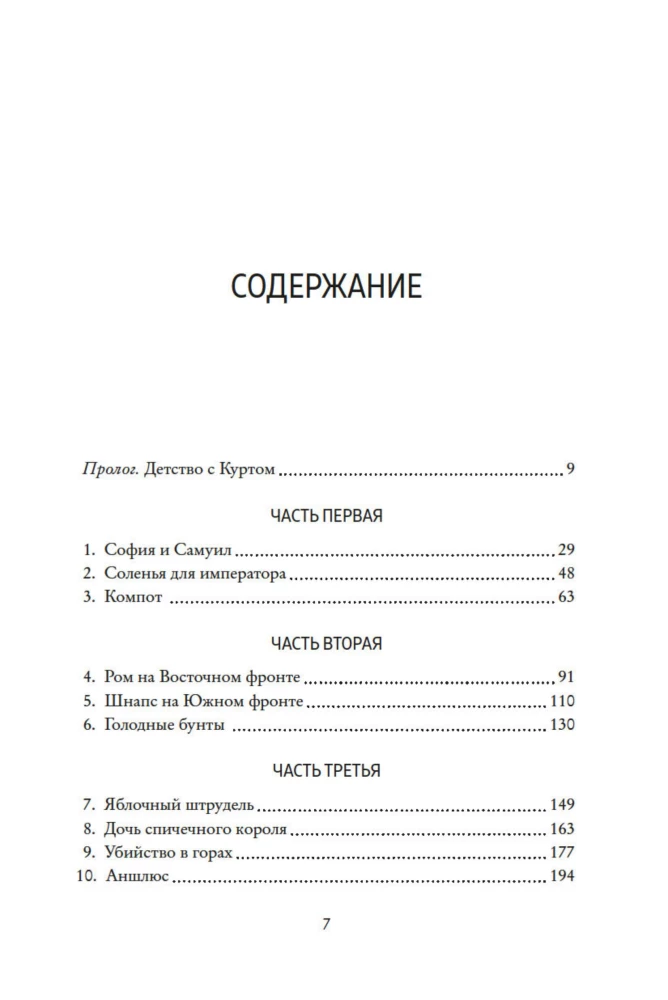
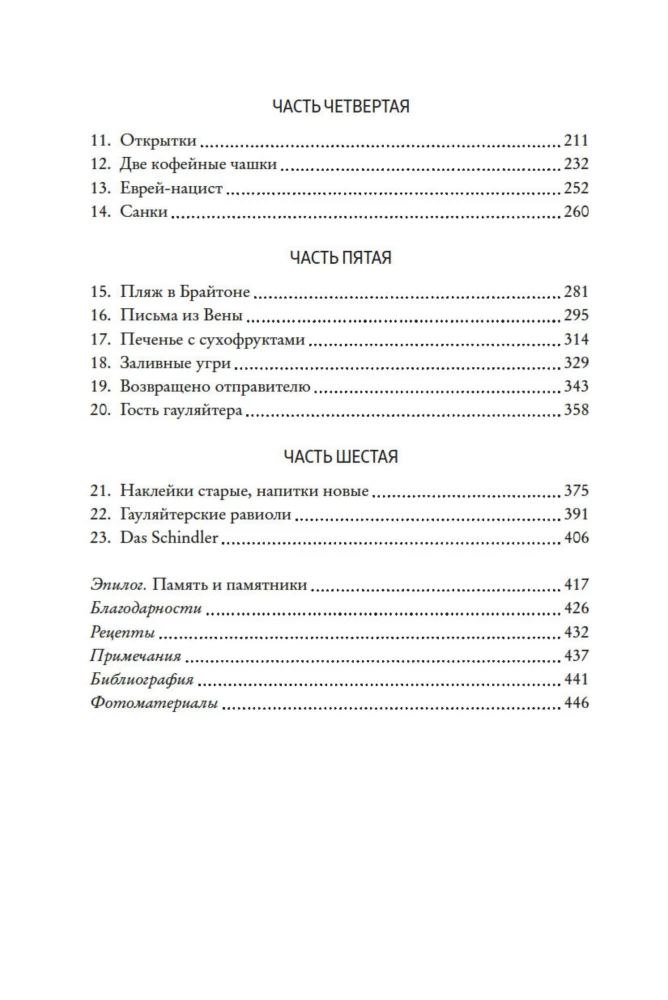
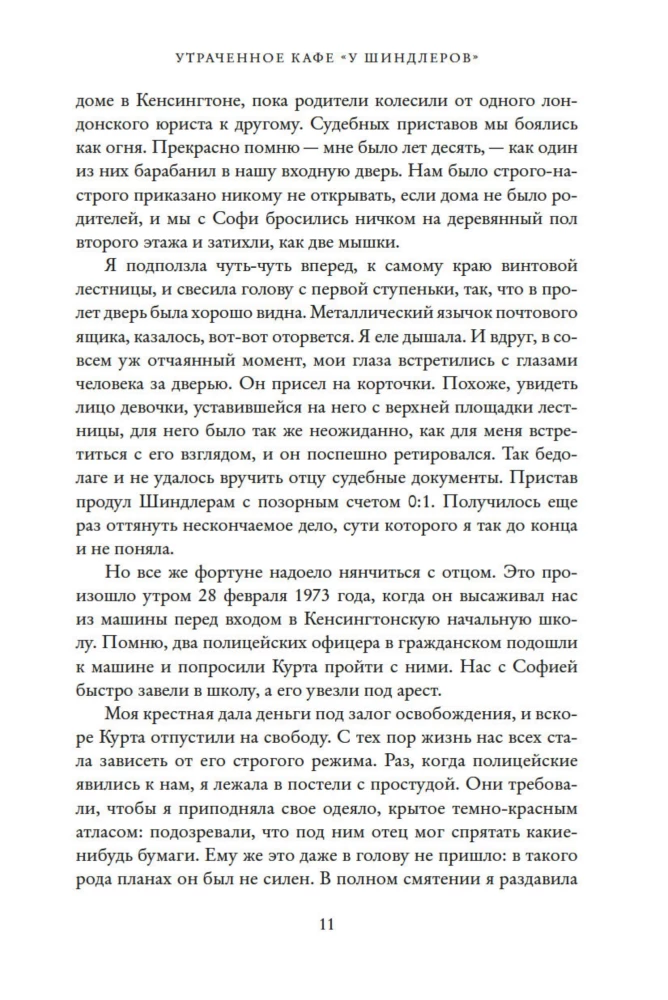
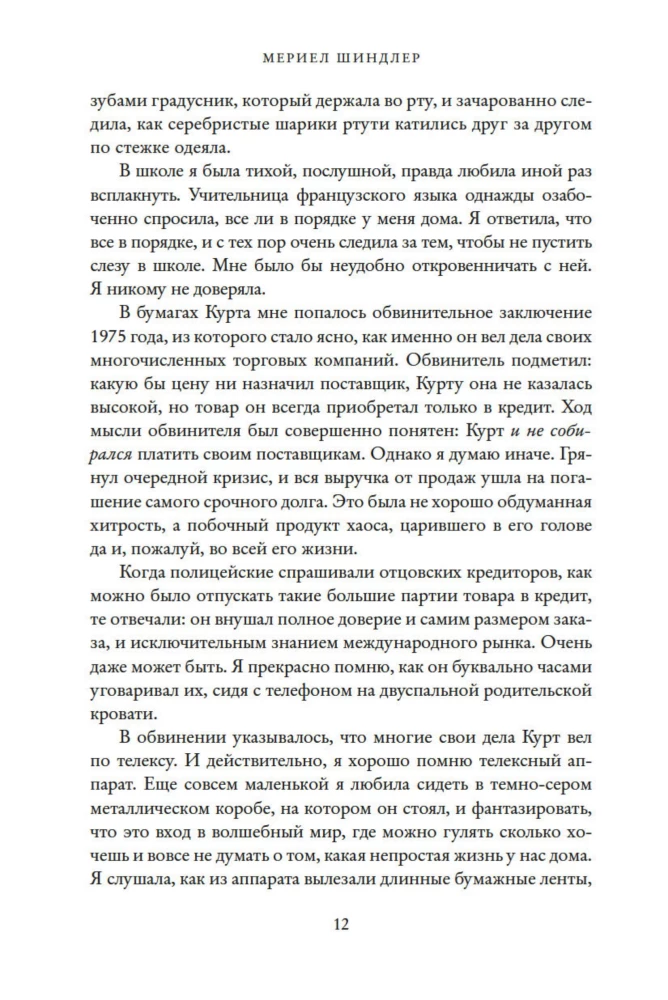
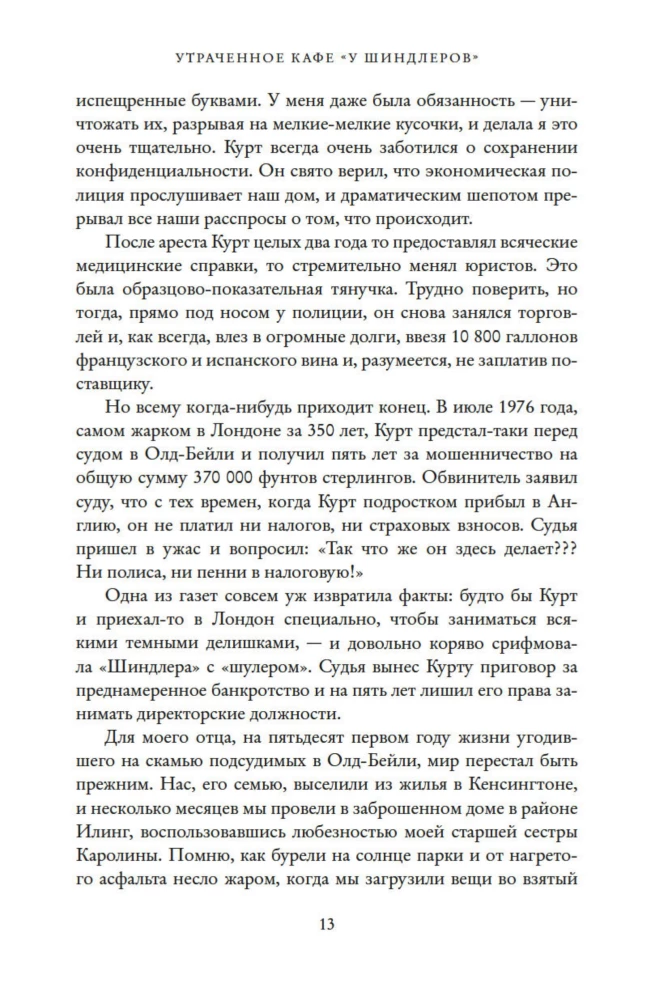
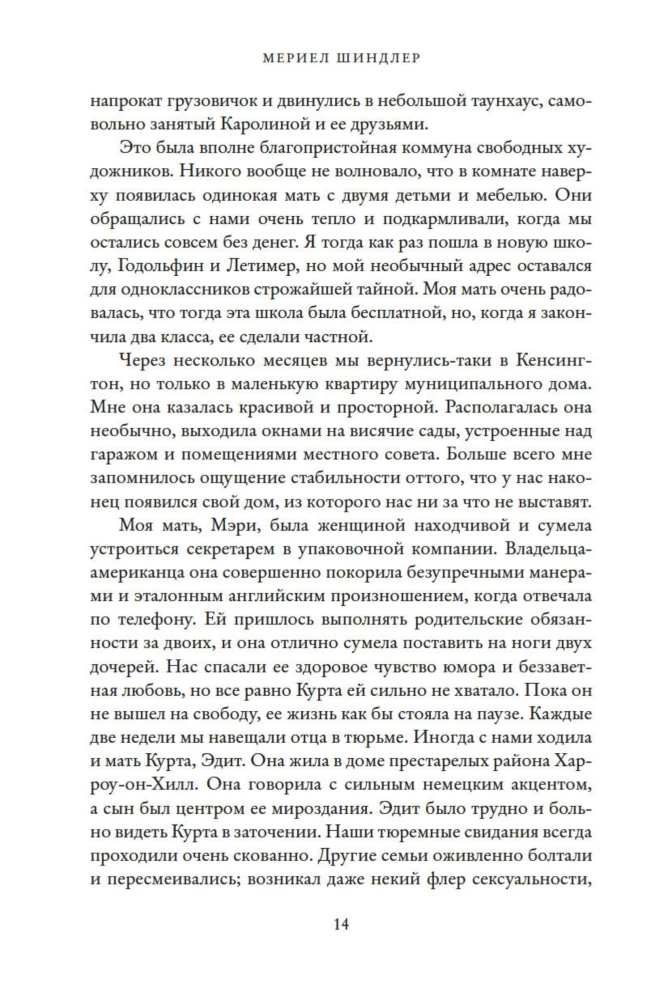
The peaceful life of Innsbruck and the enchanting... atmosphere reflecting the cultural traditions of the Austro-Hungarian Empire of the café "At the Schindlers," opened in 1922, where people danced, started romances, and where the most delicious apple strudel in all of Austria was served, came to an end with the rise of the Nazis. Family members were scattered across the world, and the truth about their lives remained unknown until the author of this book, "entering the great world of the Bohemia of the nineteenth century and Austria of the twentieth, two world wars, the fall of the empire, the poison of anti-Semitism, and the Nazi dictatorship," gathered the lost fragments of the puzzle. This is a story not only about tragic losses (some members of the Schindler family died in the Theresienstadt and Auschwitz camps), but ultimately about rebirth and reconciliation.
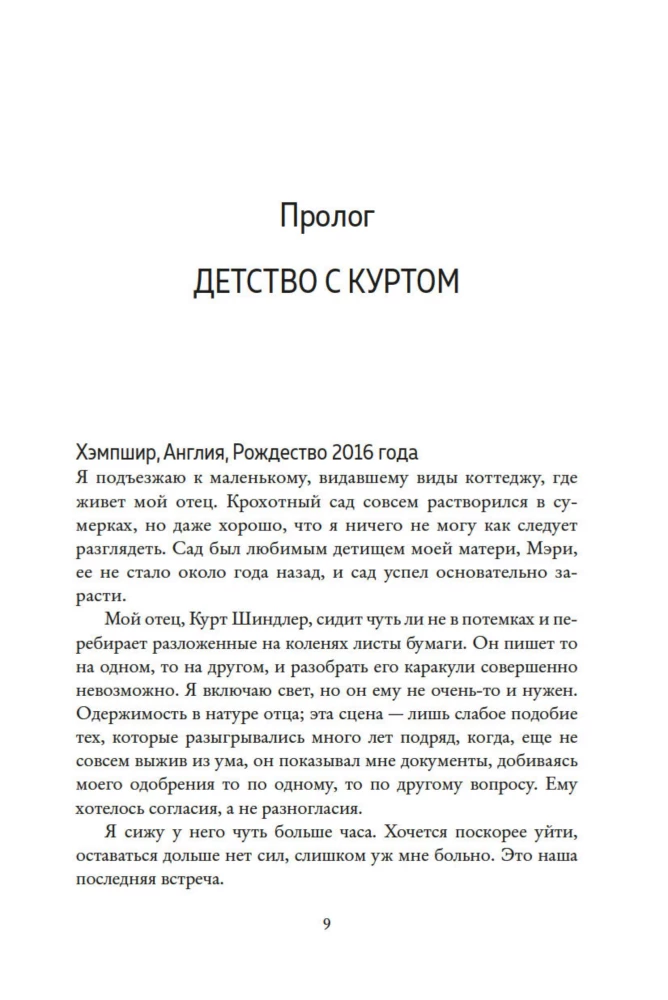
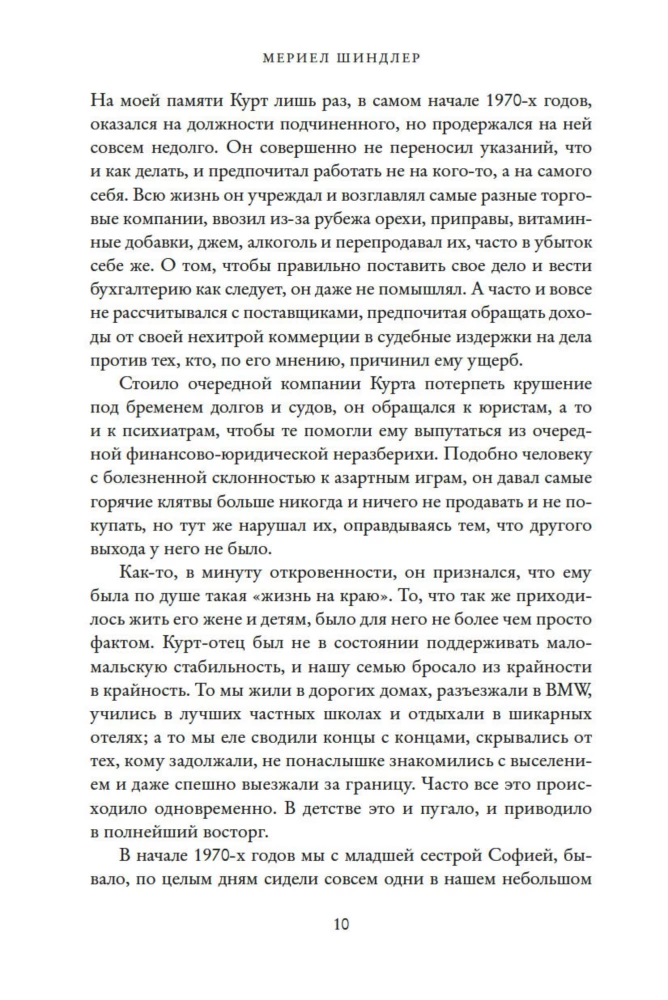
"Throughout my childhood, we were surrounded by various stories. I made a firm decision to understand my father, to separate truth from fiction in his narratives, accurate memories from inaccurate ones, and for this, I needed to fully immerse myself in his past and the intricate weavings of a large, long family history. I had to thoroughly familiarize myself with the history of Austria, to understand what it was like to live in an uneasy country, having fallen from the heights of its imperial greatness into the abyss of the First World War, barely disappearing and still being engulfed by the Third Reich. I had to find out exactly what happened to the 'empire of the Schindlers.'" (Meriël Schindler)
The peaceful life of Innsbruck and the enchanting... atmosphere reflecting the cultural traditions of the Austro-Hungarian Empire of the café "At the Schindlers," opened in 1922, where people danced, started romances, and where the most delicious apple strudel in all of Austria was served, came to an end with the rise of the Nazis. Family members were scattered across the world, and the truth about their lives remained unknown until the author of this book, "entering the great world of the Bohemia of the nineteenth century and Austria of the twentieth, two world wars, the fall of the empire, the poison of anti-Semitism, and the Nazi dictatorship," gathered the lost fragments of the puzzle. This is a story not only about tragic losses (some members of the Schindler family died in the Theresienstadt and Auschwitz camps), but ultimately about rebirth and reconciliation.
"Throughout my childhood, we were surrounded by various stories. I made a firm decision to understand my father, to separate truth from fiction in his narratives, accurate memories from inaccurate ones, and for this, I needed to fully immerse myself in his past and the intricate weavings of a large, long family history. I had to thoroughly familiarize myself with the history of Austria, to understand what it was like to live in an uneasy country, having fallen from the heights of its imperial greatness into the abyss of the First World War, barely disappearing and still being engulfed by the Third Reich. I had to find out exactly what happened to the 'empire of the Schindlers.'" (Meriël Schindler)
Author: Мериел Шиндлер
Printhouse: KoLibri
Series: Historical Interest
Age restrictions: 16+
Year of publication: 2022
ISBN: 9785389189300
Number of pages: 448
Size: 210х140х30 mm
Cover type: hard
Weight: 660 g
ID: 884416
Sold out
€ 12.39
Sold out
€ 12.39
Bestsellers

€ 13.29
In stock
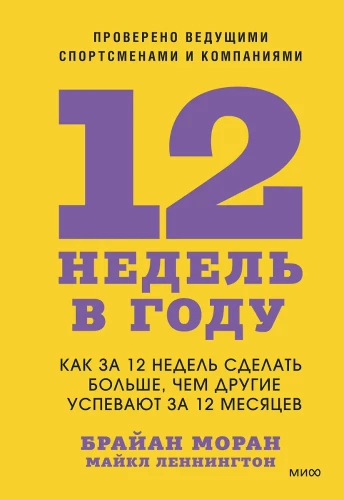
12 Weeks in a Year. How to Achieve More in 12 Weeks Than Others Do in 12 Months
Майкл Леннингтон, Брайан Моран
€ 7.89
In stock
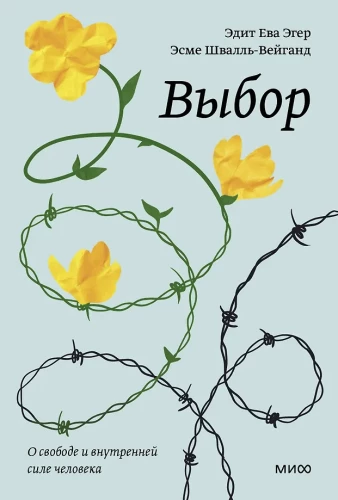
Choice. On the Freedom and Inner Strength of a Person
Эдит Ева Эгер, Эсме Швалль-Вейганд

€ 6.99
In stock