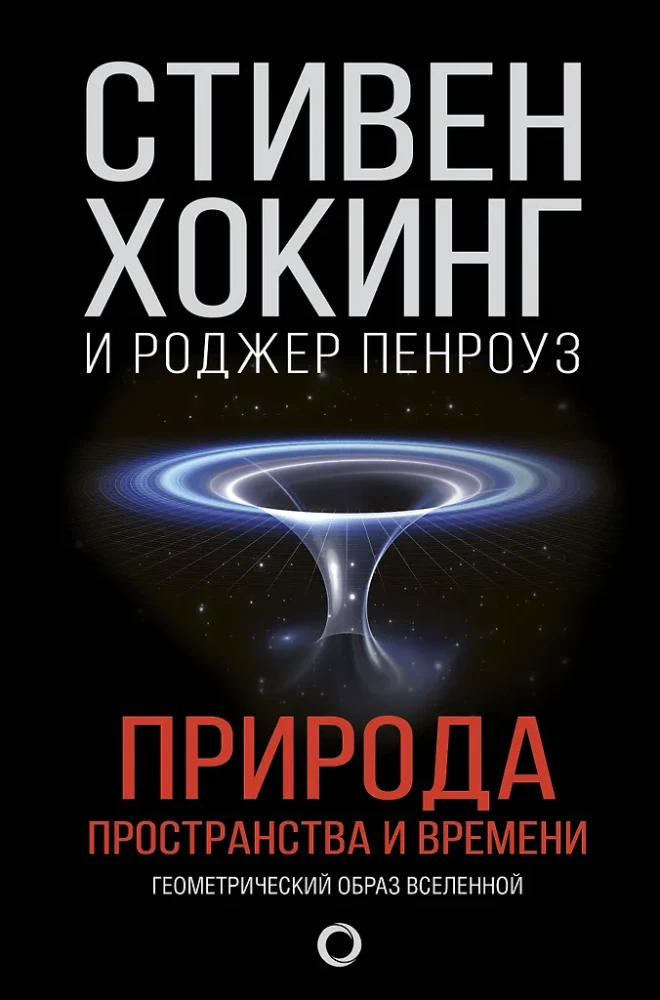
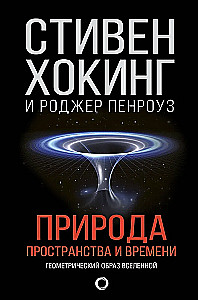

The Nature of Space and Time
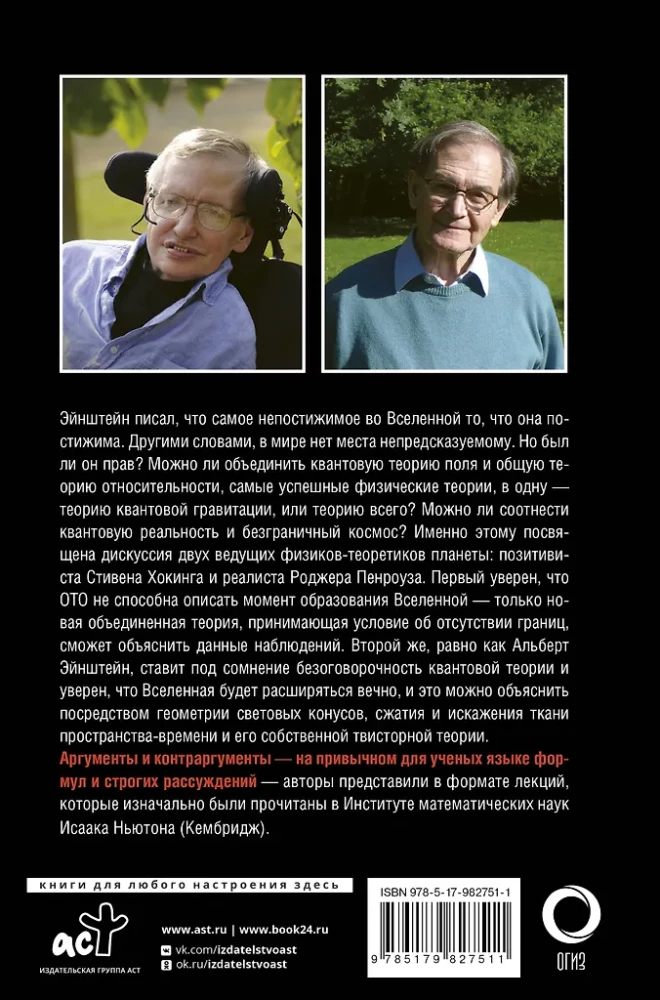
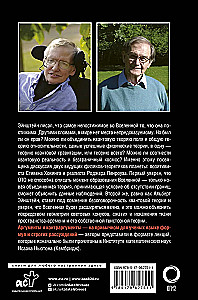
Einstein wrote that the most incomprehensible thing about the Universe is that it is comprehensible. In other words, there is no place for unpredictability in the world. But was he right? Is it possible to unite quantum field theory and...
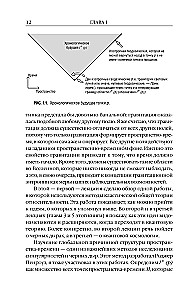
general relativity, the most successful physical theories, into one - a theory of quantum gravity, or a theory of everything? Can quantum reality be related to the boundless cosmos? This is the focus of the discussion between two leading theoretical physicists of the planet: positivist Stephen Hawking and realist Roger Penrose. The former believes that general relativity cannot describe the moment of the formation of the Universe - only a new unified theory, accepting the condition of no boundaries, can explain the observational data. The latter, like Albert Einstein, questions the unqualified certainty of quantum theory and believes that the Universe will expand forever, and this can be explained through the geometry of light cones, the compression and distortion of the fabric of space-time, and his own twistor theory. The arguments and counterarguments - in the familiar language of scientists using formulas and strict reasoning - have been presented in the format of lectures that were initially delivered at the Isaac Newton Institute for Mathematical Sciences (Cambridge). The translation is based on the thirteenth edition. The afterword was edited by the authors in 2010.
Author: Роджер Пенроуз, Стивен Хокинг
Printhouse: AST
Series: The World of Stephen Hawking
Age restrictions: 12+
Year of publication: 2018
ISBN: 9785179827511
Number of pages: 192
Size: 219x145x17 mm
Cover type: hard
Weight: 265 g
ID: 193064
Sold out
€ 10.59
Sold out
€ 10.59
Bestsellers







€ 13.29
In stock
12 Weeks in a Year. How to Achieve More in 12 Weeks Than Others Do in 12 Months
Майкл Леннингтон, Брайан Моран

€ 7.89
In stock
Choice. On the Freedom and Inner Strength of a Person
Эдит Ева Эгер, Эсме Швалль-Вейганд



€ 14.99
In stock
The Body Remembers Everything: The Role of Psychological Trauma in a Person's Life and Techniques to Overcome It
Бессел ван дер Колк