New
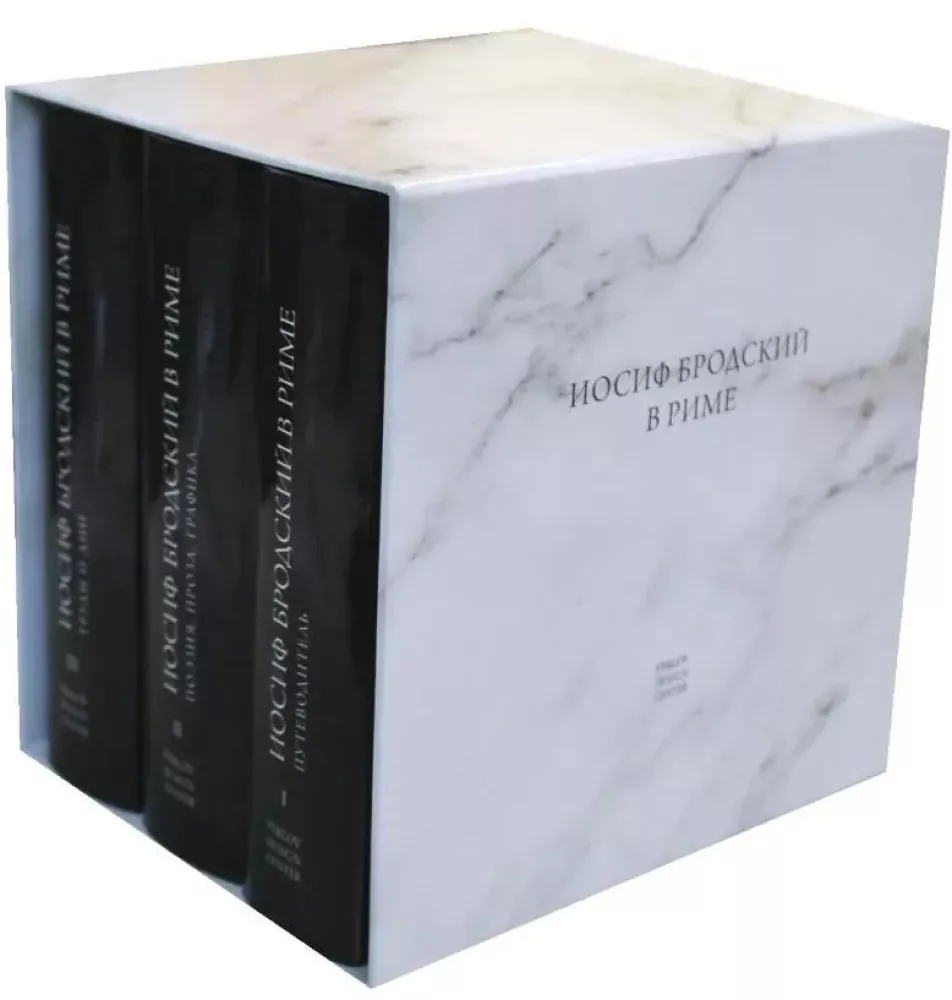
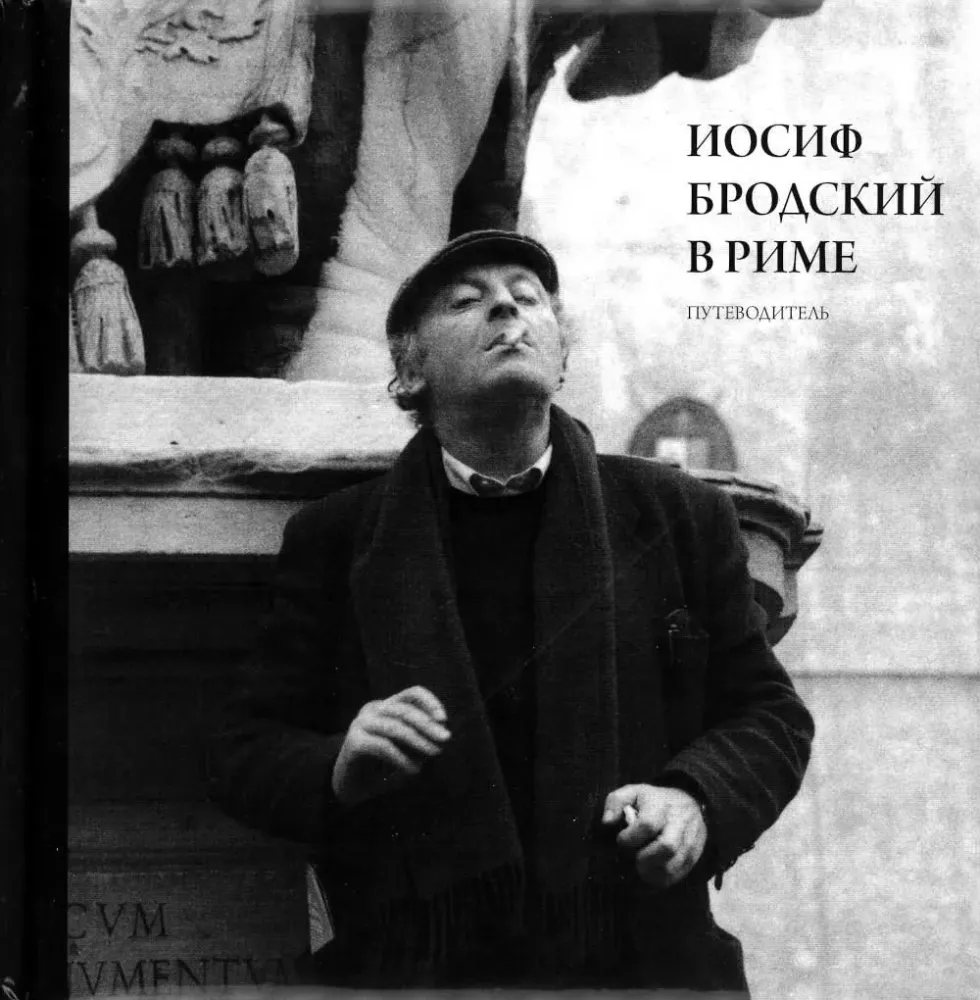
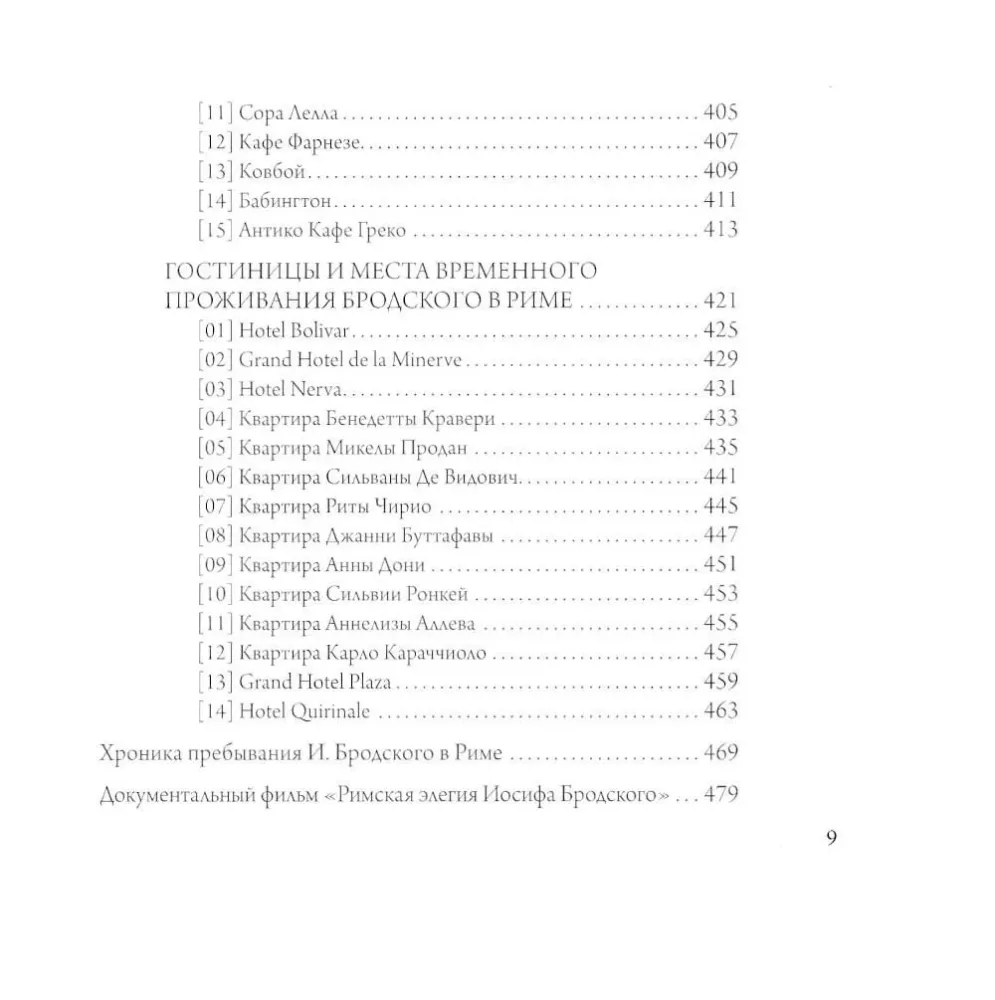
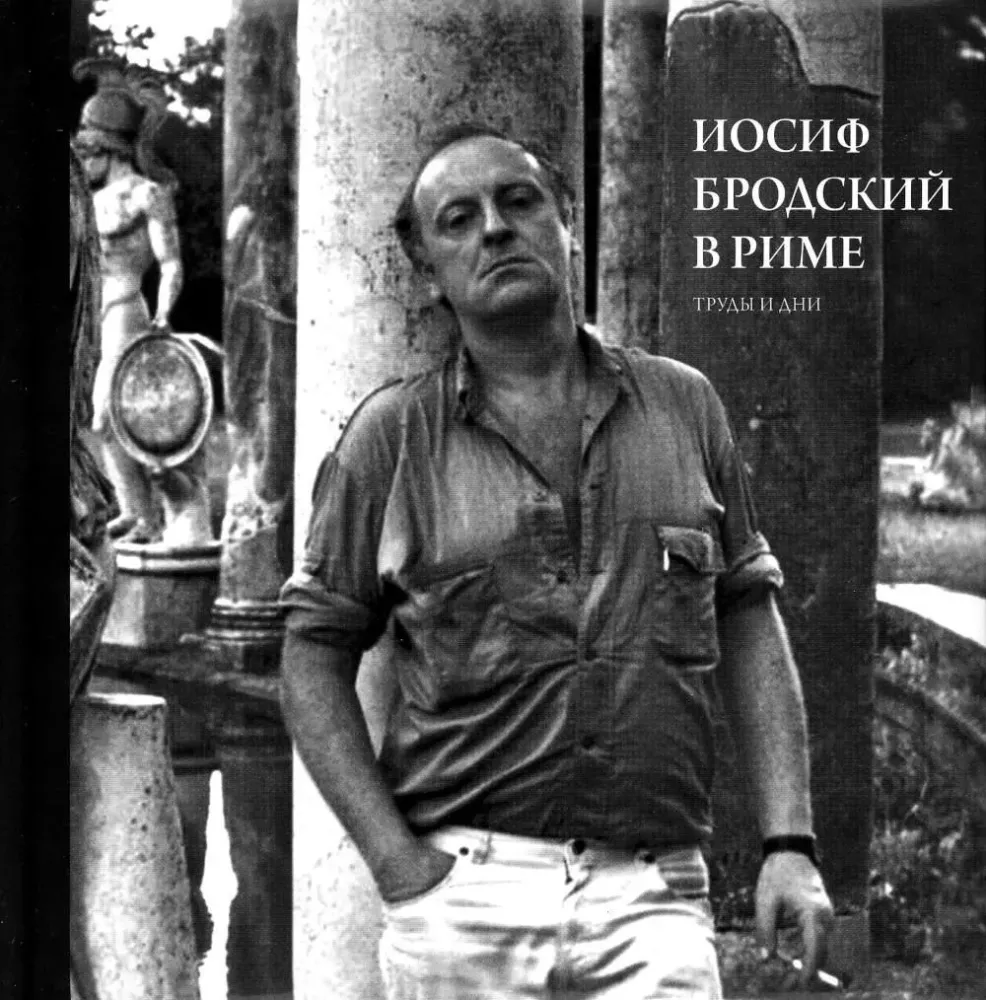
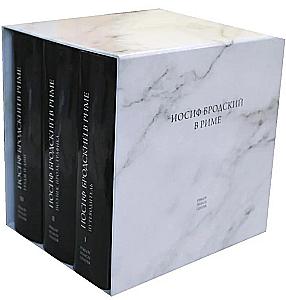
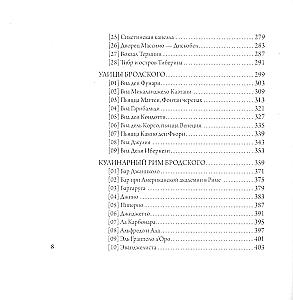
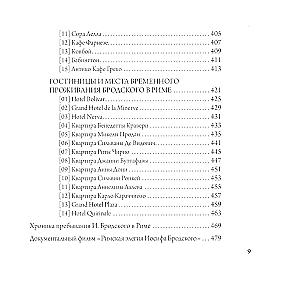
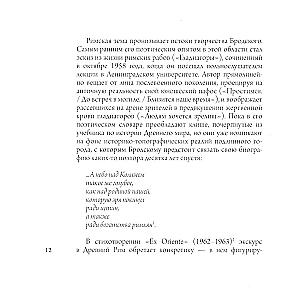
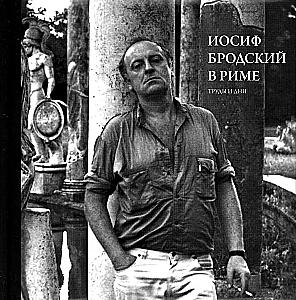
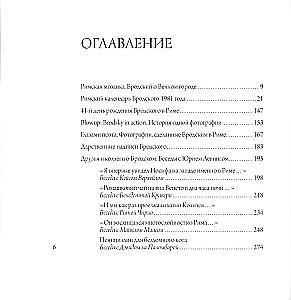
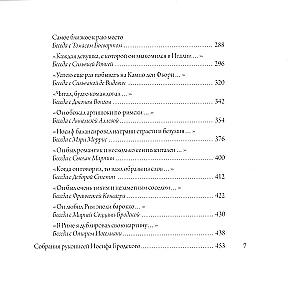
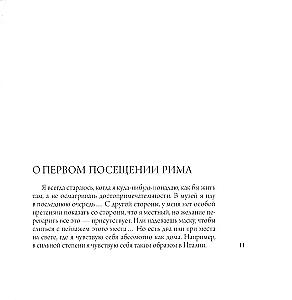
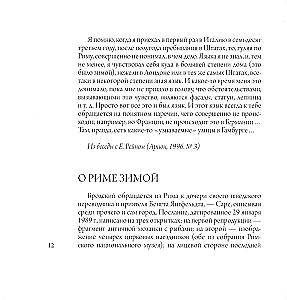
Brodsky in Rome. In 3 volumes
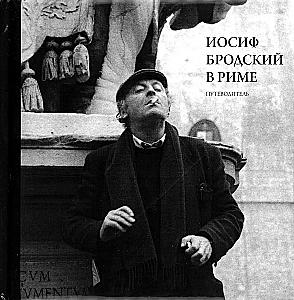
The set "Joseph Brodsky in Rome" includes the books: "Joseph Brodsky in Rome. Volume 1: A Guide" Having arrived in Rome for the first time after several months of forced emigration, Joseph Brodsky returned to Italy almost every year —...
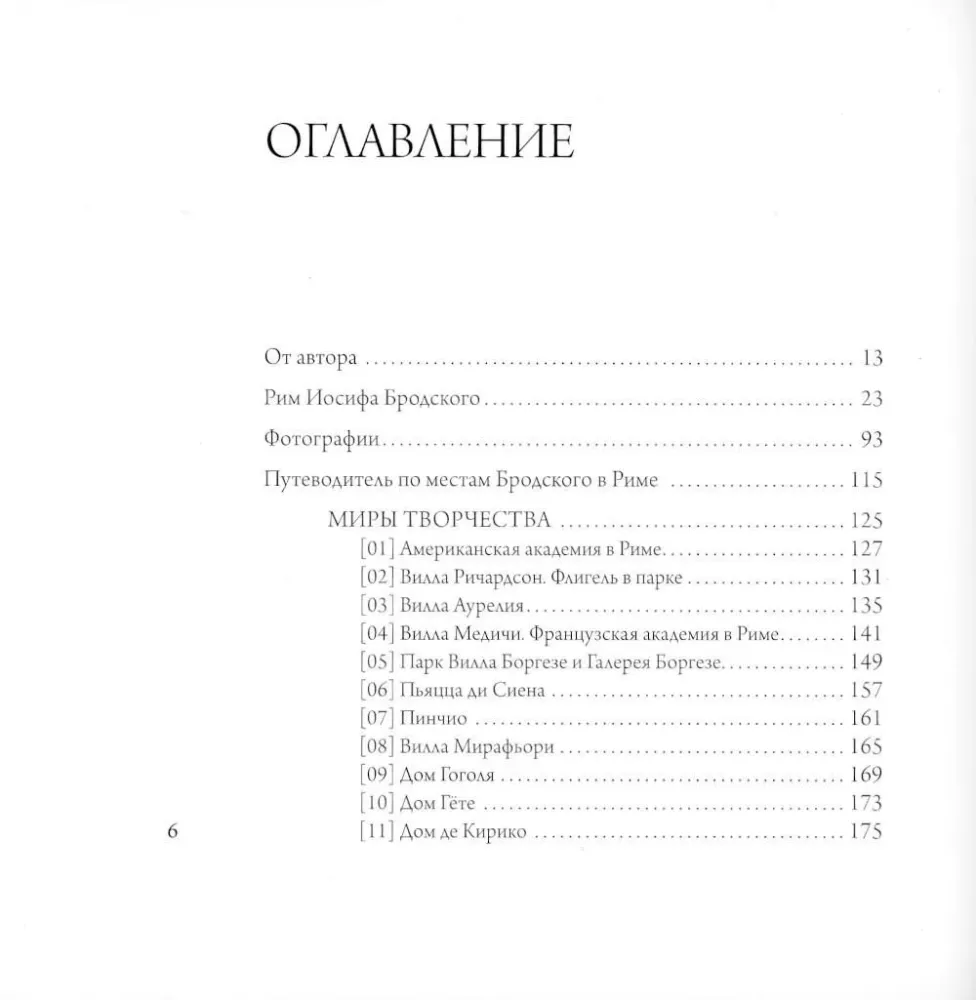
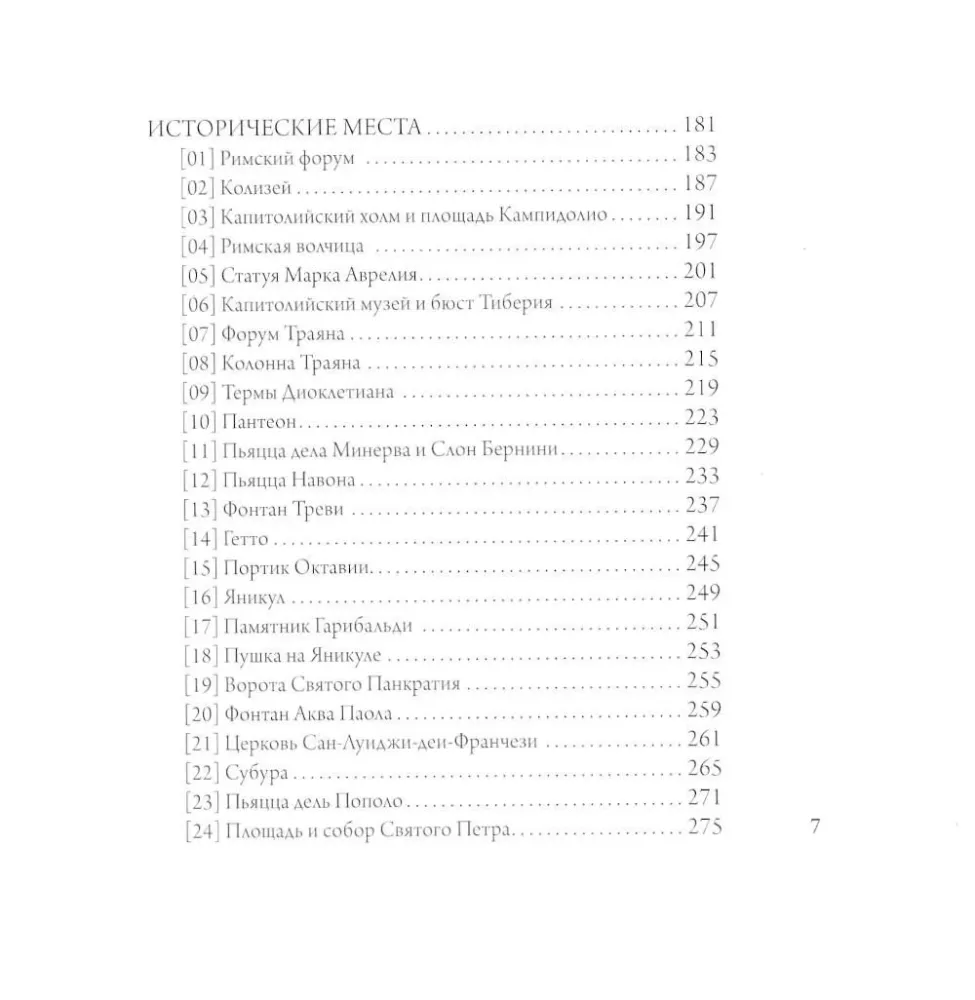
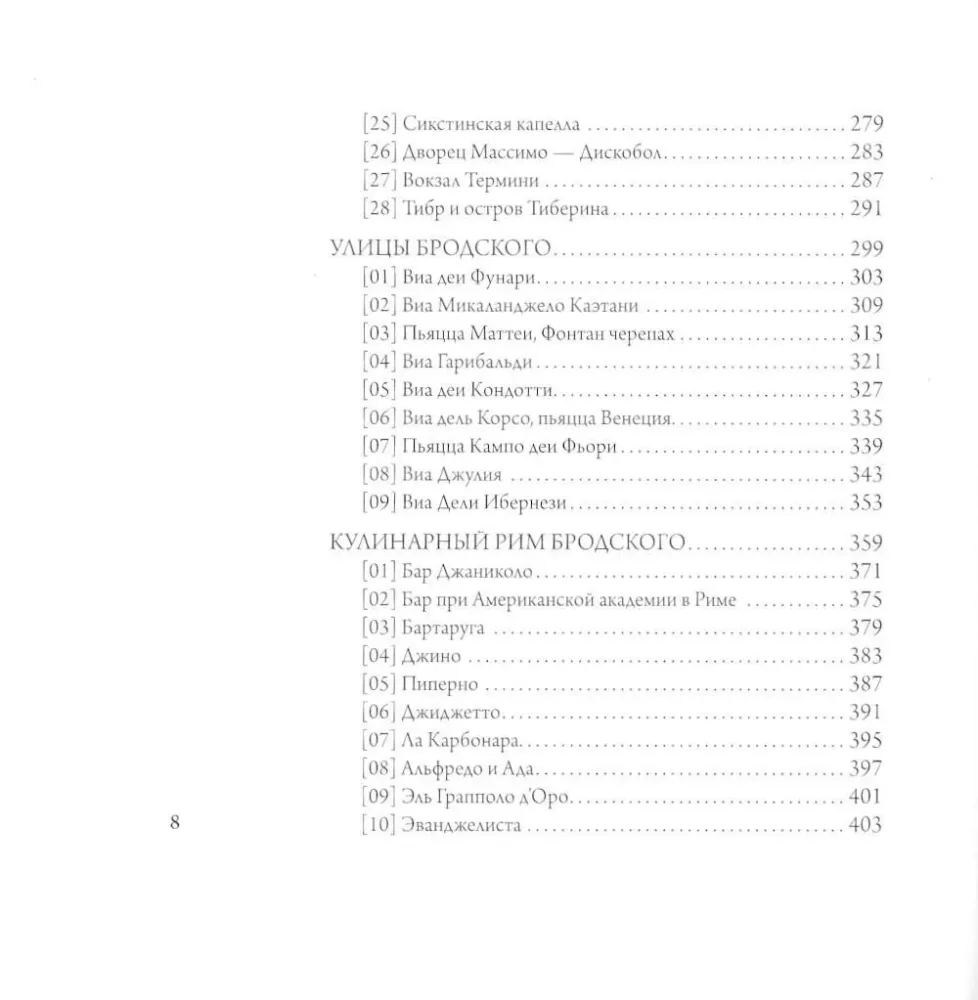
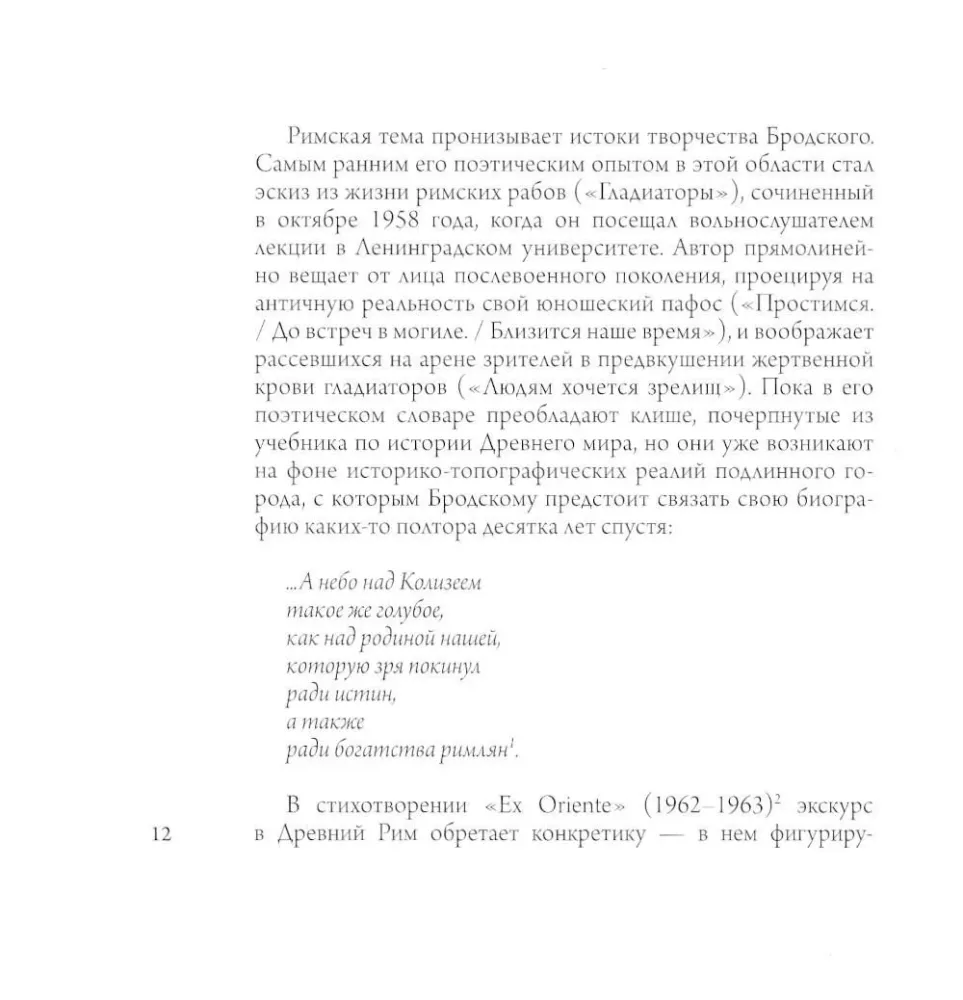
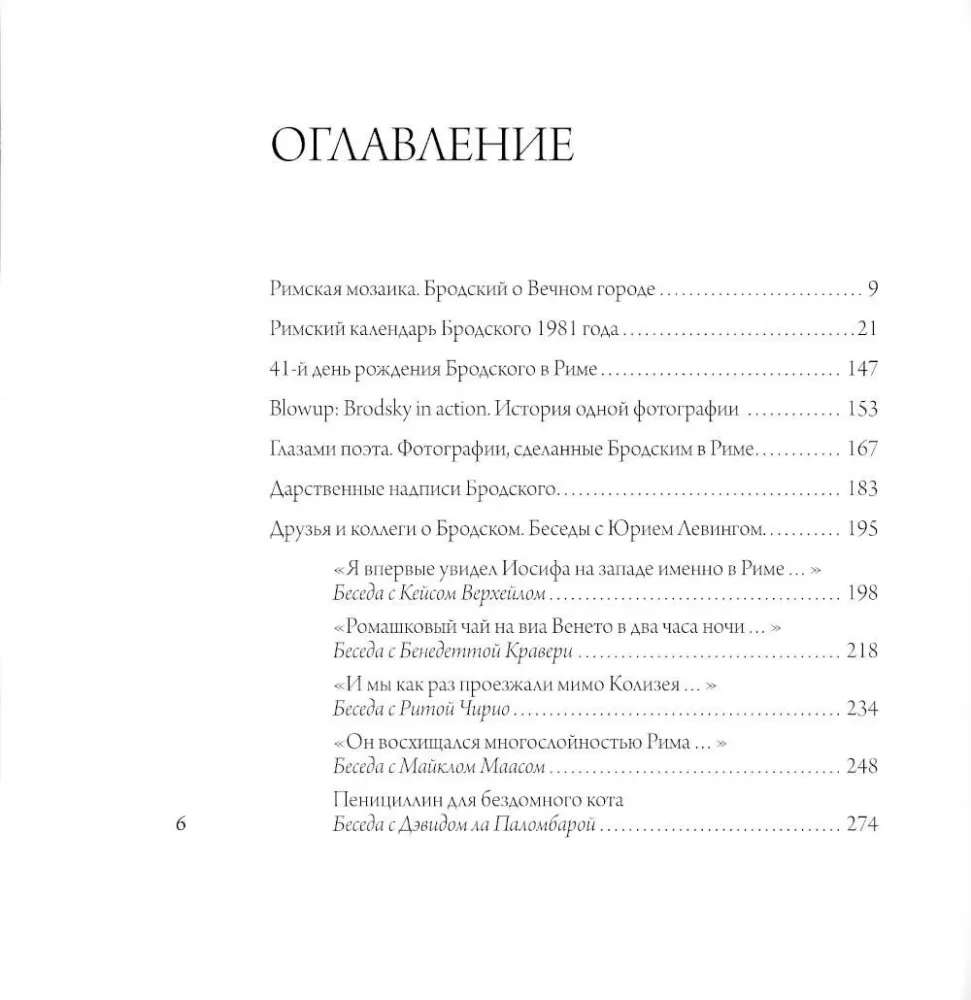
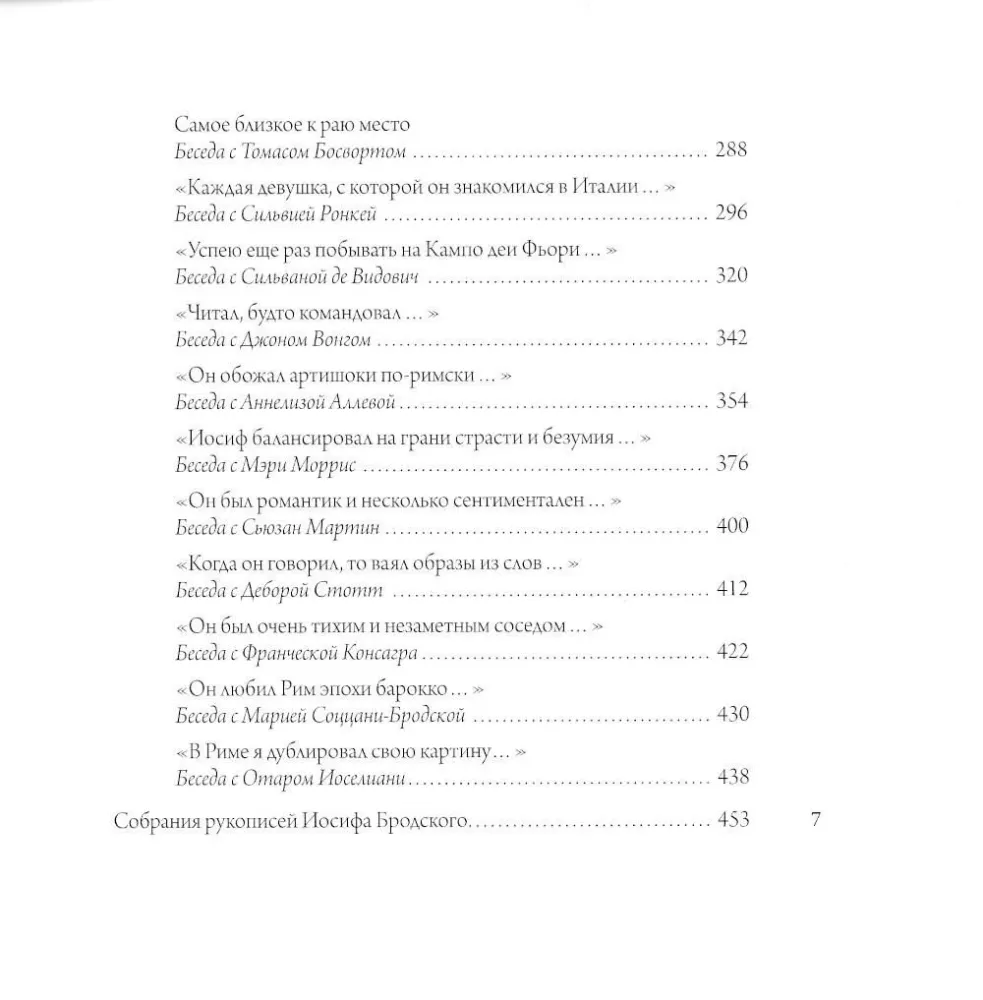
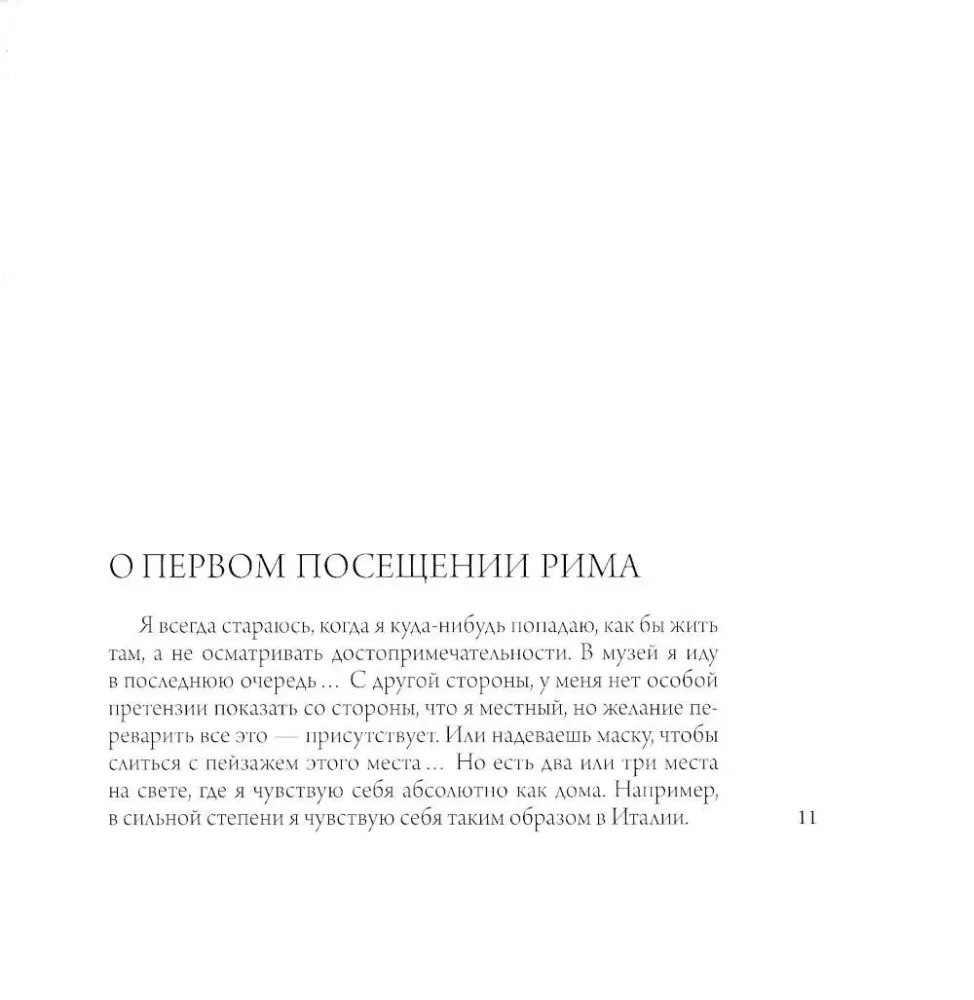
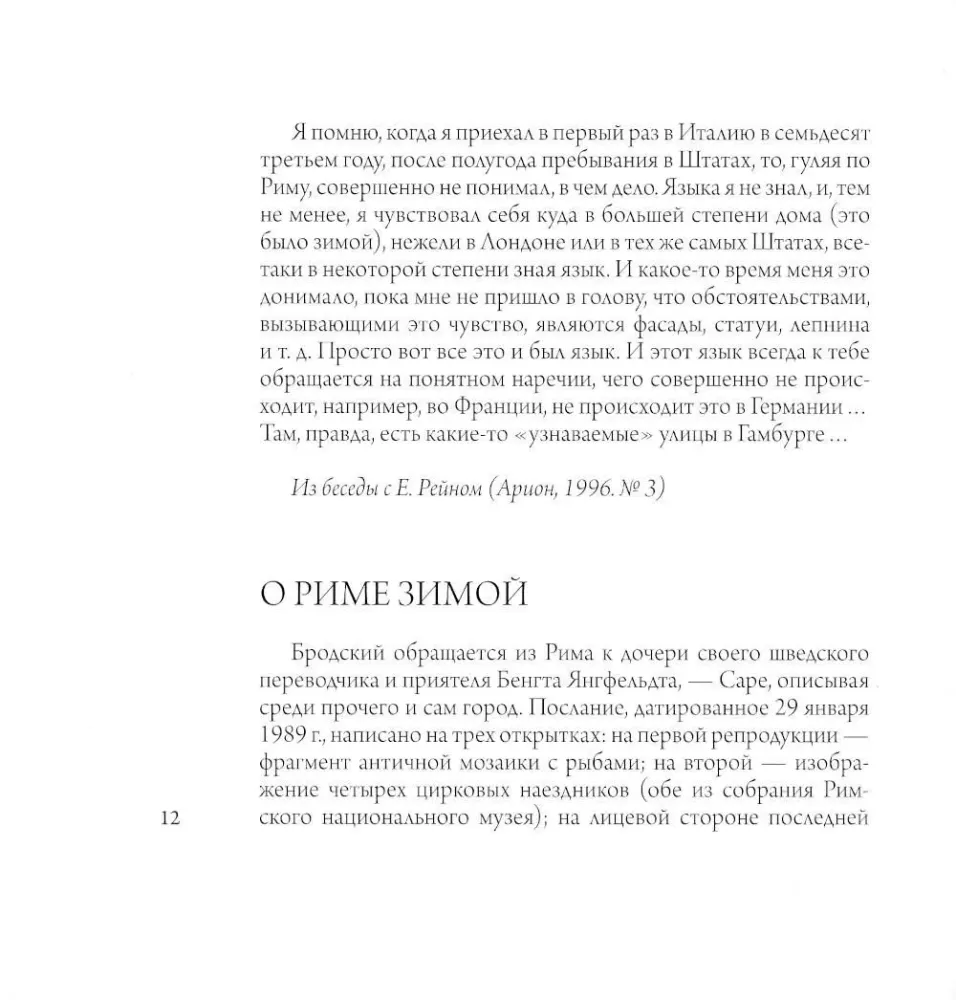
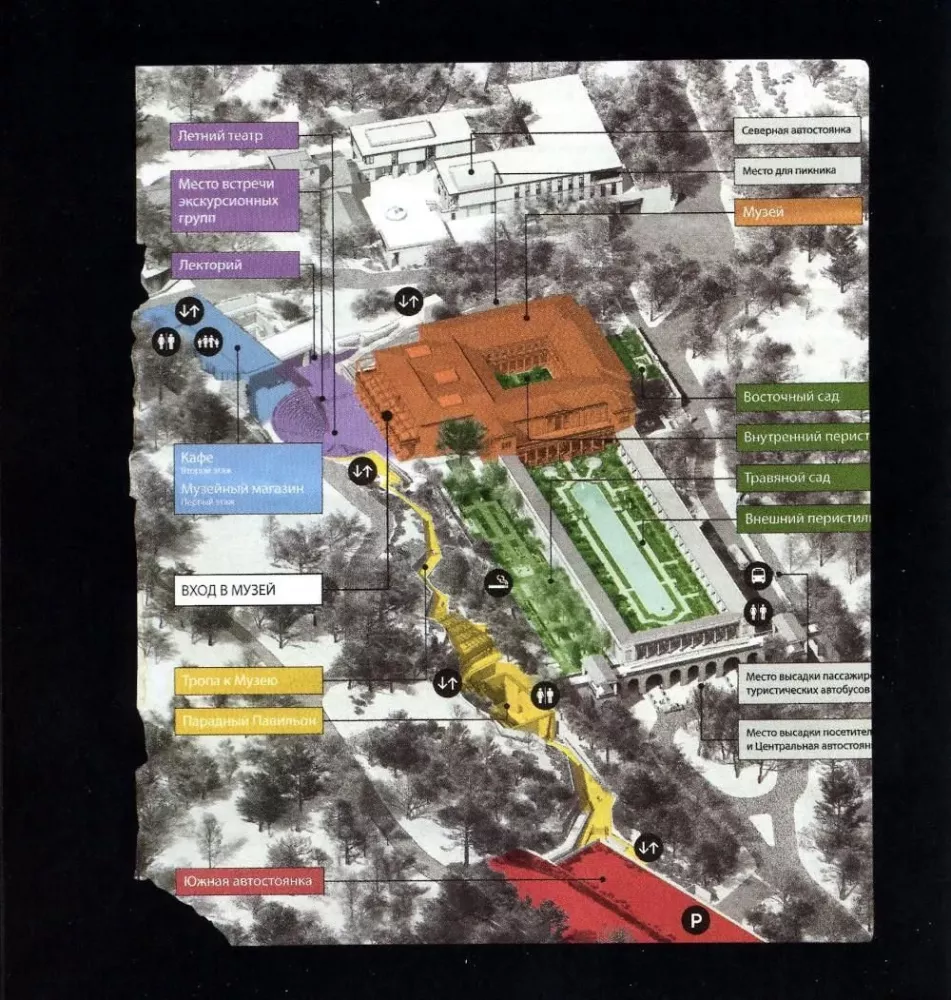
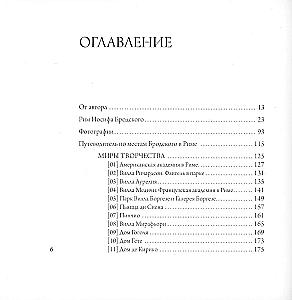
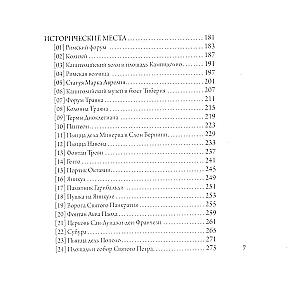
usually combining a Christmas trip to Rome and Venice. In 1994, he would call his visit there as a fellow of the American Academy a "short road to paradise" and "the best time of his life." The publication is intended for practical use by travelers who would like to explore both Brodsky's Rome and Rome with Brodsky — the cultural history and everyday life of a space that has attracted not only artists and writers since time immemorial but also numerous tourists. For this purpose, the book is equipped with an extensive introductory article and a detailed description of places associated with the poet's life, as well as a map and possible walking routes. The book includes rare photographs, archival documents, and a chronicle of the poet's stay in Rome. "Joseph Brodsky in Rome. Volume 2: Poetry, Prose, Graphics" The book includes poems by Joseph Brodsky dedicated to Rome, excerpts from essays and letters with comments from the compiler, as well as Roman drawings, postcards, and previously unpublished interviews with Brodsky in Italian that have not been published in Russian. The book also reflects the period of Brodsky's stay at the American Academy. It was during this time that the poet conceived, as Gogol once did, to establish a Russian Academy in Rome for young Russian scholars and artists. The idea of founding a Russian equivalent modeled after the American Academy is a project he actively pursued shortly before his death. As an appendix, selected materials from the archive of the poet's close friend Gianni Buttafava are published. "Joseph Brodsky in Rome. Volume 3: Labors and Days" The historical heritage, architecture, topography, ancient myths, and the vibrant modern life of the capital of Italy provided Brodsky with themes for creativity for several decades: in 1985, he confessed that he had "lived 32 years in the Third Rome, about a year in the First" ("Journey to Istanbul"). Over the next decade, Brodsky's stay in Rome increased by another year in total. The book includes materials without which it would be impossible to present Brodsky's stay in Rome in all its fullness: archival publications and fragments of interviews, a transcription of the Roman calendar-diary, and unique photographs taken by the poet in Italy, as well as his inscriptions in books for his Roman friends. The reconstruction of Brodsky's "labors and days" in Rome is completed by conversations with contemporaries — his friends and colleagues at the American Academy.
Printhouse: Ripol-klassik
Age restrictions: 16+
Year of publication: 2020
ISBN: 9785521805952
Number of pages: 1424
Size: 170х170х20 mm
Cover type: hard
Weight: 3261 g
ID: 1748919
In stock
€ 197.29
Will be delivered to United States on 29 September (Tu):
By courier
from € 38.94
Bestsellers

€ 13.29
In stock
12 Weeks in a Year. How to Achieve More in 12 Weeks Than Others Do in 12 Months
Майкл Леннингтон, Брайан Моран
€ 7.89
In stock
Choice. On the Freedom and Inner Strength of a Person
Эдит Ева Эгер, Эсме Швалль-Вейганд
€ 14.99
In stock
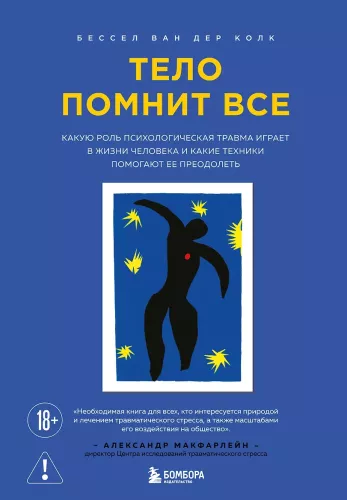
The Body Remembers Everything: The Role of Psychological Trauma in a Person's Life and Techniques to Overcome It
Бессел ван дер Колк

€ 6.99
In stock
€ 5.29
In stock