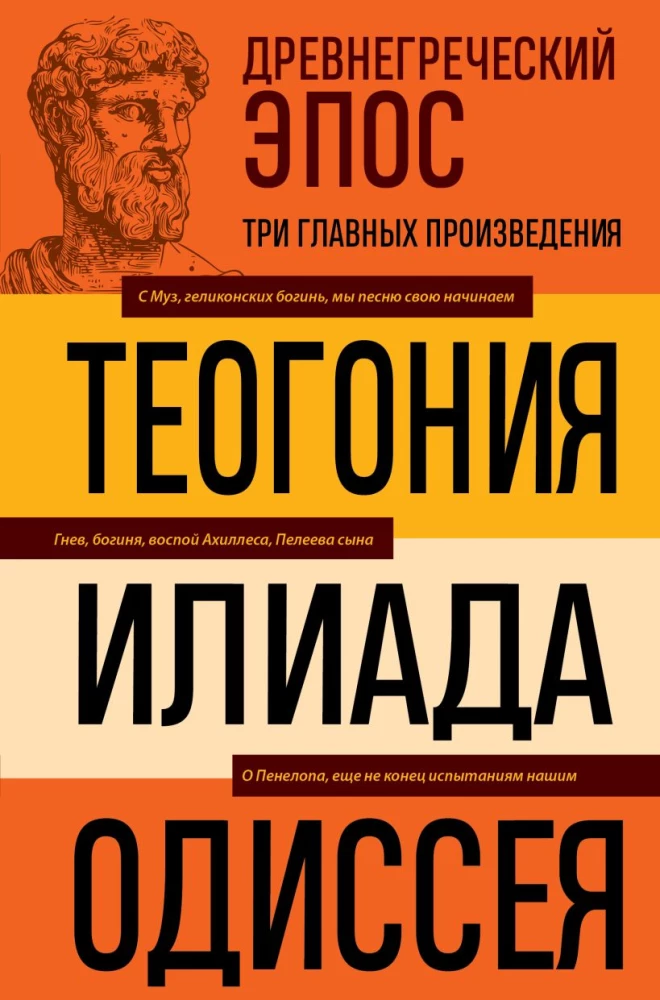
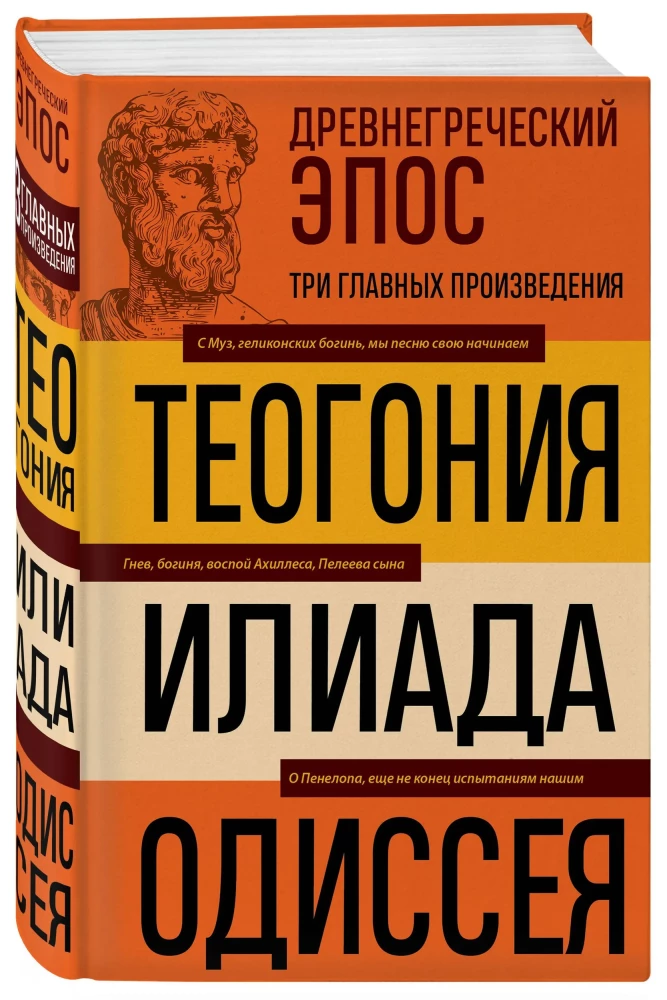
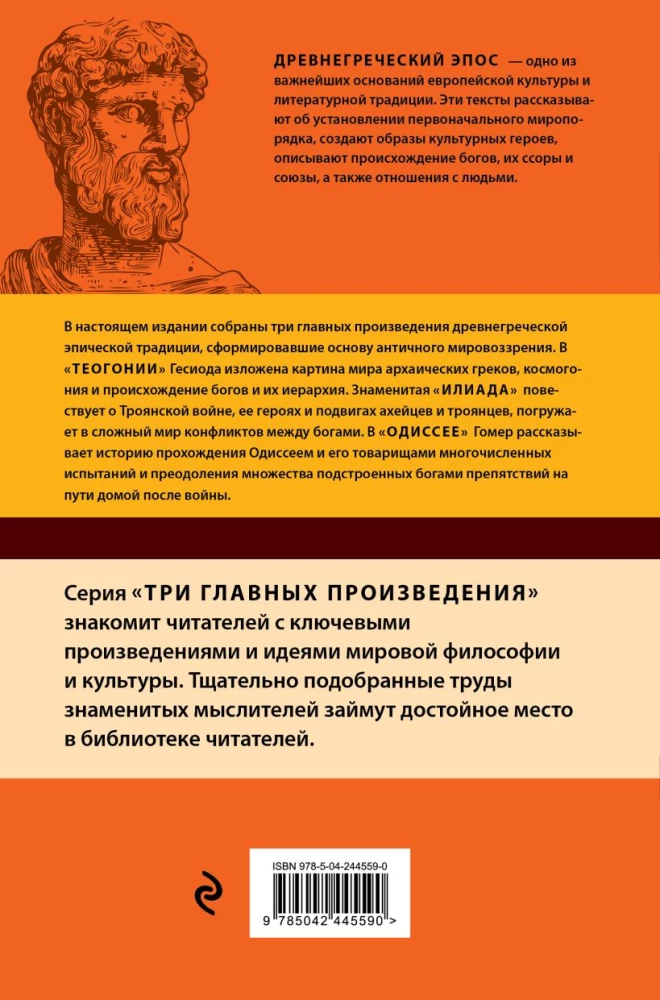
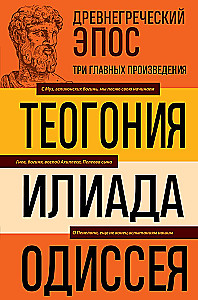
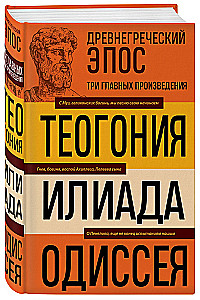
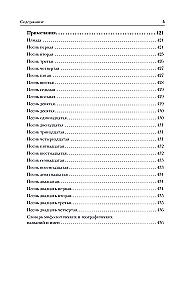
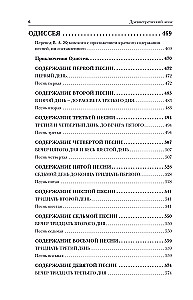
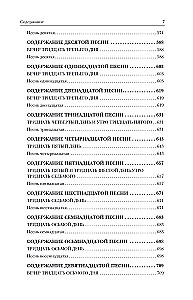
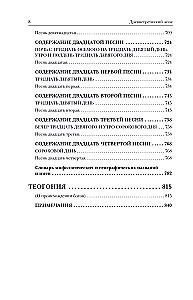

Ancient Greek Epic. Iliad. Odyssey. Theogony
Author: Гомер, Гесиод
Printhouse: Eksmo
Series: 3 main works. Library of Selected Writings
Age restrictions: 12+
Year of publication: 2026
ISBN: 9785042445590
Number of pages: 848
Size: 212х138х43 mm
Cover type: hard
Weight: 827 g
ID: 1742248
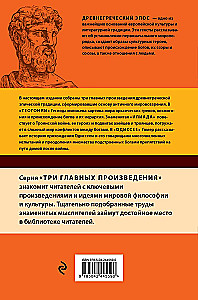
The plots and heroes of ancient Greek epic are undoubtedly one of the key layers of European culture: swift-footed Achilles, unruly in his wrath; cunning Odysseus, returning home through a series of trials; helmet-bright Hector, the defender of Troy; rosy-fingered Dawn, heralding a new day... Although these images have long become part of the artistic and literary canon and seem understandable, in reality, they are backed by a complex system of representations about the cosmos, society, and man. Direct engagement with the sources of these images allows us to see how the foundations of European thinking and artistic tradition were formed.
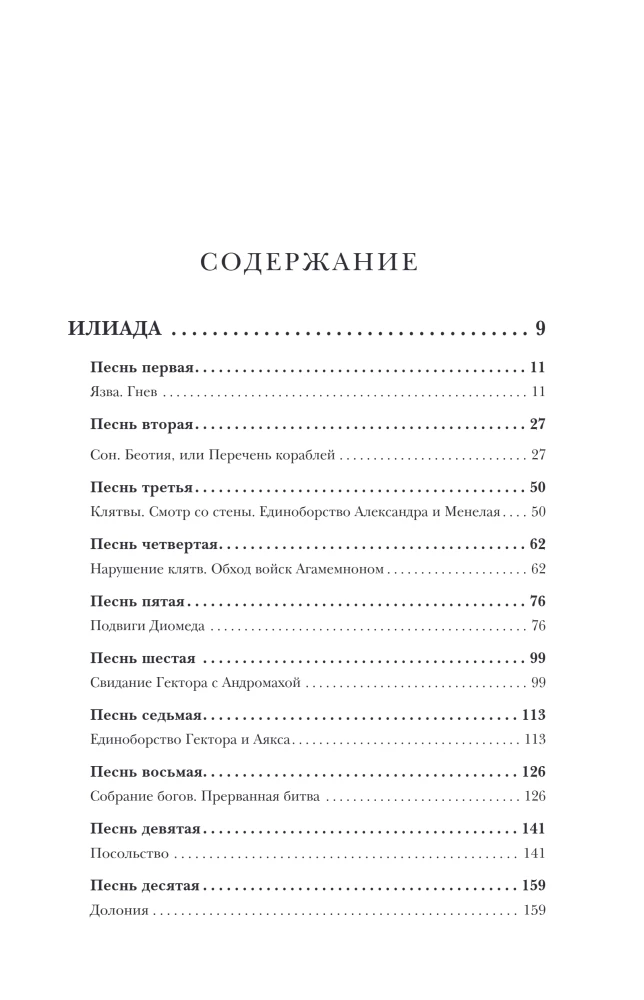
«Ancient Greek Epic. Theogony. Iliad. Odyssey» — is a collection of texts that constitute the foundation of the ancient worldview. They unite mythological views on the origin of the universe and heroic ideals of historical time. These texts, published in classical translations by N.I. Gnedich, V.A. Zhukovsky, and V.V. Veresaev, will help you form a comprehensive understanding of how power, fate, order, and the limits of human possibilities were conceived in archaic culture.
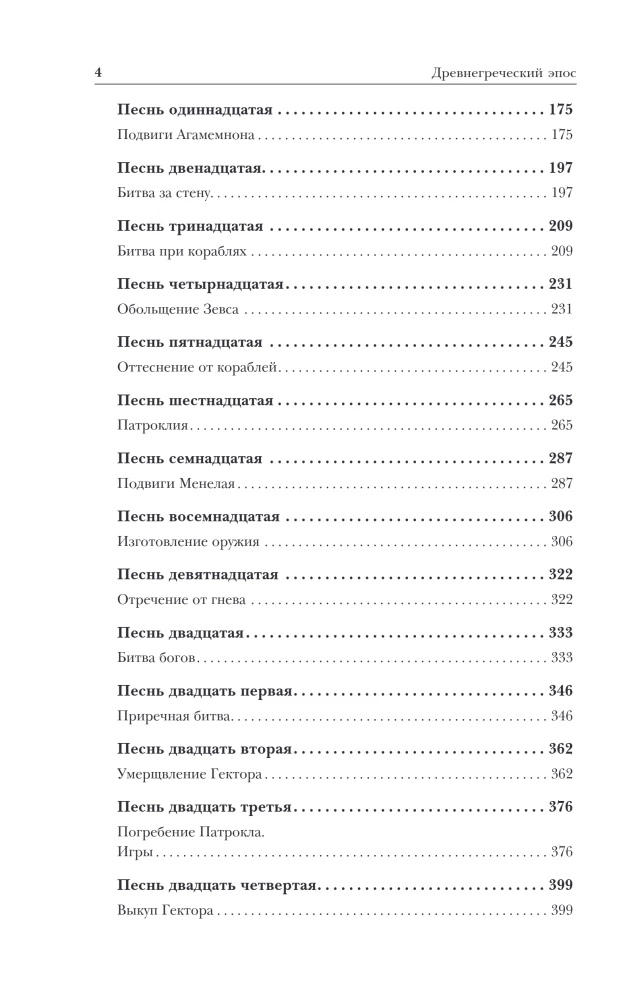
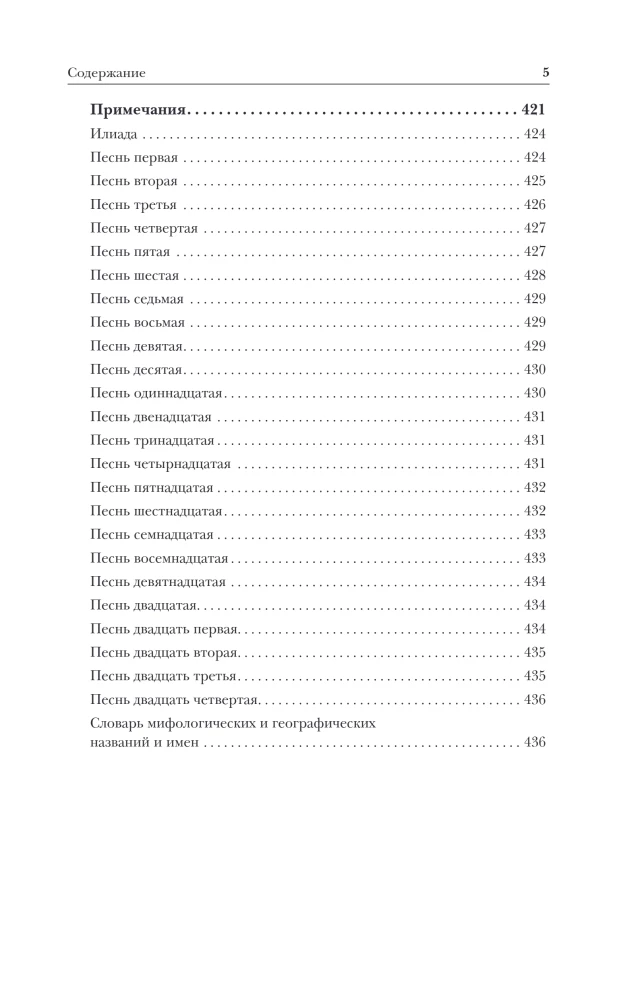
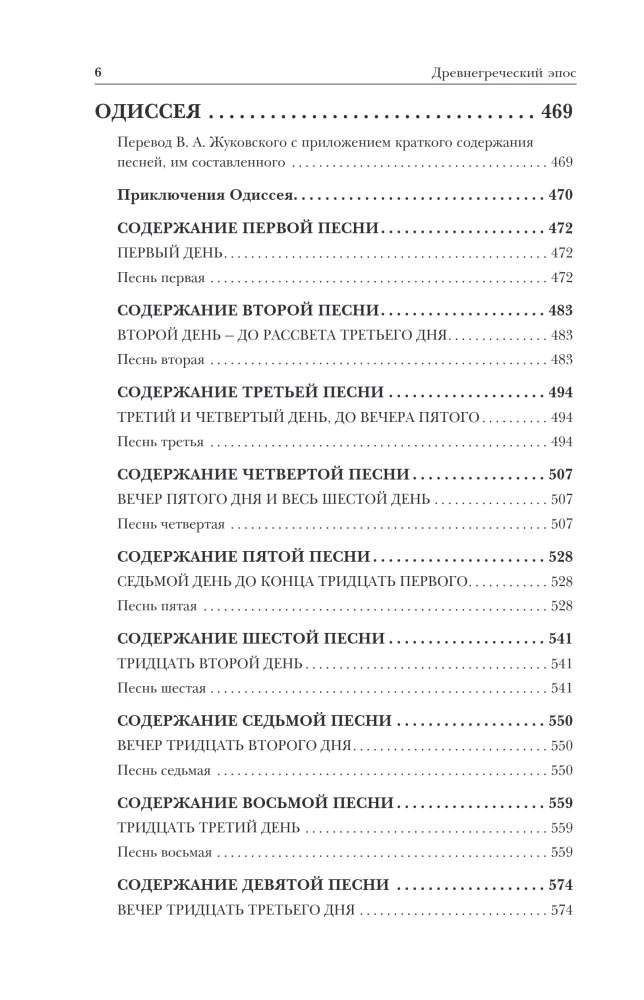
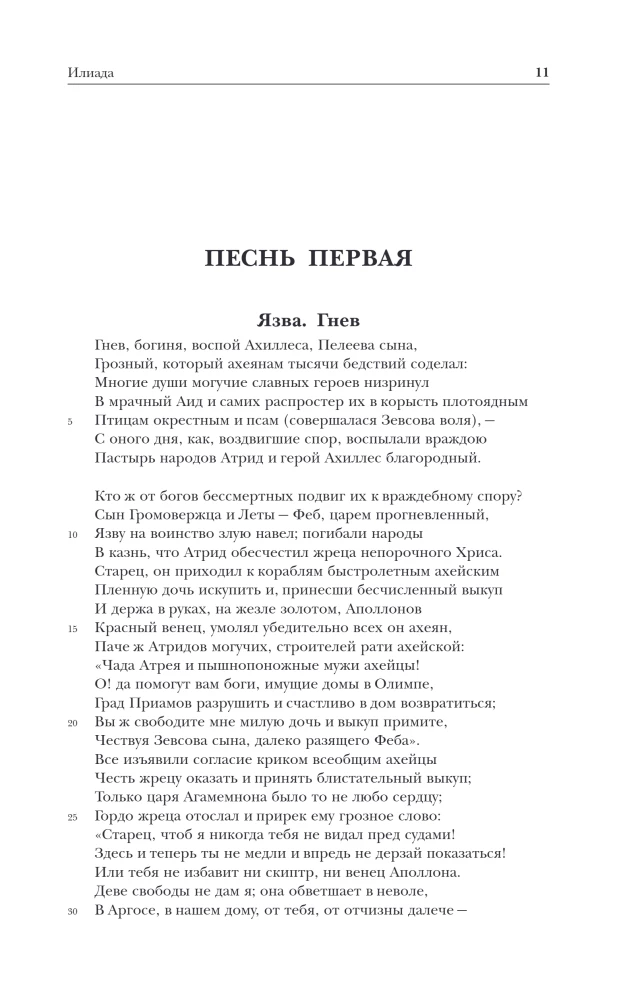
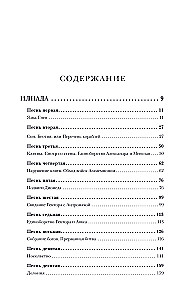
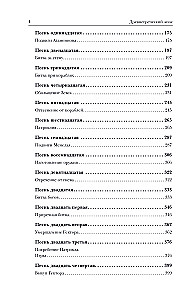
The collection opens with Hesiod's «Theogony» — a poem that presents a detailed picture of the origin of the gods and the formation of cosmic order. In this text, mythological representations are systematically organized for the first time, and a general hierarchy of divine forces is established. In the «Iliad», the storyteller turns to one of the episodes at the end of the Trojan War and reveals notions of honor, heroism, and the inevitability of fate. In the «Odyssey», Homer develops a different line of epic tradition, where the hero's journey, his trials, and return home become central.