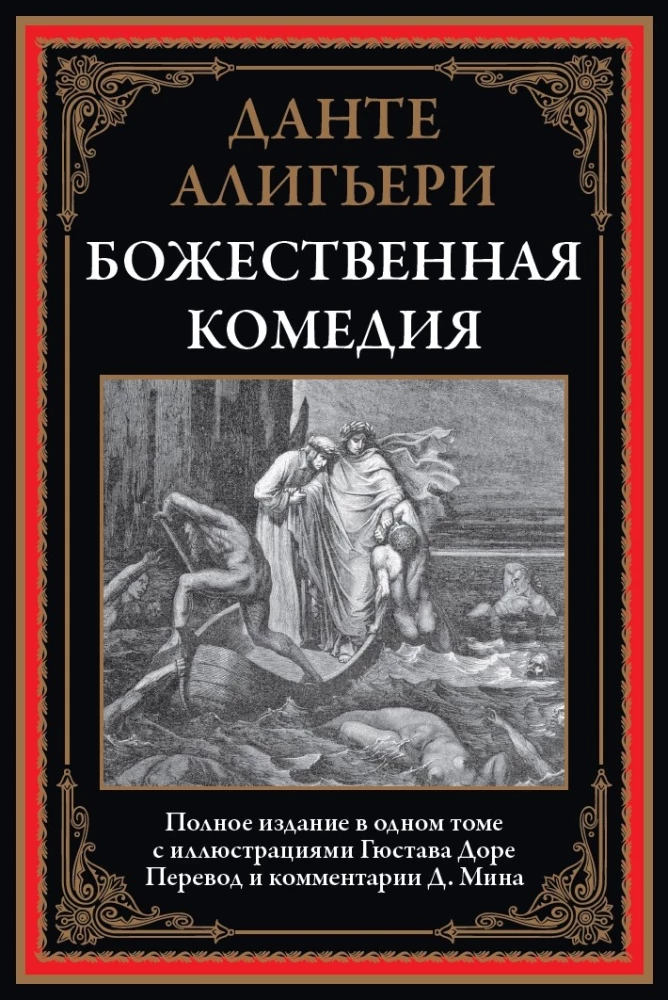
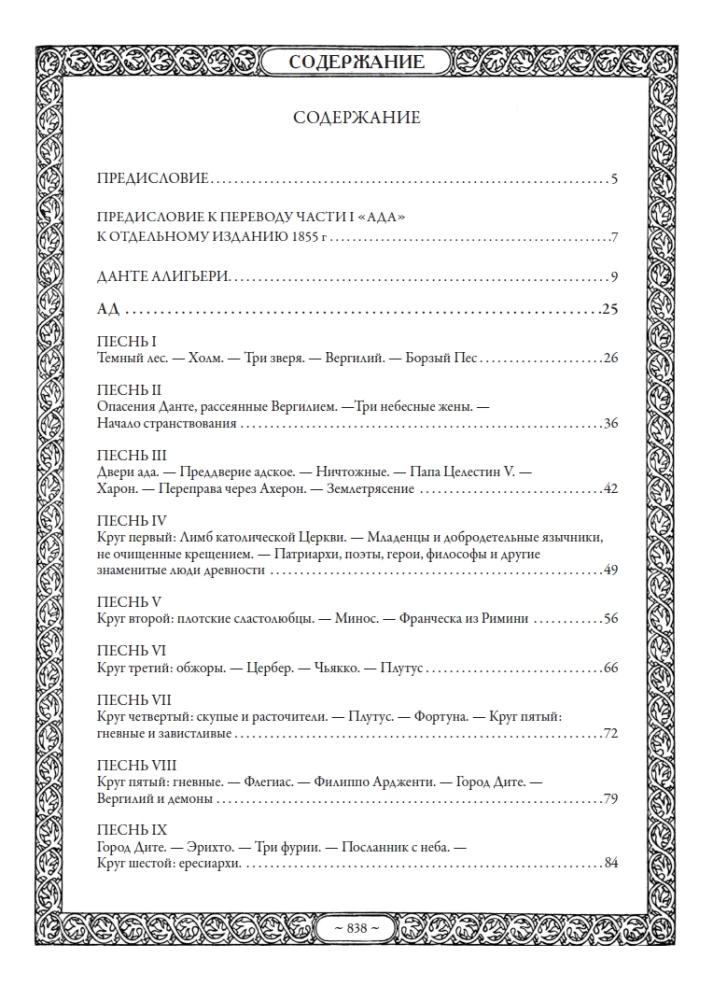
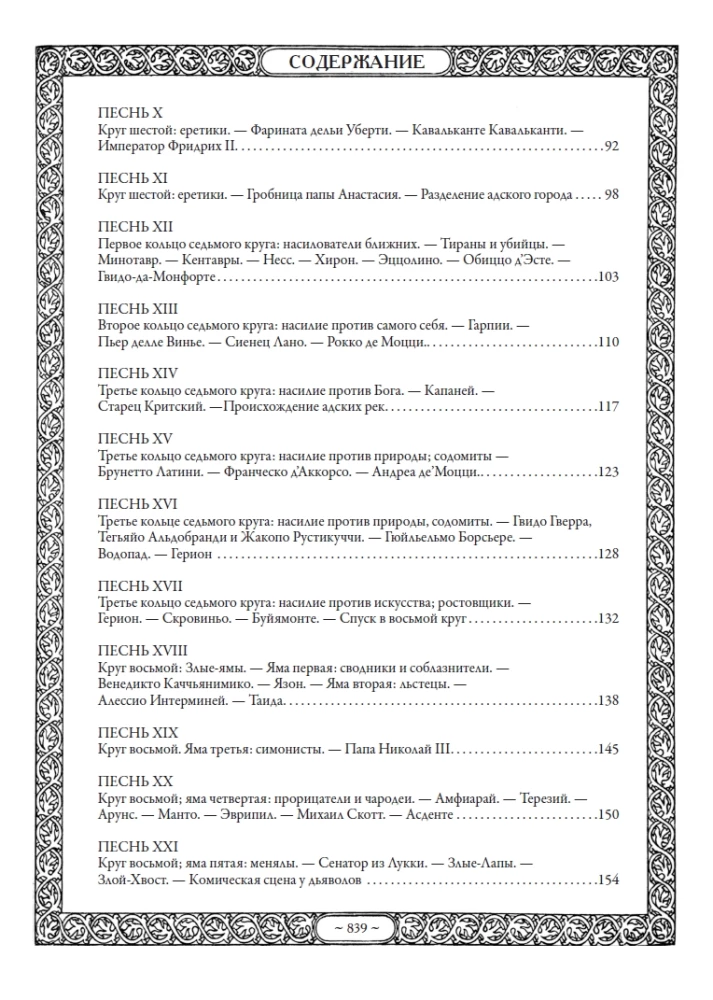
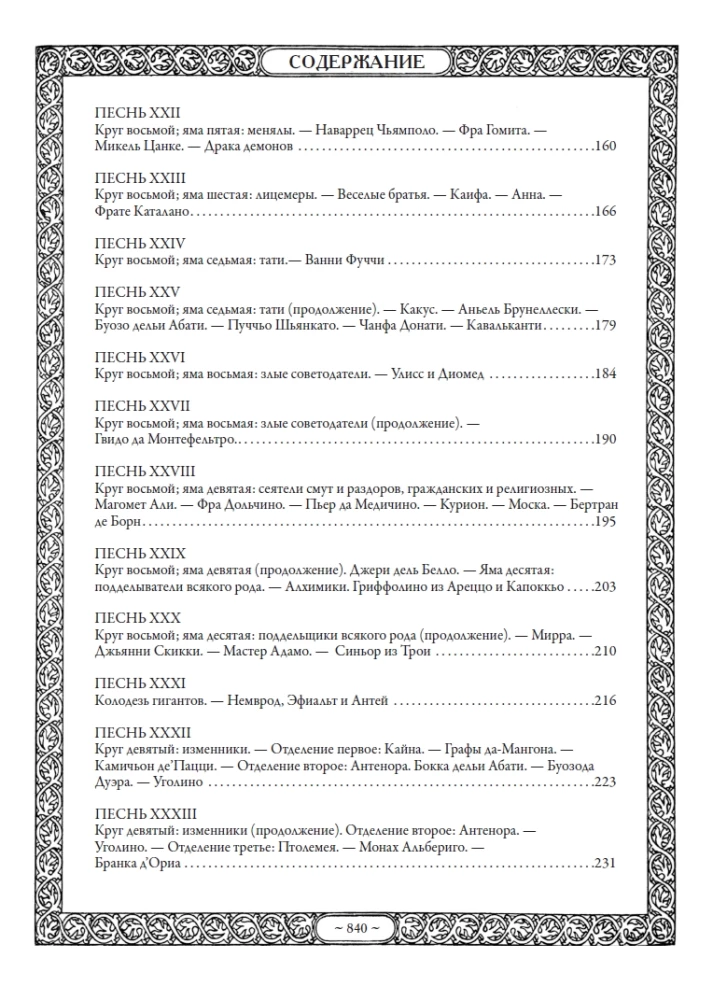
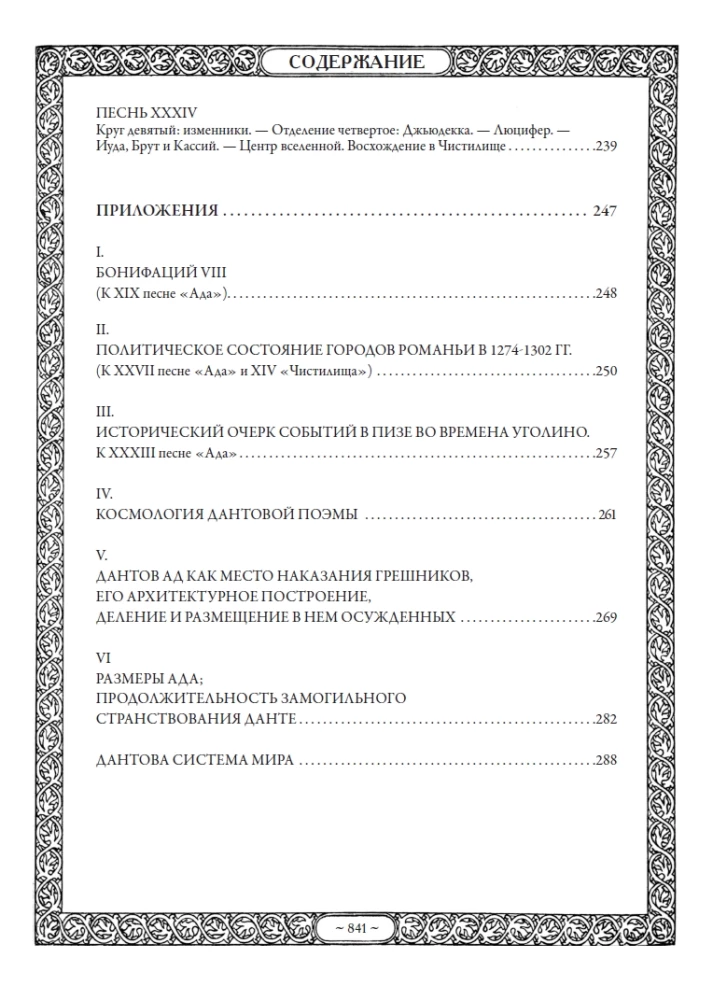
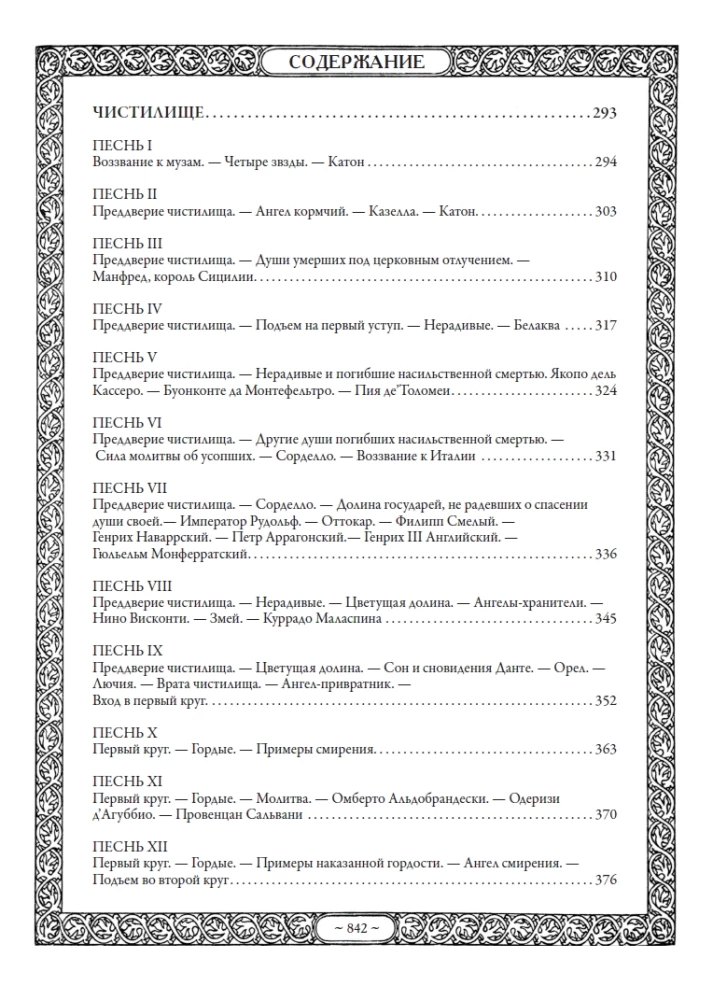
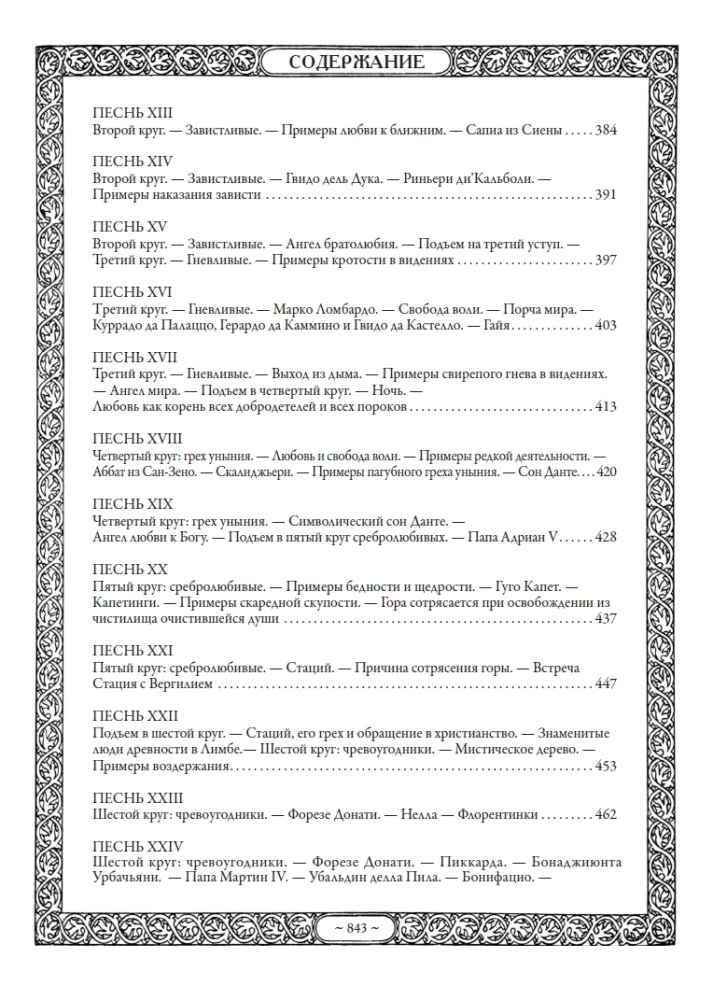
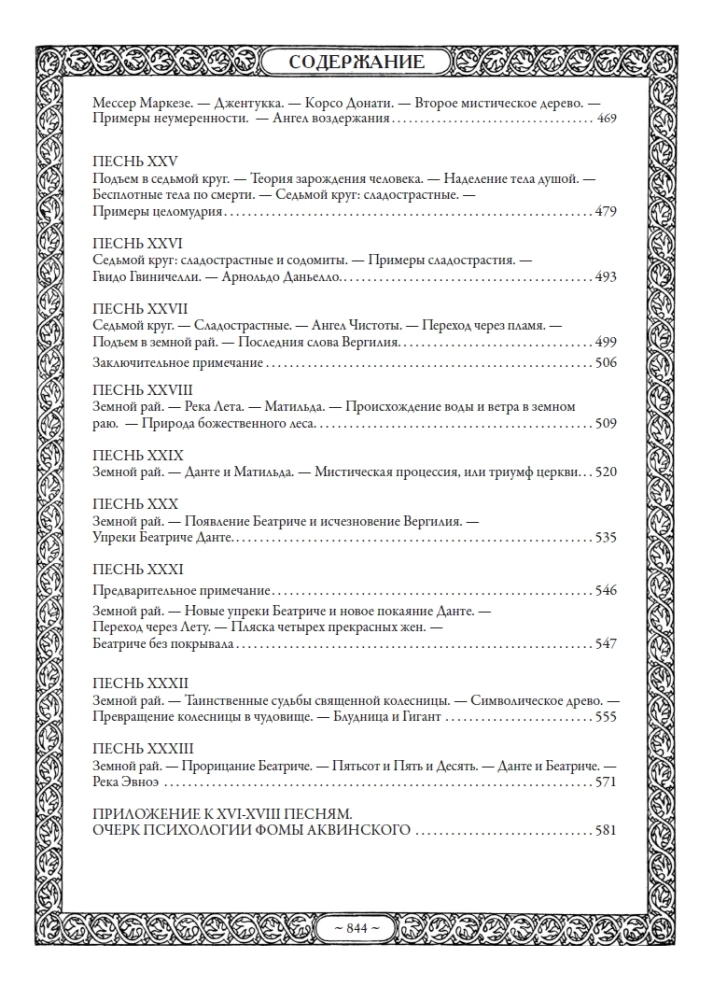
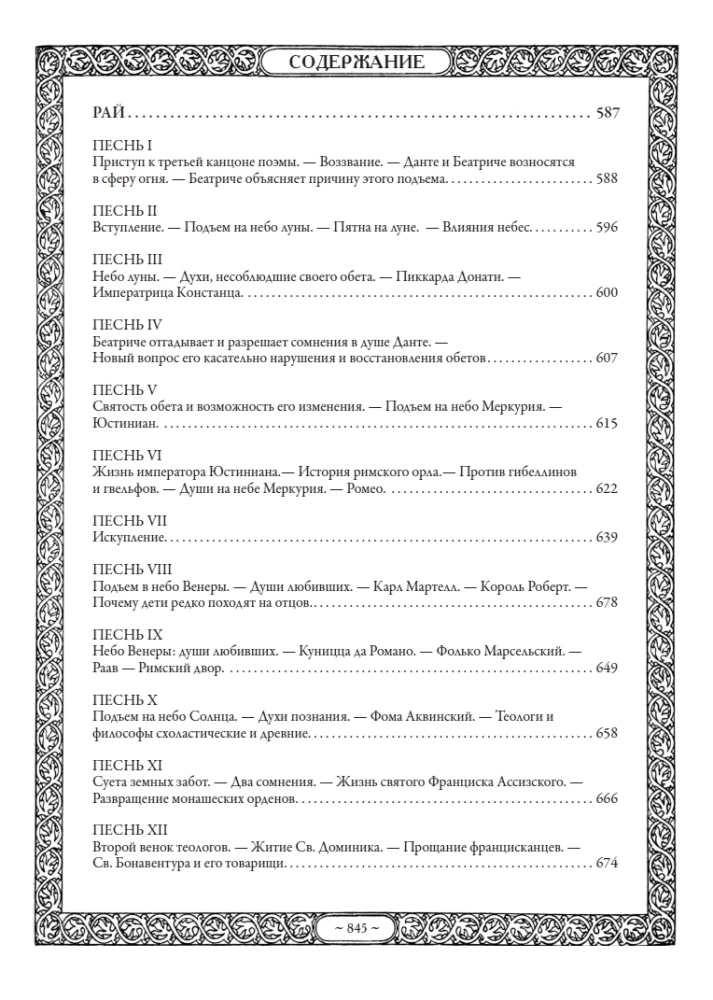
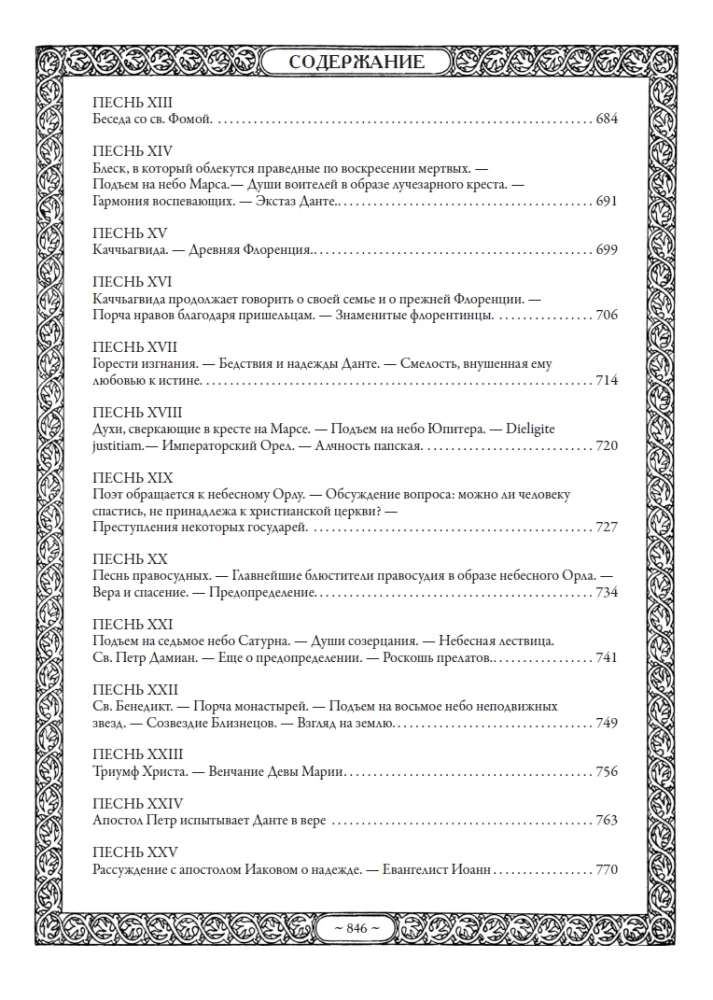
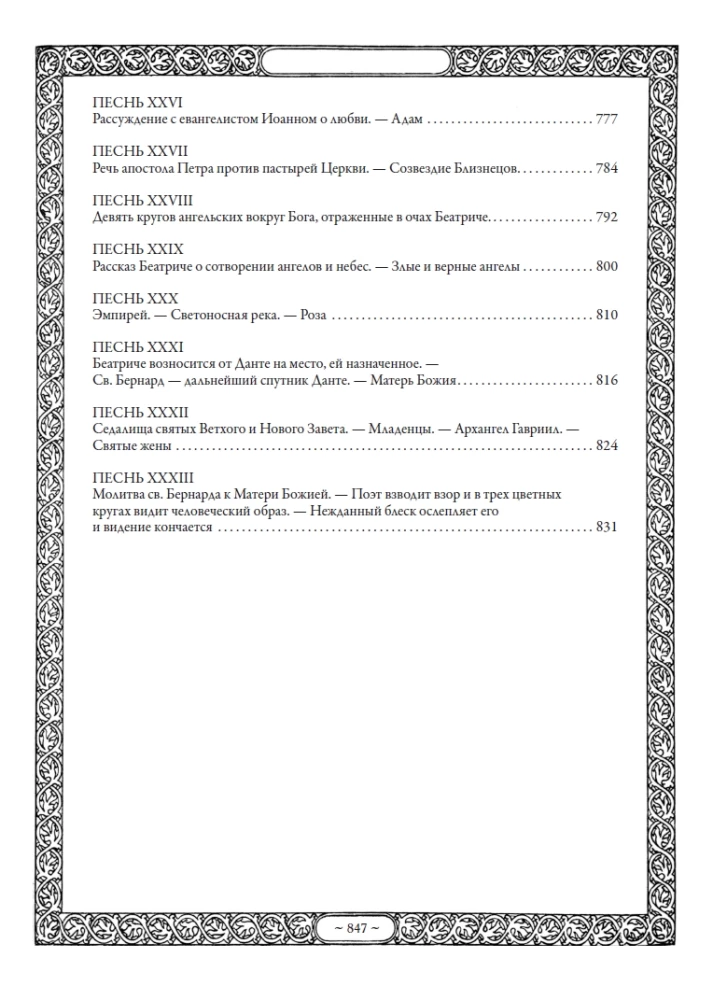
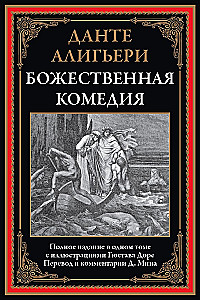
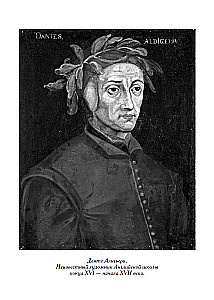
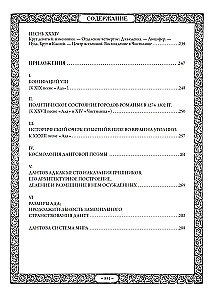
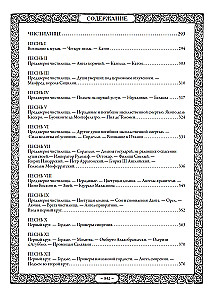
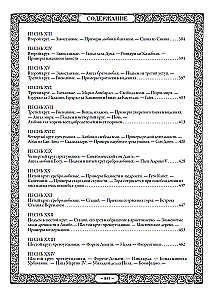
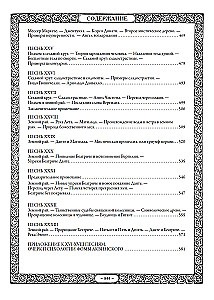
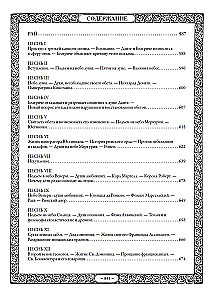
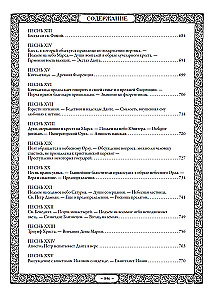
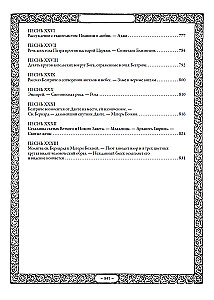
Divine Comedy
Dmitry Egorovich Min (1818—1885) was not a professional writer. He devoted his entire life to the medical sciences — he was a prominent expert in forensic medicine. At the same time, critics of the 19th century considered him one of...
the best translators of his time. Min translated from Italian, German, and English; he worked on the works of Byron and Schiller. However, the literary fame he deserved came from his work on the «Divine Comedy,» the translation of which he polished until the end of his days. His deep understanding of this great work helped Min convey the spirit of the original and many of its subtleties. It is no coincidence that he gained a reputation as the Russian interpreter of Dante.
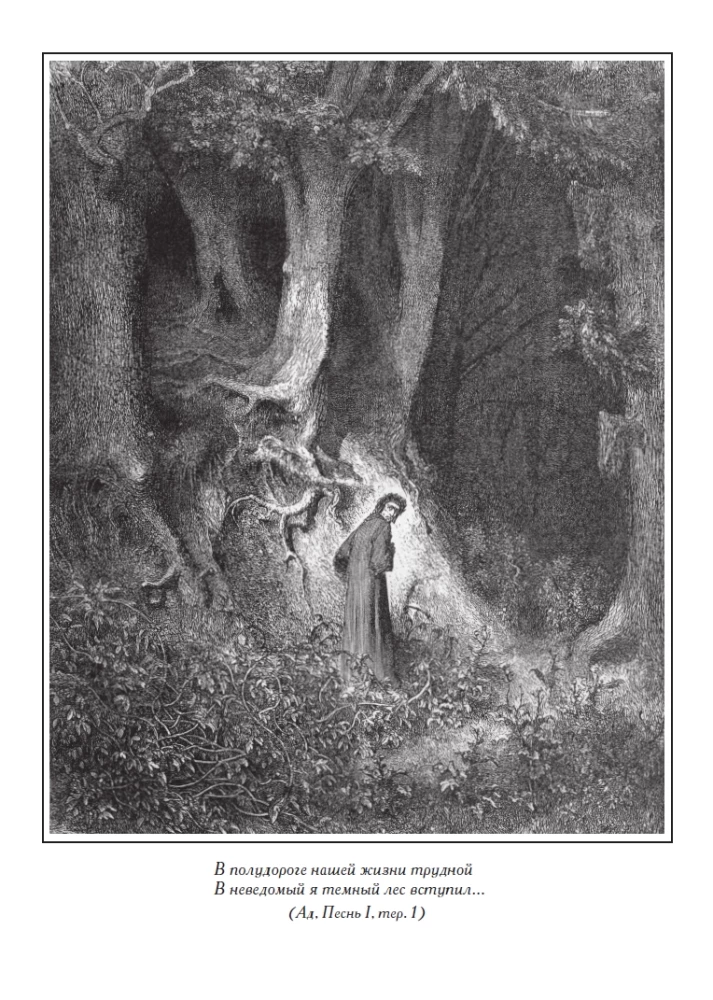
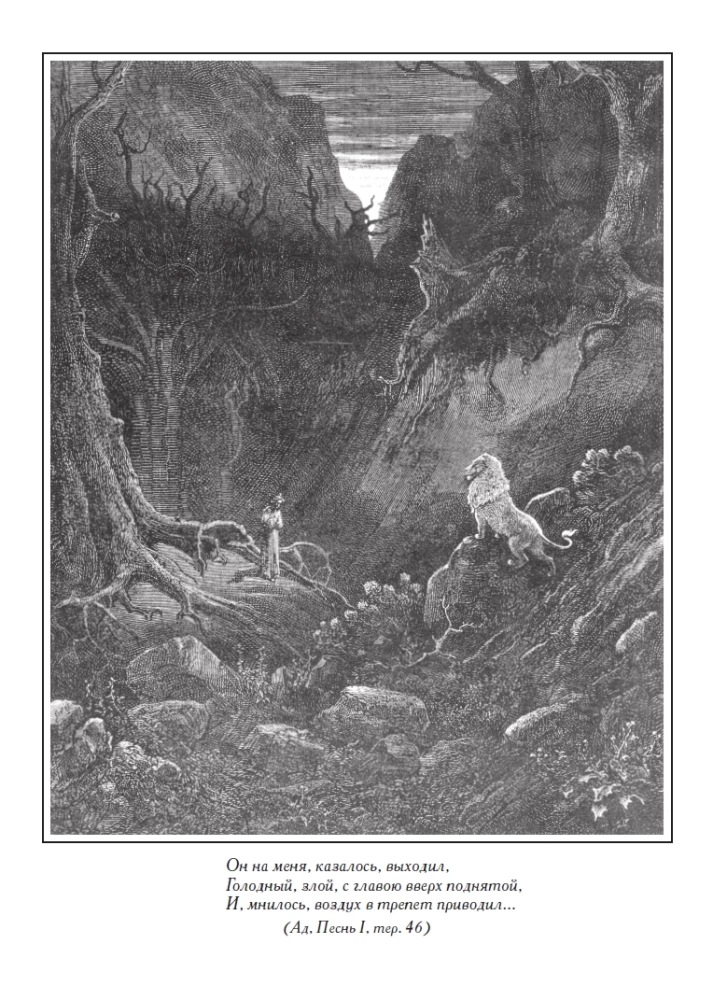
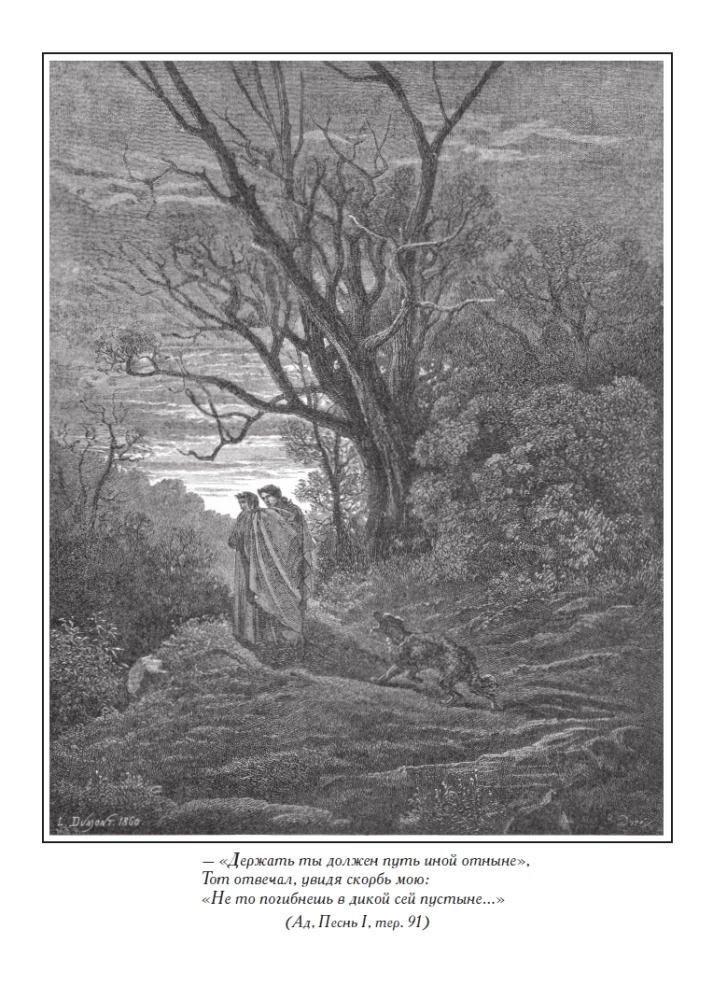
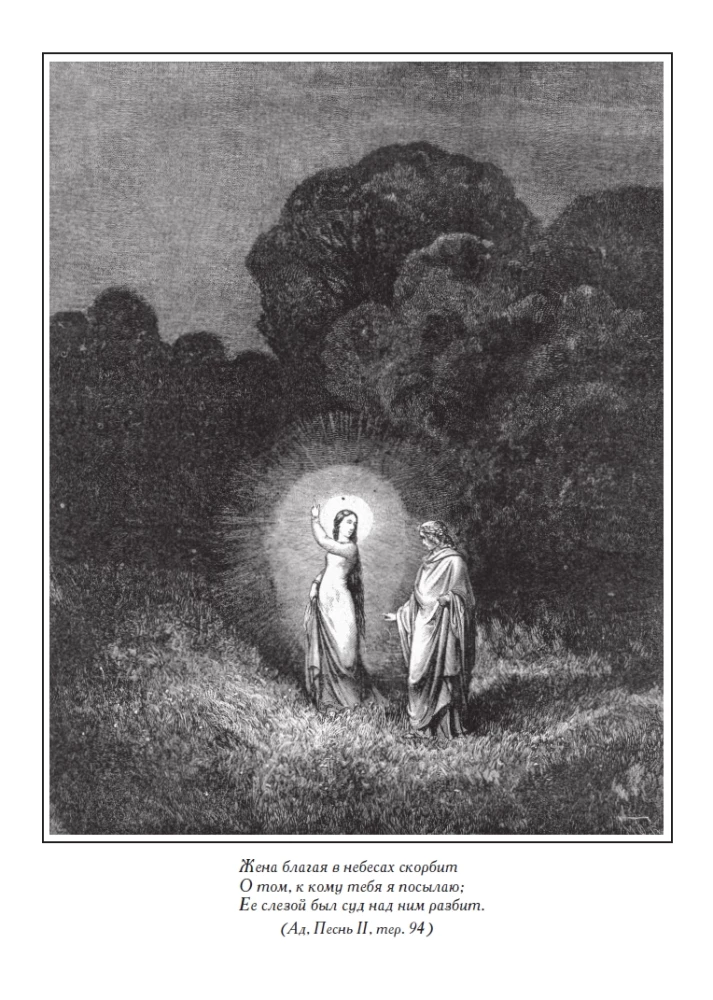
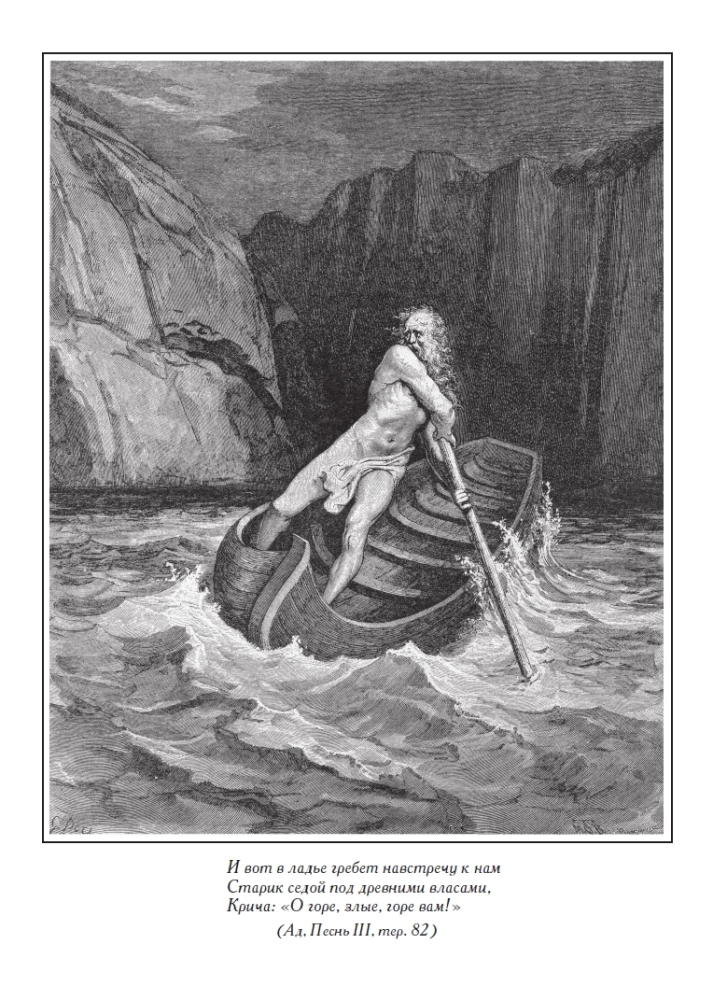
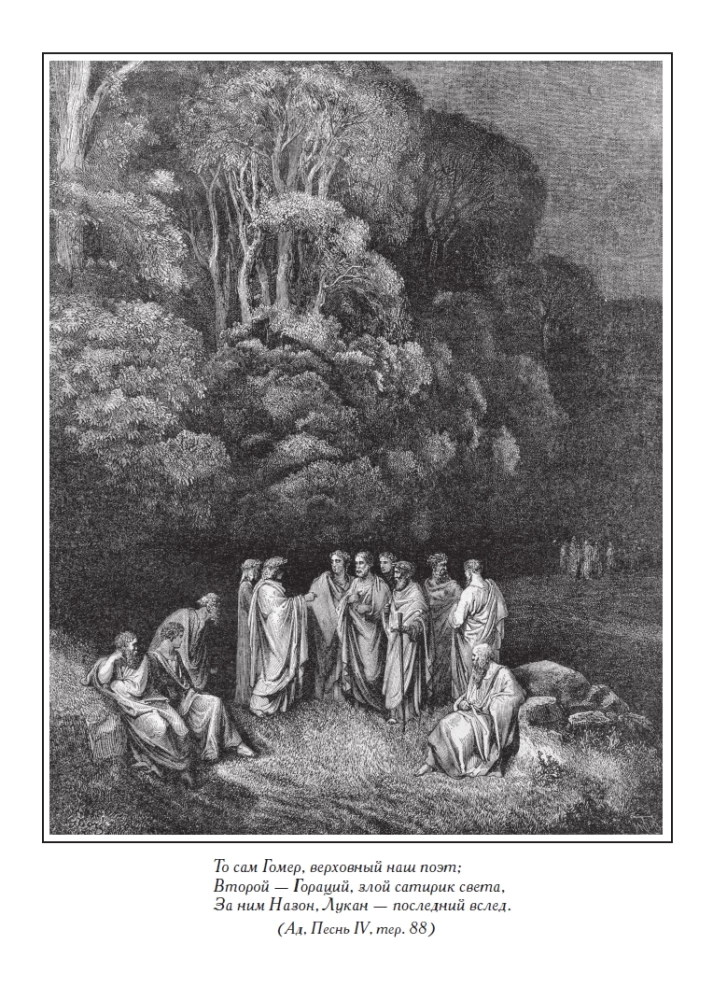
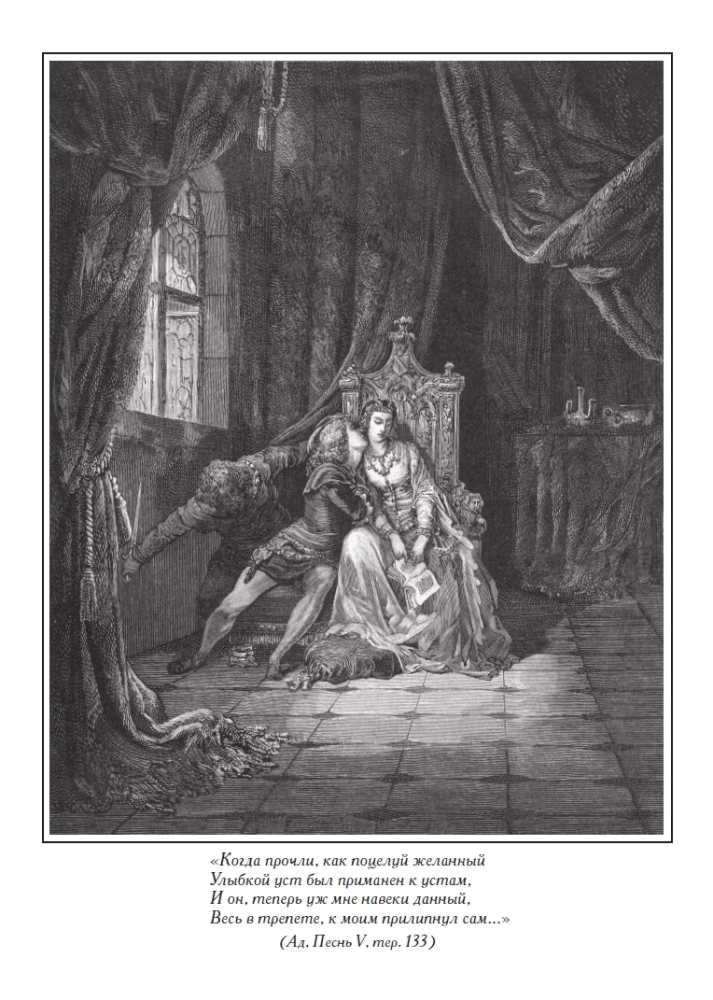
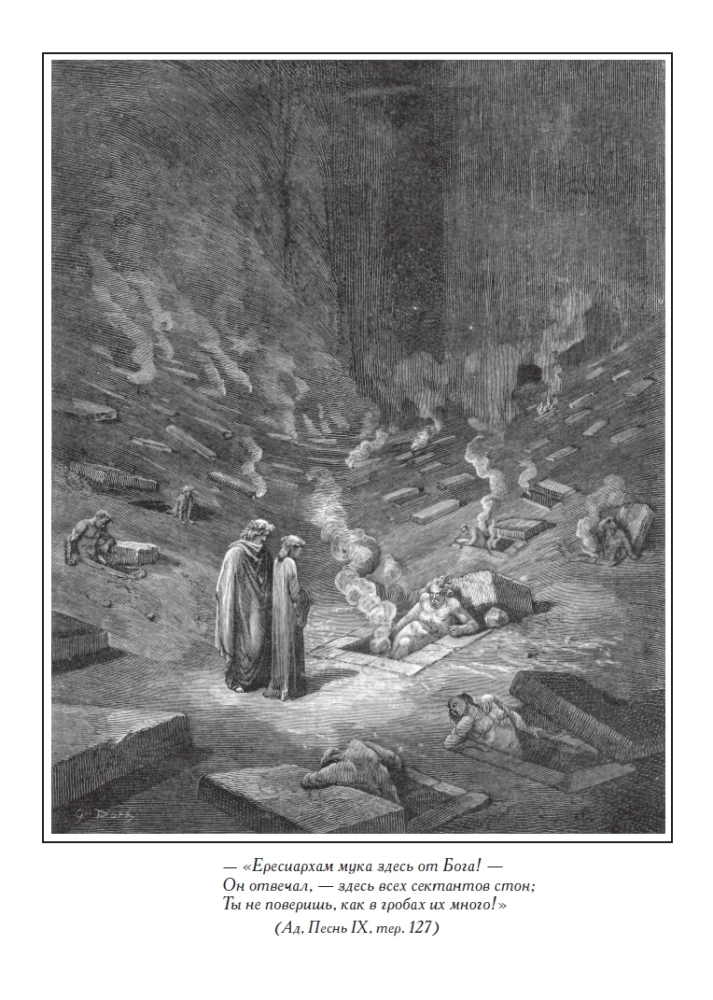
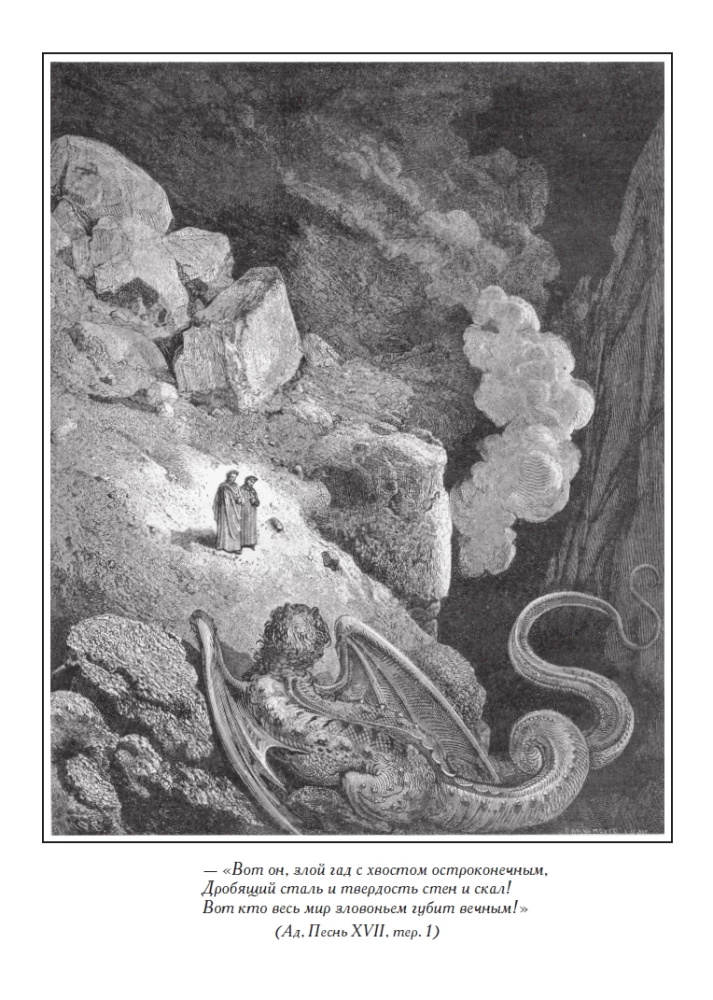
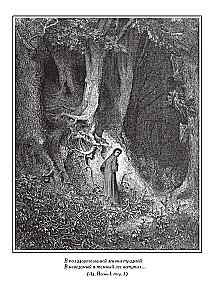
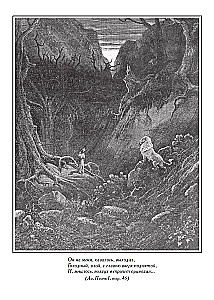
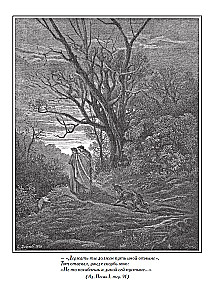
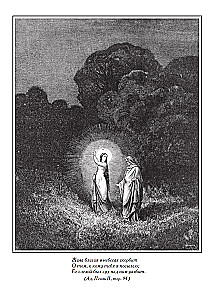
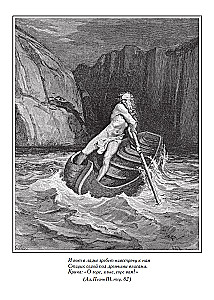
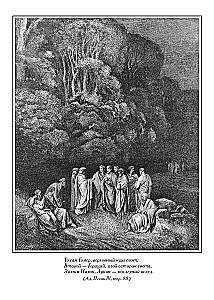
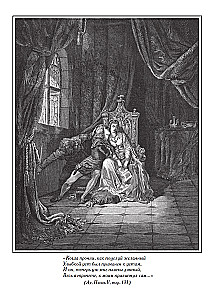
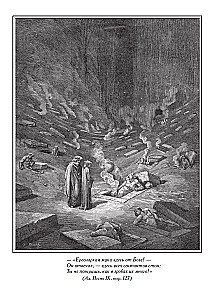
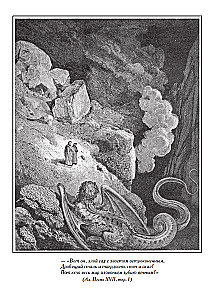
Gustave Doré (1832—1883) did not receive a classical artistic education. However, his natural talent as a draftsman and the long time spent in Paris studying paintings and engravings in the Louvre and the National Library helped him hone his skills independently. Gustave Doré was only fifteen when his first album of lithographs — «The Labors of Hercules» was published. In his graphic works, Doré masterfully used the play of light and shadow. His hand is instantly recognizable — whether it be drawings for Dante, Rabelais, the fairy tales of Charles Perrault, or the adventures of Baron Munchausen. It is no coincidence that critics rightly ranked Doré among the greatest illustrators of the 19th century.
Gustave Doré (1832—1883) did not receive a classical artistic education. However, his natural talent as a draftsman and the long time spent in Paris studying paintings and engravings in the Louvre and the National Library helped him hone his skills independently. Gustave Doré was only fifteen when his first album of lithographs — «The Labors of Hercules» was published. In his graphic works, Doré masterfully used the play of light and shadow. His hand is instantly recognizable — whether it be drawings for Dante, Rabelais, the fairy tales of Charles Perrault, or the adventures of Baron Munchausen. It is no coincidence that critics rightly ranked Doré among the greatest illustrators of the 19th century.
Author: Данте Алигьери
Printhouse: SZKEO
Age restrictions: 16+
Year of publication: 2026
ISBN: 9785960314268
Number of pages: 848
Size: 250х180х50 mm
Cover type: hard
Weight: 1300 g
ID: 1740704
In stock
€ 19.99
Will be delivered to United States on :
Unfortunately, we are currently unable to deliver orders to your region.
In stock
€ 19.99
Will be delivered to United States on :
Unfortunately, we are currently unable to deliver orders to your region.
Bestsellers





Bestseller
€ 12.19
In stock
Kanashibari. Until the Last Lantern Goes Out. Volume 1
Ангелина Шэн, Вероника Шэн