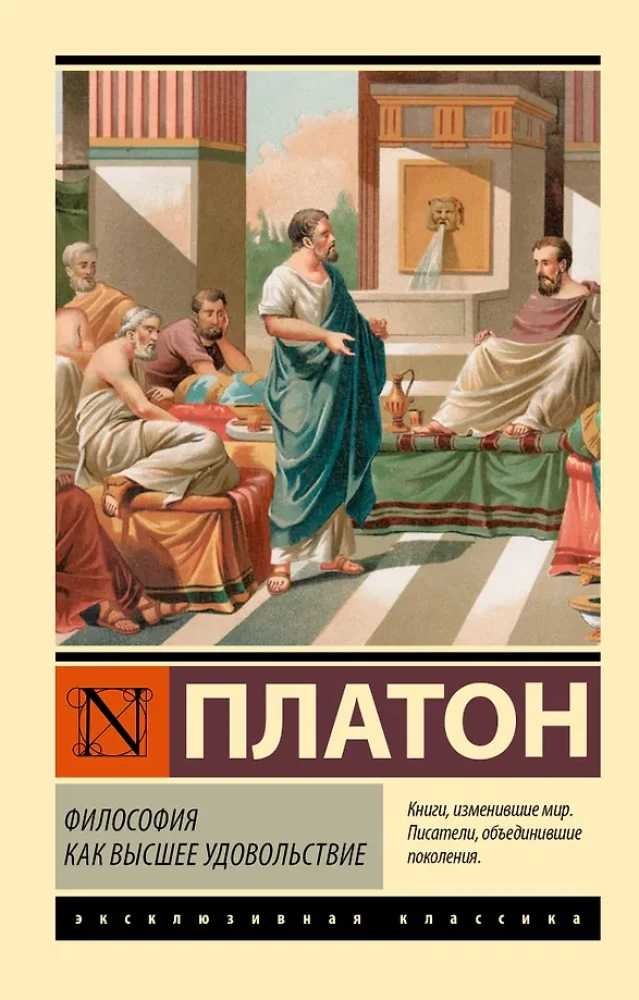
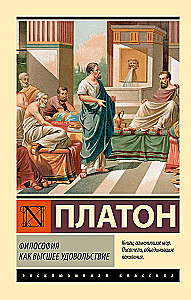
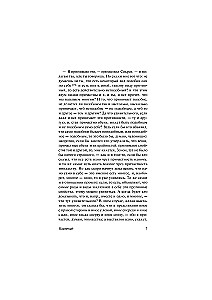
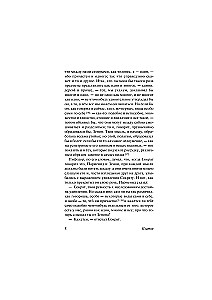
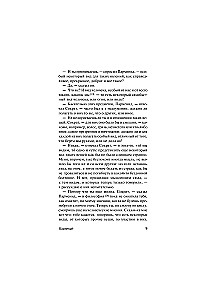
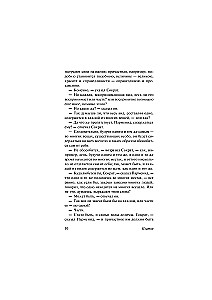
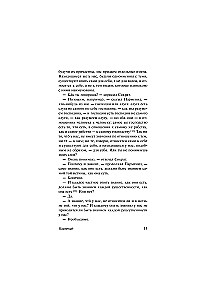

Philosophy as the Highest Pleasure
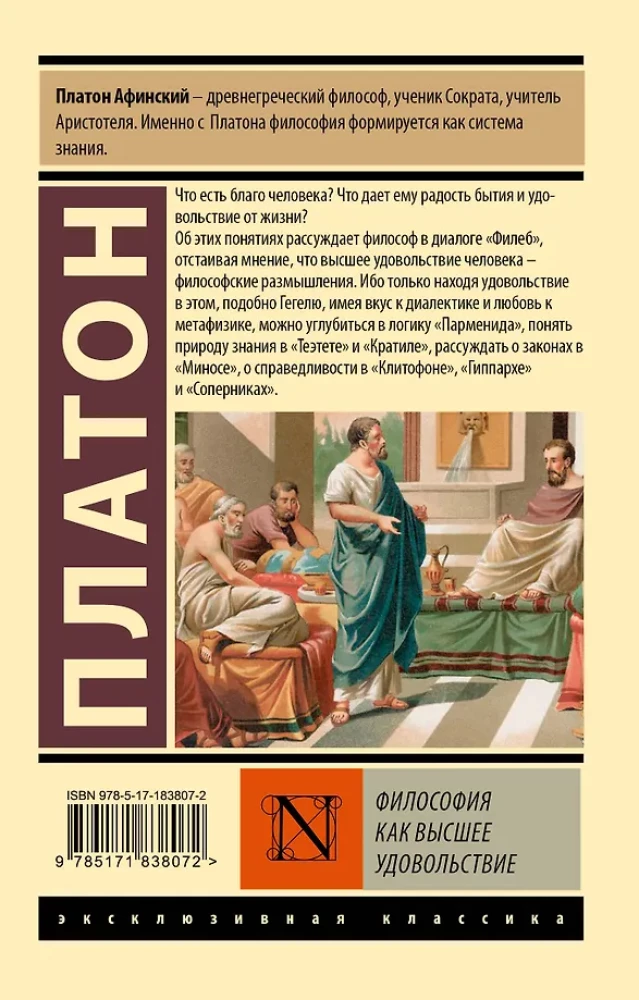
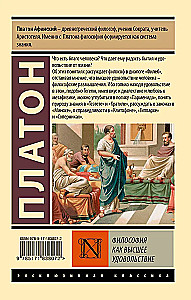
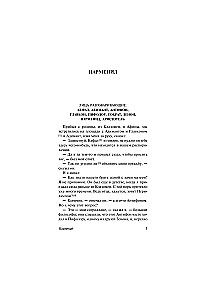
Plato of Athens — an ancient Greek philosopher, a student of Socrates, and a teacher of Aristotle. It is with Plato that philosophy is formed as a system of knowledge.
What is the good for a person? What gives him joy... of existence and pleasure in life?
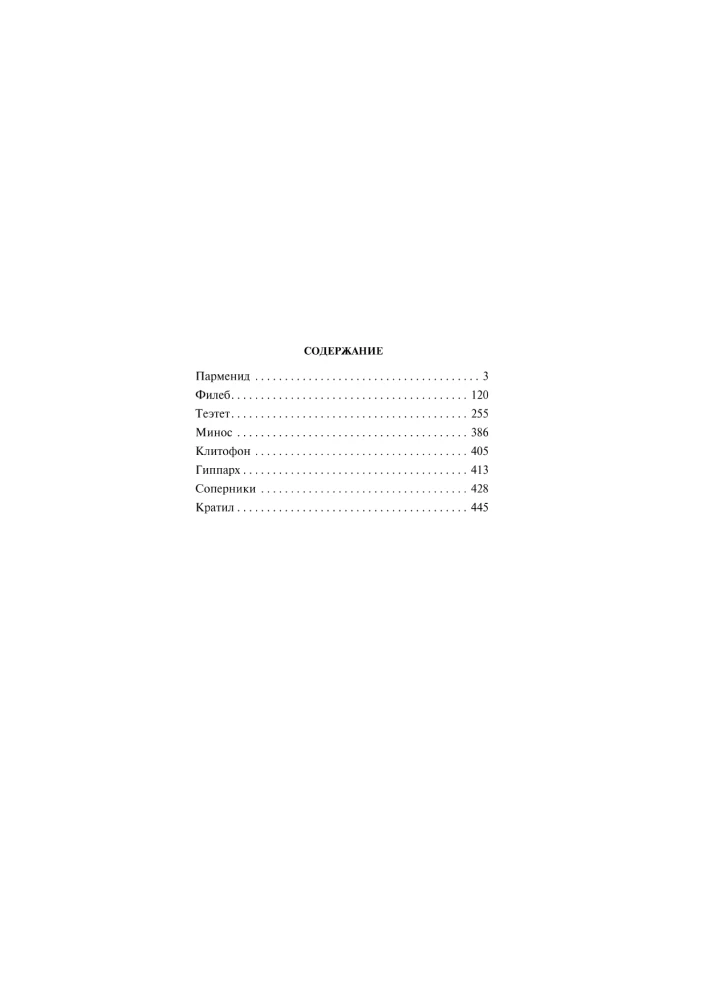
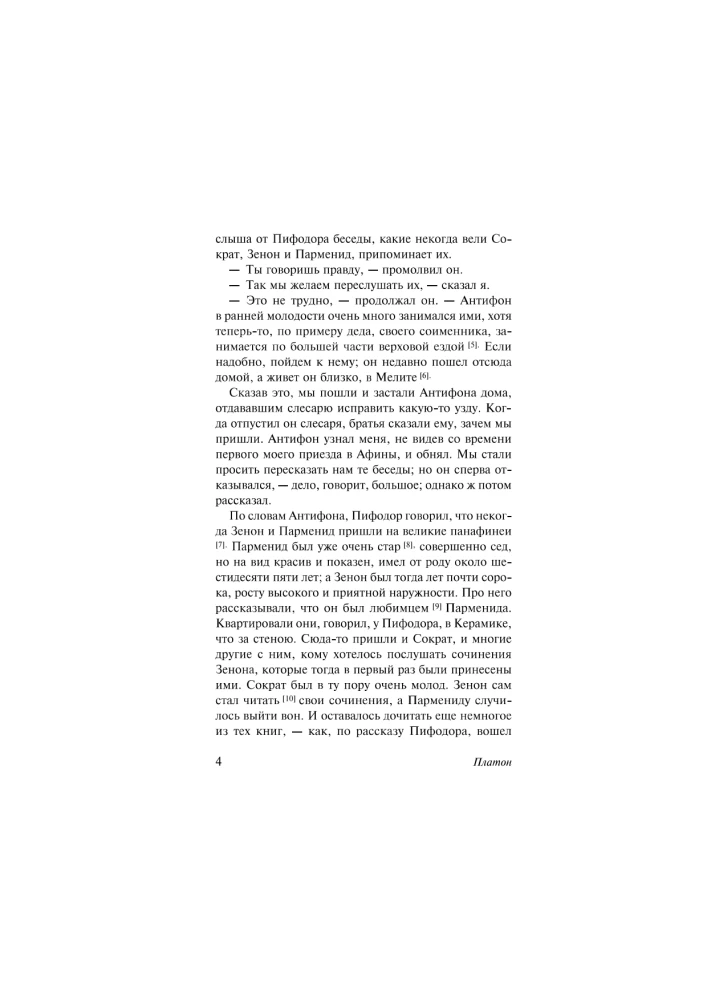
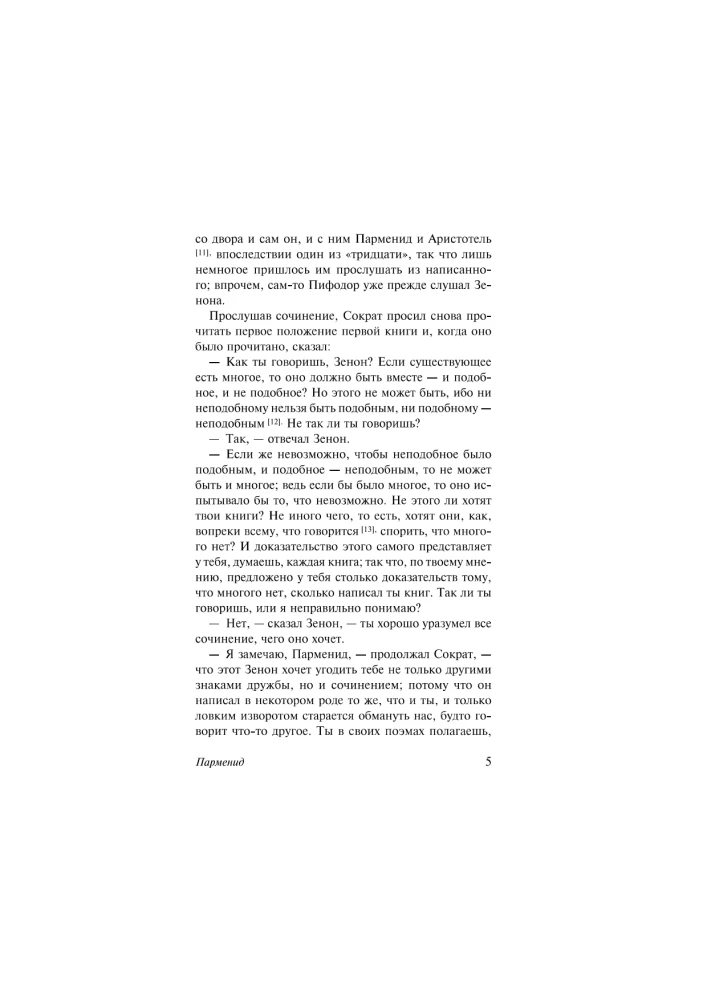
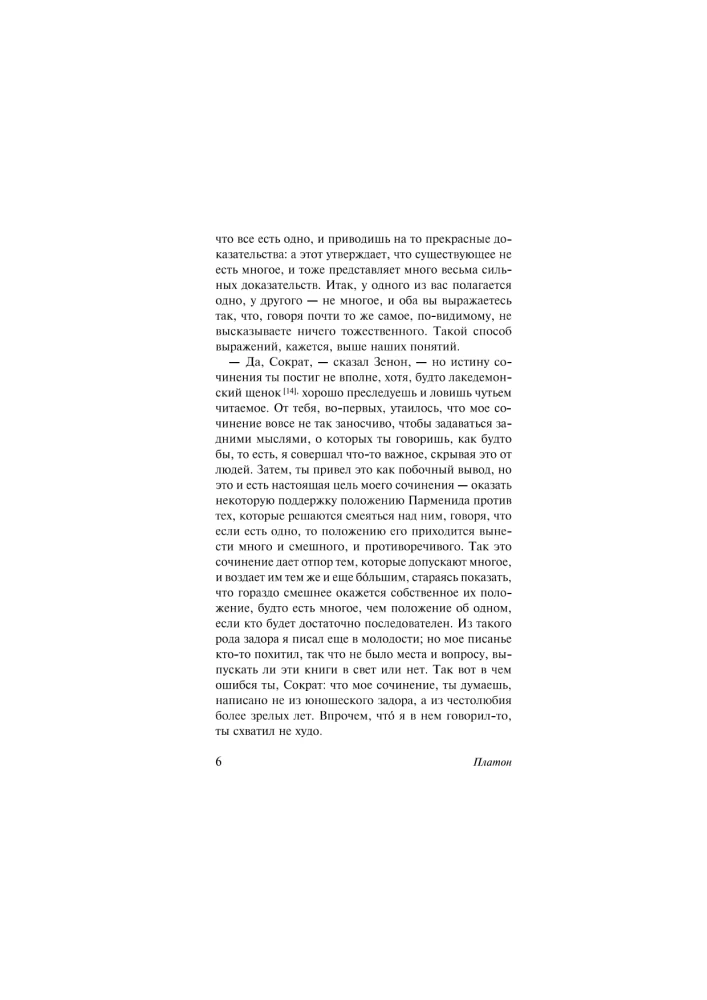
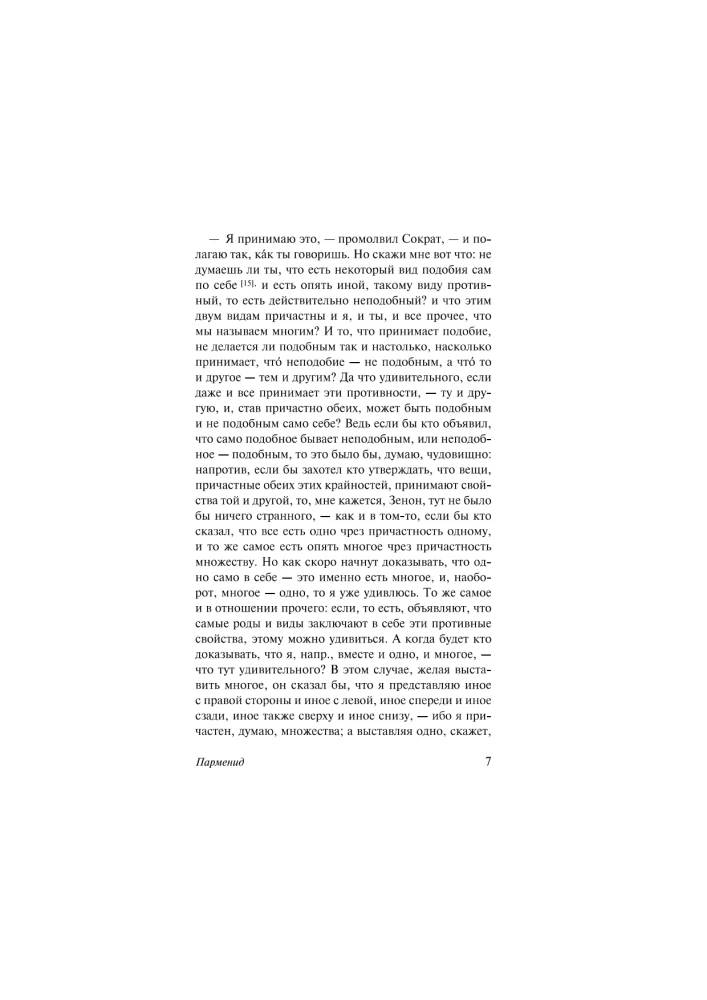
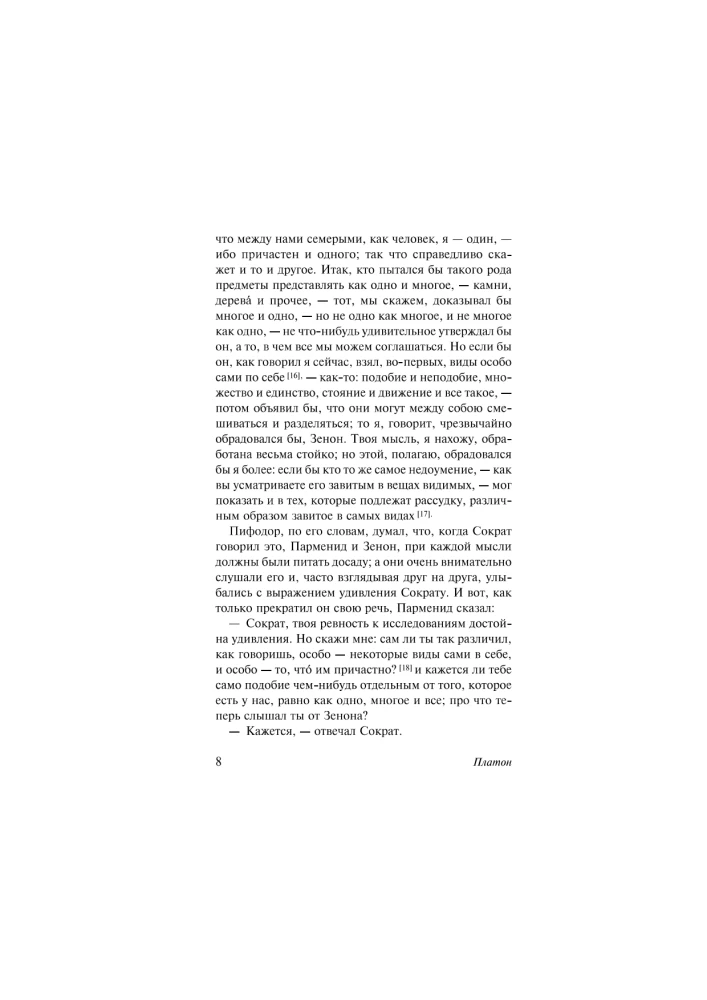
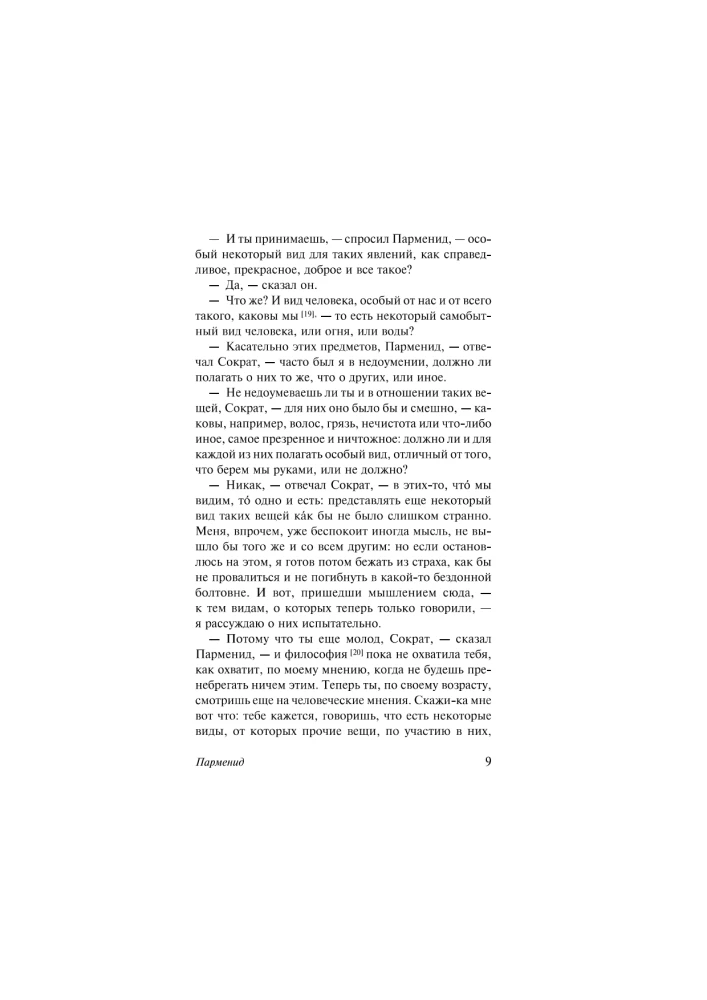
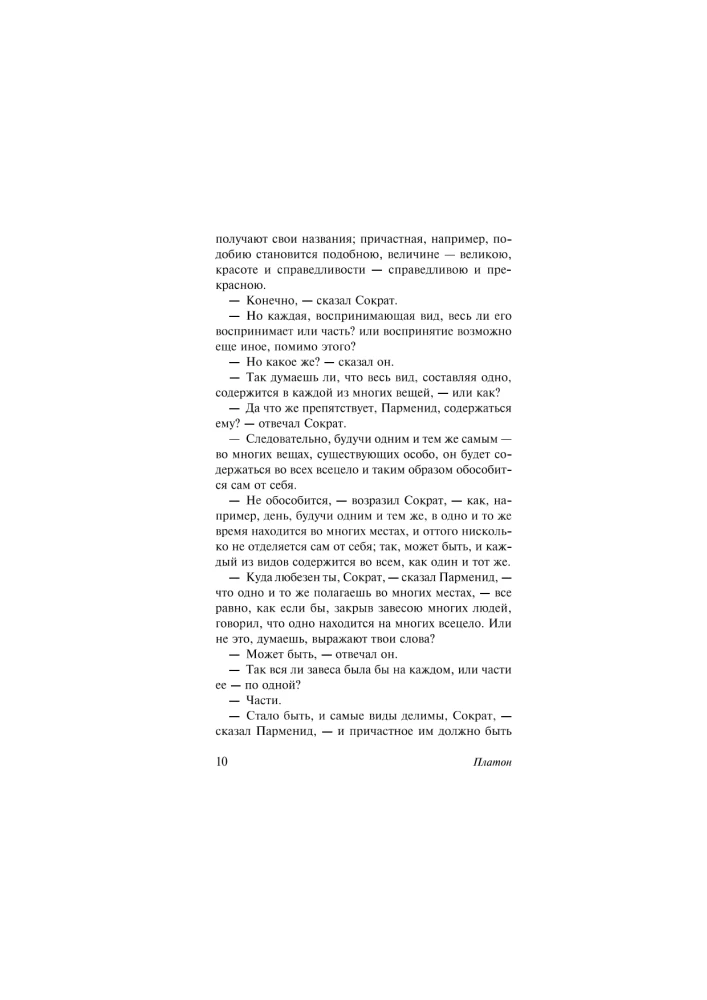
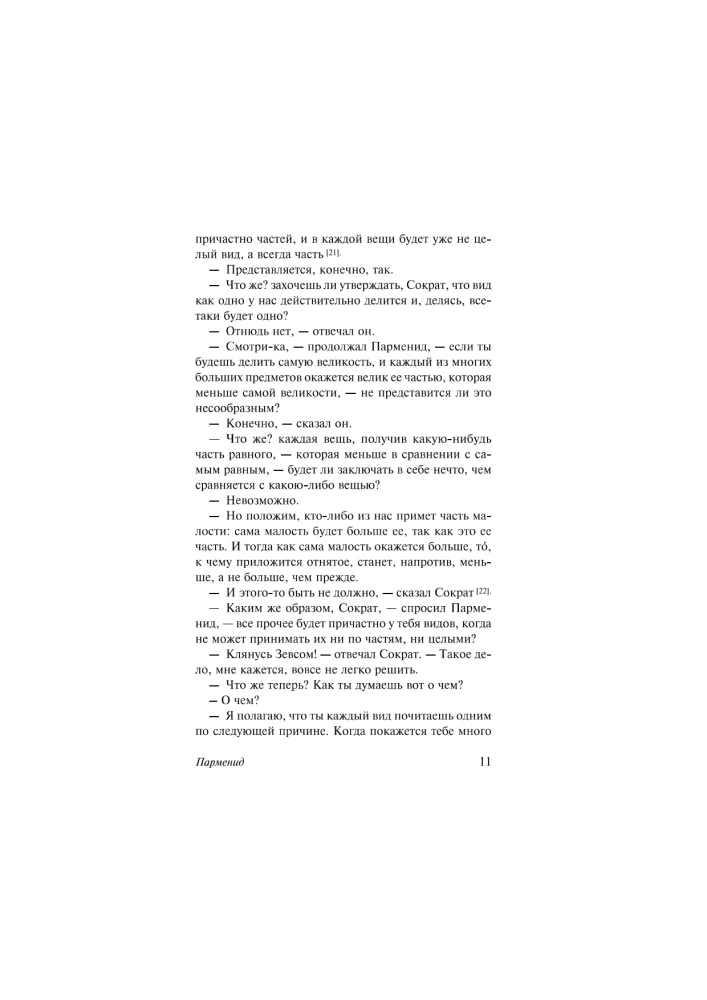
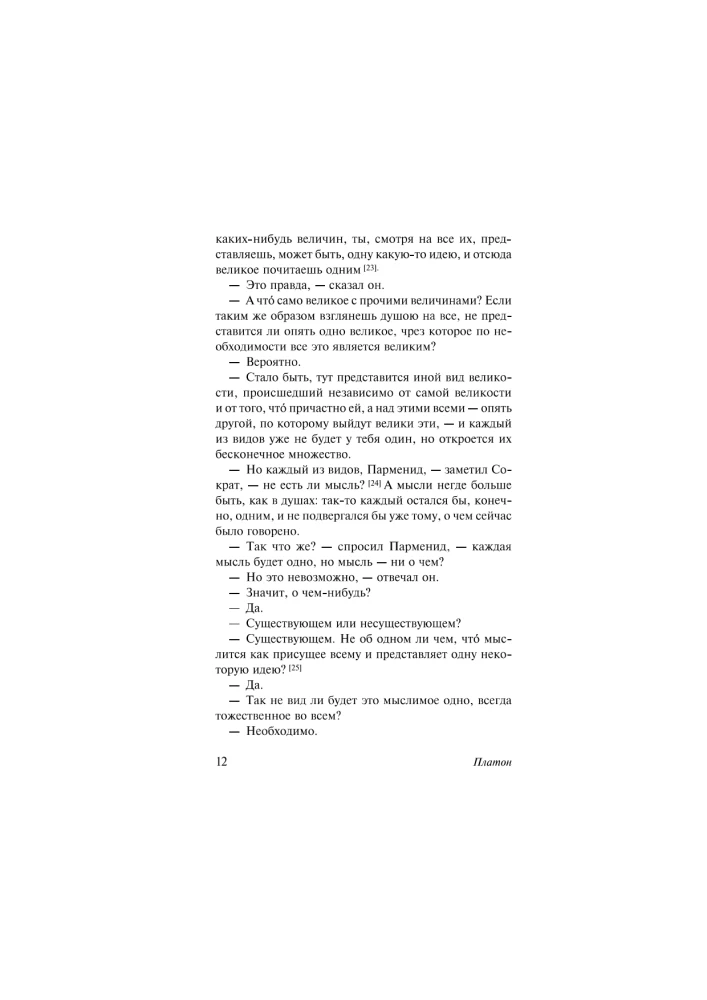
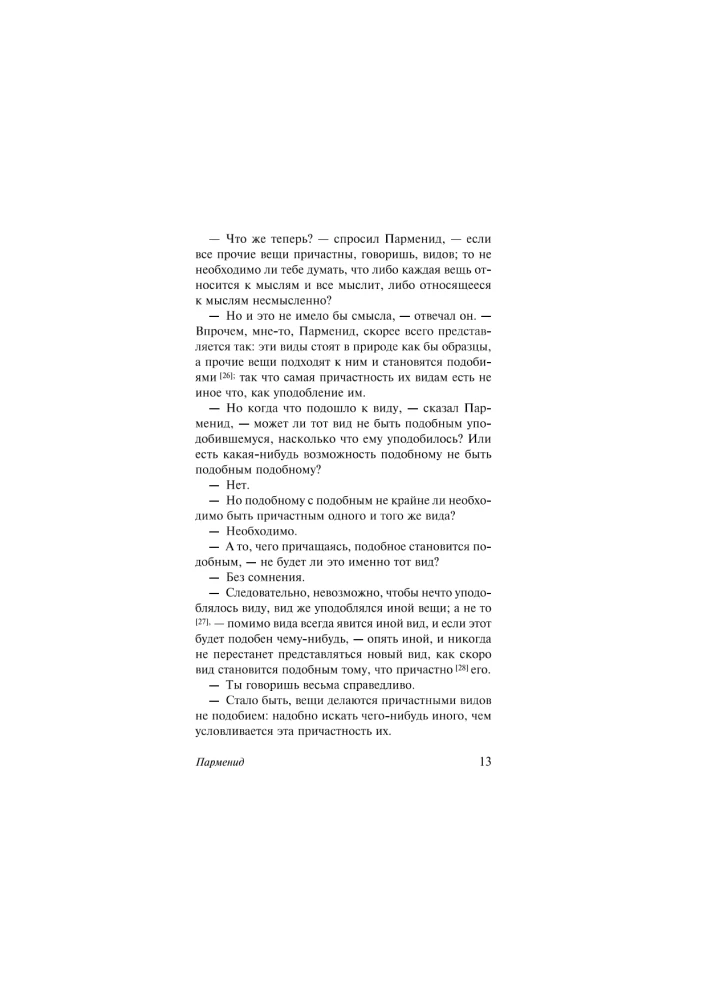
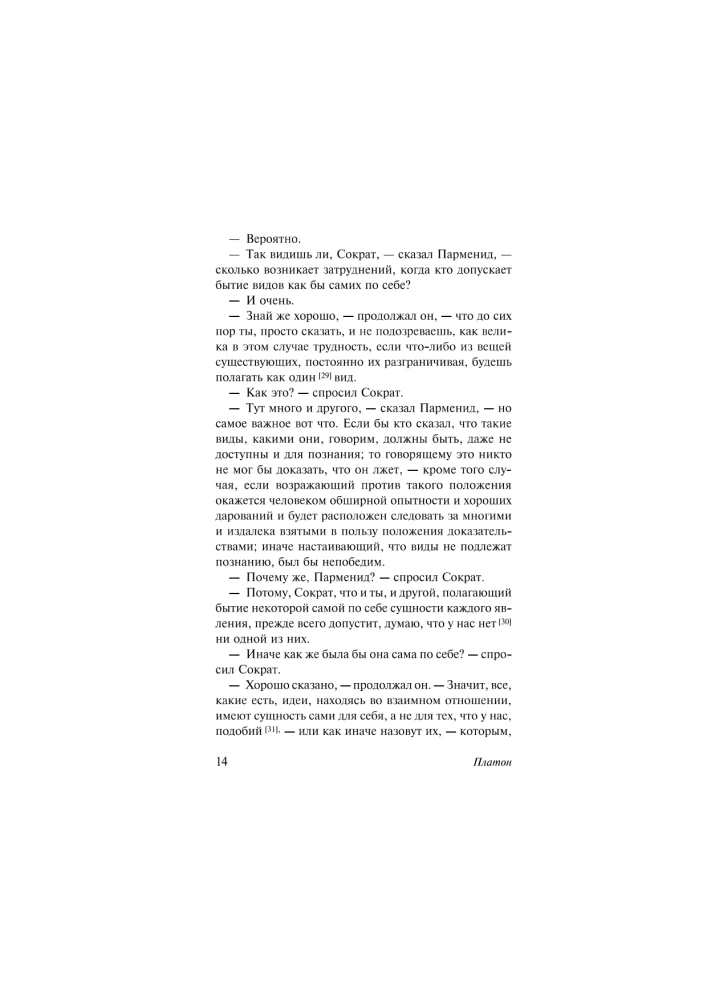
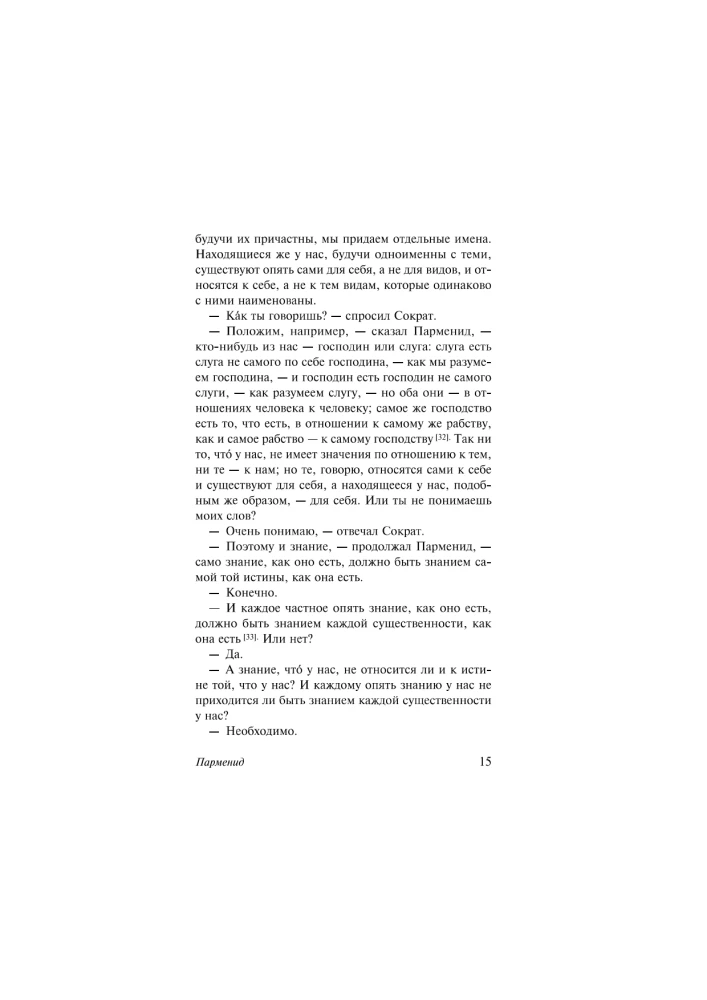
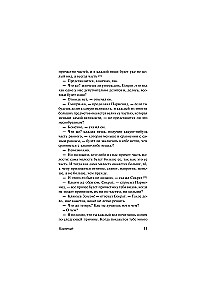
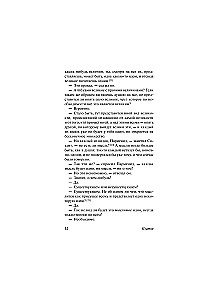
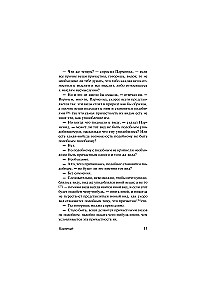
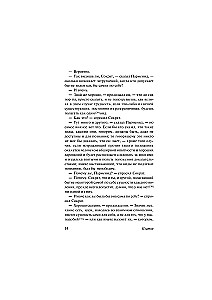
These concepts are discussed by the philosopher in the dialogue "Philebus," arguing that the highest pleasure for a person is philosophical contemplation. For only by finding pleasure in this, like Hegel, having a taste for dialectics and a love for metaphysics, can one delve into the logic of "Parmenides," understand the nature of knowledge in "Theaetetus" and "Cratylus," and discuss laws in "Minos," and justice in "Clitophus," "Hipparchus" and "Adversaries."
1. A collection of the most important dialogues of Plato — one of the greatest thinkers in human history, from whom the formation of philosophy as a system of knowledge began.
2. Plato's reflections on the nature of pleasure, the good, and knowledge remain relevant in the modern world. The book prompts a reconsideration of the true sources of joy and the meaning of life, offering an alternative to superficial pleasures.
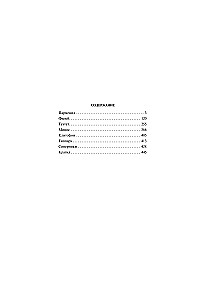
3. In addition to the dialogue "Parmenides" — the central work of the collection — the reader is presented with other important dialogues by Plato: "Philebus," "Theaetetus," "Cratylus," "Minos," "Clitophus," and others. This helps to see the integrity of Platonic thought and trace the interconnection of the philosopher's key concepts.
What is the good for a person? What gives him joy... of existence and pleasure in life?
These concepts are discussed by the philosopher in the dialogue "Philebus," arguing that the highest pleasure for a person is philosophical contemplation. For only by finding pleasure in this, like Hegel, having a taste for dialectics and a love for metaphysics, can one delve into the logic of "Parmenides," understand the nature of knowledge in "Theaetetus" and "Cratylus," and discuss laws in "Minos," and justice in "Clitophus," "Hipparchus" and "Adversaries."
1. A collection of the most important dialogues of Plato — one of the greatest thinkers in human history, from whom the formation of philosophy as a system of knowledge began.
2. Plato's reflections on the nature of pleasure, the good, and knowledge remain relevant in the modern world. The book prompts a reconsideration of the true sources of joy and the meaning of life, offering an alternative to superficial pleasures.
3. In addition to the dialogue "Parmenides" — the central work of the collection — the reader is presented with other important dialogues by Plato: "Philebus," "Theaetetus," "Cratylus," "Minos," "Clitophus," and others. This helps to see the integrity of Platonic thought and trace the interconnection of the philosopher's key concepts.
Author: Платон
Printhouse: AST
Series: Exclusive Classics
Age restrictions: 16+
Year of publication: 2026
ISBN: 9785171838072
Number of pages: 544
Size: 181х117х23 mm
Cover type: soft
Weight: 270 g
ID: 1739485
In stock
€ 5.29
Will be delivered to United States on :
Unfortunately, we are currently unable to deliver orders to your region.
In stock
€ 5.29
Will be delivered to United States on :
Unfortunately, we are currently unable to deliver orders to your region.
Bestsellers






€ 13.29
In stock
12 Weeks in a Year. How to Achieve More in 12 Weeks Than Others Do in 12 Months
Майкл Леннингтон, Брайан Моран

€ 7.89
In stock
Choice. On the Freedom and Inner Strength of a Person
Эдит Ева Эгер, Эсме Швалль-Вейганд




€ 6.99
In stock



Publishers "AST" recommends







Bestseller
€ 16.49
In stock
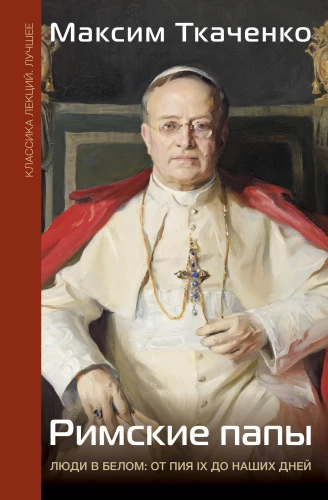
Roman Popes. People in White: From Pius IX to Present Day
Максим Ткаченко