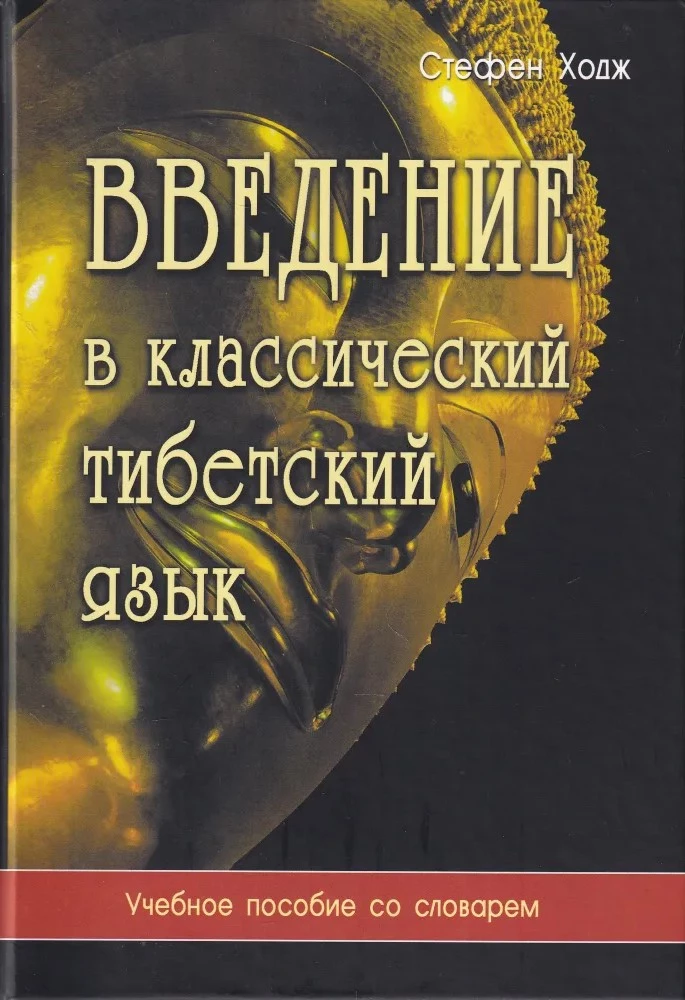
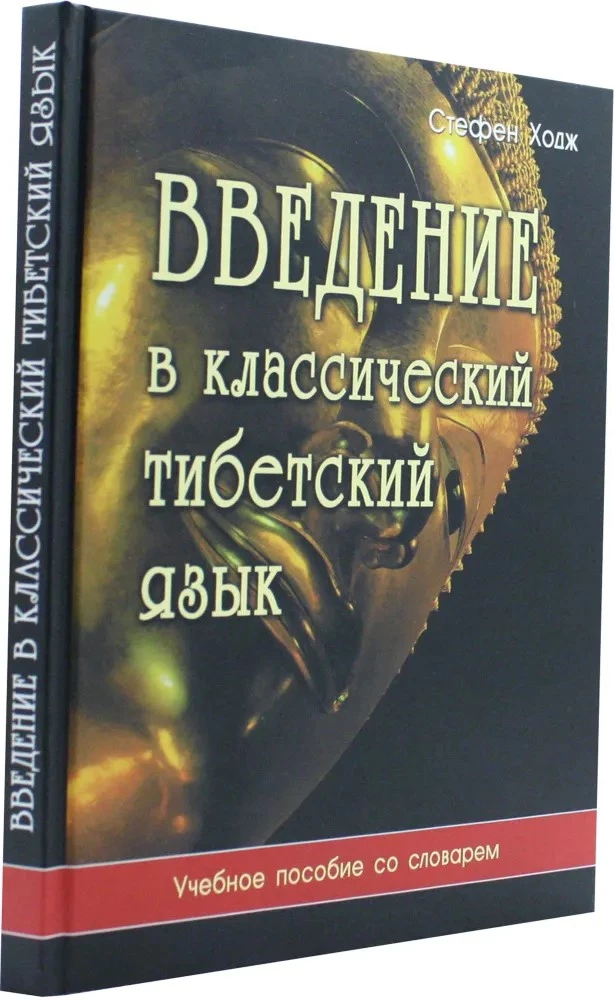
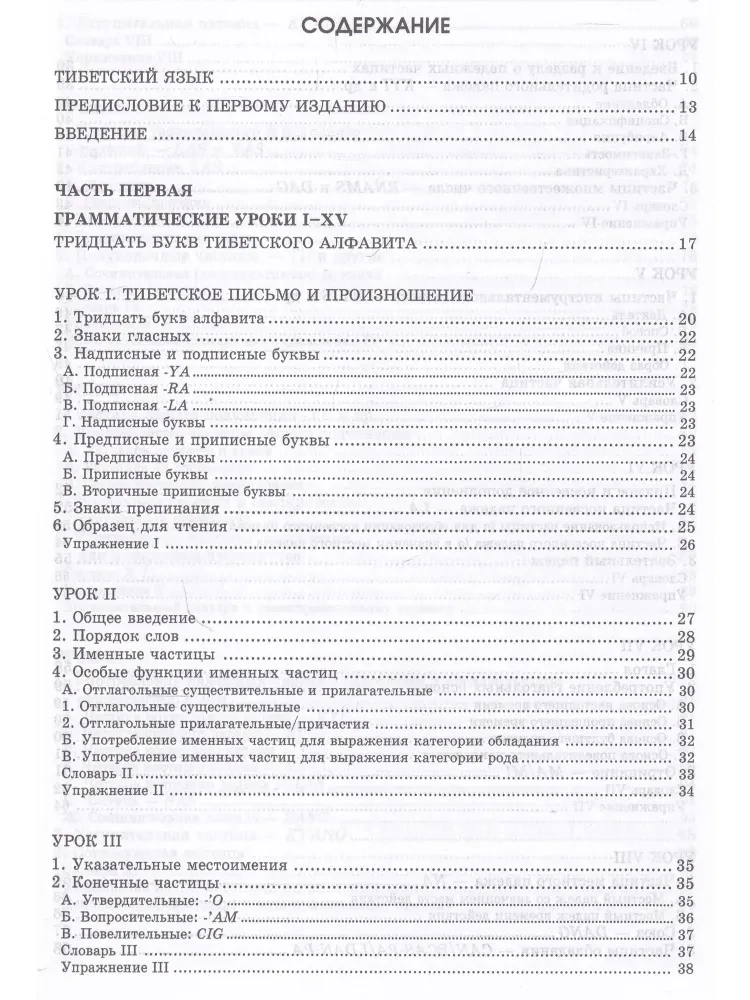
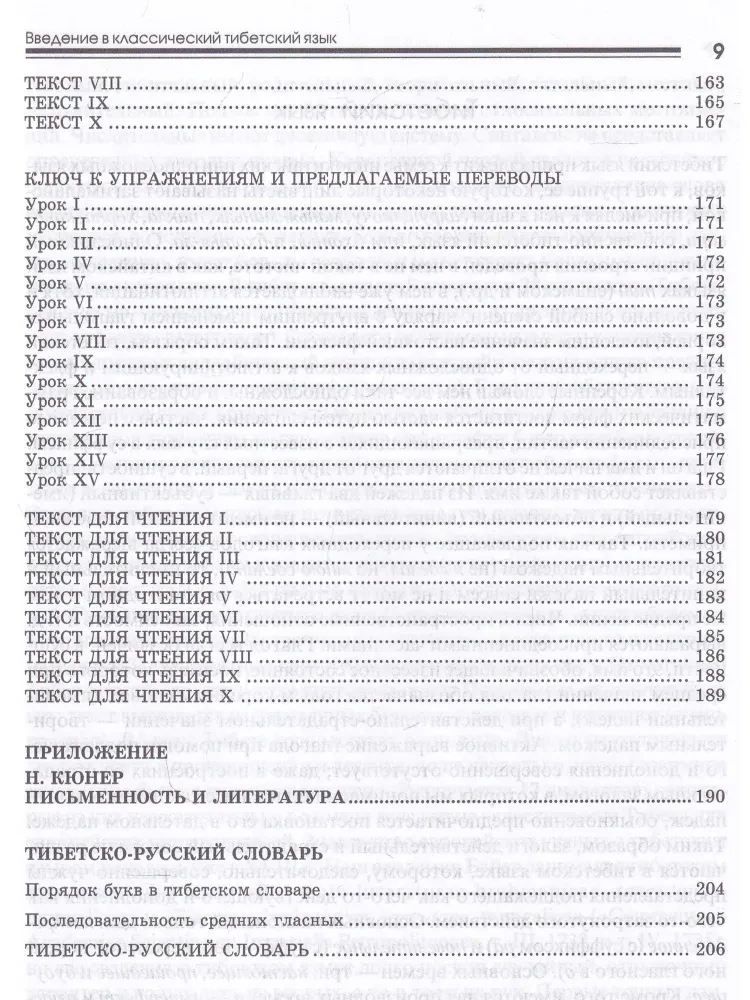
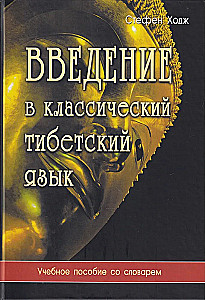
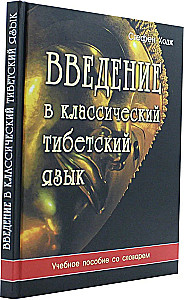
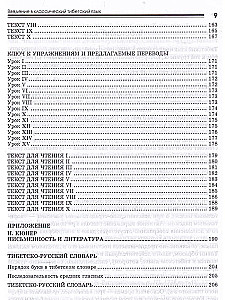
Introduction to Classical Tibetan Language. A Handbook with a Dictionary
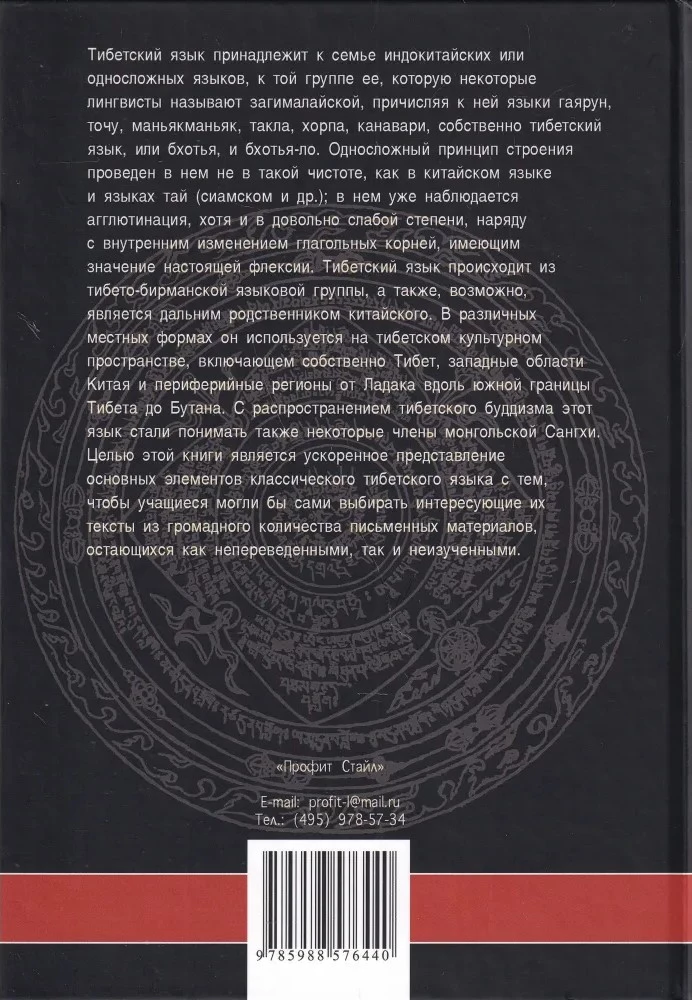
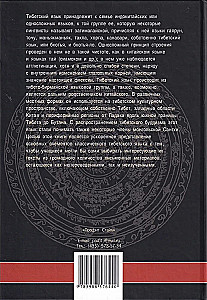
The Tibetan language belongs to the family of Indo-Chinese or monosyllabic languages, to that group of it which some linguists call Himalayan, including the languages of Gayrun, Tochu, Maniakmanak, Takla, Khorpa, Kanavari, the Tibetan language itself, or Bhotya, and Bhotya-lo....
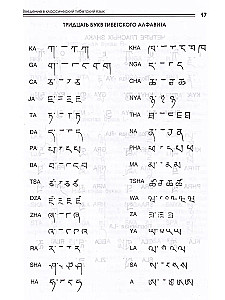
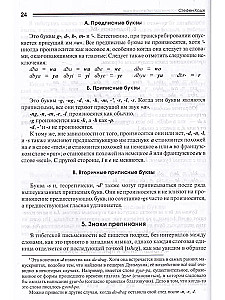
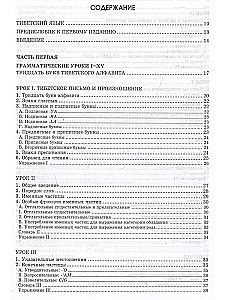
The monosyllabic principle of structure is not carried out in it as purely as in the Chinese language and the Tai languages (Siamese, etc.); agglutination is already observed, albeit to a rather weak degree, alongside internal changes of verbal roots, which have the meaning of a true inflection. The Tibetan language comes from the Tibeto-Burman language group and may also be a distant relative of Chinese. In various local forms, it is used in the Tibetan cultural space, encompassing Tibet proper, the western regions of China, and the peripheral areas from Ladakh along the southern border of Tibet to Bhutan. With the spread of Tibetan Buddhism, this language began to be understood by some members of the Mongolian Sangha as well. The aim of this book is to quickly present the basic elements of the classical Tibetan language so that students can choose texts of interest from the vast amount of written materials that remain both untranslated and unexplored.
Author: Стефен Ходж
Printhouse: Profit Stail
Age restrictions: 16+
Year of publication: 2023
ISBN: 9785988576440
Number of pages: 240
Size: 243x170x15 mm
Cover type: hard
Weight: 434 g
ID: 1729926
Sold out
€ 23.39
Sold out
€ 23.39
Bestsellers




Bestseller
€ 12.19
In stock
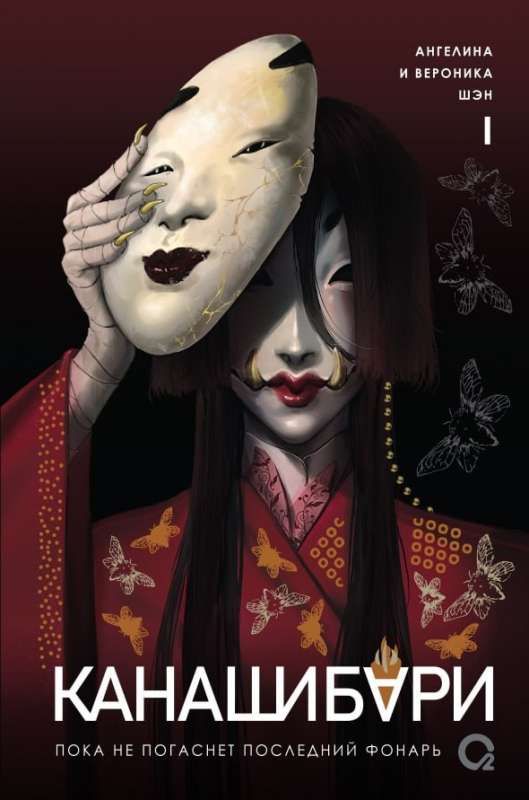
Kanashibari. Until the Last Lantern Goes Out. Volume 1
Ангелина Шэн, Вероника Шэн