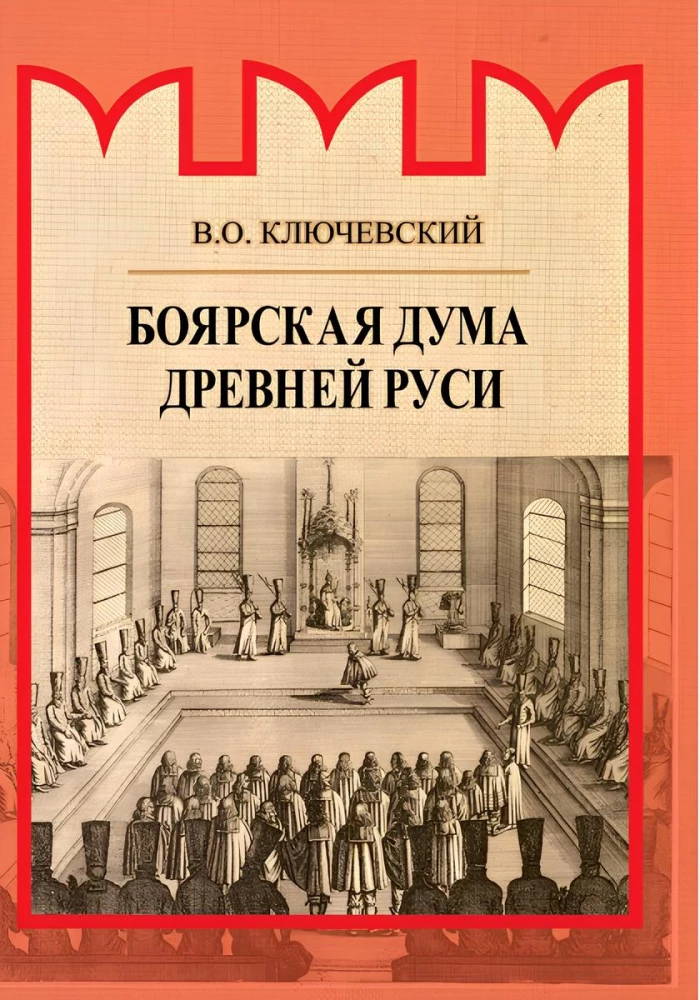
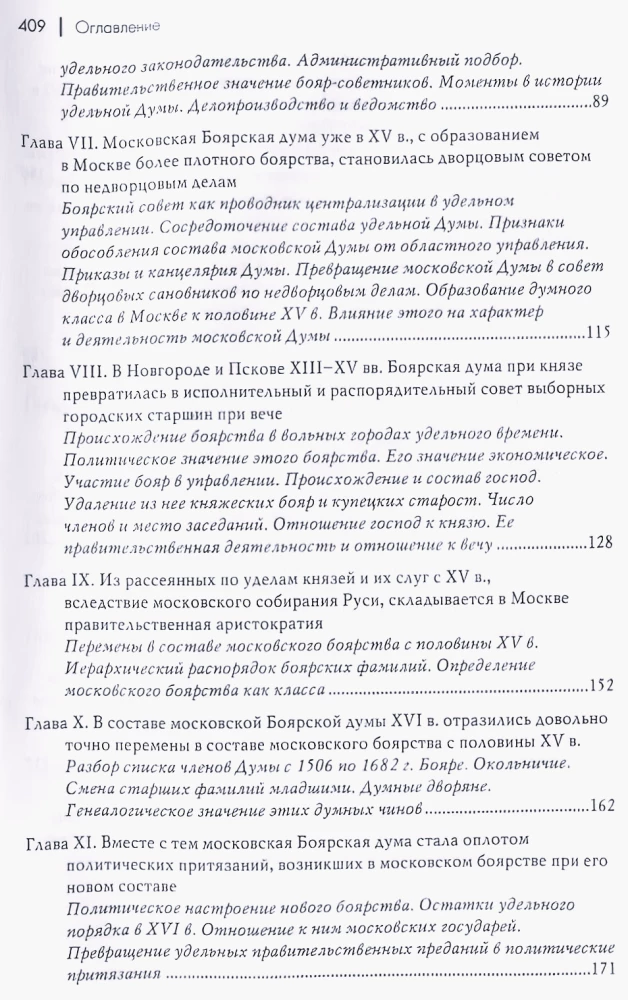
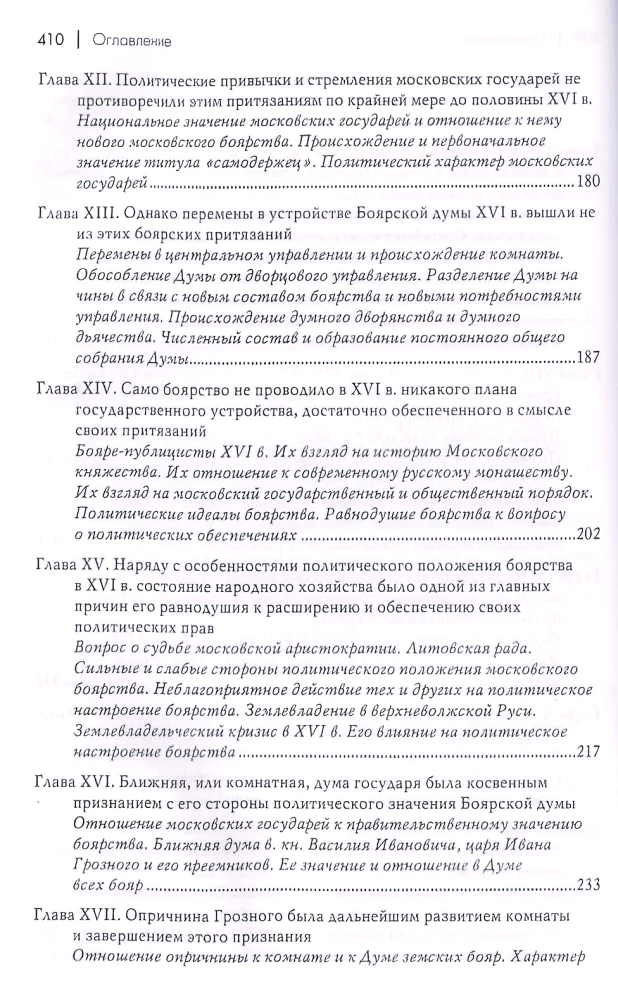
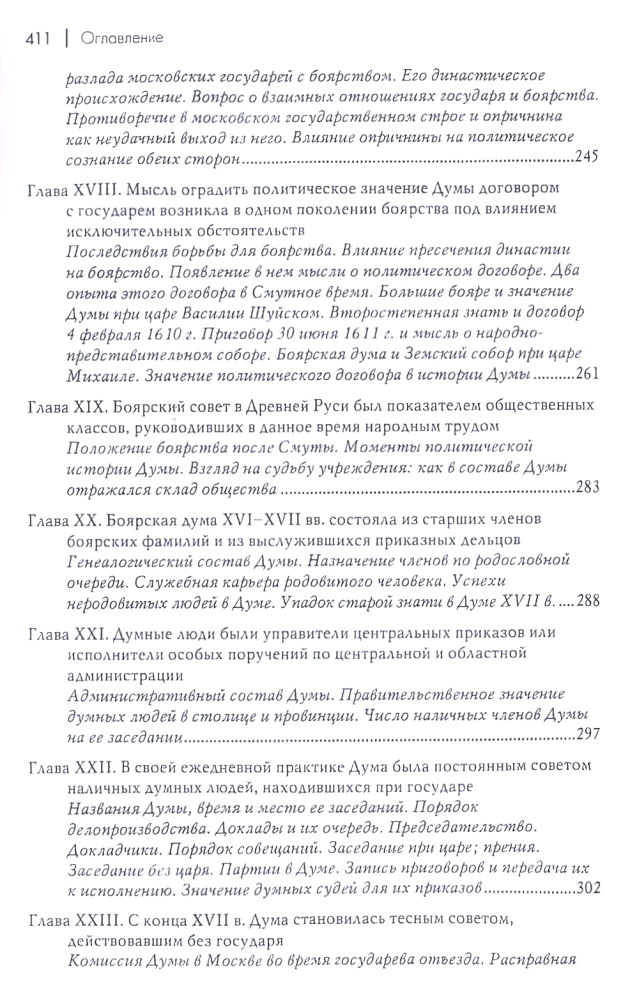
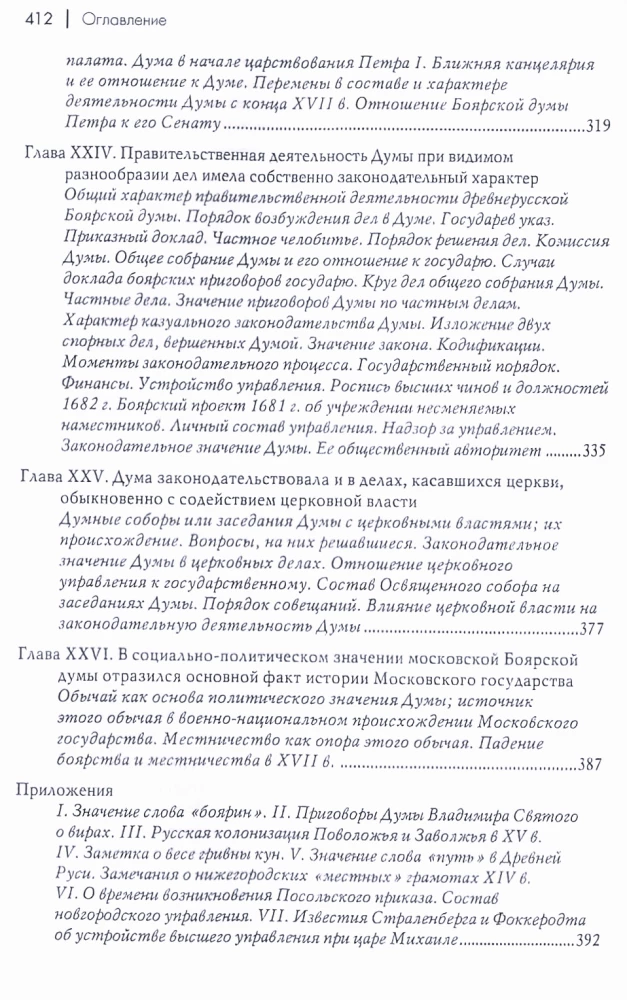
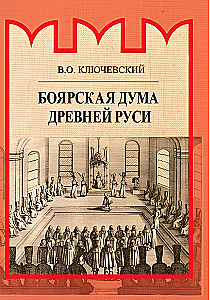
The Boyar Duma of Ancient Russia
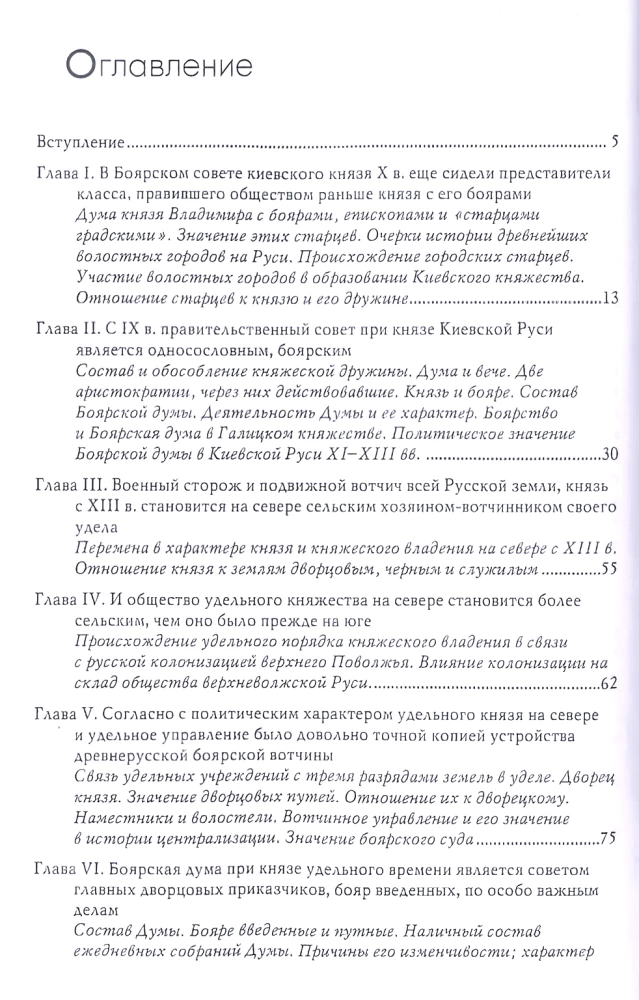
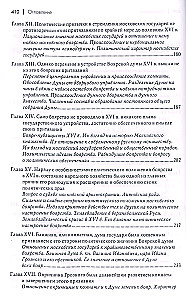
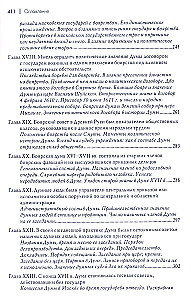
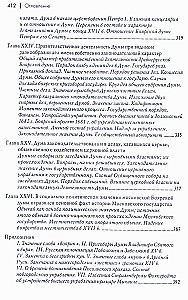
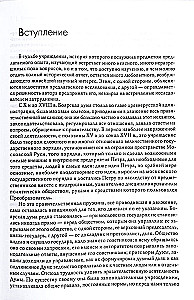
By calling the Boyar Duma the "mighty wheel of ancient Russian administration," Klyuchevsky provides a colossal panorama of public life in Russia from ancient times to the end of the 17th century. The formation of cities around the trading centers...
of the Great Waterway, the origin and essence of the princedom order in North-Eastern Russia, the composition and political role of the Moscow boyars, Moscow absolutism, the bureaucratic mechanism of the Moscow state in the 16th–17th centuries — all this is accompanied by a thorough socio-economic analysis. In front of the reader of the "Boyar Duma," live typological figures of ancient Russian history pass by: there is the principality boss — a miser, the noisy but firmly squeezed in the capitalist fist Novgorod peasant — the "vechnik," and the Moscow boyar — the prince who knows his governmental worth, proud of his Yaroslavl genealogical past and bitterly condemning tsarist autocracy, there is also the Moscow tsar himself, ruling together with the boyars, sending them on "far-reaching" campaigns, and in a moment of personal goodwill, angrily pushing them out of the Duma meeting, and there is the "peasant" — the eternal payer, trying to hide, to "get rid of" the payment, but constantly caught by the increasingly frequent fiscal net, the tsar's "orphan."
The book can be recommended to a wide readership.
The book can be recommended to a wide readership.
Author: Василий Ключевский
Printhouse: Akademicheskii proekt
Series: History of Russia: Moscow Rus
Age restrictions: 16+
Year of publication: 2018
ISBN: 9785829121426
Number of pages: 412
Size: 216х153х20 mm
Cover type: hard
Weight: 540 g
ID: 1726515
Sold out
€ 12.29
Sold out
€ 12.29
Bestsellers





€ 13.29
In stock
12 Weeks in a Year. How to Achieve More in 12 Weeks Than Others Do in 12 Months
Майкл Леннингтон, Брайан Моран

€ 7.89
In stock
Choice. On the Freedom and Inner Strength of a Person
Эдит Ева Эгер, Эсме Швалль-Вейганд





€ 6.99
In stock