

Anti-Oedipus. Capitalism and Schizophrenia. Volume 1
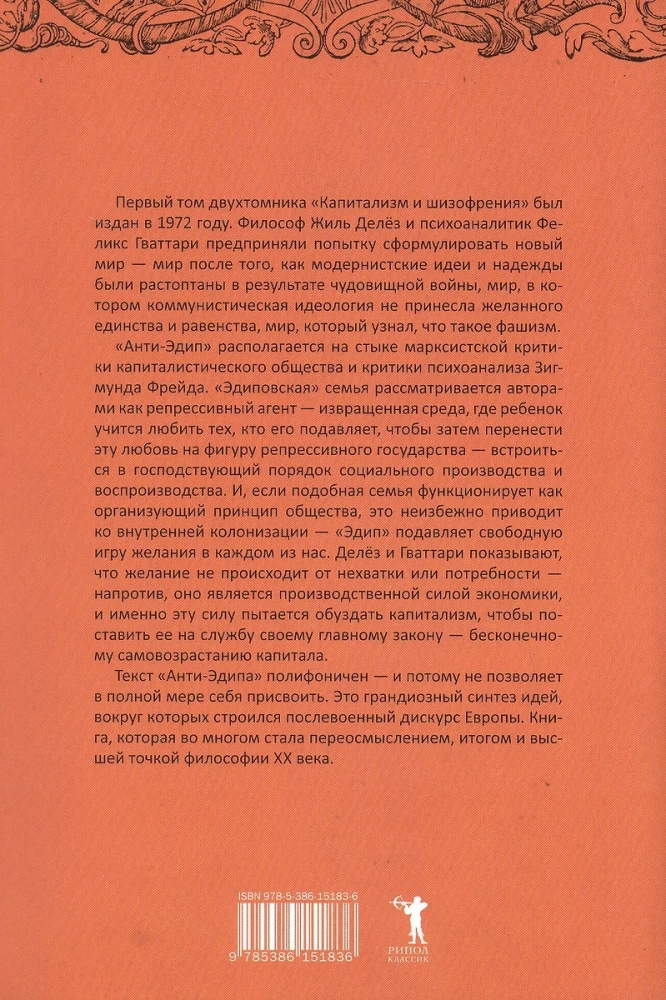
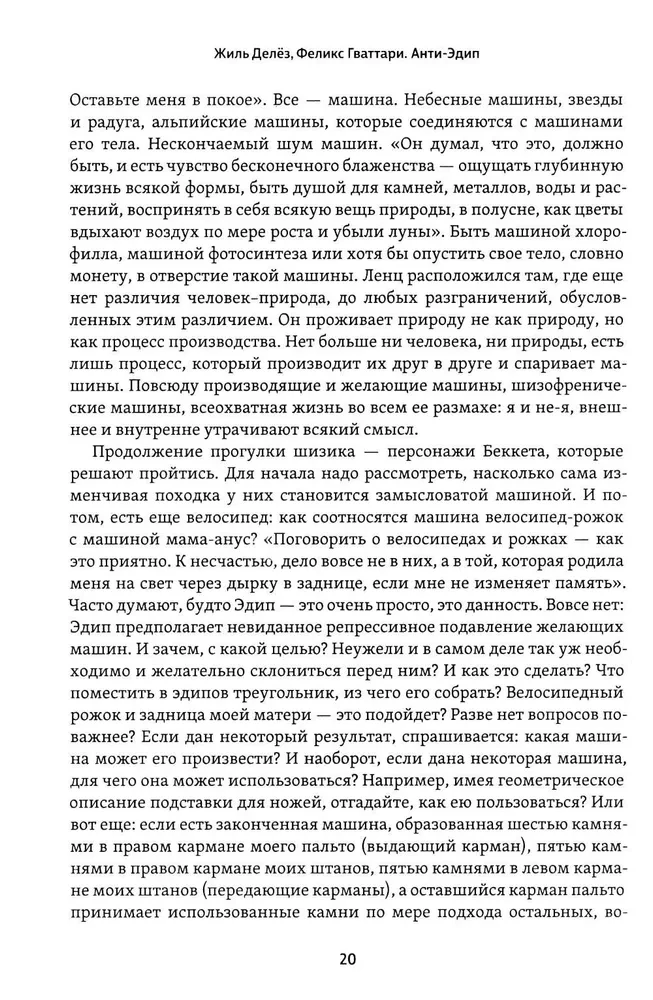
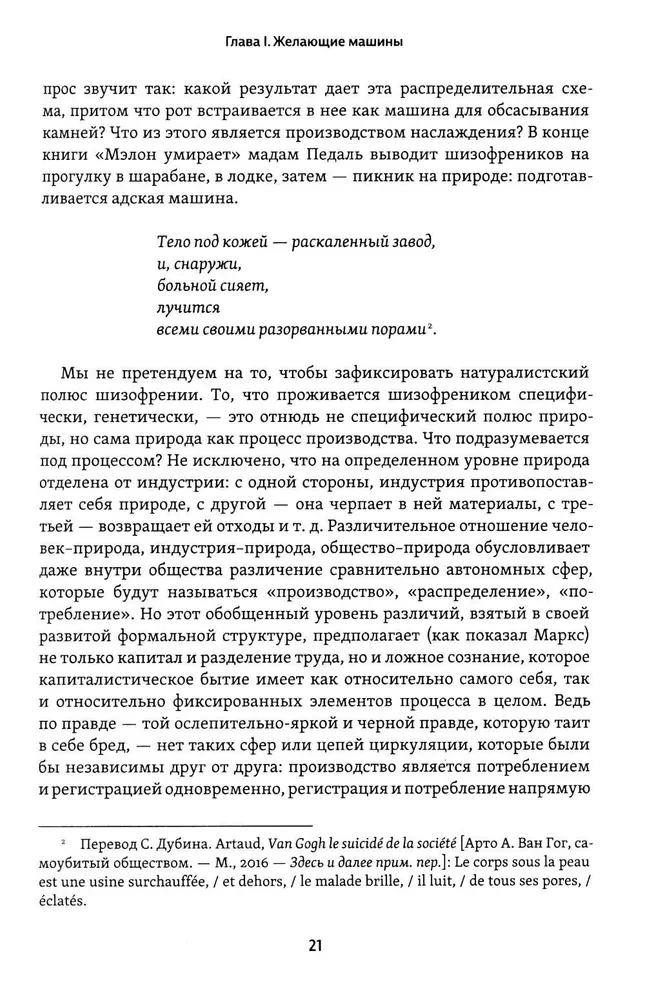
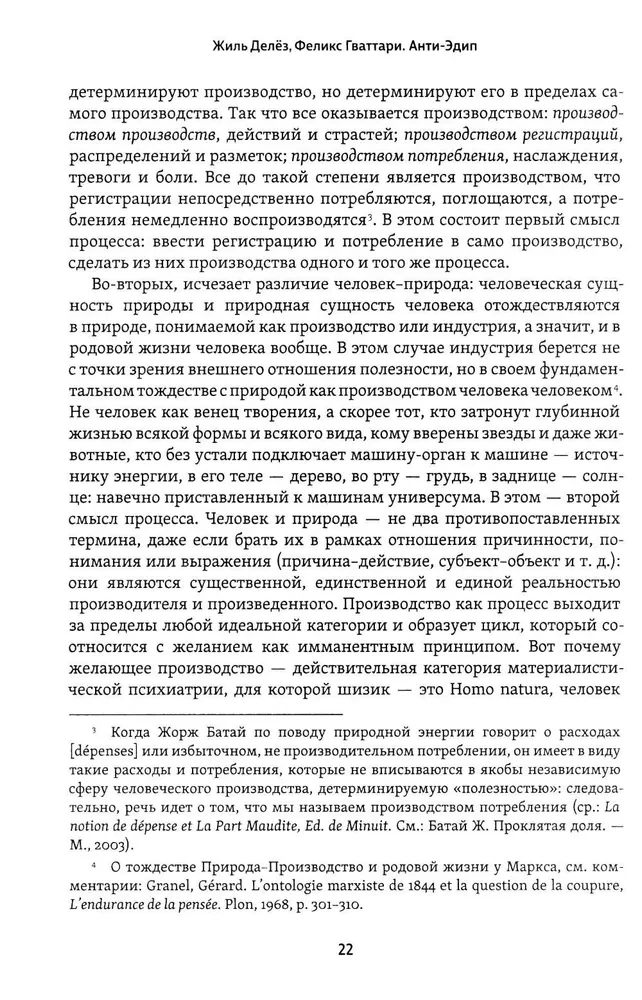
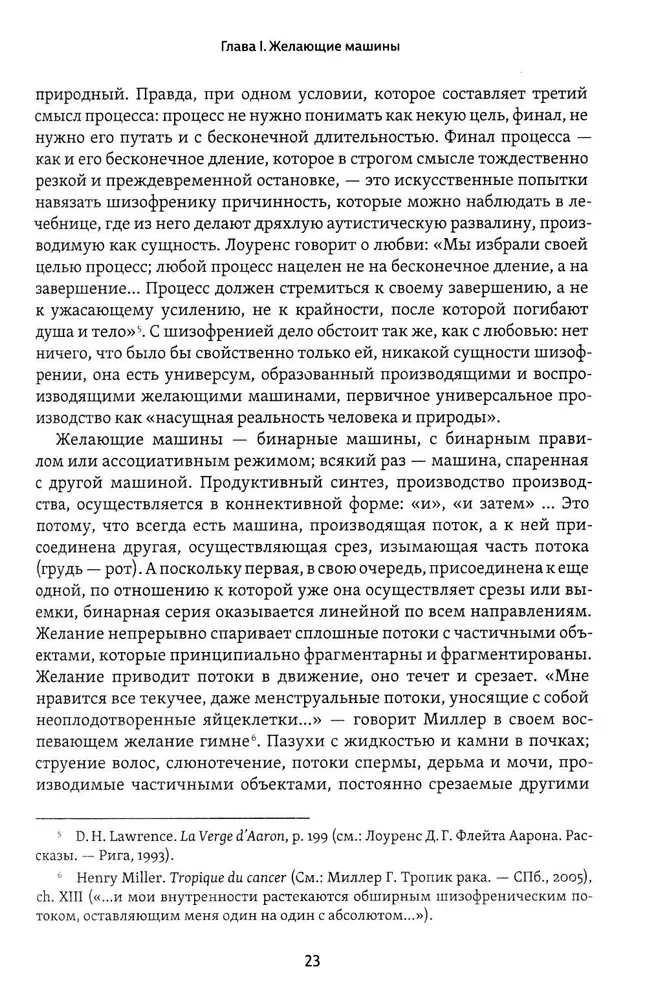
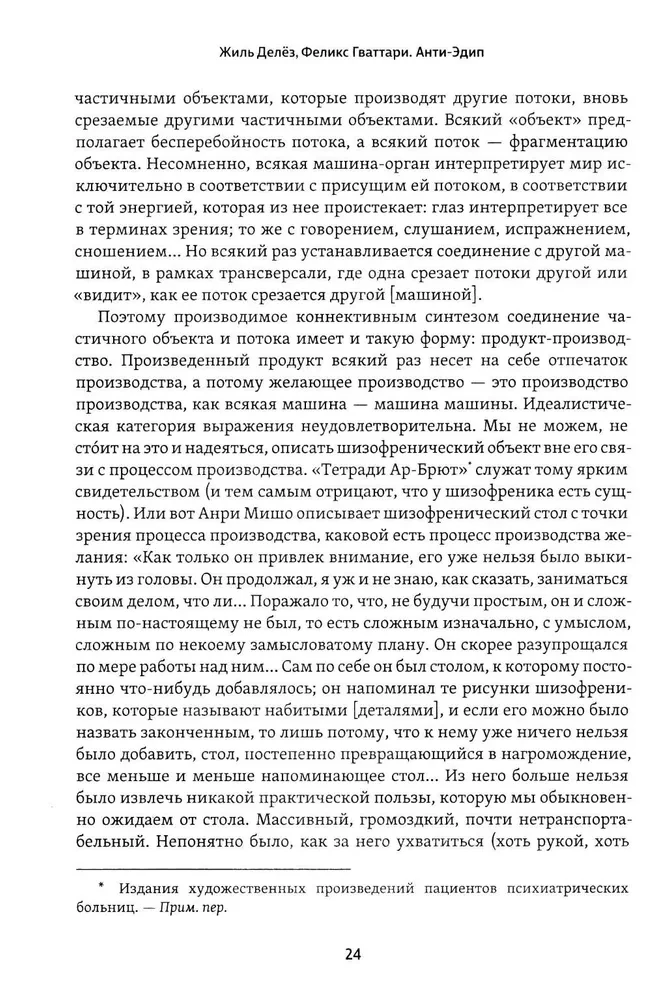
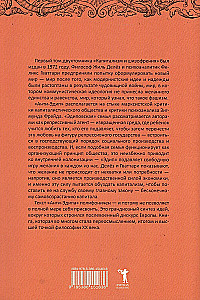
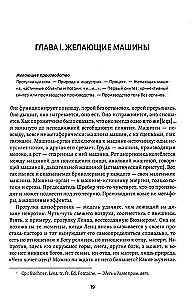
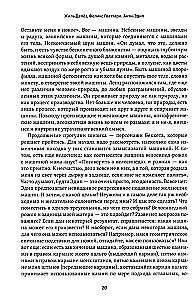
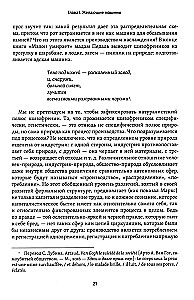
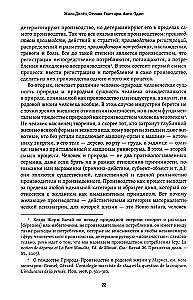
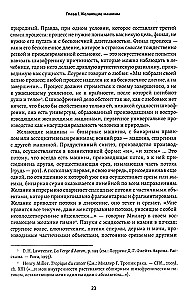
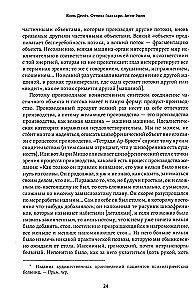
"The first volume of the two-volume work 'Capitalism and Schizophrenia' was published in 1972. The philosopher Gilles Deleuze and the psychoanalyst Félix Guattari attempted to formulate a new world — a world after modernist ideas and hopes have been trampled...
in the aftermath of a monstrous war, a world in which communist ideology did not bring about the desired unity and equality, a world that has learned what fascism is..
'Anti-Oedipus' lies at the intersection of Marxist criticism of capitalist society and the critique of Sigmund Freud's psychoanalysis. The 'Oedipal' family is viewed by the authors as a repressive agent — a perverse environment in which a child learns to love those who oppress him, only to transfer that love onto the figure of the repressive state — to fit into the dominant order of social production and reproduction. And if such a family functions as the organizing principle of society, this inevitably leads to internal colonization — 'Oedipus' represses the free play of desire within each of us. Deleuze and Guattari show that desire does not stem from lack or need — on the contrary, it is a productive force of the economy, and it is this force that capitalism seeks to harness to serve its main law: the infinite self-increase of capital.
The text of 'Anti-Oedipus' is polyphonic — and therefore does not allow itself to be fully appropriated. It is a grand synthesis of ideas around which the post-war discourse in Europe was built — a book that has largely become a rethinking, a culmination and the pinnacle of 20th-century philosophy."
'Anti-Oedipus' lies at the intersection of Marxist criticism of capitalist society and the critique of Sigmund Freud's psychoanalysis. The 'Oedipal' family is viewed by the authors as a repressive agent — a perverse environment in which a child learns to love those who oppress him, only to transfer that love onto the figure of the repressive state — to fit into the dominant order of social production and reproduction. And if such a family functions as the organizing principle of society, this inevitably leads to internal colonization — 'Oedipus' represses the free play of desire within each of us. Deleuze and Guattari show that desire does not stem from lack or need — on the contrary, it is a productive force of the economy, and it is this force that capitalism seeks to harness to serve its main law: the infinite self-increase of capital.
The text of 'Anti-Oedipus' is polyphonic — and therefore does not allow itself to be fully appropriated. It is a grand synthesis of ideas around which the post-war discourse in Europe was built — a book that has largely become a rethinking, a culmination and the pinnacle of 20th-century philosophy."
Author: Феликс Гваттари, Жиль Делёз
Series: Figures of Philosophy 2.0
Age restrictions: 18+
Year of publication: 2025
ISBN: 9785386151836
Number of pages: 512
Size: 243х170х28 mm
Cover type: hard
Weight: 790 g
ID: 1702130
Available from suppliers
Expected delivery time is about 3 weeks
€ 26.99
Available from suppliers
Expected delivery time is about 3 weeks
€ 26.99
Bestsellers








€ 7.89
In stock
Choice. On the Freedom and Inner Strength of a Person
Эдит Ева Эгер, Эсме Швалль-Вейганд




€ 6.99
In stock