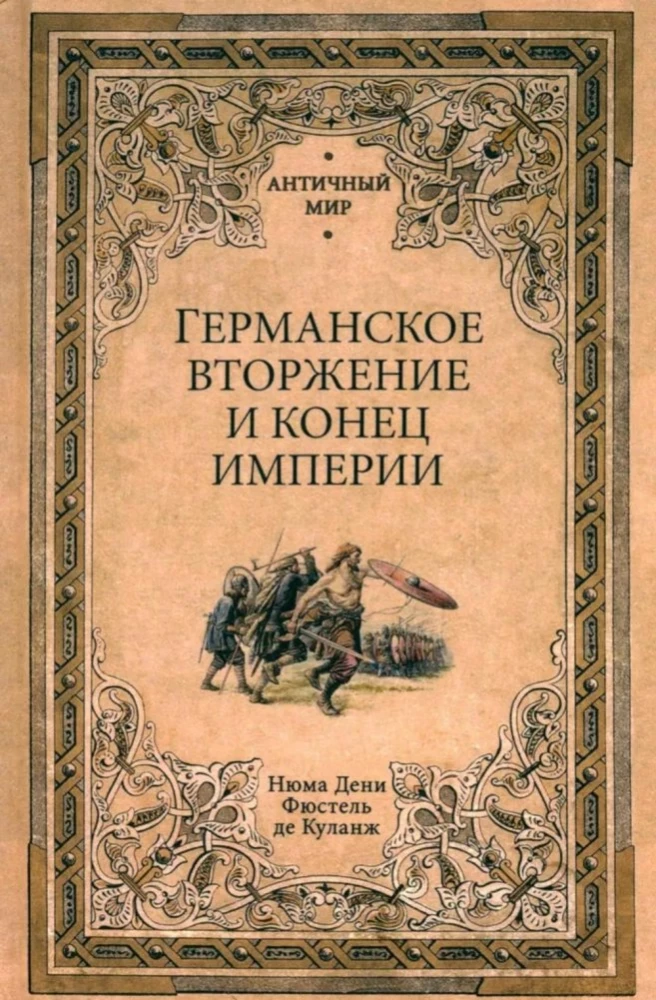
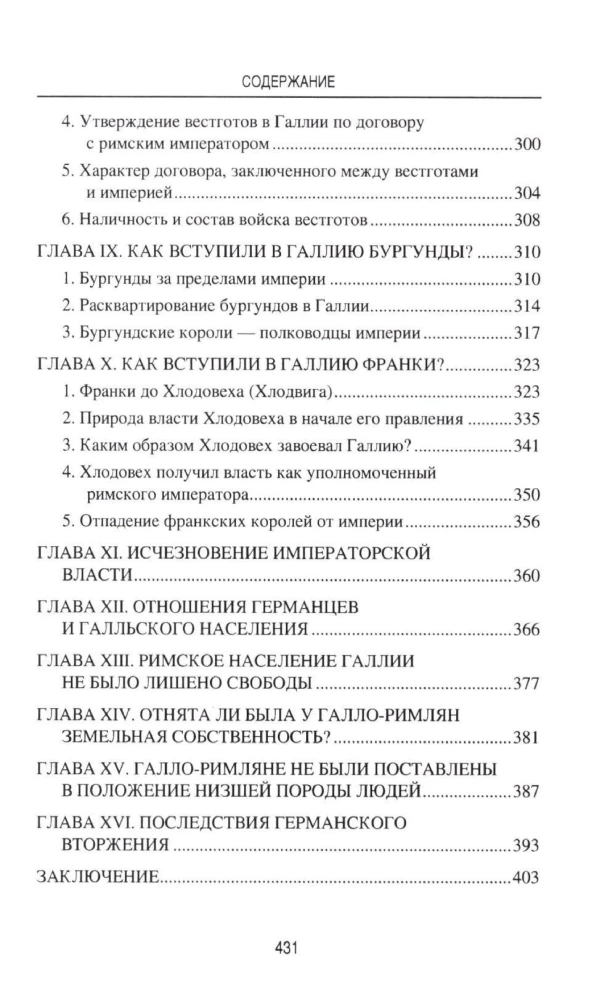
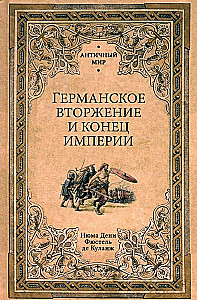
German Invasion and the End of the Empire
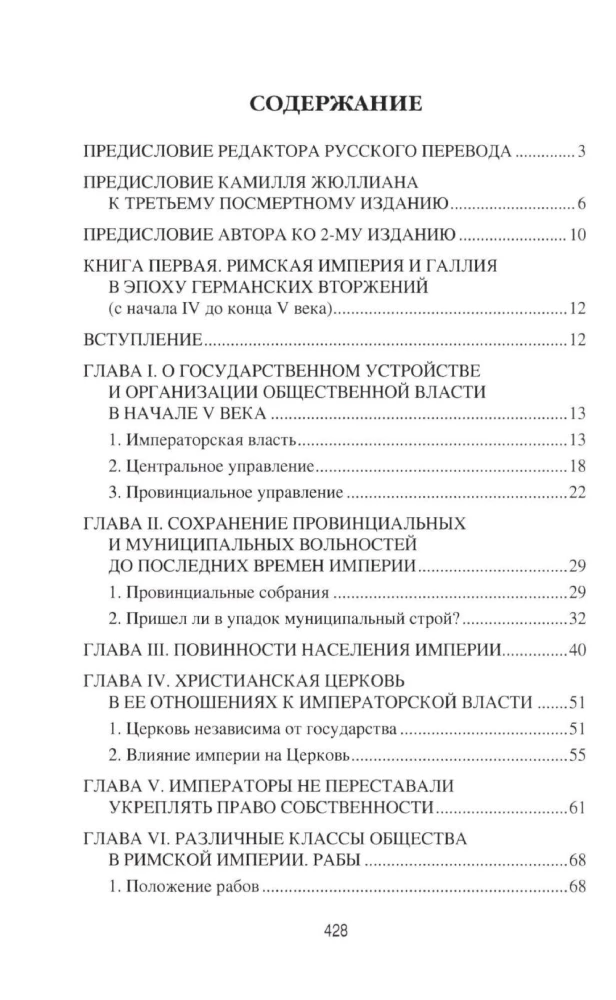
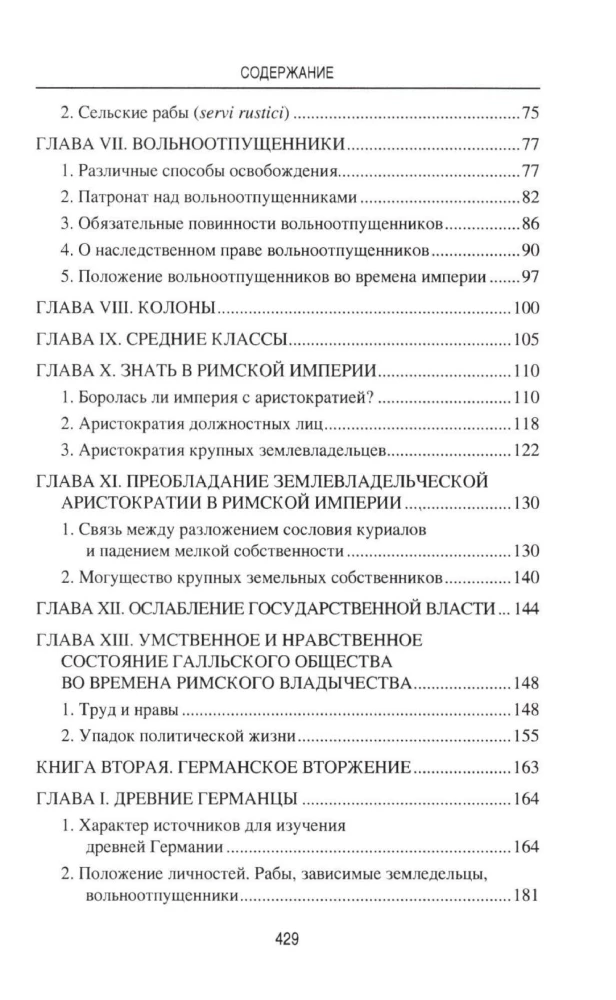
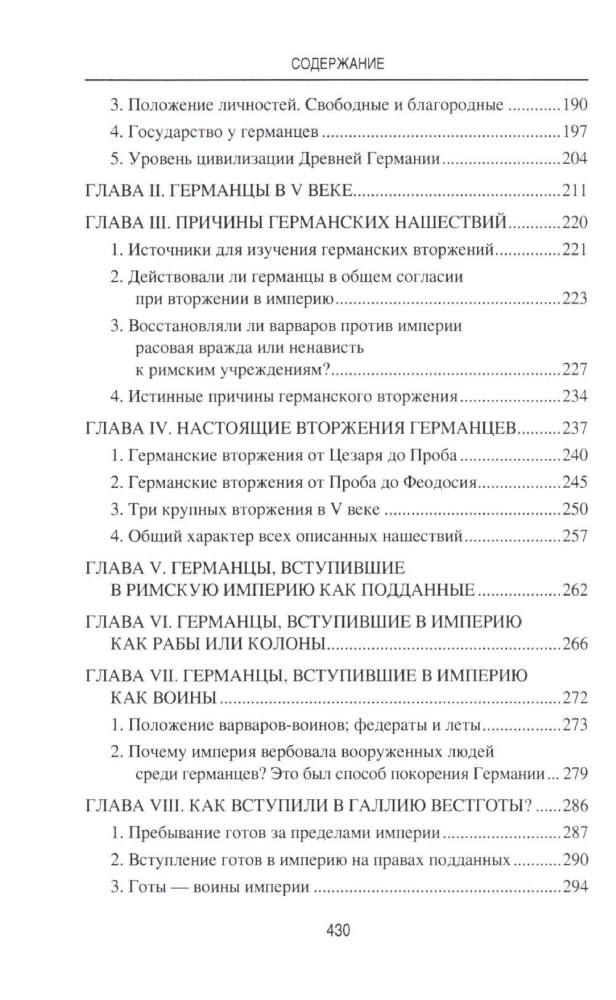
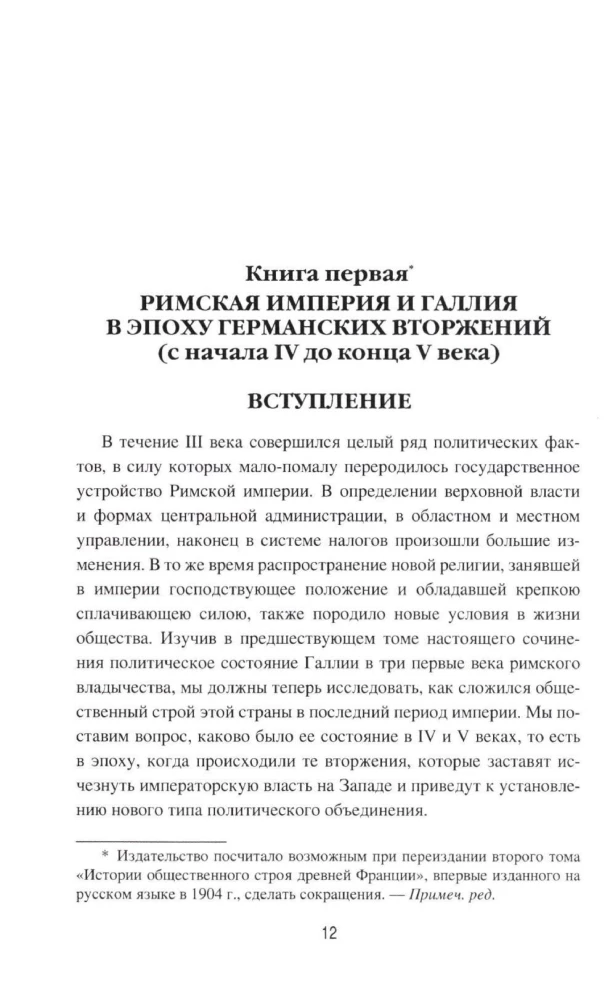
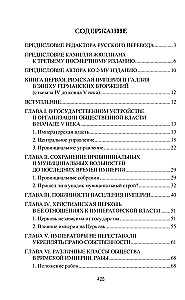
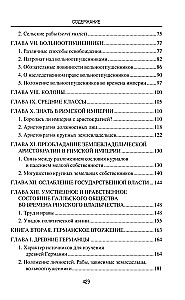
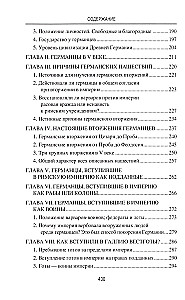
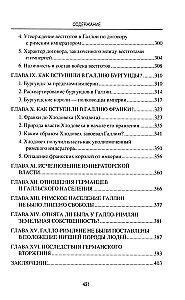
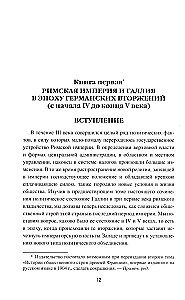
The present edition features the second volume of the fundamental work "History of the Social Structure of Ancient France" by the outstanding French historian of the 19th century, Numa Denis Fustel de Coulanges. The book discusses the 4th-5th centuries AD...
- a complex period in the existence of Roman Gaul and the empire itself. During this time, a powerful aristocracy emerges in Gaul. Emperors still exist, but obedience to them disappears, and the balance shifts in favor of large landowners. However, this class was inept at both fighting and ruling. During this period, the barbarians, in the form of Germanic tribes, posed a greater threat to Gaul than ever before. Disparate groups poured into the empire, and their extraordinary mobility bewildered Roman military leaders. Many barbarian groups traversed Gaul, plundering it. The only tribes that managed to settle in it were the Visigoths, Burgundians, and Franks. The Visigoths occupied the southwestern lands, the Burgundians - the Rhone basin, and the Franks settled in northern Gaul. All this occurred in agreement with the Romans. Officially, they were Roman soldiers, not conquerors. The guest-barbarians, as they were called, were often dangerous, sometimes useful, but they were not masters.
Author: Нюма Дени Фюстель де Куланж
Printhouse: Veche
Series: The Ancient World
Age restrictions: 12+
Year of publication: 2024
ISBN: 9785448450631
Number of pages: 432
Size: 130x210x27 mm
Cover type: hard
Weight: 536 g
ID: 1695848
Sold out
€ 13.39
Sold out
€ 13.39
Bestsellers











€ 5.19
In stock

€ 9.29
In stock
Choice. On the Freedom and Inner Strength of a Person
Эдит Ева Эгер, Эсме Швалль-Вейганд