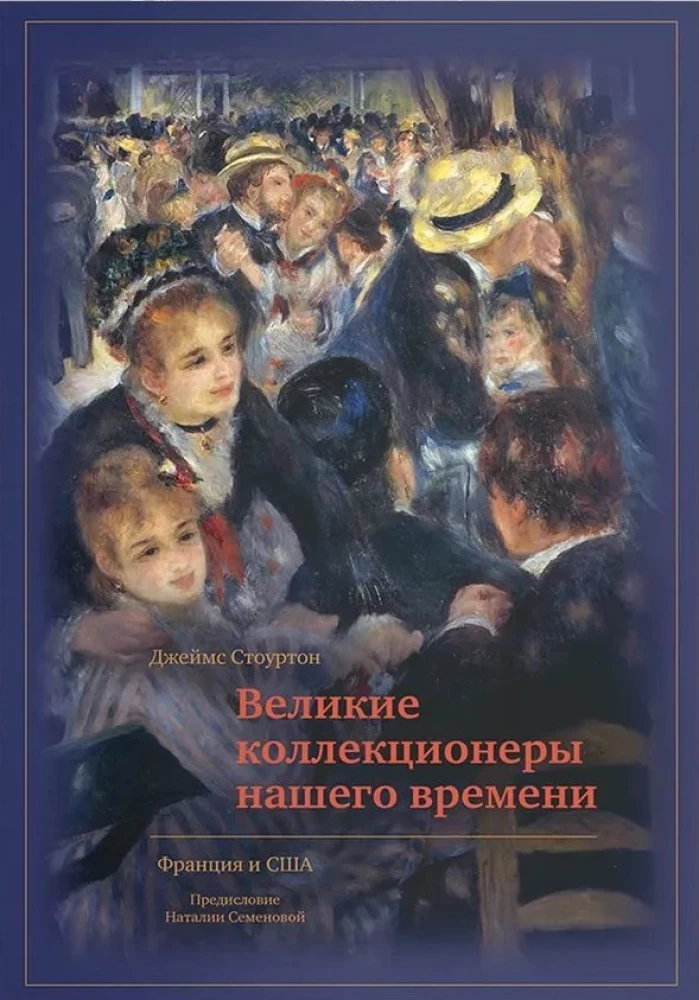



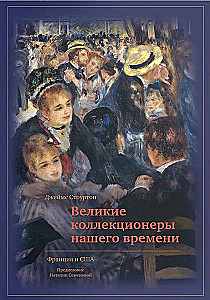


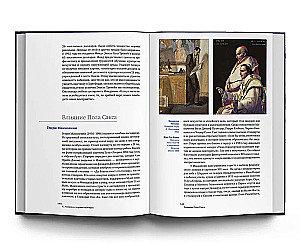
Great Collectors of Our Time. France and the USA
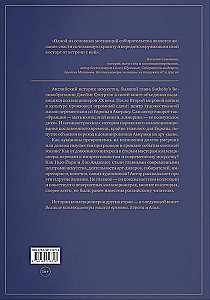
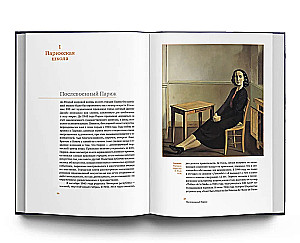
After World War II, there was a huge shift in culture: the center of artistic life moved from Europe to America. The author himself states: "France is the mother and father of this book, and America is its mature child."...
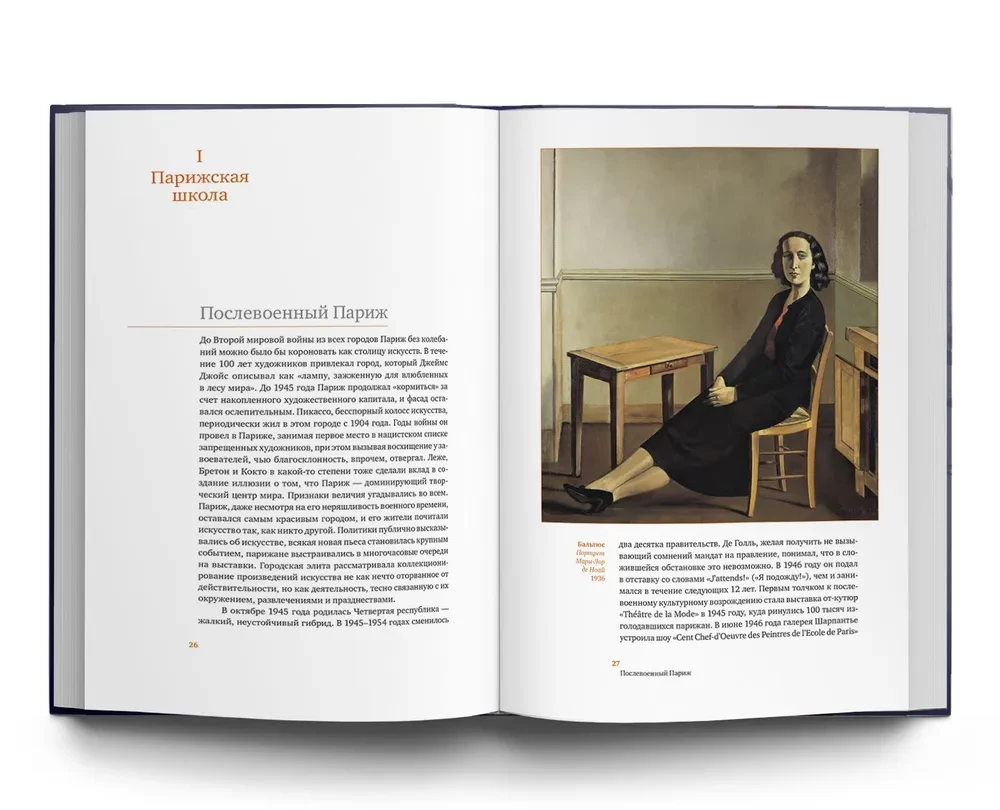
He begins the story with the history of Parisian collecting in the post-war period, which was extremely difficult for Europe, while explaining the transition to America's dominance on the art scene.
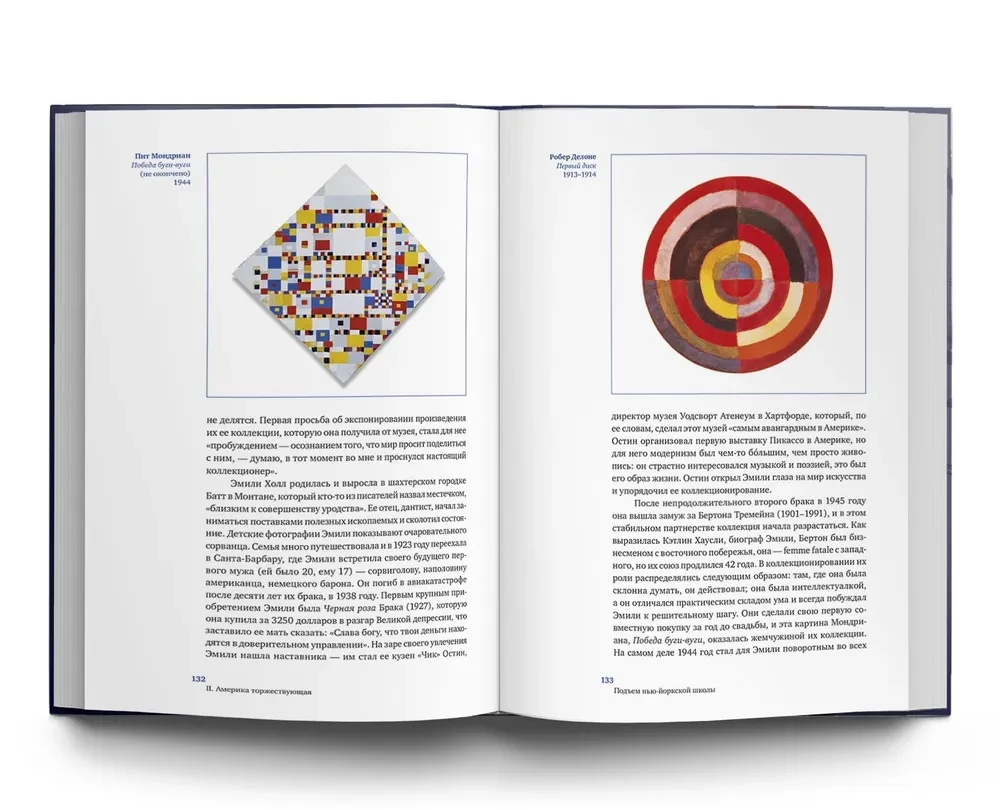
How did auctions turn from settling debts of the deceased or dividing property during divorces into loud events in high society? How did collectors shift from pre-war interest in old masters to Impressionists and contemporary art? How did New York and Los Angeles become the main modern art centers, the activity hubs for art dealers, collectors, impresarios, and of course, the artists themselves?
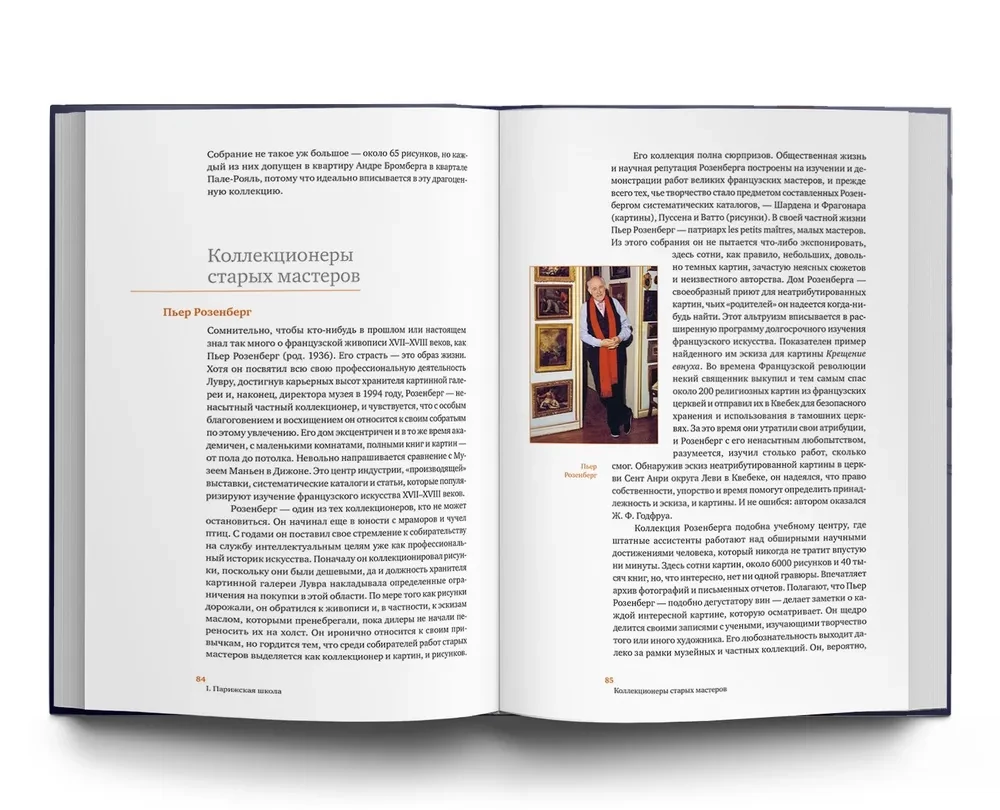
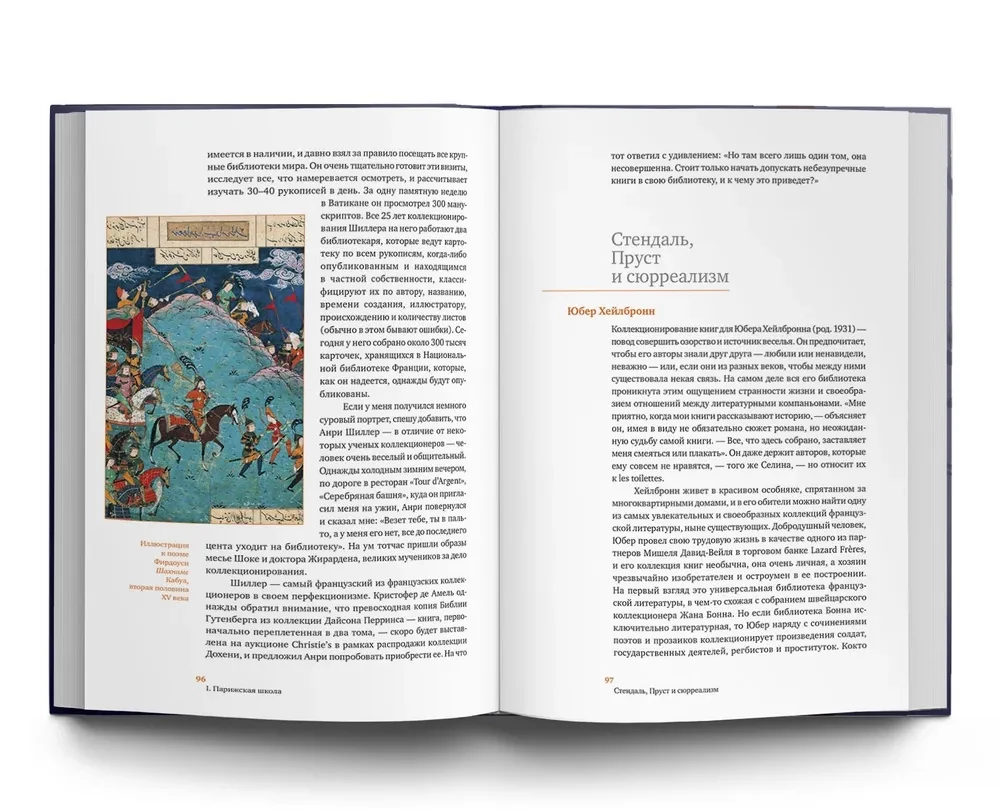
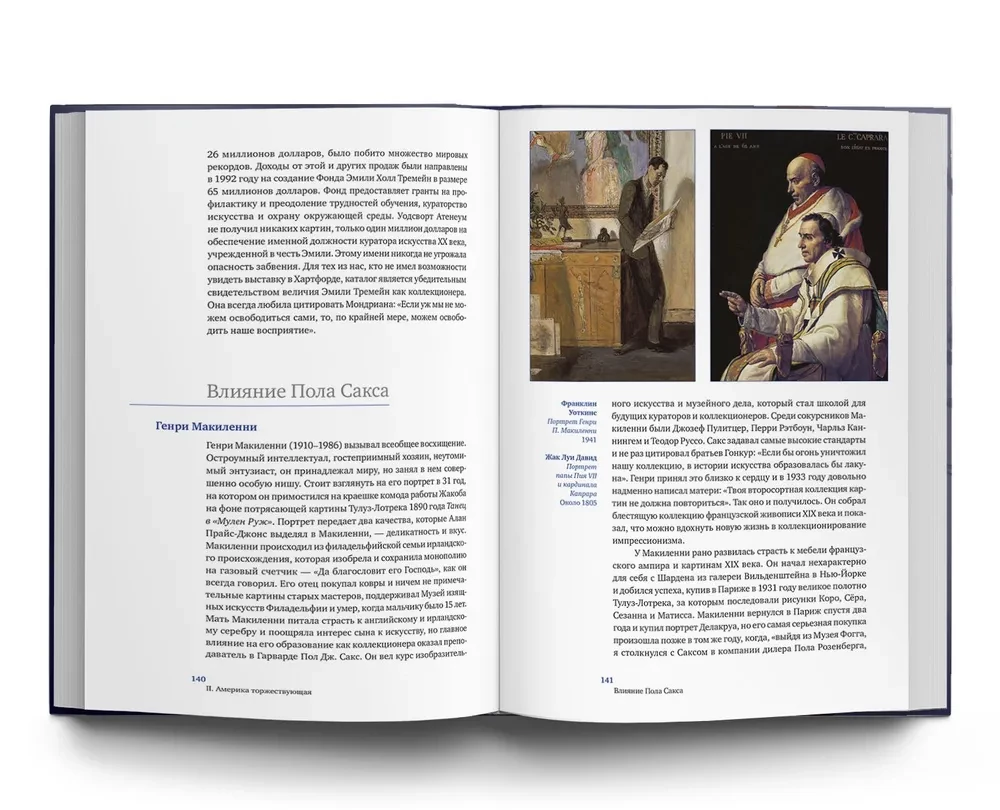
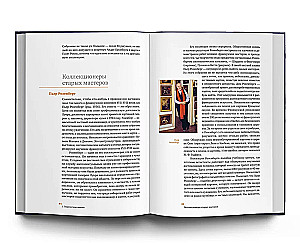
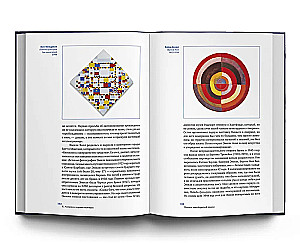
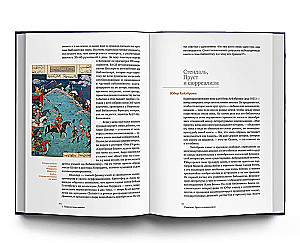
The author also talks about how any works of art became objects of collection: from primitive masks to modernist paintings and sculptures, from Chinese porcelain to European silverware, and how collectors came from various backgrounds with different financial capabilities: industrial magnates, noble aristocrats, famous couturiers, and simple clerks. But most importantly, he shows us collections and tells stories of incredible collectors, many of whom were likely unknown to the reader before.
How did auctions turn from settling debts of the deceased or dividing property during divorces into loud events in high society? How did collectors shift from pre-war interest in old masters to Impressionists and contemporary art? How did New York and Los Angeles become the main modern art centers, the activity hubs for art dealers, collectors, impresarios, and of course, the artists themselves?
The author also talks about how any works of art became objects of collection: from primitive masks to modernist paintings and sculptures, from Chinese porcelain to European silverware, and how collectors came from various backgrounds with different financial capabilities: industrial magnates, noble aristocrats, famous couturiers, and simple clerks. But most importantly, he shows us collections and tells stories of incredible collectors, many of whom were likely unknown to the reader before.
Author: Джеймс Стоуртон
Printhouse: Slovo
Series: About Collections and Collectors
Age restrictions: 16+
Year of publication: 2023
ISBN: 9785387018718
Number of pages: 320
Size: 240х165 mm
Cover type: hard
Weight: 1035 g
ID: 1692152
Sold out
€ 37.29
Sold out
€ 37.29
Bestsellers





€ 13.29
In stock
12 Weeks in a Year. How to Achieve More in 12 Weeks Than Others Do in 12 Months
Майкл Леннингтон, Брайан Моран


€ 7.89
In stock
Choice. On the Freedom and Inner Strength of a Person
Эдит Ева Эгер, Эсме Швалль-Вейганд




€ 6.99
In stock