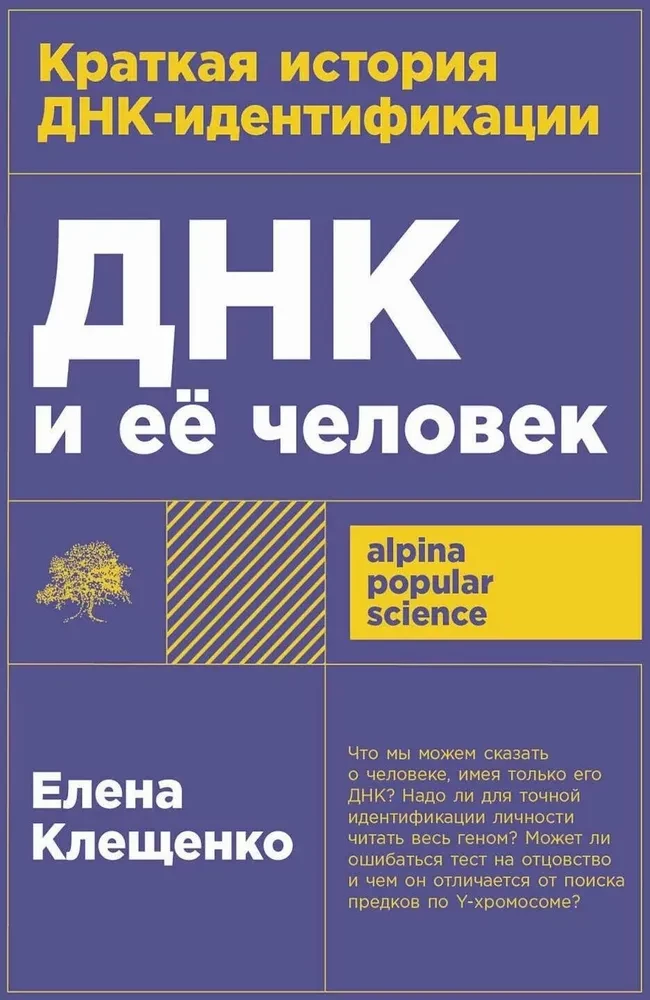


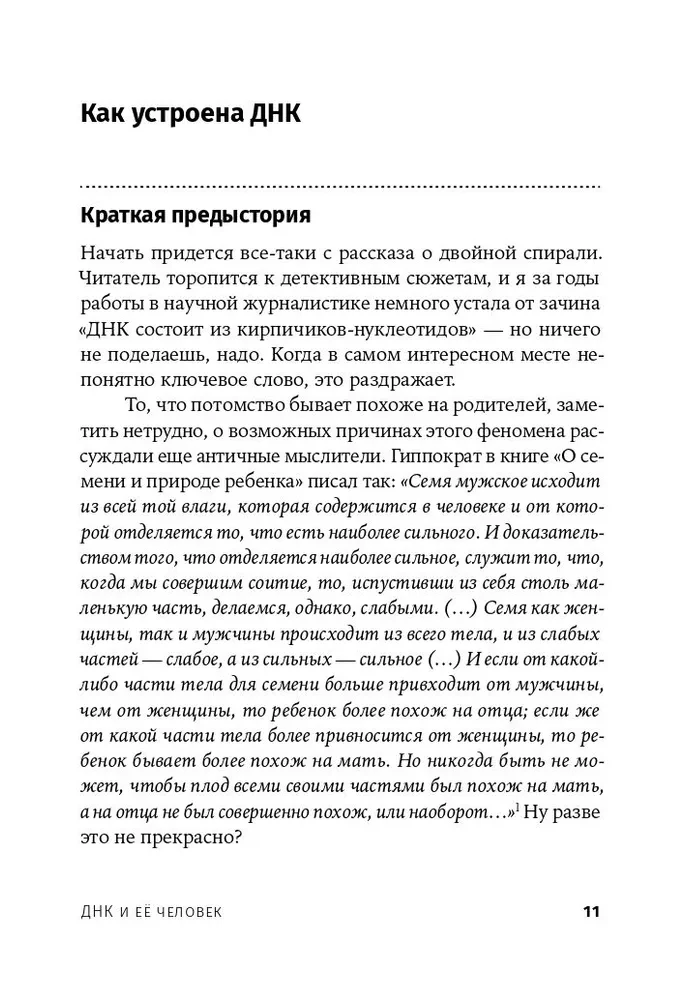
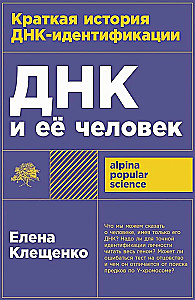


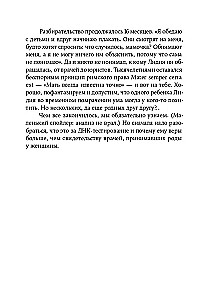
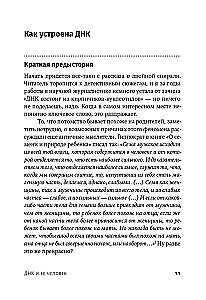
DNA and Its Human. A Brief History of DNA Identification
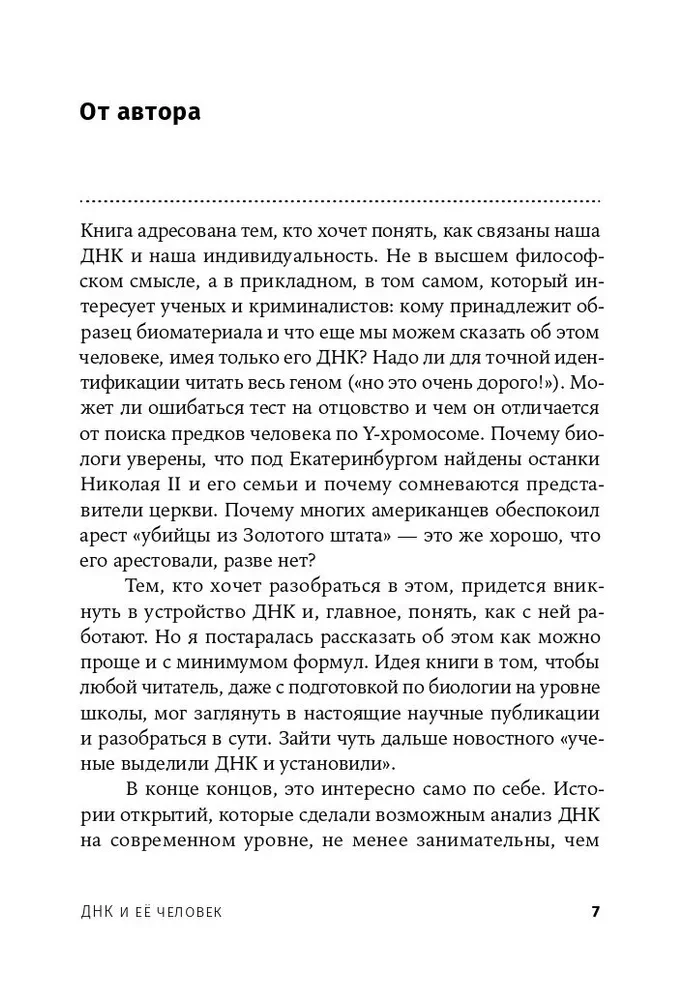
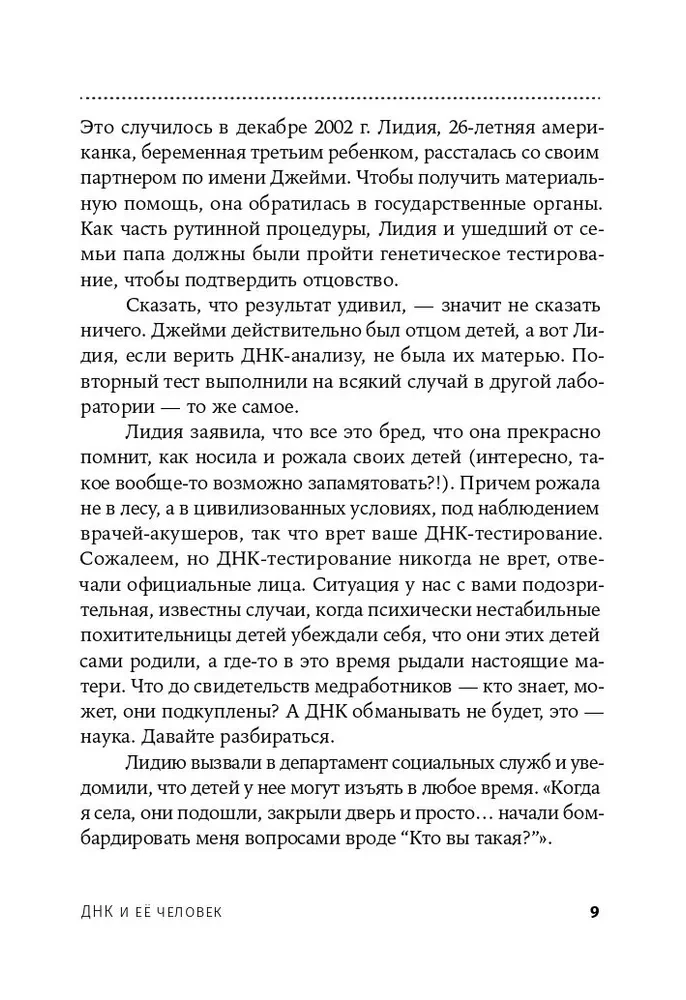
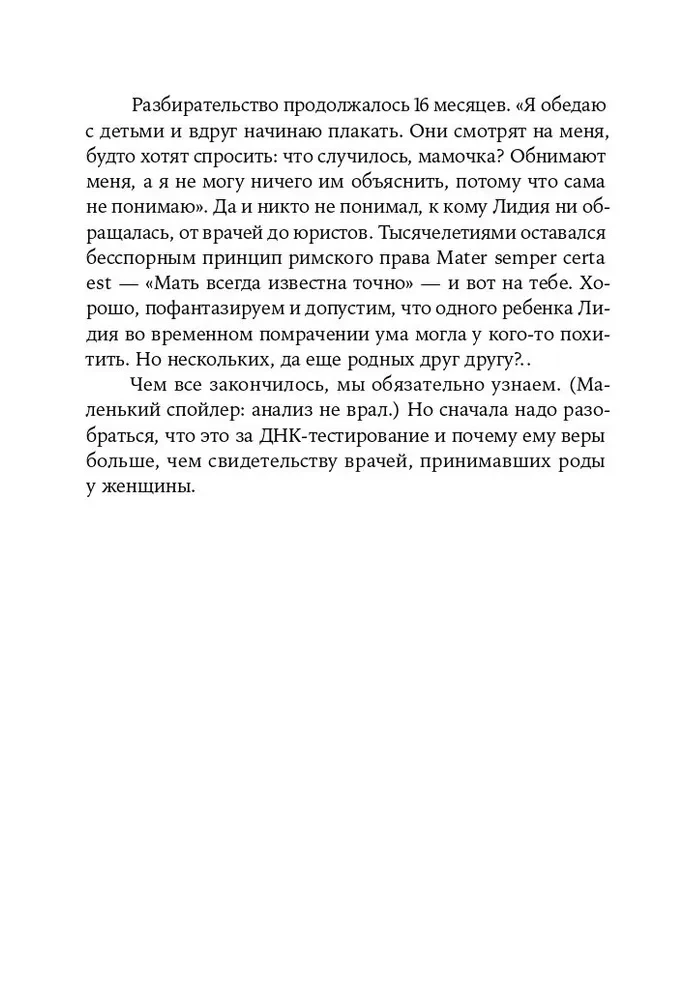
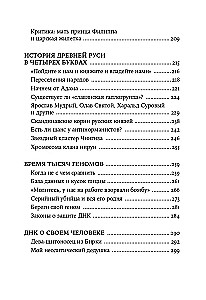
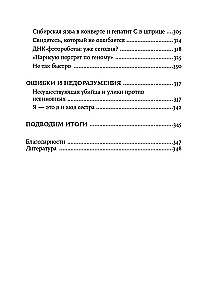
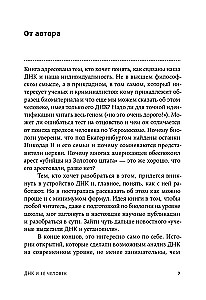
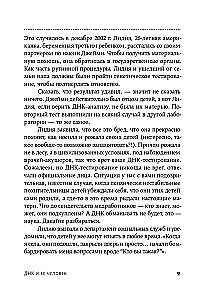
The book by Elena Kleshchenko is addressed to everyone interested in the practical application of genetics achievements in such fields as forensics, genealogy, and history. It discusses the possibility of identifying a person by their genetic material.
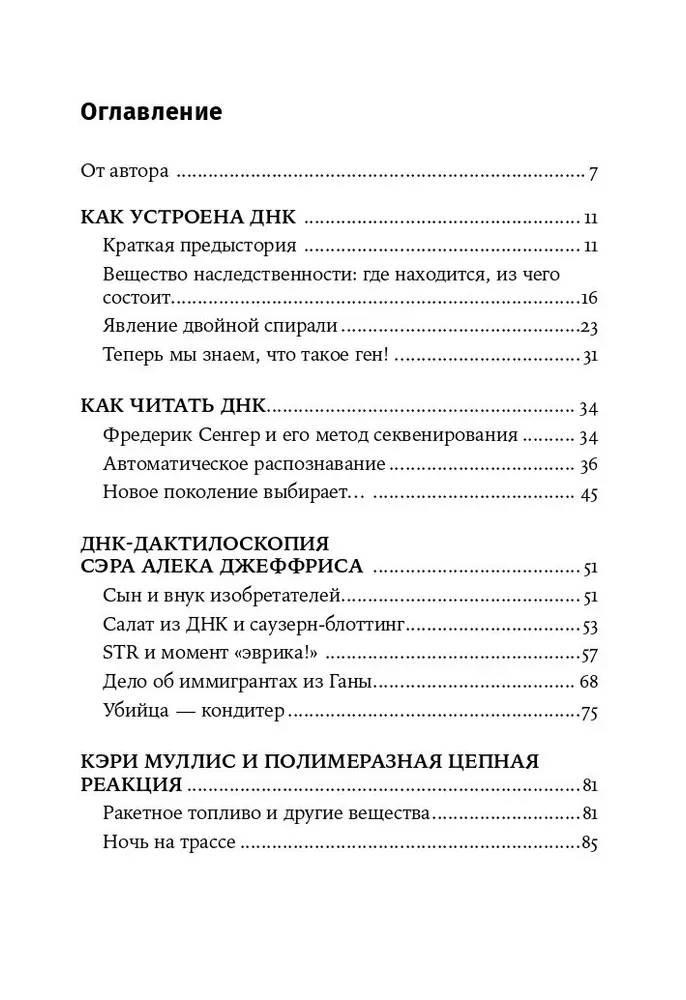
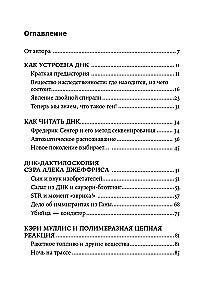
The author describes the... methods of DNA research and those who were at their origins: Sir Alec Jeffreys, who invented DNA fingerprinting; the eccentric Carey Mullis, who managed to amplify single DNA molecules to significant quantities, and other heroes of "scientific detectives".
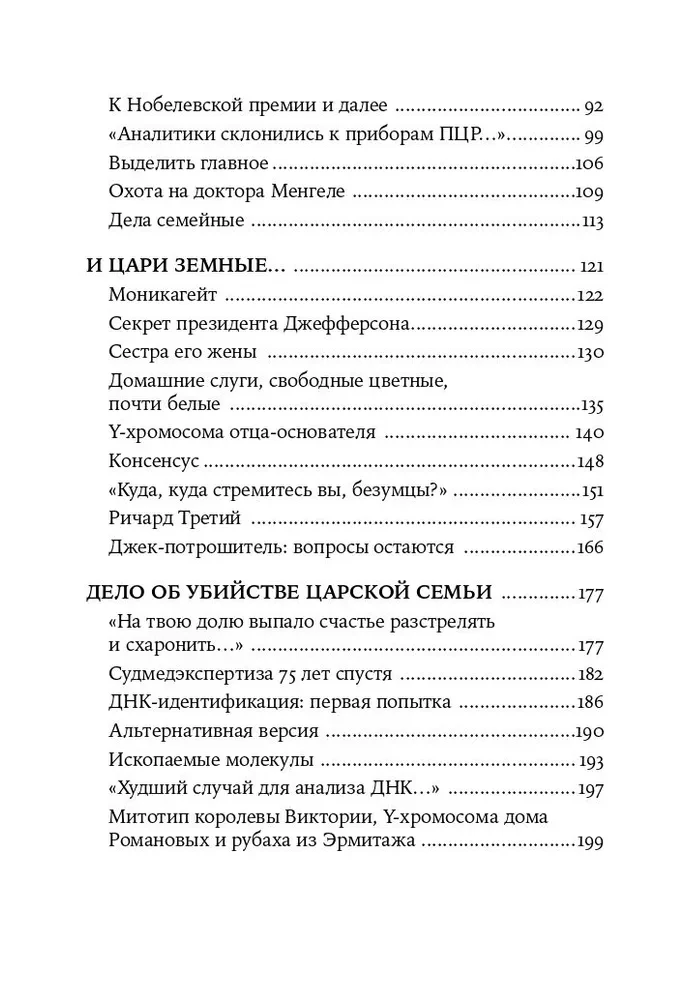
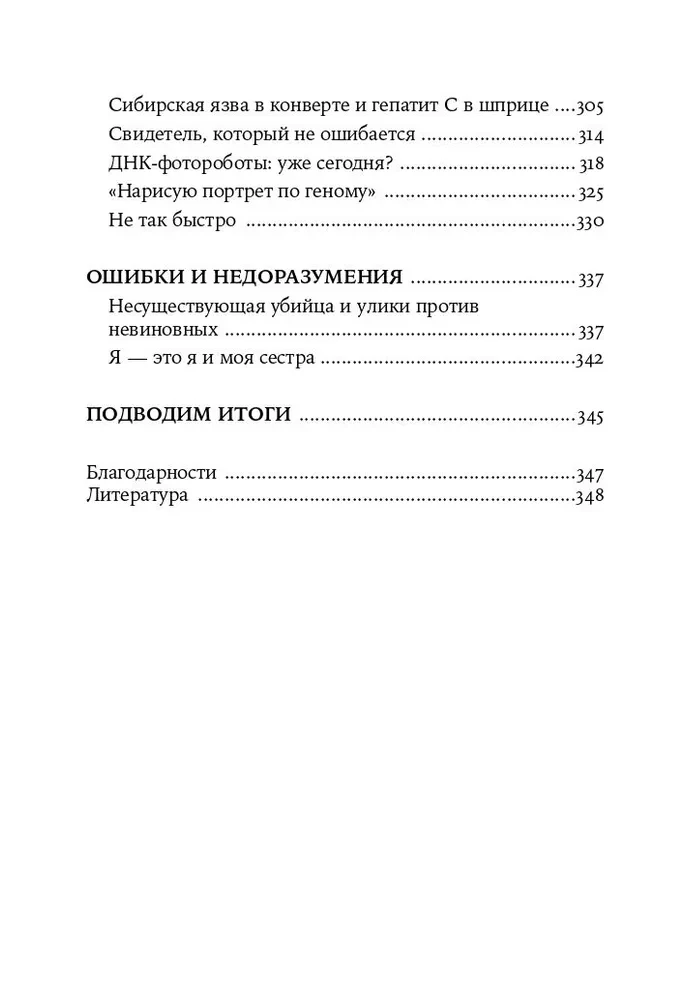
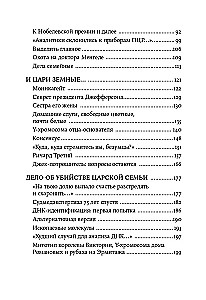
The detective storyline continues with the story of tracking down criminals through DNA analysis — from Jack the Ripper to modern maniacs and terrorists. The historical investigations are equally fascinating: who was Rurik — a Slav or a Scandinavian, how many descendants Genghis Khan left, and was the Duke of Monmouth a son of the King of England. Why are specialists confident in the accuracy of the identification of the remains of Nicholas II and his family (and why do non-specialists have doubts)?
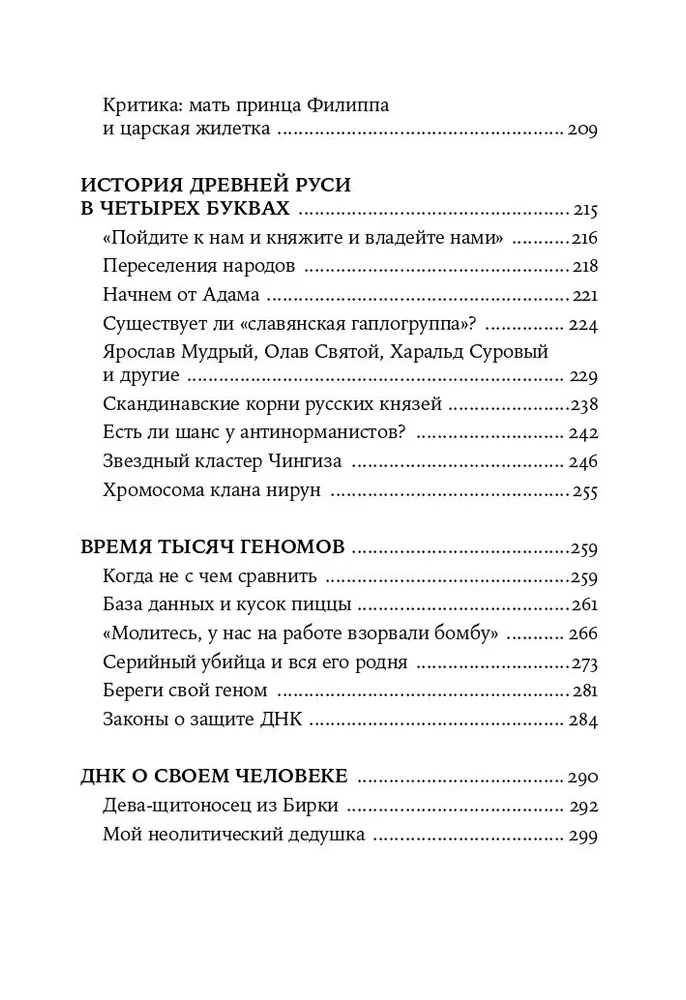
In conclusion, the reader will learn why it is impossible to invent biological weapons against a specific ethnic group, whether it is possible to reconstruct appearance from DNA, and whether it is dangerous to post one's genome on the internet.
The author describes the... methods of DNA research and those who were at their origins: Sir Alec Jeffreys, who invented DNA fingerprinting; the eccentric Carey Mullis, who managed to amplify single DNA molecules to significant quantities, and other heroes of "scientific detectives".
The detective storyline continues with the story of tracking down criminals through DNA analysis — from Jack the Ripper to modern maniacs and terrorists. The historical investigations are equally fascinating: who was Rurik — a Slav or a Scandinavian, how many descendants Genghis Khan left, and was the Duke of Monmouth a son of the King of England. Why are specialists confident in the accuracy of the identification of the remains of Nicholas II and his family (and why do non-specialists have doubts)?
In conclusion, the reader will learn why it is impossible to invent biological weapons against a specific ethnic group, whether it is possible to reconstruct appearance from DNA, and whether it is dangerous to post one's genome on the internet.
Author: Елена Клещенко
Printhouse: Al'pina Pablisher
Series: Alpina Popular Science
Age restrictions: 16+
Year of publication: 2024
ISBN: 9785002230648
Number of pages: 368
Size: 100x70x20 mm
Cover type: soft
Weight: 241 g
ID: 1663897
In stock
€ 4.99
Will be delivered to United States on :
Unfortunately, we are currently unable to deliver orders to your region.
In stock
€ 4.99
Will be delivered to United States on :
Unfortunately, we are currently unable to deliver orders to your region.
Bestsellers







€ 13.29
In stock
12 Weeks in a Year. How to Achieve More in 12 Weeks Than Others Do in 12 Months
Майкл Леннингтон, Брайан Моран

€ 7.89
In stock
Choice. On the Freedom and Inner Strength of a Person
Эдит Ева Эгер, Эсме Швалль-Вейганд




€ 6.99
In stock