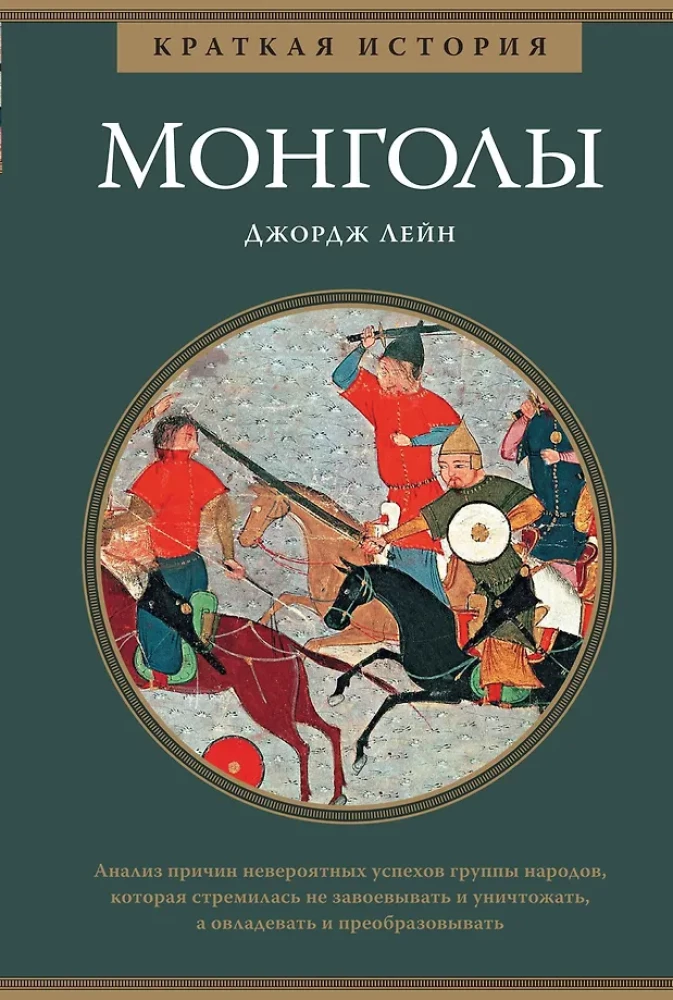
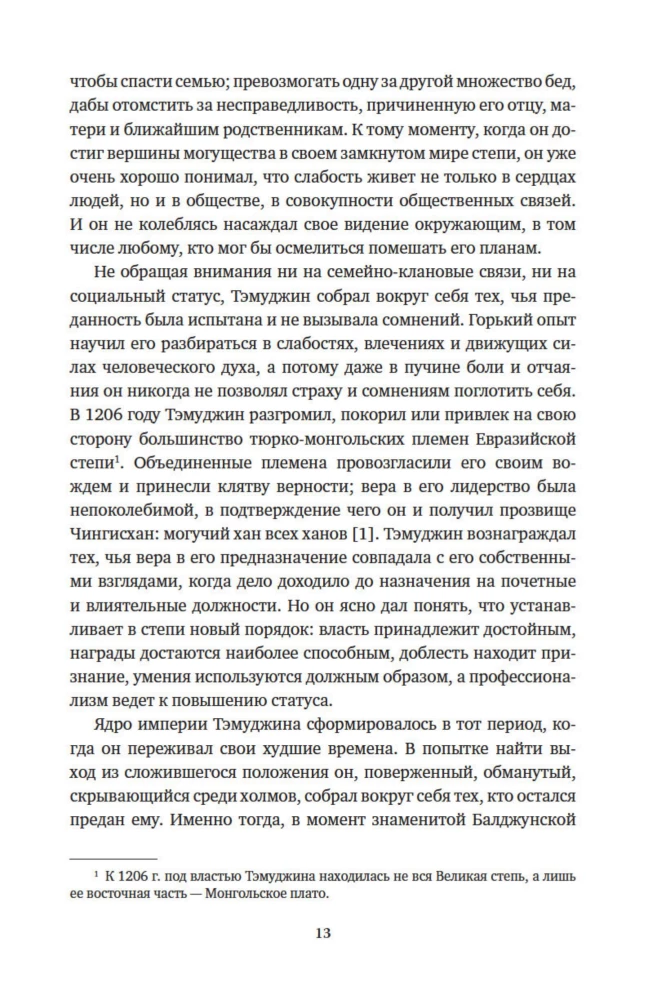
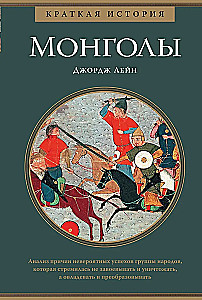
Mongols. A Brief History
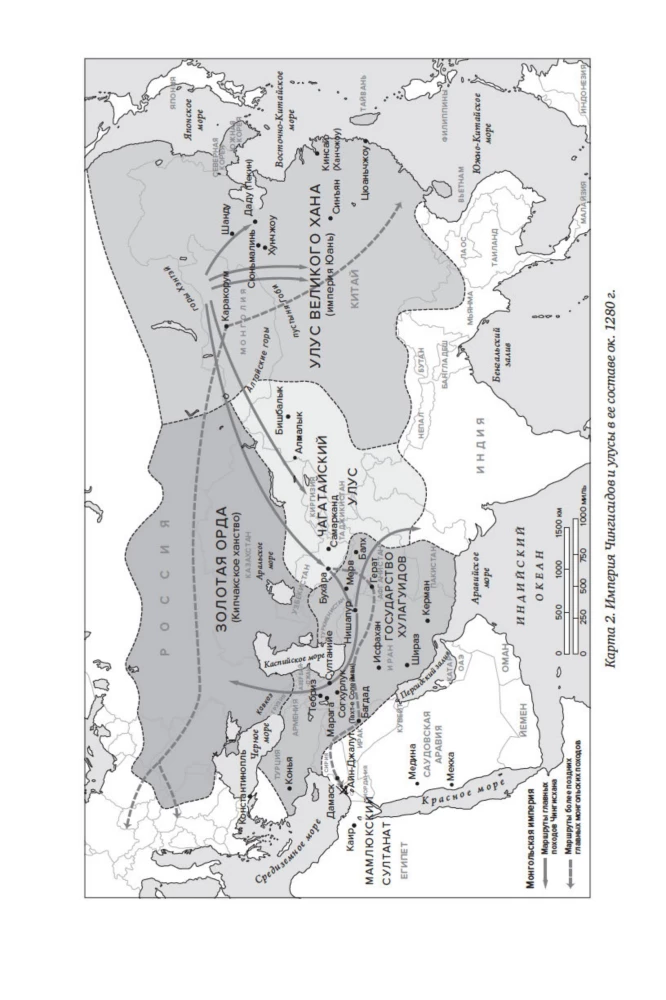
During its peak, the Mongol Empire, formed in the 13th century as a result of the conquests of Genghis Khan and his successors, encompassed the largest unified state territory ever known, stretching from Eastern Europe to the Sea of Japan...
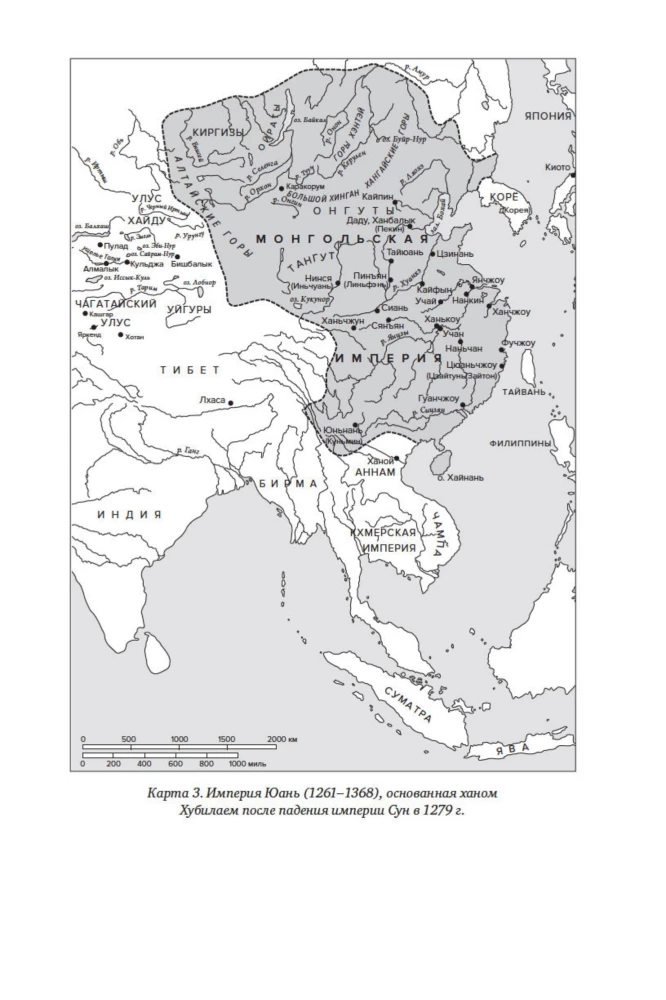
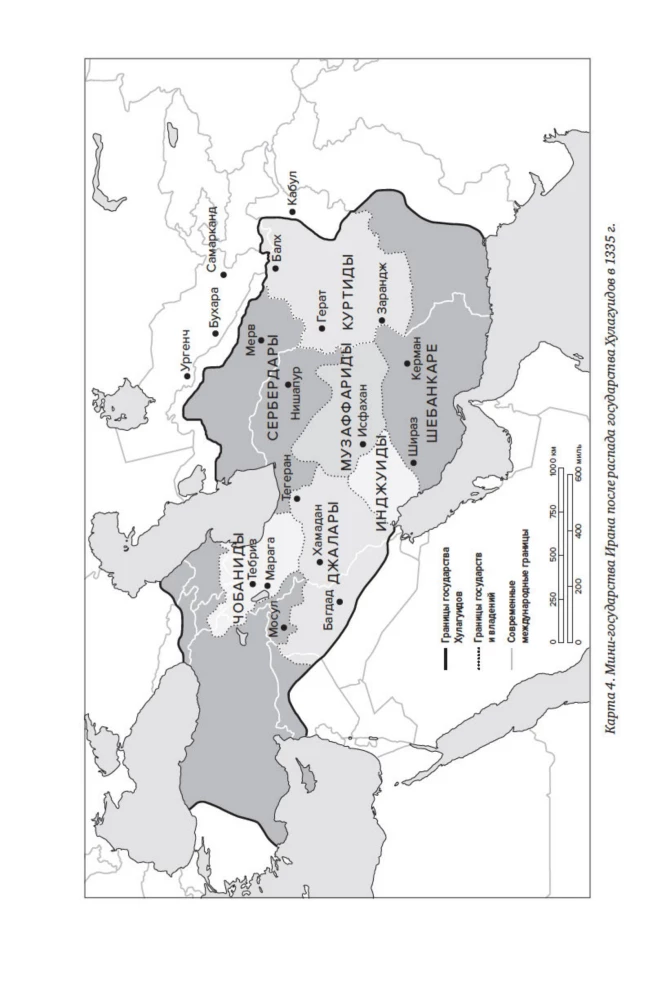
and from Russian Novgorod to Southeast Asia. A brief overview of the history of the Mongol Empire covers the period from the birth of Temüjin (the future Genghis Khan) between 1155 and 1162, who later founded a unified Mongol state, to the last quarter of the 14th century, marked by the fall of the Mongol Empire and the defeat of the Yuan Mongol Empire in China. It also touches on the very beginning of the 16th century when Tabriz was captured by Ismail I, the founder of the Safavid dynasty, which marked the end of the existence of the Turkoman state of Ak-Koyunlu. The Mongol Empire is portrayed in the book as a complex, civilized, and resilient state that had a lasting and multifaceted influence on the surrounding lands. The narrative intertwines various historical, political, and cultural threads, creating a coherent picture intended to show how and why Genghis Khan and his successors achieved such incredible success.
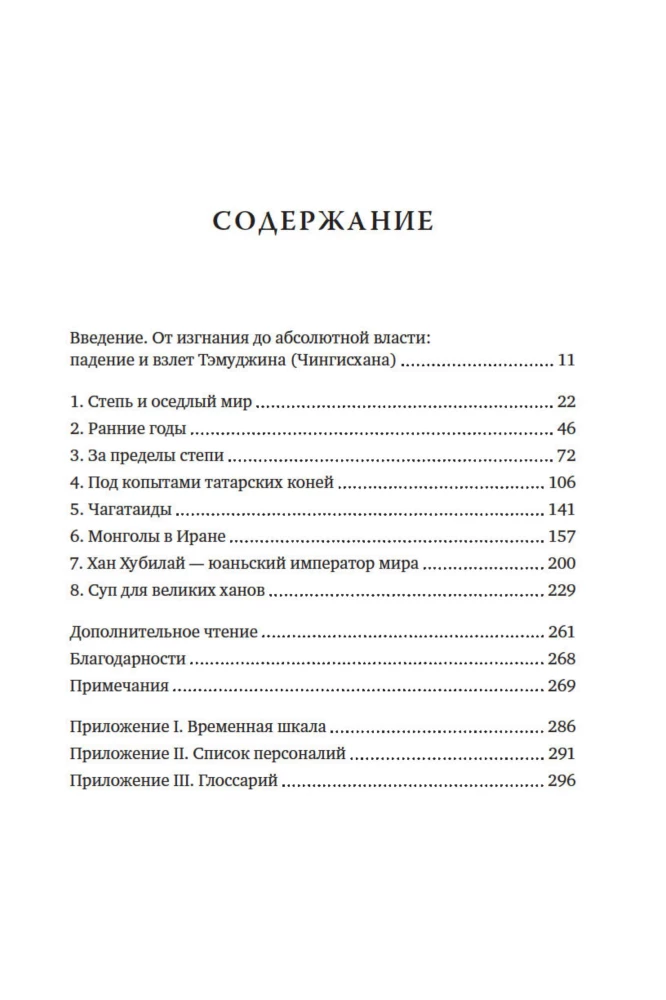
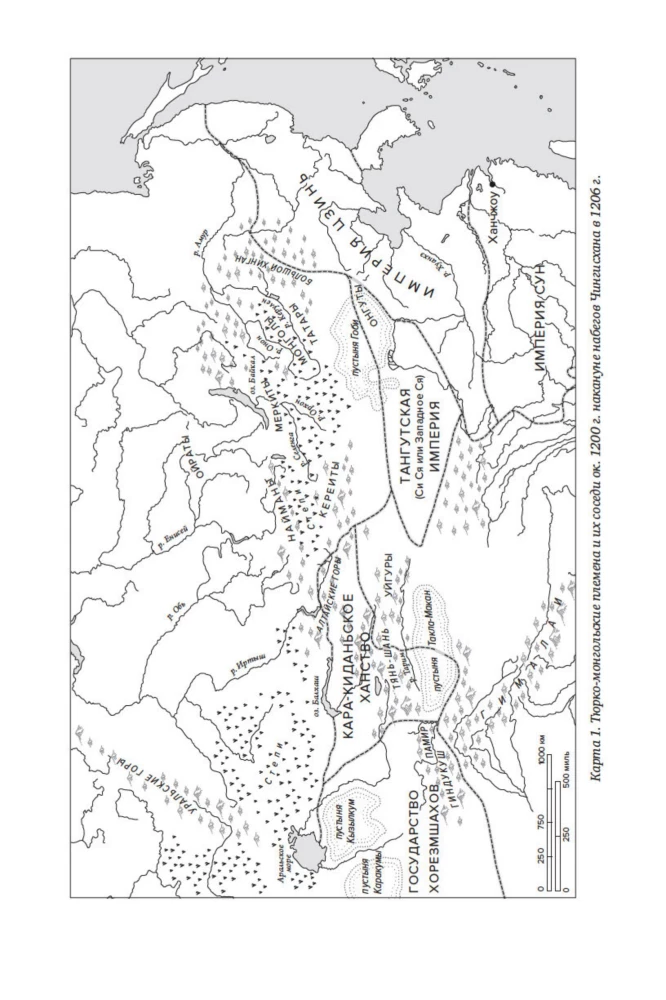
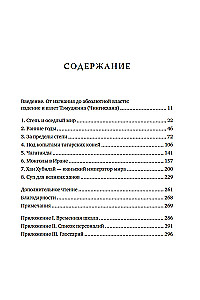
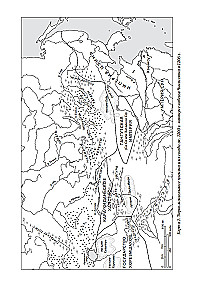
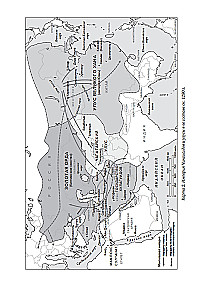
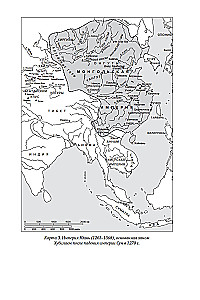
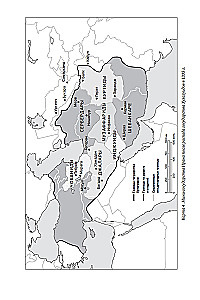
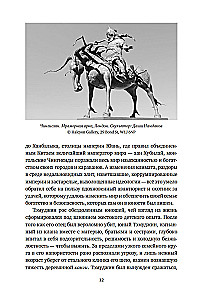
A magnificent example of the genre of academic history, the book is equipped with black-and-white illustrations and valuable appendices: maps, a timeline, a list of personalities, a glossary, and the bibliographic list represents a true historiographical study. It will be useful for students of higher education institutions and their teachers, as well as for anyone interested in the history of Central and Central Asia.
A magnificent example of the genre of academic history, the book is equipped with black-and-white illustrations and valuable appendices: maps, a timeline, a list of personalities, a glossary, and the bibliographic list represents a true historiographical study. It will be useful for students of higher education institutions and their teachers, as well as for anyone interested in the history of Central and Central Asia.
Author: Джордж Лейн
Printhouse: KoLibri
Series: A Brief History
Age restrictions: 16+
Year of publication: 2020
ISBN: 9785389146501
Number of pages: 304
Size: 210х140х17 mm
Cover type: hard
Weight: 408 g
ID: 445661
In stock
€ 10.79
Will be delivered to United States on :
Unfortunately, we are currently unable to deliver orders to your region.
In stock
€ 10.79
Will be delivered to United States on :
Unfortunately, we are currently unable to deliver orders to your region.
Bestsellers







€ 13.29
In stock
12 Weeks in a Year. How to Achieve More in 12 Weeks Than Others Do in 12 Months
Майкл Леннингтон, Брайан Моран


€ 7.89
In stock
Choice. On the Freedom and Inner Strength of a Person
Эдит Ева Эгер, Эсме Швалль-Вейганд




€ 6.99
In stock