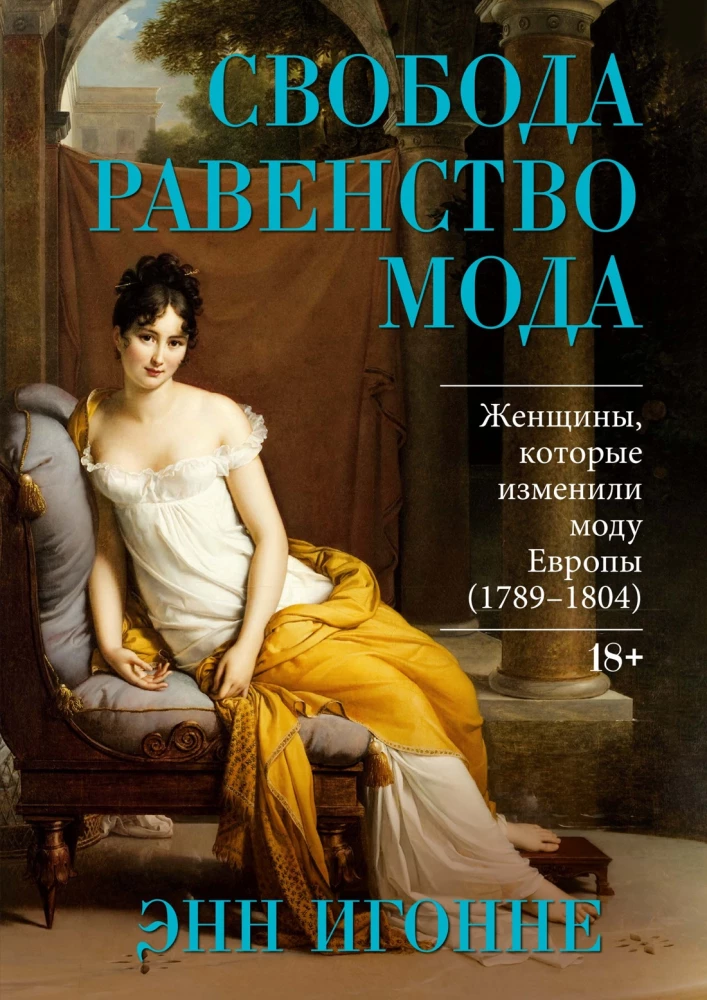
Freedom. Equality. Fashion. Women Who Changed Europe's Fashion (1789-1804)
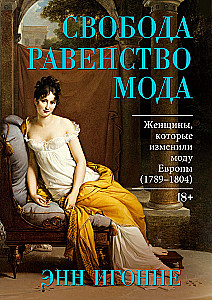
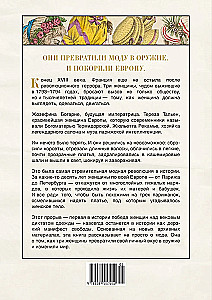
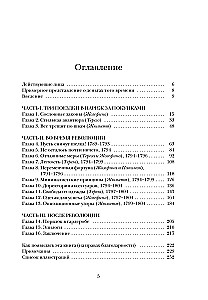
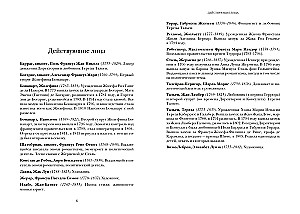
The book by American art historian Ann Igoe is dedicated to the fashion revolution that took place in France at the turn of the 18th-19th centuries. At the center of the study are the fates of three women who became...
the lawmakers of the new style: Joséphine Beauharnais, the future empress; Thérèse Tallien, nicknamed "the Madonna of Thermidor"; and Juliette Récamier, the legendary hostess of a literary salon.
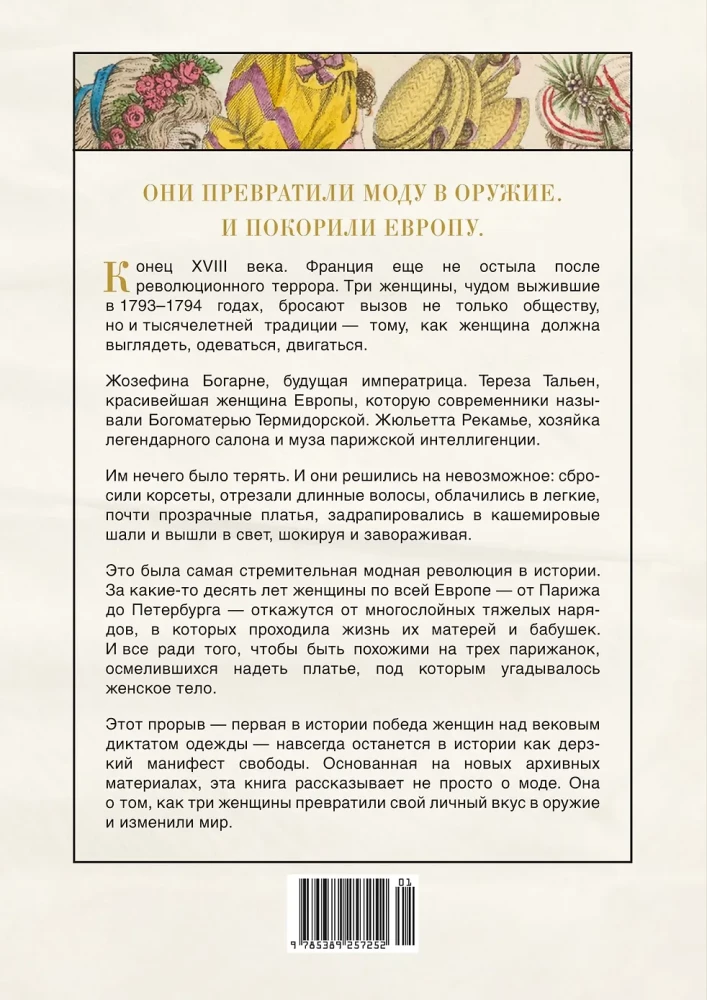
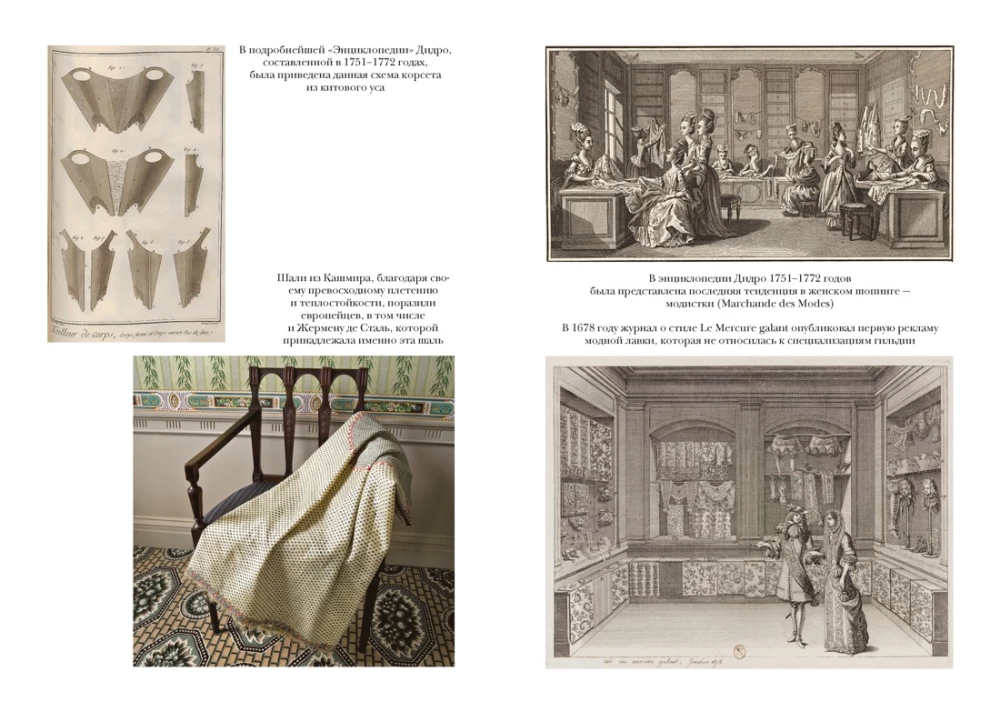
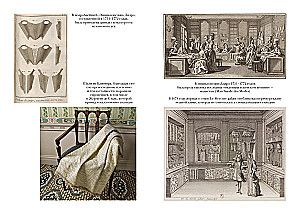
Having survived the horrors of revolutionary terror, imprisonment, and the collapse of the old order, they challenged age-old clothing traditions. Rejecting stiff corsets, multilayered skirts, and bulky hairstyles, they introduced lightweight dresses of Indian muslin, cashmere shawls, short haircuts, and reticules. The new style conquered all of Europe in just a few years.
Relying on unique archival materials — complete volumes of Journal des dames et des modes (1797-1804), discovered by the author at the Morgan Library and the Design Museum in Copenhagen — Igoe restores the authentic history of this fashion revolution. The book analyzes not only silhouettes and fabrics but also the social, economic, and political mechanisms that allowed the three women to become the main lawmakers of European taste for a decade.
The publication is addressed to fashion historians, art historians, cultural scholars, as well as a wide audience interested in the history of France and costume history.
Having survived the horrors of revolutionary terror, imprisonment, and the collapse of the old order, they challenged age-old clothing traditions. Rejecting stiff corsets, multilayered skirts, and bulky hairstyles, they introduced lightweight dresses of Indian muslin, cashmere shawls, short haircuts, and reticules. The new style conquered all of Europe in just a few years.
Relying on unique archival materials — complete volumes of Journal des dames et des modes (1797-1804), discovered by the author at the Morgan Library and the Design Museum in Copenhagen — Igoe restores the authentic history of this fashion revolution. The book analyzes not only silhouettes and fabrics but also the social, economic, and political mechanisms that allowed the three women to become the main lawmakers of European taste for a decade.
The publication is addressed to fashion historians, art historians, cultural scholars, as well as a wide audience interested in the history of France and costume history.
Author: Энн Игонне
Printhouse: Azbuka
Series: Historical Interest
Age restrictions: 18+
Year of publication: 2026
ISBN: 9785389257252
Number of pages: 256
Size: 240х170х20 mm
Cover type: hard
Weight: 643 g
ID: 1740533
In stock
€ 19.99
Will be delivered to United States on 6 October (Tu):
By courier
from € 38.94
Bestsellers
€ 7.89
In stock
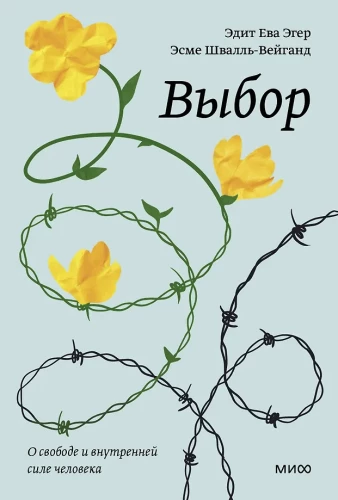
Choice. On the Freedom and Inner Strength of a Person
Эдит Ева Эгер, Эсме Швалль-Вейганд


€ 6.99
In stock