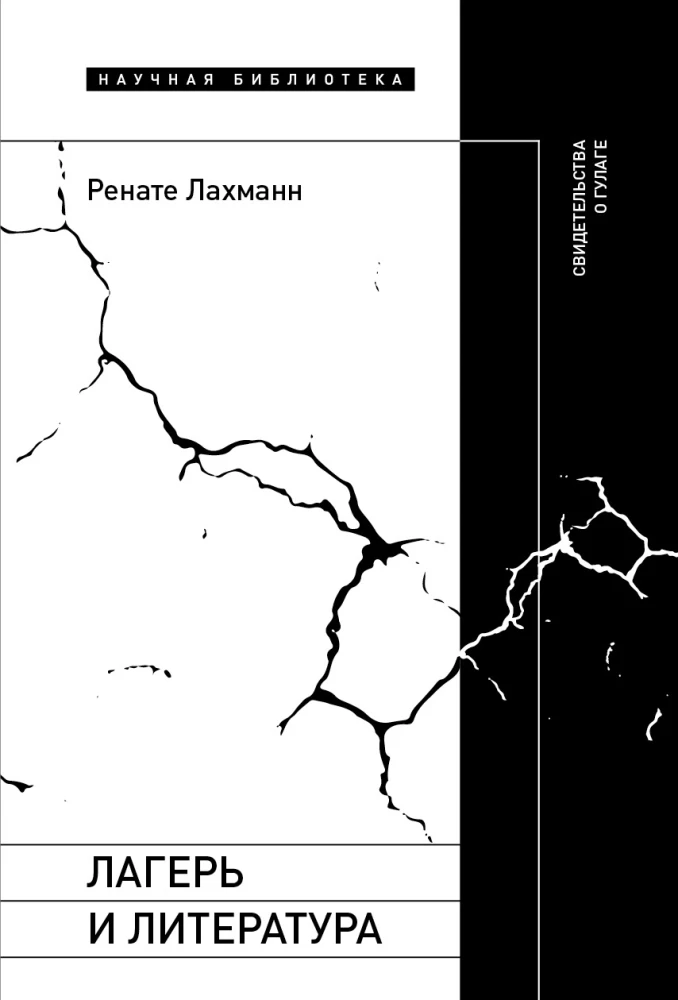
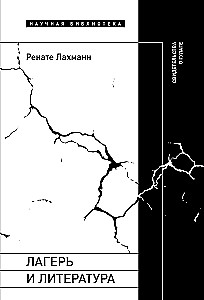
Camp and Literature: Testimonies about the GULAG
One of the main consequences of the GULAG is the loss of familiar humanitarian and cultural benchmarks, the mismatch of previous categories of thought and speech with the new circumstances of catastrophe. Autobiographies, diaries, and stories of survivors strive to...
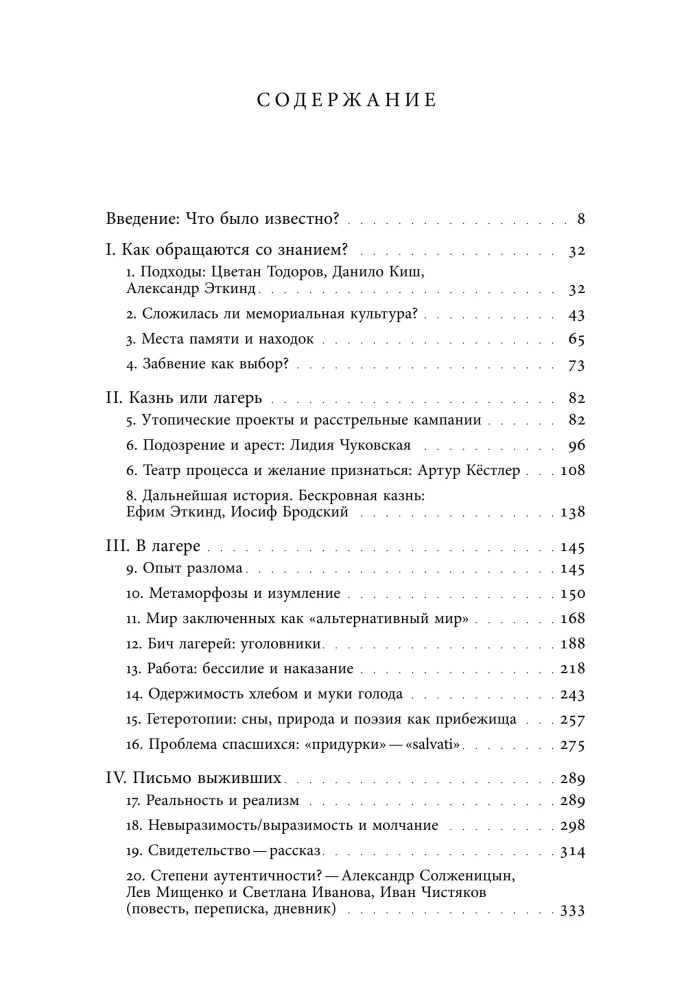
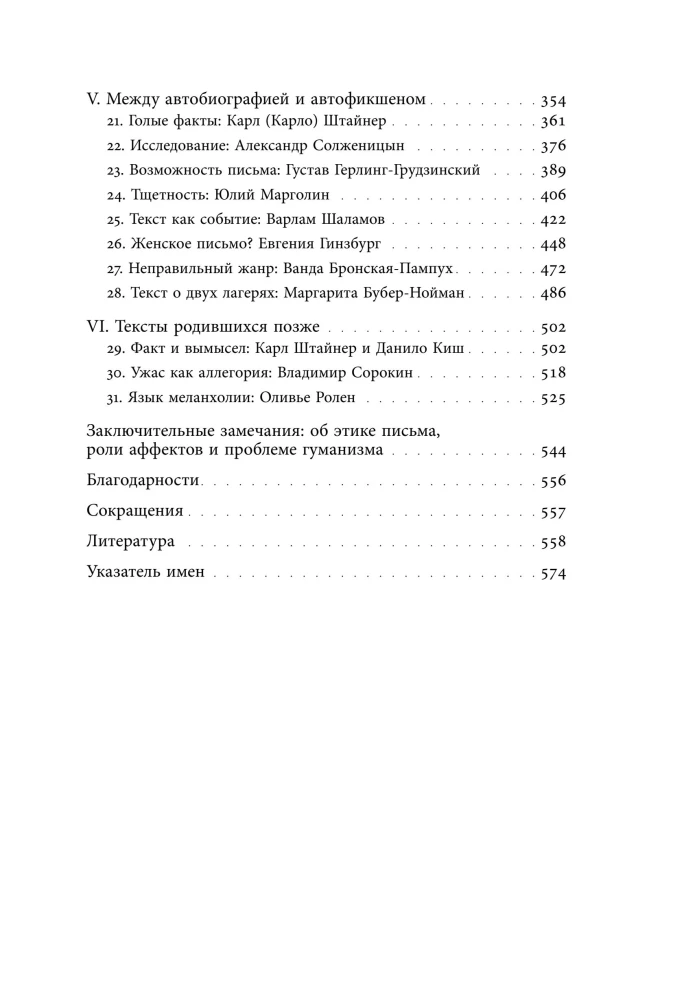
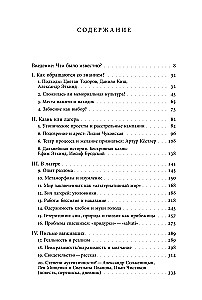
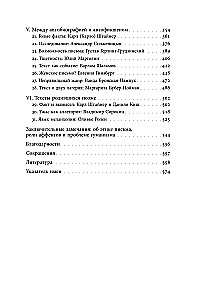
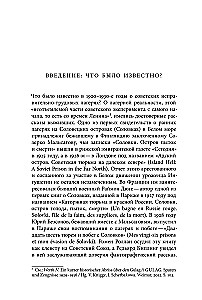
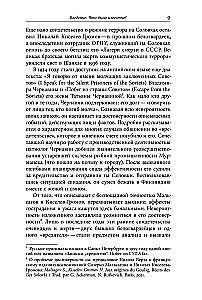
translate this physical and psychological experience of suffering into the language of literature, but time and again they encounter various difficulties. Renata Lahmann's book offers a literary analysis of a large corpus of testimonial texts about the GULAG: from Evgenia Ginzburg, Alexander Solzhenitsyn, and Varlam Shalamov to Yuli Margolin and Karl Steiner. The camp theme in the work of later generations of writers, particularly Danilo Kish and Olivier Roland, is also examined. What formal principles underpin the poetics of camp writing? What is the relationship between documentary and artistic elements in these texts? And what understanding of man and humanity does this literary tradition seek to reveal to us? In search of answers to these questions, the author offers her interpretation of well-known camp texts, while also giving the floor to the victims of the GULAG themselves. Renata Lahmann is a Slavist, cultural historian, and the author of the book "Discourses of the Fantastic", published by "NLO".
Author: Ренате Лахманн
Printhouse: Novoe literaturnoe obozrenie
Series: Scientific Library
Age restrictions: 16+
Year of publication: 2024
ISBN: 9785444822937
Number of pages: 584
Size: 214x144x37 mm
Cover type: hard
Weight: 788 g
ID: 1734373
Sold out
€ 21.39
Sold out
€ 21.39
Bestsellers






€ 13.29
In stock
12 Weeks in a Year. How to Achieve More in 12 Weeks Than Others Do in 12 Months
Майкл Леннингтон, Брайан Моран

€ 7.89
In stock
Choice. On the Freedom and Inner Strength of a Person
Эдит Ева Эгер, Эсме Швалль-Вейганд



€ 6.99
In stock

€ 6.99
In stock
How to Talk So Kids Will Listen, and How to Listen So Kids Will Talk
Элейн Мазлиш, Адель Фабер