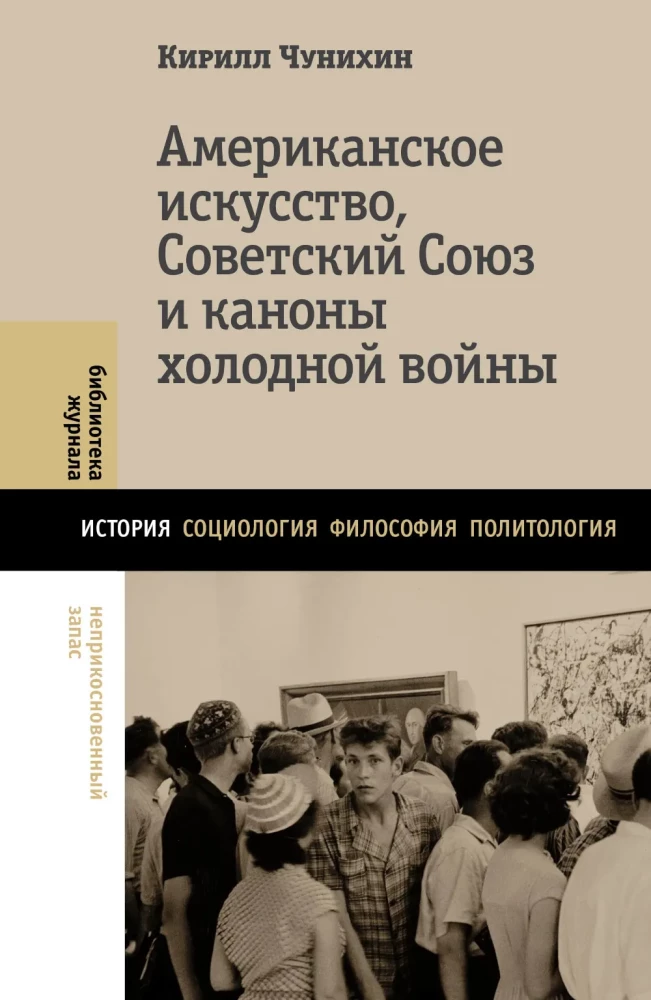
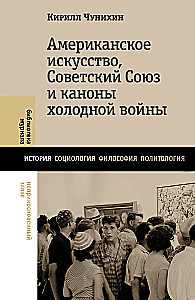
American Art, the Soviet Union, and the Canons of the Cold War
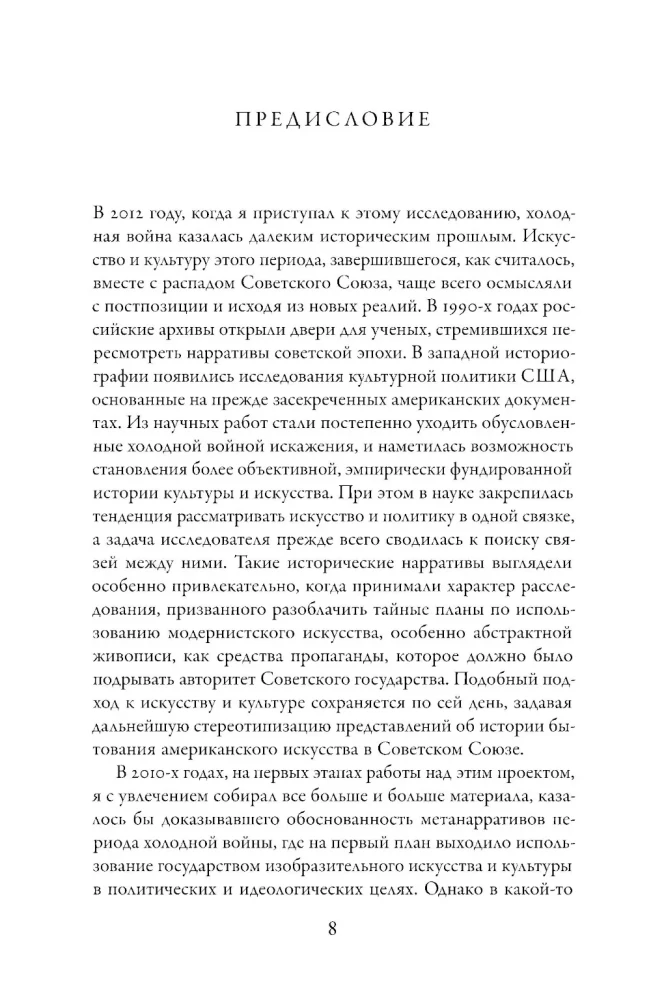
Who organized numerous exhibitions of American art in the Soviet Union during the Cold War, and why? Did the USA really seek to "undermine" the Soviet regime through American modernism, particularly abstract expressionism, while the Soviet Union "feared" non-figurative art?...
Most importantly, can we truly understand the role of art as a "weapon" of the Cold War?
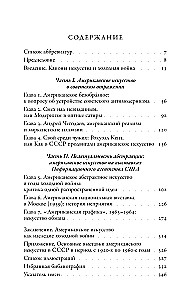
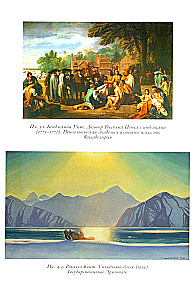
Kirill Chunikhin's book offers a fresh perspective on these questions, critiquing traditional ideologized interpretations of the cultural policies of the USSR and American art of that time. Instead of the usual approach where historical events are mechanically projected onto art, the author presents a more nuanced analysis that considers not only politics but also personal motivations, emotional regimes, and transnational cultural contexts. By viewing American art as a global phenomenon, the author illustrates the interconnections and interdependence of artistic processes in the USSR and the USA in the 1940s-1960s. The book thus revises the established narrative of cultural isolation between the two superpowers and demonstrates how art became a space for dialogue—despite ideological barriers.
Kirill Chunikhin's book offers a fresh perspective on these questions, critiquing traditional ideologized interpretations of the cultural policies of the USSR and American art of that time. Instead of the usual approach where historical events are mechanically projected onto art, the author presents a more nuanced analysis that considers not only politics but also personal motivations, emotional regimes, and transnational cultural contexts. By viewing American art as a global phenomenon, the author illustrates the interconnections and interdependence of artistic processes in the USSR and the USA in the 1940s-1960s. The book thus revises the established narrative of cultural isolation between the two superpowers and demonstrates how art became a space for dialogue—despite ideological barriers.
Author: Кирилл Чунихин
Printhouse: Novoe literaturnoe obozrenie
Series: Library of the journal "Neprikosnovennyi Zapas"
Age restrictions: 16+
Year of publication: 2025
ISBN: 9785444826690
Number of pages: 352
Size: 220х140х24 mm
Cover type: hard
Weight: 541 g
ID: 1734350
Sold out
€ 21.39
Sold out
€ 21.39
Bestsellers

€ 13.29
In stock
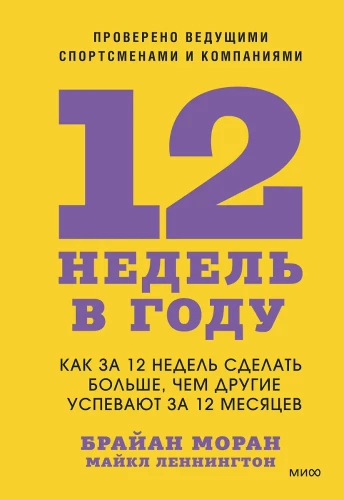
12 Weeks in a Year. How to Achieve More in 12 Weeks Than Others Do in 12 Months
Майкл Леннингтон, Брайан Моран

€ 7.89
In stock
Choice. On the Freedom and Inner Strength of a Person
Эдит Ева Эгер, Эсме Швалль-Вейганд

€ 6.99
In stock
€ 6.99
In stock
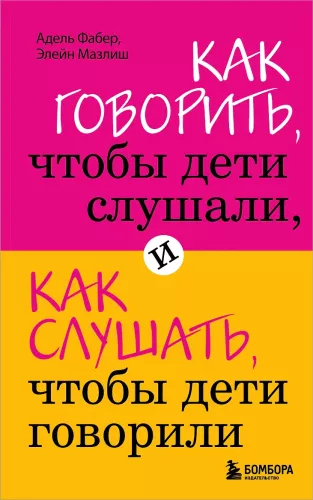
How to Talk So Kids Will Listen, and How to Listen So Kids Will Talk
Элейн Мазлиш, Адель Фабер