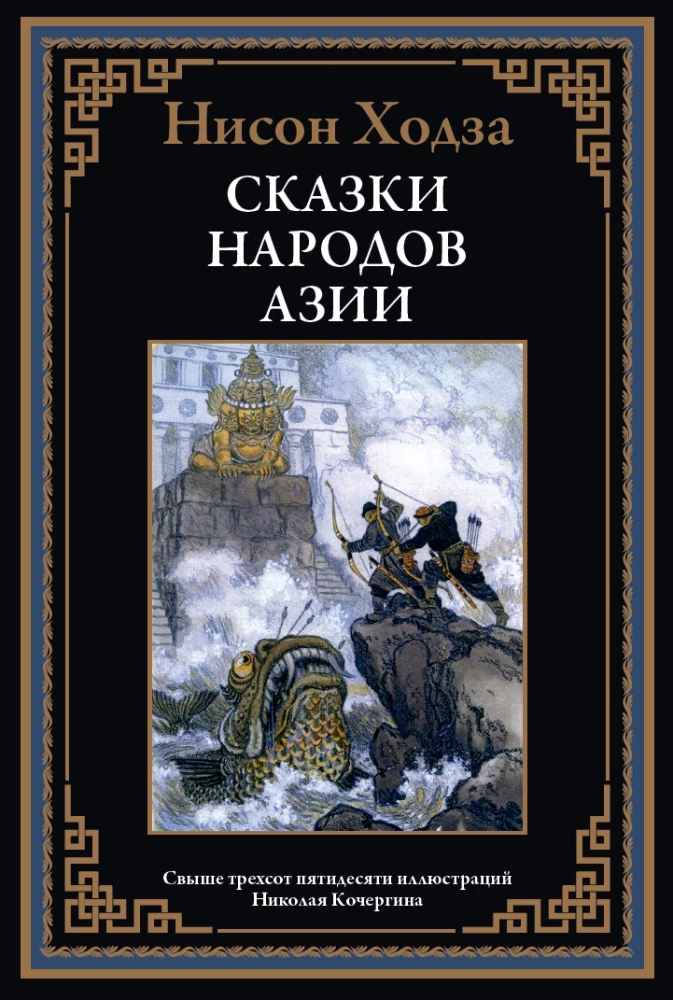
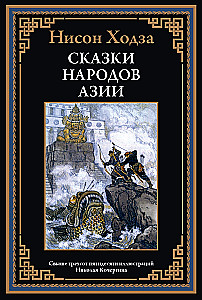
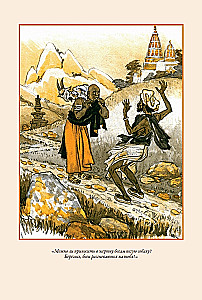
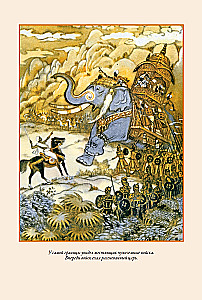
Tales of the Peoples of Asia
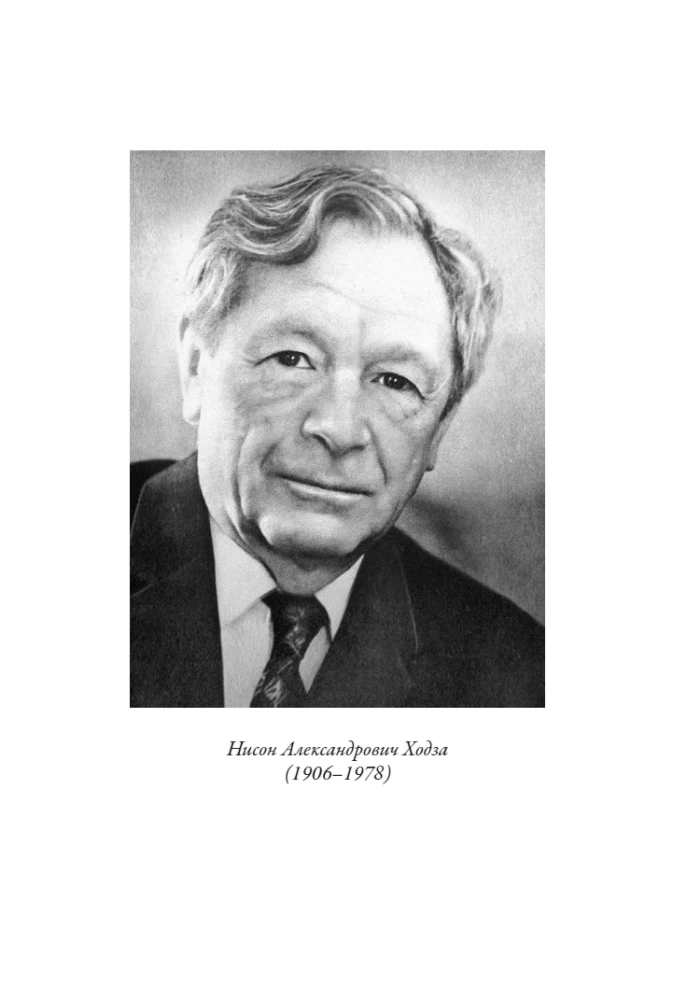
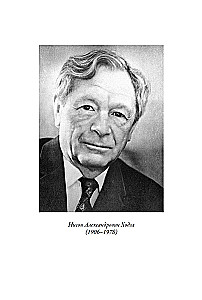
Nison Alexandrovich Khodza (1906–1978) was born in Tomsk to a factory worker's family. In 1916, he entered the Tomsk Real School. Shortly thereafter, the young man fell ill with tuberculosis and moved to Crimea to recover his health. There, he...
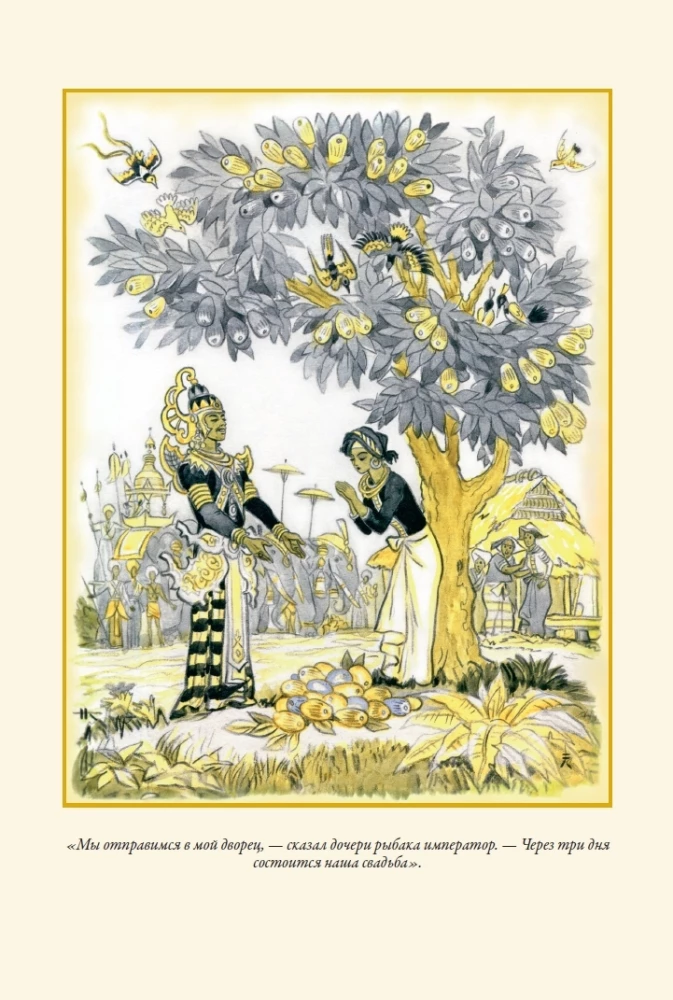
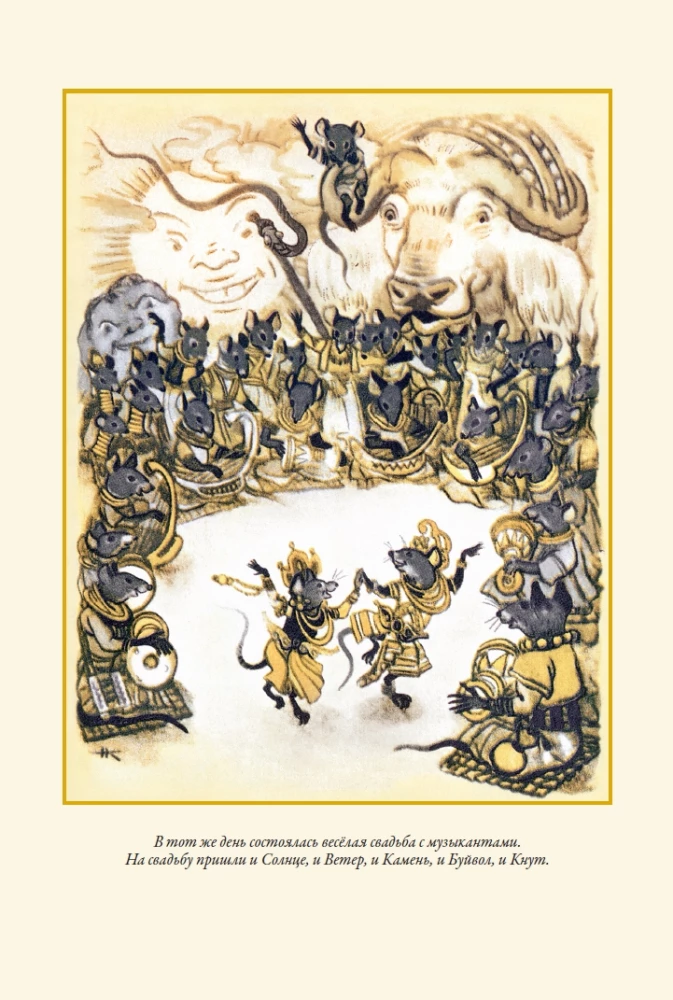
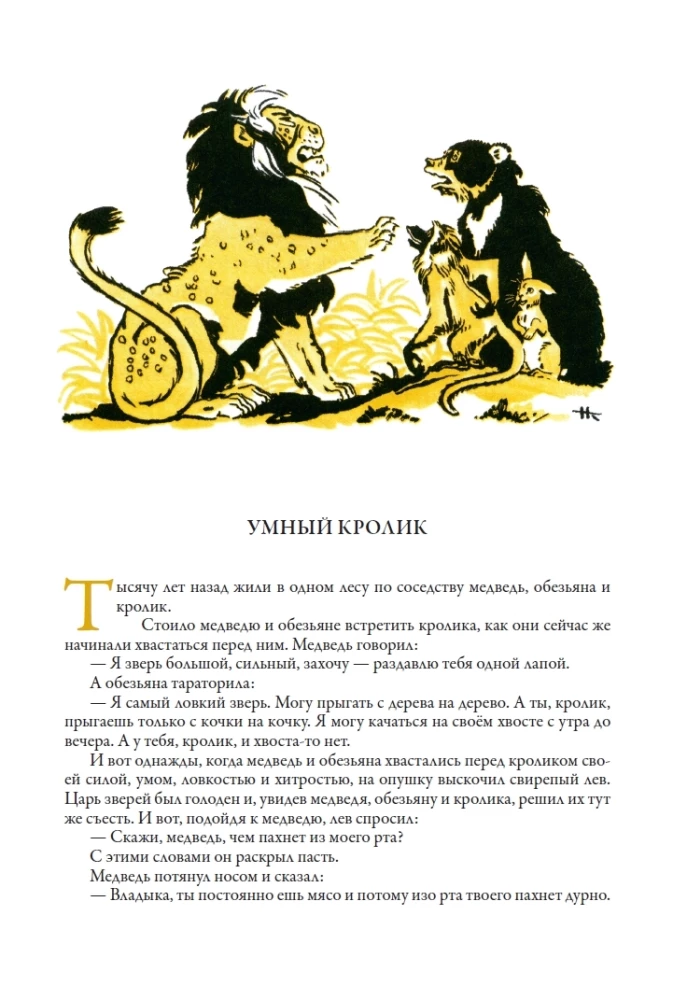
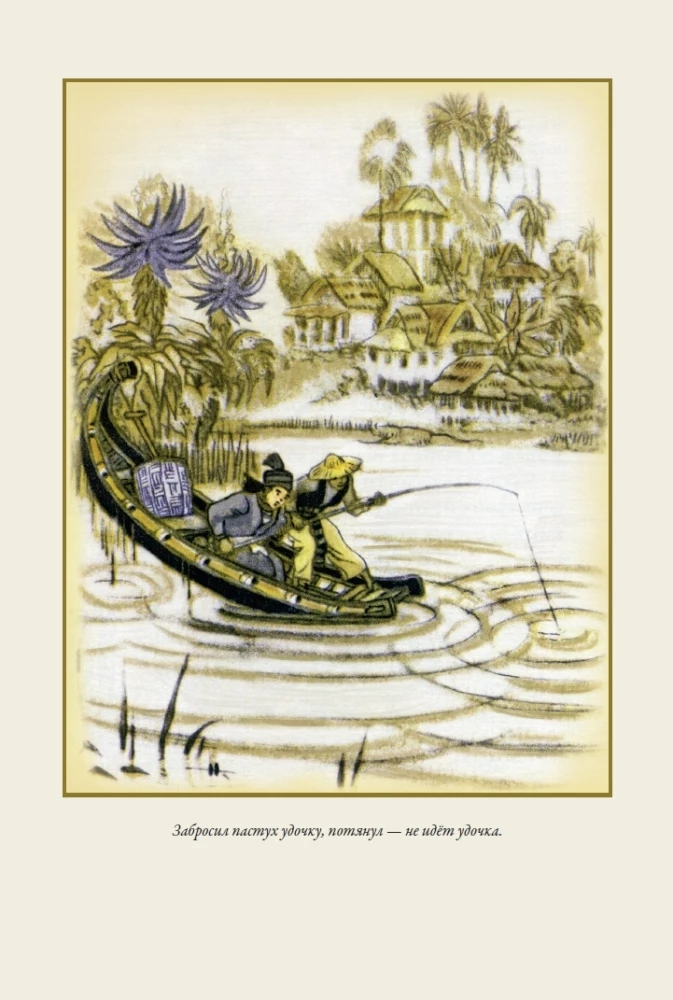
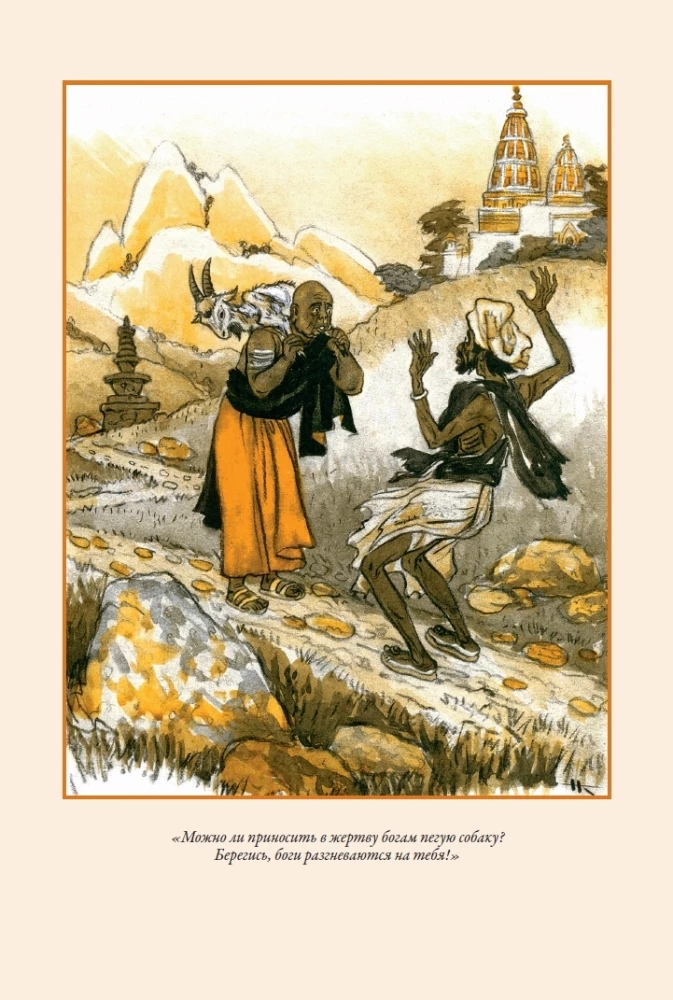
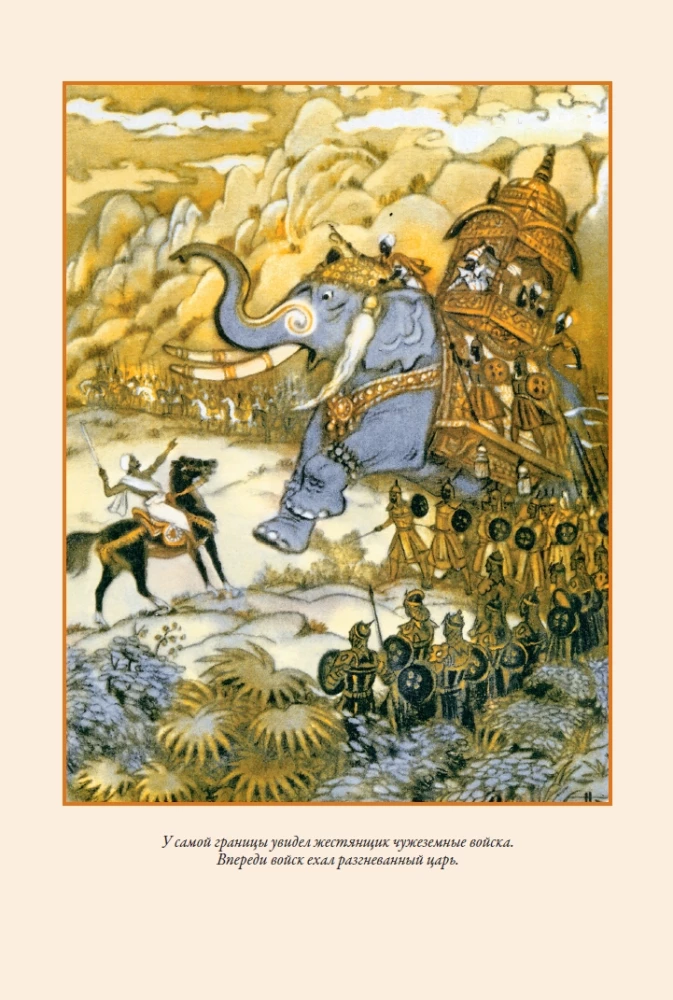
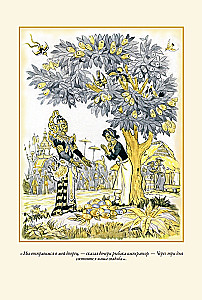
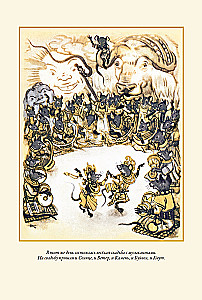
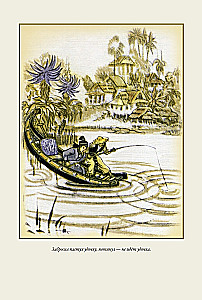
graduated from the Sevastopol Industrial-Economic Technicum, after which he continued his studies at the Odessa Institute of National Economy. In 1927, Nison Alexandrovich went for an internship at Gosizdat of the Leningrad Region. During his internship, the young specialist proved himself well and received a position on staff. Khodza wrote essays and articles aimed mainly at children. Over time, his publications attracted the attention of the well-known writer and translator Samuel Yakovlevich Marshak. Noting the ease of style and imagery of the novice author’s narrative, he suggested that he write a children’s book, resulting in the publication of “Easter” in 1930. In the following years, Khodza continued to work as a responsible literary employee, chief editor, and author of books. When the Great Patriotic War began, the writer was head of the children’s broadcasting department on the radio. During the difficult war years, he wrote and edited reports from the front, prepared materials about the heroic feats of Soviet citizens, recorded the memories of Leningrad residents about the long days of the blockade, and participated in defensive works: digging anti-tank ditches, clearing rubble, and extinguishing incendiary bombs. Thirty years after the blockade was lifted, Nison Alexandrovich published a collection “The Road of Life,” in which he managed to capture eyewitness accounts in small stories about how the city was defended. In the post-war years, Khodza was tasked by the editorial office to collect materials about the life and studies of foreign students in Leningrad institutions. In the course of communicating with them, Nison Alexandrovich discovered that his interlocutors knew many fascinating folk tales, and he conceived the idea of introducing Soviet readers to the folklore of China, Korea, Mongolia, India, Indonesia, and other Asian countries. For several years, Khodza collected, literarily processed, and published tales that eventually became extremely popular among children. The captivating and educational stories, filled with wisdom and distinctive beauty, written in a bright, vivid language, still resonate with both young and adult readers today. In this edition, the texts of the tales are accompanied by illustrations from the Soviet book graphic artist and poster artist, Honored Artist of the RSFSR Nikolai Mikhailovich Kochergin (1897–1974).
Author: Нисон Ходза
Printhouse: SZKEO
Series: Library of World Literature
Age restrictions: 12+
Year of publication: 2025
ISBN: 9785960313315
Number of pages: 560
Size: 250х180х50 mm
Cover type: hard
Weight: 1450 g
ID: 1729145
In stock
€ 23.29
Will be delivered to United States on 29 September (Tu):
By courier
from € 38.94
Bestsellers

Bestseller
€ 12.19
In stock
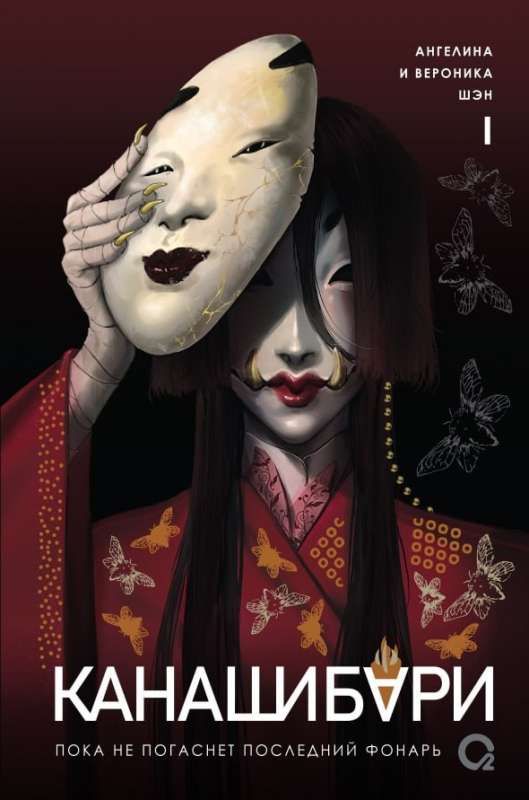
Kanashibari. Until the Last Lantern Goes Out. Volume 1
Ангелина Шэн, Вероника Шэн