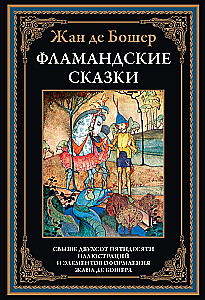
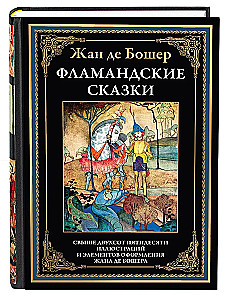
Flemish Tales
The prototypes of some heroes from Flemish tales can be found in the folklore of various European countries, but most characters possess distinct Flemish traits. The tales in the collection have a certain elegance characteristic of the country that gave...
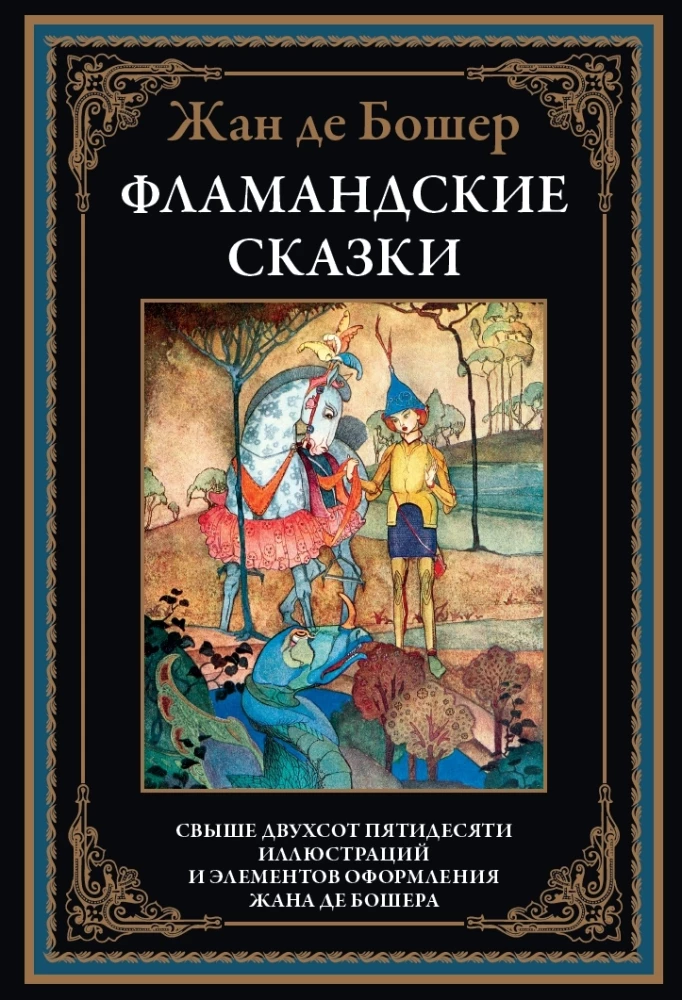
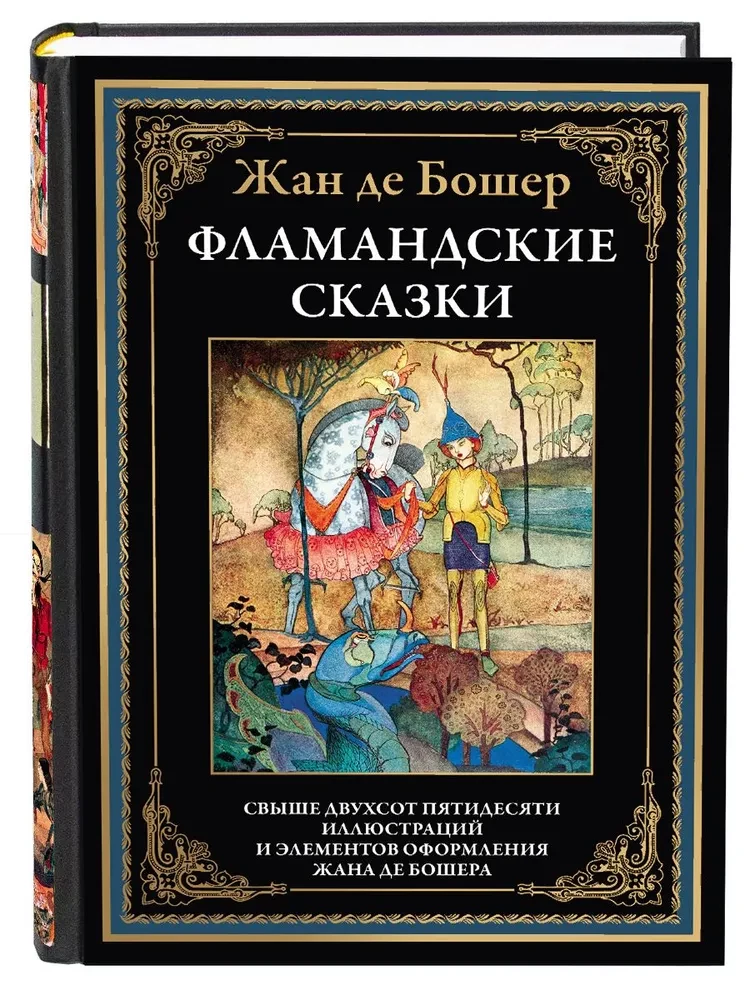
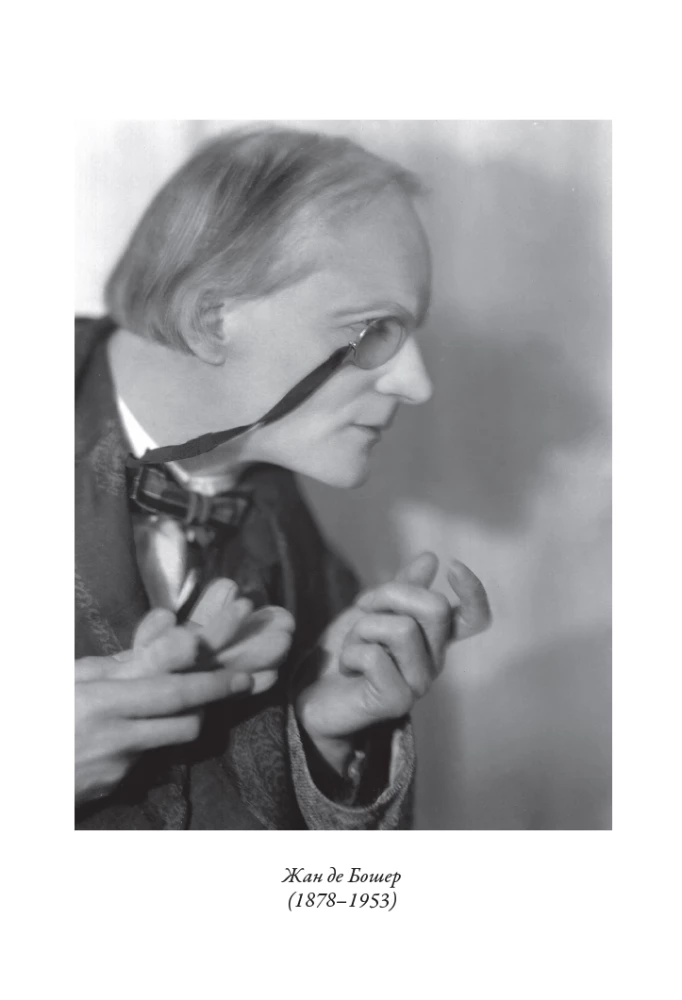
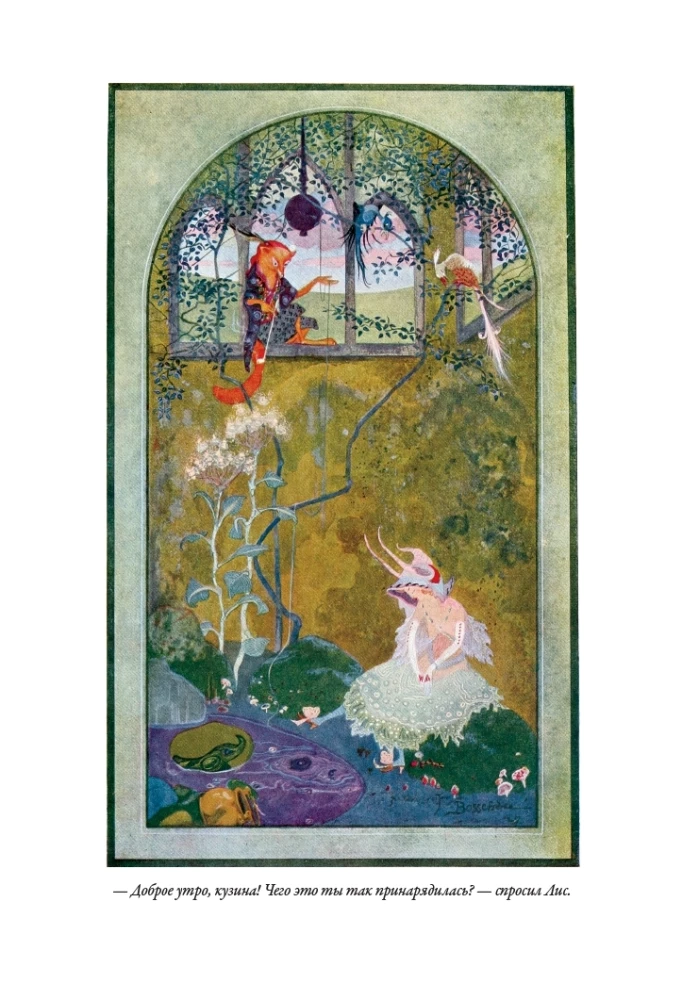
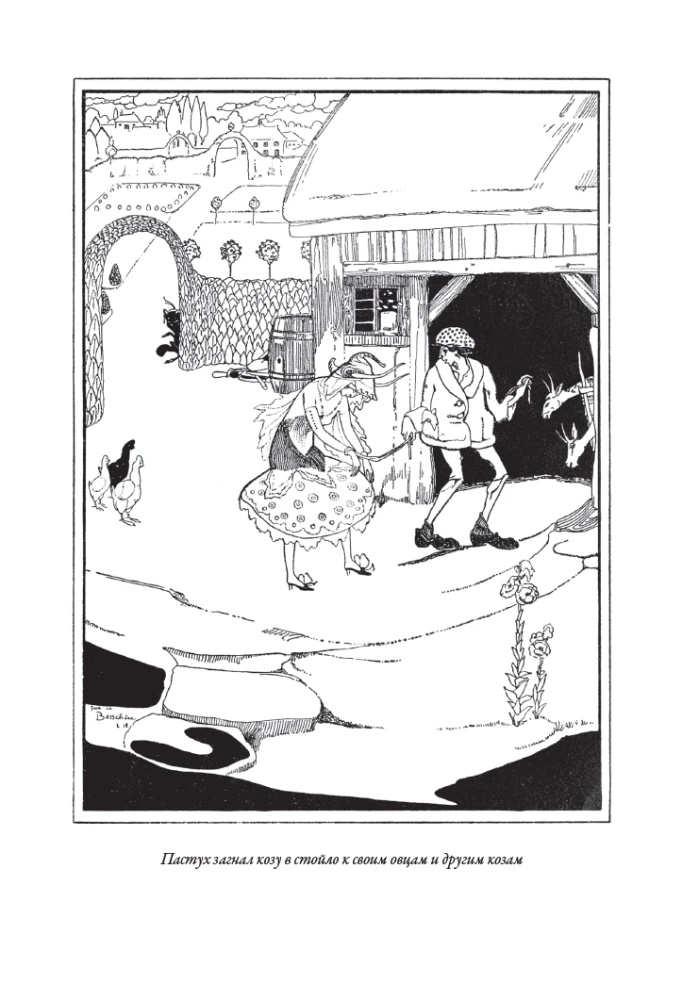
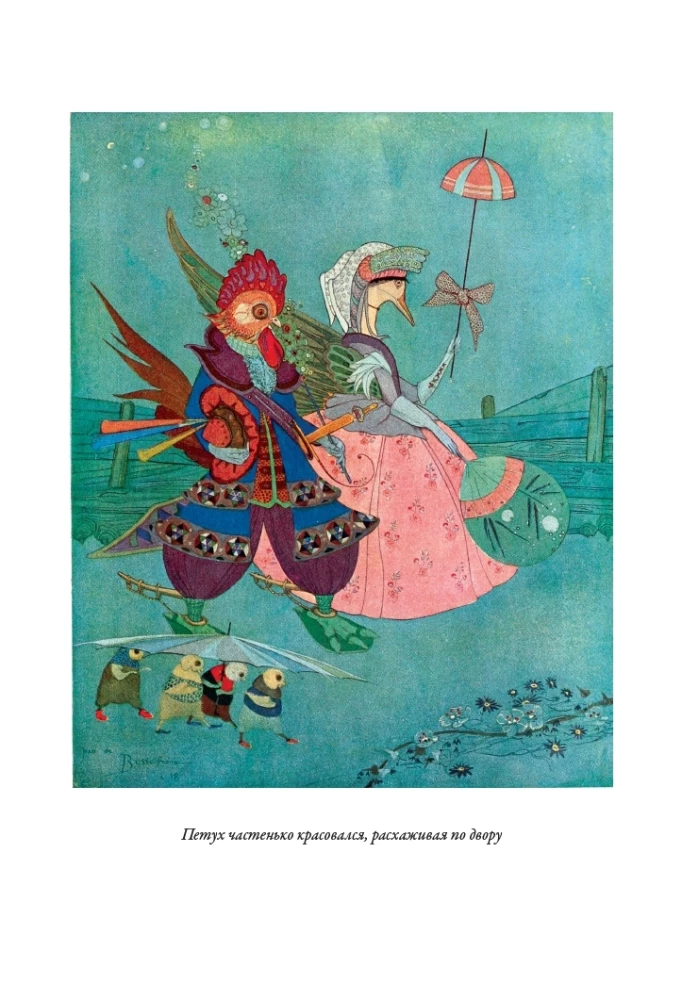
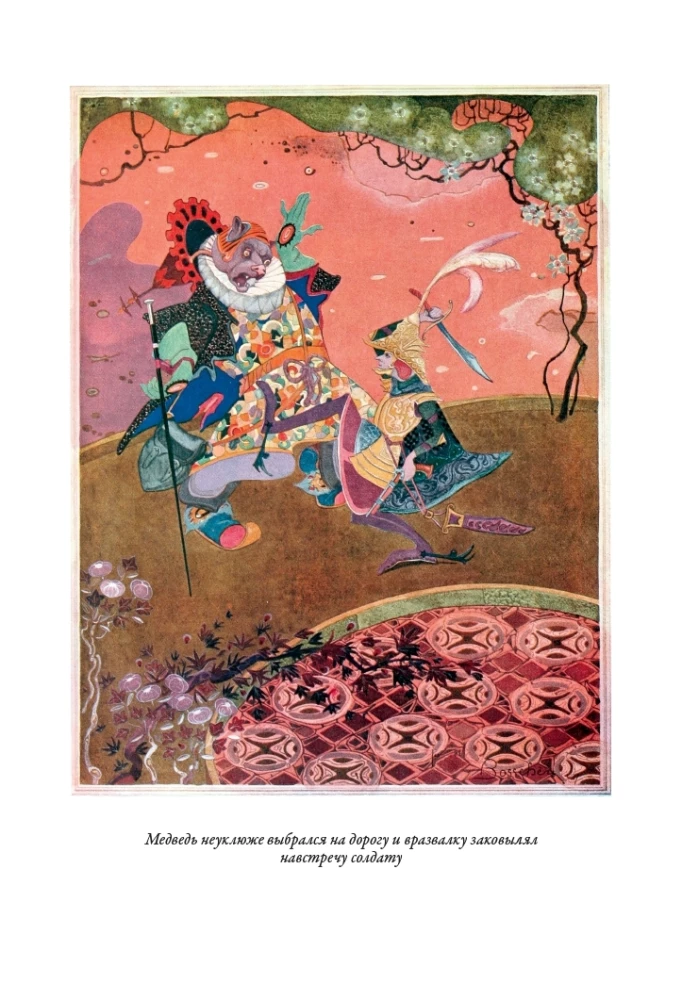
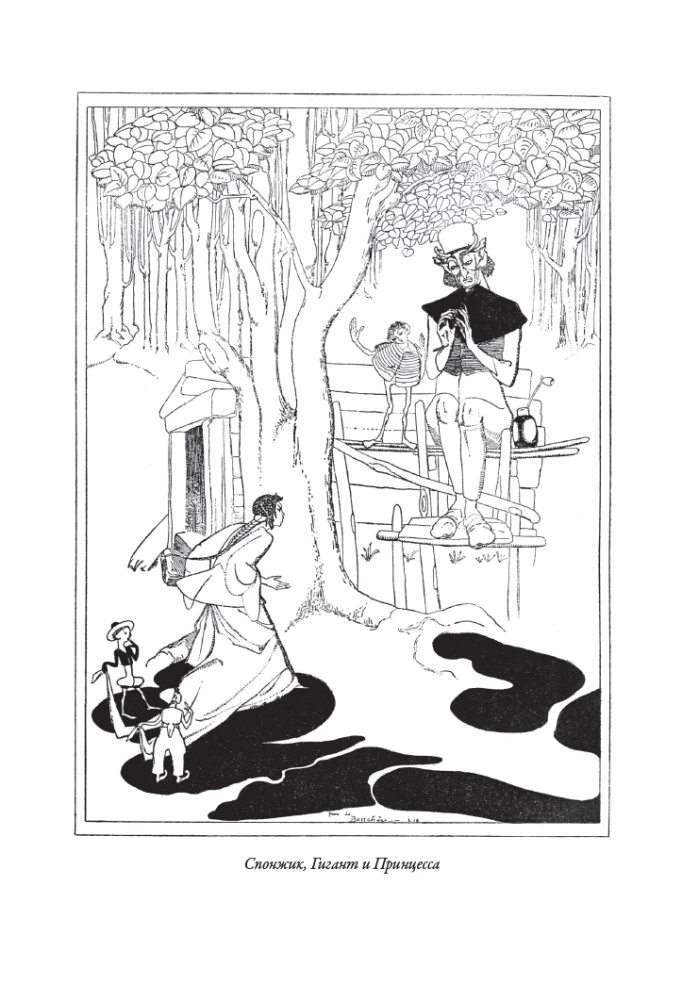
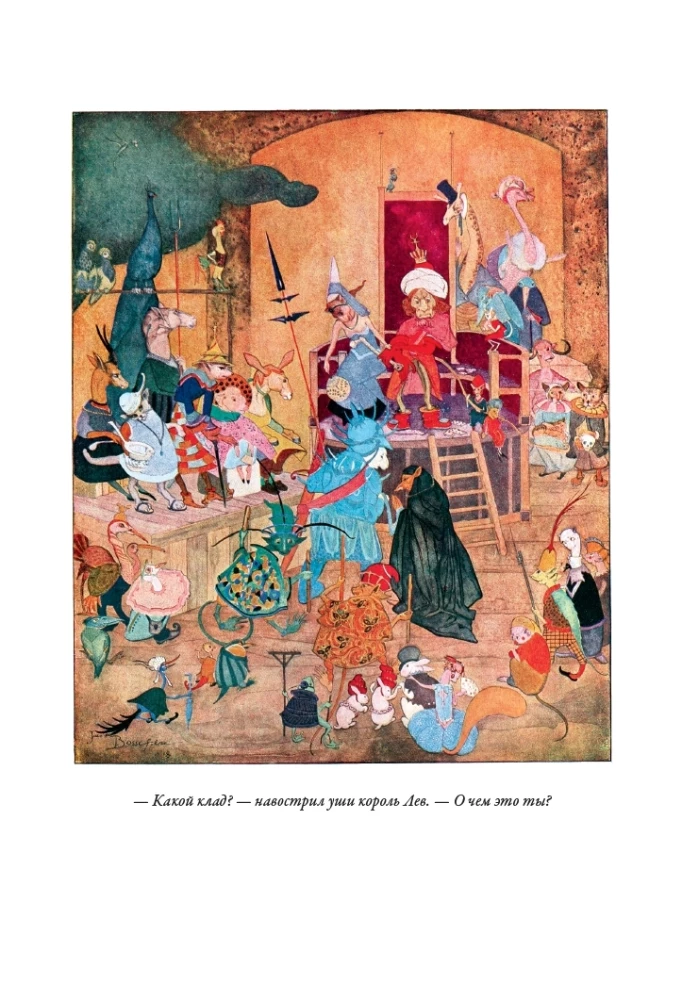
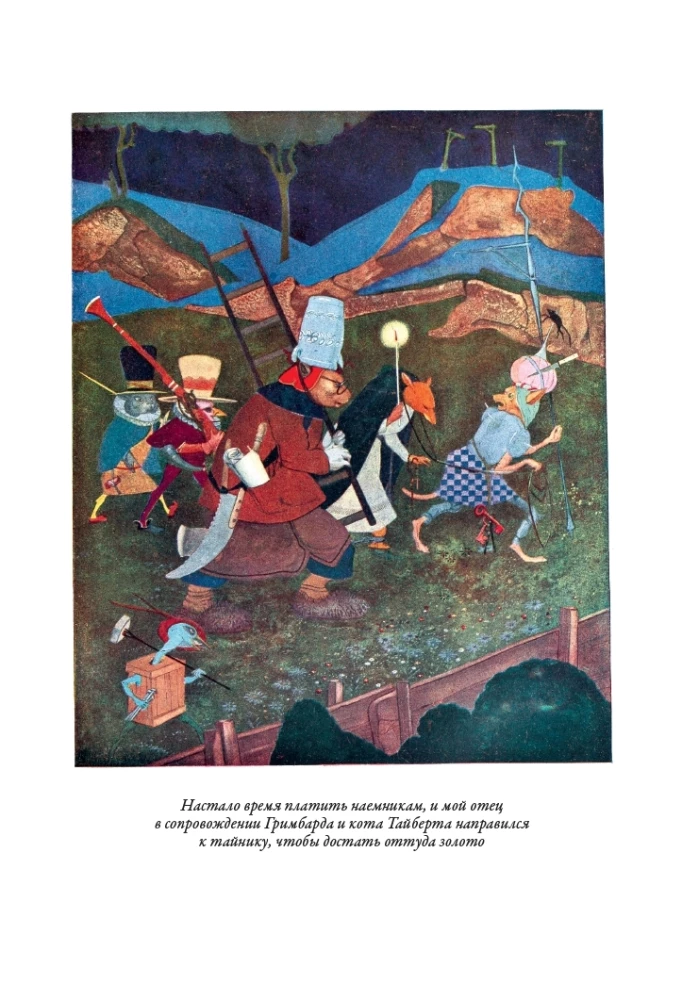
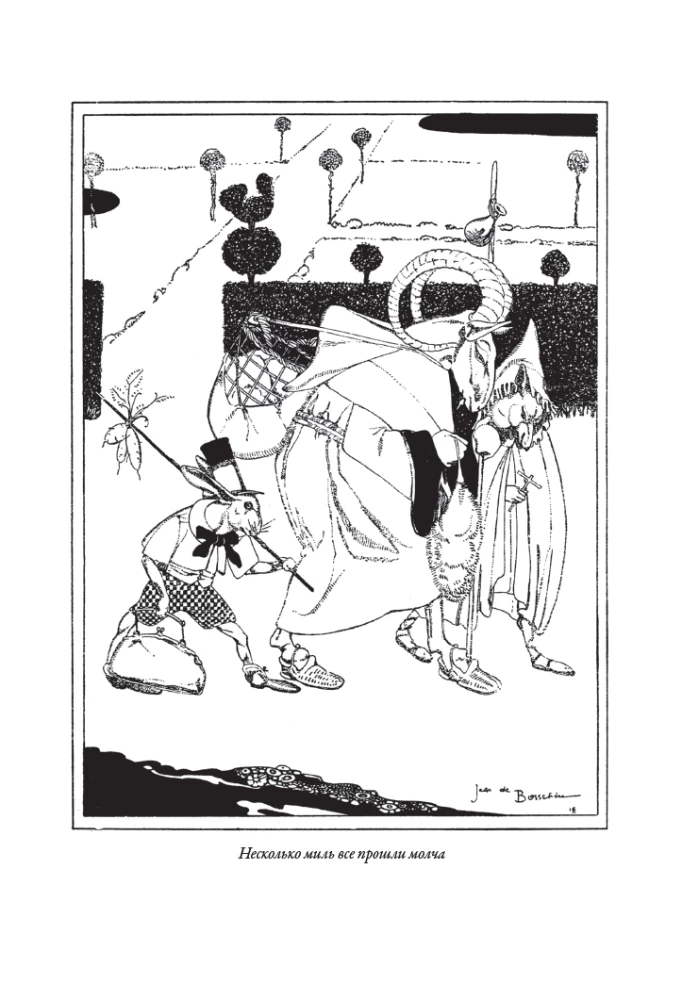
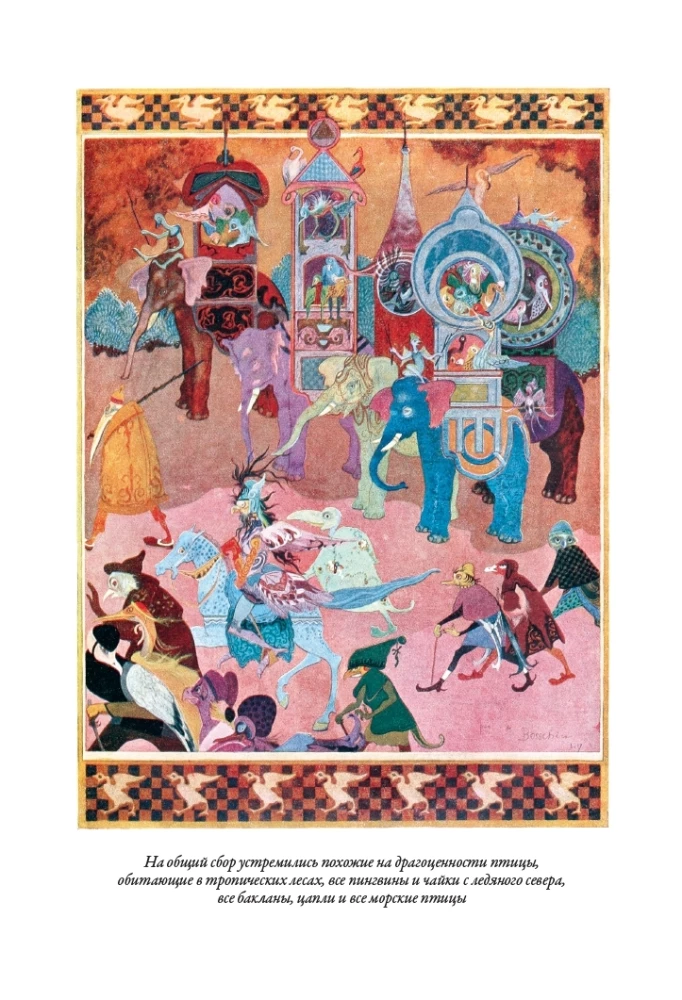
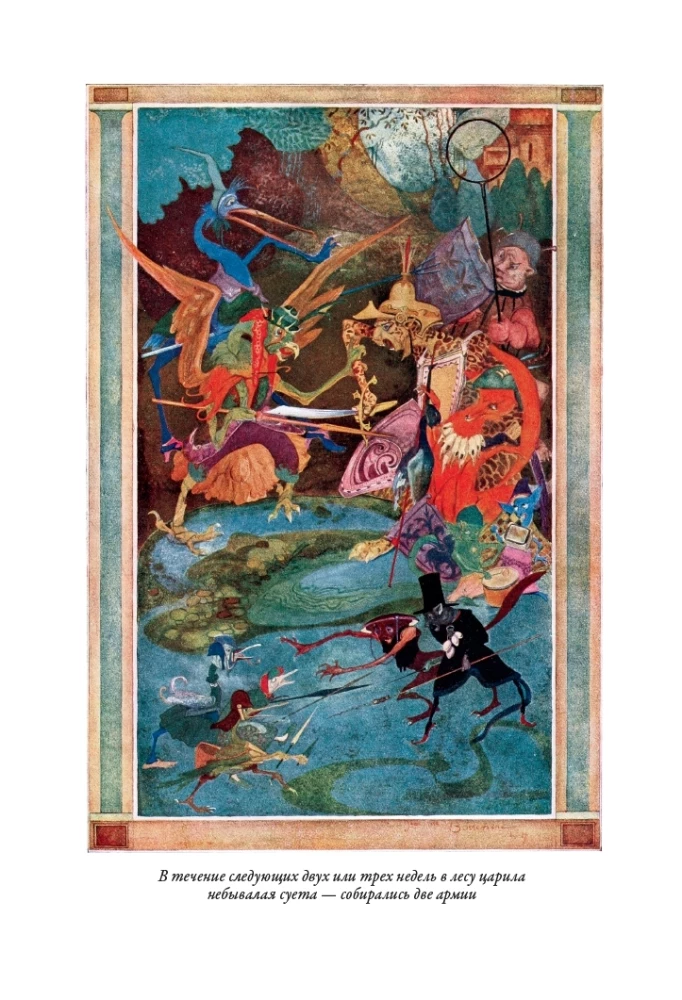
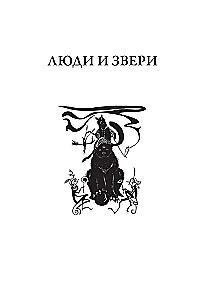
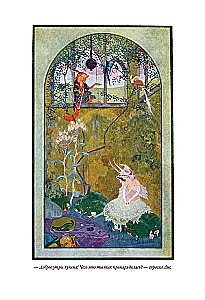
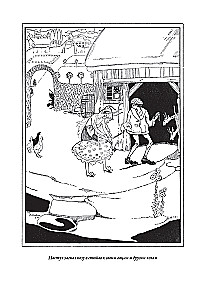
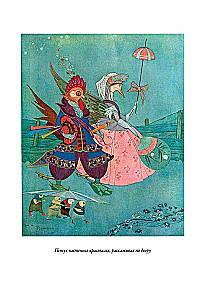
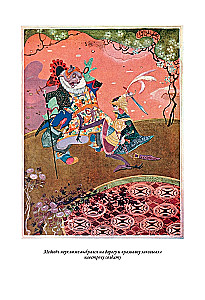
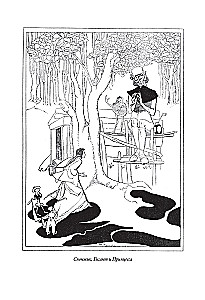
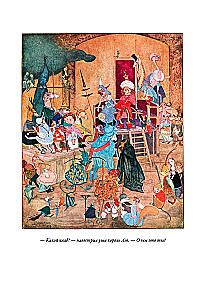
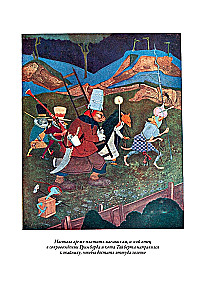
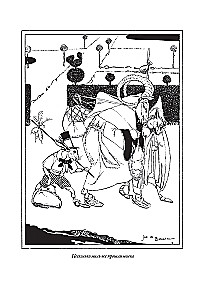
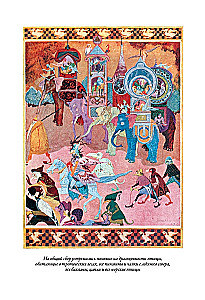
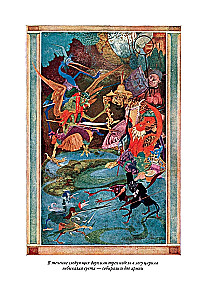
rise to the famous school of painting, and their fresh presentation pays a unique tribute to the creative imagination of the people of Flanders. Flemish folk tales were collected by various individuals. Some of the tales of Flanders were published in the late 19th century in the collection "This is what the Flemish tell," some were included in an academic anthology compiled by J. Teickling, while a third part was collected and literarily processed by the Belgian writer Jean de Boscher; in this book, the tales are united in the cycle "People and Beasts." Jean de Boscher was also a talented artist – the publication is adorned with his original illustrations.
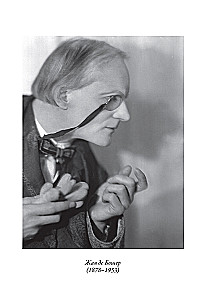
De Boscher was born in the territory of the modern Belgian commune of Uccle in 1878. In 1893, he began studying at the horticultural school in Ghent, but when a year later his parents moved to Antwerp, Jean took the opportunity to attend the Royal Academy of Fine Arts, as his passion for drawing had emerged in his childhood. In the walls of the academy, de Boscher honed his skills for four years. Later, for another four years, he regularly visited Paris, where he was influenced by symbolists, both writers and artists. From 1905 to 1914, de Boscher's art-critical articles regularly appeared in the magazines "L'Osidén" and "L'Art Flaman et Hollande." Jean de Boscher also wrote several monographs dedicated to Flemish art. In 1909, he published his first collection of poems "Bel-Grin," which he illustrated with his own drawings. The style of these illustrations, as well as his later works, was influenced by the Art Nouveau movement, particularly the drawings of Aubrey Beardsley. After the outbreak of World War I, de Boscher left Belgium. He moved to London, where he met writers such as John Fletcher and Aldous Huxley, as well as imagist poets, including Ezra Pound, T.S. Eliot, and Richard Aldington. De Boscher befriended several London publishers for whom he later illustrated numerous books. Among them were poetry collections by Oscar Wilde and Charles Baudelaire. He also created a series of drawings for the erotic classics of Aristophanes, Ovid, and Apuleius. The illustrations for the collection of Flemish tales, which was published in English in London, were completed by de Boscher in 1918.
De Boscher was born in the territory of the modern Belgian commune of Uccle in 1878. In 1893, he began studying at the horticultural school in Ghent, but when a year later his parents moved to Antwerp, Jean took the opportunity to attend the Royal Academy of Fine Arts, as his passion for drawing had emerged in his childhood. In the walls of the academy, de Boscher honed his skills for four years. Later, for another four years, he regularly visited Paris, where he was influenced by symbolists, both writers and artists. From 1905 to 1914, de Boscher's art-critical articles regularly appeared in the magazines "L'Osidén" and "L'Art Flaman et Hollande." Jean de Boscher also wrote several monographs dedicated to Flemish art. In 1909, he published his first collection of poems "Bel-Grin," which he illustrated with his own drawings. The style of these illustrations, as well as his later works, was influenced by the Art Nouveau movement, particularly the drawings of Aubrey Beardsley. After the outbreak of World War I, de Boscher left Belgium. He moved to London, where he met writers such as John Fletcher and Aldous Huxley, as well as imagist poets, including Ezra Pound, T.S. Eliot, and Richard Aldington. De Boscher befriended several London publishers for whom he later illustrated numerous books. Among them were poetry collections by Oscar Wilde and Charles Baudelaire. He also created a series of drawings for the erotic classics of Aristophanes, Ovid, and Apuleius. The illustrations for the collection of Flemish tales, which was published in English in London, were completed by de Boscher in 1918.
Author: Жан де Бошер
Printhouse: SZKEO
Series: BML
Age restrictions: 6+
Year of publication: 2024
ISBN: 9785960310505
Number of pages: 304
Size: 250x180x22 mm
Cover type: hard
Weight: 880 g
ID: 1702088
Sold out
€ 18.09
Sold out
€ 18.09
Bestsellers






Bestseller
€ 12.19
In stock
Kanashibari. Until the Last Lantern Goes Out. Volume 1
Ангелина Шэн, Вероника Шэн