


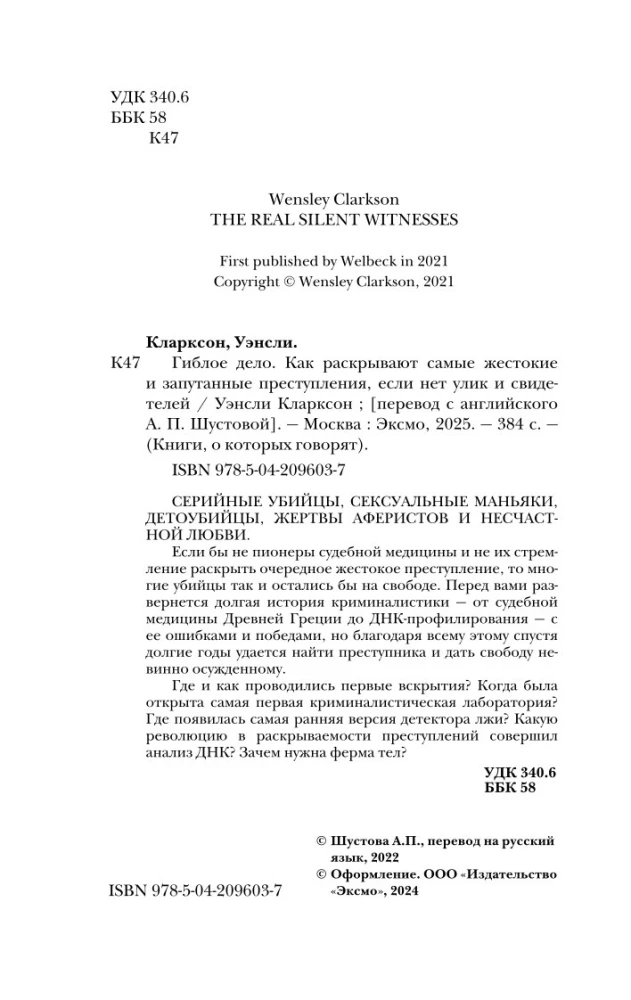





The Deadly Affair. How the Most Brutal and Complex Crimes Are Solved When There Are No Clues or Witnesses
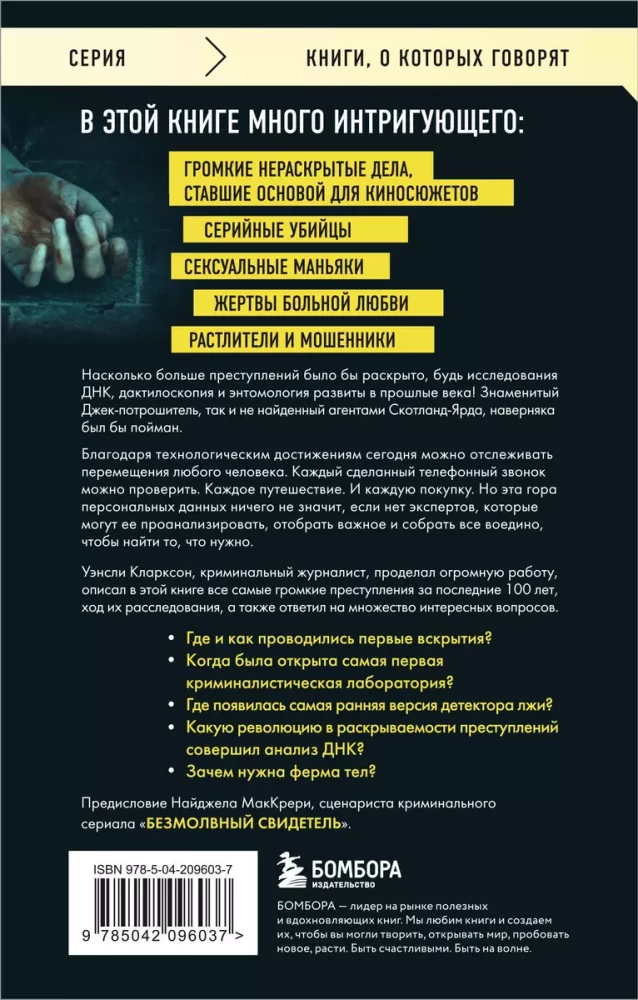
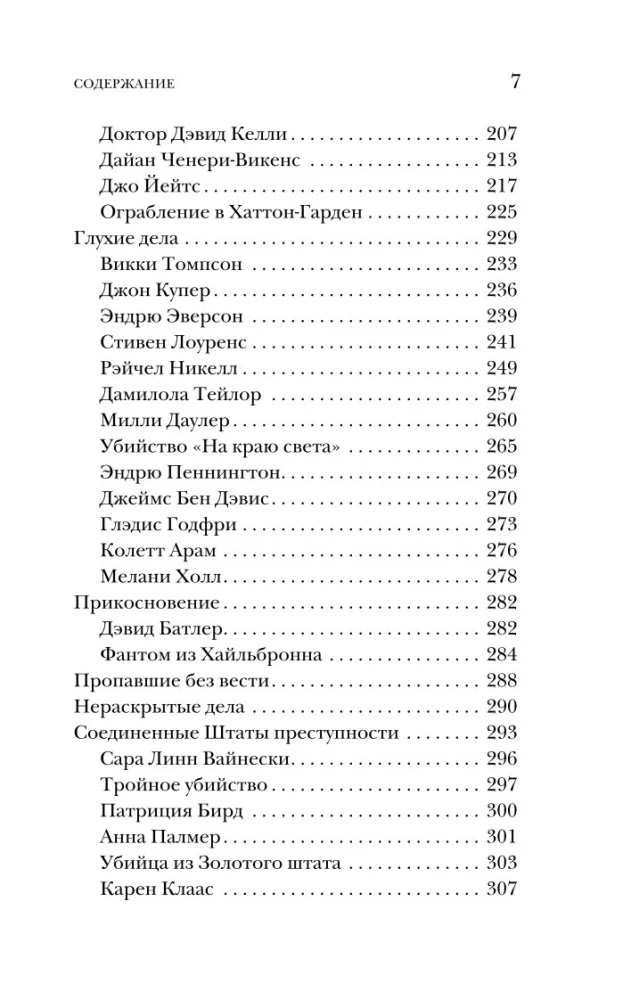
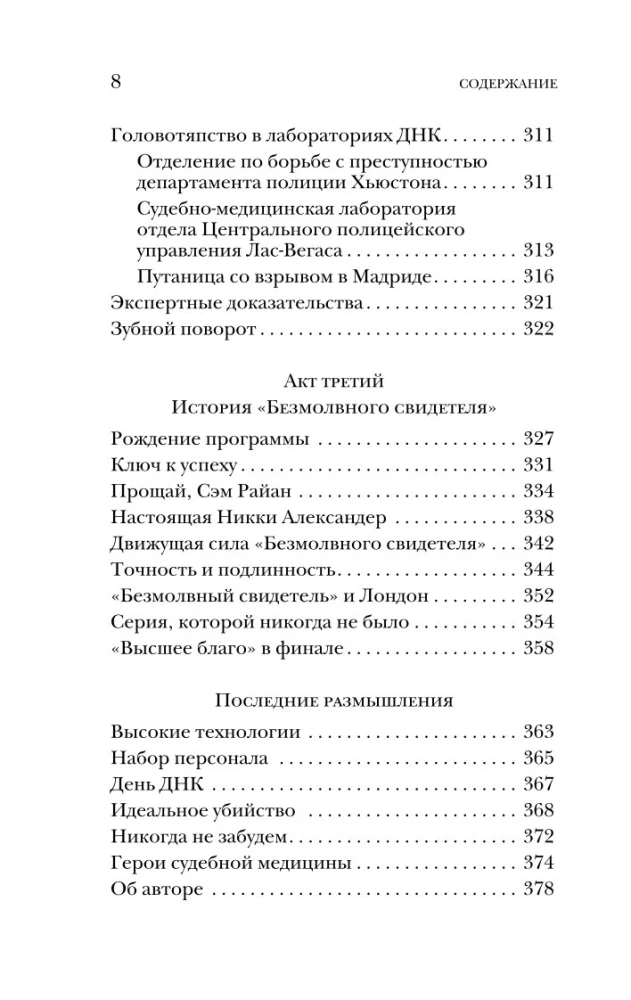
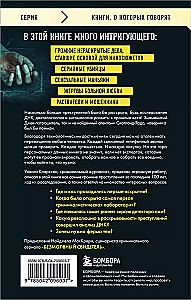
This book has a lot of intriguing aspects:
- high-profile unsolved cases that became the basis for movie plots.
- serial killers.
- sexual maniacs.
- victims of sick love.
- seducers and fraudsters.
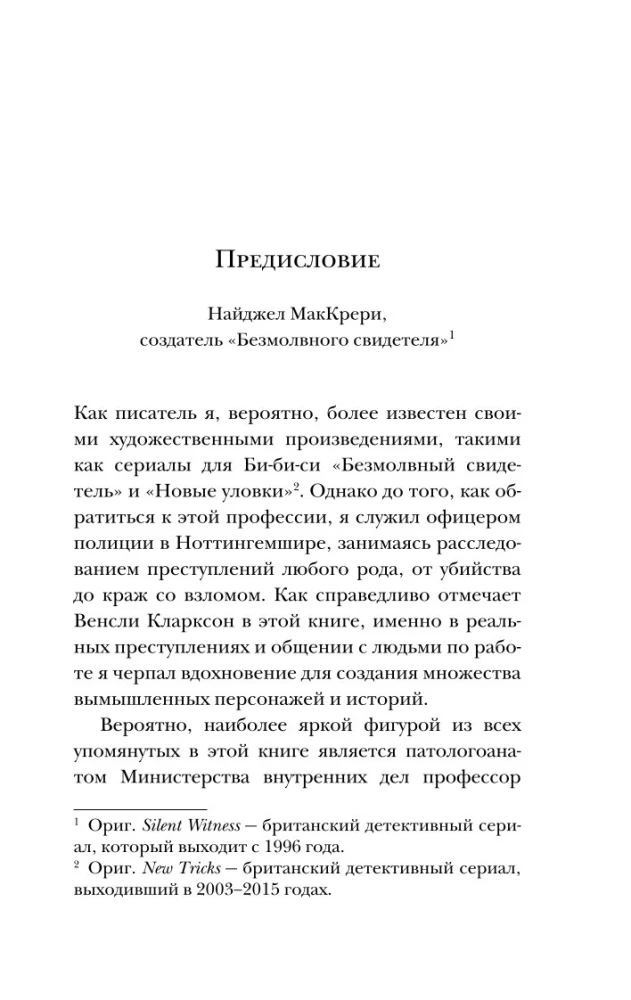
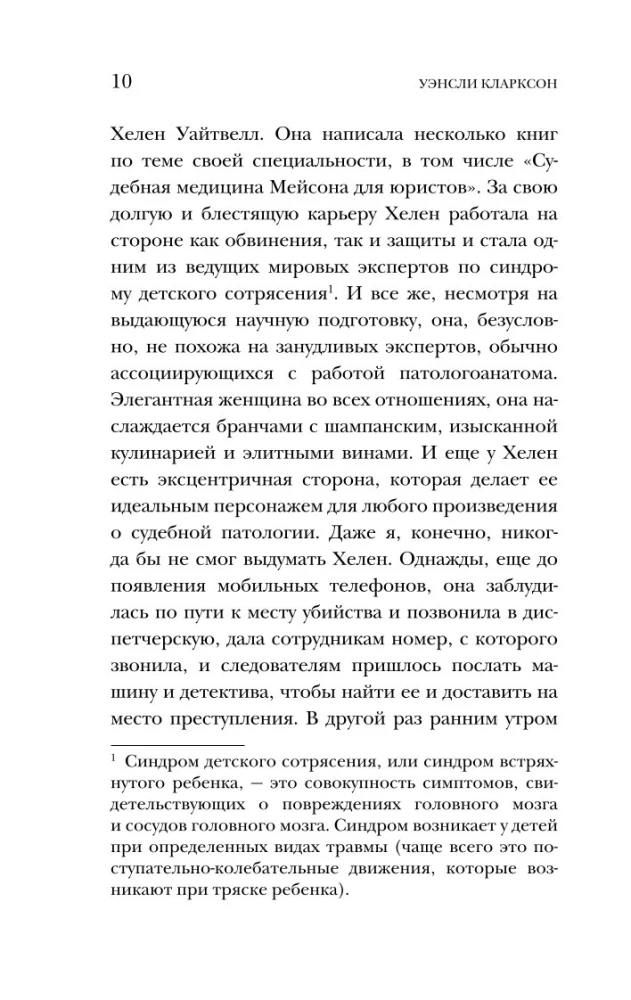
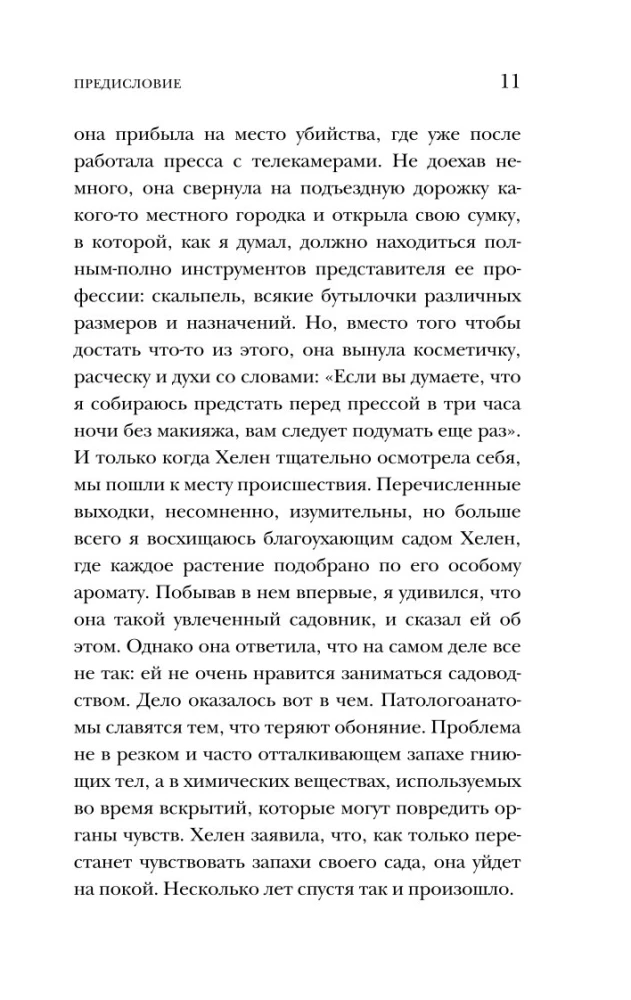
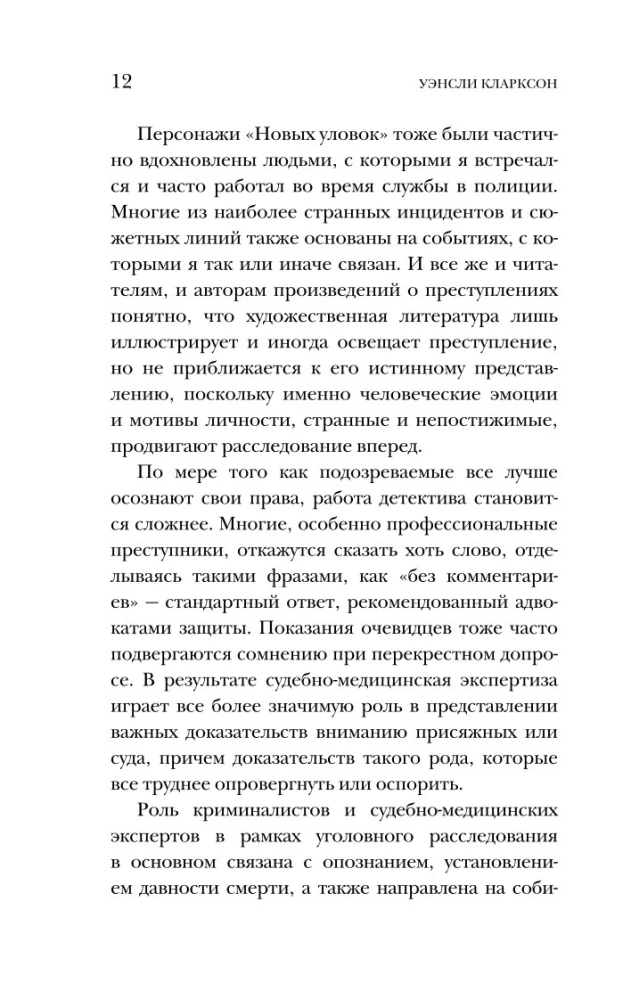
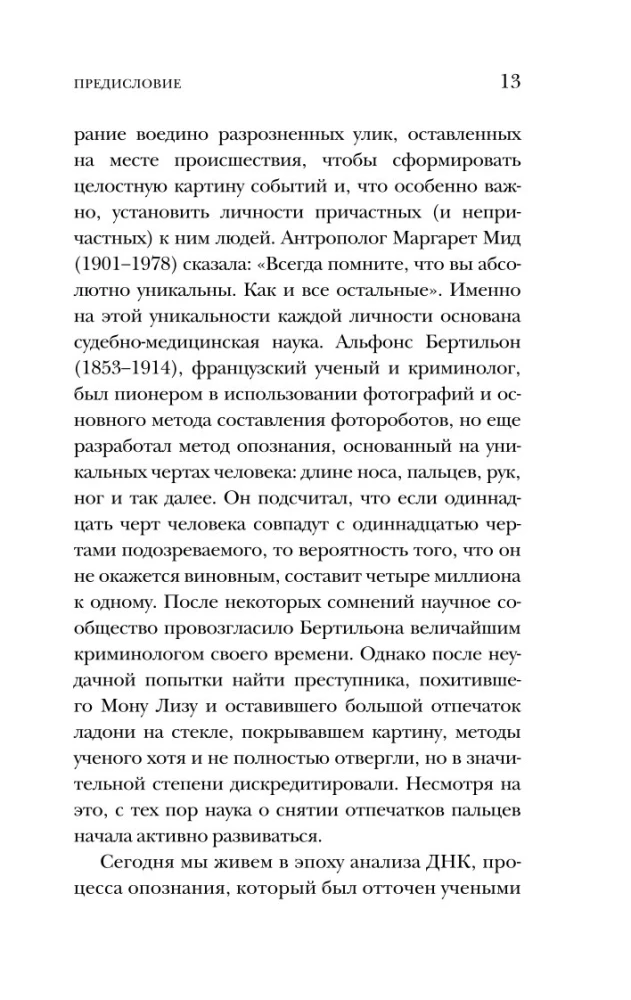
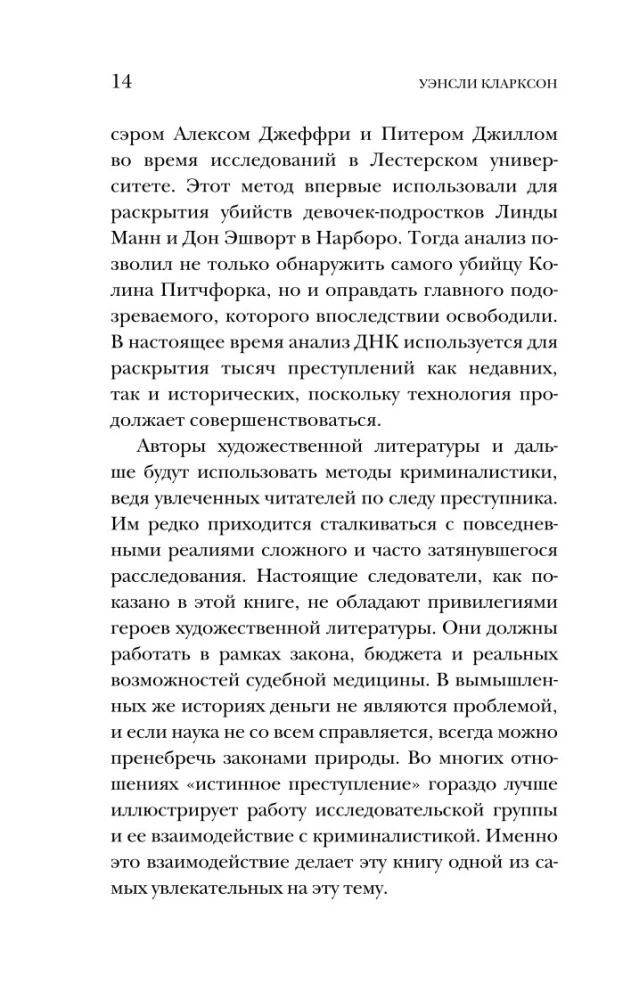
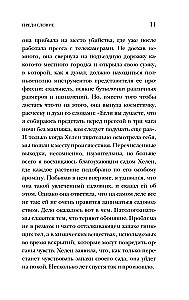
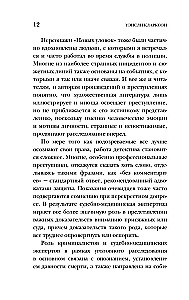
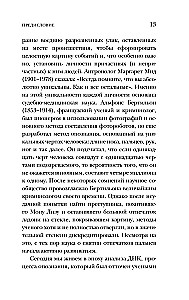
How many more crimes would have been... solved if DNA research, fingerprinting, and entomology had been developed in past centuries? The infamous Jack the Ripper, never found by Scotland Yard agents, would surely have been caught by now.
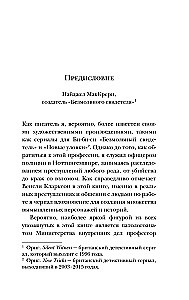
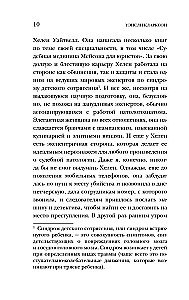
Thanks to technological advancements, it is now possible to track the movements of any person. Every phone call made can be checked. Every trip. And every purchase. But this mountain of personal data means nothing if there are no experts who can analyze it, filter out the important bits, and piece everything together to find what is needed.
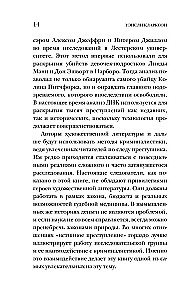
To understand how forensic science has developed, it is necessary to look at the past, present, and future of this most imprecise of all sciences and get to know the people who have had a significant influence on the world of forensic expertise.
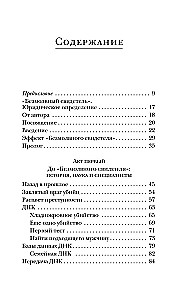
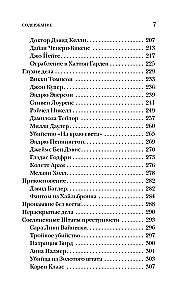
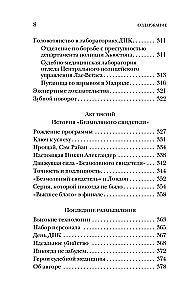
- Where and how were the first autopsies conducted?
- When was the very first forensic laboratory opened?
- Where did the earliest version of the lie detector appear?
- What revolution did DNA analysis bring to crime solving?
- Why is a body farm needed?
- high-profile unsolved cases that became the basis for movie plots.
- serial killers.
- sexual maniacs.
- victims of sick love.
- seducers and fraudsters.
How many more crimes would have been... solved if DNA research, fingerprinting, and entomology had been developed in past centuries? The infamous Jack the Ripper, never found by Scotland Yard agents, would surely have been caught by now.
Thanks to technological advancements, it is now possible to track the movements of any person. Every phone call made can be checked. Every trip. And every purchase. But this mountain of personal data means nothing if there are no experts who can analyze it, filter out the important bits, and piece everything together to find what is needed.
To understand how forensic science has developed, it is necessary to look at the past, present, and future of this most imprecise of all sciences and get to know the people who have had a significant influence on the world of forensic expertise.
- Where and how were the first autopsies conducted?
- When was the very first forensic laboratory opened?
- Where did the earliest version of the lie detector appear?
- What revolution did DNA analysis bring to crime solving?
- Why is a body farm needed?
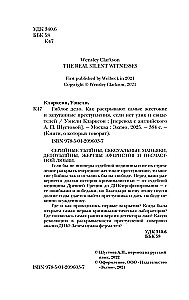
Author: Уэнсли Кларксон
Printhouse: Eksmo
Series: Books that are talked about
Age restrictions: 18+
Year of publication: 2024
ISBN: 9785042096037
Number of pages: 384
Size: 180x116x17 mm
Cover type: soft
Weight: 193 g
ID: 1688806
Available from suppliers
Expected delivery time – up to 2 weeks
€ 5.19
Available from suppliers
Expected delivery time – up to 2 weeks
€ 5.19
Bestsellers






€ 13.29
In stock
12 Weeks in a Year. How to Achieve More in 12 Weeks Than Others Do in 12 Months
Майкл Леннингтон, Брайан Моран

€ 7.89
In stock
Choice. On the Freedom and Inner Strength of a Person
Эдит Ева Эгер, Эсме Швалль-Вейганд



€ 14.99
In stock
The Body Remembers Everything: The Role of Psychological Trauma in a Person's Life and Techniques to Overcome It
Бессел ван дер Колк