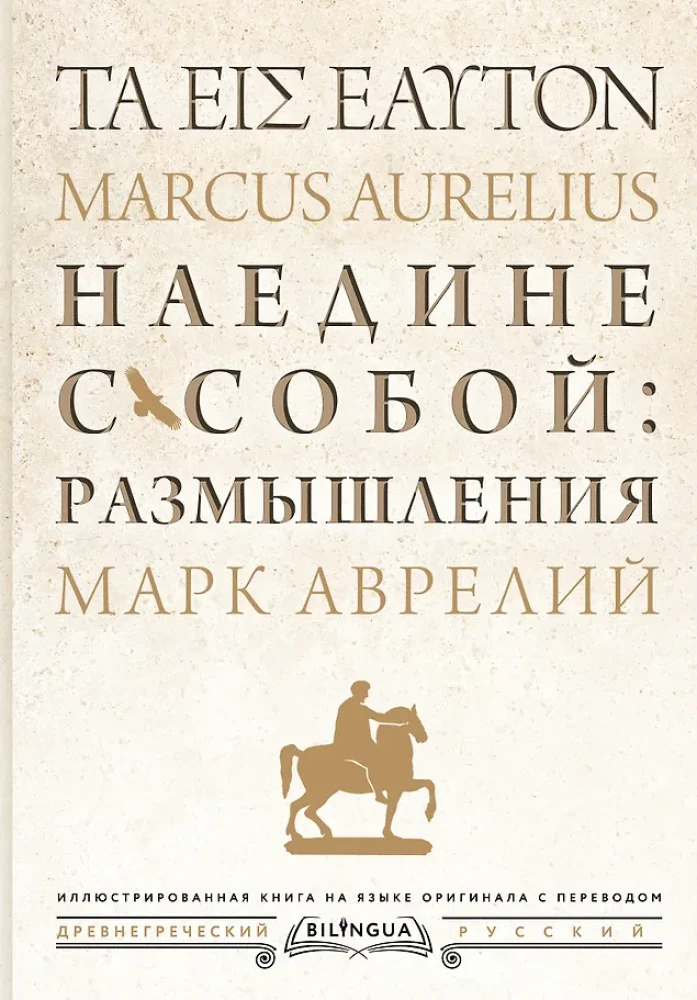
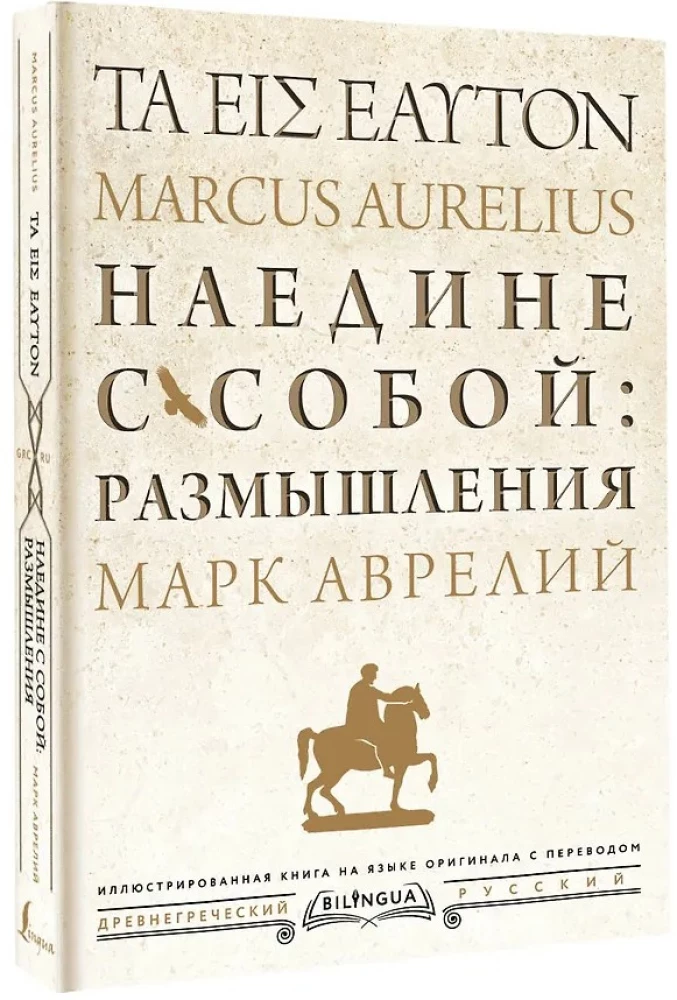
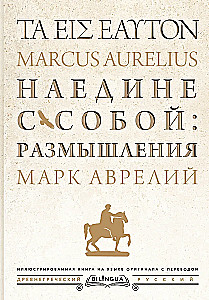
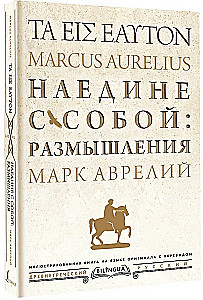
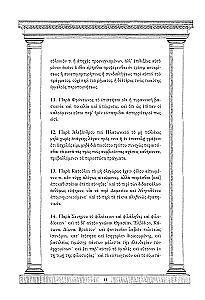
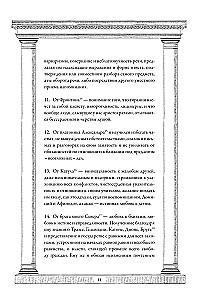
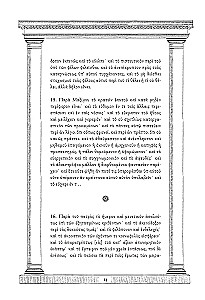
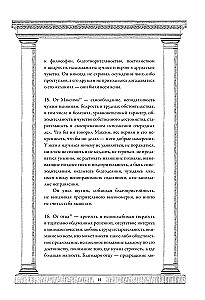
Alone with oneself: reflections = ta eis heauton
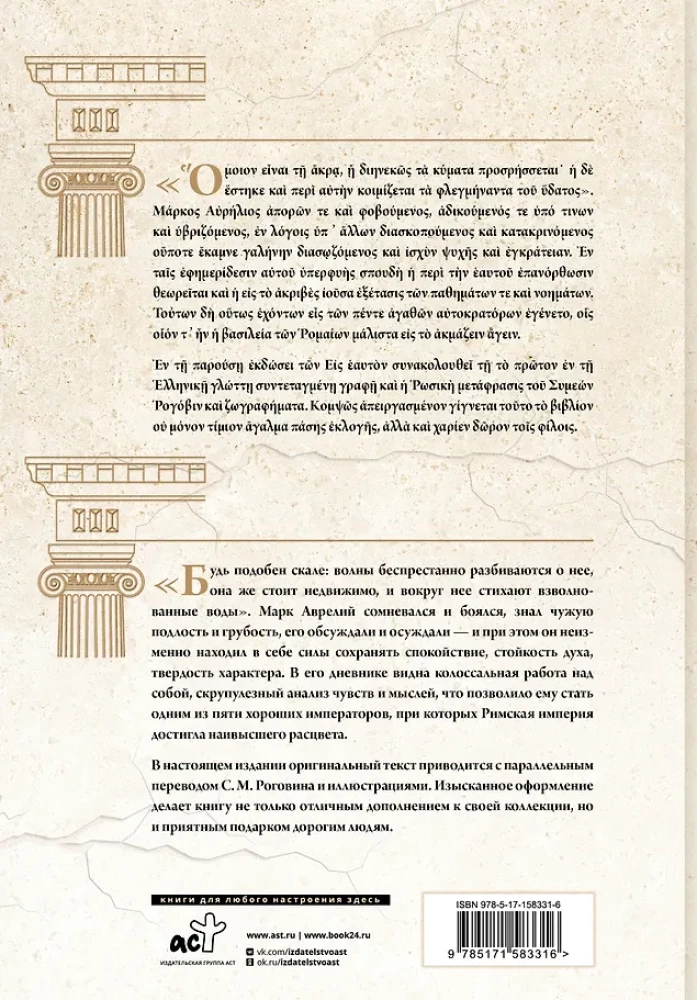
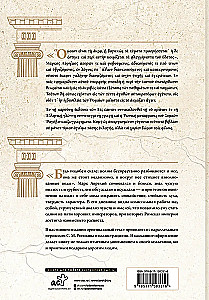
“Be like a rock: waves constantly break against it, yet it stands unmoved, and around it the agitated waters calm.” Marcus Aurelius doubted and feared, was aware of alien baseness and rudeness, he was discussed and condemned – and yet...
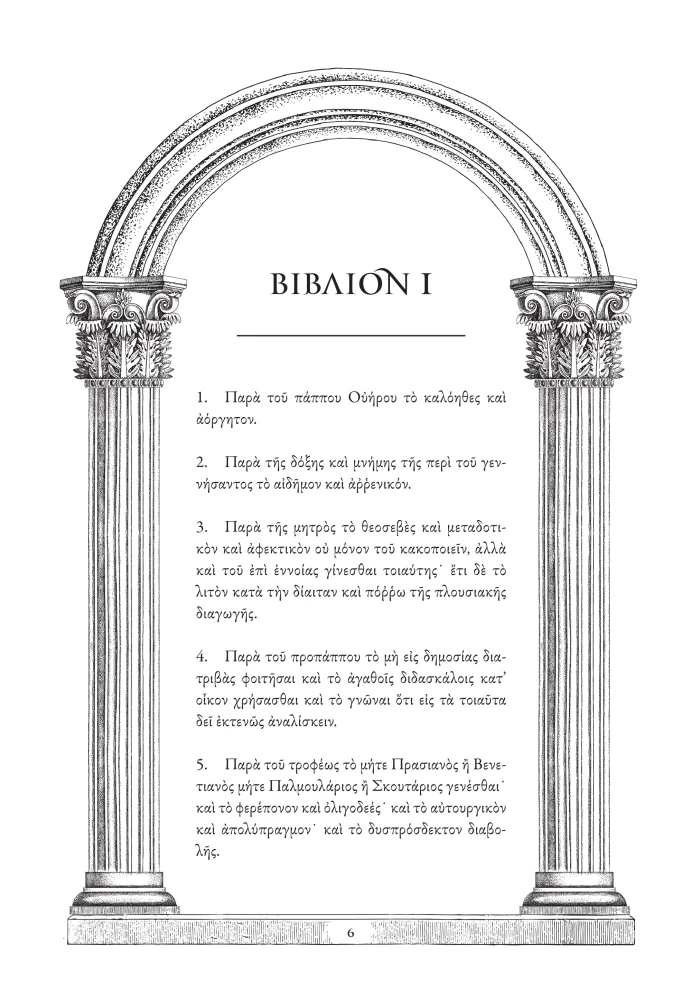
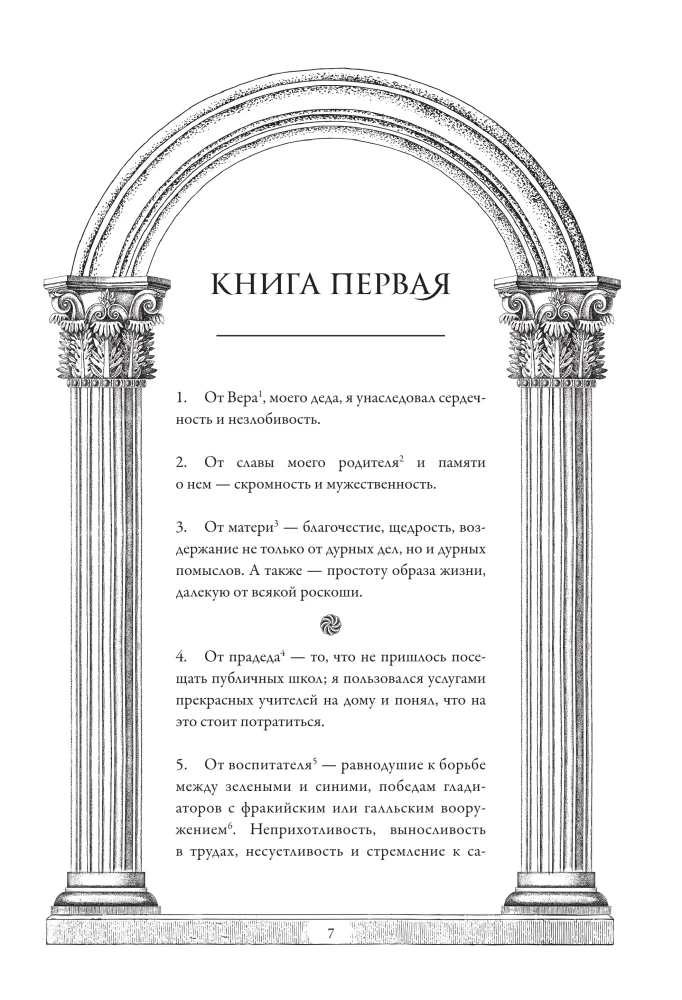
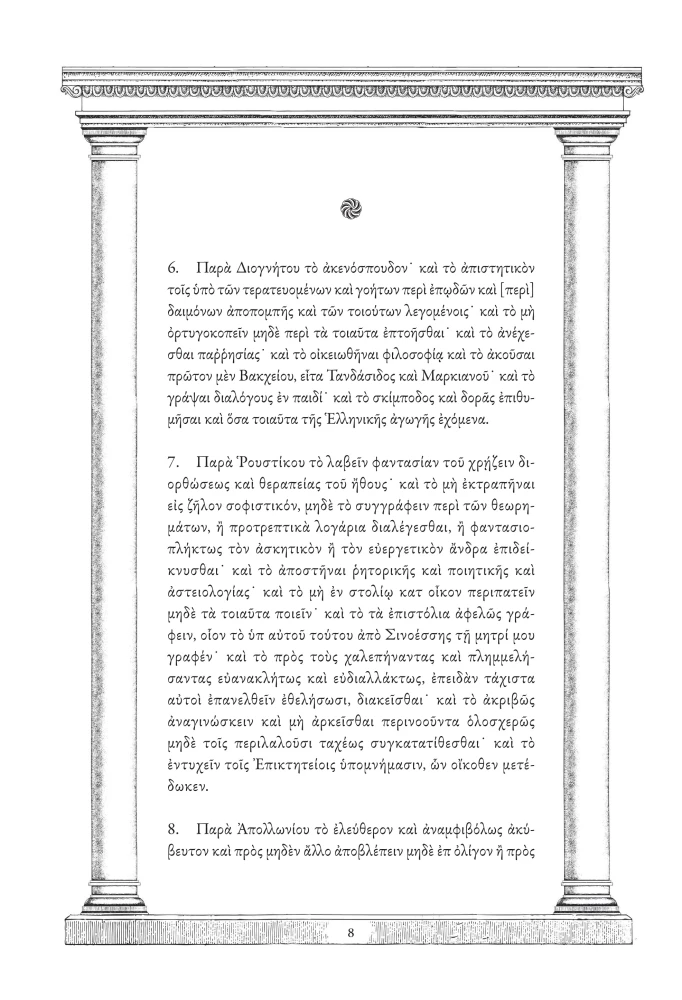
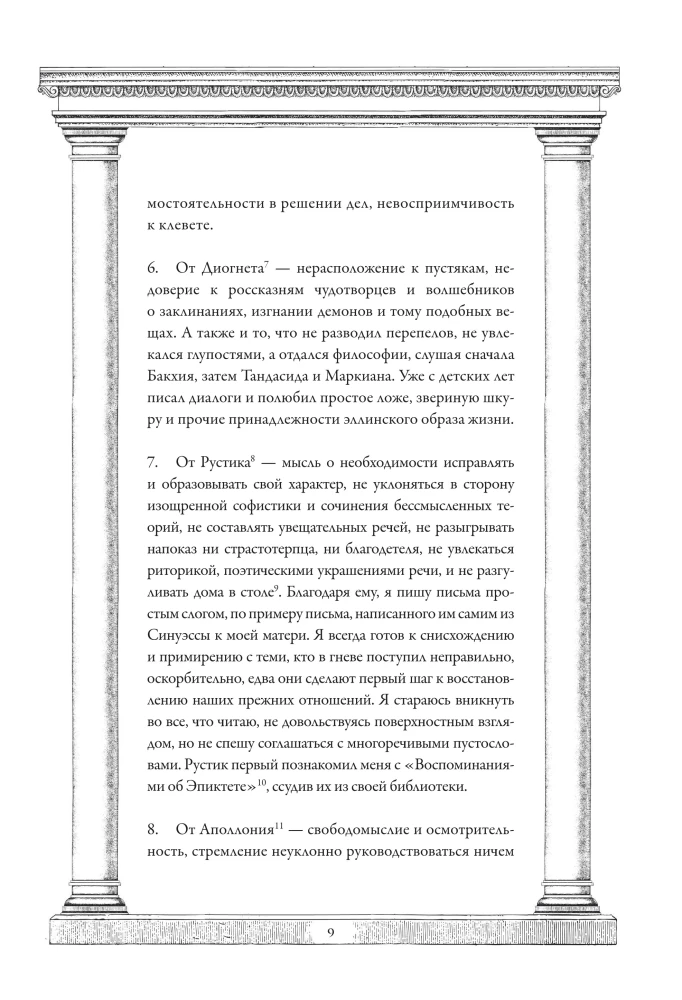
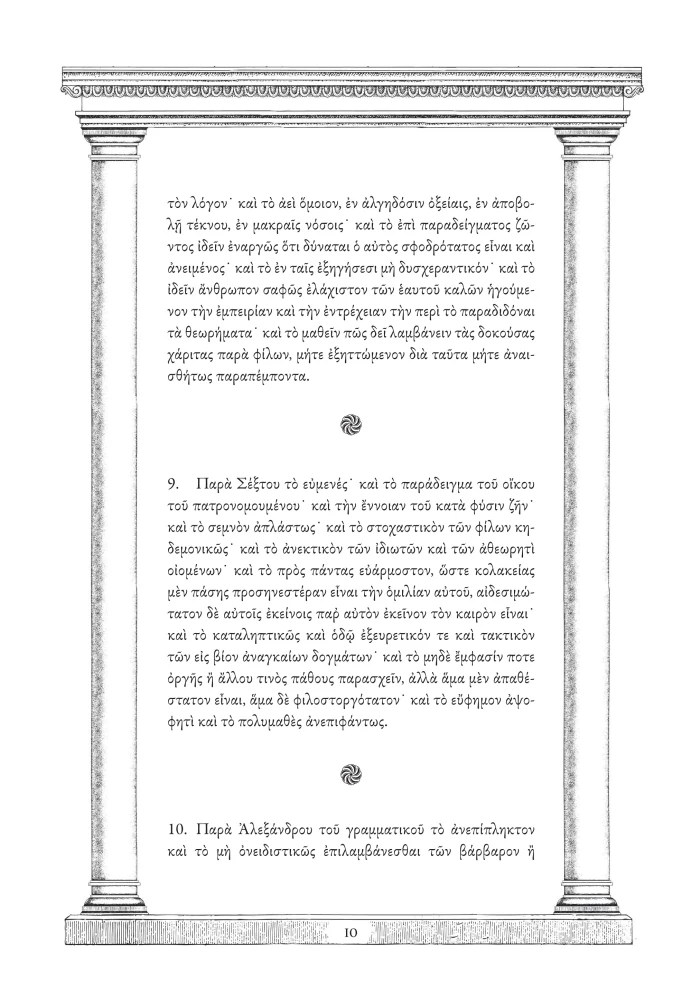
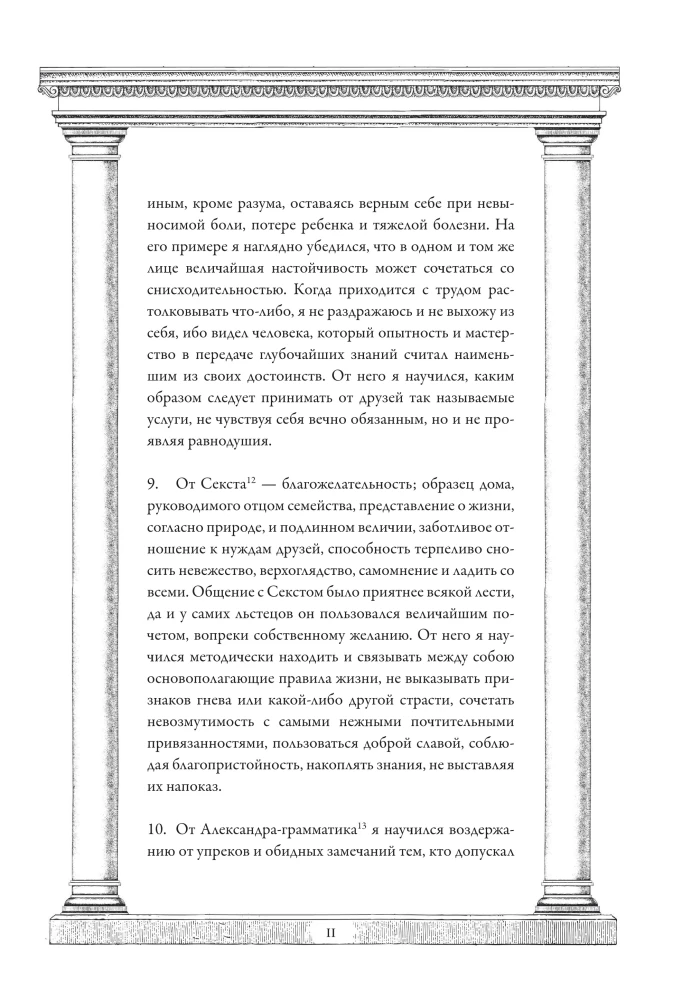
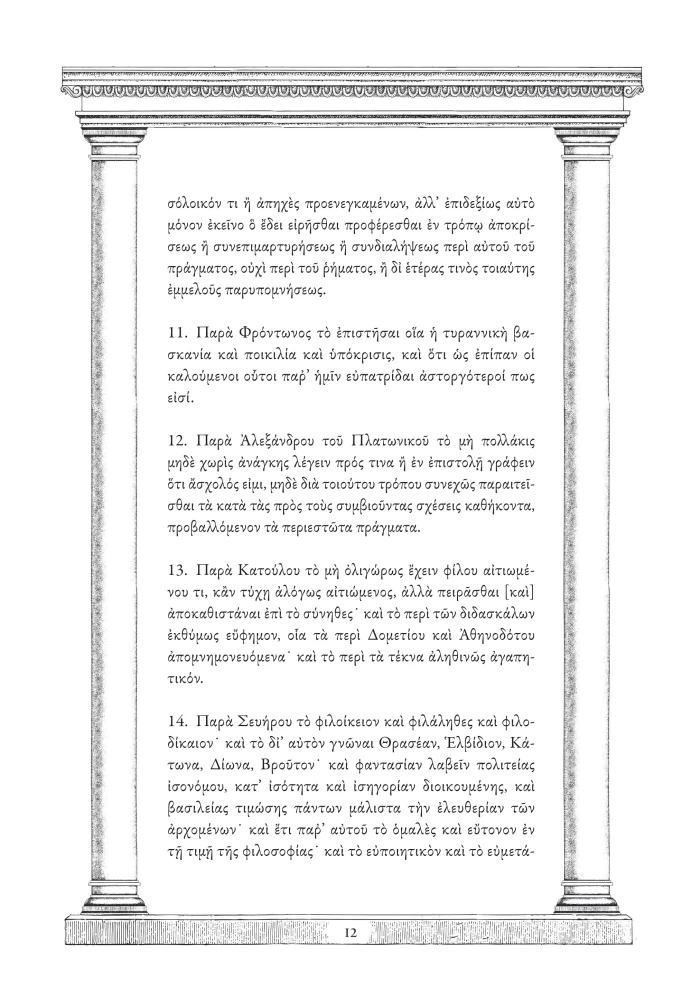
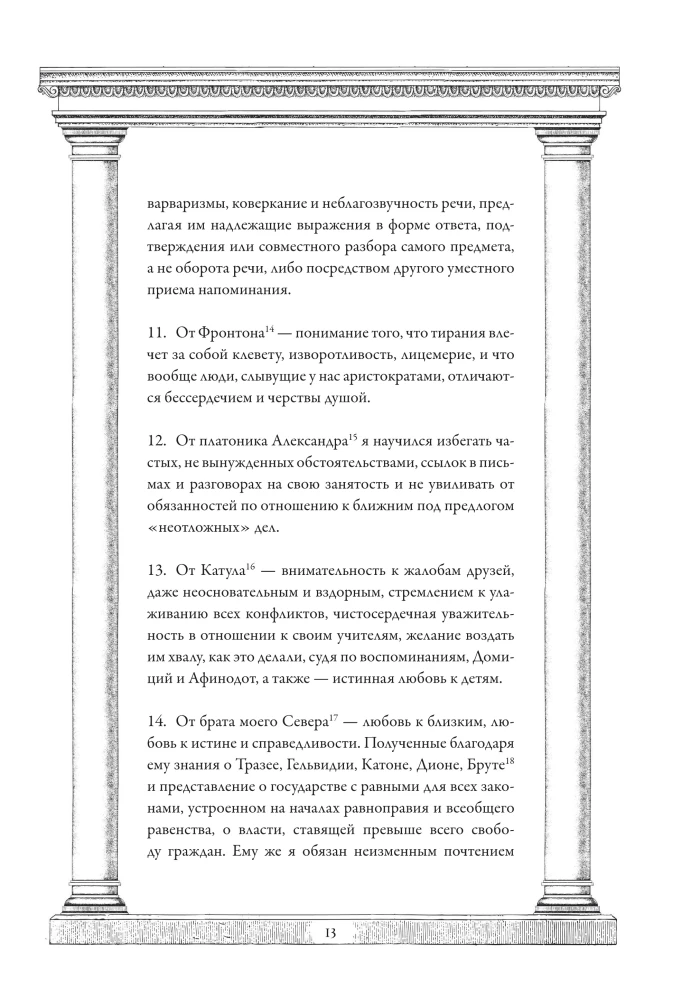
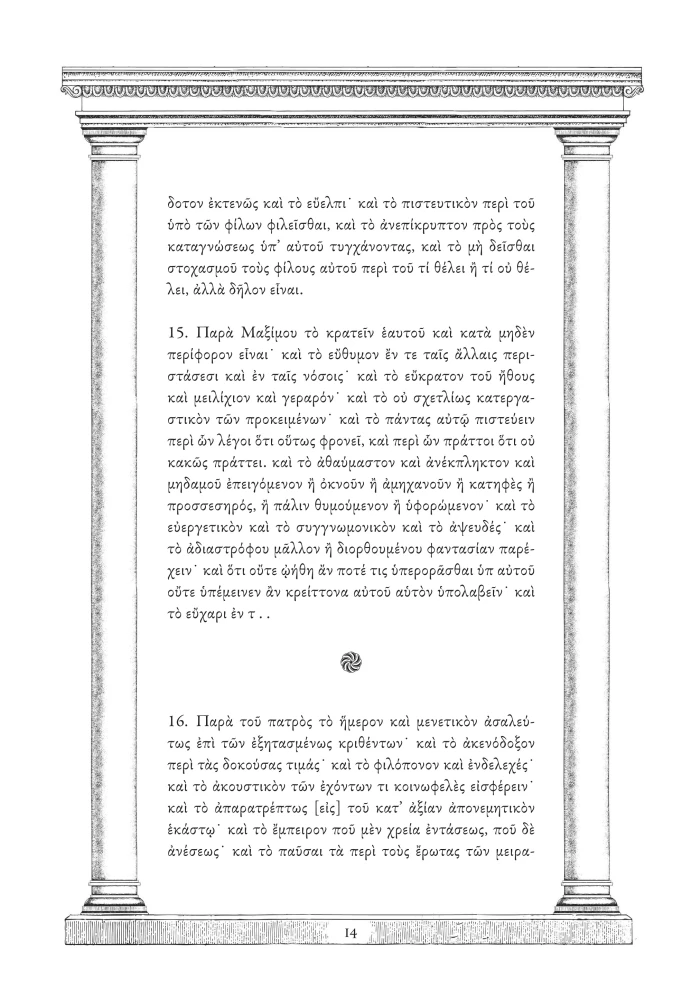
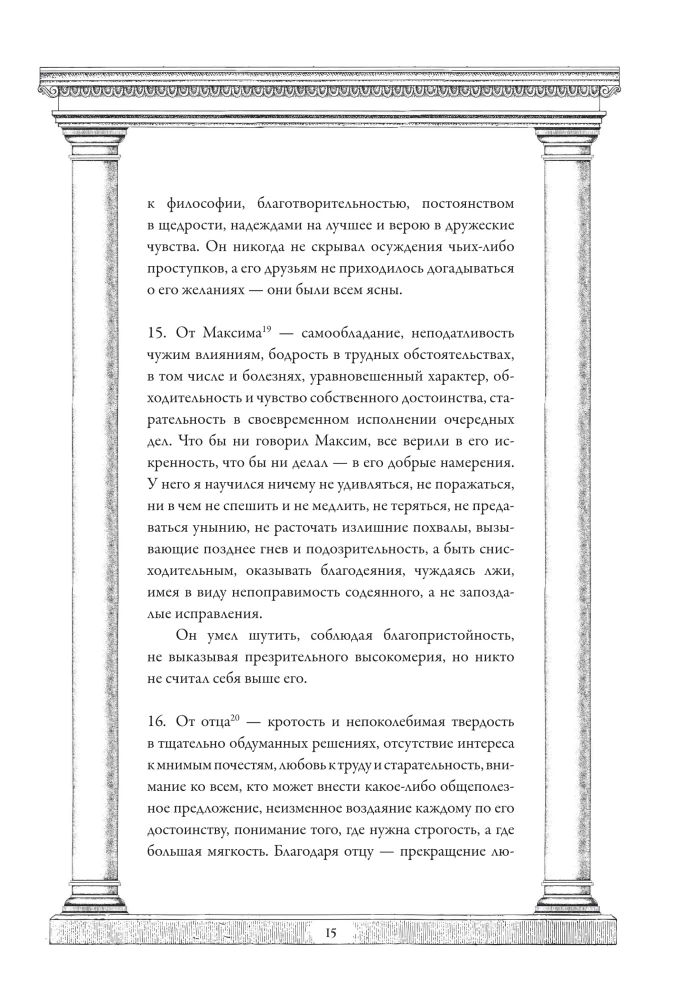
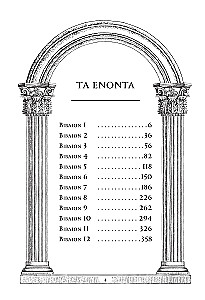
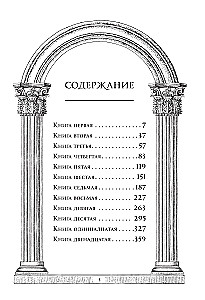
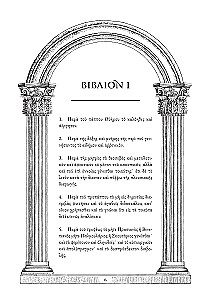
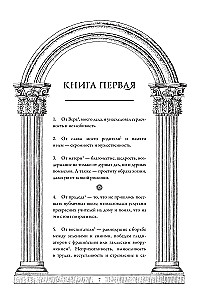
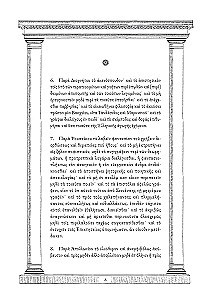
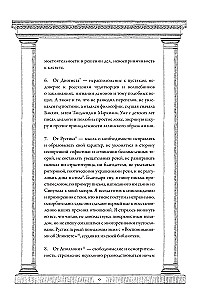
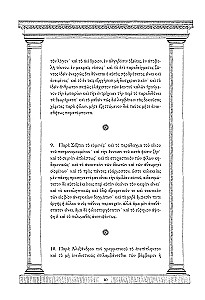
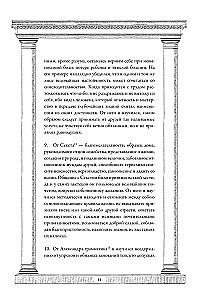
he invariably found the strength within himself to maintain calm, resilience of spirit, and firmness of character. In his diary, tremendous work on oneself is visible, a meticulous analysis of feelings and thoughts, which allowed him to become one of the five good emperors under whom the Roman Empire reached its highest flourishing. In this edition, the original text is presented with a parallel translation by Professor of Moscow University, historian of philosophy and translator S. M. Rogovin. For ease of reading, each item in Russian is placed opposite the corresponding item in Ancient Greek. Artists and engravers of different epochs often turned to antiquity, striving both to accurately capture its cultural heritage and to create their own myth about the majestic Ancient Rome. The inevitability of the demise of ancient civilization, the search for a path, the irreversible flow of time and extinction – these themes occupied Giovanni Piranesi, Albrecht Dürer, Antonio Lafreri, Lambert Sutman, Fabio Berardi, Antonio Veneziano, Giovanni Brambilla, Angelica Kaufman, Jean Barbault, Johann Heinrich Füssli, whose works are represented in this edition. Antonio Lafreri, an engraver and cartographer, in the 16th century began to publish images of Rome by his own hand and by the hands of other artists, who sometimes concealed themselves behind a monogram. Later, these works became known under the name Speculum Romanae Magnificentiae; some of them also illustrate the present book by Marcus Aurelius. A cream ribbon bookmark, hardcover with embossed elements, bronze foil stamping, illustrations, and a gift layout add attractiveness to the book. The exquisite design makes the book not only a great addition to one’s collection but also a pleasant gift for dear people.
Author: Марк Аврелий Антонин
Printhouse: AST
Series: Bilingua Gift: illustrated book in the original language with translation
Age restrictions: 12+
Year of publication: 2023
ISBN: 9785171583316
Number of pages: 384
Size: 243x168x27 mm
Cover type: hard
Weight: 732 g
ID: 1589331
In stock
€ 22.79
Will be delivered to United States on 3 August (Mo):
By courier
from € 38.94
Bestsellers
€ 5.19
In stock
€ 11.49
In stock
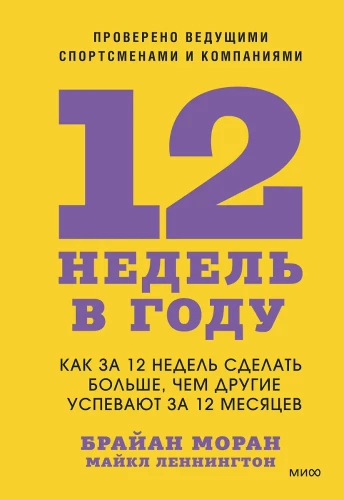
12 Weeks in a Year. How to Achieve More in 12 Weeks Than Others Do in 12 Months
Майкл Леннингтон, Брайан Моран
€ 6.79
In stock
Choice. On the Freedom and Inner Strength of a Person
Эдит Ева Эгер, Эсме Швалль-Вейганд