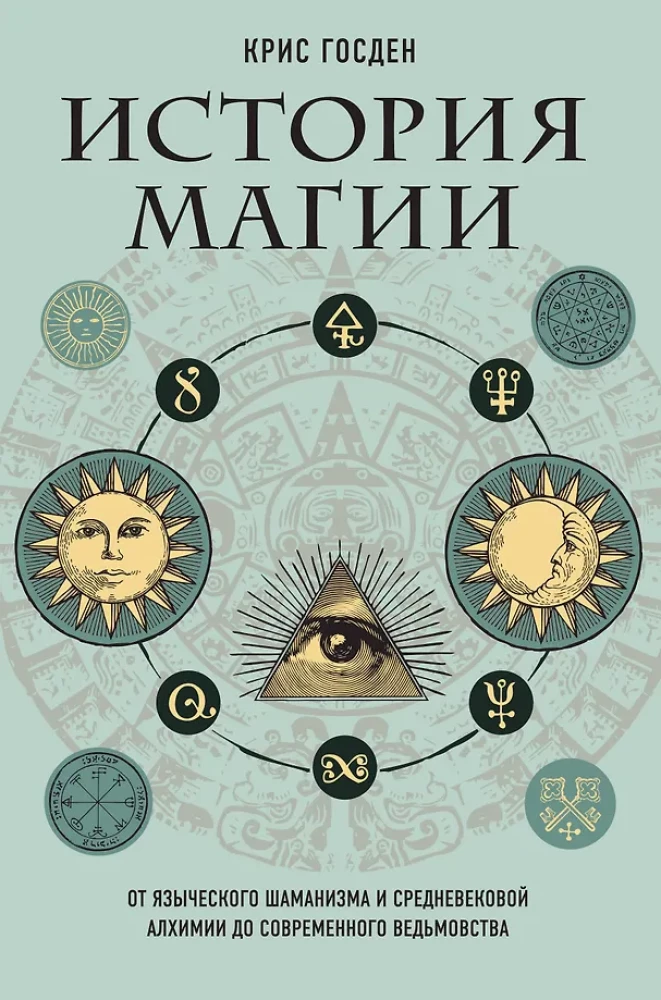
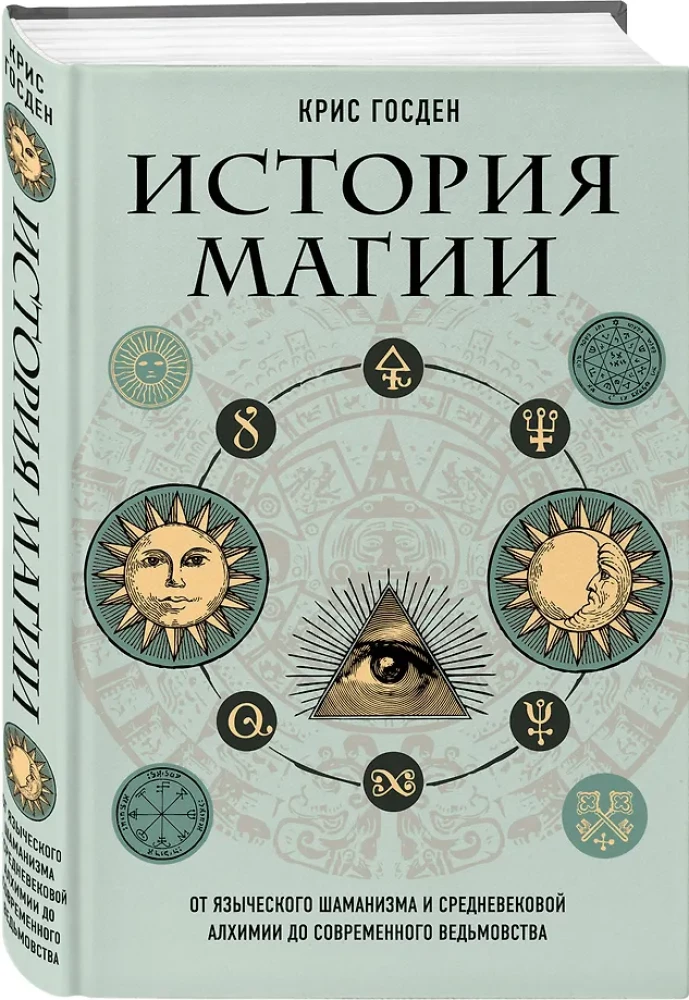
The History of Magic: From Pagan Shamanism and Medieval Alchemy to Modern Witchcraft
BOOK OF THE YEAR ACCORDING TO THE TELEGRAPH.
An Oxford professor of archaeology presents a comprehensive study of the history of magic—showing its relevance and importance from ancient times to the present day.
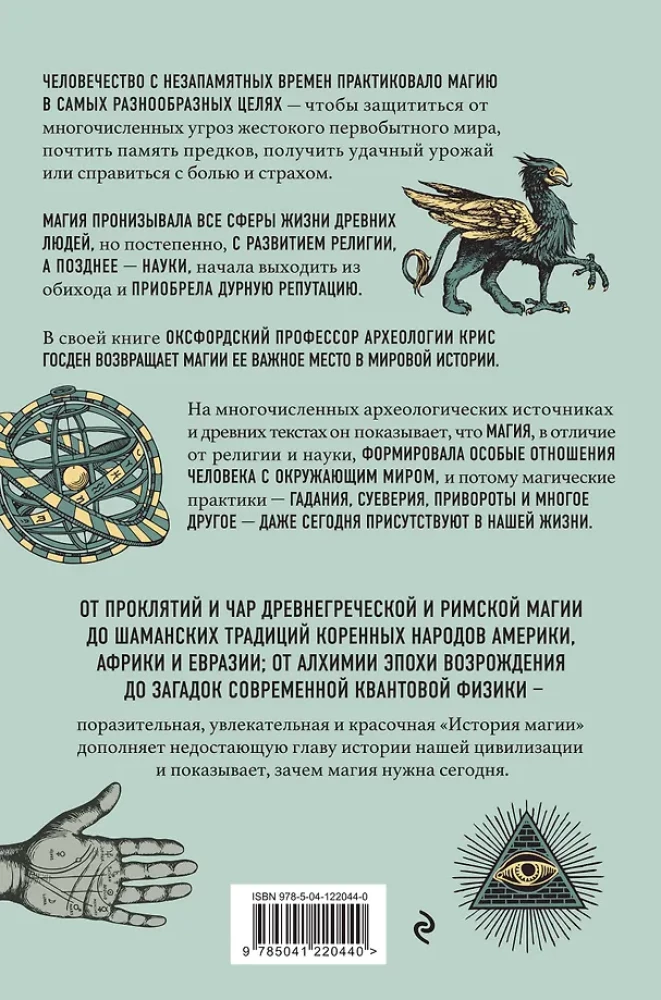
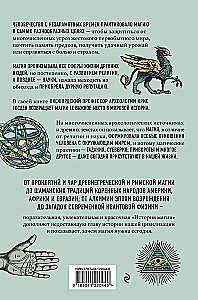
Humanity has practiced magic for countless purposes since time... immemorial—to protect itself from the numerous threats of a brutal prehistoric world, to honor the memory of ancestors, to ensure a bountiful harvest, or to cope with pain and fear. Magic permeated all spheres of the lives of ancient people, but gradually, with the development of religion and later—science, it began to decline in usage and acquired a bad reputation.
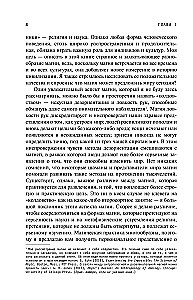
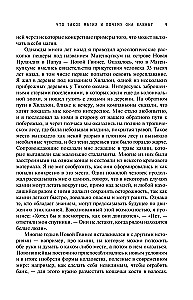
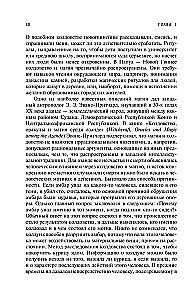
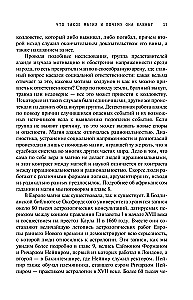
In his book, Oxford professor of archaeology Chris Gosden returns magic to its important place in world history. Drawing on numerous archaeological sources and ancient texts, he demonstrates that magic, unlike religion and science, formed a unique relationship between humans and the surrounding world, and thus even today magical practices—divination, superstitions, love spells—are present in our lives. From curses and charms of ancient Greek and Roman magic to shamanic traditions of Eurasia, indigenous peoples of the Americas and Africa; from the alchemy of the Renaissance to the mysteries of modern quantum physics—the astounding, captivating, and colorful “History of Magic” adds the missing chapter to the history of our civilization and shows why magic is still needed today.
------------------------------
“In this beautifully written illustrated book, Gosden offers an encyclopedic collection of magical practices from around the world and throughout history. The cultural and historical scope of his knowledge is astonishing and makes this book an important reference guide.” — Bookpage
“Fascinating and skillfully written, this book is a global history, from the steppes of Mongolia to the palaces of Paris, told through the lens of magic that has existed throughout all times. It is an exhilarating journey of remarkable scope, filled with shamans, witches, kings, and esoteric rites. An important and necessary read, full of interesting historical discoveries.” — Simon Sebag Montefiore, historian, author
An Oxford professor of archaeology presents a comprehensive study of the history of magic—showing its relevance and importance from ancient times to the present day.
Humanity has practiced magic for countless purposes since time... immemorial—to protect itself from the numerous threats of a brutal prehistoric world, to honor the memory of ancestors, to ensure a bountiful harvest, or to cope with pain and fear. Magic permeated all spheres of the lives of ancient people, but gradually, with the development of religion and later—science, it began to decline in usage and acquired a bad reputation.
In his book, Oxford professor of archaeology Chris Gosden returns magic to its important place in world history. Drawing on numerous archaeological sources and ancient texts, he demonstrates that magic, unlike religion and science, formed a unique relationship between humans and the surrounding world, and thus even today magical practices—divination, superstitions, love spells—are present in our lives. From curses and charms of ancient Greek and Roman magic to shamanic traditions of Eurasia, indigenous peoples of the Americas and Africa; from the alchemy of the Renaissance to the mysteries of modern quantum physics—the astounding, captivating, and colorful “History of Magic” adds the missing chapter to the history of our civilization and shows why magic is still needed today.
------------------------------
“In this beautifully written illustrated book, Gosden offers an encyclopedic collection of magical practices from around the world and throughout history. The cultural and historical scope of his knowledge is astonishing and makes this book an important reference guide.” — Bookpage
“Fascinating and skillfully written, this book is a global history, from the steppes of Mongolia to the palaces of Paris, told through the lens of magic that has existed throughout all times. It is an exhilarating journey of remarkable scope, filled with shamans, witches, kings, and esoteric rites. An important and necessary read, full of interesting historical discoveries.” — Simon Sebag Montefiore, historian, author
Author: Крис Госден
Printhouse: Eksmo
Series: Hardcore History. Historical Events in Modern Interpretation
Age restrictions: 16+
Year of publication: 2023
ISBN: 9785041220440
Number of pages: 496
Size: 220х147х30 mm
Cover type: hard
Weight: 530 g
ID: 1458252
Sold out
€ 23.19
Sold out
€ 23.19
Bestsellers




€ 13.29
In stock
12 Weeks in a Year. How to Achieve More in 12 Weeks Than Others Do in 12 Months
Майкл Леннингтон, Брайан Моран

€ 7.89
In stock
Choice. On the Freedom and Inner Strength of a Person
Эдит Ева Эгер, Эсме Швалль-Вейганд


€ 14.99
In stock
The Body Remembers Everything: The Role of Psychological Trauma in a Person's Life and Techniques to Overcome It
Бессел ван дер Колк



Publishers "Eksmo" recommends






Bestseller
€ 15.19
In stock
LIVE here and now. A guidebook to happiness and prosperity
РАВИКАНТ Н., ЙОРГЕНСОН Э.