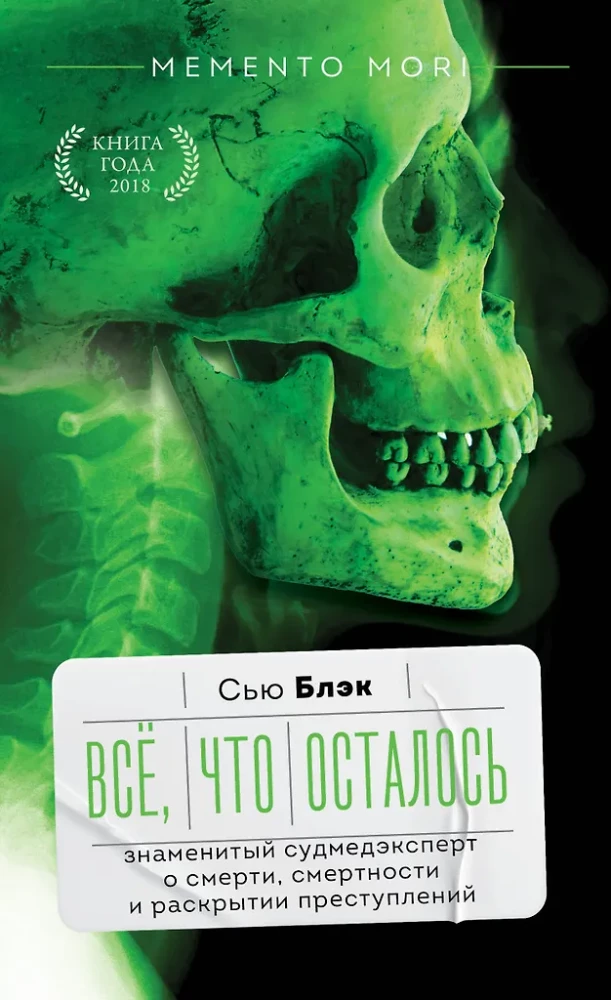
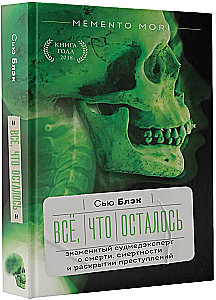
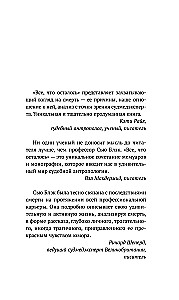
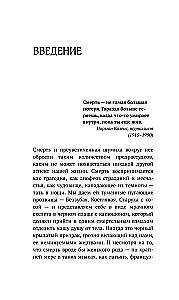
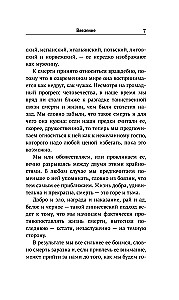
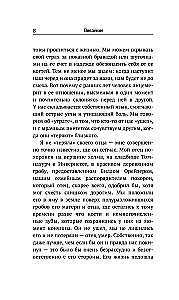
All That Remains. A Famous Forensic Expert on Death, Mortality, and Crime Solving
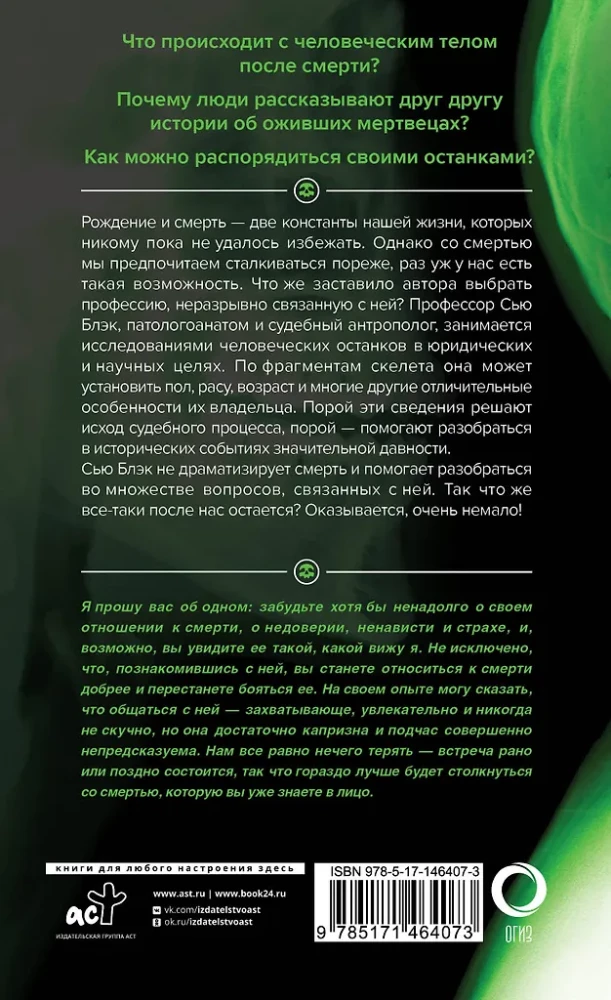
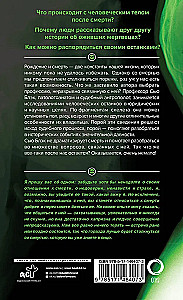
What happens to the human body after death? Why do people tell each other stories about the undead? How can one arrange for their remains? Birth and death are two constants in our lives that no one has yet been...
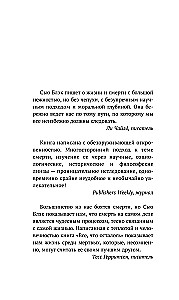
able to avoid. However, we prefer to confront death less often when we have the opportunity to do so. What made the author choose a profession that is inextricably linked to it? Professor Sue Black, a pathologist and forensic anthropologist, conducts research on human remains for legal and scientific purposes. From fragments of the skeleton, she can determine the sex, race, age, and many other distinguishing features of their owner. Sometimes this information determines the outcome of a trial, and sometimes it helps to unravel historical events of significant antiquity. Sue Black does not dramatize death and helps to clarify many questions related to it. So what, after all, remains of us? Apparently, quite a lot! I ask you one thing: forget, at least for a moment, about your relationship with death, your mistrust, hatred, and fear, and perhaps you will see it as I do. It is possible that, after getting to know it, you will come to treat death with more kindness and cease to fear it. From my experience, I can say that interacting with it is thrilling, engaging, and never boring, but it is quite capricious and at times completely unpredictable. We really have nothing to lose – the meeting will happen sooner or later, so it will be much better to confront the death you already know face to face.
Author: Сью Блэк
Printhouse: AST
Series: Memento mori
Age restrictions: 16+
Year of publication: 2023
ISBN: 9785171464073
Number of pages: 480
Size: 207х129х30 mm
Cover type: hard
Weight: 438 g
ID: 1398657
Sold out
€ 8.29
Sold out
€ 8.29
Bestsellers



€ 13.29
In stock
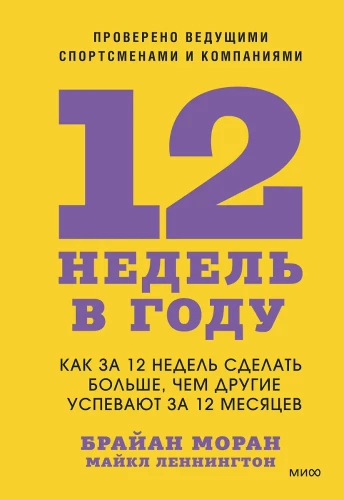
12 Weeks in a Year. How to Achieve More in 12 Weeks Than Others Do in 12 Months
Майкл Леннингтон, Брайан Моран

€ 7.89
In stock
Choice. On the Freedom and Inner Strength of a Person
Эдит Ева Эгер, Эсме Швалль-Вейганд

€ 14.99
In stock
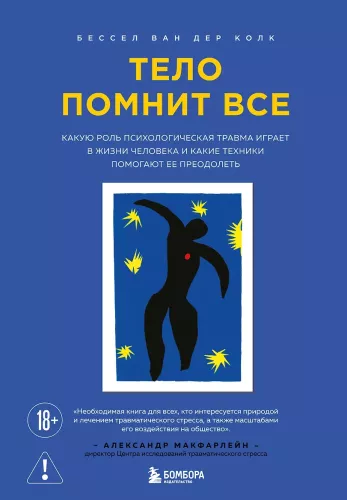
The Body Remembers Everything: The Role of Psychological Trauma in a Person's Life and Techniques to Overcome It
Бессел ван дер Колк