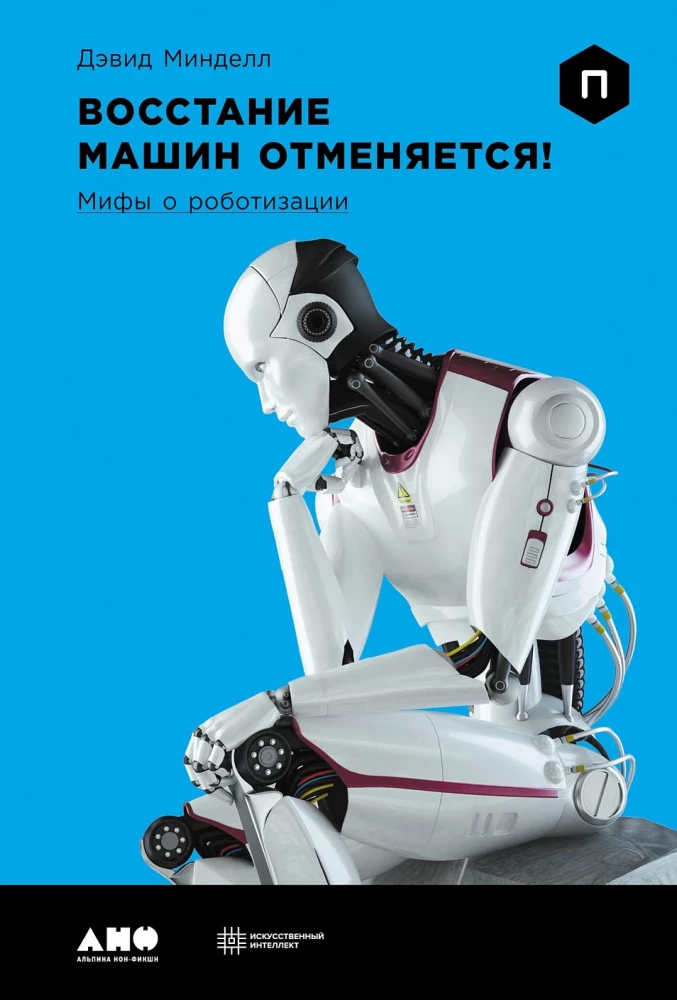

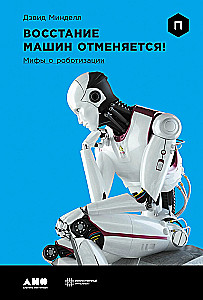


The uprising of machines is canceled! Myths about robotization
The future has already arrived: humans use robots and new technologies in the air, underwater, and on land. People explore ocean abysses using submersibles, switch airplanes to autopilot mode, and use drones not only in defense but also in ordinary...
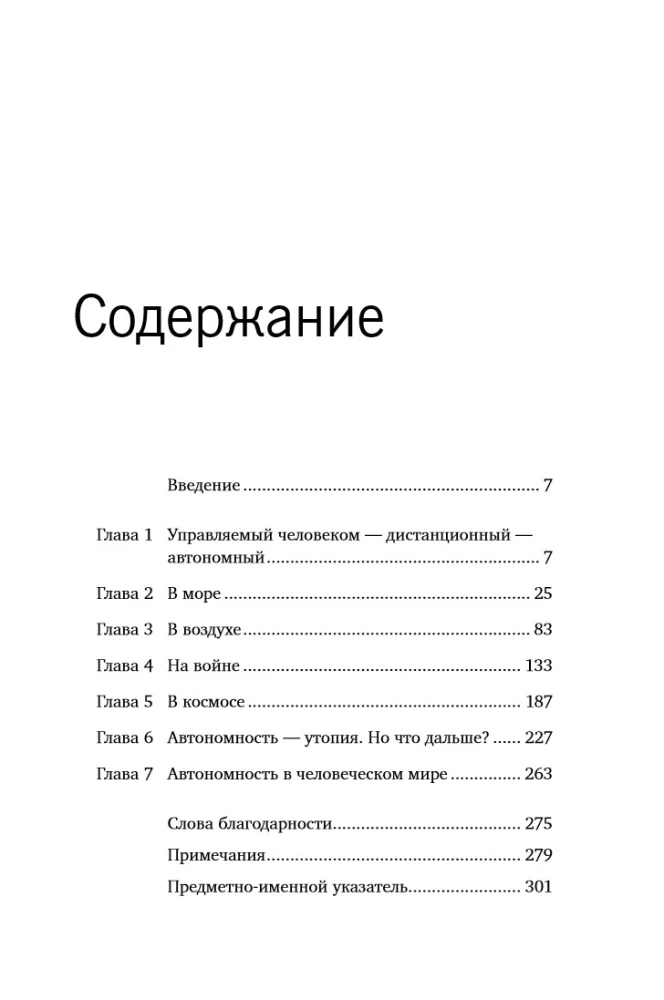
life. We can no longer imagine a world without robots. But what will remain of our professions - scientist, lawyer, doctor, soldier, driver, and janitor - when robots learn to do all of this? Professor David Mindell of the Massachusetts Institute of Technology, who has devoted more than twenty years to robotics and oceanography, confidently asserts that autonomy and artificial intelligence do not pose a threat. In this complex system, the connection between humans and robots is too close. The strict boundaries we have drawn between people and robots, between manual and automated control, only hinder the understanding of our relationships with robotics. Together with the author, the reader will dive to the bottom of the Tyrrhenian Sea to find ancient ceramic vessels, make the journey to the sunken 'Titanic', visit an airplane cockpit, and learn why a pilot needs an indicator on the windshield; find the answer to the question of why Neil Armstrong did not use an automatic system for landing on the Moon. The book will be of interest to anyone fascinated by airplanes, spacecraft, submarines, and robots, and the impact of technologies on our world.
Author: Дэвид Минделл
Printhouse: Al'pina Pablisher
Age restrictions: 16+
Year of publication: 2017
ISBN: 9785916716375
Number of pages: 310
Size: 216х145х20 mm
Cover type: hard
Weight: 480 g
ID: 567324
In stock
€ 14.79
Will be delivered to United States on 29 September (Tu):
By courier
from € 38.94
Bestsellers







€ 13.29
In stock
12 Weeks in a Year. How to Achieve More in 12 Weeks Than Others Do in 12 Months
Майкл Леннингтон, Брайан Моран


€ 7.89
In stock
Choice. On the Freedom and Inner Strength of a Person
Эдит Ева Эгер, Эсме Швалль-Вейганд



€ 14.99
In stock
The Body Remembers Everything: The Role of Psychological Trauma in a Person's Life and Techniques to Overcome It
Бессел ван дер Колк


€ 6.99
In stock

€ 5.29
In stock
Publishers "Al'pina Pablisher" recommends



Bestseller
€ 9.49
In stock
The Happy Union. The Seven Habits of Highly Effective Couples
КОВИ СТИВЕН Р., КОВИ ДЖОН