New
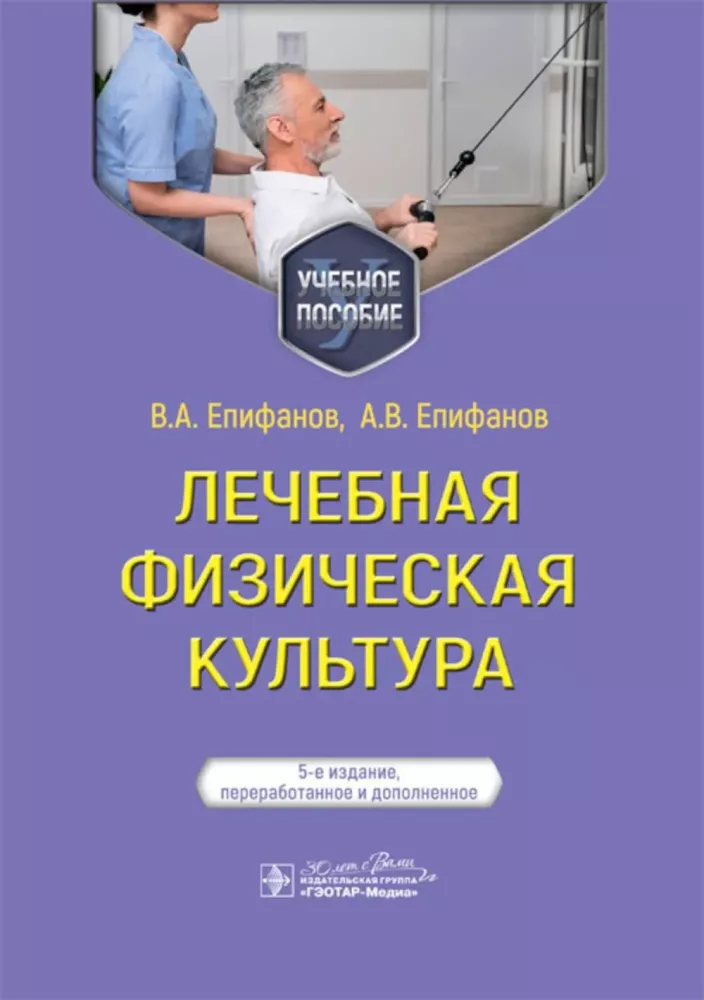
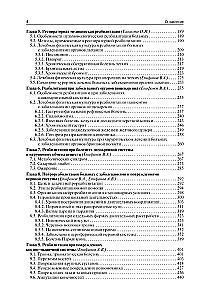
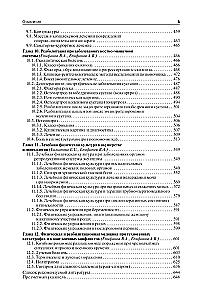
Therapeutic Physical Culture
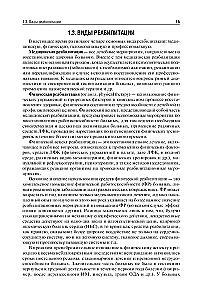
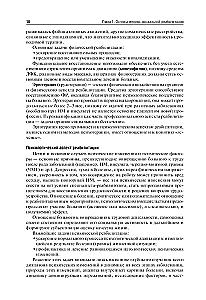
The textbook describes the technologies for the therapeutic application of a wide range of functional means: physical exercises, walking, active games, elements of sports exercises, exercises in water, various types of massage, training on simulators and suspension systems, as well...
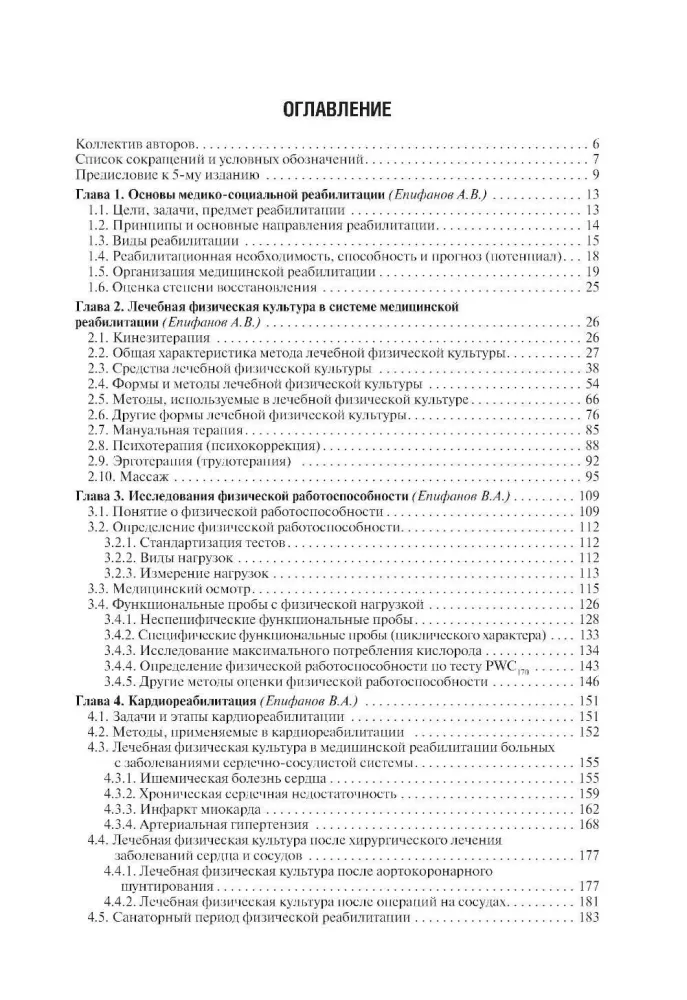
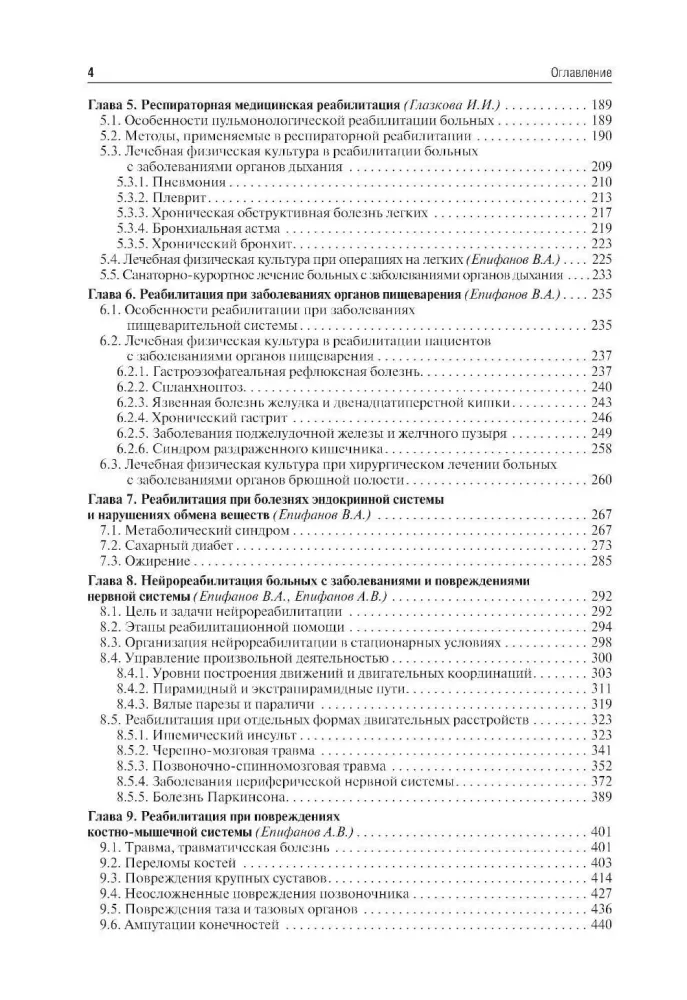
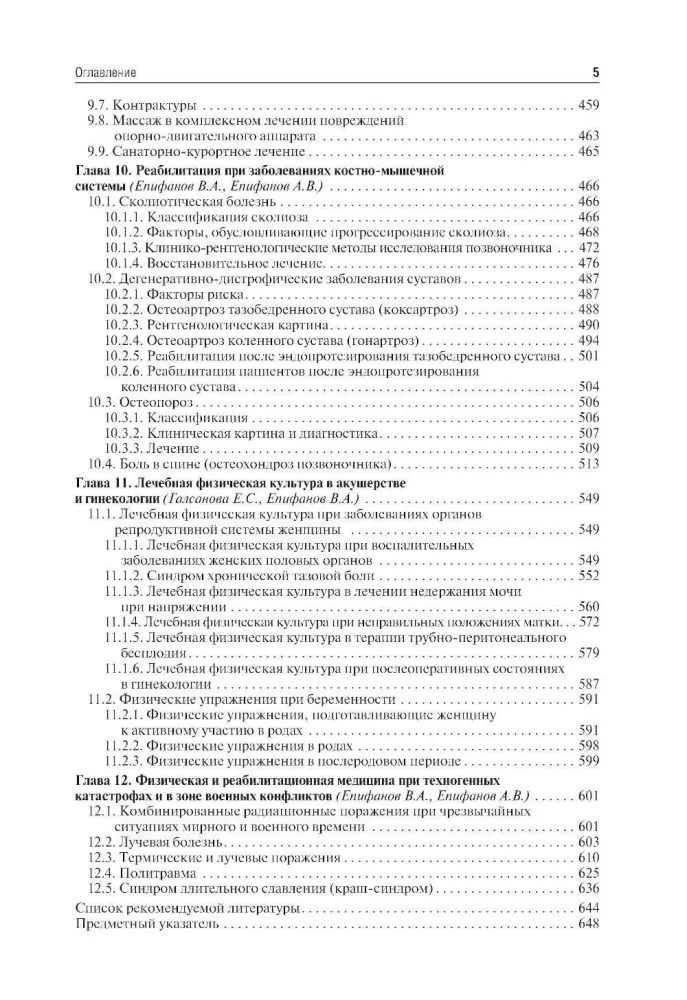
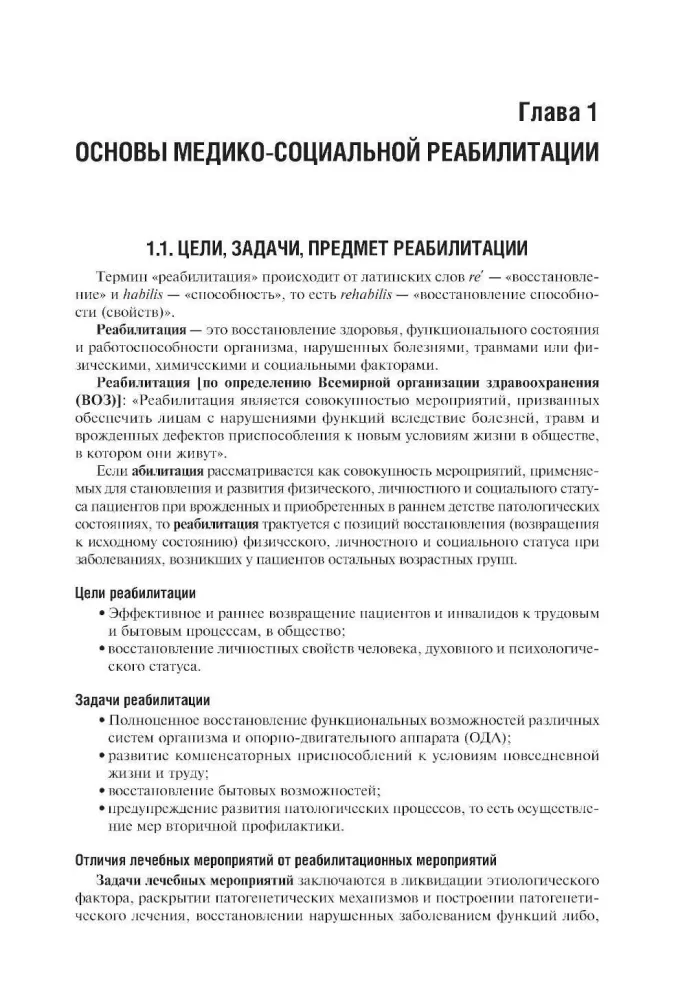
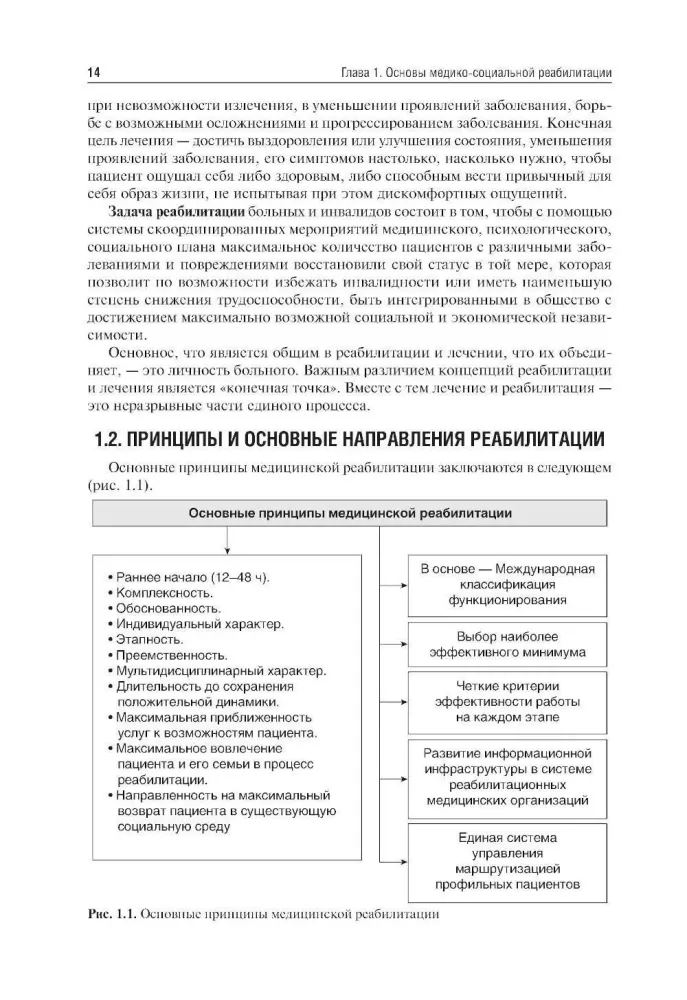
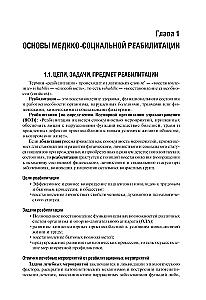
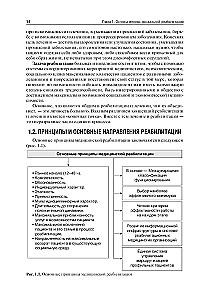
as occupational therapy. This allows for the most complete and comprehensive use of physical training for patients to achieve the best results in medical rehabilitation not only in hospitals but also in clinics, sanatoriums, and at home. Special attention is given to the methods of restorative therapy, which include C1-therapy, robot therapy based on virtual reality, and others. The textbook takes into account the modern achievements of medical science that have led to a change in views on the methodology of restorative treatment. A detailed clinical and physiological justification for the use of therapeutic physical culture means in the comprehensive therapy of patients and disabled individuals is presented. The foundation of the book consists of modern principles for prescribing various means of therapeutic physical culture using motor regimes, massage, manual and psychotherapy, occupational therapy, hippotherapy, kinesiotaping, and others. The methods that have gained the most widespread use for various diseases and injuries of the central and peripheral nervous systems, cardiovascular and musculoskeletal systems, respiratory organs, metabolism, and other metabolic diseases are widely covered and presented in rehabilitation programs. Each chapter includes clinical symptoms and diagnostics of the main disease (injury), allowing for the individualization of rehabilitation programs. The publication contains a large number of illustrations and tables, and in some sections, complexes or lists of special physical exercises are provided, which helps to better assimilate the studied material. The textbook is intended for students of medical universities studying in the specialties "Therapeutic Affairs" and "Pediatrics" in the discipline "Medical Rehabilitation", listeners of postgraduate education faculties, clinical residents, graduate students, and will also be useful for specialists working in practical healthcare.
Author: Александр Епифанов, Виталий Епифанов
Printhouse: Ripol-klassik
Age restrictions: 16+
Year of publication: 2024
ISBN: 9785970479599
Number of pages: 656
Size: 245х170х37 mm
Cover type: hard
Weight: 1207 g
ID: 1748899
In stock
€ 44.19
Will be delivered to United States on 22 September (Tu):
By courier
from € 38.94
Bestsellers


€ 7.89
In stock
Choice. On the Freedom and Inner Strength of a Person
Эдит Ева Эгер, Эсме Швалль-Вейганд

€ 5.29
In stock


€ 6.99
In stock