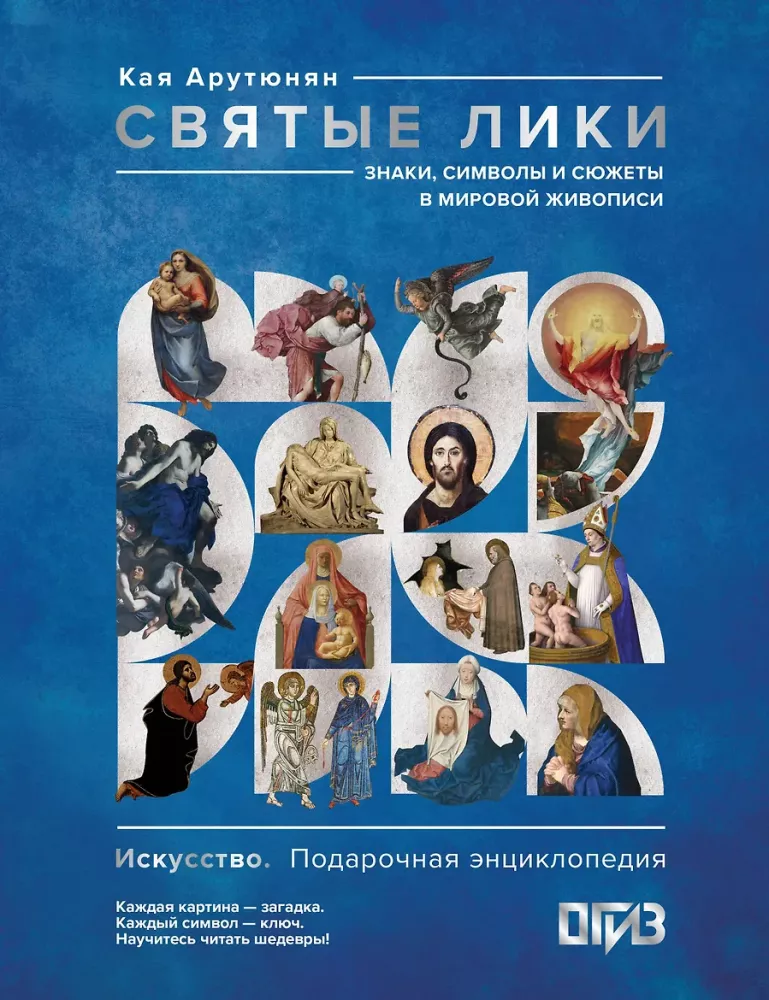


Holy Faces. Signs, Symbols and Themes in World Painting
Author: Кая Арутюнян
Printhouse: AST
Series: Art
Age restrictions: 16+
Year of publication: 2026
ISBN: 9785171852139
Number of pages: 240
Size: 265x204x22 mm
Cover type: твердая
Weight: 1019 g
ID: 1746495
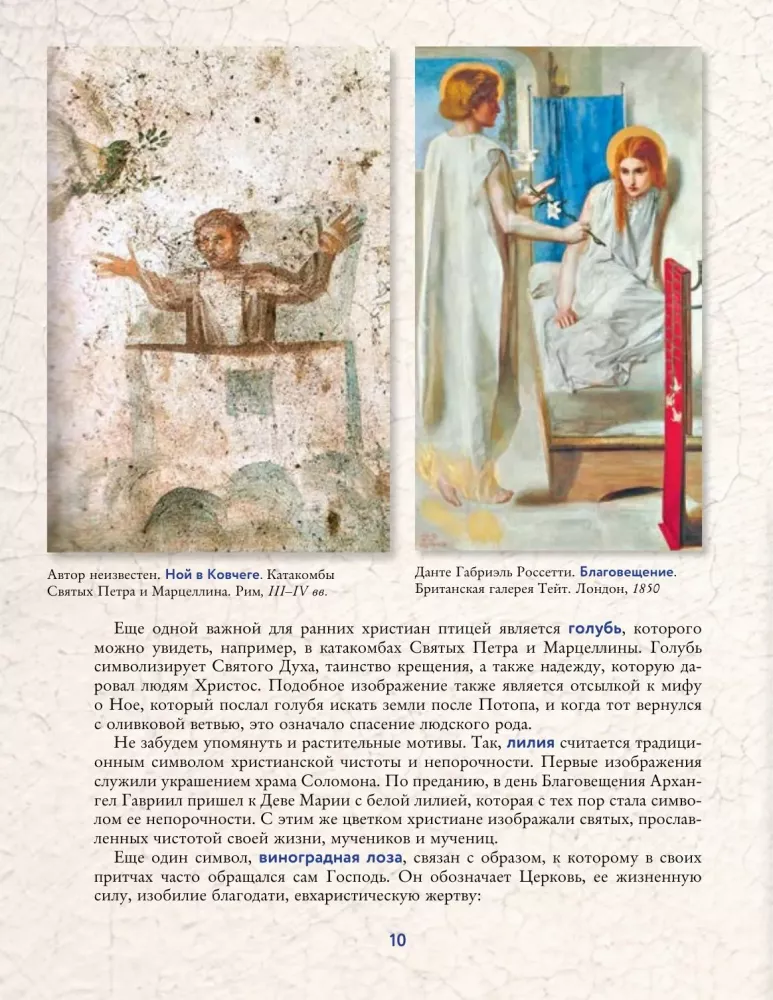
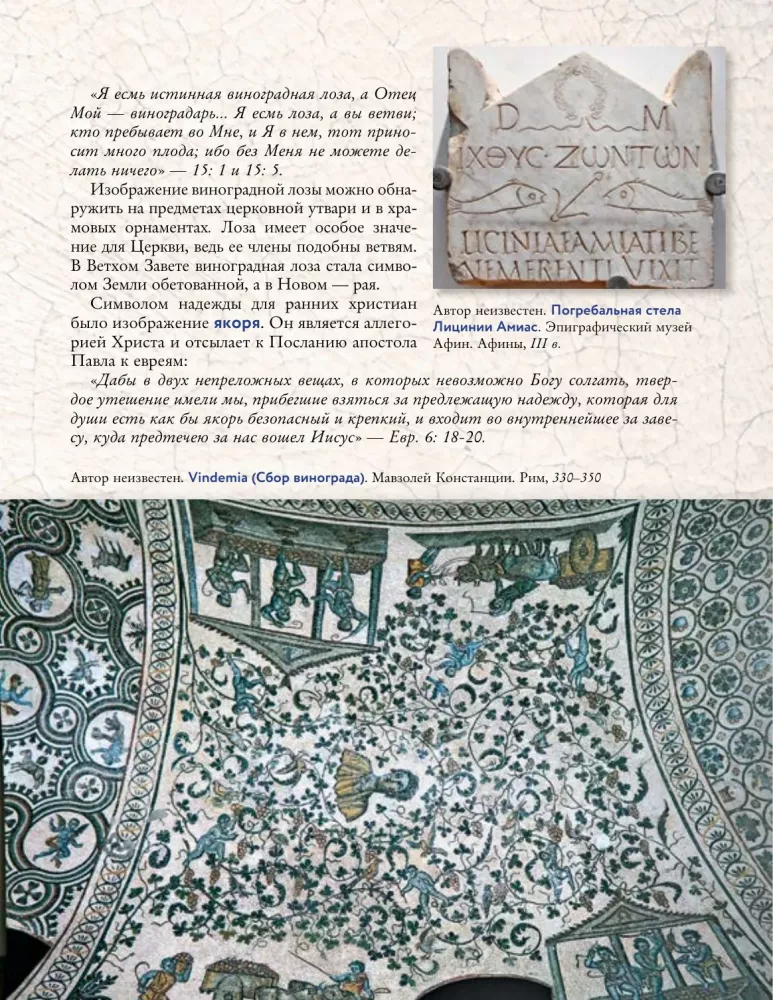
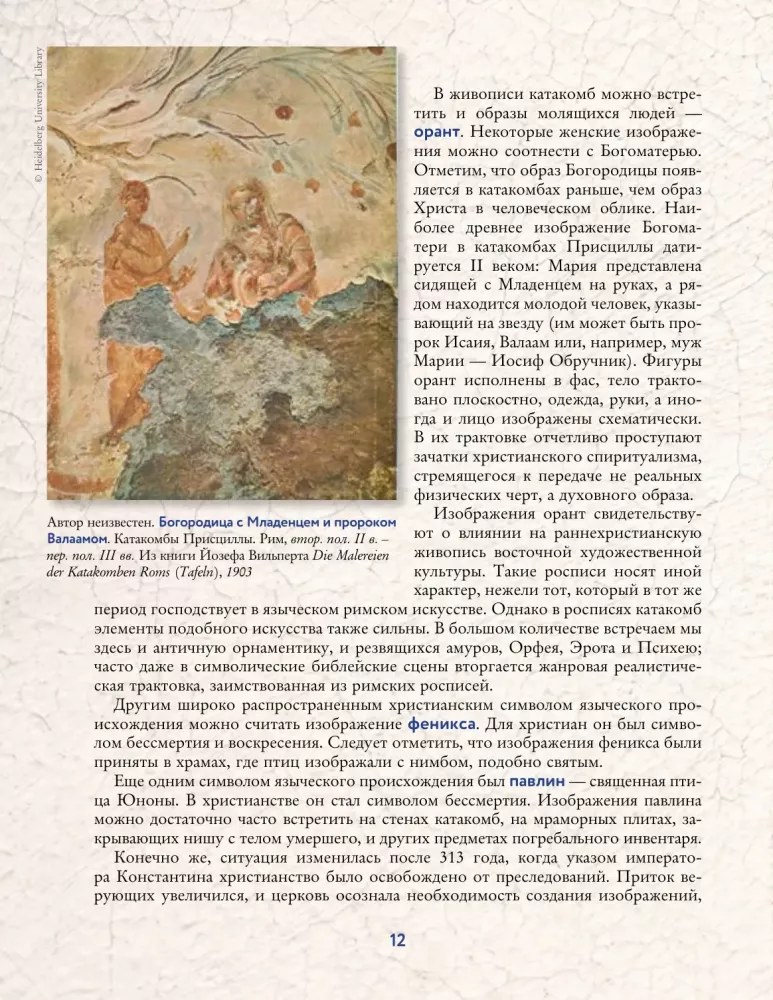
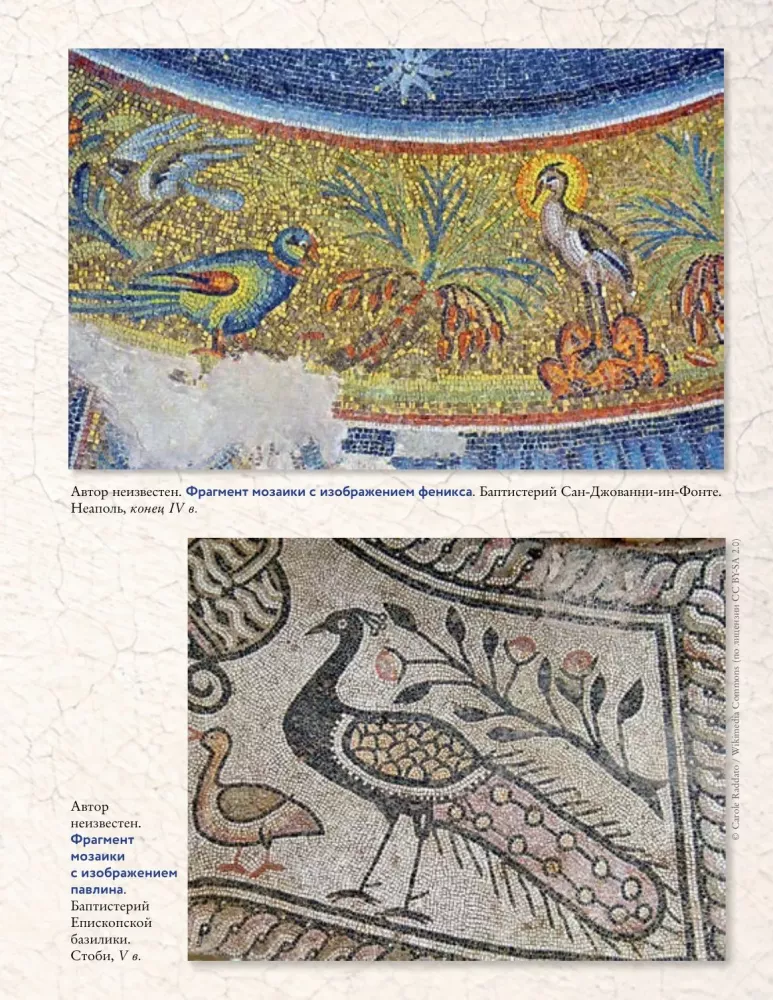
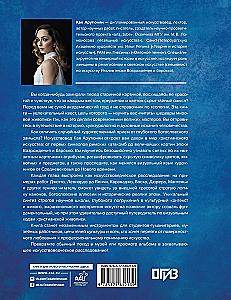
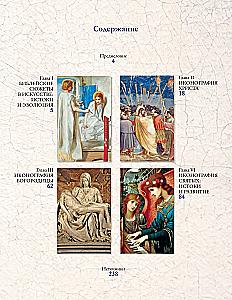
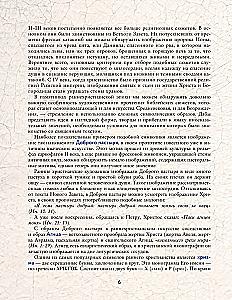
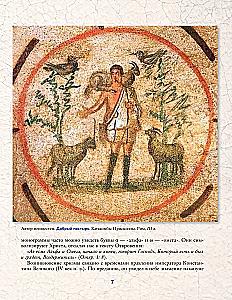
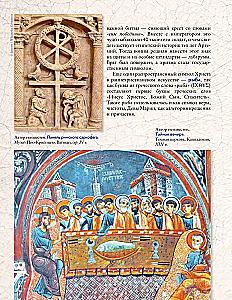
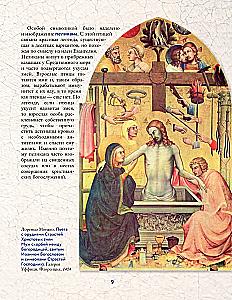
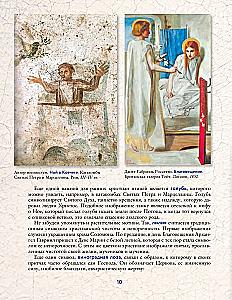
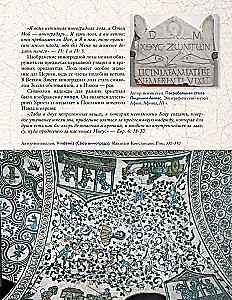
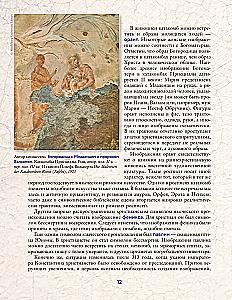
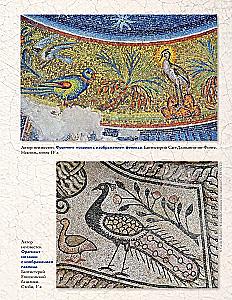
Each painting is a mystery. Each symbol is a key. Learn to read masterpieces! Kaya Arutyunyan is a certified art historian, lecturer, author of scientific works, writer, and creator of the educational project "arts_tobe." She graduated from Lomonosov Moscow State University ("Fine Arts"), Ilya Repin St. Petersburg State Academic Institute of Painting, Sculpture and Architecture ("Theory and History of Art"), and Gnessin Russian Academy of Music ("Opera Singing"). She specializes in gender history in art, exploring the role of women in religious and secular art (expert in art of Italy during the Renaissance and Baroque periods). Have you ever stood in front of an ancient painting, admiring its beauty and feeling that behind every gesture, object, and color lies a secret meaning? What lies before you is not a dry academic work or a guide to theology. This book is an exciting quest aimed at teaching you to "read" masterpieces of world painting as contemporaries of great masters did. You will embark on a journey into history, cultural studies, and humanity's spiritual quests. How can one distinguish a random artistic technique from a profound theological design? Art historian Kaya Arutyunyan will open the doors to the world of Christian art for you: from the first symbols of the Roman catacombs to the greatest paintings of the Renaissance and Baroque periods. You will learn to unmistakably recognize saints by their "business cards" - attributes, decipher the hidden symbolism of colors, animals, and objects, and trace how the visual language of artists changed from the Middle Ages to modern times. Each chapter is structured as an art-historical investigation: through examples of works by Giotto, Leonardo da Vinci, Caravaggio, Bosch, Dürer, Mantegna, and other geniuses, the reader will be able to see behind the external beauty a strict logic of canons, theological allusions, and the historical realities of the era. The unique synthesis of a rigorous scientific school, deep immersion in cultural context, and a lively, emotional perception of art has allowed the author to create a fundamental yet surprisingly accessible guide to visual
Bestsellers