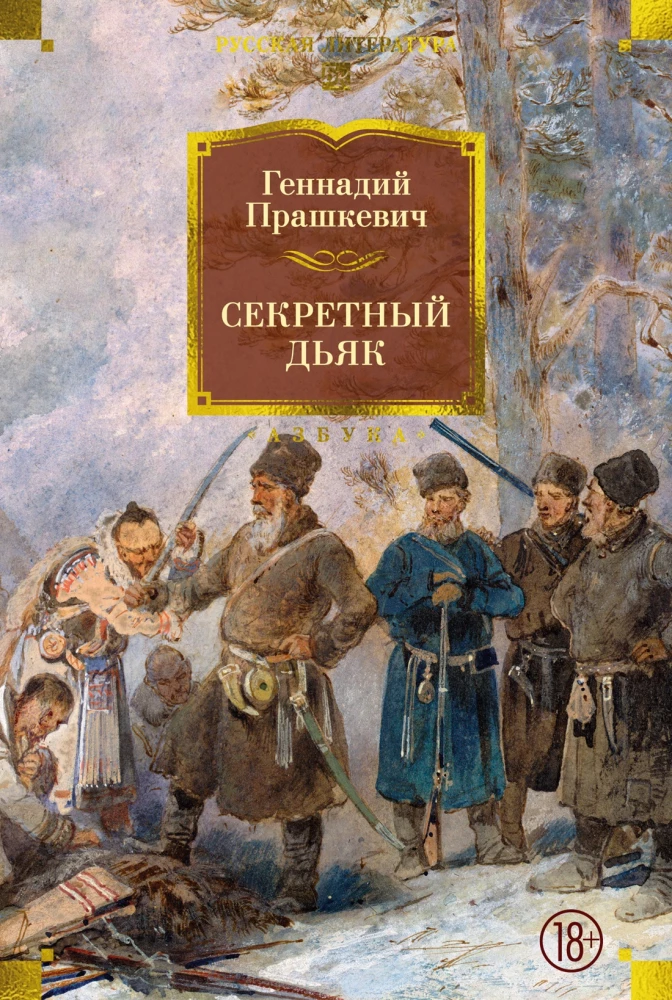
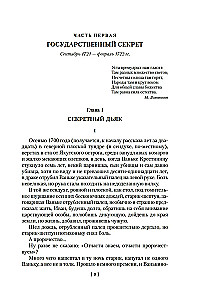
The Secret Deacon
In the works of Gennady Prashkevich, the past of Siberia is not just a part of history. Siberia is his homeland; he was born here, and from here comes his lively, attentive, and empathetic attitude towards what Russia lived for...
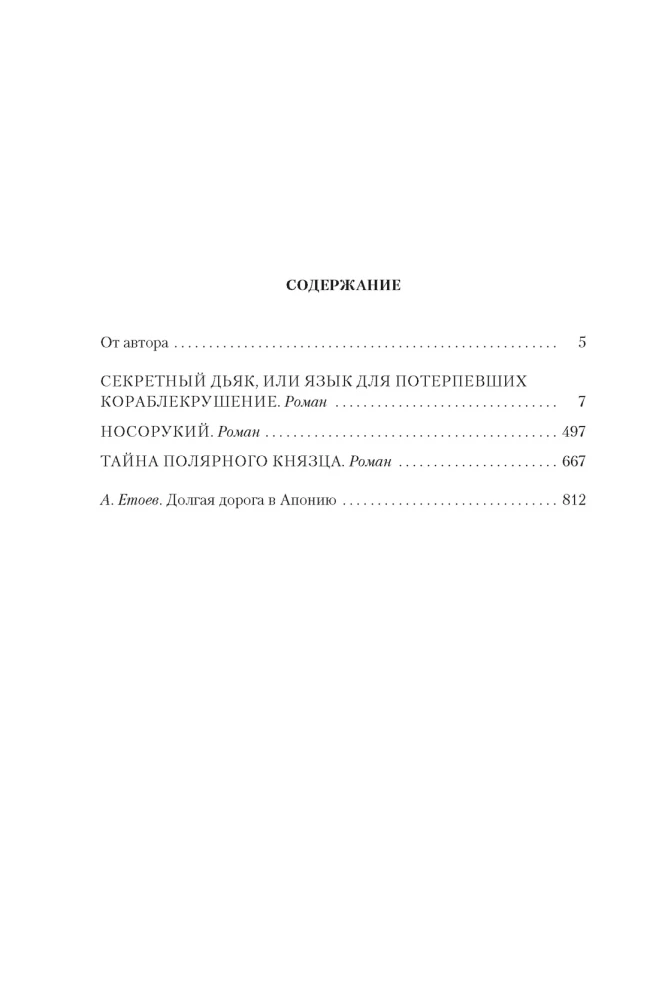
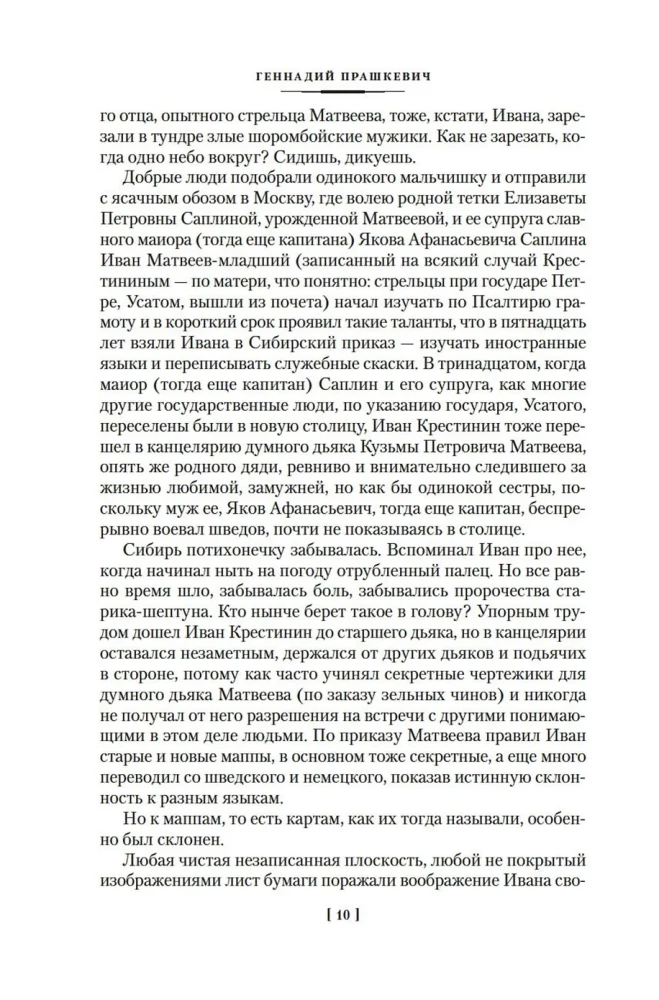
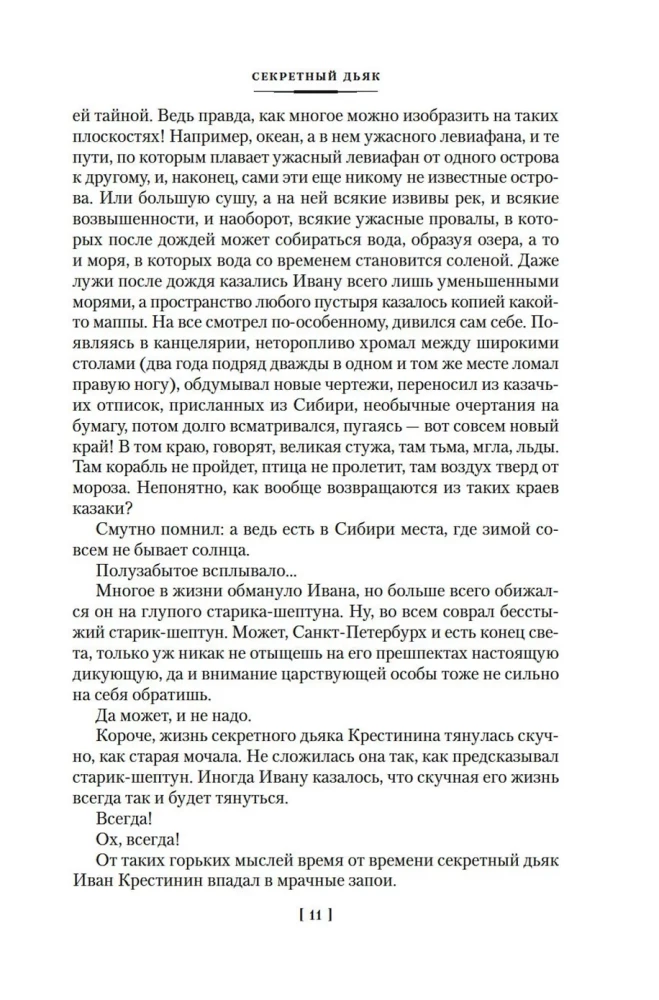
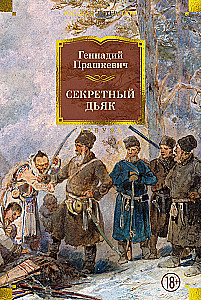
in ancient times, what it aspired to, what sacrifices it was ready to make and did make to attain the borders we have today. In the novel “Noserukiy,” Russian Cossacks, by the order of Tsar Alexei Mikhailovich, search for a living mammoth in the tundra on the Indigirka River, in “The Secret of the Polar Prince,” the famous explorer Semyon Dezhnev and his comrades are establishing a settlement on Pogyche, “a river at the edge of the earth, famous for its fur, fish teeth, and silver.” But the pinnacle of Prashkevich's “Siberiad” is “The Secret Deacon,” a novel about the difficult journey to the semi-mythical land of Aponia, about the Russian reach to the unattainable Kamchatka and the Kuril Islands.
“It all started with an accidental glance at a school textbook,” the writer recounts the story of creating the novel “The Secret Deacon.” “It struck me that only one page is devoted to the history of Siberia in the textbook. A set of well-known names—Khabarov, Atlasov, Yermak. And not a word about Stadukhin, Rebrov, Kurochkin, Kozyrevsky. And not a word about Krasheninnikov, Yokhelson, Tanya-Bogoraz. And not a word about many other minor and major Russian explorers, as if aside from the robbers Yermak and Khabarov, there is no one else to boast about. All this seemed strange and frustrating to me. I asked myself: what do I actually know about my native Siberia, which I have roamed back and forth? And suddenly it dawned on me that I knew no more than some Moscow candidate of philological sciences. Realizing this, I delved into “Sibirika,” into Miller's chests, into the archives...”
“It all started with an accidental glance at a school textbook,” the writer recounts the story of creating the novel “The Secret Deacon.” “It struck me that only one page is devoted to the history of Siberia in the textbook. A set of well-known names—Khabarov, Atlasov, Yermak. And not a word about Stadukhin, Rebrov, Kurochkin, Kozyrevsky. And not a word about Krasheninnikov, Yokhelson, Tanya-Bogoraz. And not a word about many other minor and major Russian explorers, as if aside from the robbers Yermak and Khabarov, there is no one else to boast about. All this seemed strange and frustrating to me. I asked myself: what do I actually know about my native Siberia, which I have roamed back and forth? And suddenly it dawned on me that I knew no more than some Moscow candidate of philological sciences. Realizing this, I delved into “Sibirika,” into Miller's chests, into the archives...”
Author: Геннадий Прашкевич
Printhouse: Azbuka
Series: Russian Literature. Big Books
Age restrictions: 18+
Year of publication: 2026
ISBN: 9785389321519
Number of pages: 832
Size: 210х150х45 mm
Cover type: hard
Weight: 920 g
ID: 1740543
In stock
€ 19.99
Will be delivered to United States on :
Unfortunately, we are currently unable to deliver orders to your region.
In stock
€ 19.99
Will be delivered to United States on :
Unfortunately, we are currently unable to deliver orders to your region.
Bestsellers




Bestseller
€ 12.19
In stock
Kanashibari. Until the Last Lantern Goes Out. Volume 1
Ангелина Шэн, Вероника Шэн