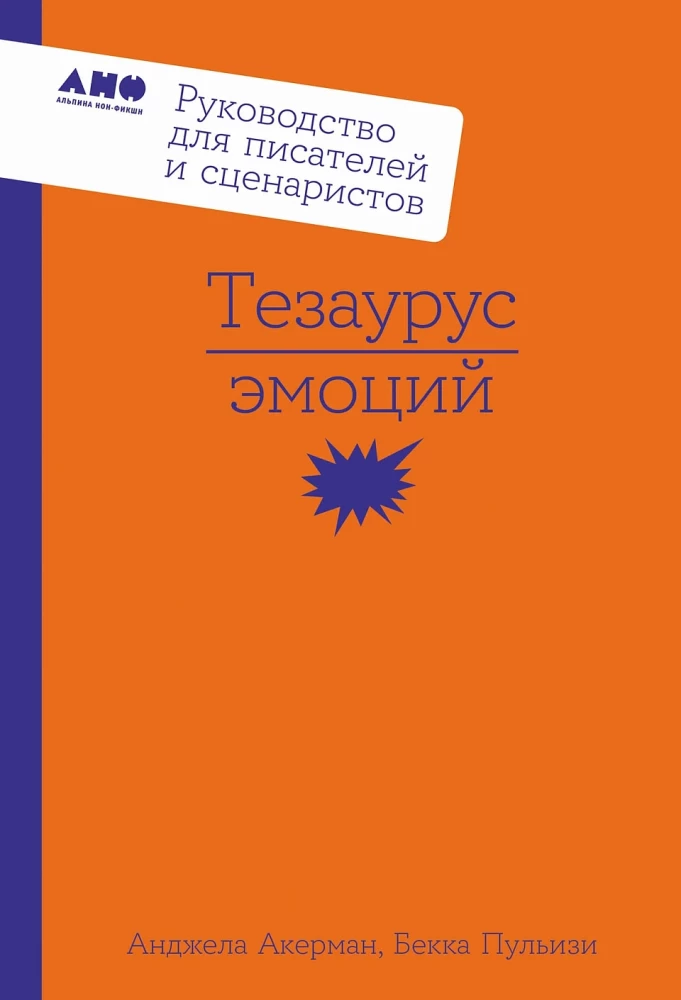
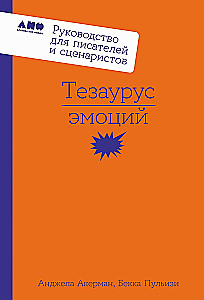
Thesaurus of Emotions: A Guide for Writers and Screenwriters
A series or film truly becomes popular when viewers empathize with the characters and witness their evolution. No work will truly capture us if the characters seem flat and unconvincing.
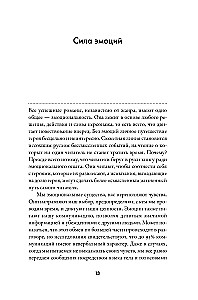
At the heart of compelling writing lies a resemblance to real... life, and a good author skillfully employs knowledge of psychology. There is always a risk of resorting to dry explanations instead of presenting feelings sincerely, deeply, and volumetrically — so that the reader or viewer feels the same as the hero.
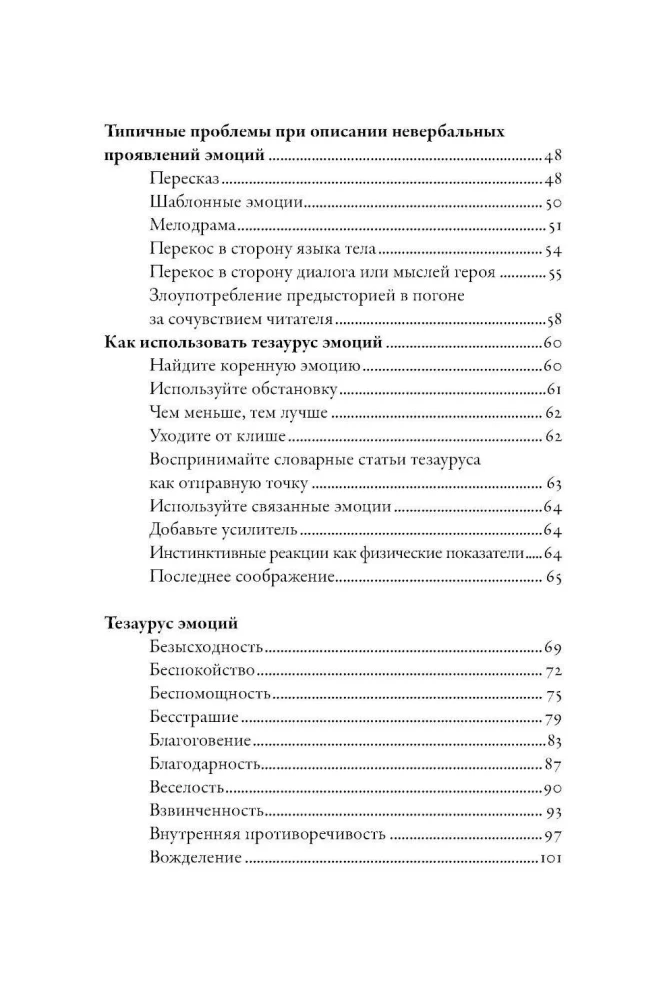
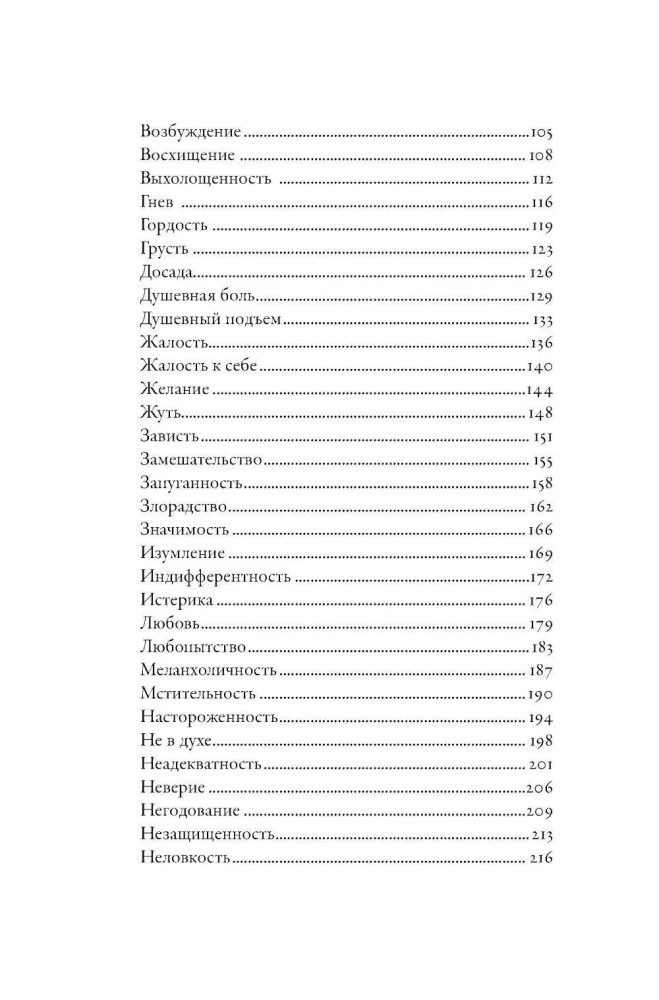
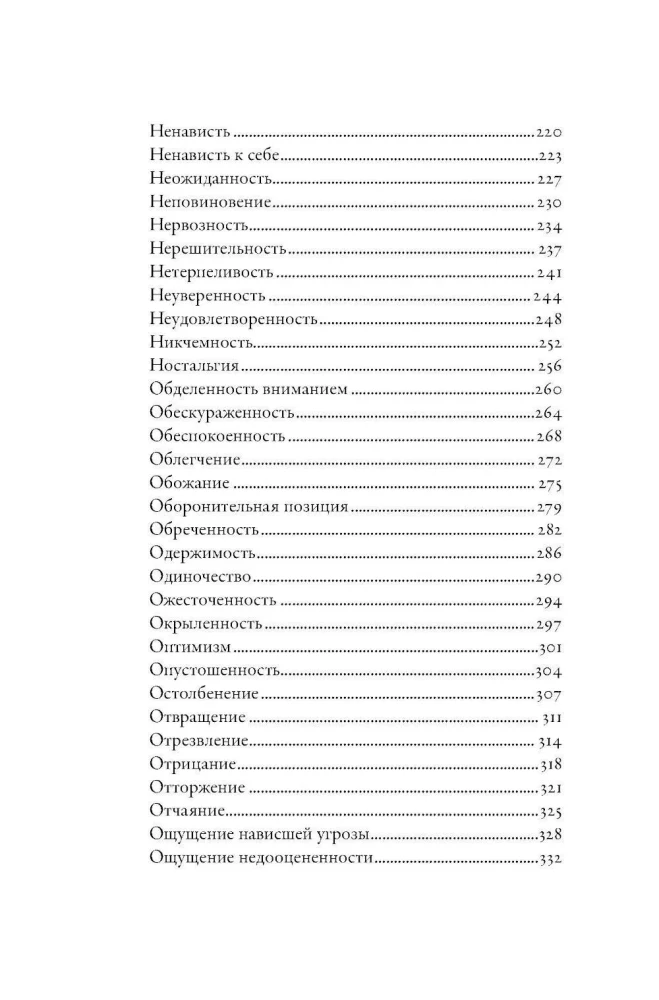
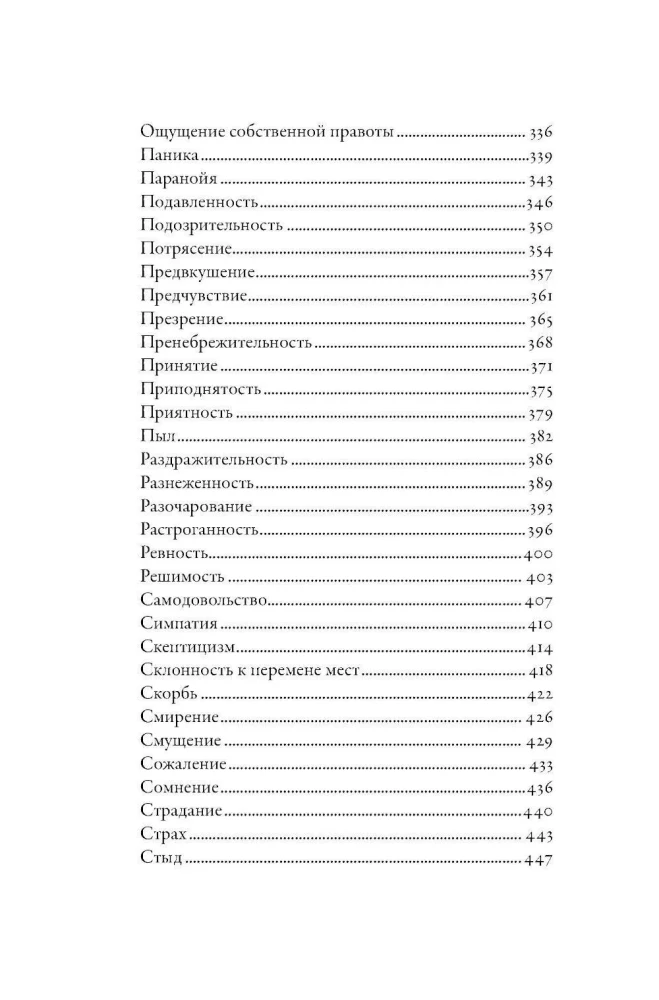
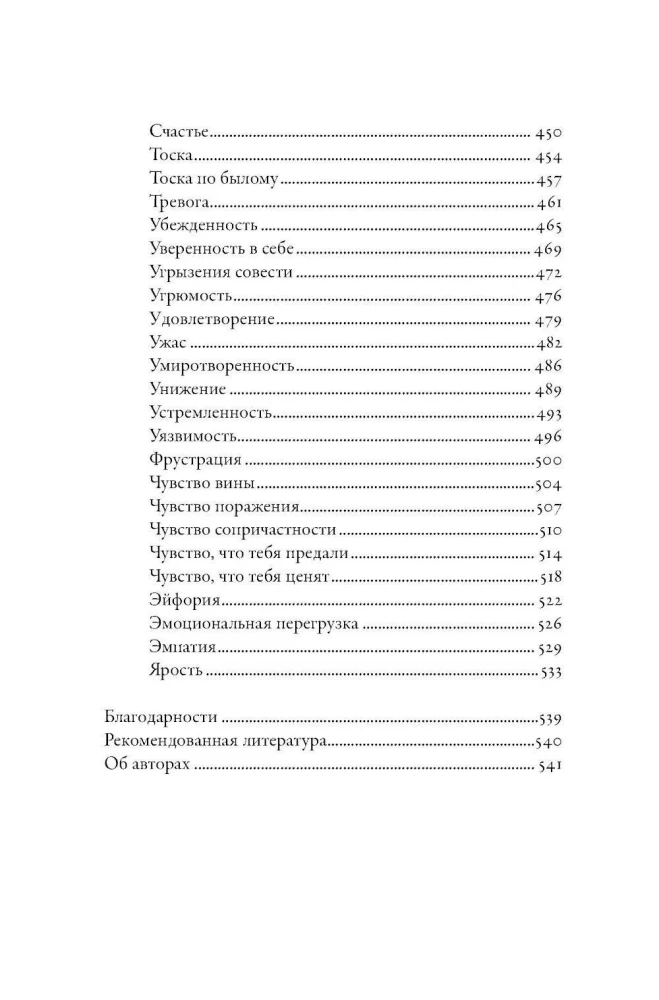
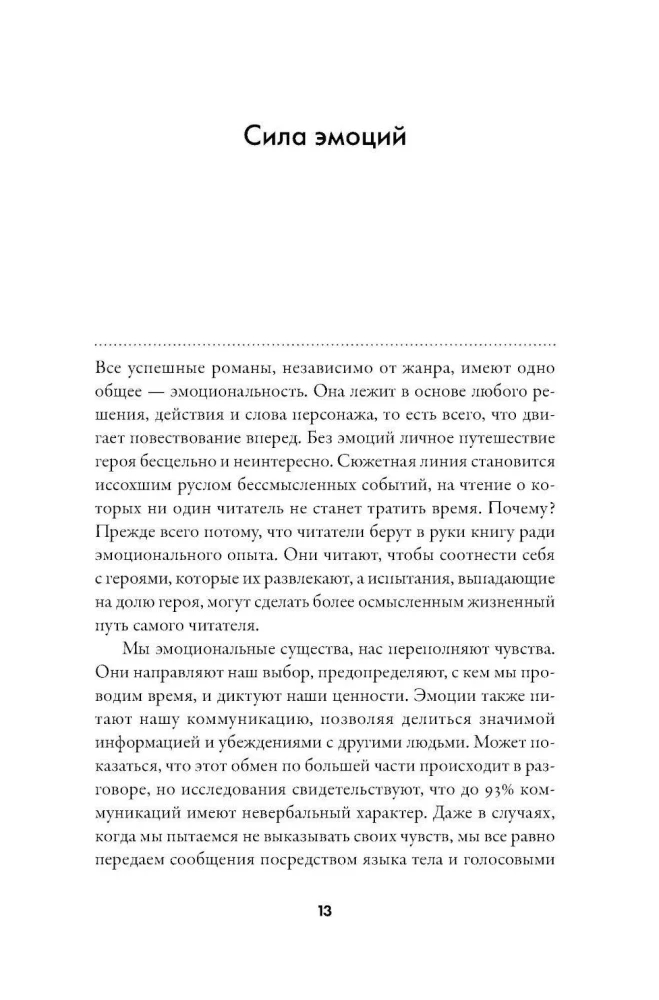
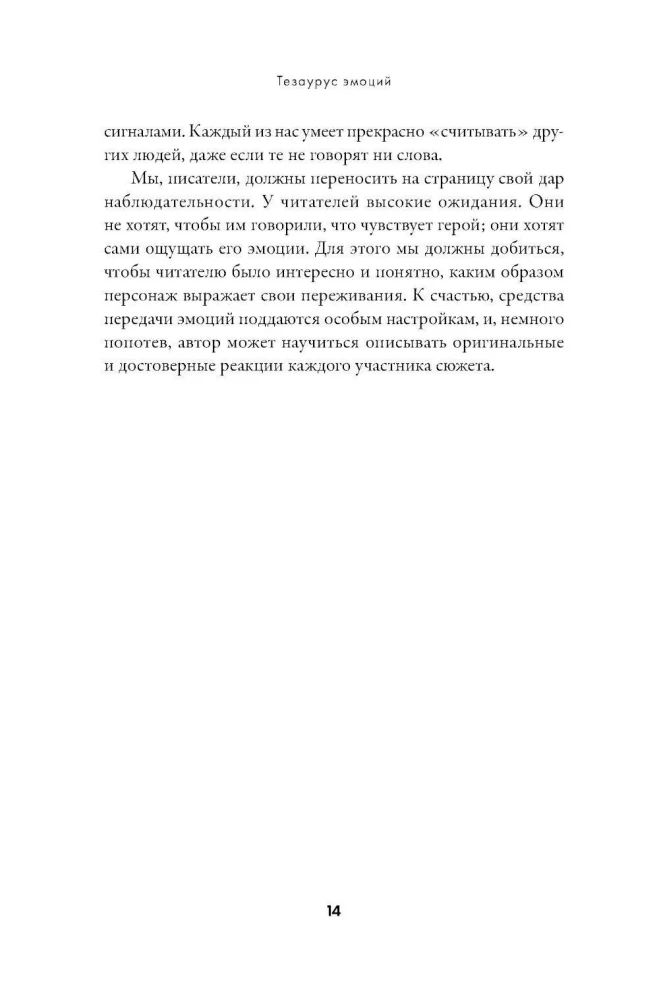
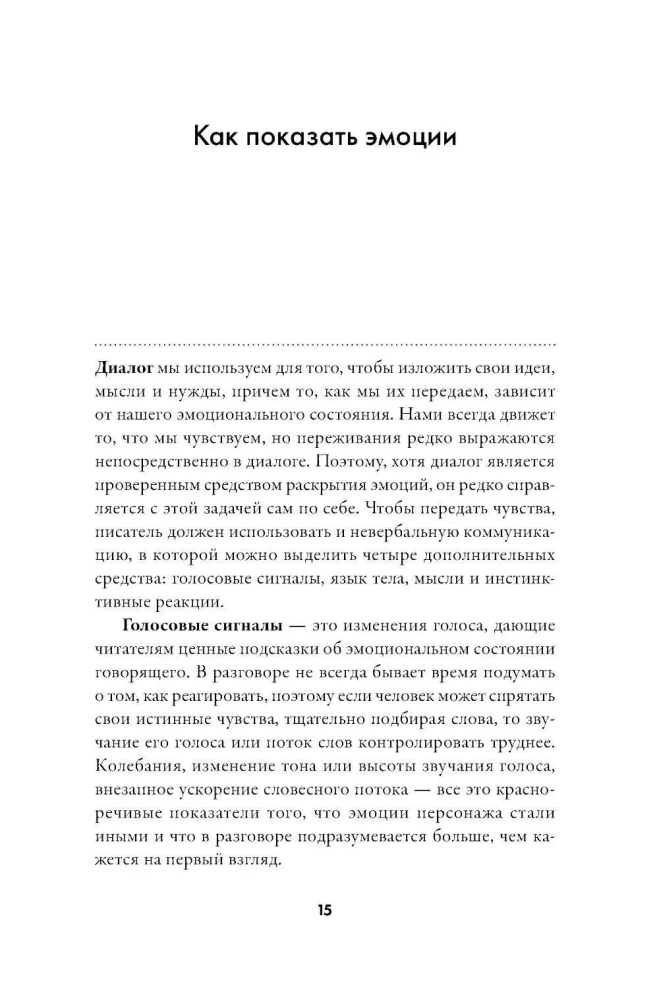
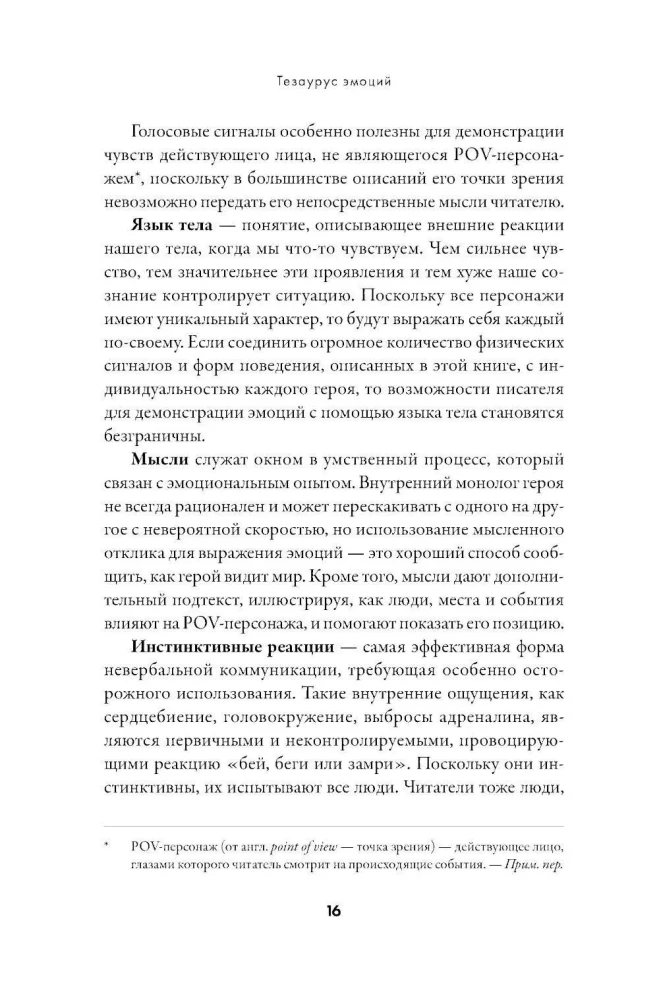
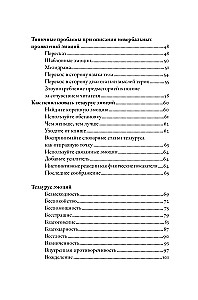
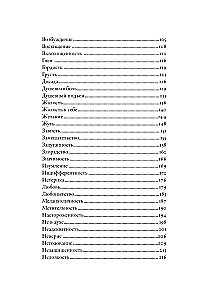
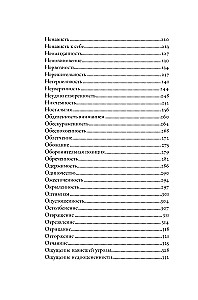
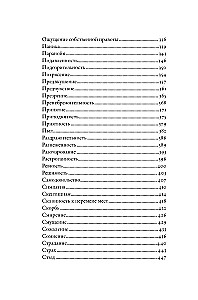
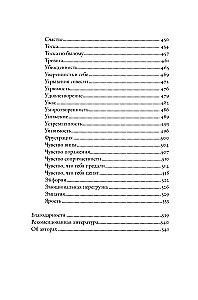
“Thesaurus of Emotions” is a universal tool for breathing genuine life and warmth into characters. Authors Angela Ackerman and Becca Puglisi compiled 130 of the most common emotions and provided detailed descriptions of each. Each emotion is defined, with corresponding body signals, internal impulses, reactions, signs of repression, and perspectives — how the emotion might change if intensified or diminished. This is an essential guide for anyone working with characters who wants to learn to write interesting dialogues, create tense conflicts, and develop multidimensional characters.
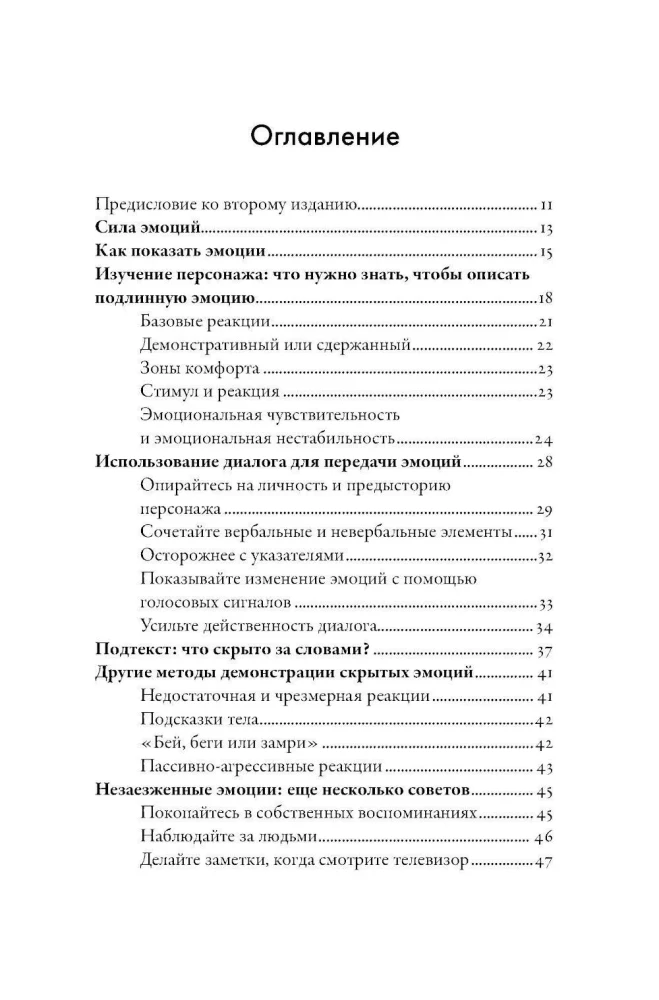
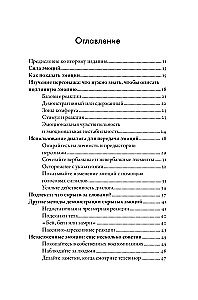
In the preamble, the authors provide detailed instructions on how to use the thesaurus and advice on craft: how to properly transfer observations of people into text, maintain a balance of verbal and non-verbal communication, incorporate subtext, and avoid common pitfalls of beginners. “Thesaurus of Emotions” can become a reference book for experienced writers or a guide for those taking their first steps in prose or screenwriting.
However, this is just the tip of the iceberg — since, on the other hand, the work of Angela Ackerman and Becca Puglisi offers us a technology for analyzing hidden experiences and motives that drive the people around us. It is also an excellent resource on psychology, useful for anyone who wants to study people: learn to read body language, understand one’s own and others’ reactions, and develop empathy for the feelings of others.
Why read:
— Learn to create multidimensional characters with believable reactions.
— Check plot lines and characters for authenticity, avoid self-repetition, and master the techniques of psychological prose.
— Gain a deeper understanding of people, their feelings, reactions, and read body signals.
At the heart of compelling writing lies a resemblance to real... life, and a good author skillfully employs knowledge of psychology. There is always a risk of resorting to dry explanations instead of presenting feelings sincerely, deeply, and volumetrically — so that the reader or viewer feels the same as the hero.
“Thesaurus of Emotions” is a universal tool for breathing genuine life and warmth into characters. Authors Angela Ackerman and Becca Puglisi compiled 130 of the most common emotions and provided detailed descriptions of each. Each emotion is defined, with corresponding body signals, internal impulses, reactions, signs of repression, and perspectives — how the emotion might change if intensified or diminished. This is an essential guide for anyone working with characters who wants to learn to write interesting dialogues, create tense conflicts, and develop multidimensional characters.
In the preamble, the authors provide detailed instructions on how to use the thesaurus and advice on craft: how to properly transfer observations of people into text, maintain a balance of verbal and non-verbal communication, incorporate subtext, and avoid common pitfalls of beginners. “Thesaurus of Emotions” can become a reference book for experienced writers or a guide for those taking their first steps in prose or screenwriting.
However, this is just the tip of the iceberg — since, on the other hand, the work of Angela Ackerman and Becca Puglisi offers us a technology for analyzing hidden experiences and motives that drive the people around us. It is also an excellent resource on psychology, useful for anyone who wants to study people: learn to read body language, understand one’s own and others’ reactions, and develop empathy for the feelings of others.
Why read:
— Learn to create multidimensional characters with believable reactions.
— Check plot lines and characters for authenticity, avoid self-repetition, and master the techniques of psychological prose.
— Gain a deeper understanding of people, their feelings, reactions, and read body signals.
Author: Анджела Акерман, Автор:Бекка Пульизи
Printhouse: Al'pina Pablisher
Series: A Guide for Writers and Screenwriters
Age restrictions: 16+
Year of publication: 2026
ISBN: 9785002239412
Number of pages: 542
Size: 220х150х30 mm
Cover type: hard
Weight: 755 g
ID: 1736687
In stock
€ 19.09
Will be delivered to United States on 6 October (Tu):
By courier
from € 38.94
Bestsellers








€ 13.29
In stock
12 Weeks in a Year. How to Achieve More in 12 Weeks Than Others Do in 12 Months
Майкл Леннингтон, Брайан Моран


€ 7.89
In stock
Choice. On the Freedom and Inner Strength of a Person
Эдит Ева Эгер, Эсме Швалль-Вейганд




€ 6.99
In stock