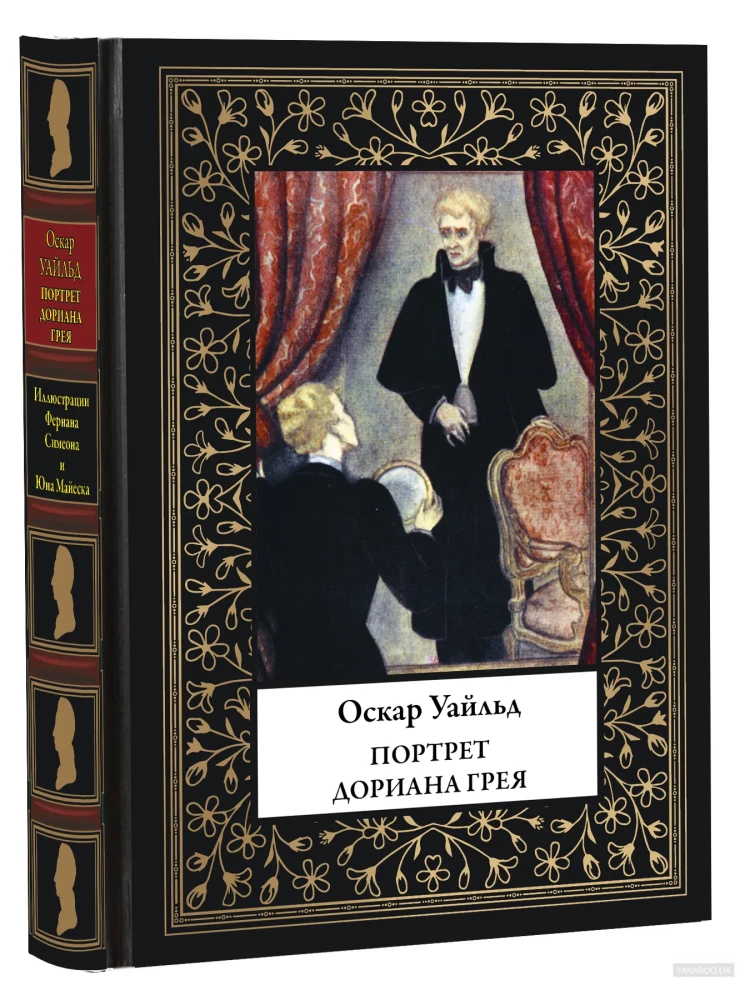
The Picture of Dorian Gray
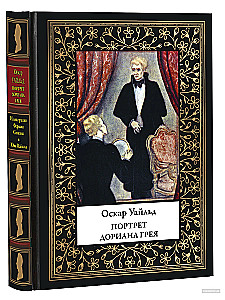
«The Picture of Dorian Gray» — a novel by Oscar Wilde about beauty, morality, and the destructive power of pleasures.
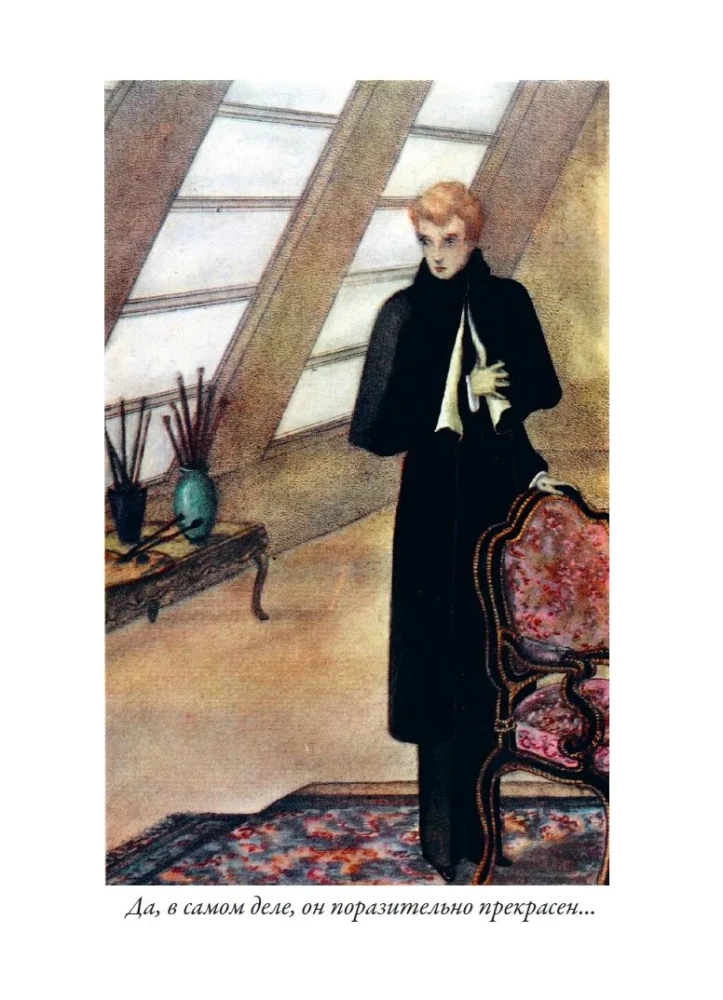
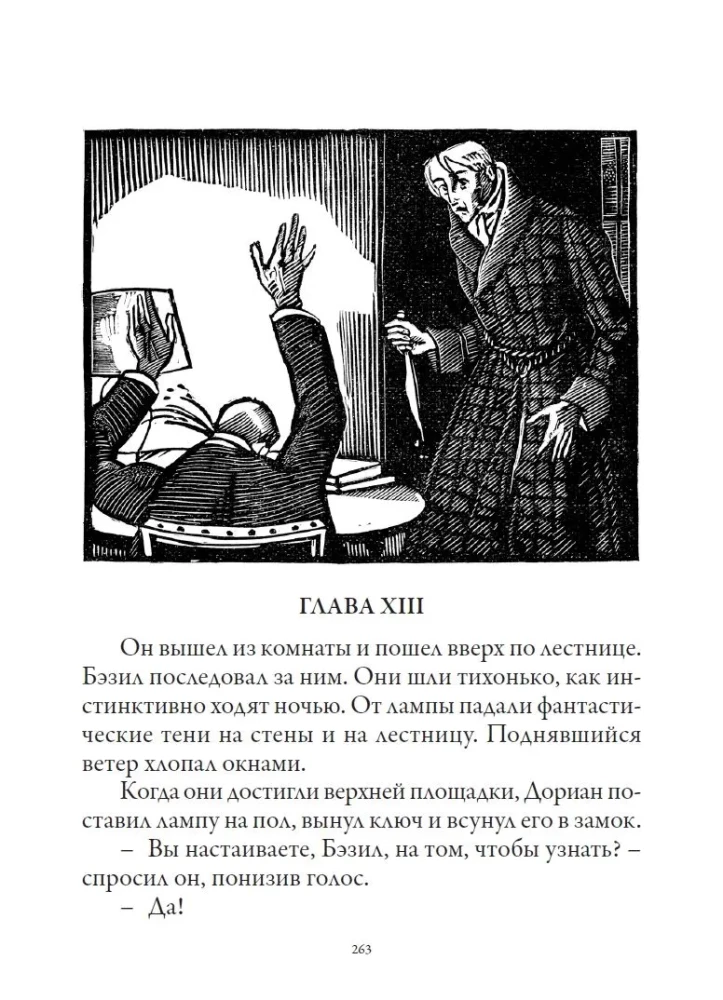
Young aristocrat Dorian Gray amazes artist Basil Hallward with his beauty and becomes the subject of his portrait. Under the influence... of the cynical and witty Lord Henry, Dorian begins to believe that the main thing in life is pleasure and eternal youth.
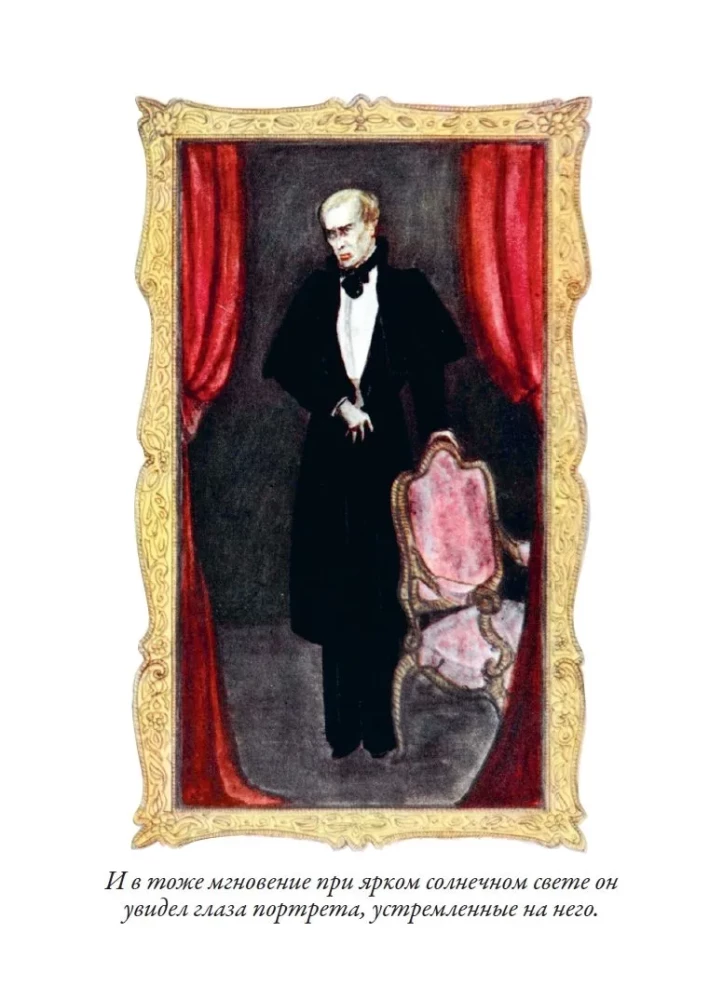
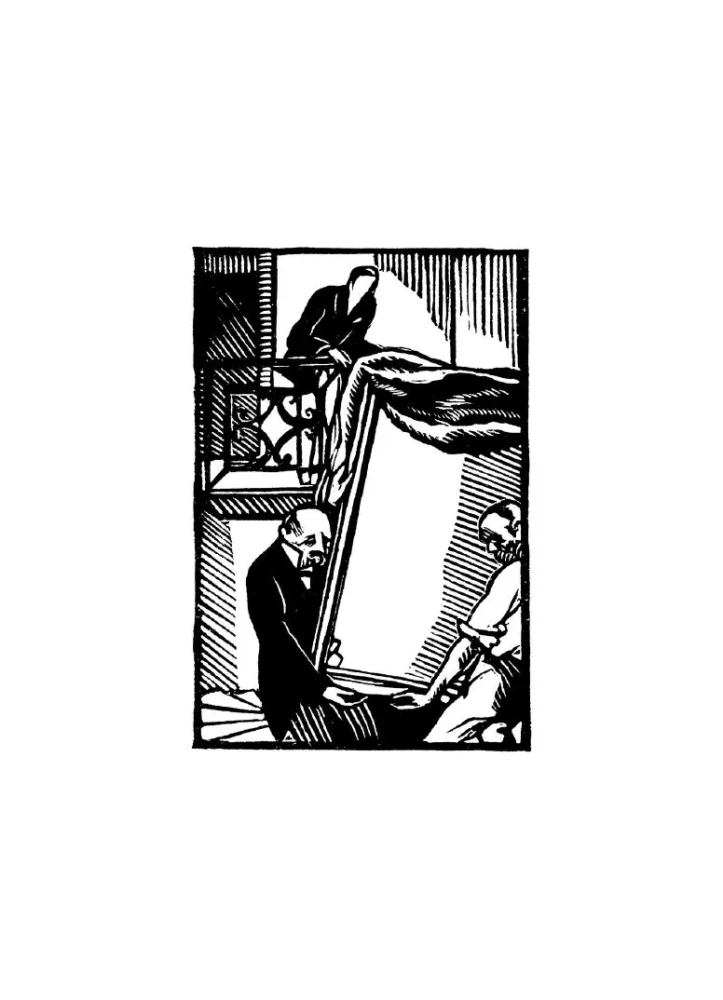
He wishes that he would not grow old, but his portrait would age instead — and this wish comes true. Externally, Dorian remains young and flawless, while the depiction on the canvas gradually changes, reflecting his moral decay and vices.
Drowning in a world of pleasures and immoral actions, Dorian destroys the lives of others and his own soul. The deeper his fall, the more horrifying the portrait becomes, hidden from the eyes of those around him.
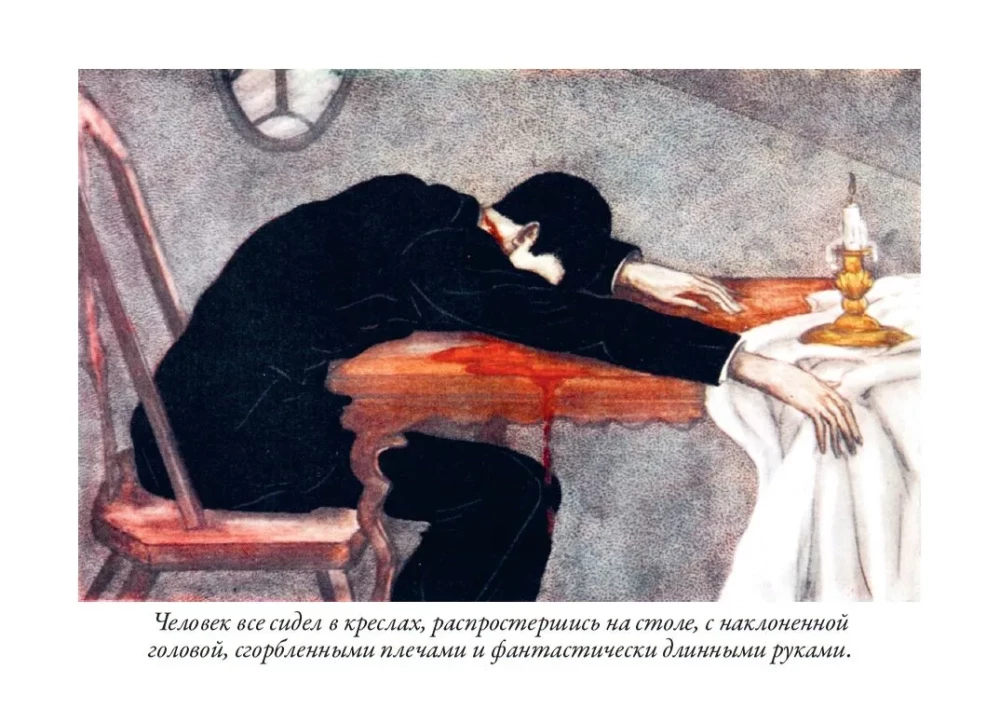
In the end, unable to bear the horror of his true reflection, Dorian attempts to destroy the painting — but perishes himself, while the portrait returns to its original form.
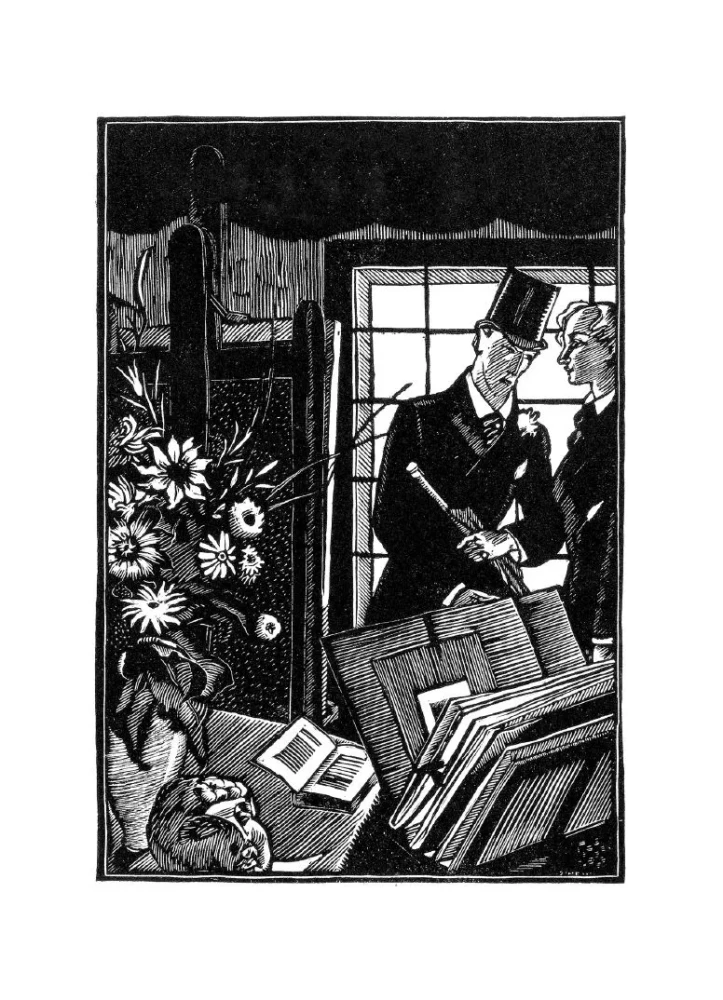
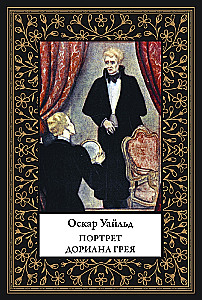
The text of Oscar Wilde's most famous novel — «The Picture of Dorian Gray» is provided in this edition in full, unabridged, in a rare translation by the brother of the famous philosopher — polyglot Sergei Alexandrovich Berdyaev, who managed to astonishingly accurately convey the decadent atmosphere of this mystical work, which became a kind of manifesto of aestheticism.
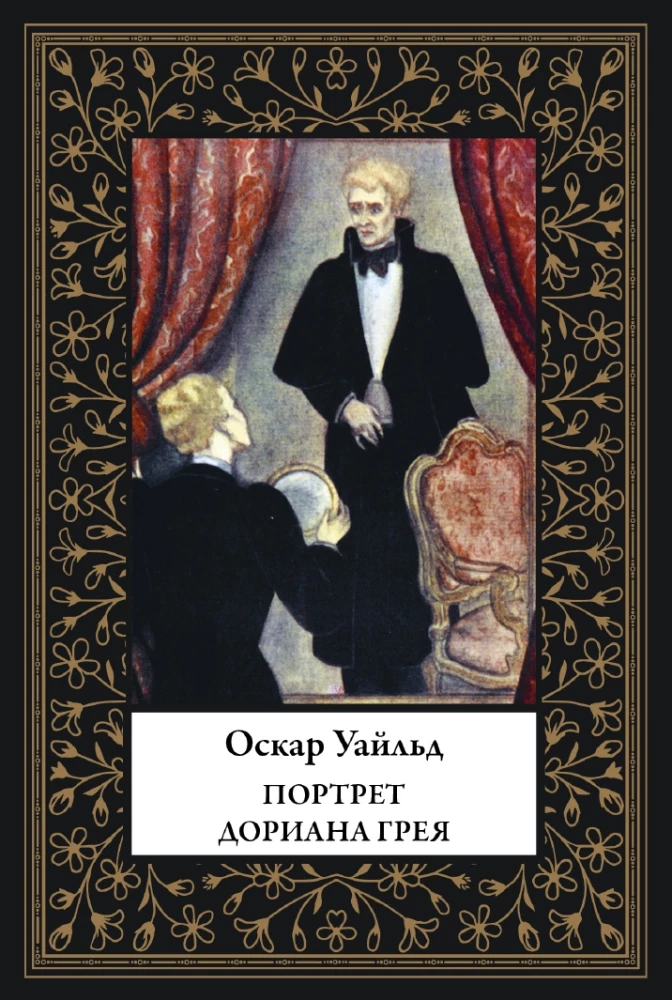
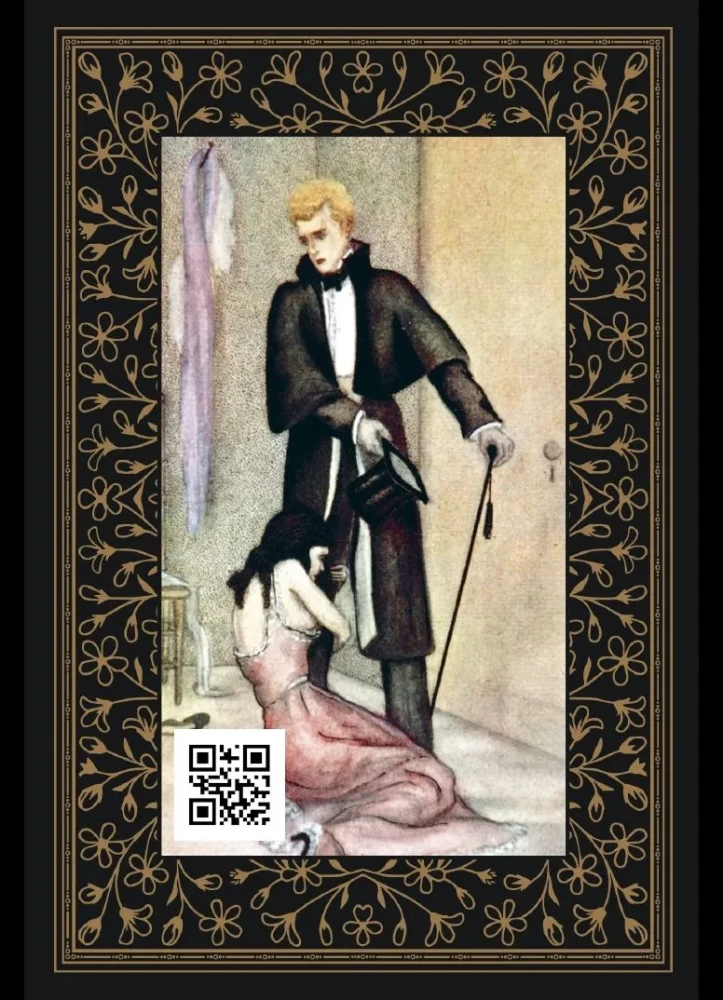
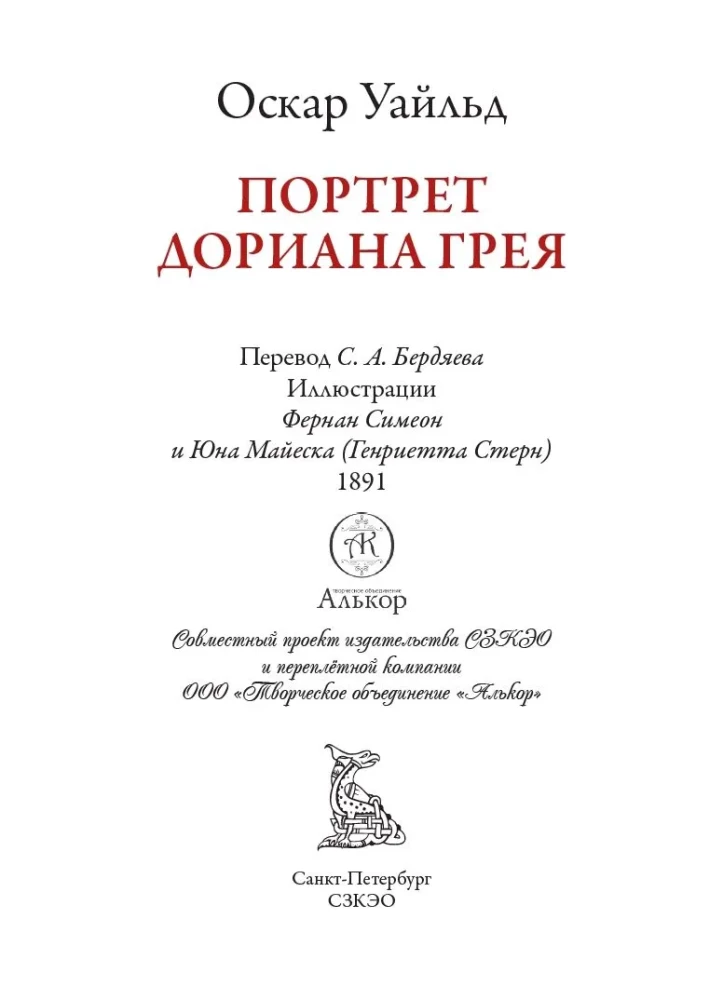
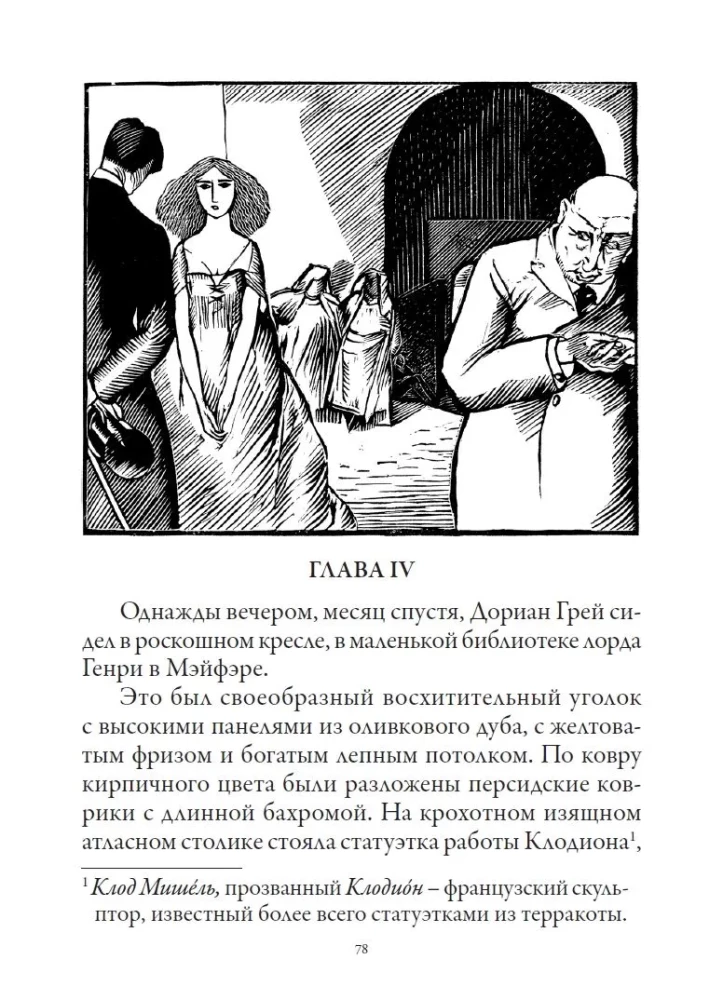
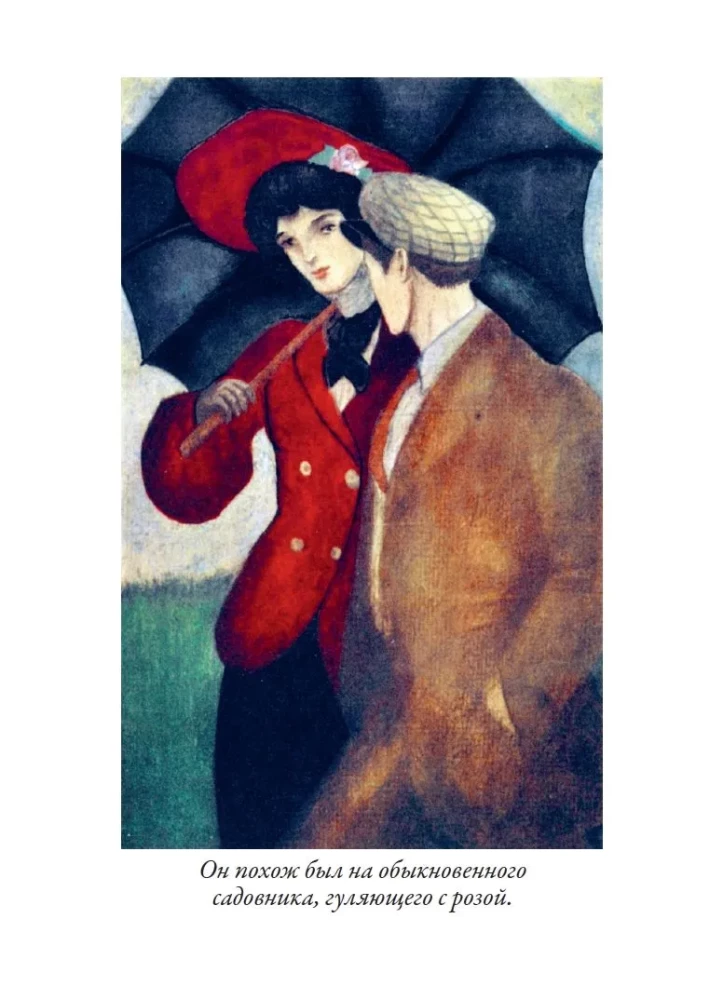
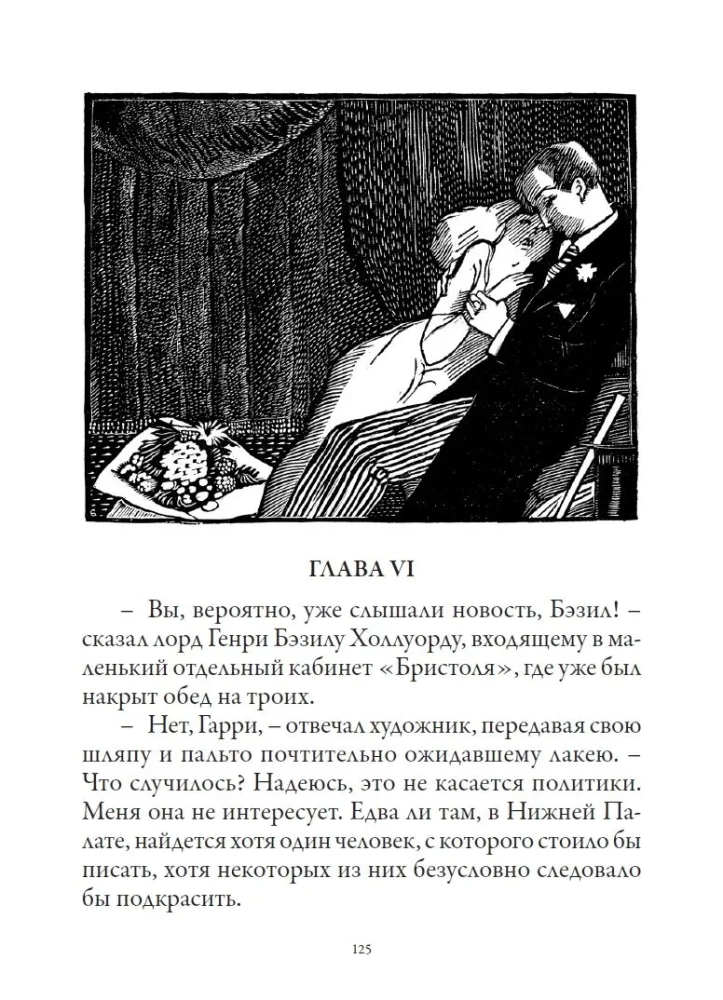
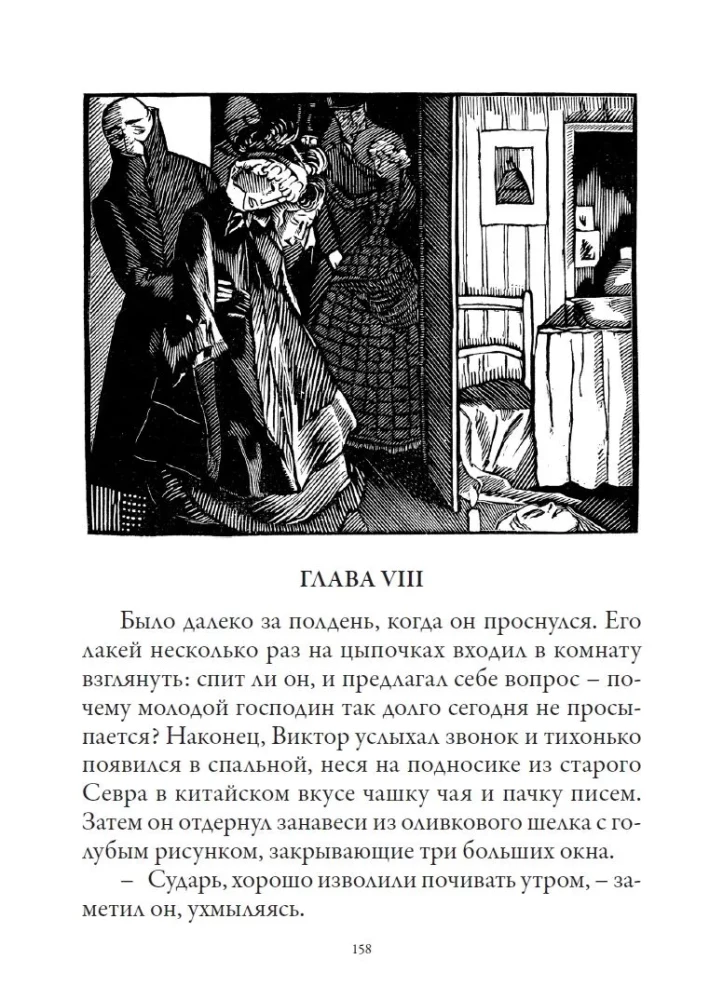
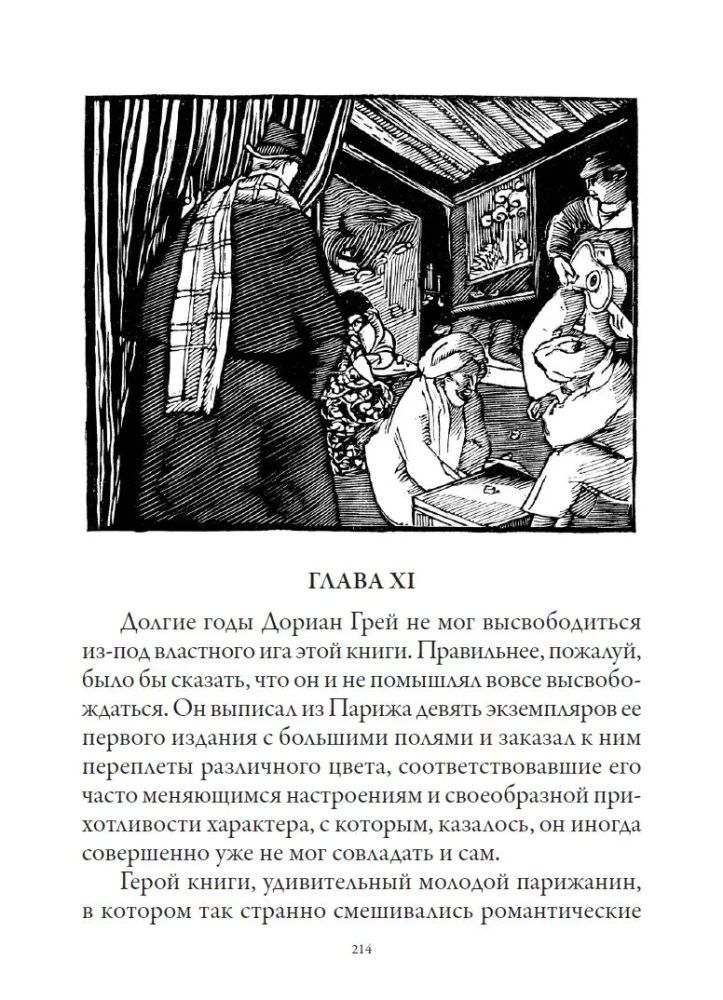
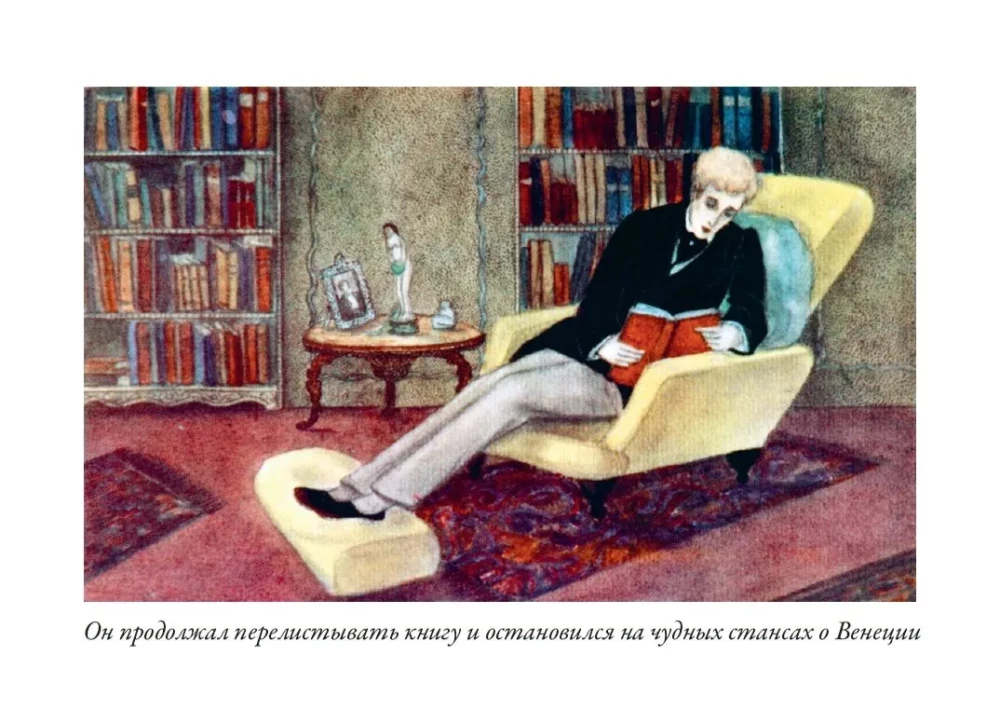
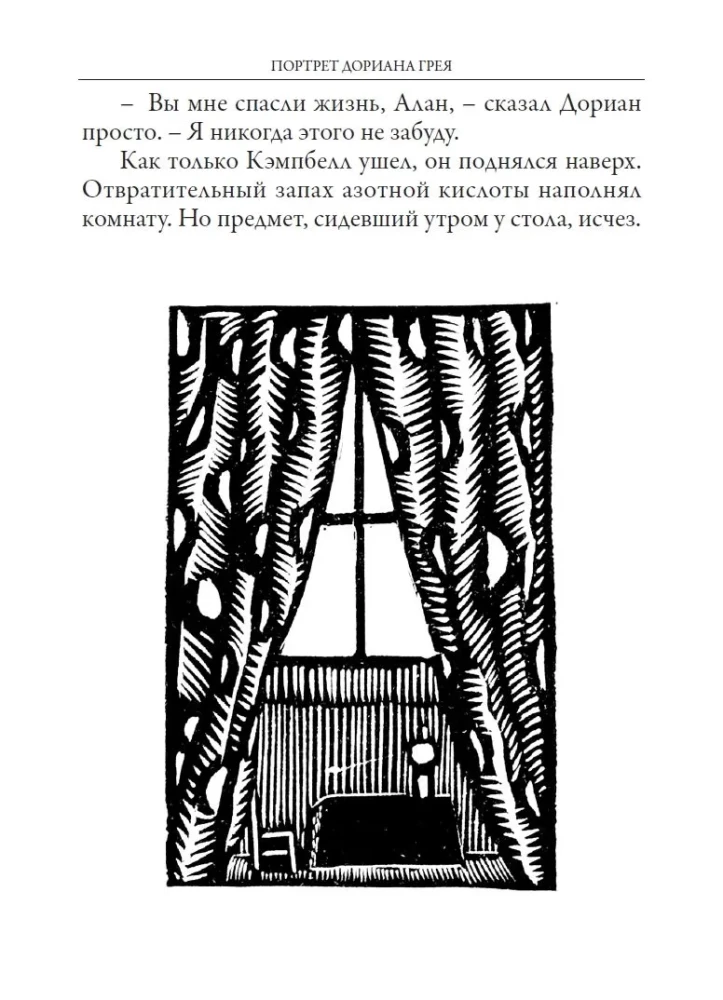
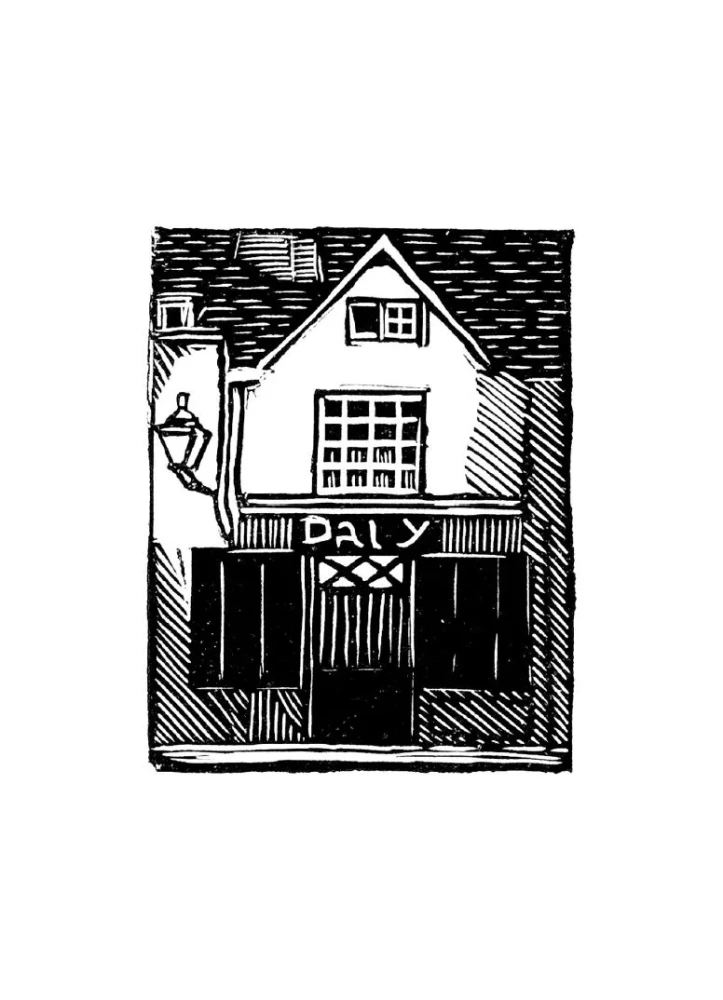
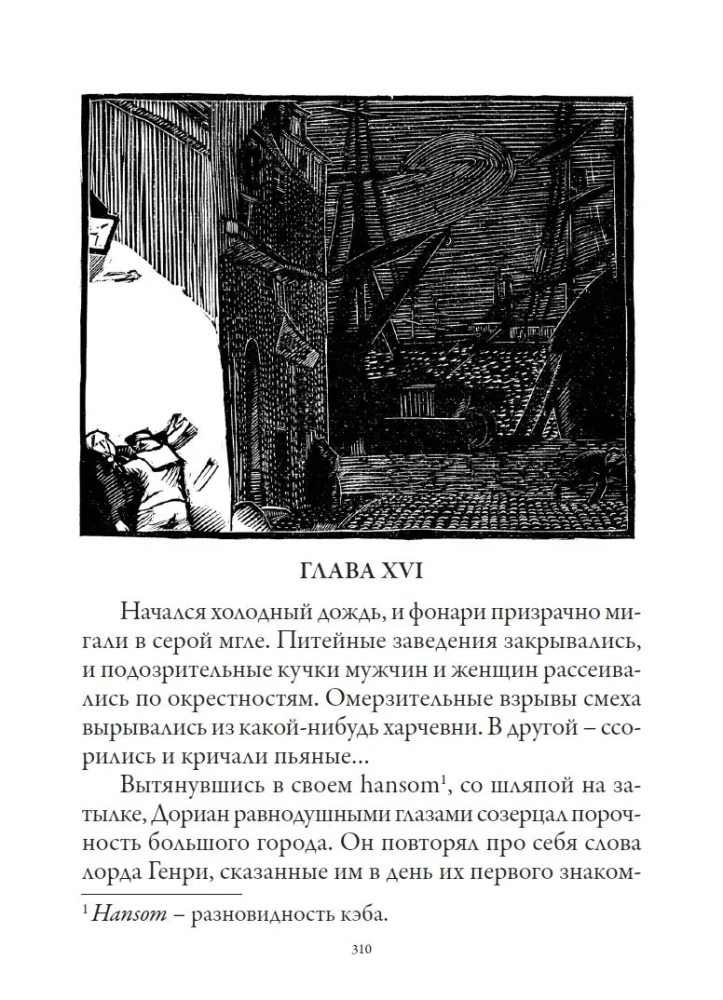
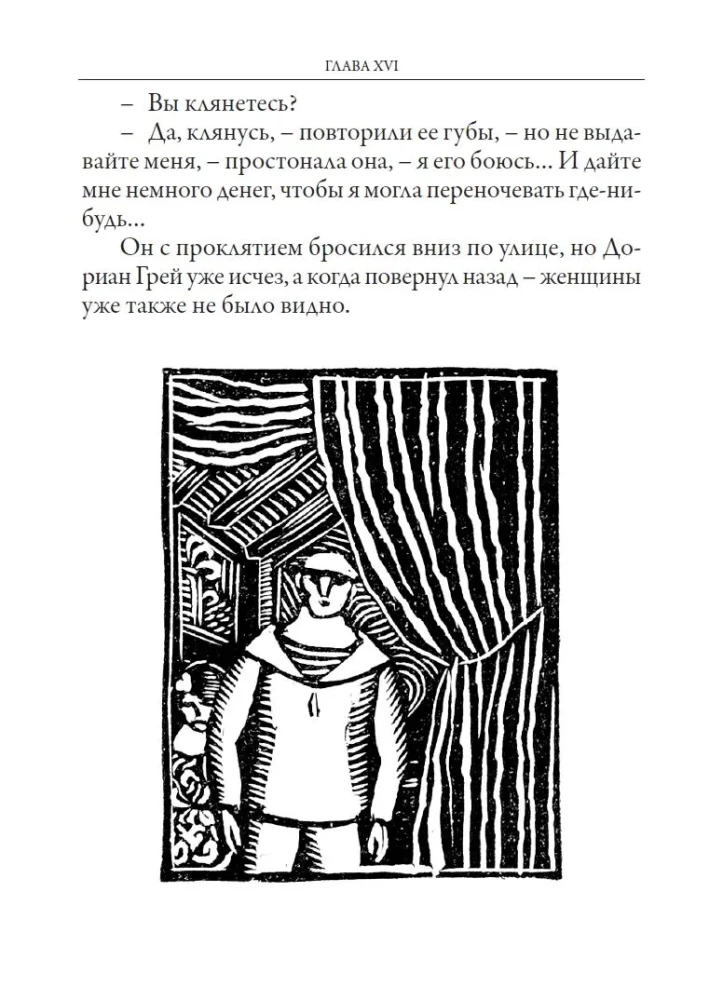
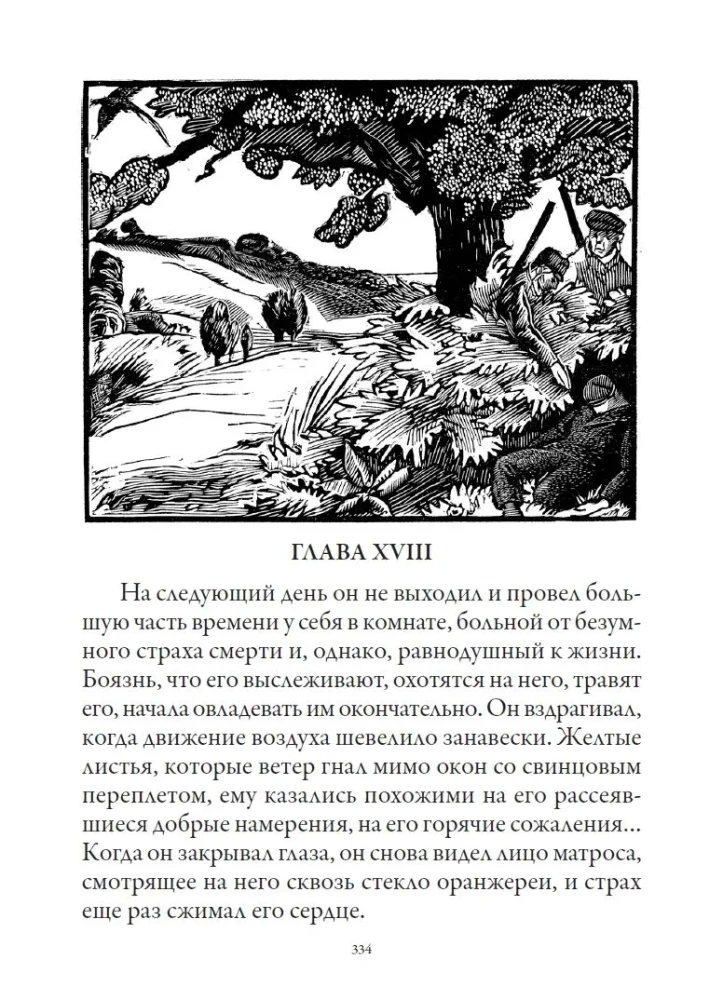
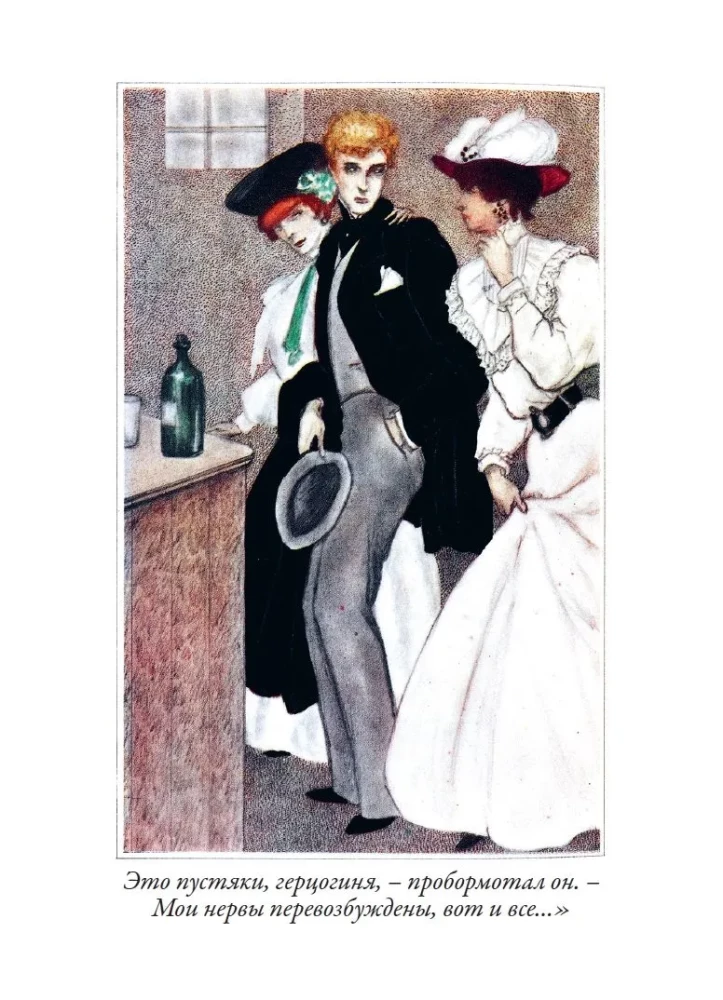
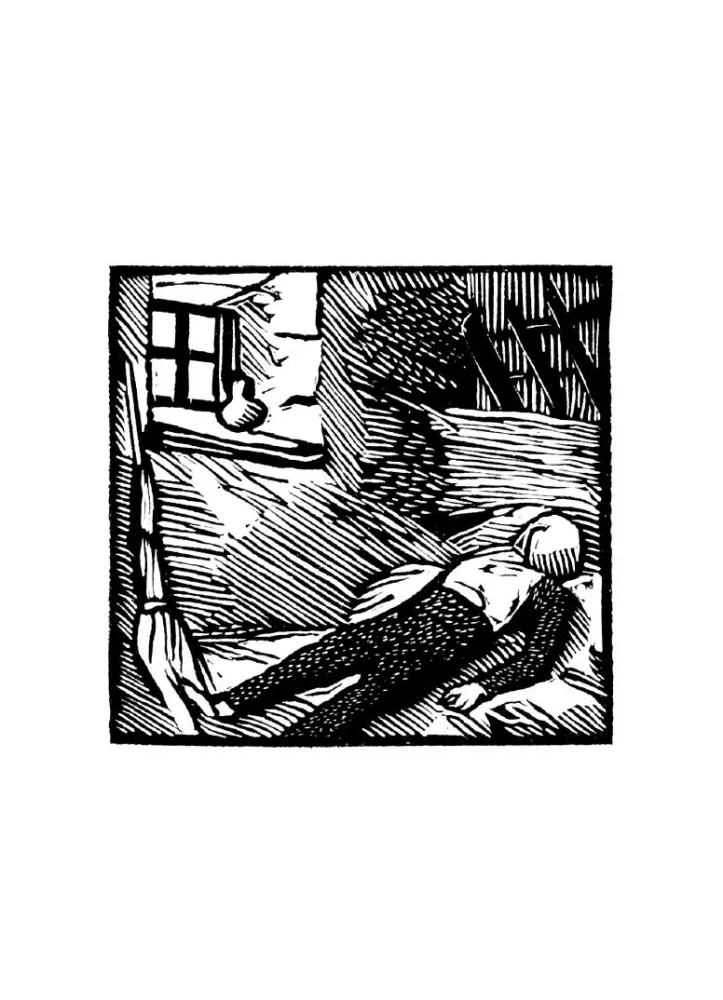
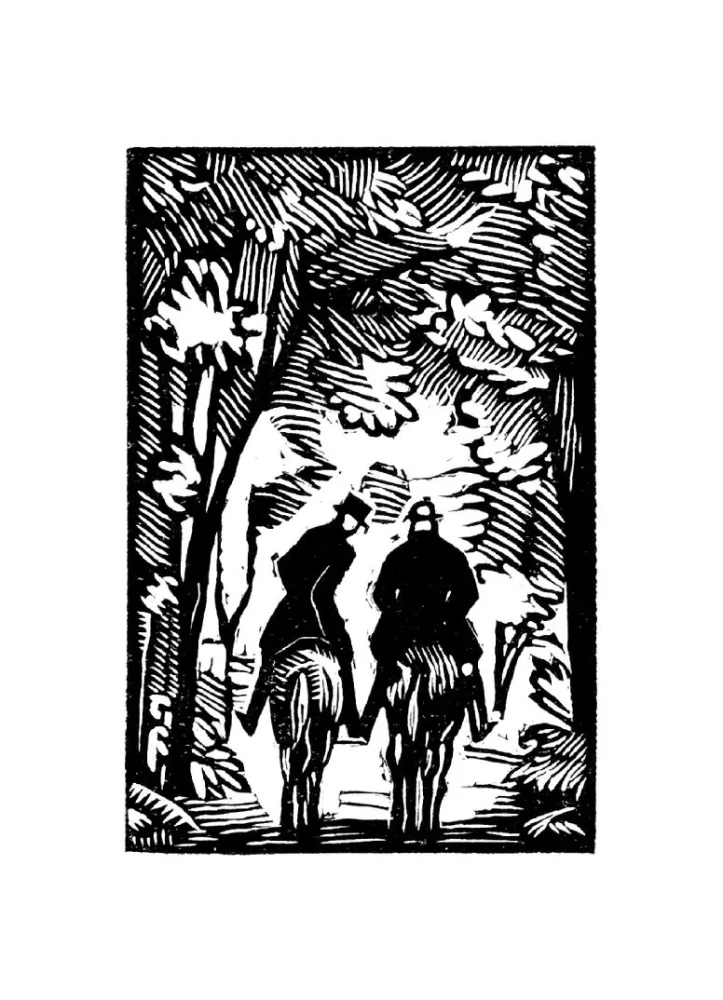
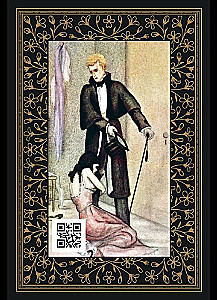
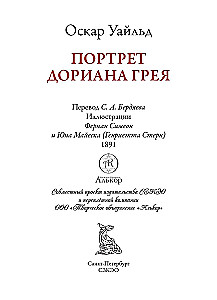
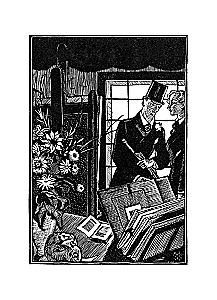
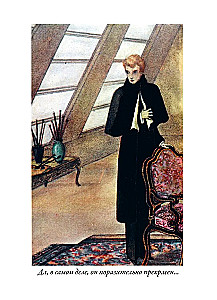
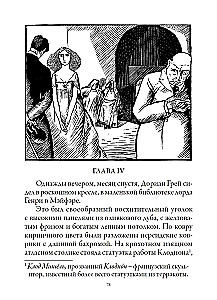
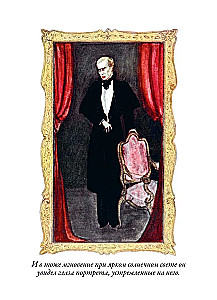
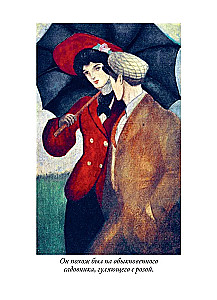
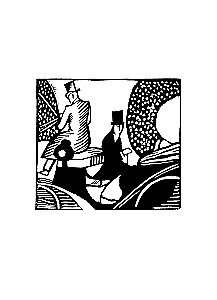
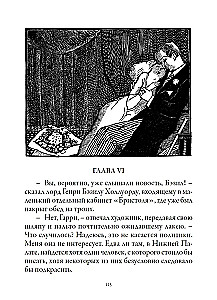
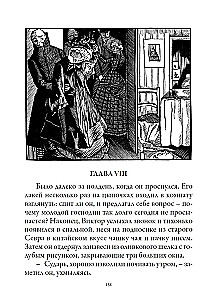
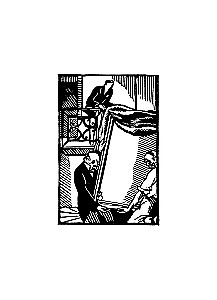
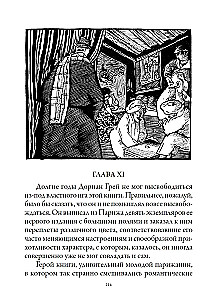
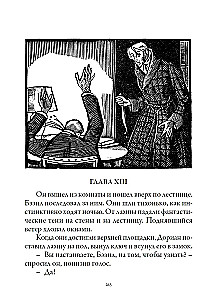
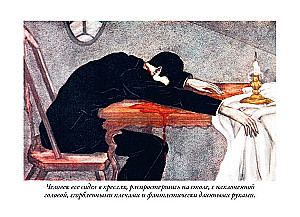
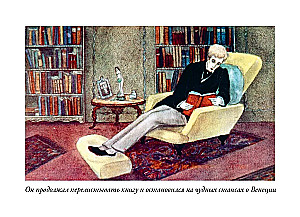
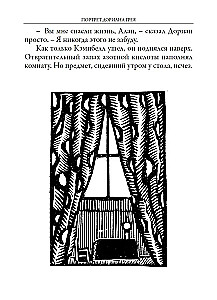
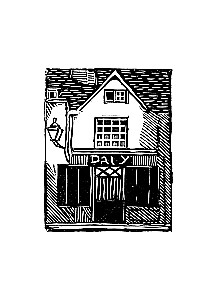
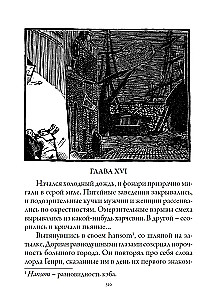
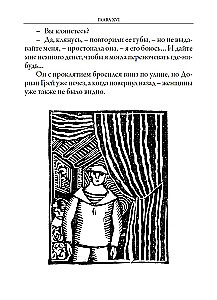
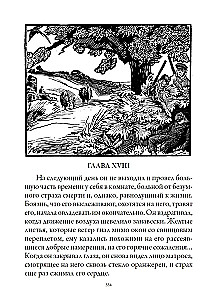
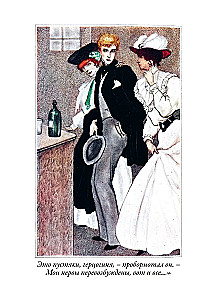
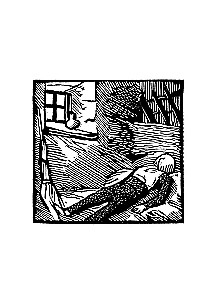
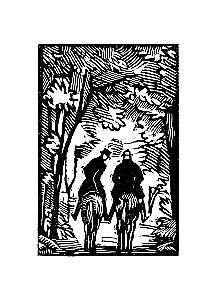
Translation by S. A. Berdyaev Illustrations by Fernand Siméon and Yuna Maieska (Henrietta Stern)
Young aristocrat Dorian Gray amazes artist Basil Hallward with his beauty and becomes the subject of his portrait. Under the influence... of the cynical and witty Lord Henry, Dorian begins to believe that the main thing in life is pleasure and eternal youth.
He wishes that he would not grow old, but his portrait would age instead — and this wish comes true. Externally, Dorian remains young and flawless, while the depiction on the canvas gradually changes, reflecting his moral decay and vices.
Drowning in a world of pleasures and immoral actions, Dorian destroys the lives of others and his own soul. The deeper his fall, the more horrifying the portrait becomes, hidden from the eyes of those around him.
In the end, unable to bear the horror of his true reflection, Dorian attempts to destroy the painting — but perishes himself, while the portrait returns to its original form.
The text of Oscar Wilde's most famous novel — «The Picture of Dorian Gray» is provided in this edition in full, unabridged, in a rare translation by the brother of the famous philosopher — polyglot Sergei Alexandrovich Berdyaev, who managed to astonishingly accurately convey the decadent atmosphere of this mystical work, which became a kind of manifesto of aestheticism.
Translation by S. A. Berdyaev Illustrations by Fernand Siméon and Yuna Maieska (Henrietta Stern)
Author: Оскар Уайльд
Printhouse: SZKEO
Series: Library of World Literature. Small format
Age restrictions: 18+
Year of publication: 2026
ISBN: 9785960313780
Number of pages: 376
Size: 170х115х70 mm
Cover type: hard
Weight: 400 g
ID: 1735441
In stock
€ 9.89
Will be delivered to United States on :
Unfortunately, we are currently unable to deliver orders to your region.
In stock
€ 9.89
Will be delivered to United States on :
Unfortunately, we are currently unable to deliver orders to your region.
Bestsellers



Bestseller
€ 12.19
In stock
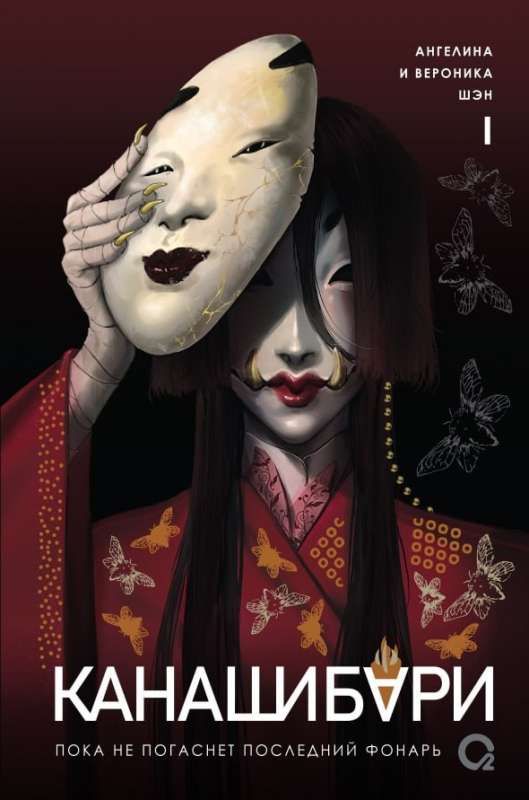
Kanashibari. Until the Last Lantern Goes Out. Volume 1
Ангелина Шэн, Вероника Шэн