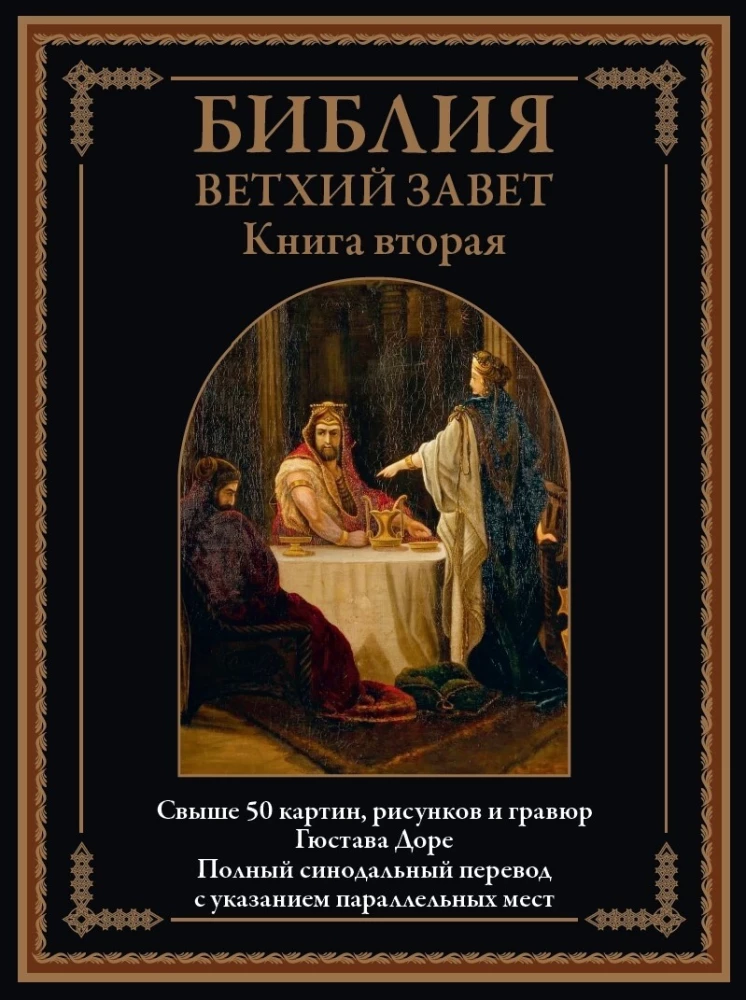
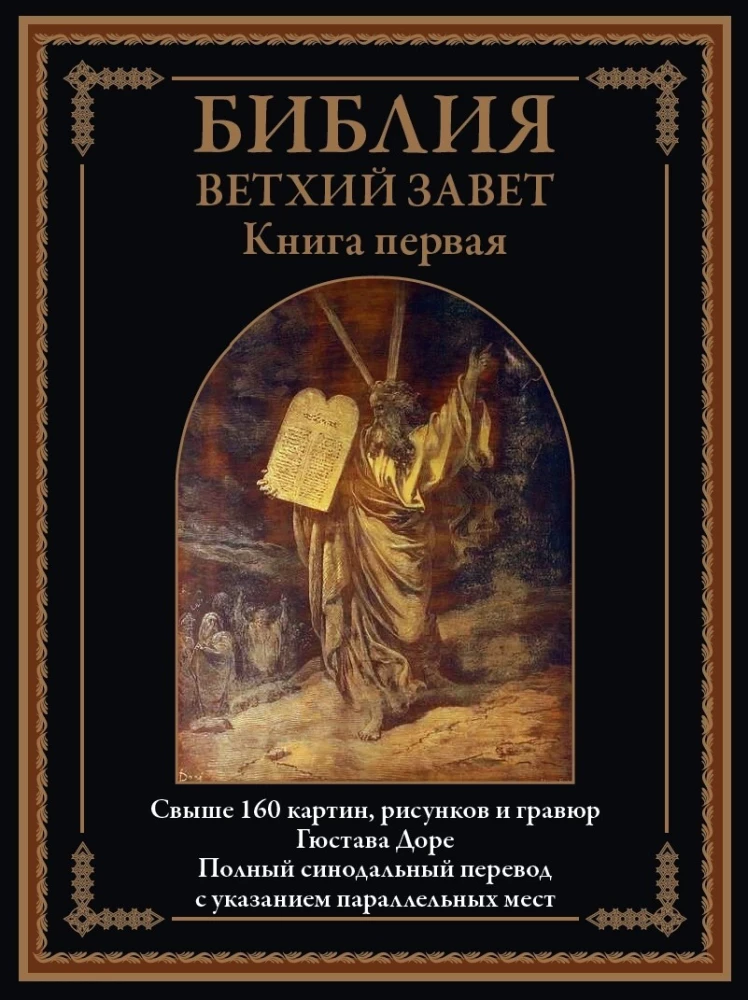
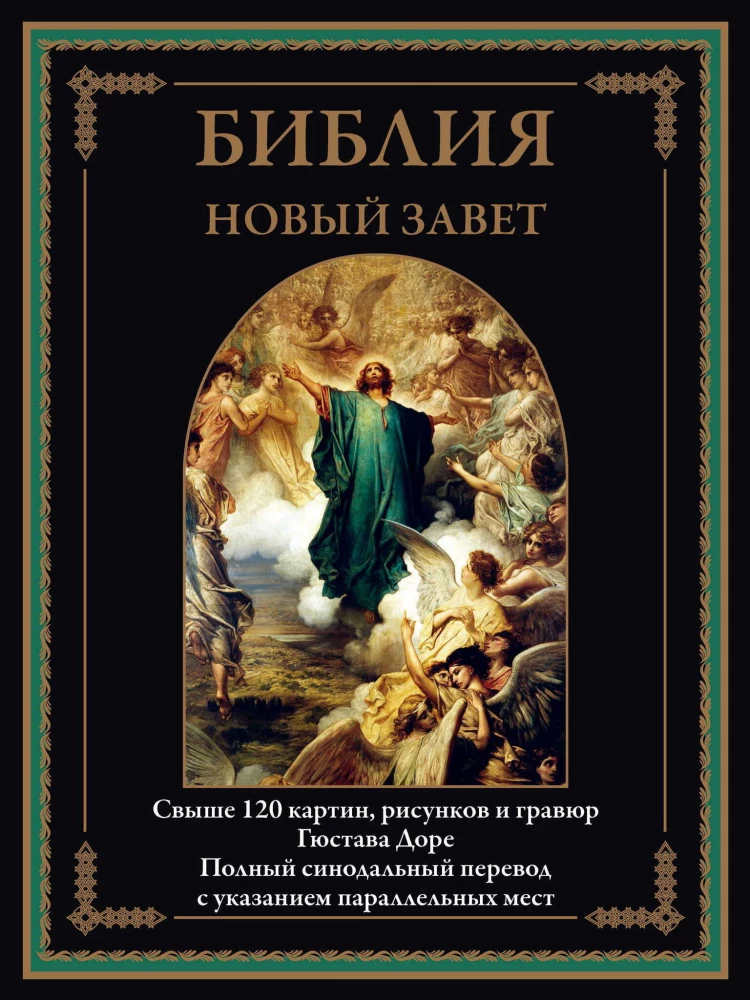


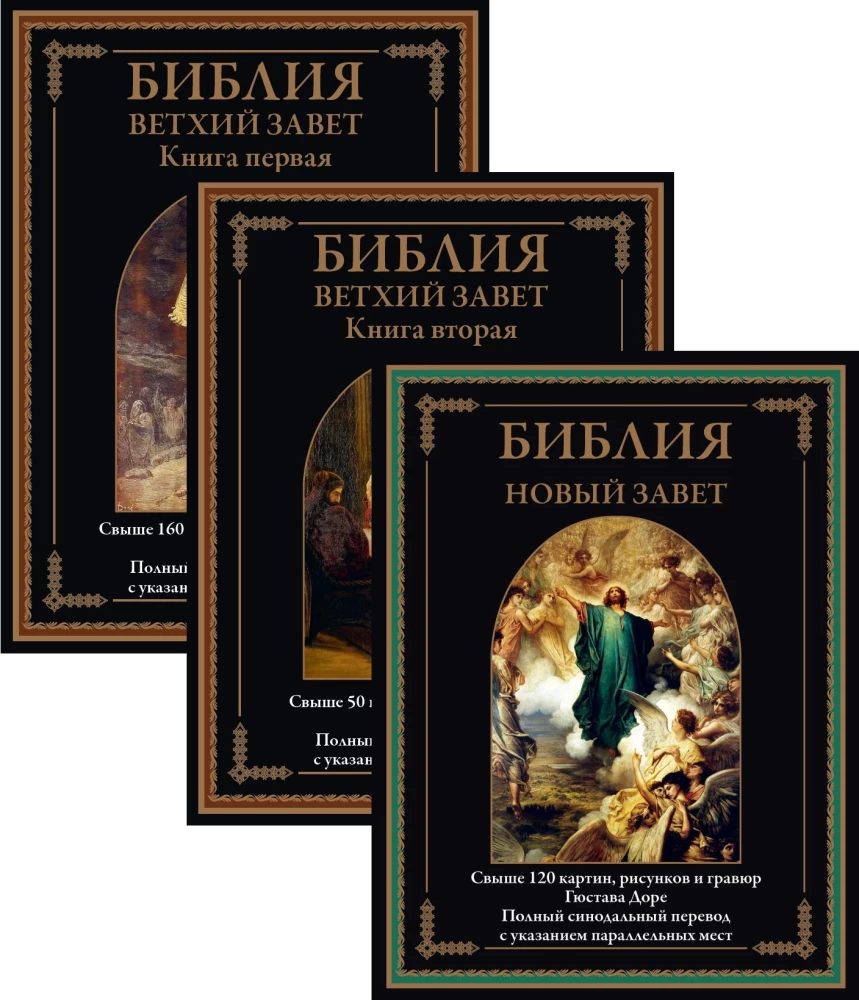



The Bible. Old Testament Volume 1 and 2. New Testament
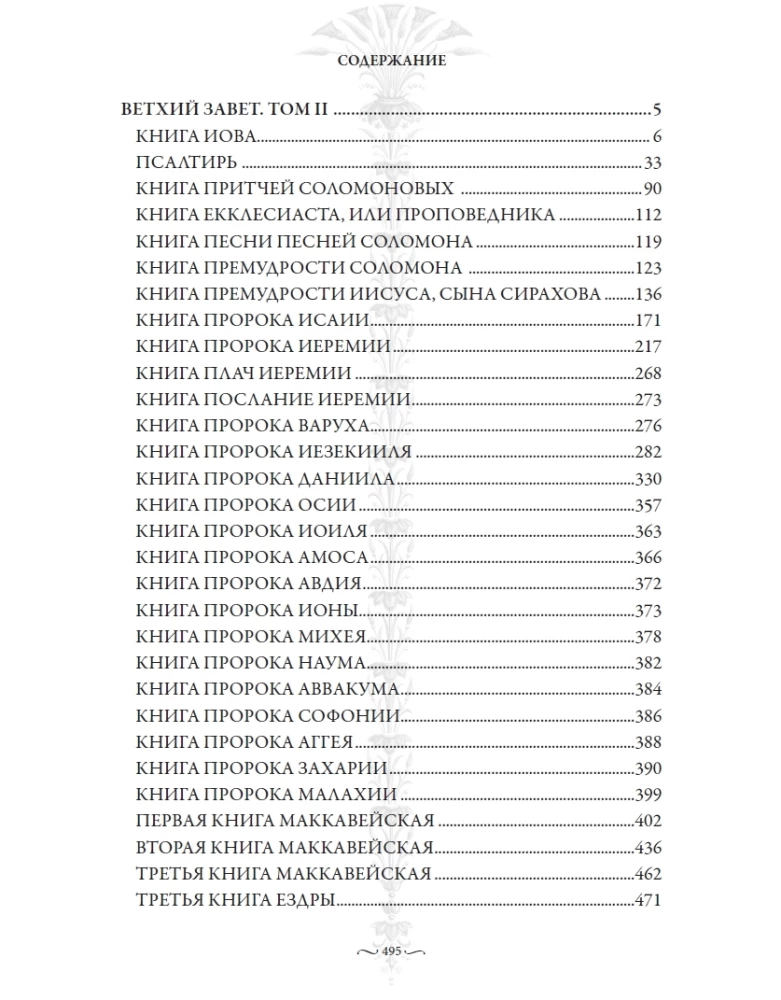
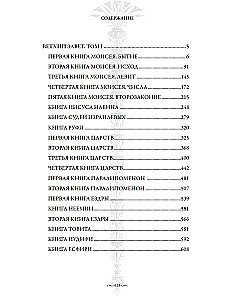
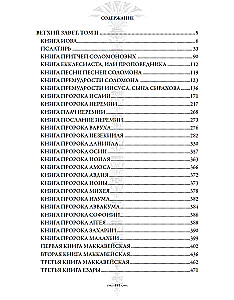
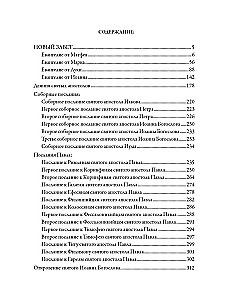
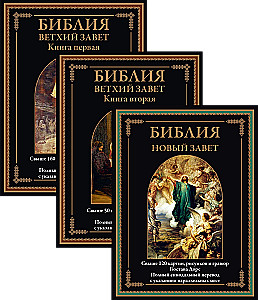
This edition represents the first and second volumes of the Old Testament and the New Testament. It includes the texts of the Holy Scripture from the first book of Moses to the book of Esther, from the book of Job...
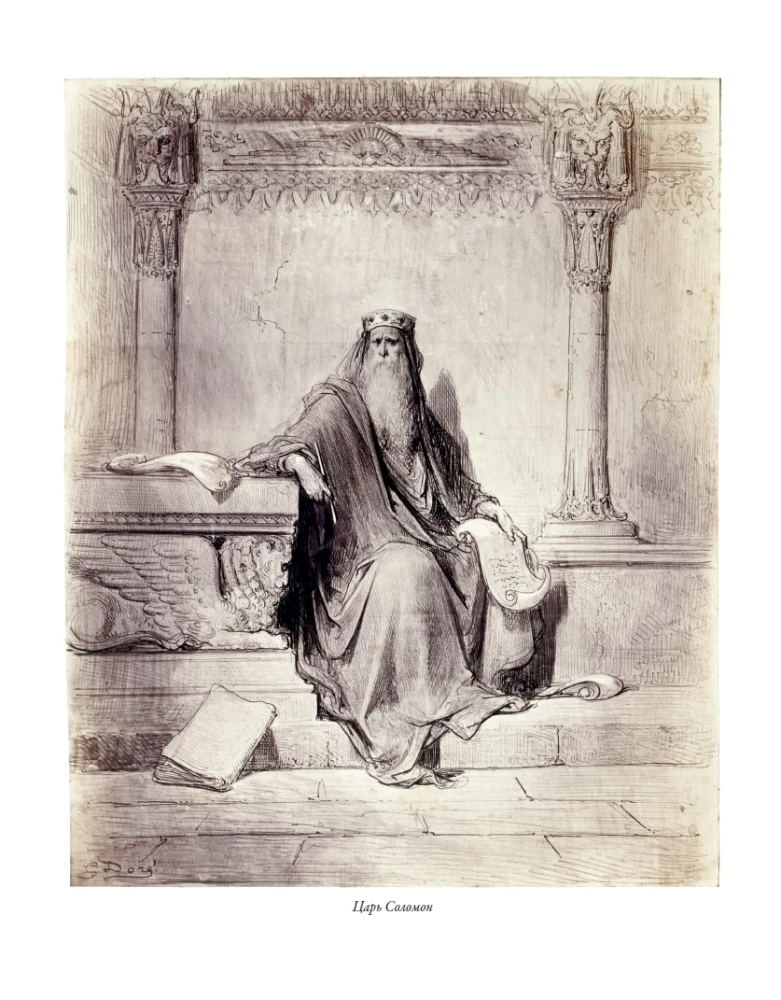
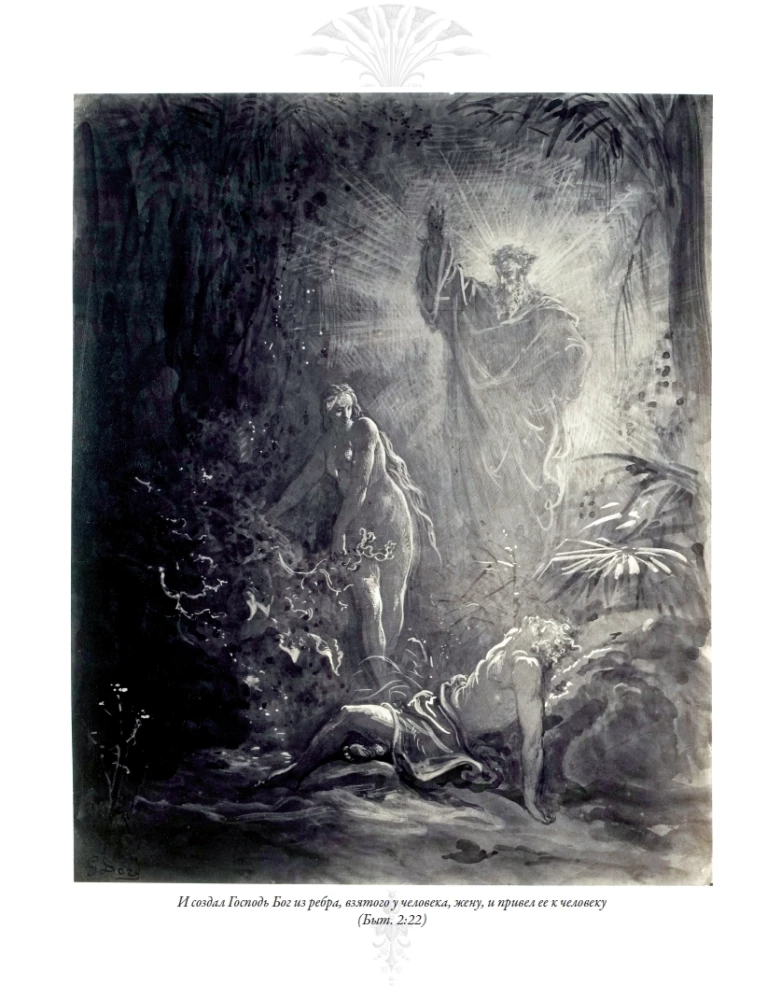
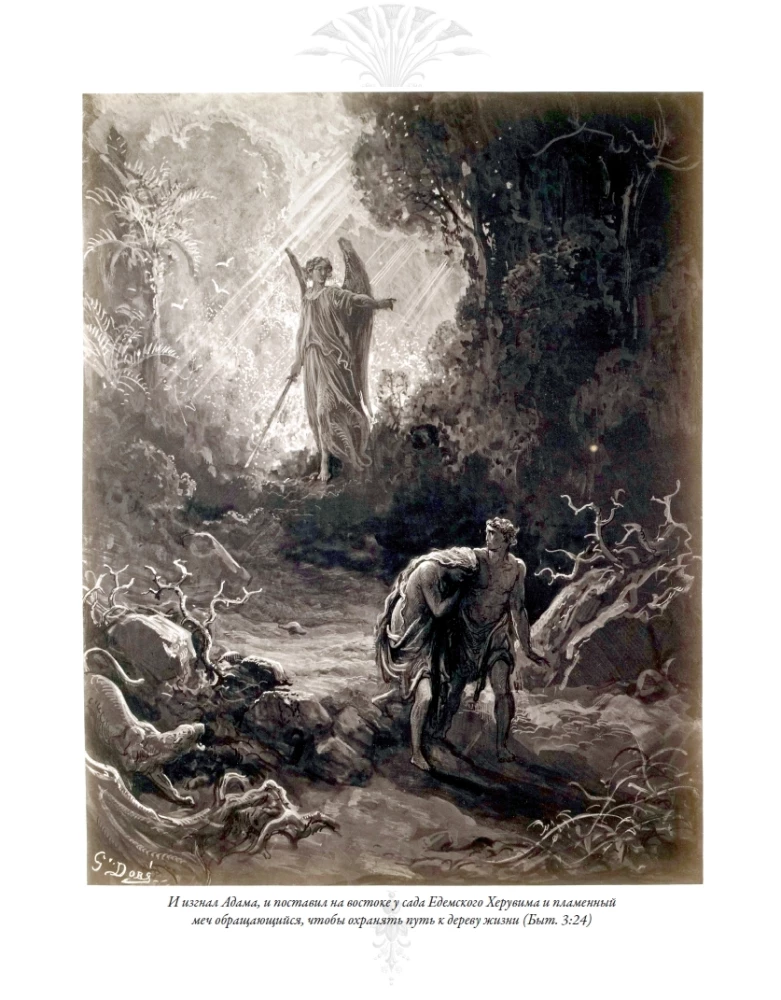
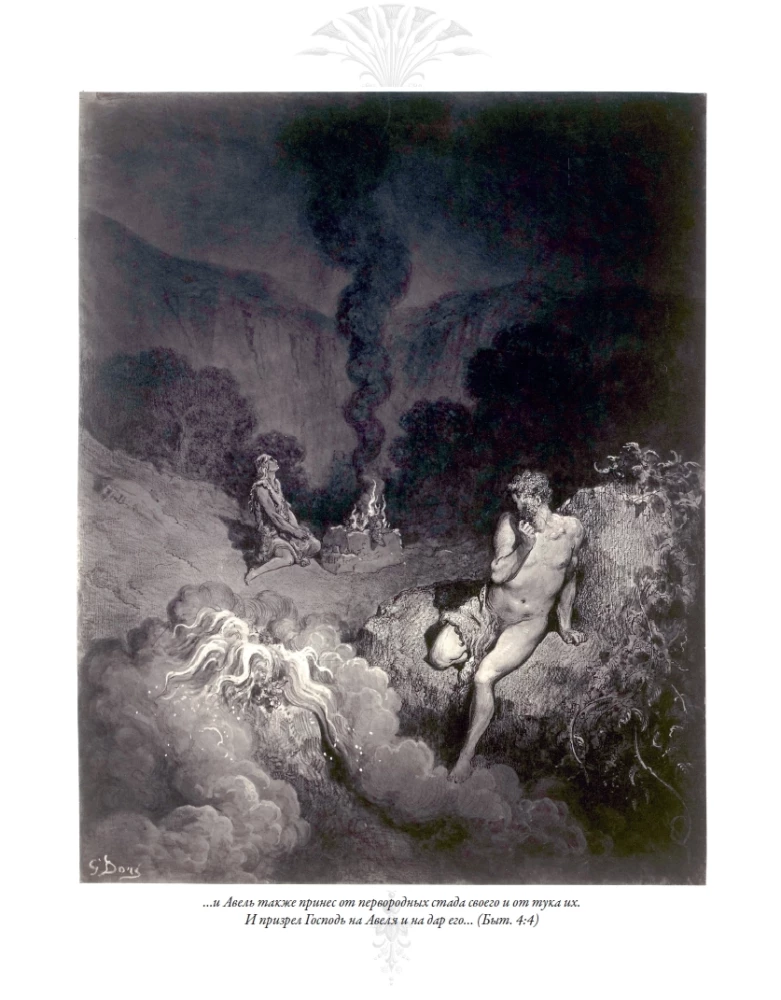
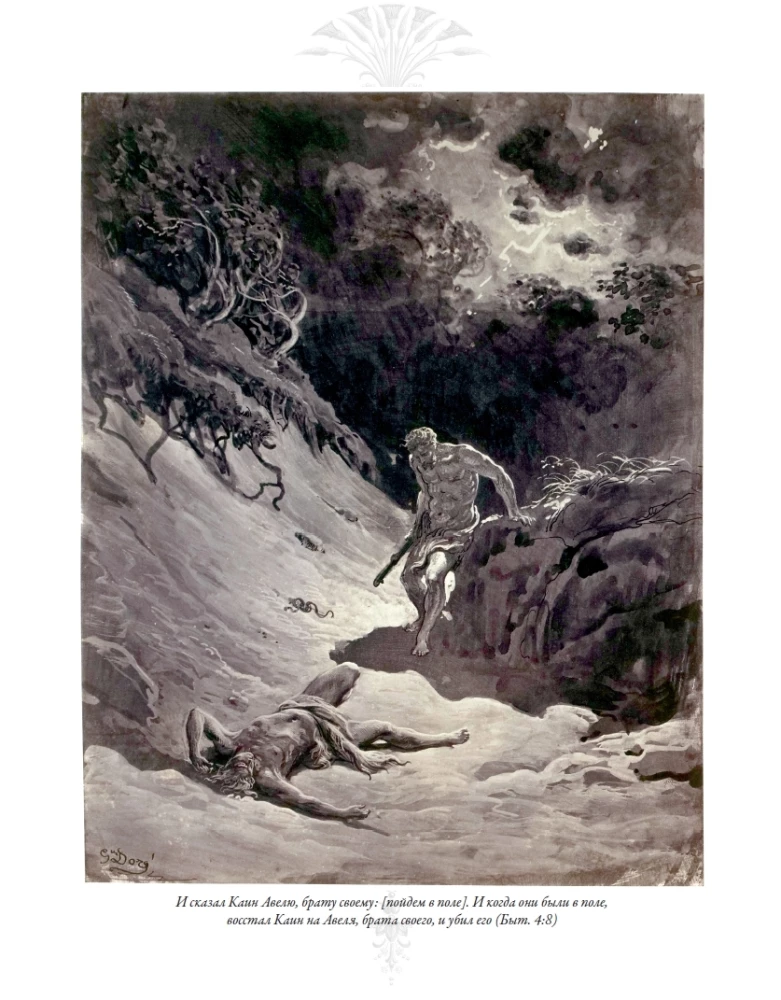
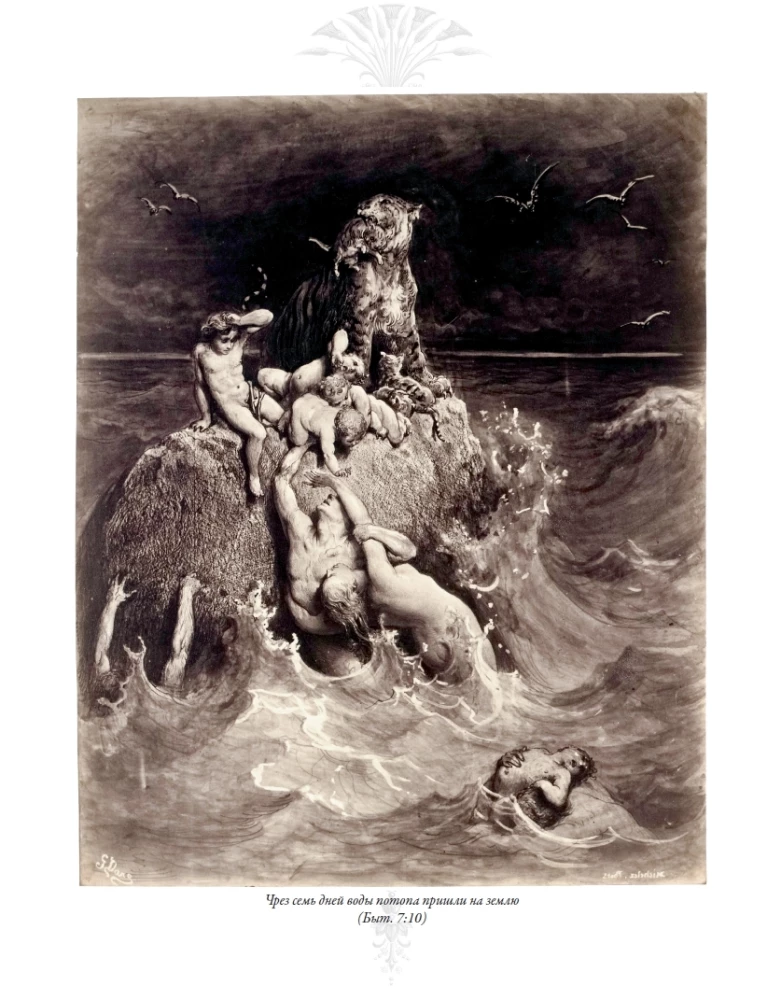
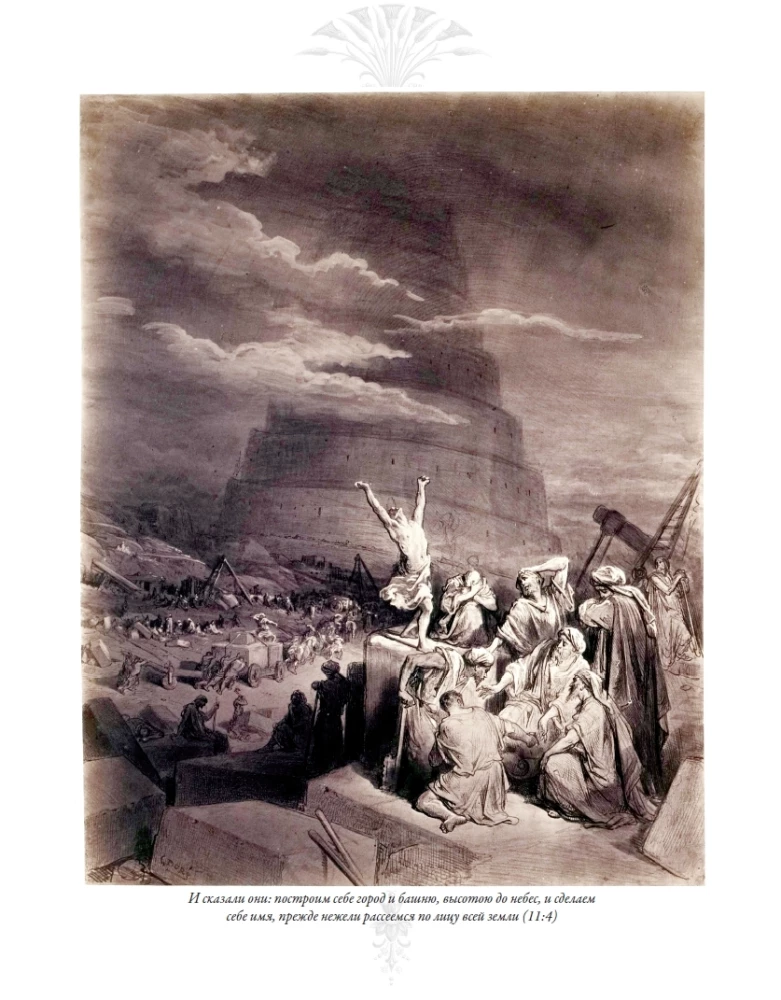
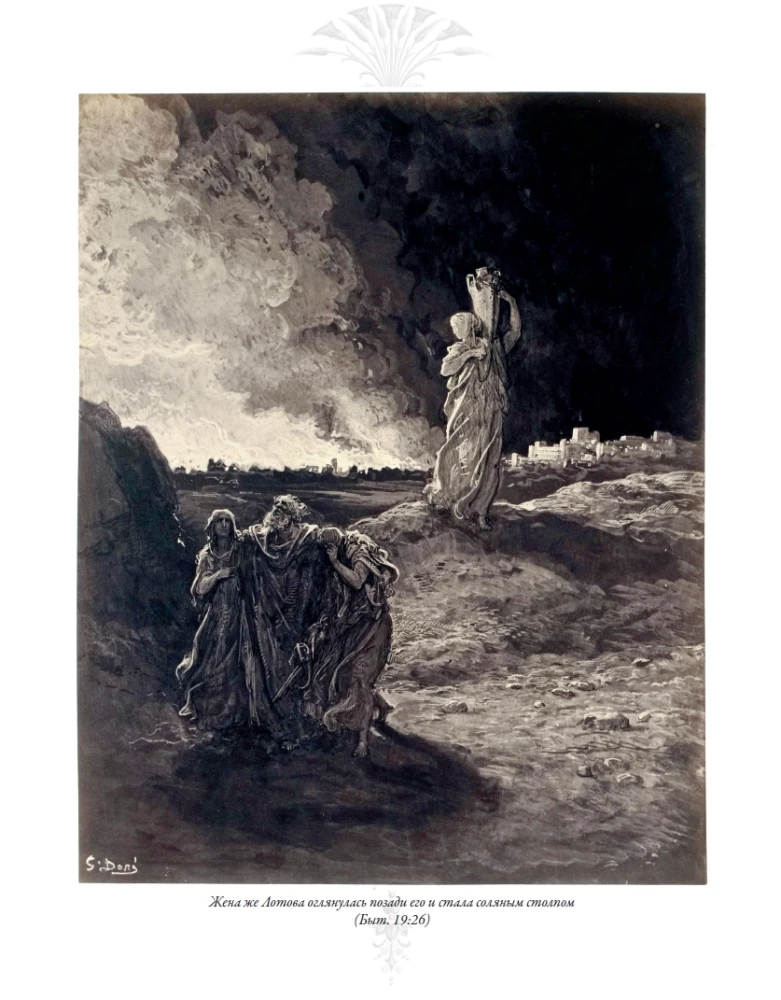
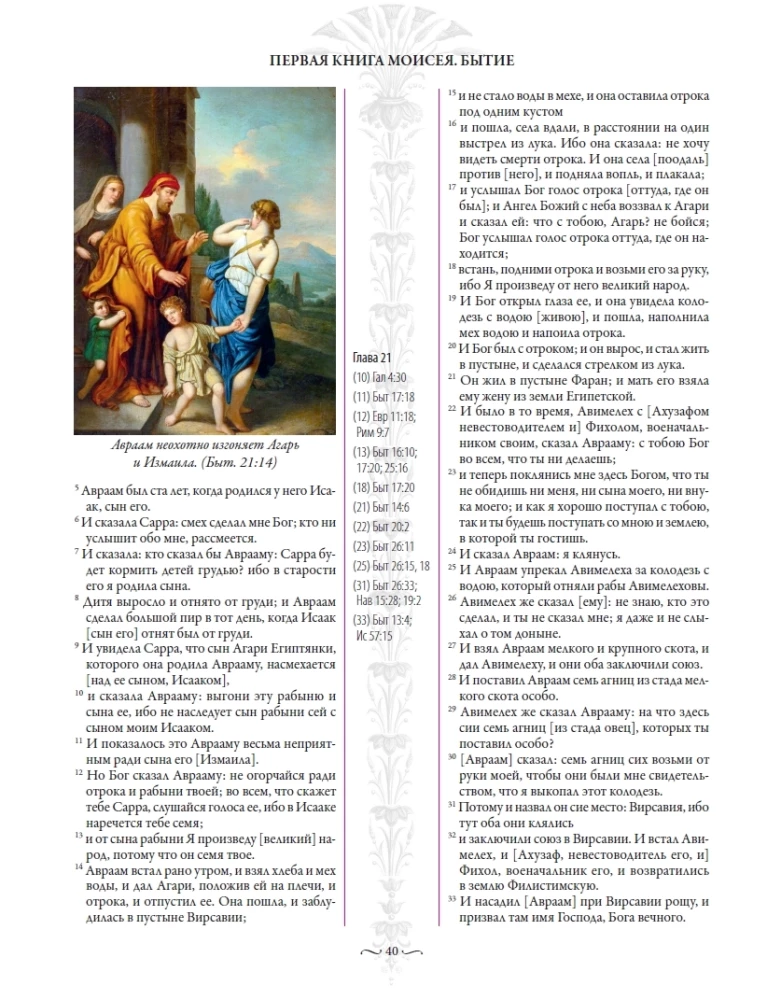
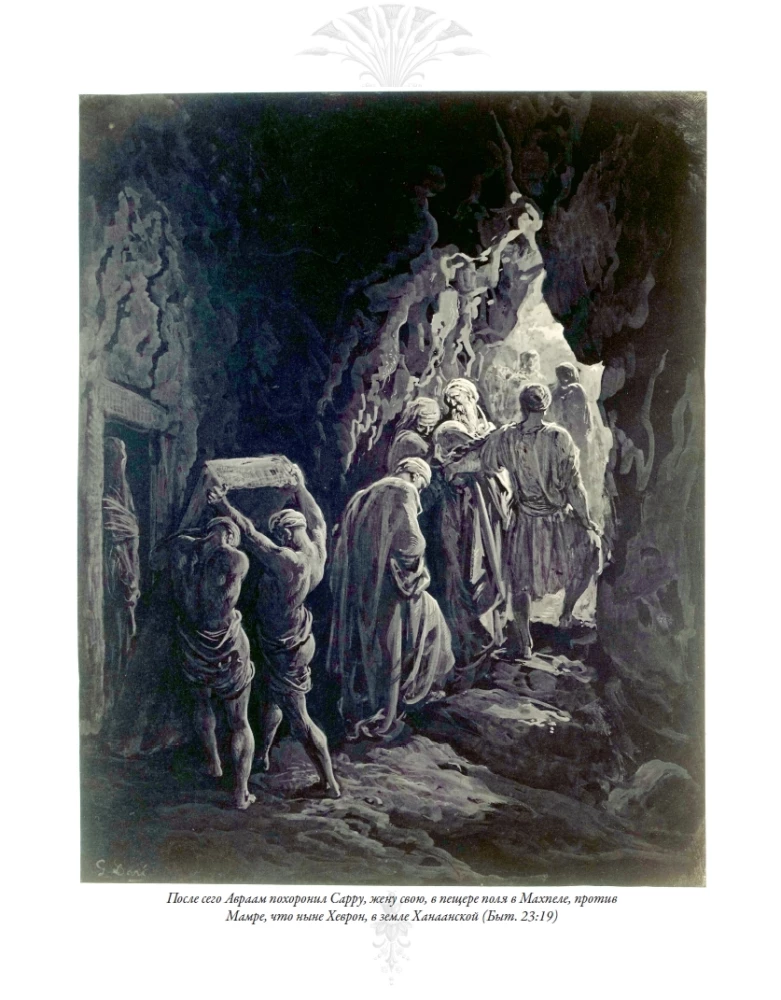
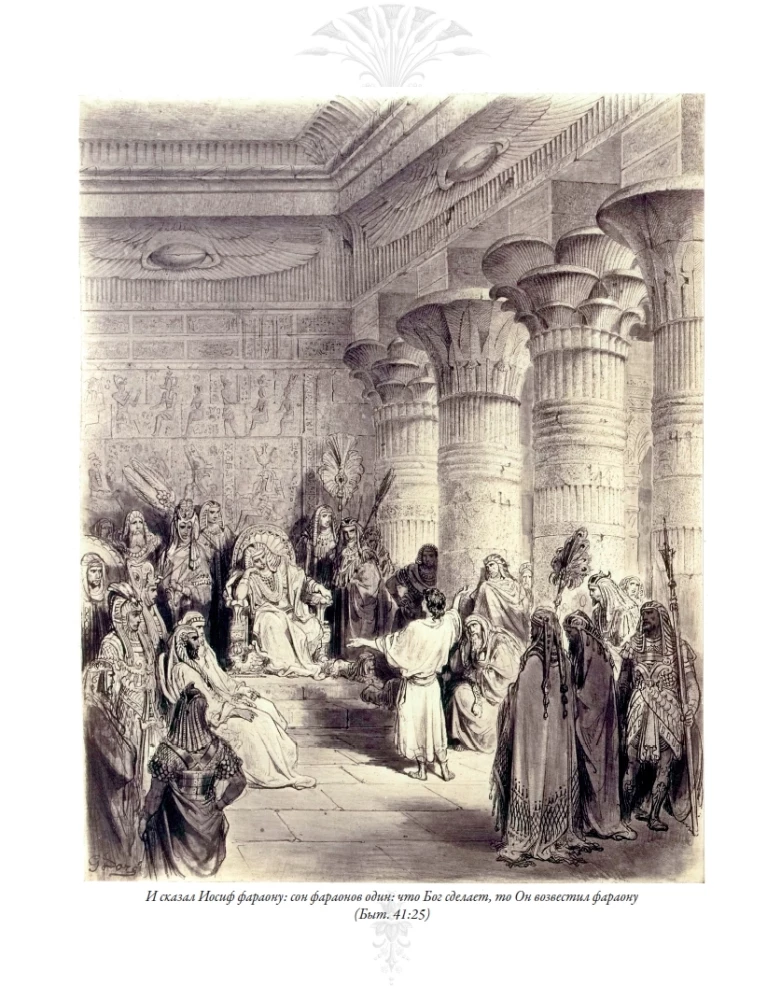
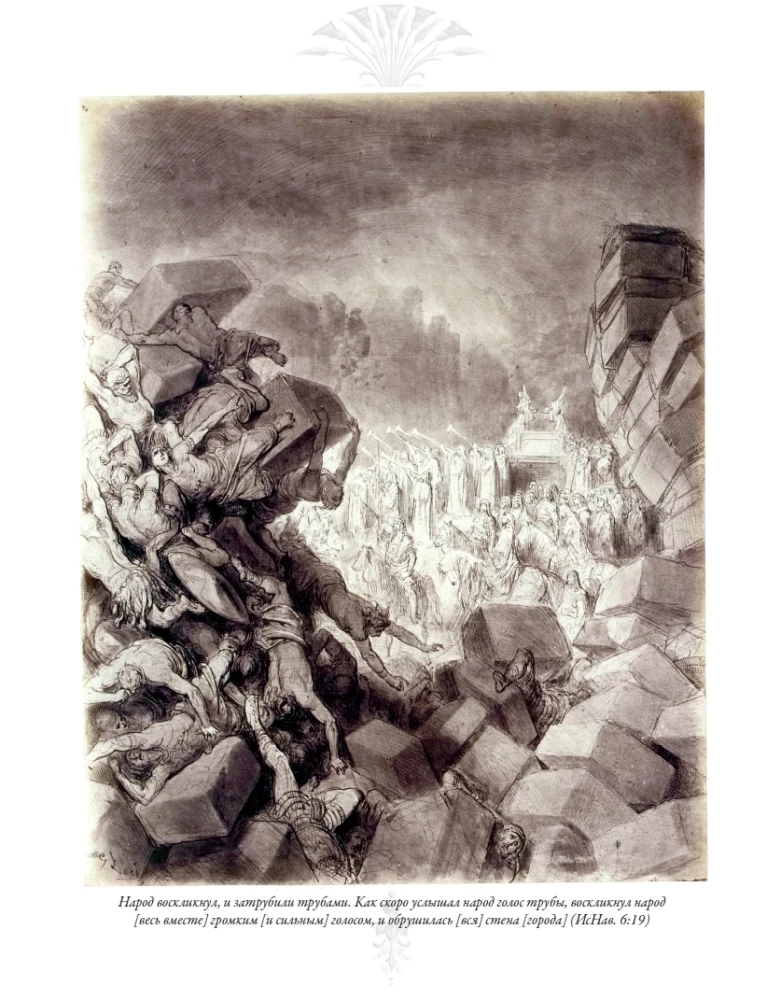
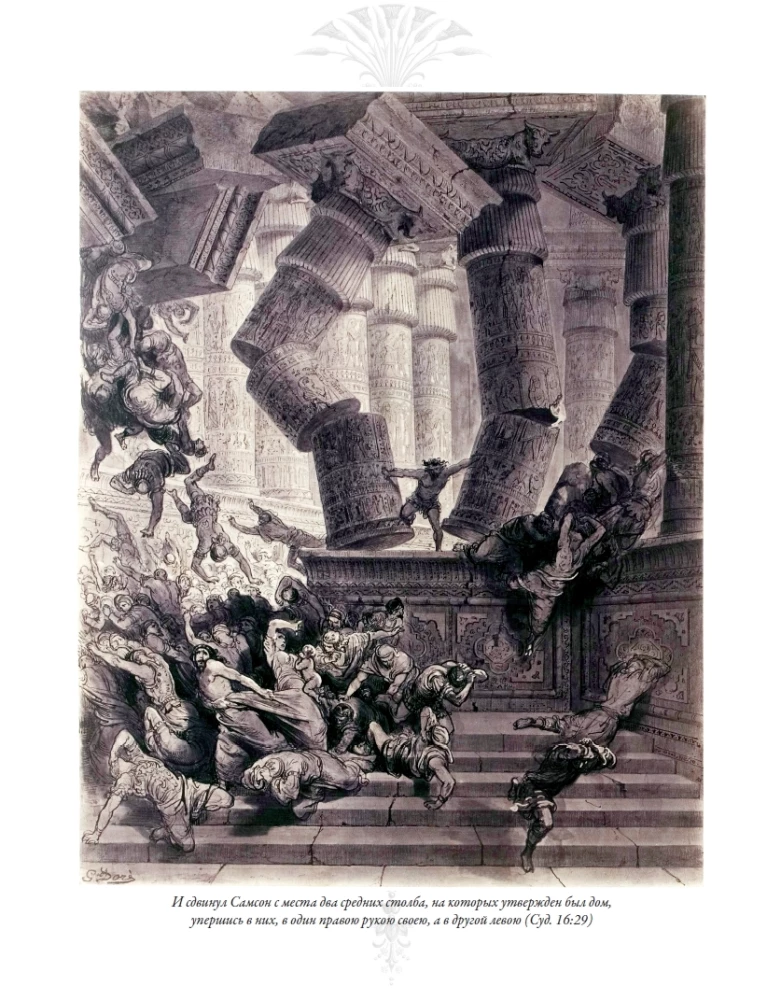
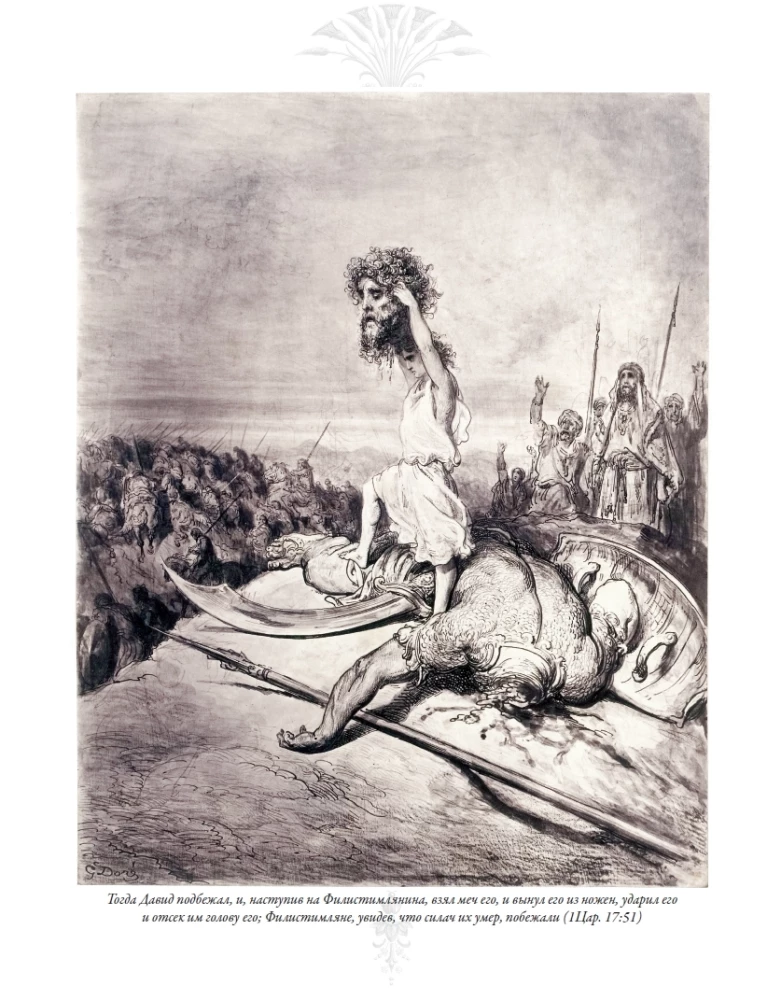
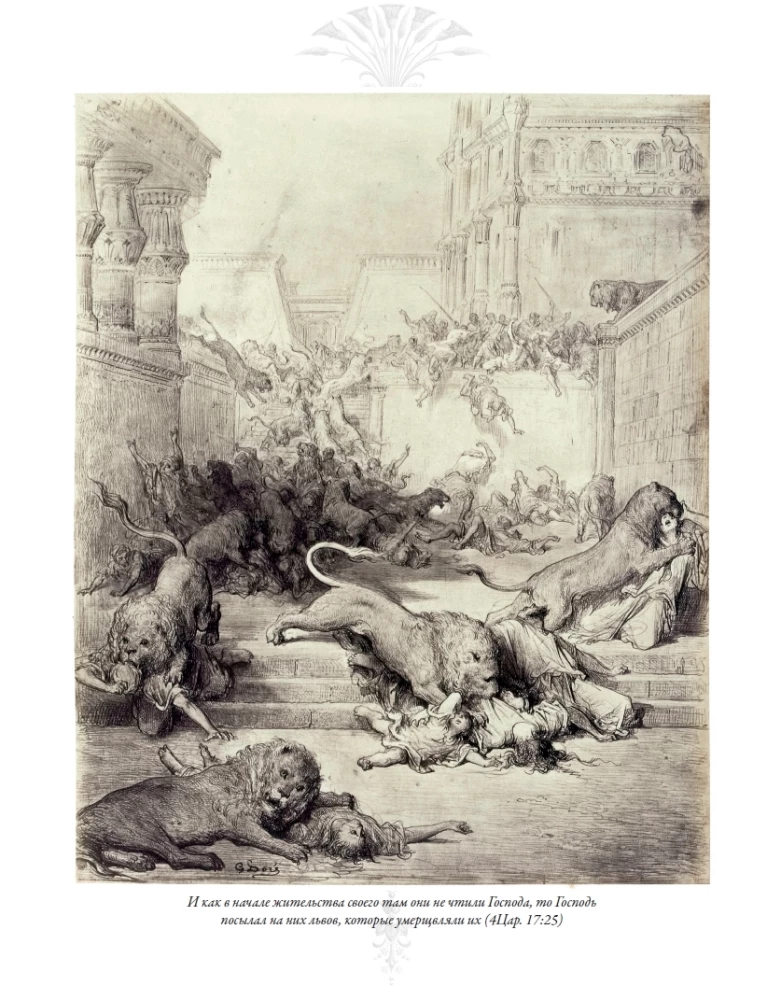
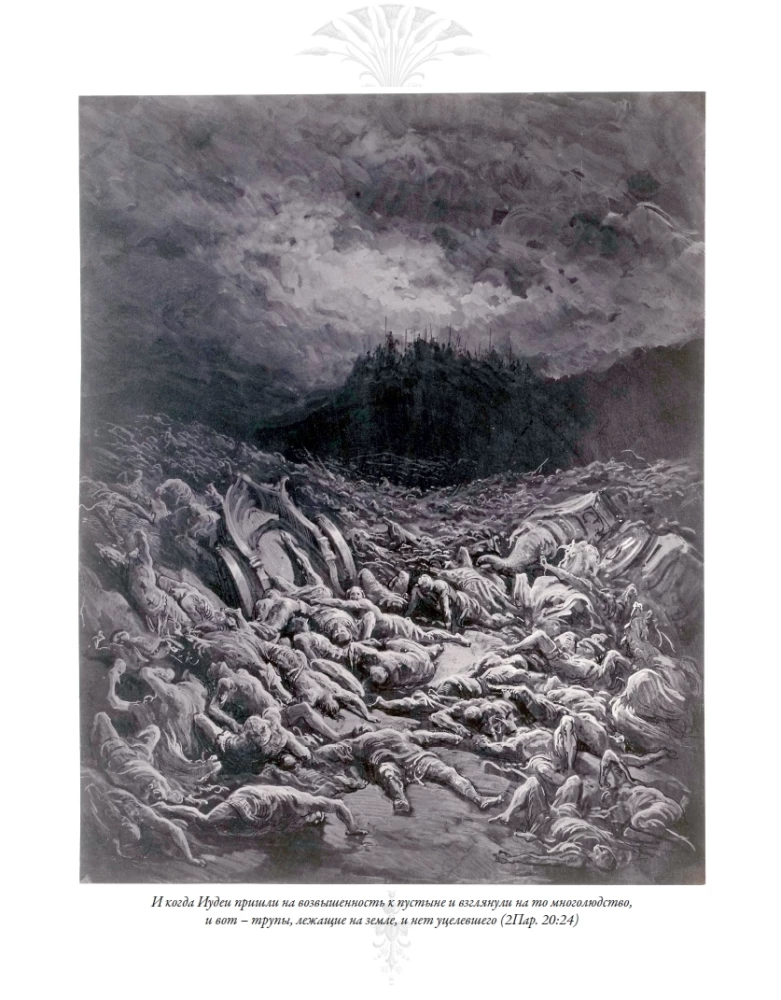
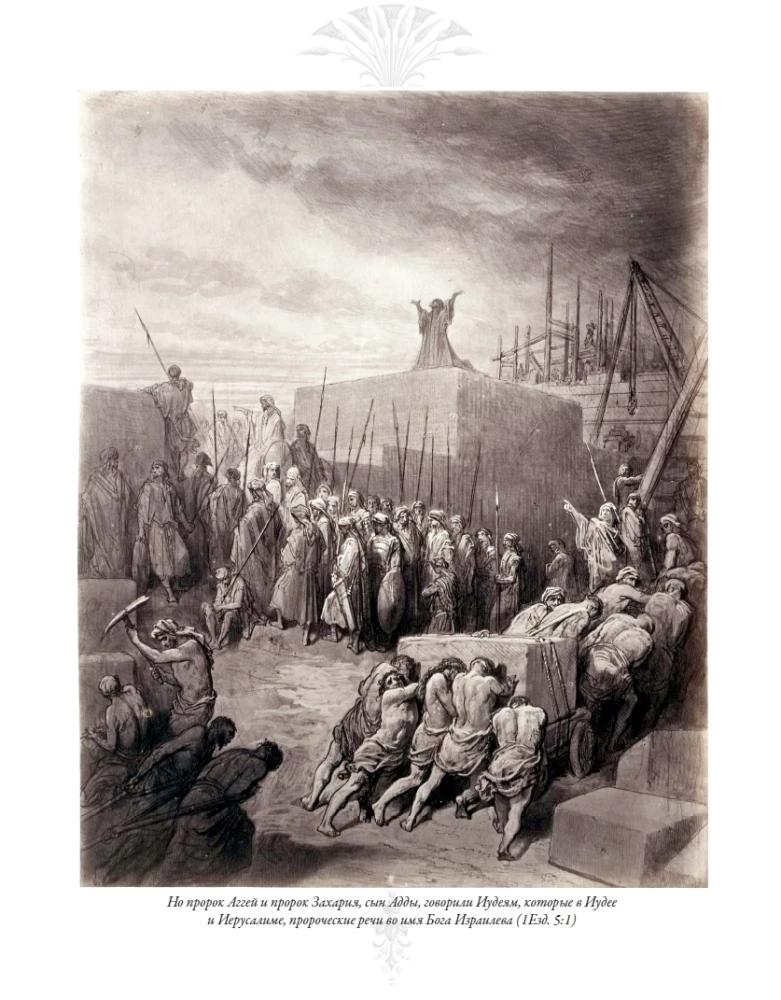
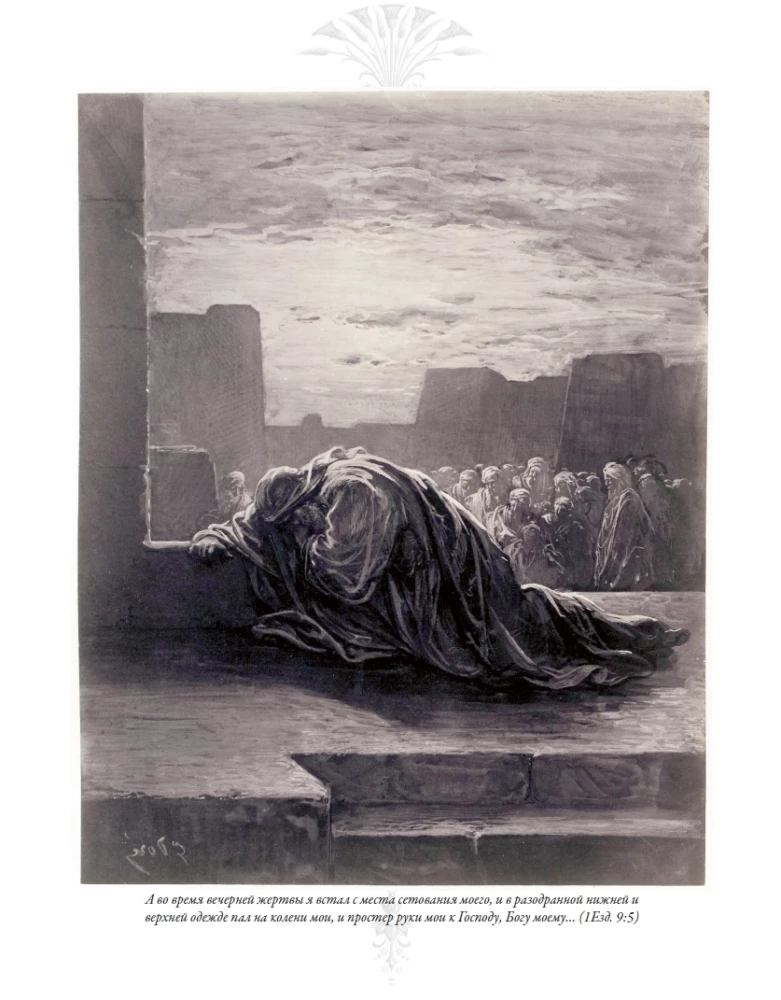
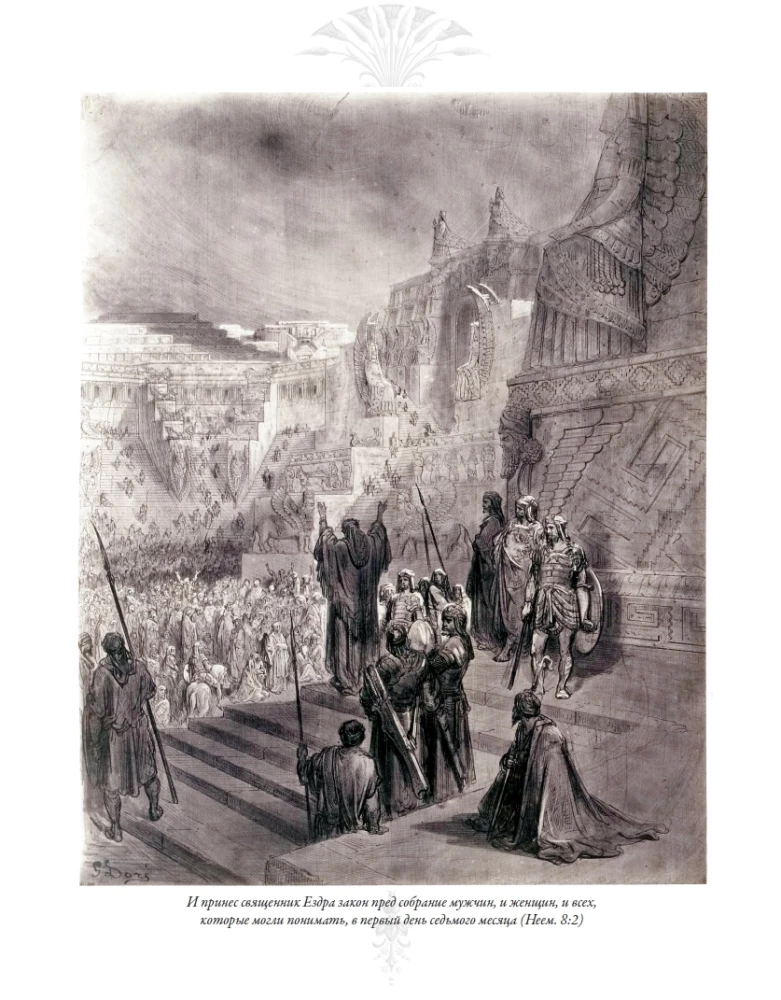
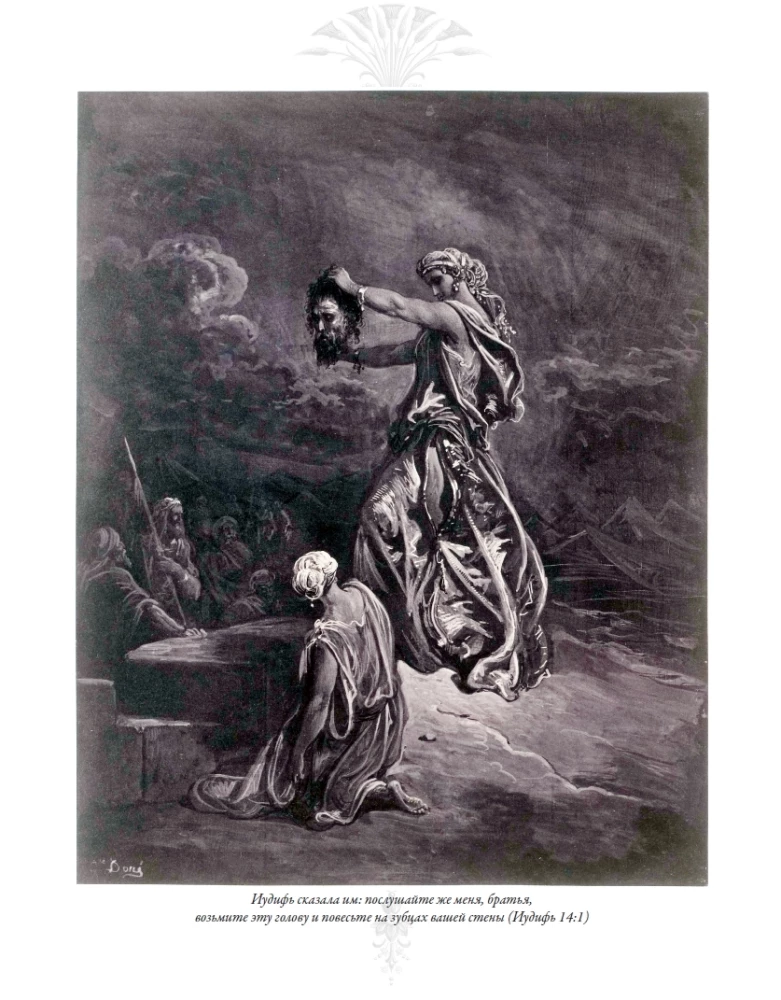
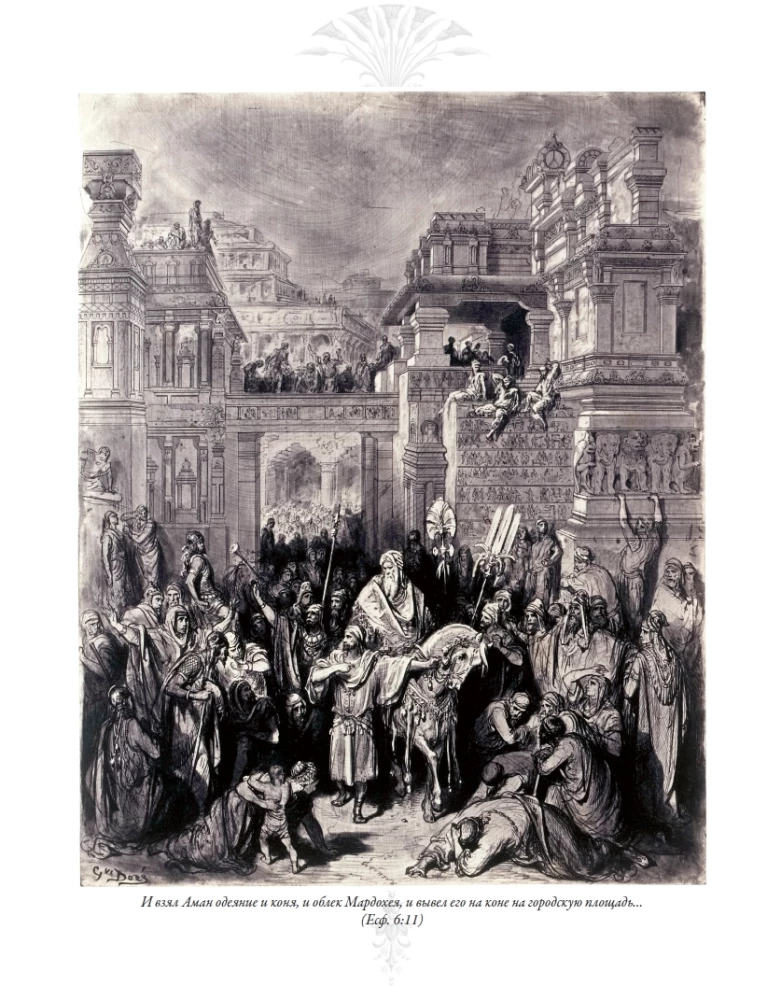
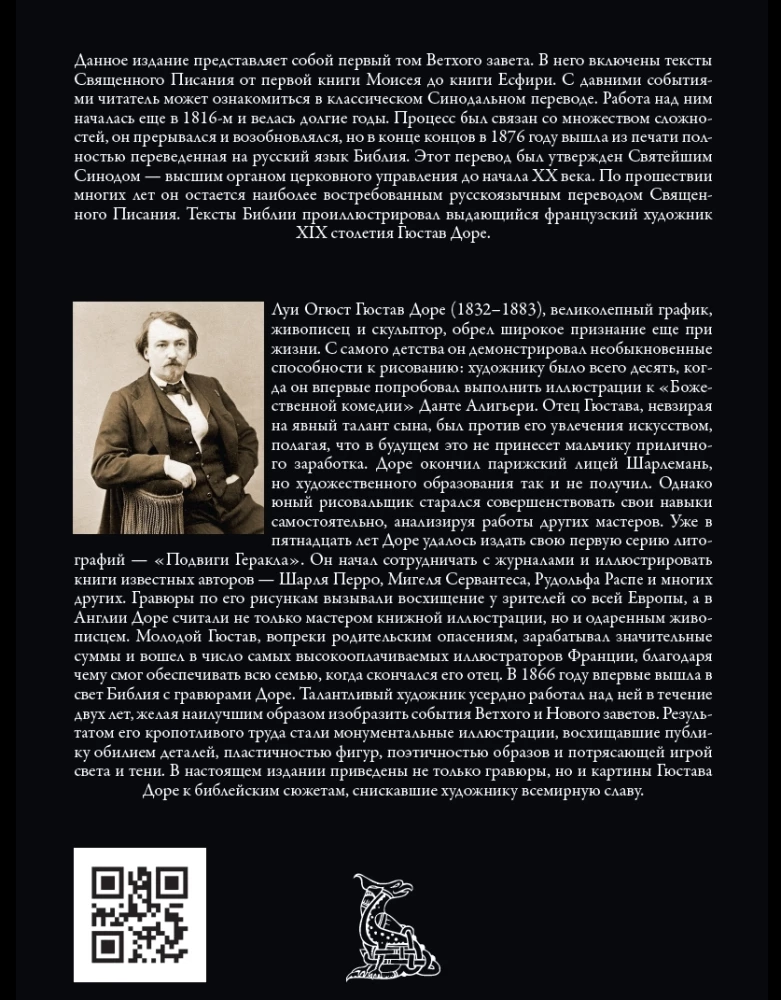
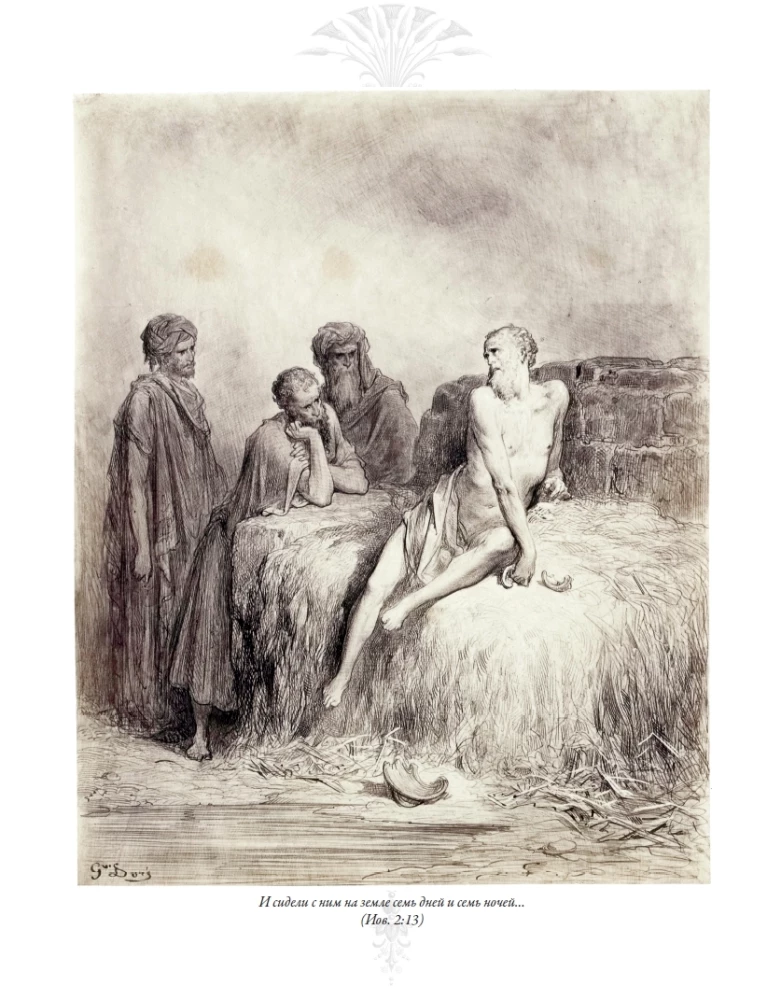
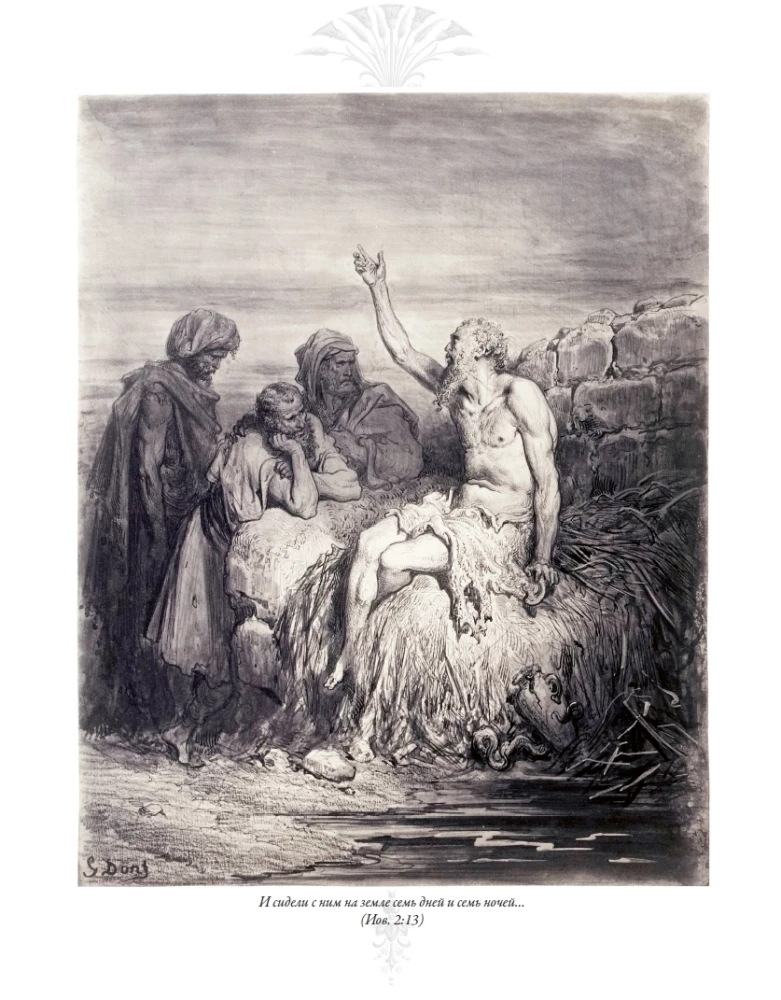
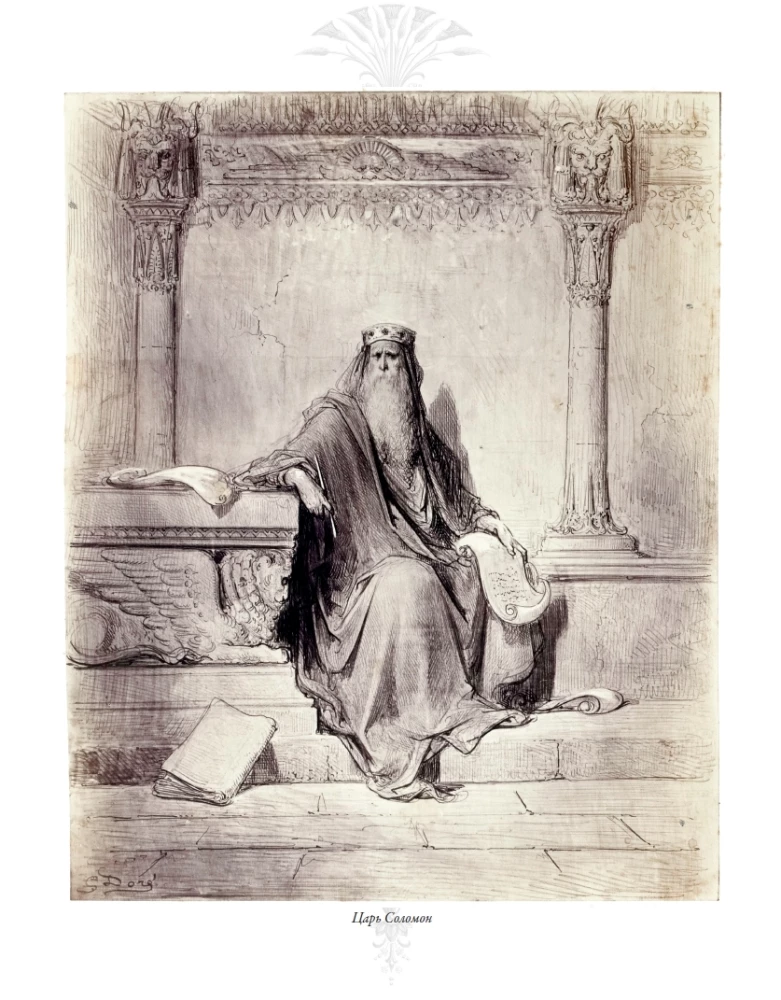
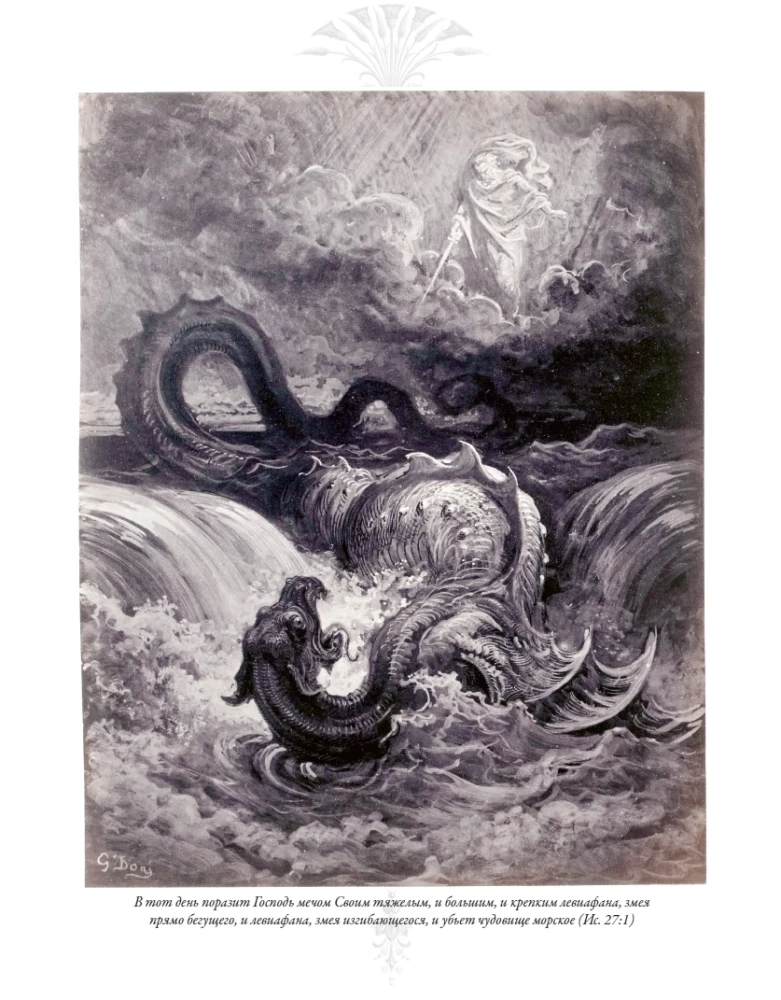
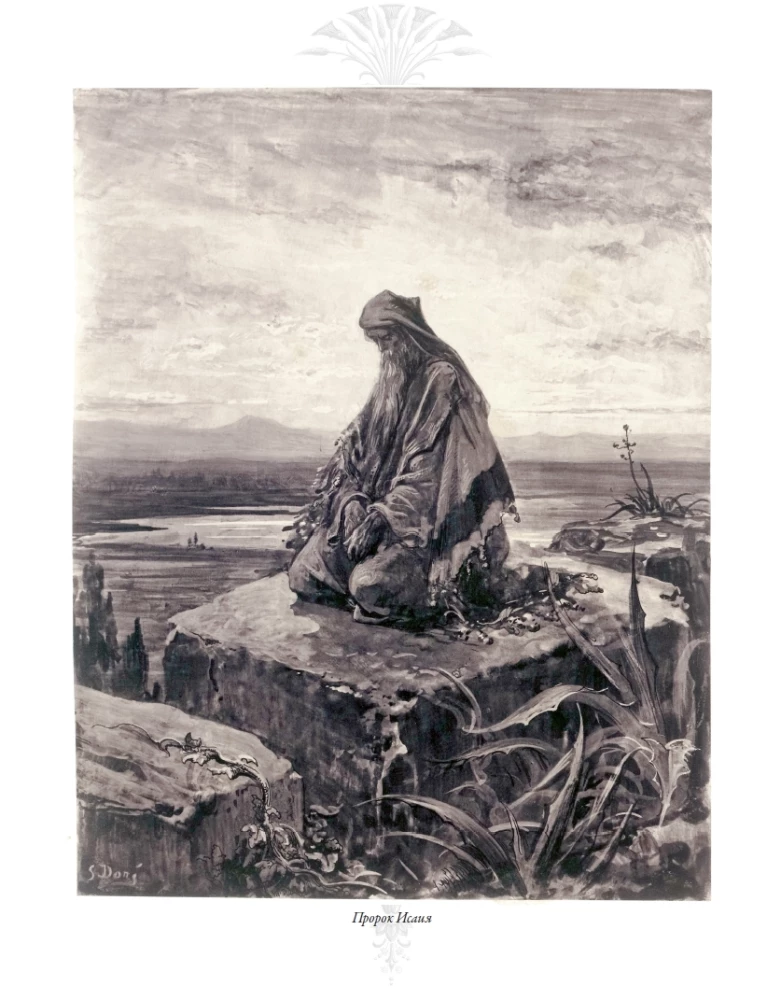
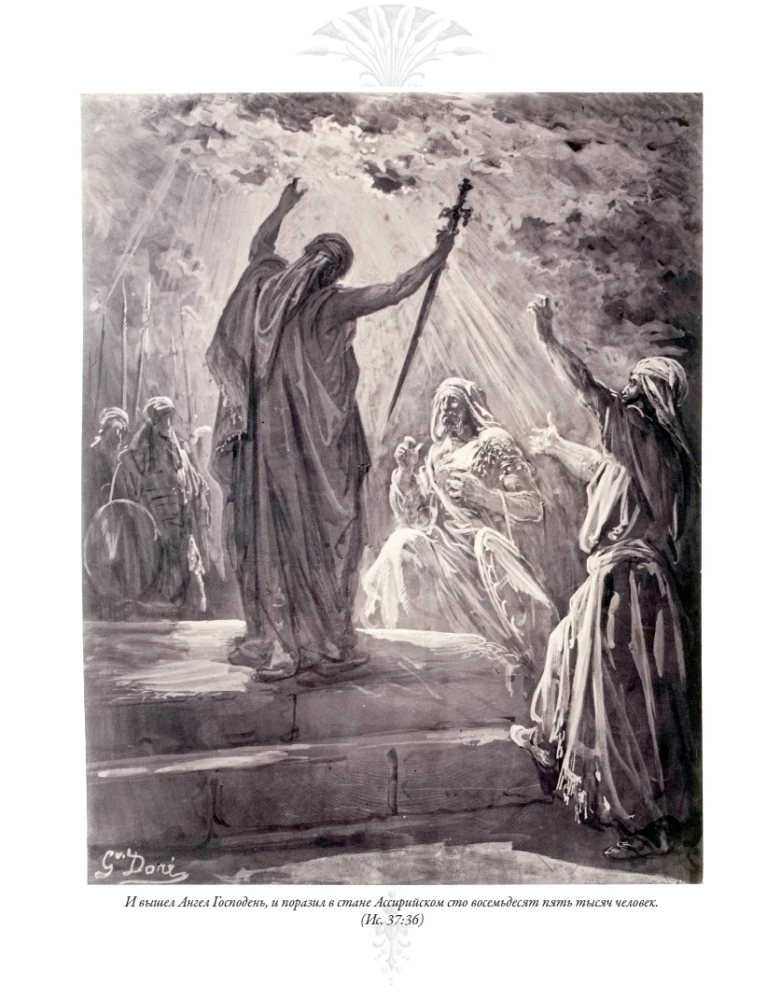
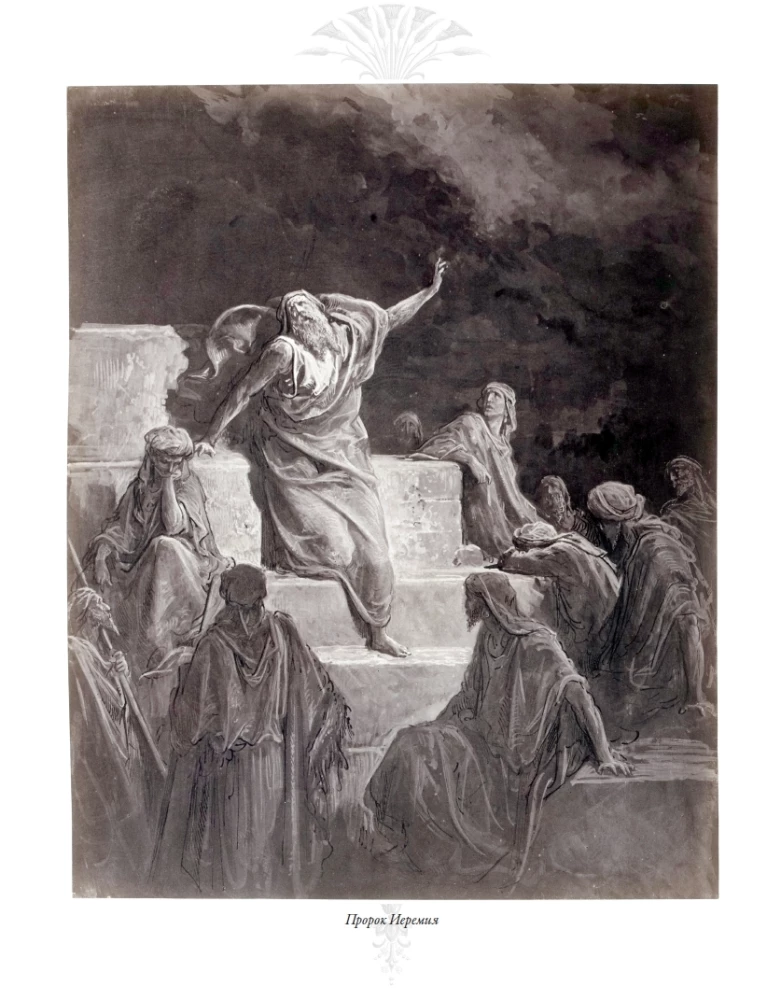
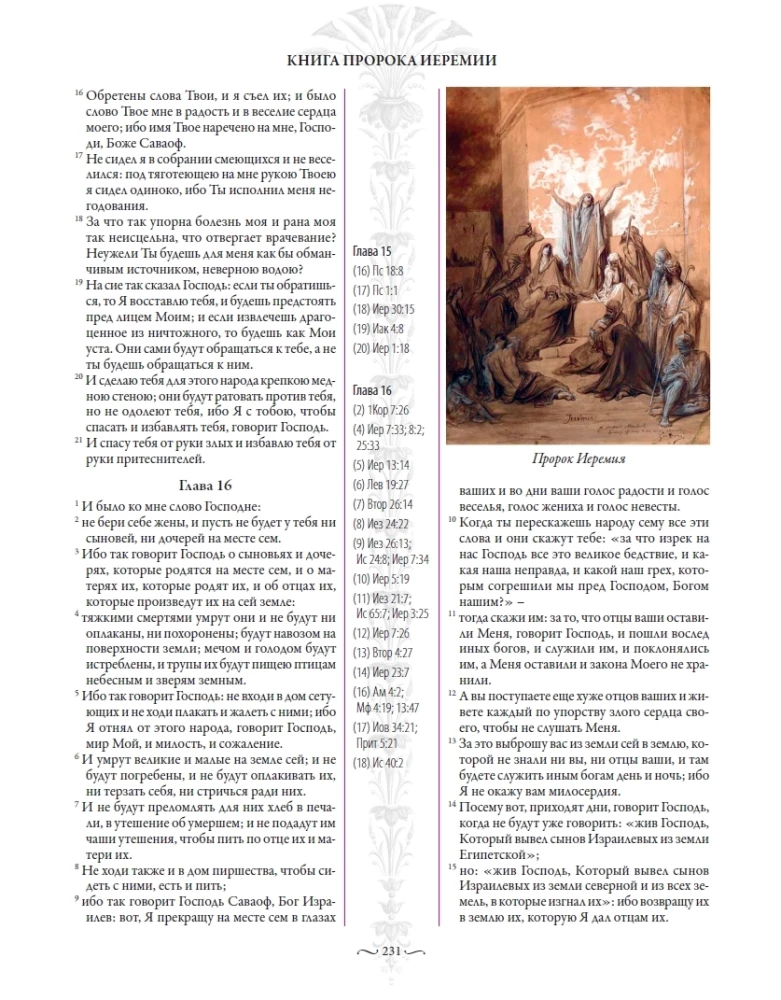
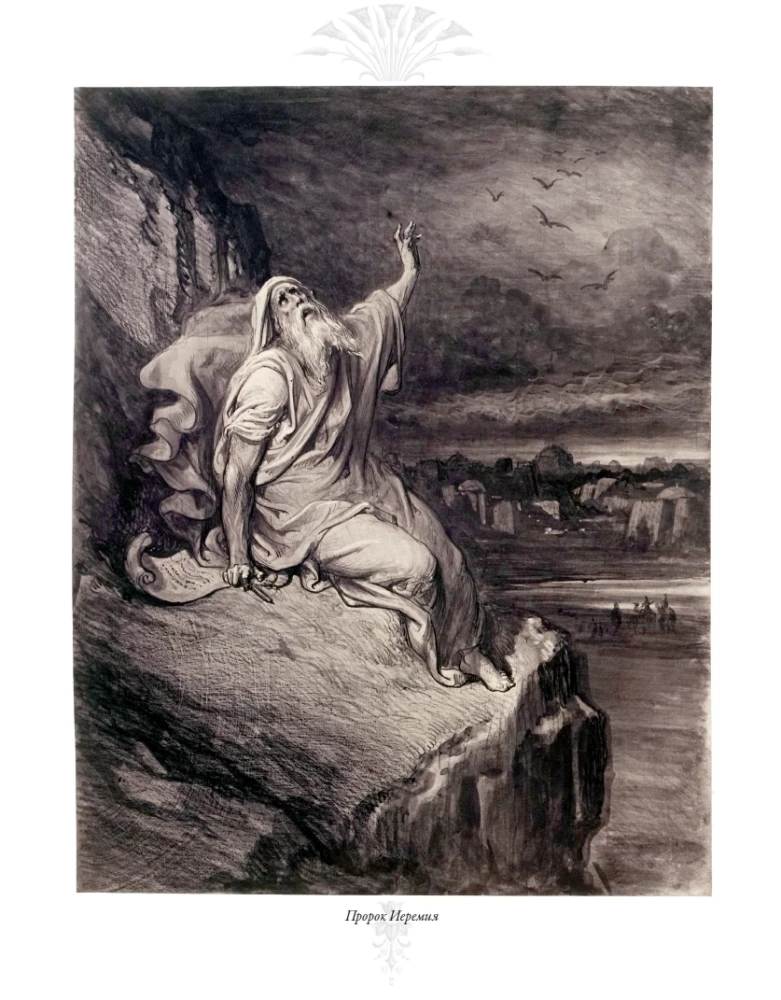
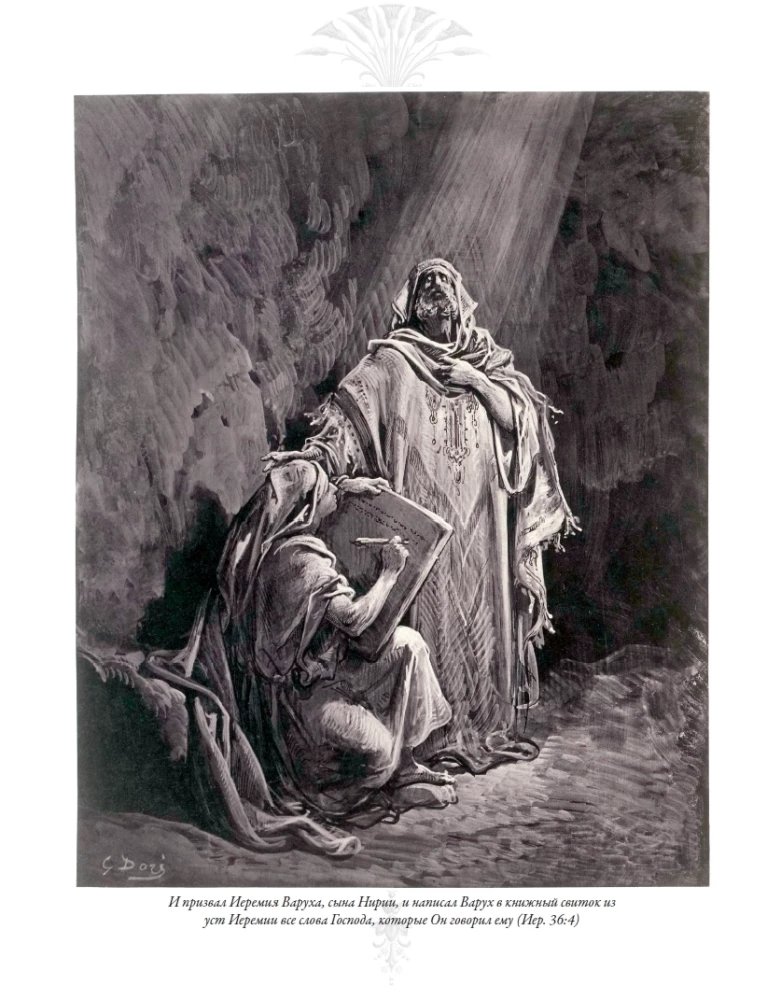
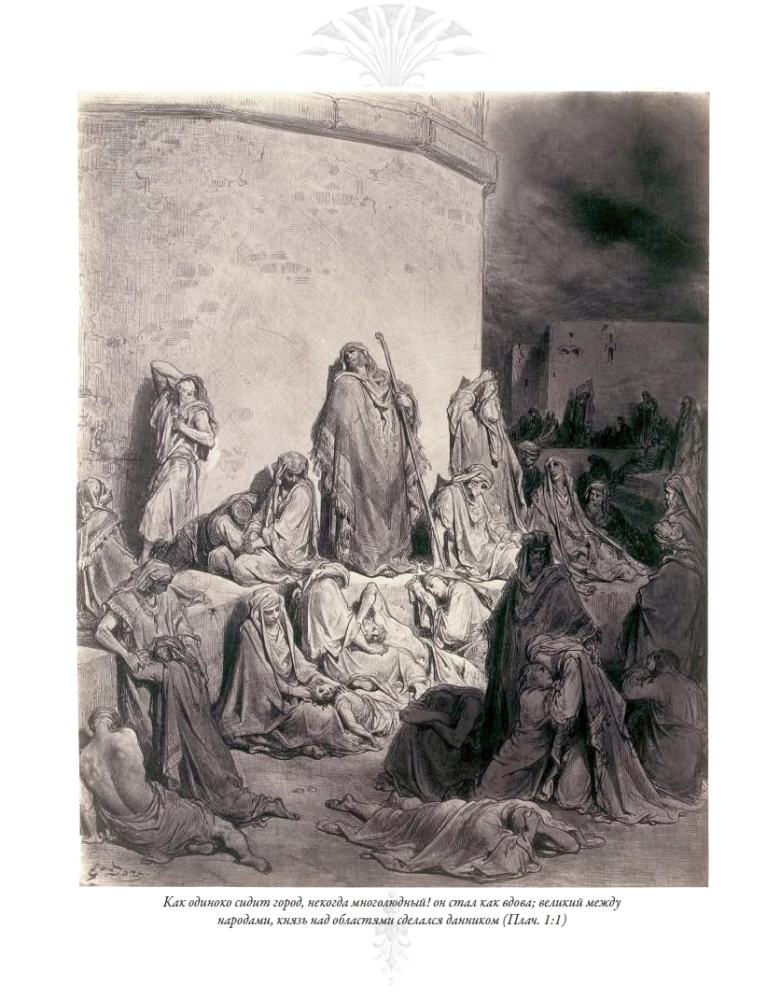
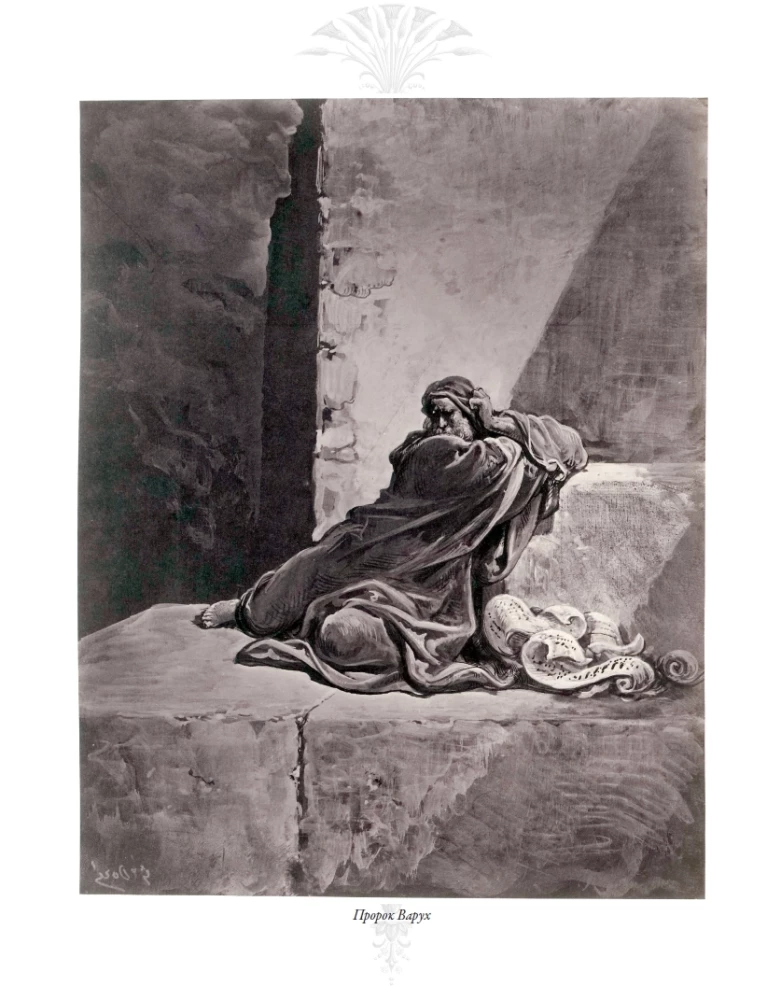
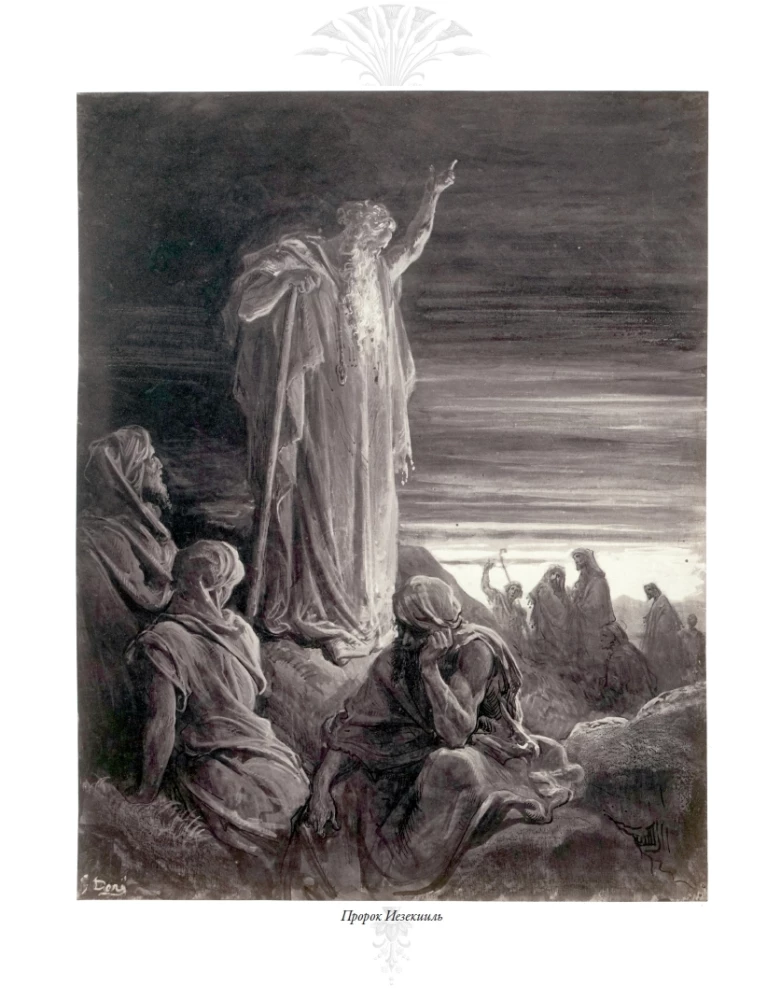
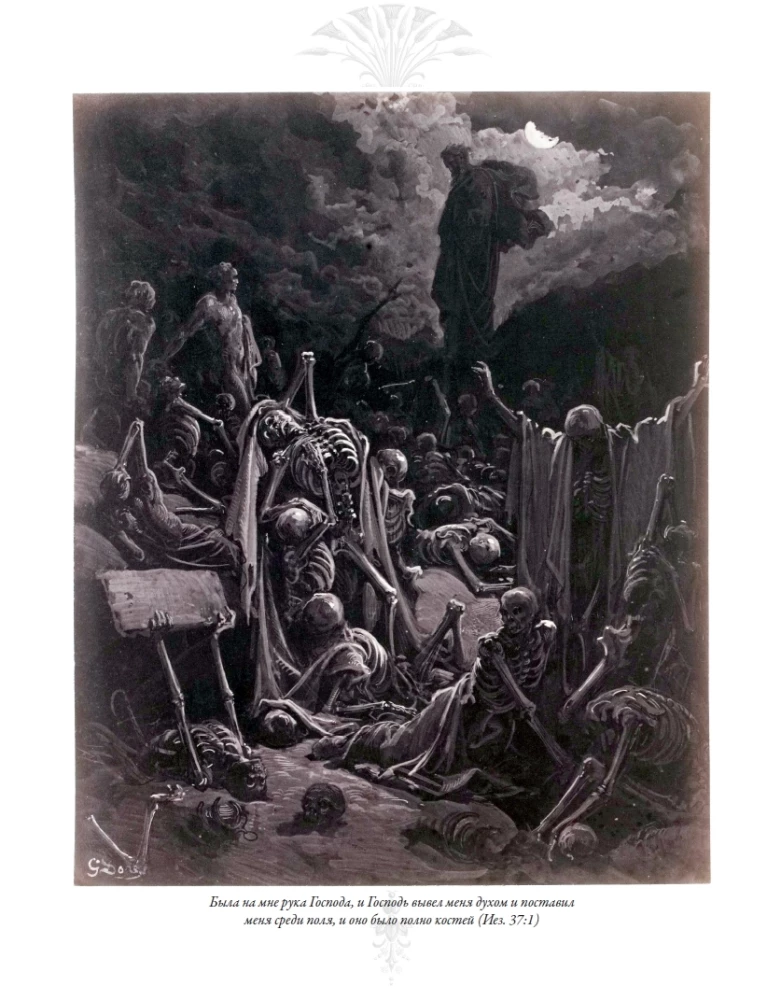
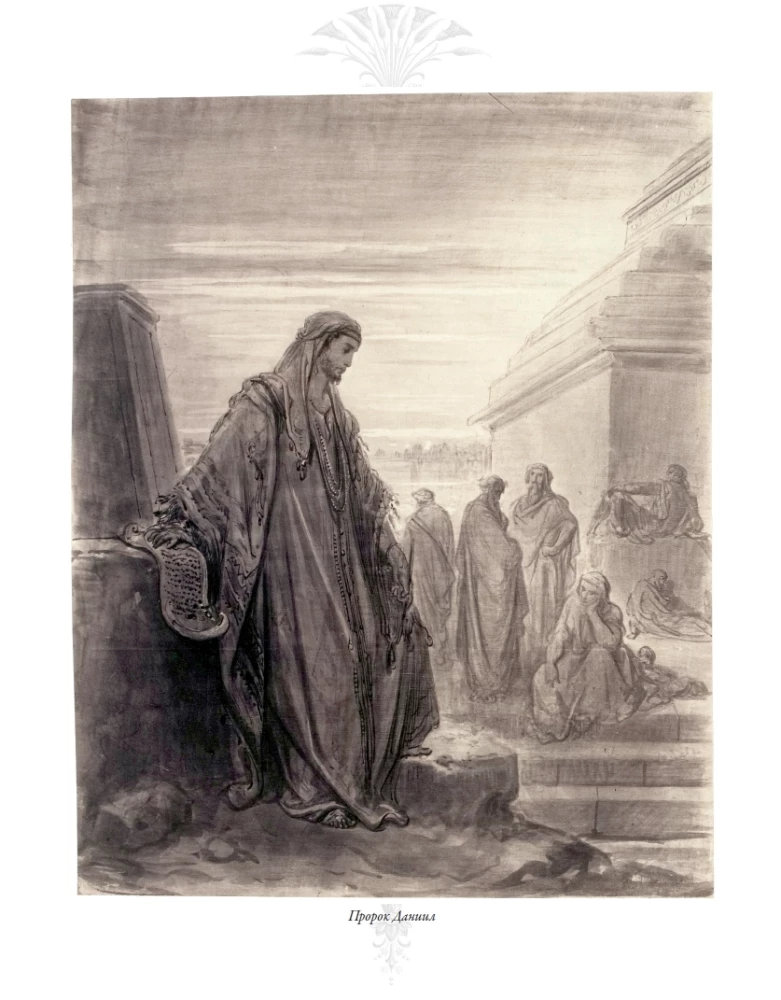
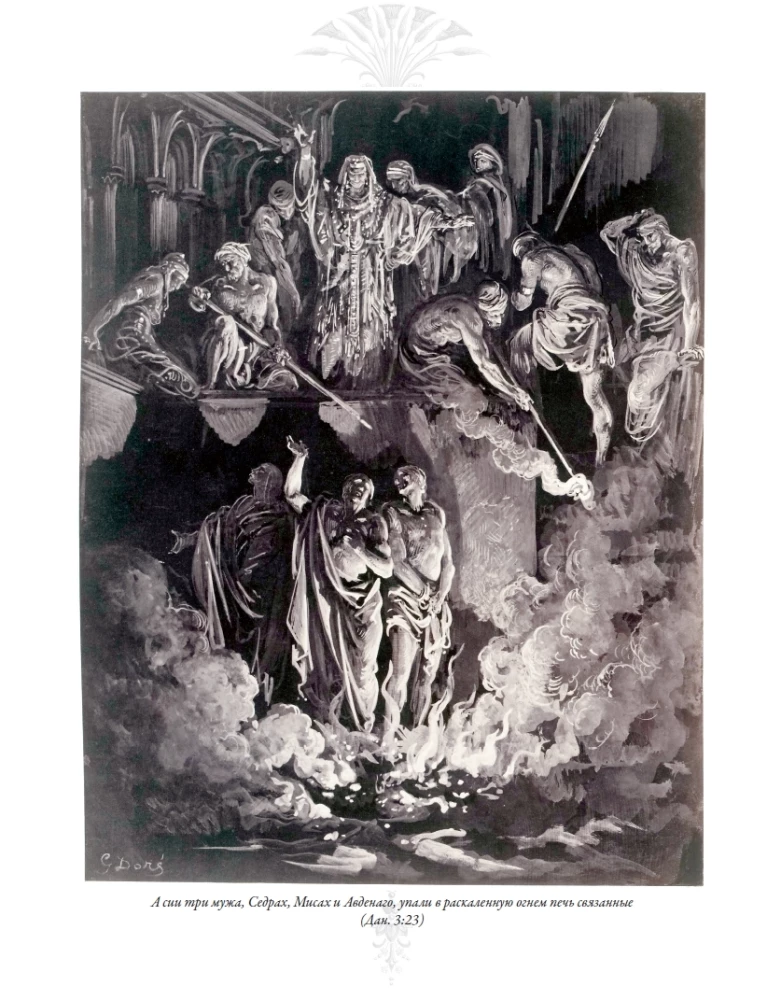
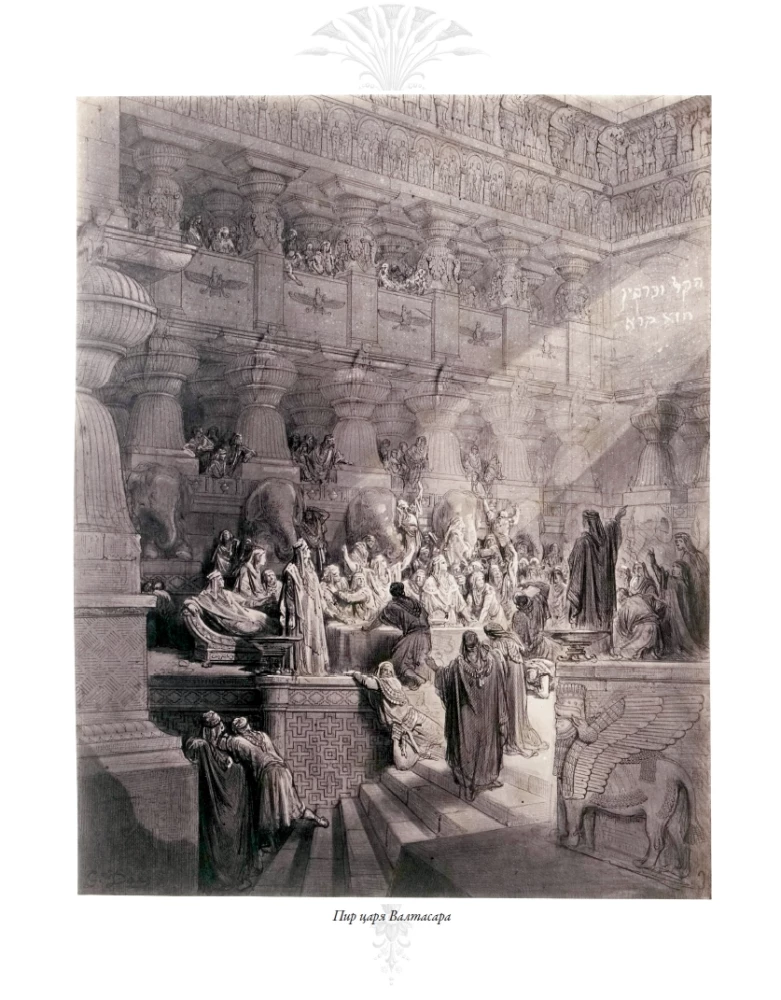
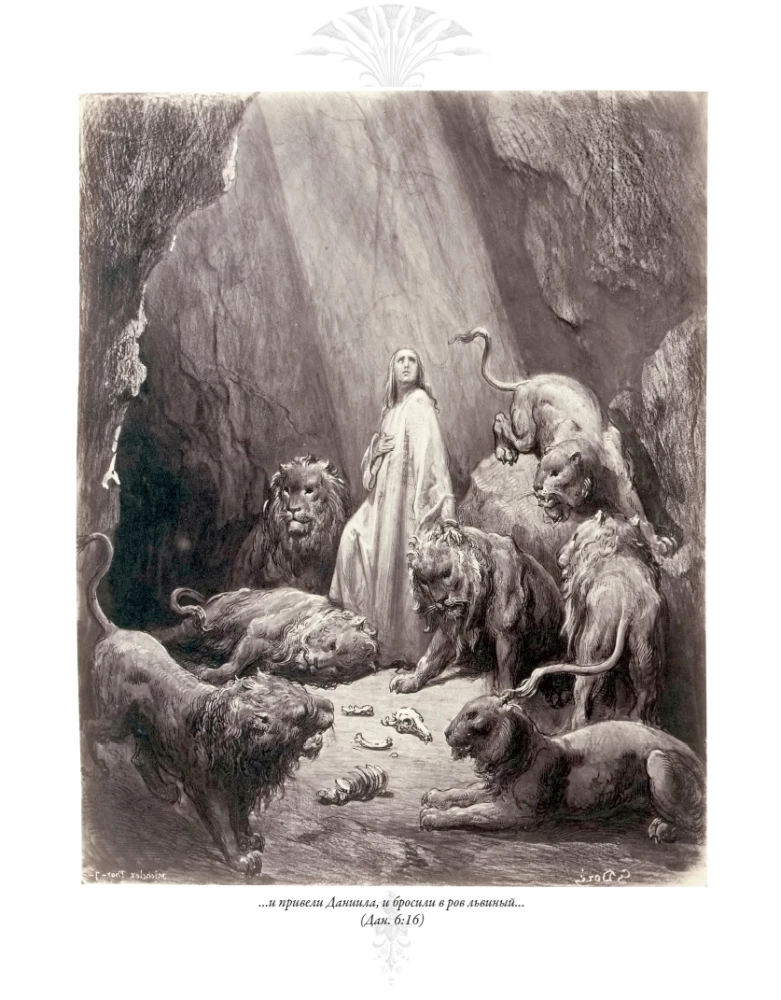
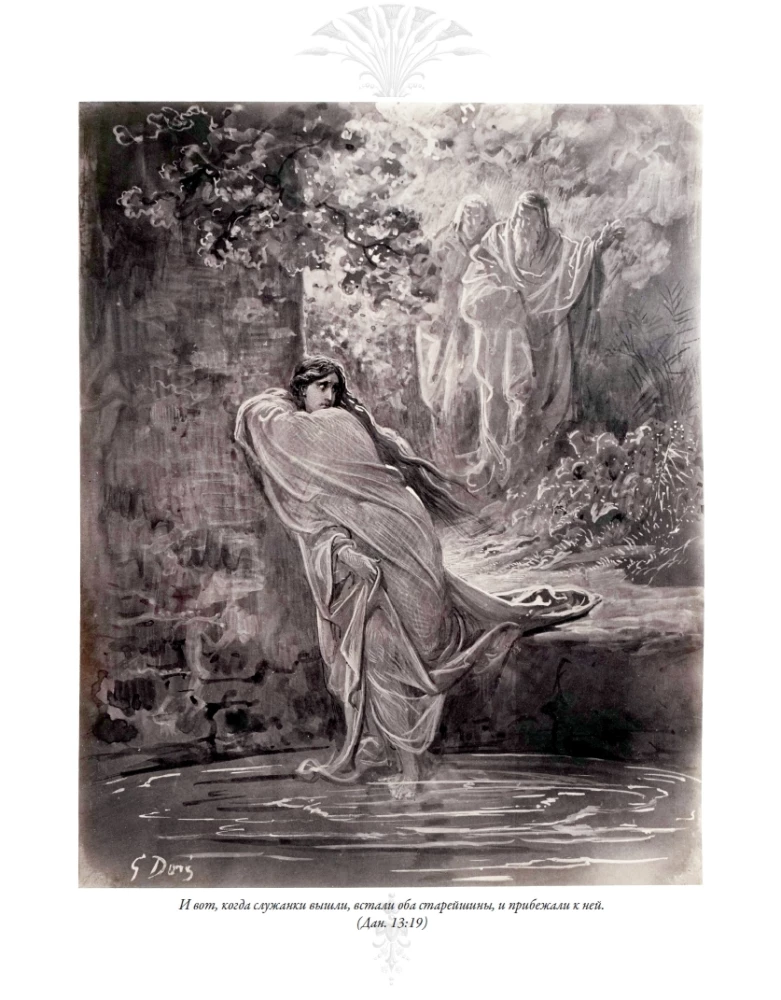
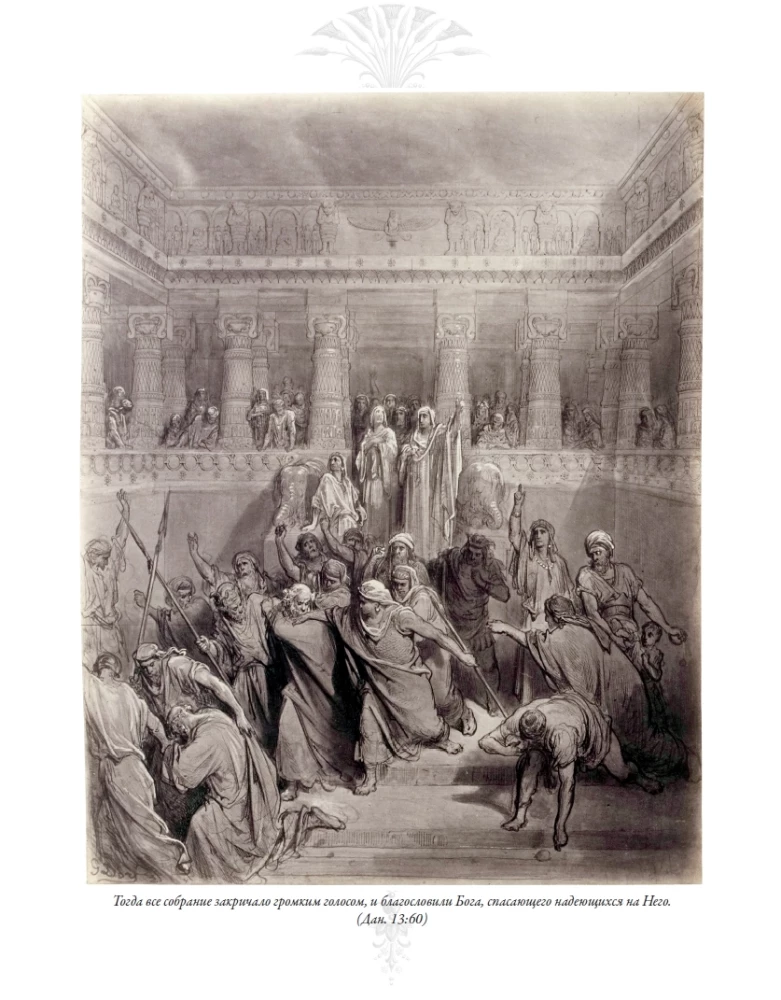
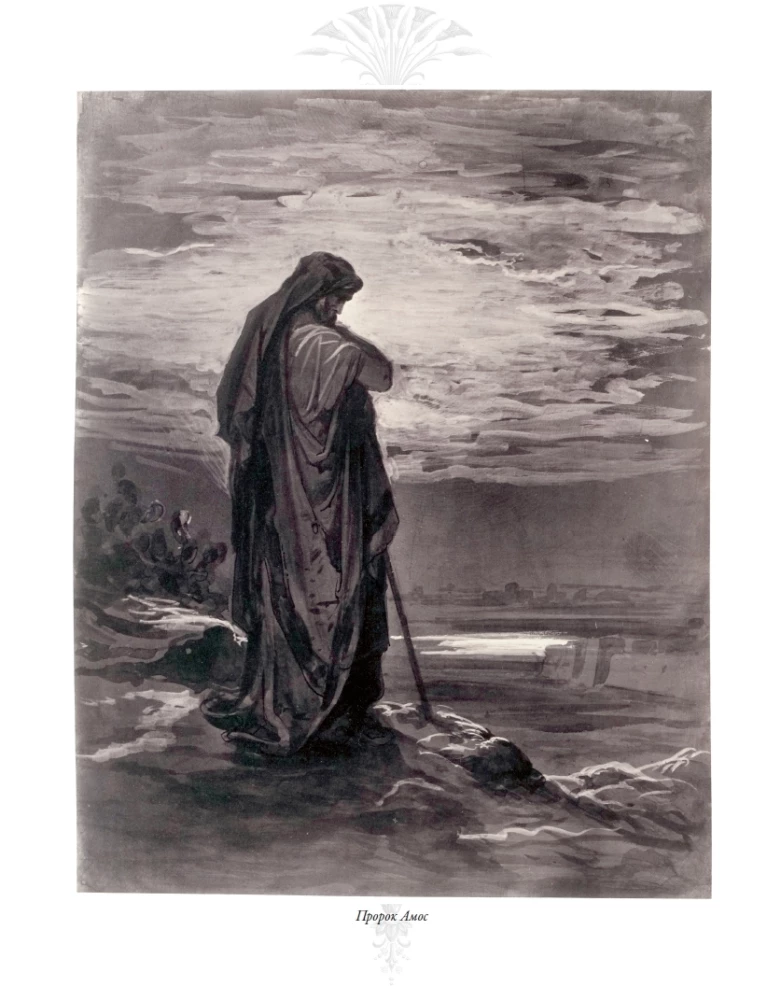
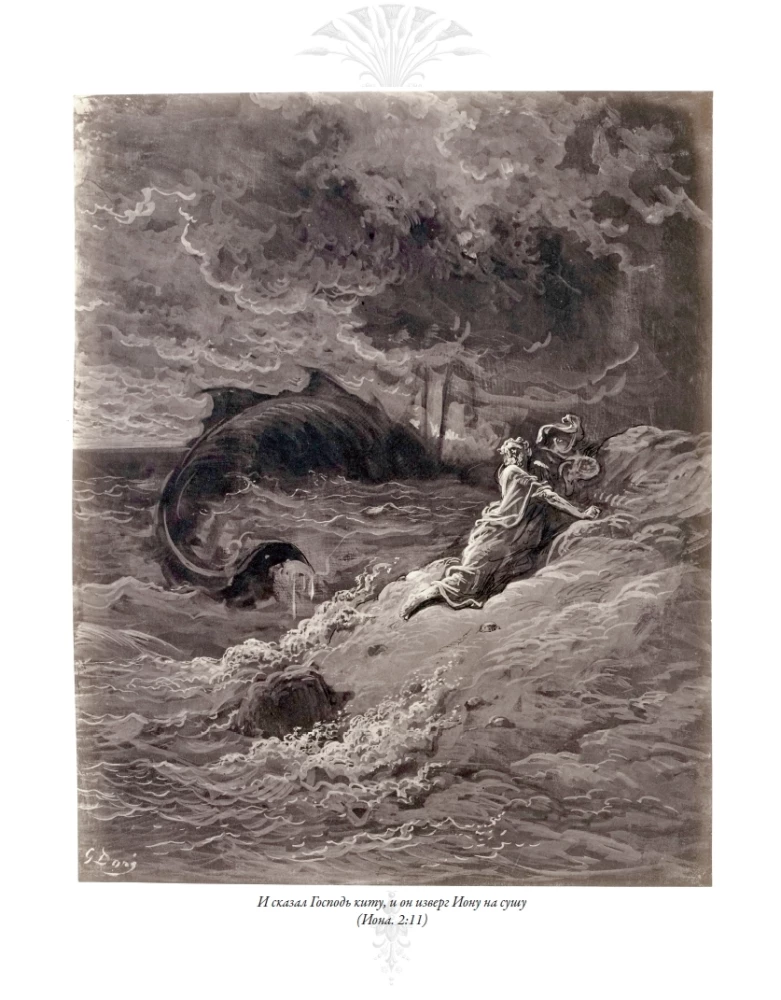
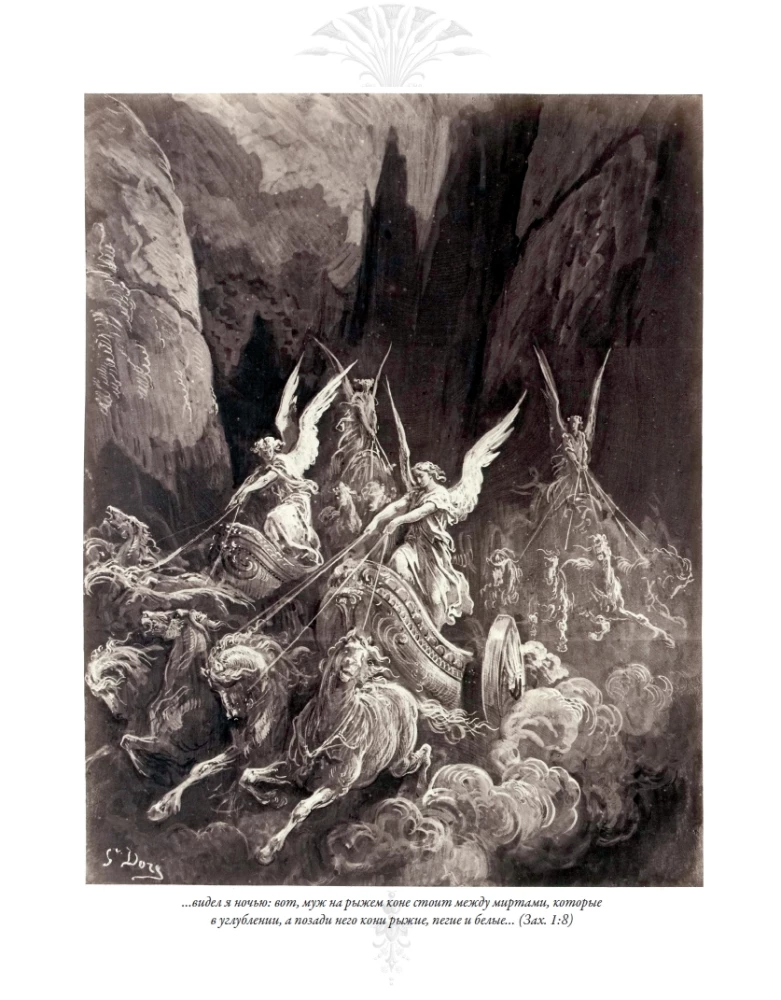
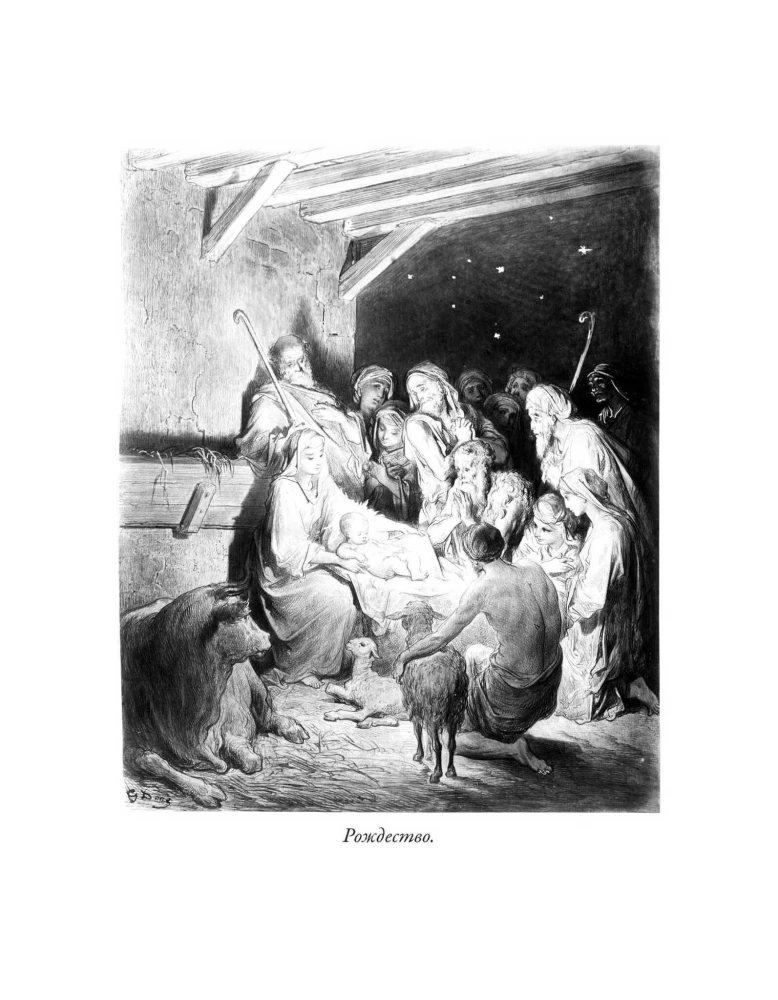
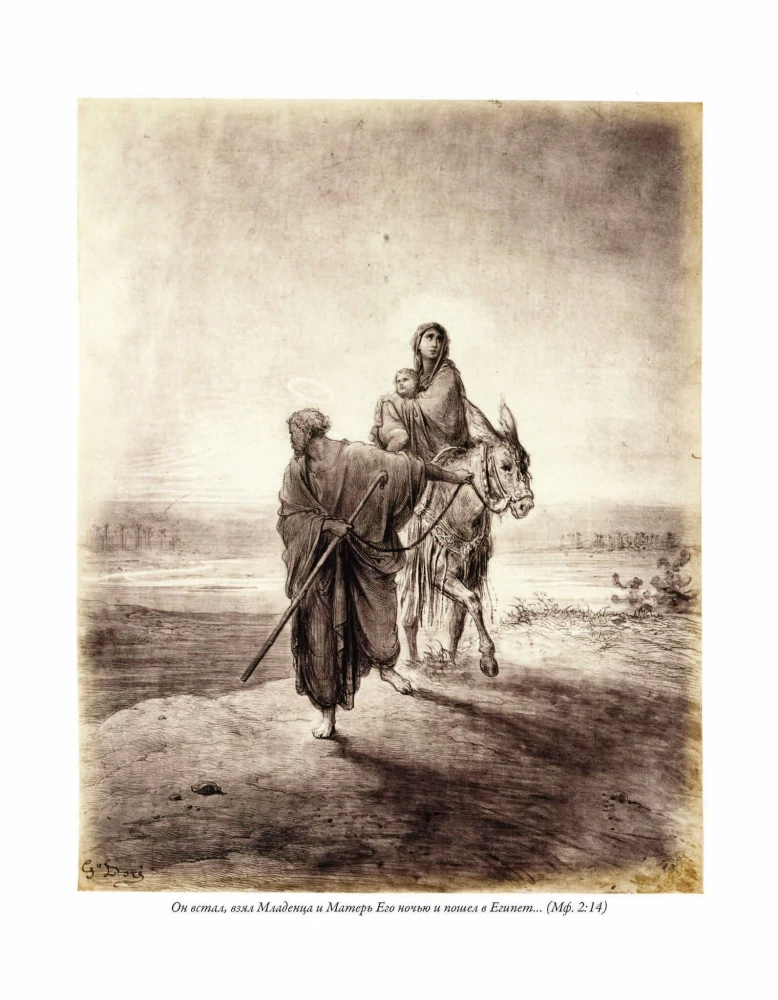
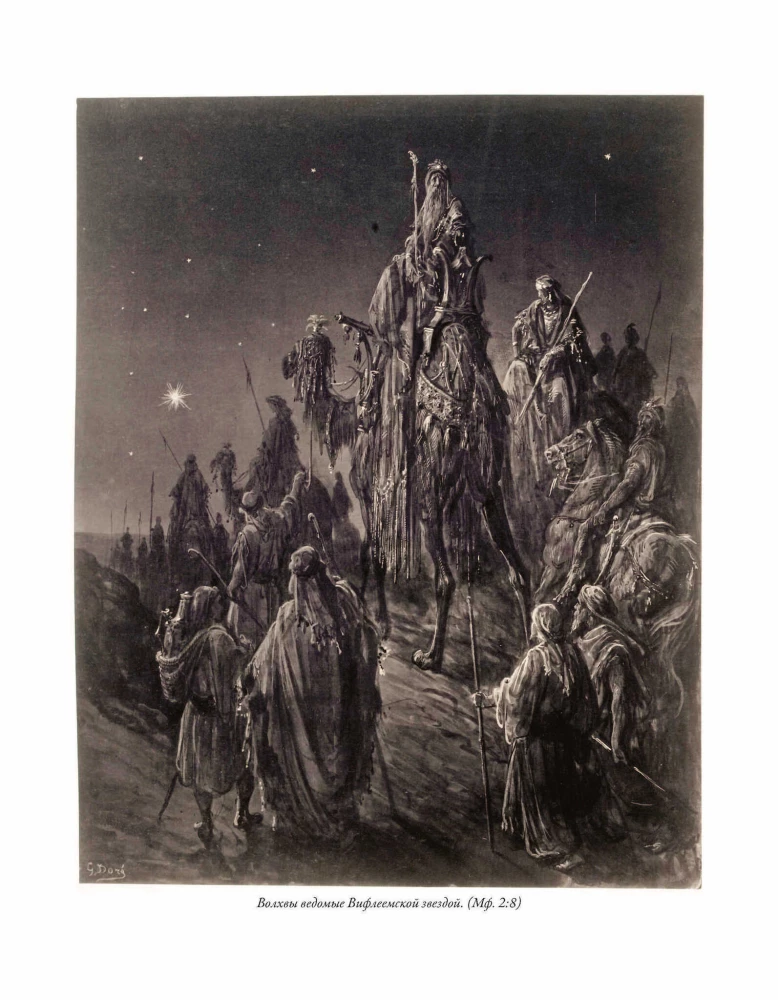
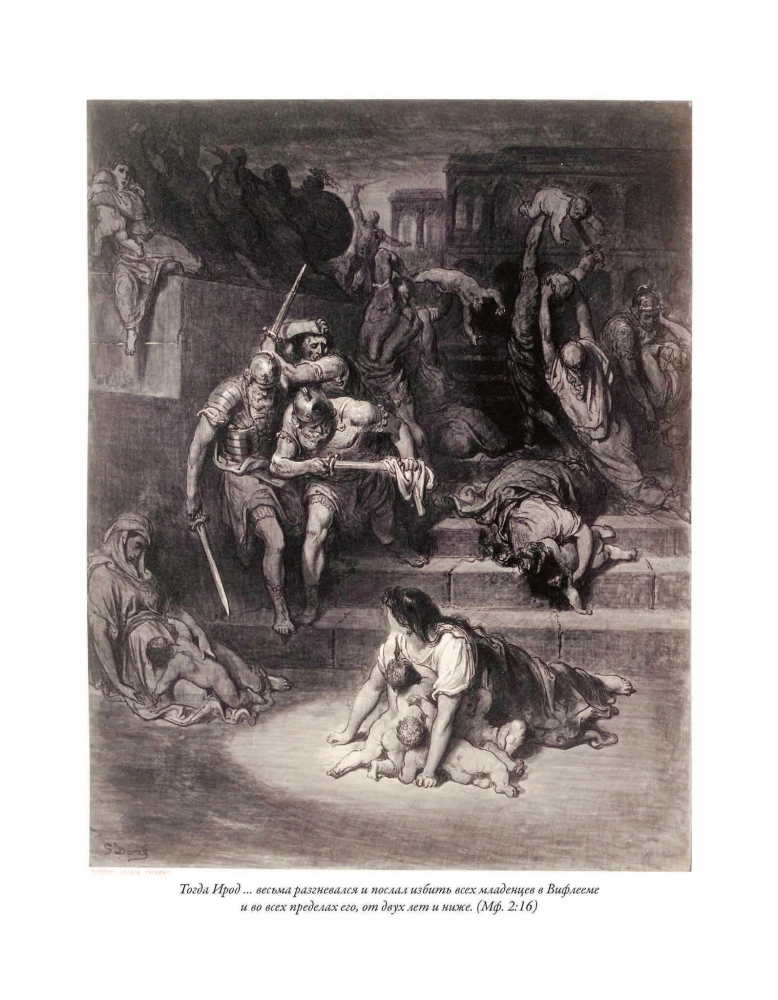
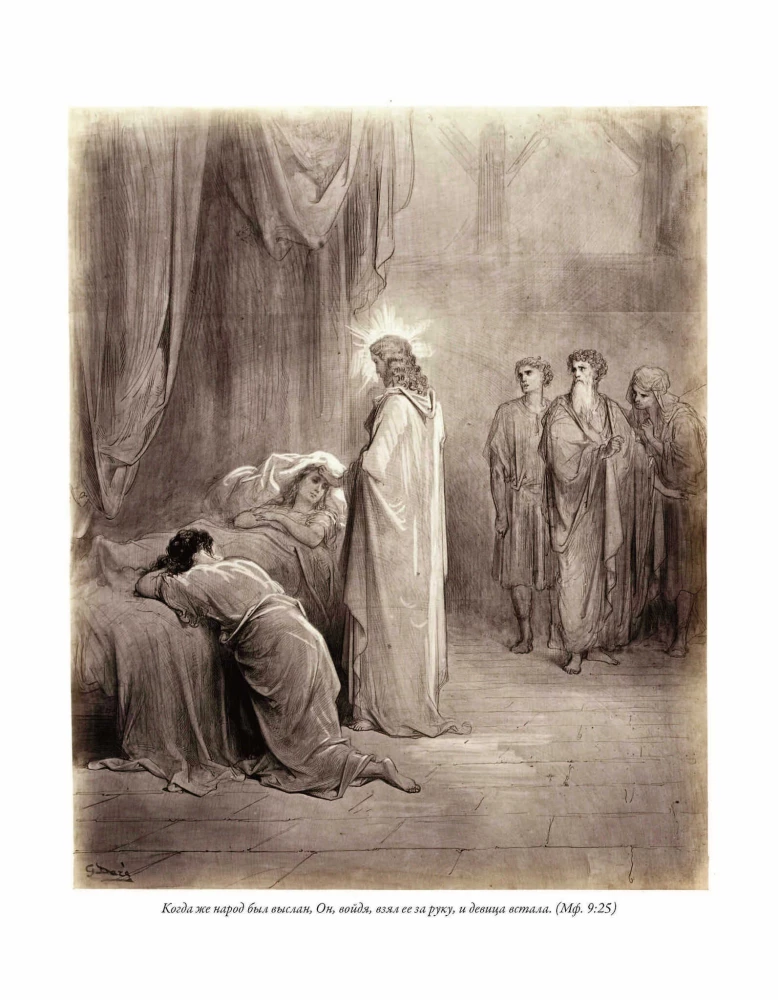
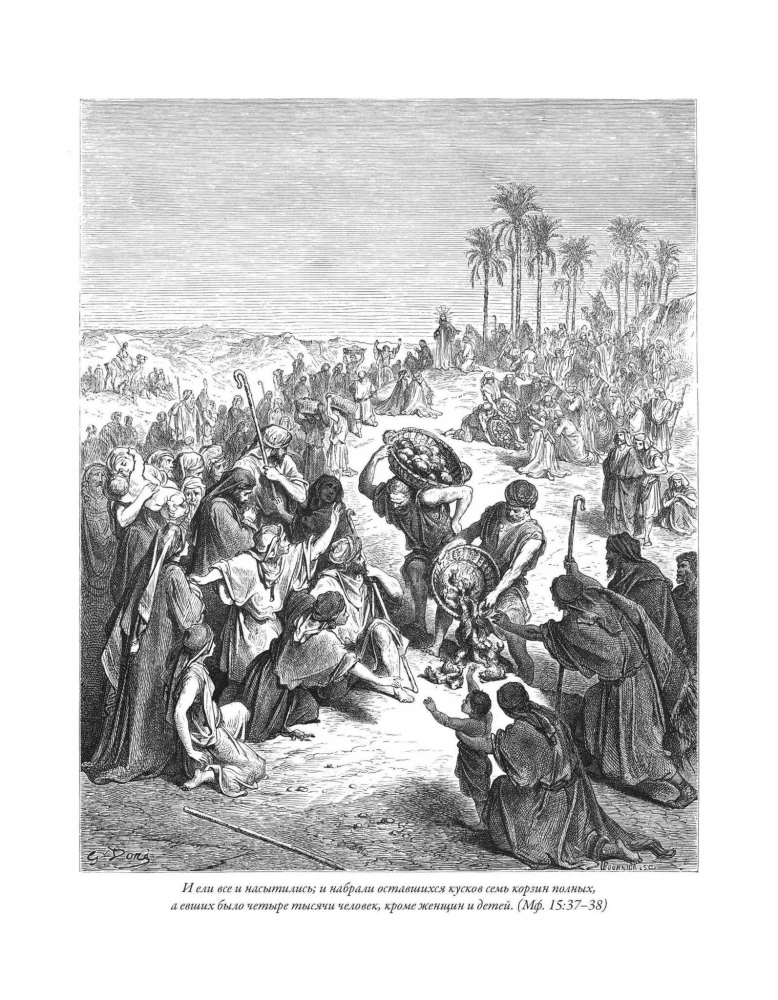
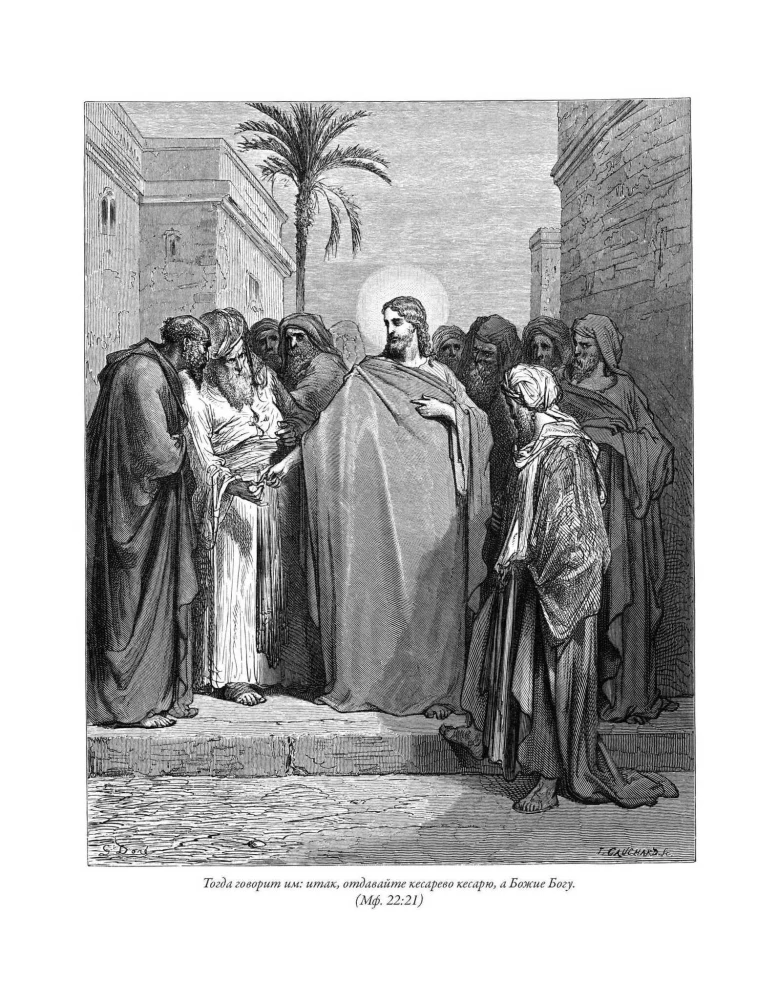
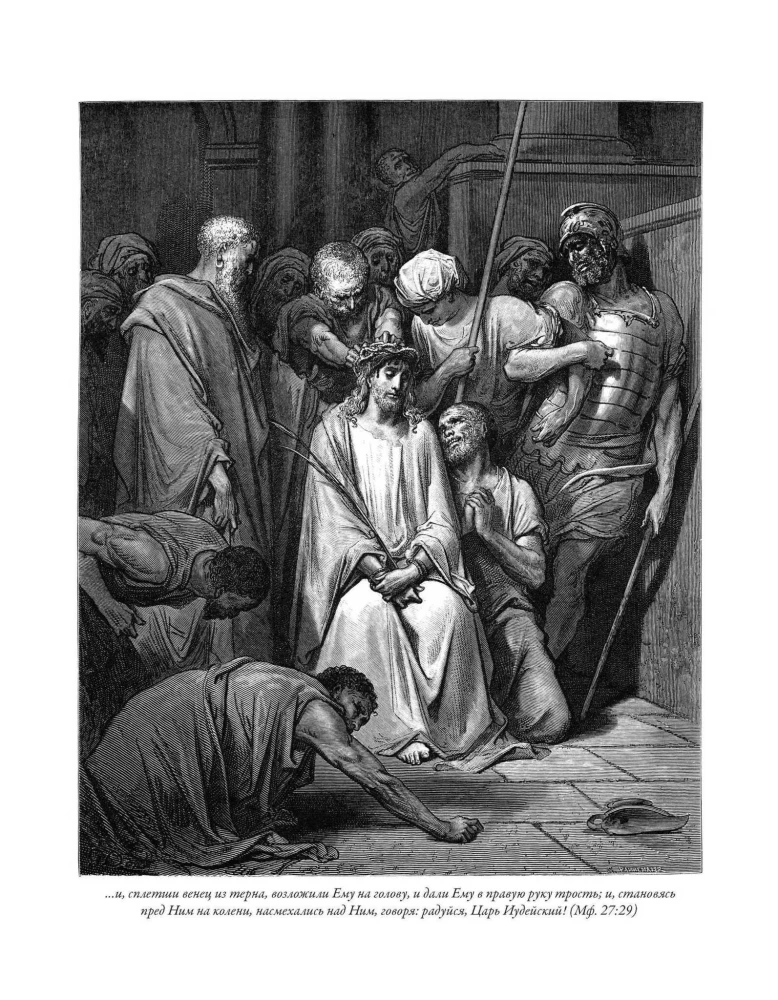
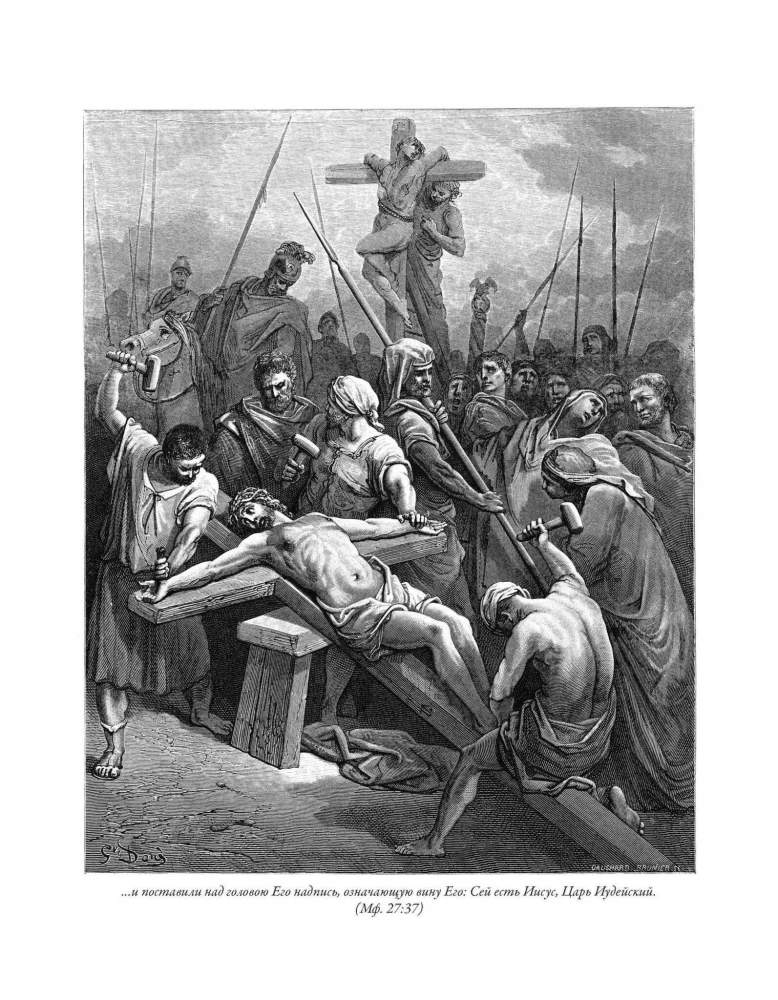
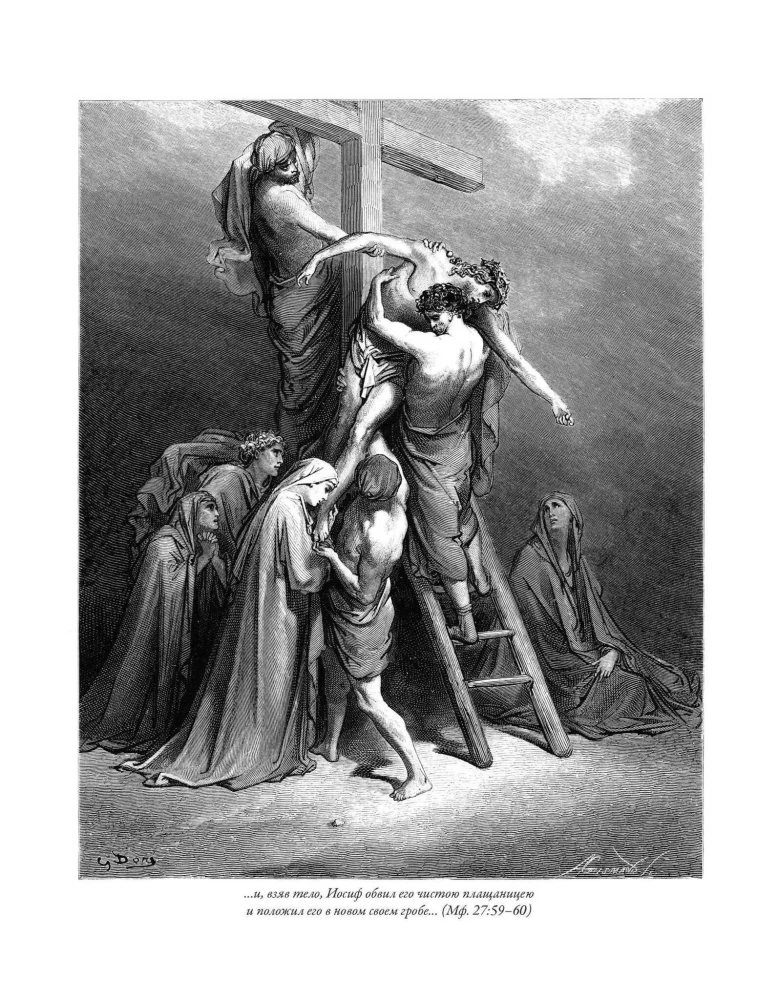
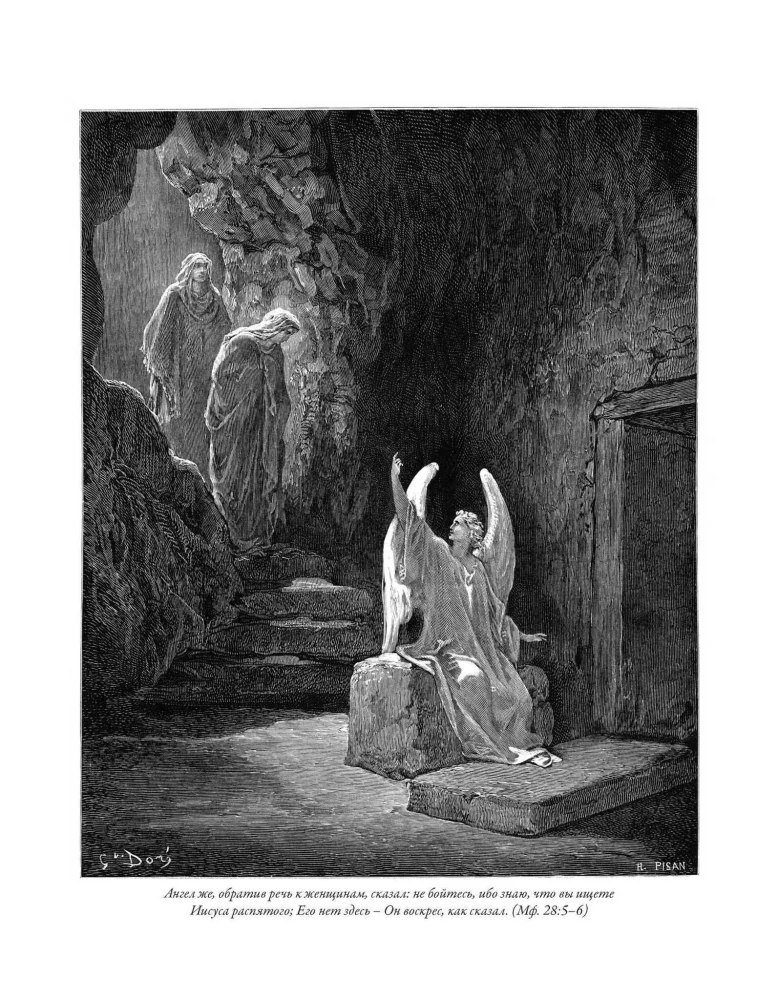
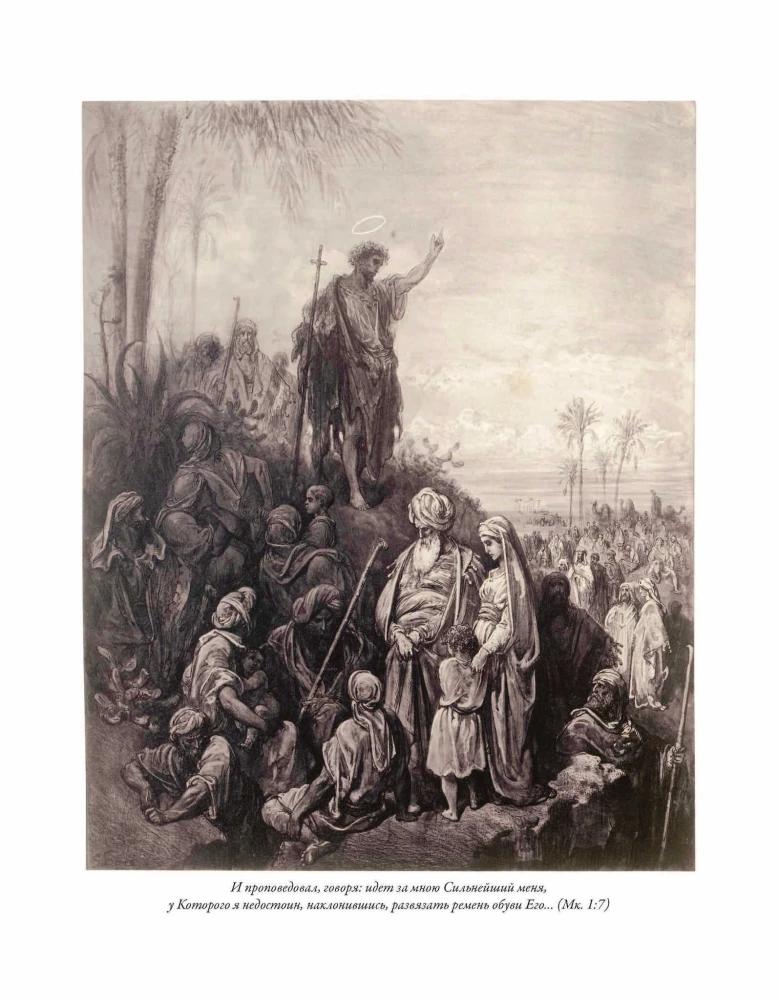
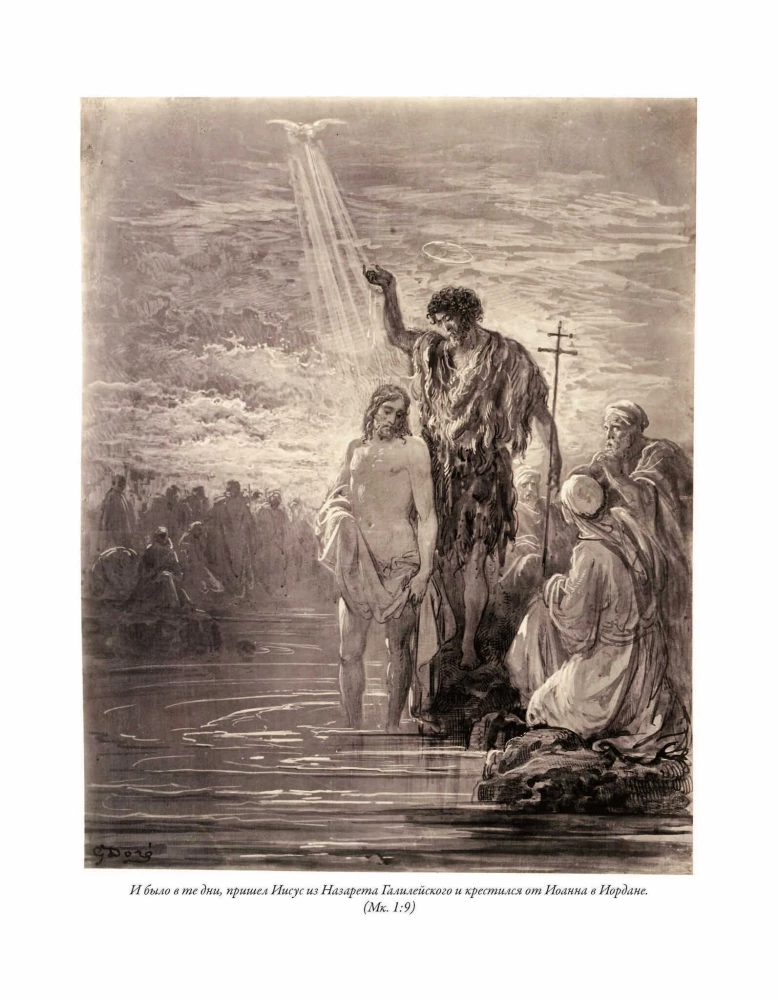
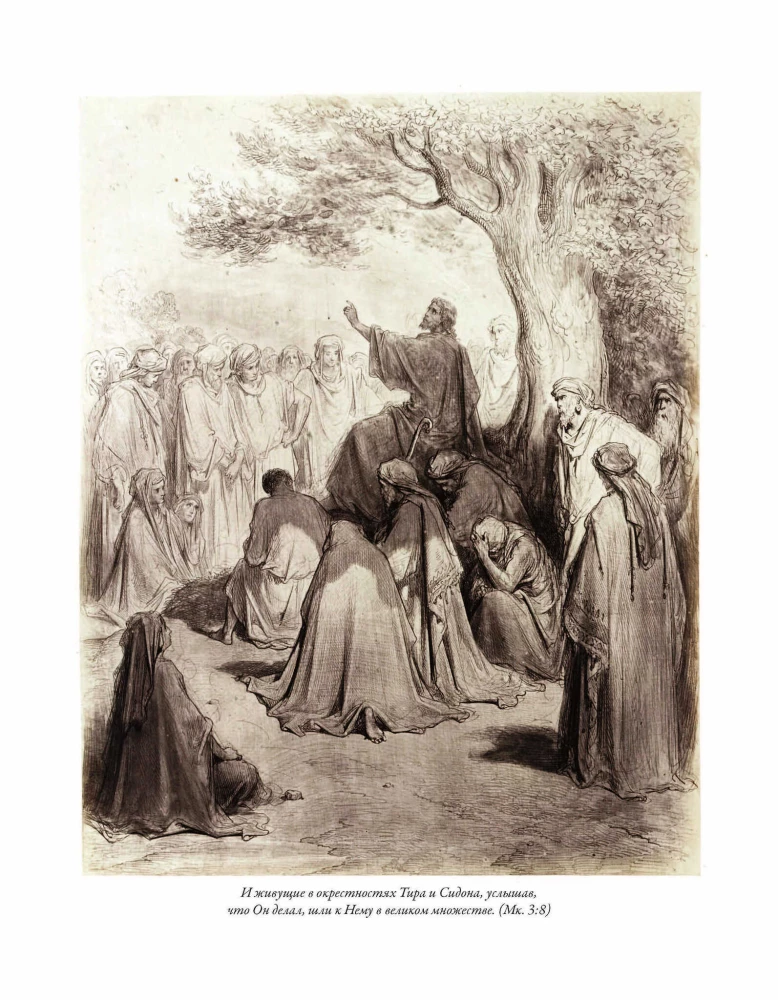
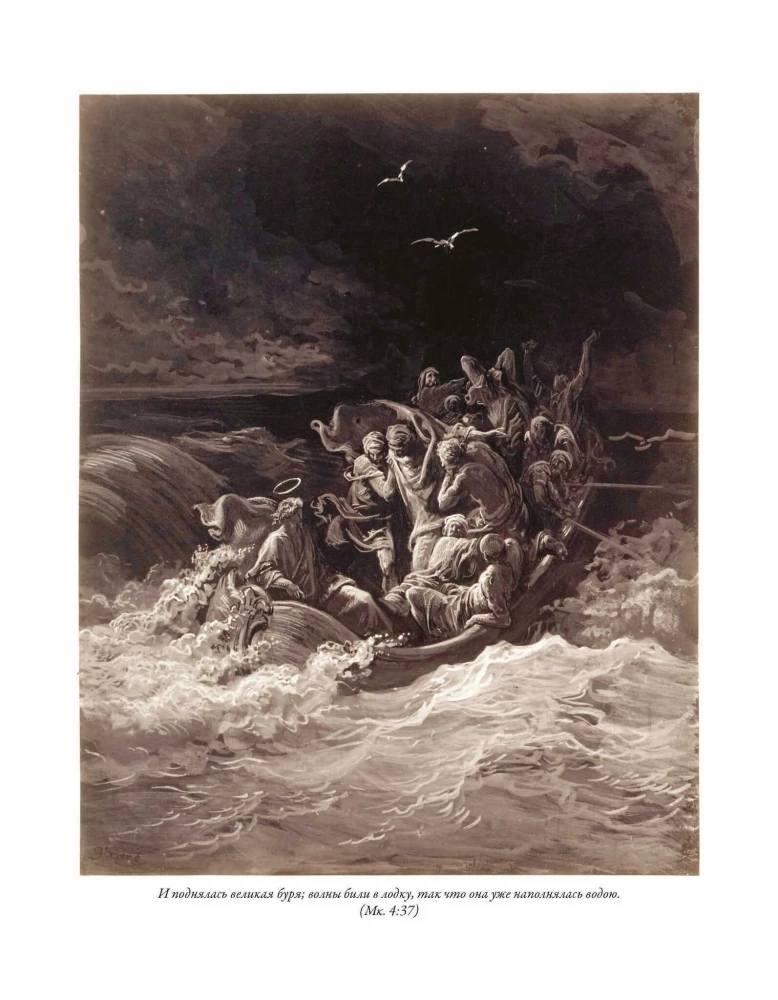
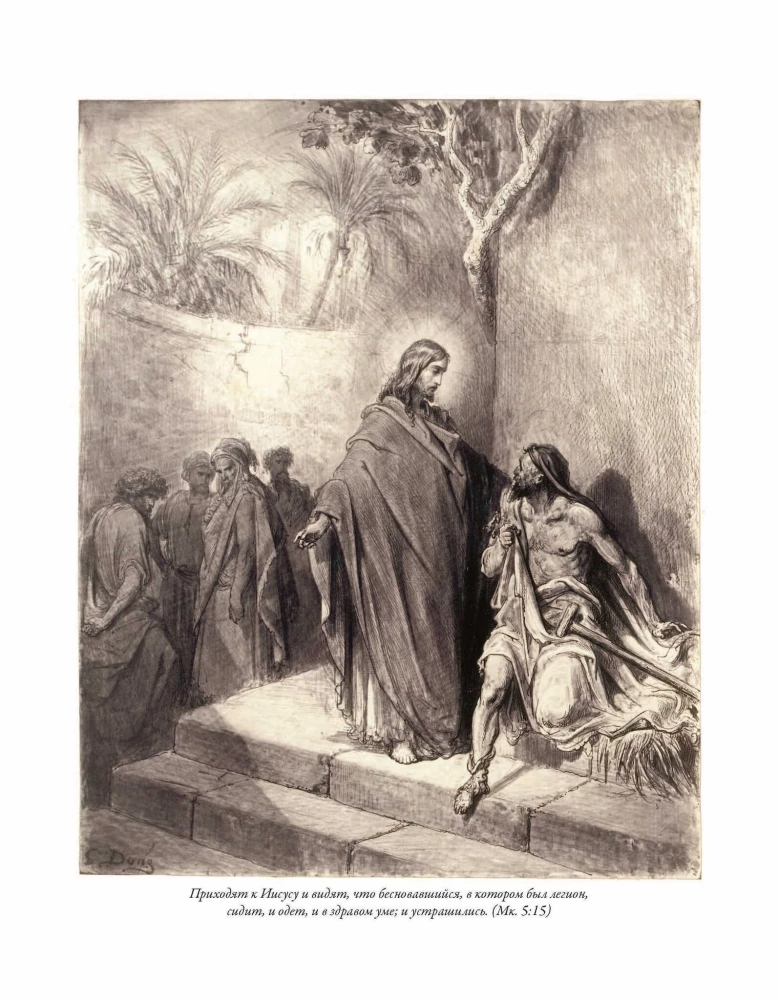
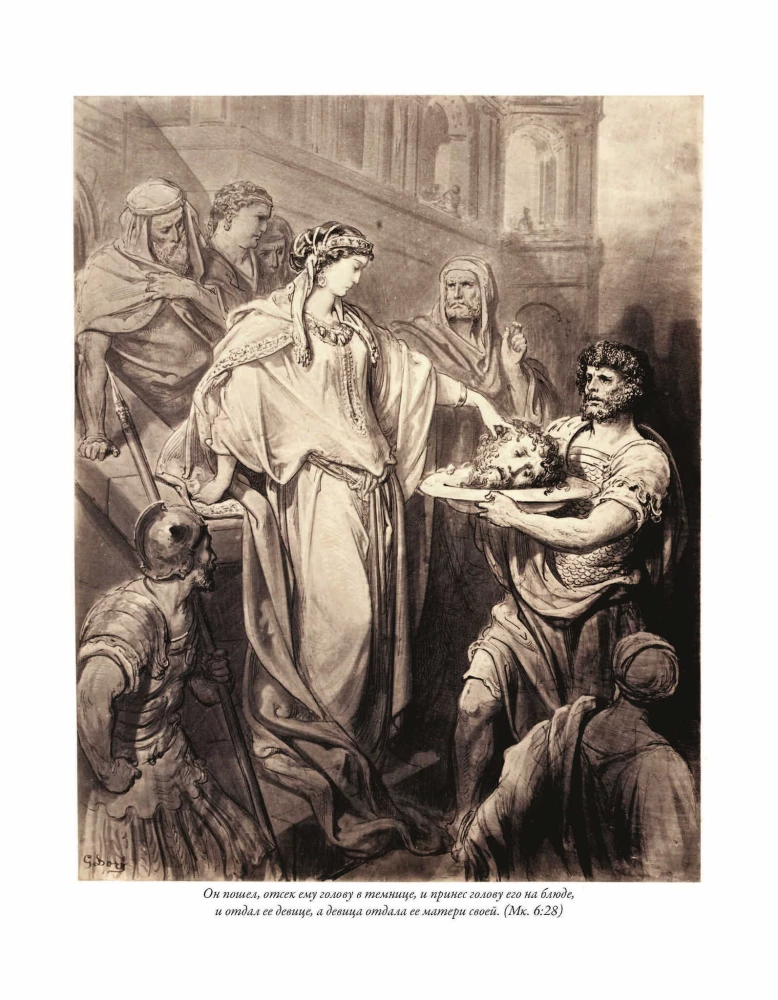
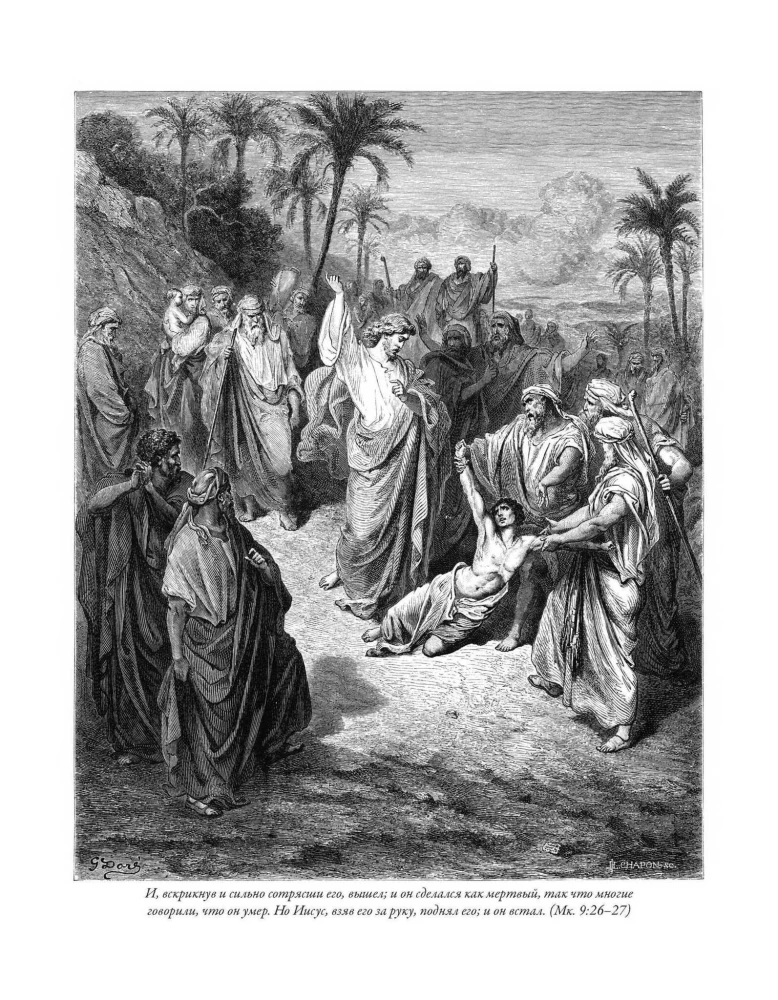
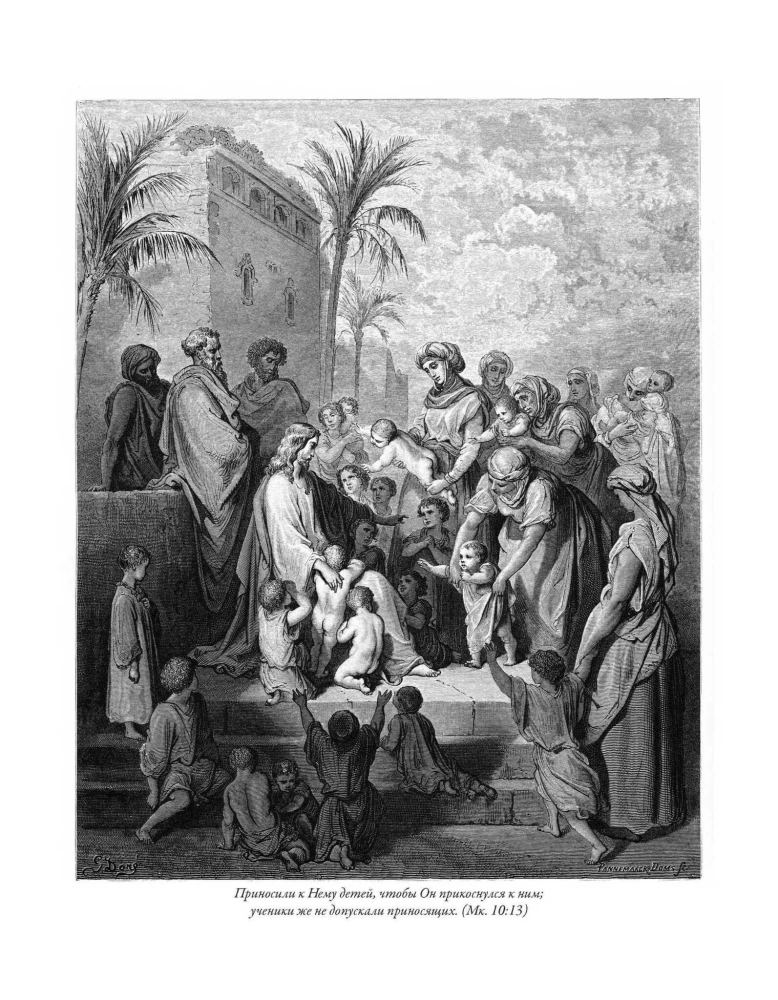
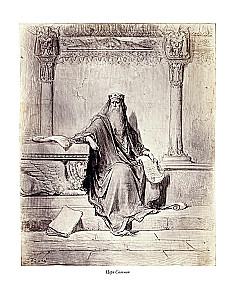
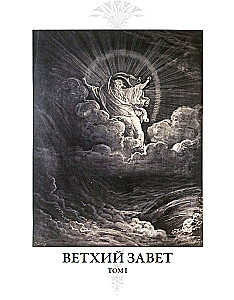
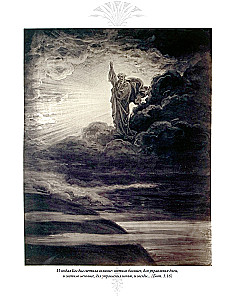
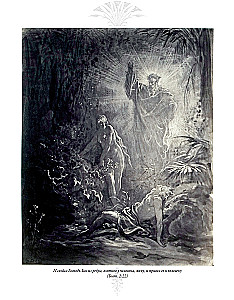
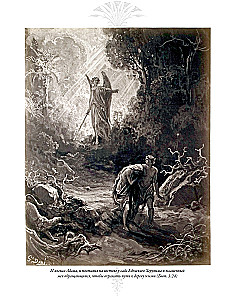
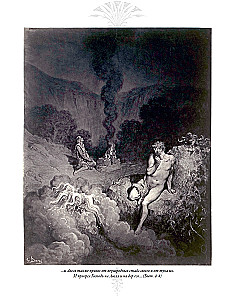
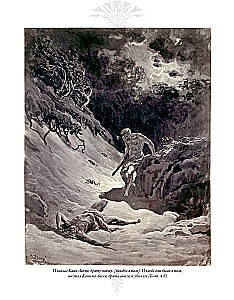
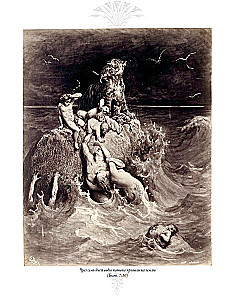
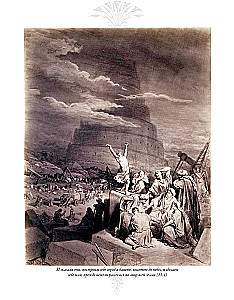
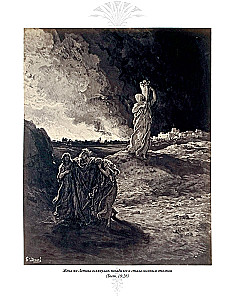
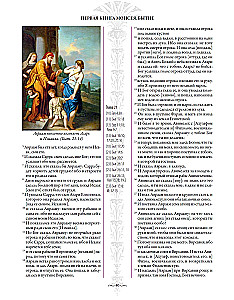
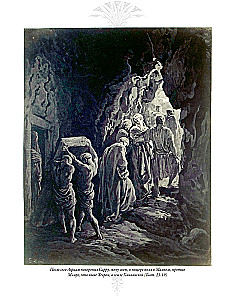
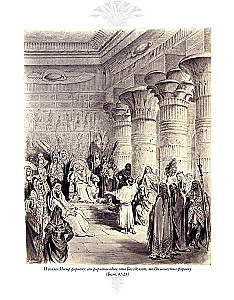
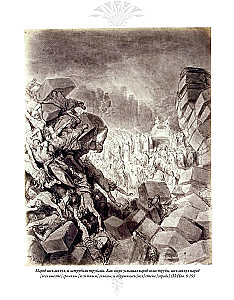
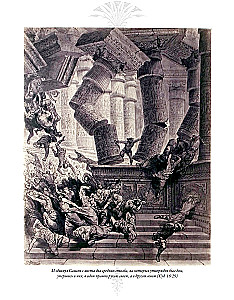
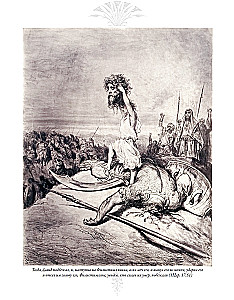
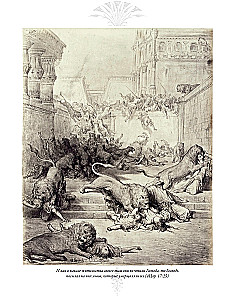
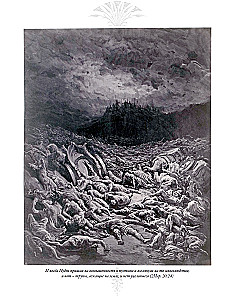
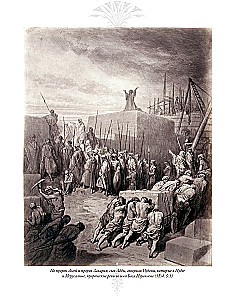
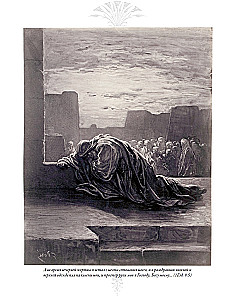
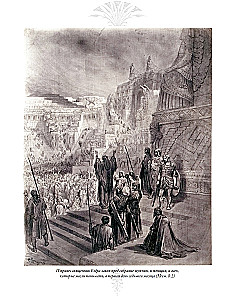
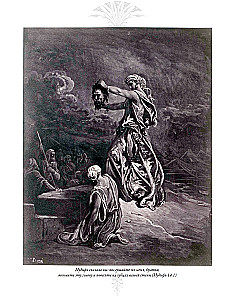
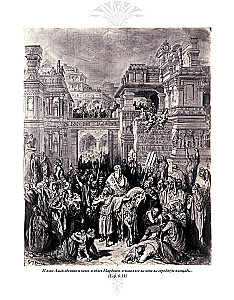
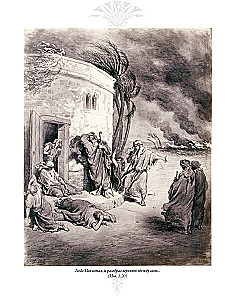
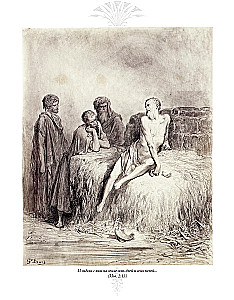
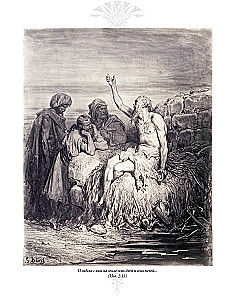
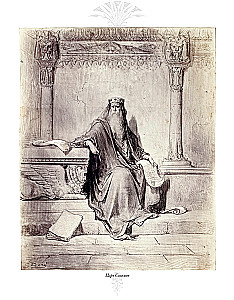
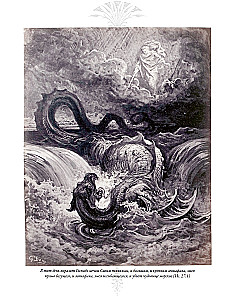
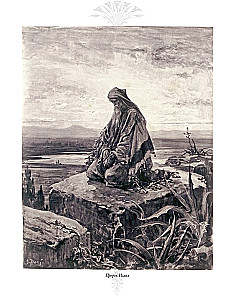
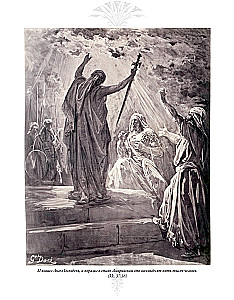
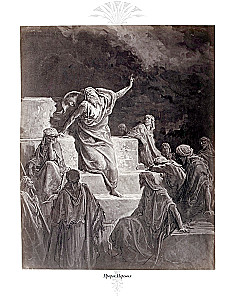
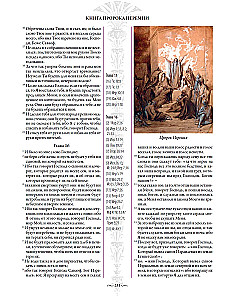
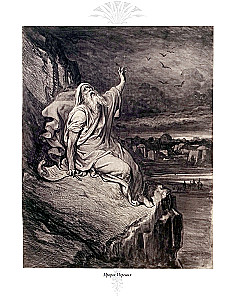
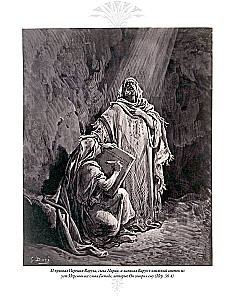
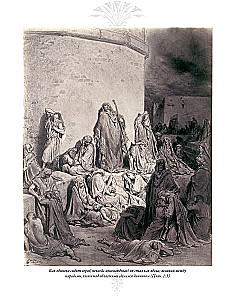
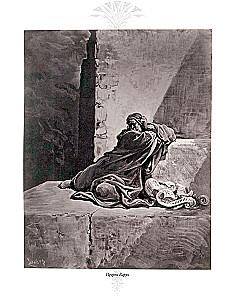
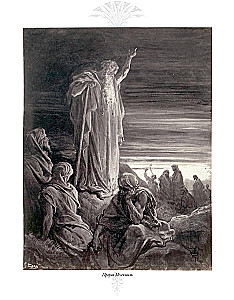
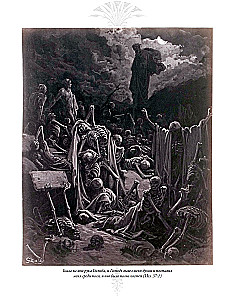
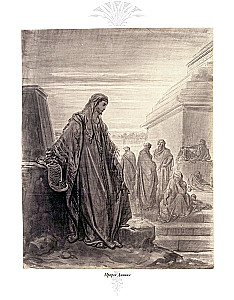
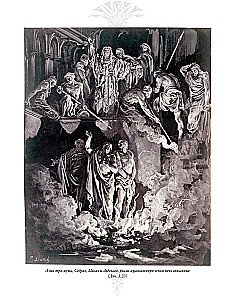
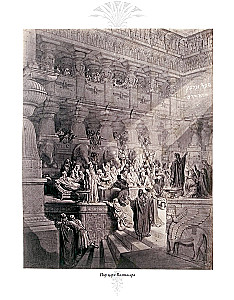
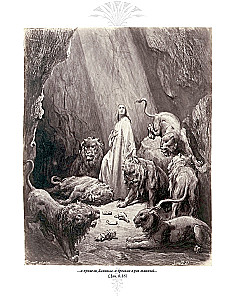
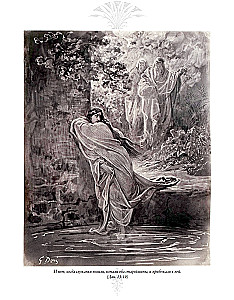
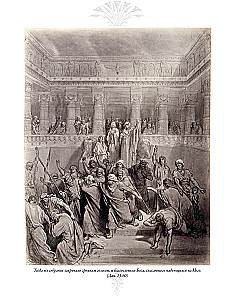
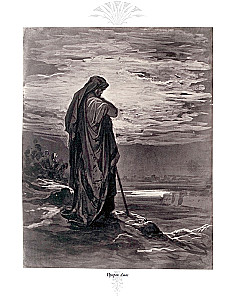
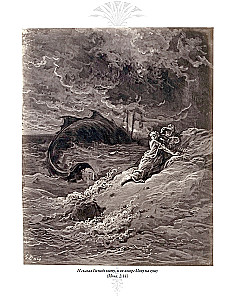
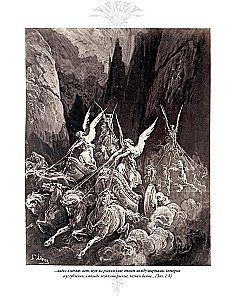
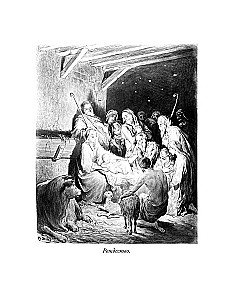
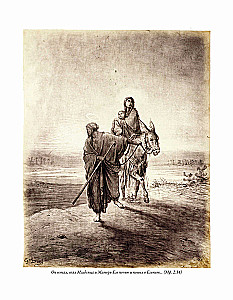
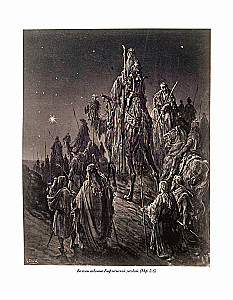
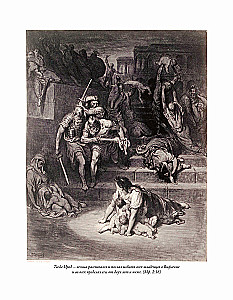
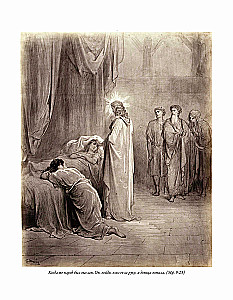
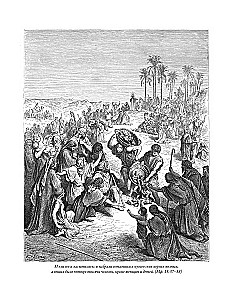
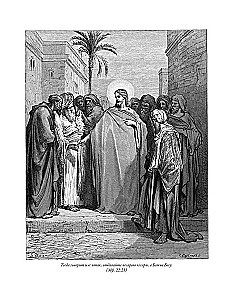
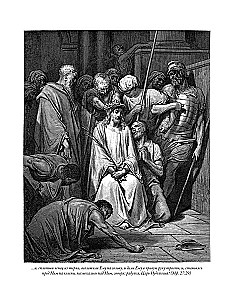
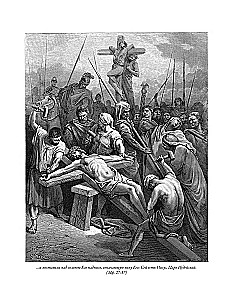
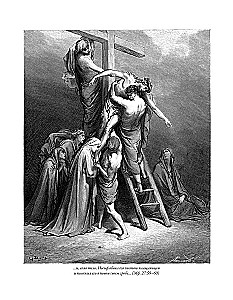
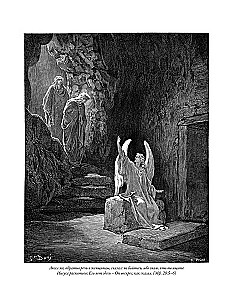
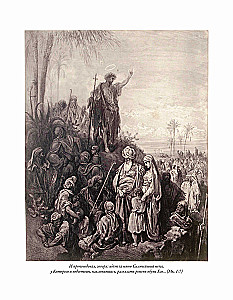
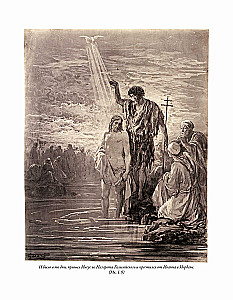
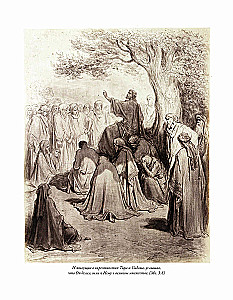
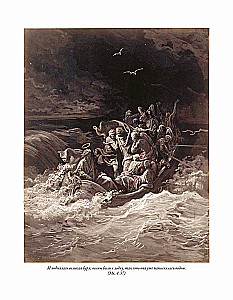
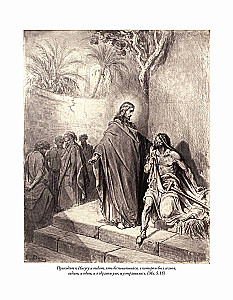
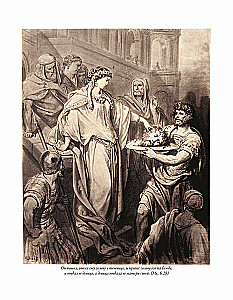
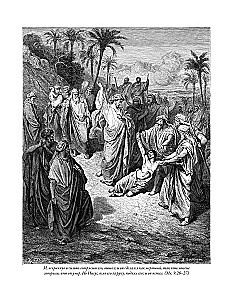
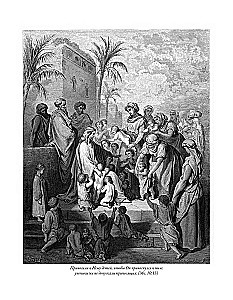
to the book of Ezra, the New Testament, the Acts of the Apostles, the Epistles, Paul's letters, and the Revelation of St. John the Theologian. Readers can become acquainted with the ancient events in the classic Synodal translation. The work began in 1816 and was carried out for many years. The process was associated with numerous difficulties, it was interrupted and resumed, but finally, in 1876, a fully translated Bible in Russian was published. This translation was approved by the Holy Synod — the highest church administration body until the beginning of the 20th century. After many years, it remains the most sought-after Russian-language translation of the Holy Scripture. The texts of the Bible were illustrated by the outstanding French artist of the 19th century, Gustave Doré.
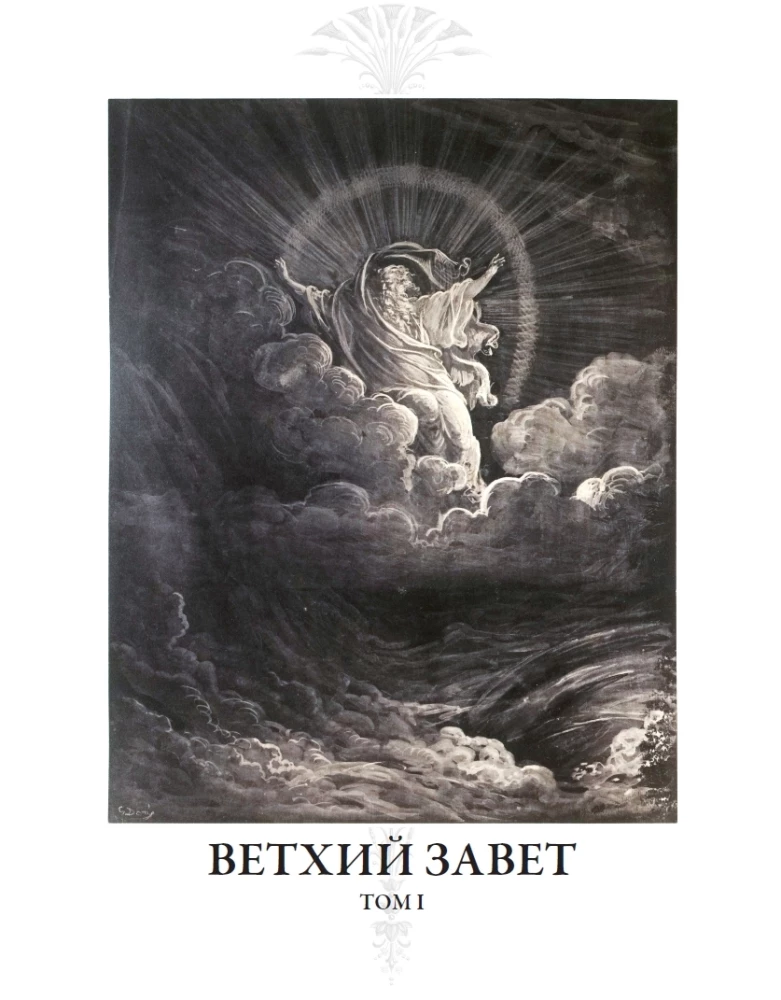
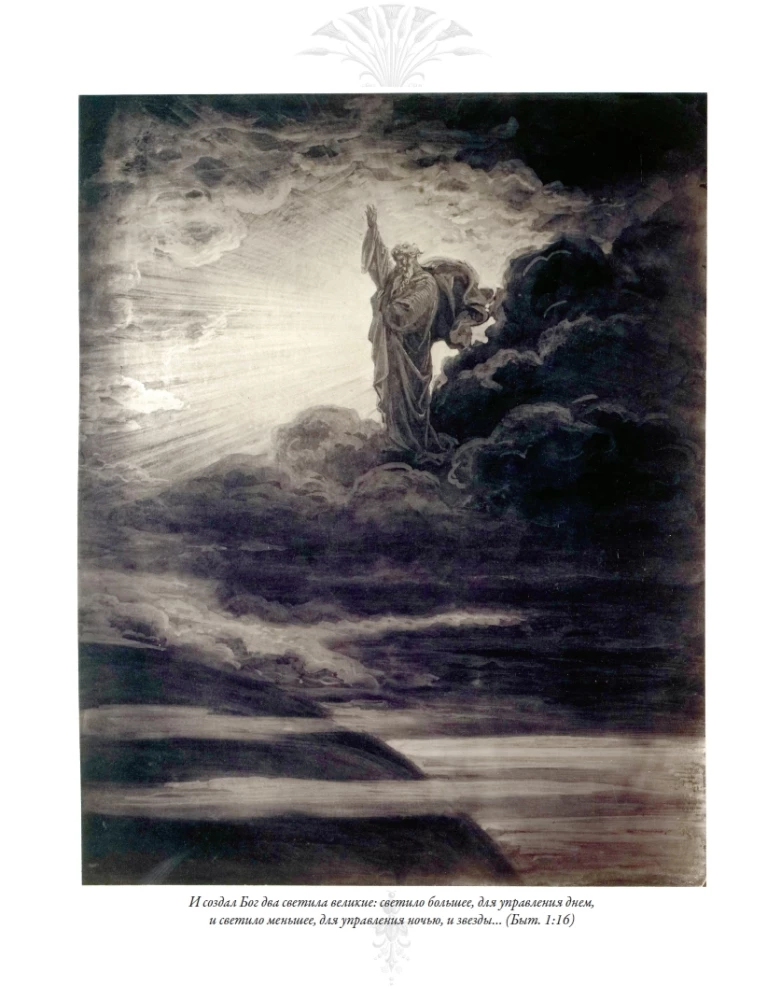
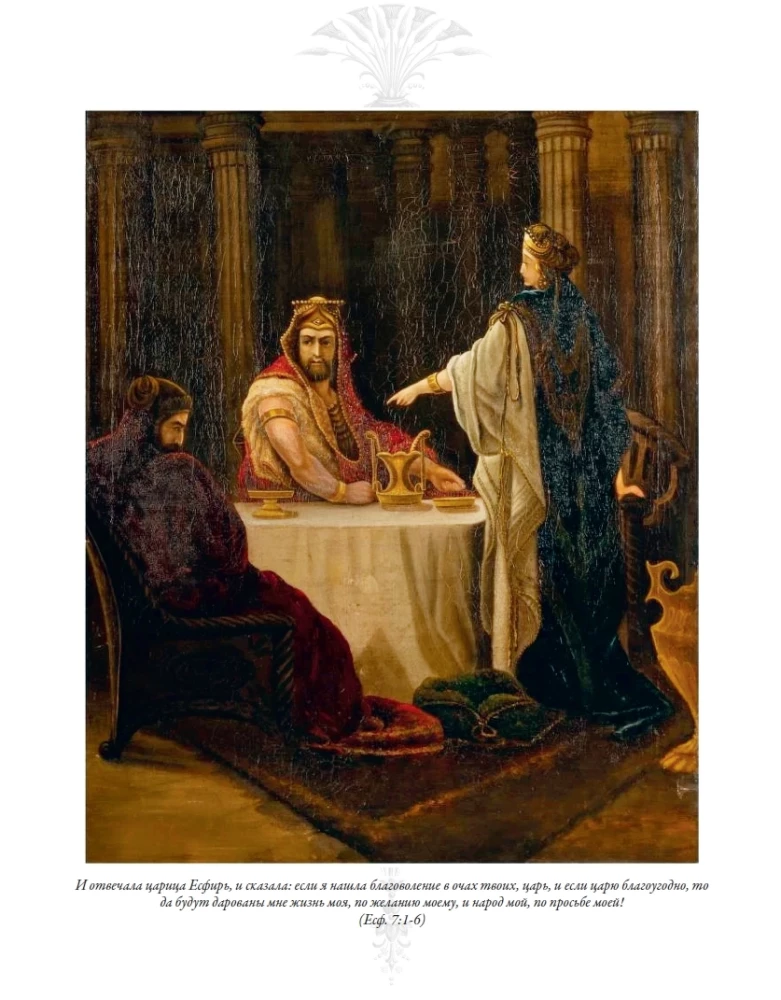
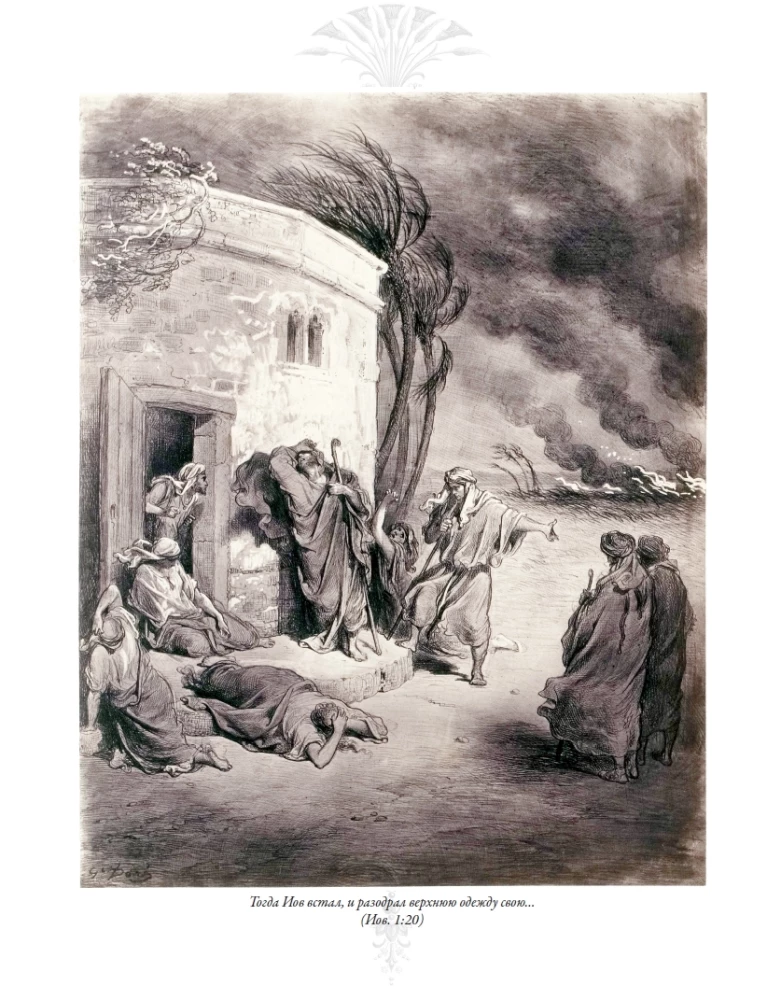
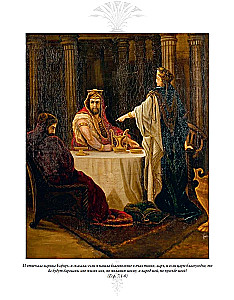
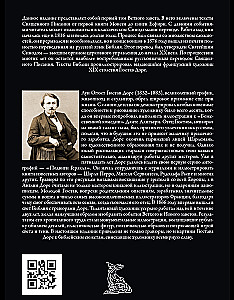
Louis-Auguste Gustave Doré (1832–1883), a magnificent graphic artist, painter, and sculptor, gained wide recognition even during his lifetime. From childhood, he demonstrated extraordinary abilities in drawing: the artist was only ten years old when he first tried to create illustrations for Dante Alighieri's 'Divine Comedy.' Doré's father, despite his son's evident talent, was against his passion for art, believing it would not bring the boy a decent income in the future. Doré graduated from the Charlemagne high school in Paris but never received an art education. However, the young draftsman tried to improve his skills on his own by analyzing the works of other masters. By the age of fifteen, Doré managed to publish his first series of lithographs — 'The Adventures of Hercules.' He began collaborating with magazines and illustrating books by well-known authors — Charles Perrault, Miguel de Cervantes, Rudolf Raspe, and many others. Engravings based on his drawings amazed viewers from all over Europe, and in England, Doré was considered not only a master of book illustration but also a gifted painter. Young Gustave, contrary to his parents' fears, earned significant sums and became one of the highest-paid illustrators in France, allowing him to support his entire family when his father passed away. In 1866, the Bible with Doré's engravings was published for the first time. The talented artist worked diligently on it for two years, wanting to best depict the events of the Old and New Testaments. The result of his painstaking work were monumental illustrations that captivated the public with their abundance of details, the fluidity of the figures, the poetry of the images, and the stunning interplay of light and shadow. This edition includes not only engravings but also Doré's paintings on biblical themes, which earned the artist worldwide fame.
Louis-Auguste Gustave Doré (1832–1883), a magnificent graphic artist, painter, and sculptor, gained wide recognition even during his lifetime. From childhood, he demonstrated extraordinary abilities in drawing: the artist was only ten years old when he first tried to create illustrations for Dante Alighieri's 'Divine Comedy.' Doré's father, despite his son's evident talent, was against his passion for art, believing it would not bring the boy a decent income in the future. Doré graduated from the Charlemagne high school in Paris but never received an art education. However, the young draftsman tried to improve his skills on his own by analyzing the works of other masters. By the age of fifteen, Doré managed to publish his first series of lithographs — 'The Adventures of Hercules.' He began collaborating with magazines and illustrating books by well-known authors — Charles Perrault, Miguel de Cervantes, Rudolf Raspe, and many others. Engravings based on his drawings amazed viewers from all over Europe, and in England, Doré was considered not only a master of book illustration but also a gifted painter. Young Gustave, contrary to his parents' fears, earned significant sums and became one of the highest-paid illustrators in France, allowing him to support his entire family when his father passed away. In 1866, the Bible with Doré's engravings was published for the first time. The talented artist worked diligently on it for two years, wanting to best depict the events of the Old and New Testaments. The result of his painstaking work were monumental illustrations that captivated the public with their abundance of details, the fluidity of the figures, the poetry of the images, and the stunning interplay of light and shadow. This edition includes not only engravings but also Doré's paintings on biblical themes, which earned the artist worldwide fame.
Printhouse: SZKEO
Series: Large format
Age restrictions: 16+
Year of publication: 2026
ISBN: 9785960313063
Number of pages: 1456
Size: 270х210х97 mm
Cover type: hard
Weight: 5270 g
ID: 1735437
In stock
€ 61.39
Will be delivered to United States on 29 September (Tu):
By courier
from € 38.94
Bestsellers









Bestseller
€ 12.19
In stock
Kanashibari. Until the Last Lantern Goes Out. Volume 1
Ангелина Шэн, Вероника Шэн

Bestseller
€ 19.99
In stock
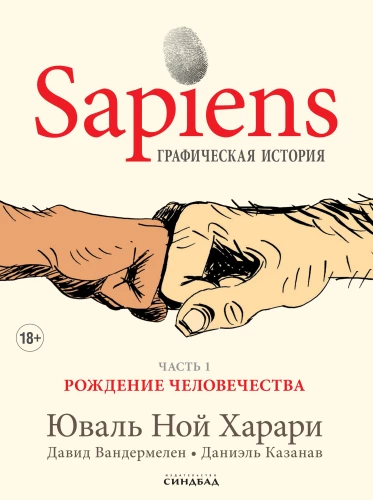
Sapiens. A Graphic History. Part 1. The Birth of Humanity
Юваль Ной Харари, Давид Вандермелен, Даниэль Казанав