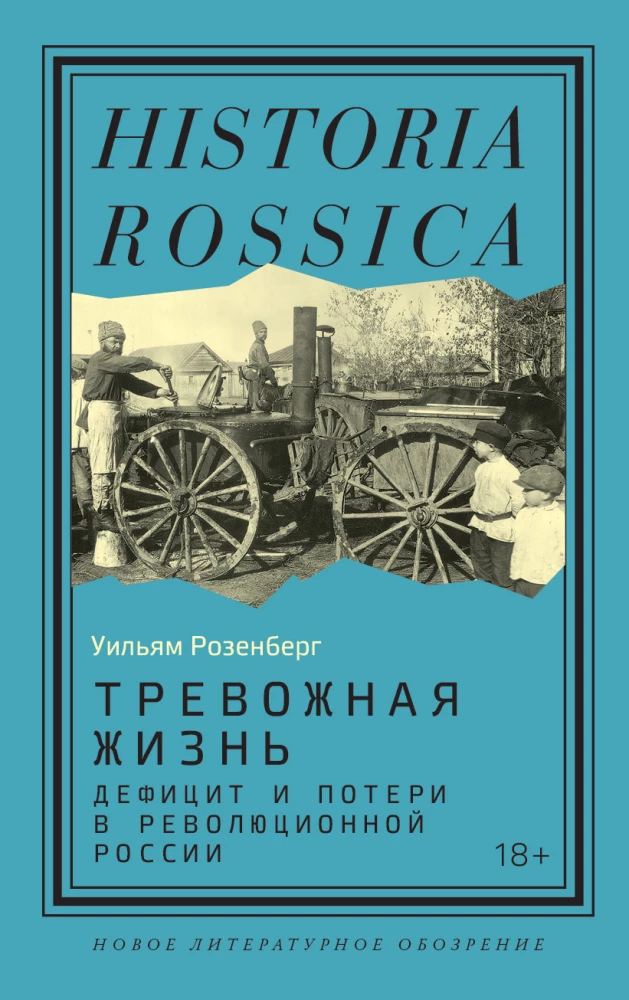
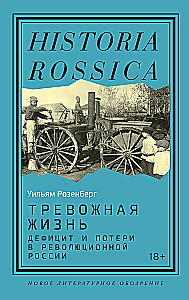
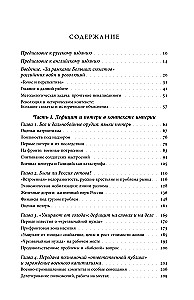
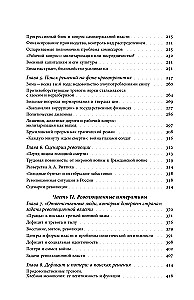
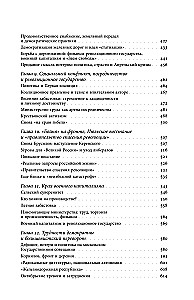
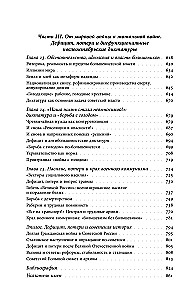
An Anxious Life: Shortages and Losses in Revolutionary Russia
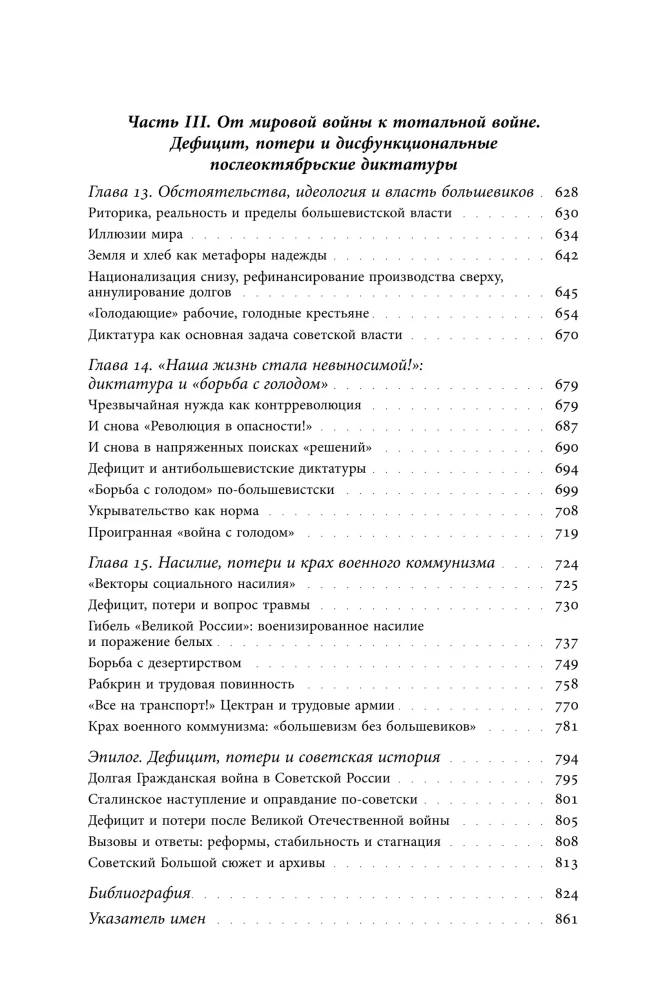
The shortages, deprivations, and losses that the population of Russia experienced between 1914 and 1921 — during the acute phase of internal crisis, political conflicts, and the 'long world war' — were catastrophic. The lack of materials and food caused...
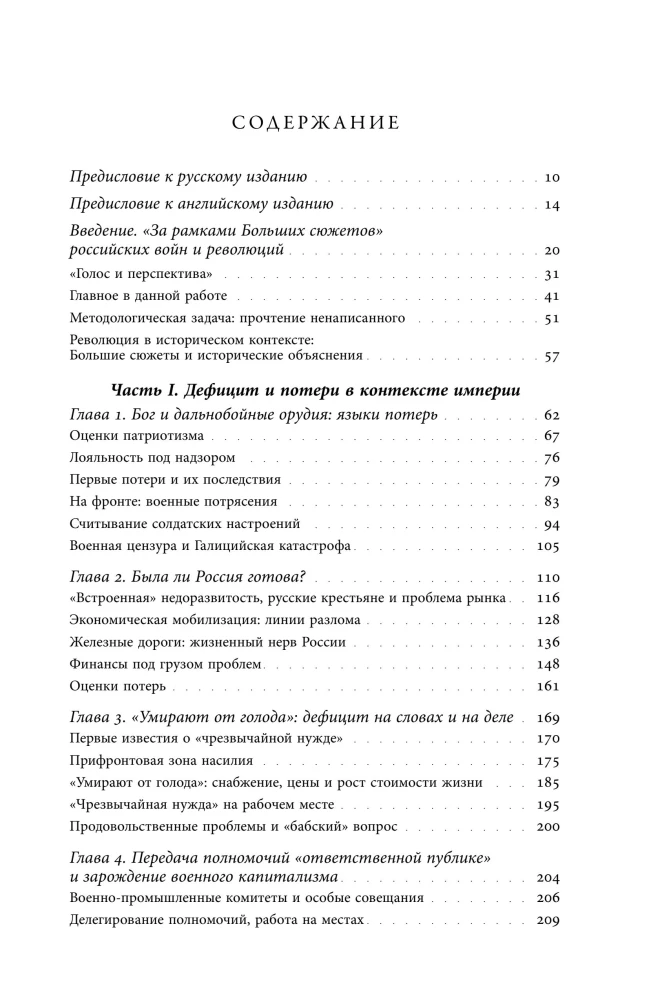
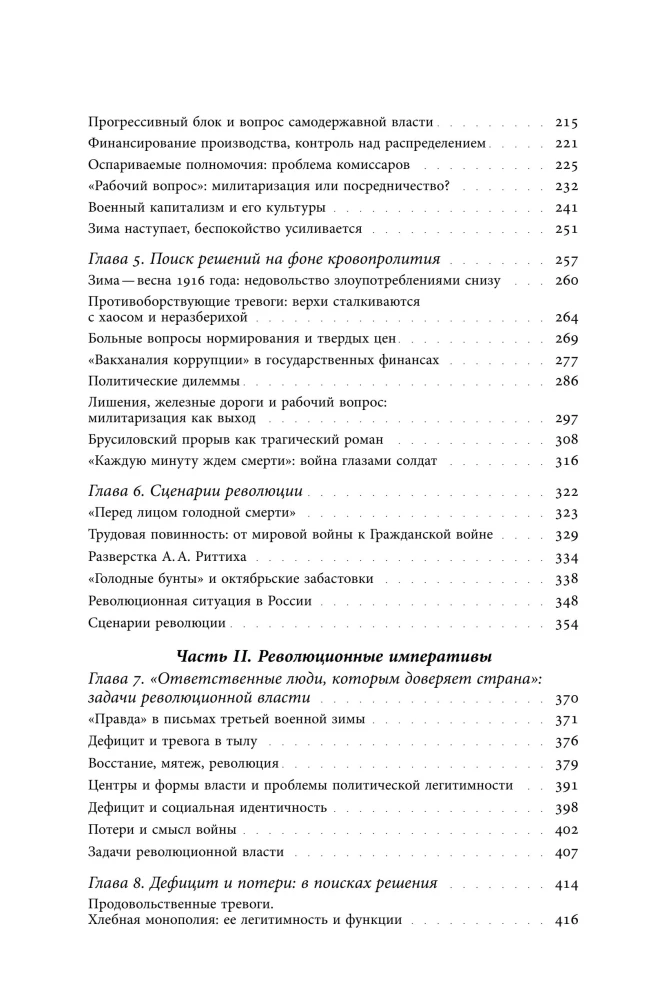
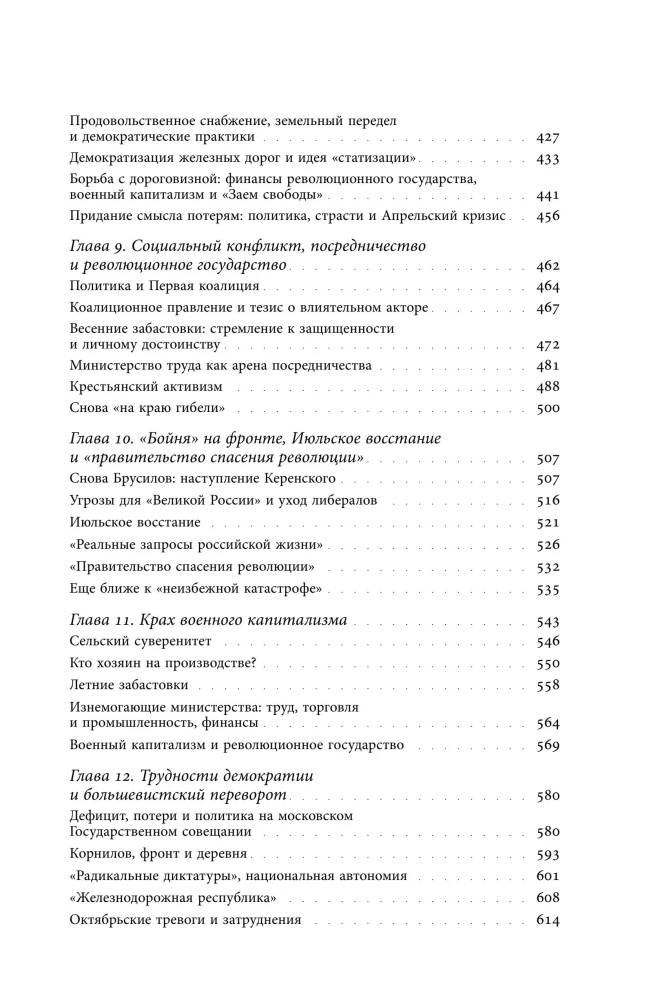
problems with market exchanges, prices and inflation, production and distribution, and generally destabilized the entire tax and budget policy of the state. However, the shortage also had an emotional side: the economic crisis revived discussions about justice, sacrifice, and social differences, linking them to concerns related to the sphere of 'food vulnerability', and fears about the well-being of family and society. Using archival documents and primary sources, W. Rosenberg offers a look at how first the Tsarist, and then the liberal-democratic and Bolshevik regimes unsuccessfully fought against the forms and consequences of shortages. According to the author of the book, studying the emotional aspects that conceal the real consequences of hunger and human losses, deciphering historical emotions, as well as paying attention to the languages of description through which events and feelings acquire coherence, contribute to a better understanding of the social and cultural foundations of revolutionary upheavals.
William Rosenberg — historian, emeritus professor of the Department of History at the University of Michigan, USA.
William Rosenberg — historian, emeritus professor of the Department of History at the University of Michigan, USA.
Author: Уильям Розенберг
Printhouse: Novoe literaturnoe obozrenie
Series: Historia Rossica
Age restrictions: 18+
Year of publication: 2026
ISBN: 9785444827253
Number of pages: 880
Size: 220х145х43 mm
Cover type: hard
Weight: 680 g
ID: 1734399
Sold out
€ 29.99
Sold out
€ 29.99
Bestsellers




€ 13.29
In stock
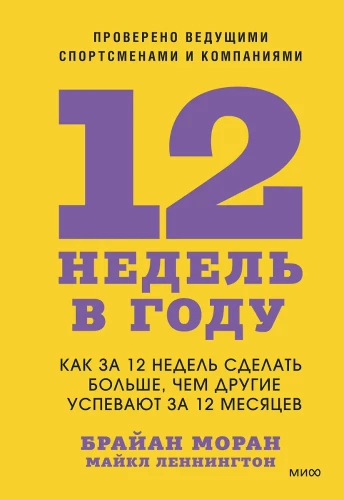
12 Weeks in a Year. How to Achieve More in 12 Weeks Than Others Do in 12 Months
Майкл Леннингтон, Брайан Моран

€ 7.89
In stock
Choice. On the Freedom and Inner Strength of a Person
Эдит Ева Эгер, Эсме Швалль-Вейганд


€ 6.99
In stock
€ 6.99
In stock
How to Talk So Kids Will Listen, and How to Listen So Kids Will Talk
Элейн Мазлиш, Адель Фабер