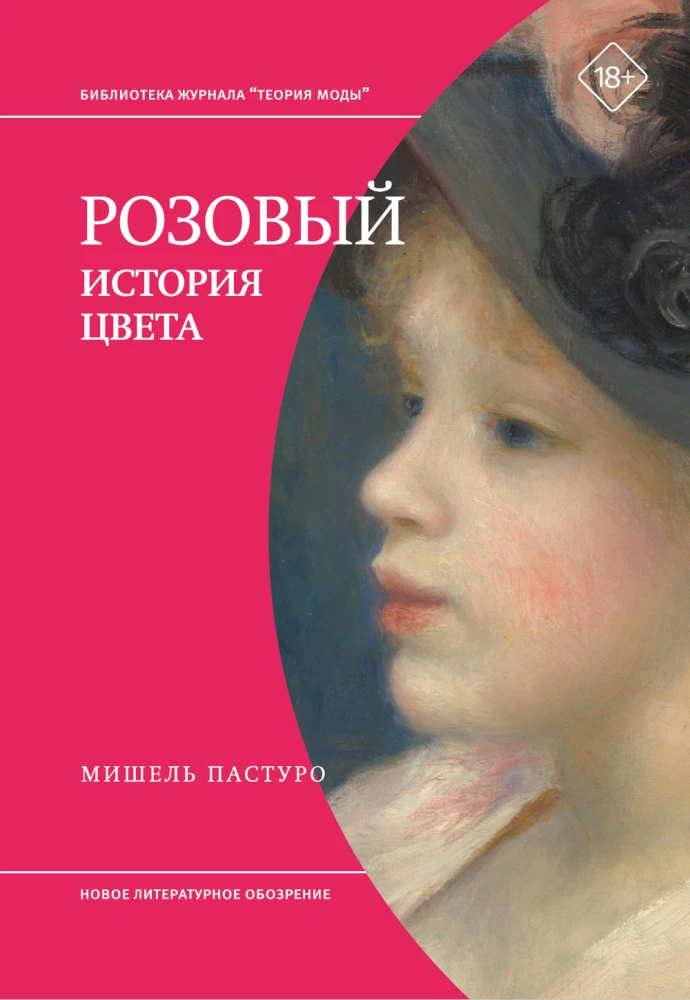
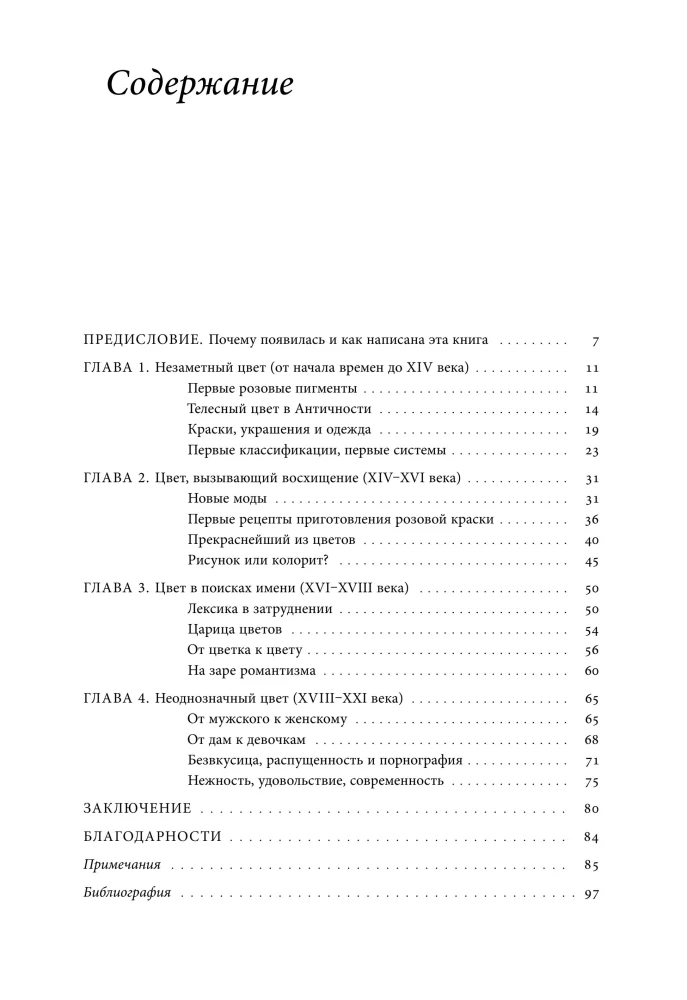
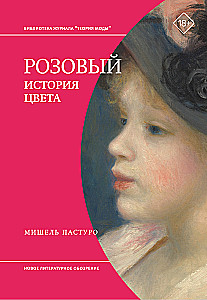
Pink. The History of Color
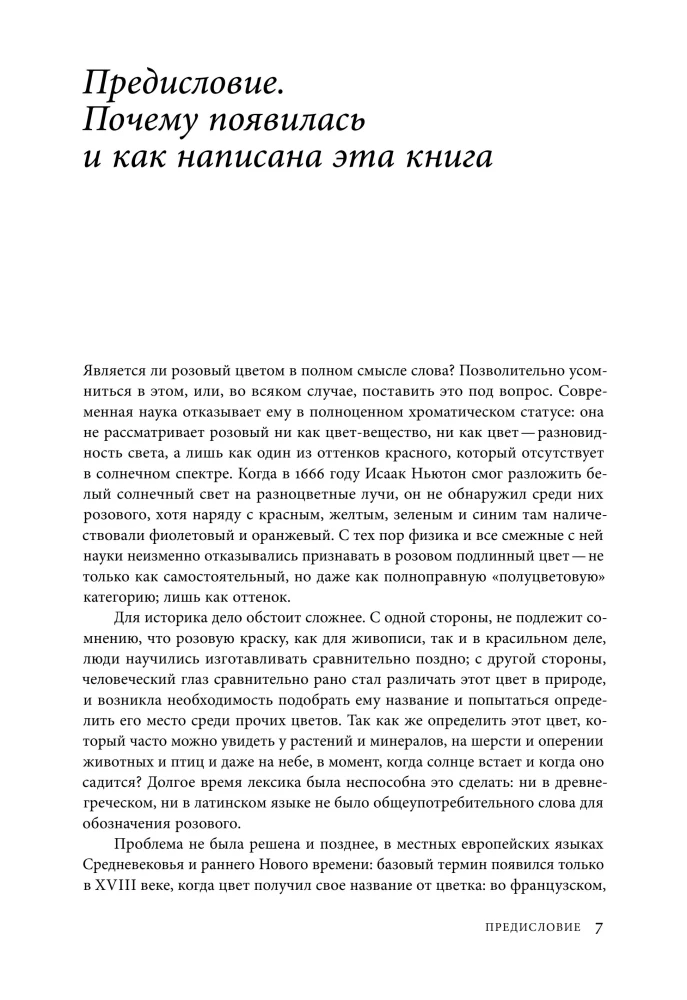
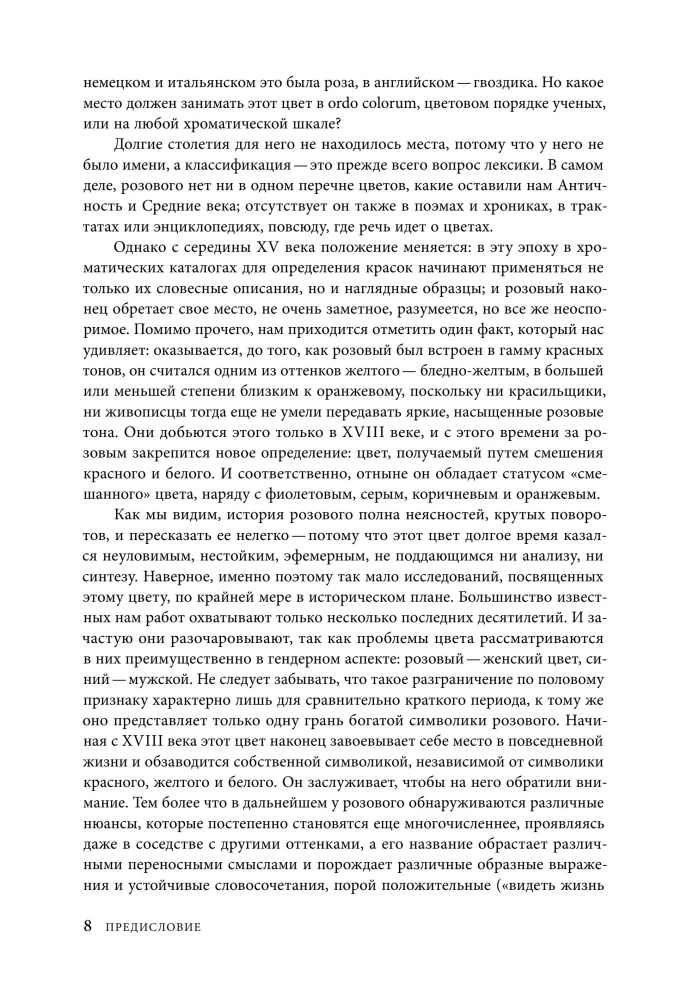
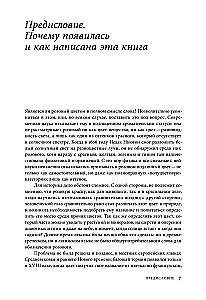
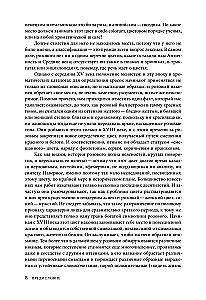
Despite the fact that the color pink is often found in nature, it was a rarity in European culture until the 14th century: it was hardly used in painting, clothing, or everyday life. Everything changed with the beginning of the...
import of the exotic dye from the Pernambuco tree to Europe, and later with the development of floristry: it was only in the 18th century that varieties of roses of a truly pink color were developed. It was then that the color got its name from the flower.
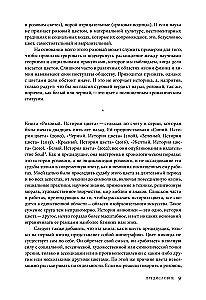
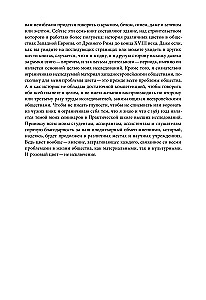
When and how did pink become a "feminine" color? How was its emergence related to fashion, botany, heraldry, and religious symbolism? Why did it associate more with masculinity in the Middle Ages, but found itself at the center of aesthetic, social, and ideological shifts in the 20th century?
Relying on numerous sources, the author traces the complex and contradictory fate of the color pink — from cave paintings and ancient vases to Barbie dolls.
Michel Pasturo is a leading medieval historian, professor at the Practical School of Higher Studies in Paris. His books "Blue", "Black", "Red", "Green", "White", and "Yellow", as well as "Devilish Matter. The History of Stripes and Striped Fabrics", were previously published by the NLO publishing house.
When and how did pink become a "feminine" color? How was its emergence related to fashion, botany, heraldry, and religious symbolism? Why did it associate more with masculinity in the Middle Ages, but found itself at the center of aesthetic, social, and ideological shifts in the 20th century?
Relying on numerous sources, the author traces the complex and contradictory fate of the color pink — from cave paintings and ancient vases to Barbie dolls.
Michel Pasturo is a leading medieval historian, professor at the Practical School of Higher Studies in Paris. His books "Blue", "Black", "Red", "Green", "White", and "Yellow", as well as "Devilish Matter. The History of Stripes and Striped Fabrics", were previously published by the NLO publishing house.
Author: Мишель Пастуро
Printhouse: Novoe literaturnoe obozrenie
Series: Library of the journal "Fashion Theory"
Age restrictions: 18+
Year of publication: 2025
ISBN: 9785444827215
Number of pages: 112
Size: 245х170х8 mm
Cover type: hard
Weight: 310 g
ID: 1734388
Sold out
€ 10.09
Sold out
€ 10.09
Bestsellers

€ 13.29
In stock
12 Weeks in a Year. How to Achieve More in 12 Weeks Than Others Do in 12 Months
Майкл Леннингтон, Брайан Моран
€ 7.89
In stock
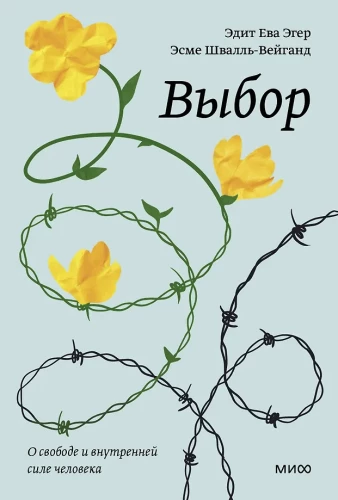
Choice. On the Freedom and Inner Strength of a Person
Эдит Ева Эгер, Эсме Швалль-Вейганд


€ 6.99
In stock


€ 6.99
In stock
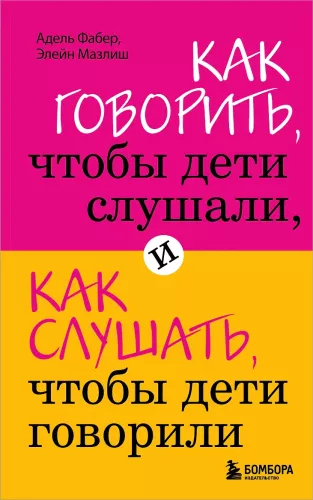
How to Talk So Kids Will Listen, and How to Listen So Kids Will Talk
Элейн Мазлиш, Адель Фабер