




















New Paths in Psychoanalysis
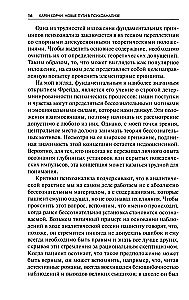
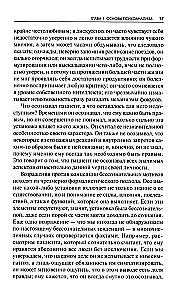
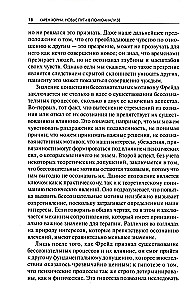
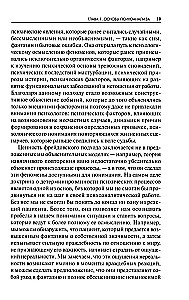
In her groundbreaking work, Karen Horney offers a profound reexamination of classical psychoanalysis, criticizing key tenets of Freudian theory. The author systematically challenges Freud's biological determinism, highlighting the significance of cultural and social factors in personality development. Horney reinterprets the...
concepts of libido, the Oedipus complex, and the death drive, revealing them as dynamic formations that arise in the process of socialization and interpersonal interaction. She interprets these phenomena as adaptive patterns that emerge in response to specific conditions of upbringing and social environment.
An important contribution of the work is the development of an alternative therapeutic approach focused on current personal conflicts rather than the identification and processing of childhood traumas. Horney suggests focusing on the analysis of present interpersonal relationships and social conditions that shape neurotic tendencies. This approach opens new horizons for psychotherapeutic practice, emphasizing the possibilities for personal growth and change.
This critical study retains its scientific value as a fundamental work, laying the foundations of neofreudianism. Horney's concepts remain relevant both from the perspective of the history of psychological science and in the context of contemporary discussions about the nature of human personality. The book will be particularly useful for psychologists, psychotherapists, as well as anyone interested in issues of personality development and its interaction with society.
An important contribution of the work is the development of an alternative therapeutic approach focused on current personal conflicts rather than the identification and processing of childhood traumas. Horney suggests focusing on the analysis of present interpersonal relationships and social conditions that shape neurotic tendencies. This approach opens new horizons for psychotherapeutic practice, emphasizing the possibilities for personal growth and change.
This critical study retains its scientific value as a fundamental work, laying the foundations of neofreudianism. Horney's concepts remain relevant both from the perspective of the history of psychological science and in the context of contemporary discussions about the nature of human personality. The book will be particularly useful for psychologists, psychotherapists, as well as anyone interested in issues of personality development and its interaction with society.
Author: Карен Хорни
Printhouse: Triksta
Series: Psychological Technologies
Age restrictions: 16+
Year of publication: 2026
ISBN: 9785829144753
Number of pages: 271
Size: 205х135х15 mm
Cover type: hard
Weight: 330 g
ID: 1733439
In stock
€ 16.09
Will be delivered to United States on 29 September (Tu):
By courier
from € 38.94
Bestsellers




€ 13.29
In stock
12 Weeks in a Year. How to Achieve More in 12 Weeks Than Others Do in 12 Months
Майкл Леннингтон, Брайан Моран


€ 7.89
In stock
Choice. On the Freedom and Inner Strength of a Person
Эдит Ева Эгер, Эсме Швалль-Вейганд



€ 6.99
In stock



€ 5.29
In stock




€ 11.59
In stock
We Are Right for Each Other: How Attachment Theory Can Help Create Harmonious Relationships
Амир Левин, Рэйчел Хеллер