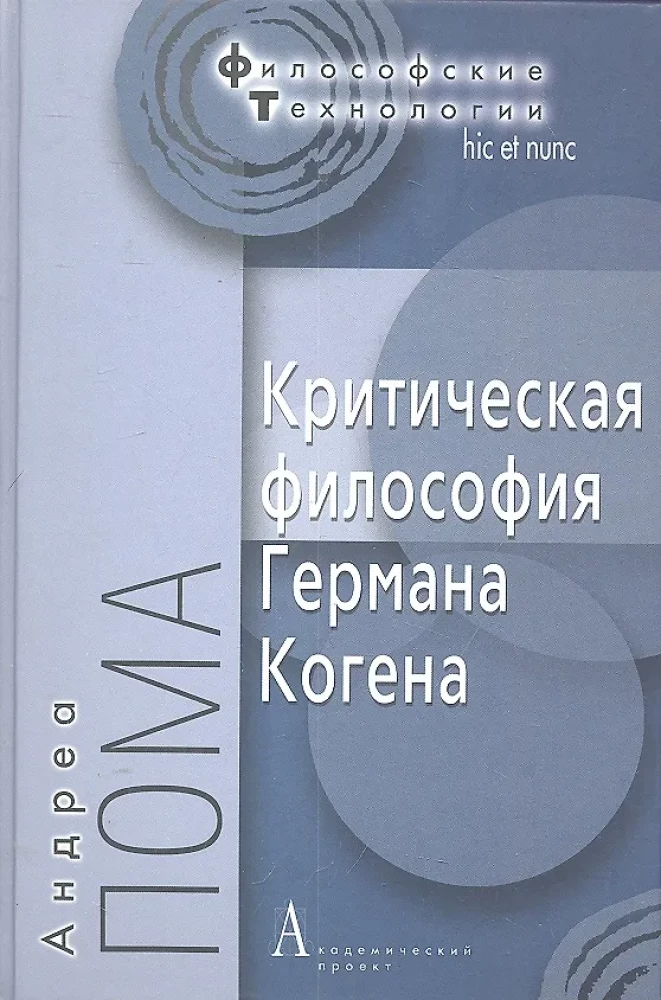
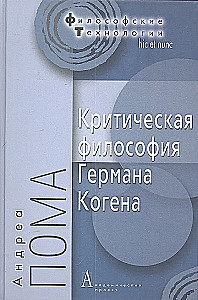
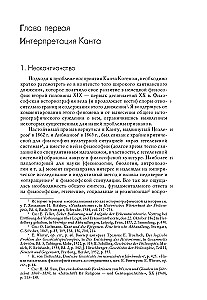
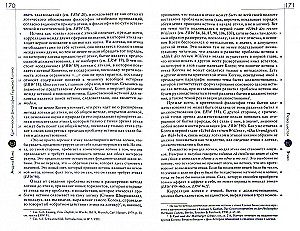
Critical Philosophy of Hermann Cohen
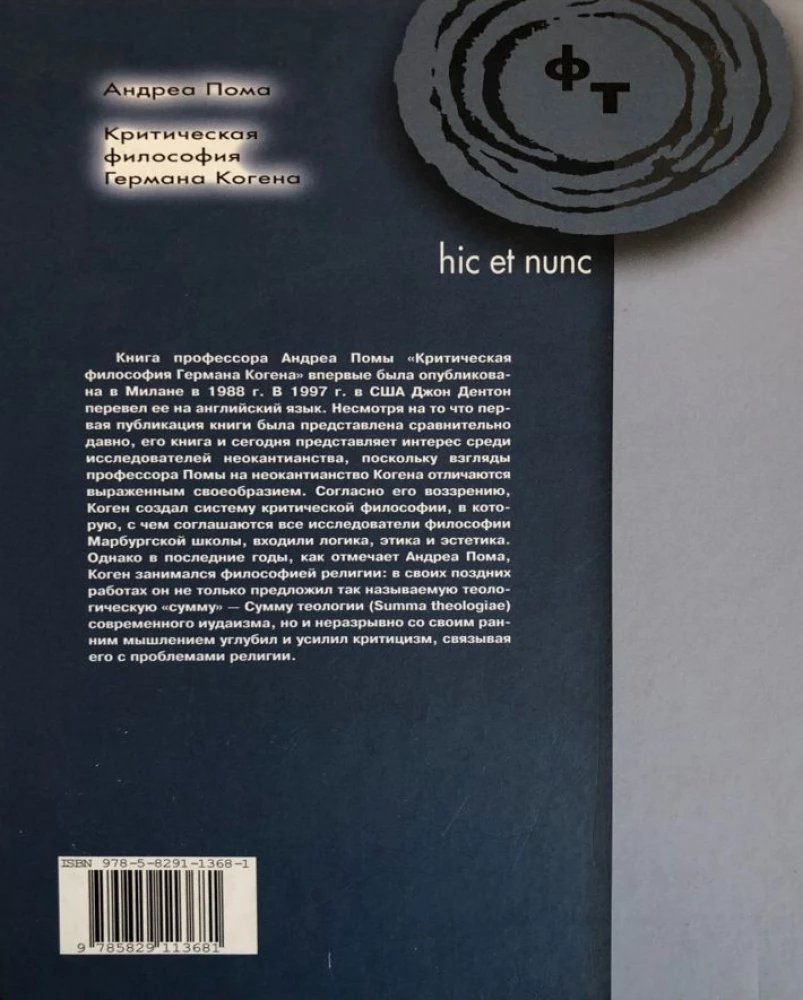
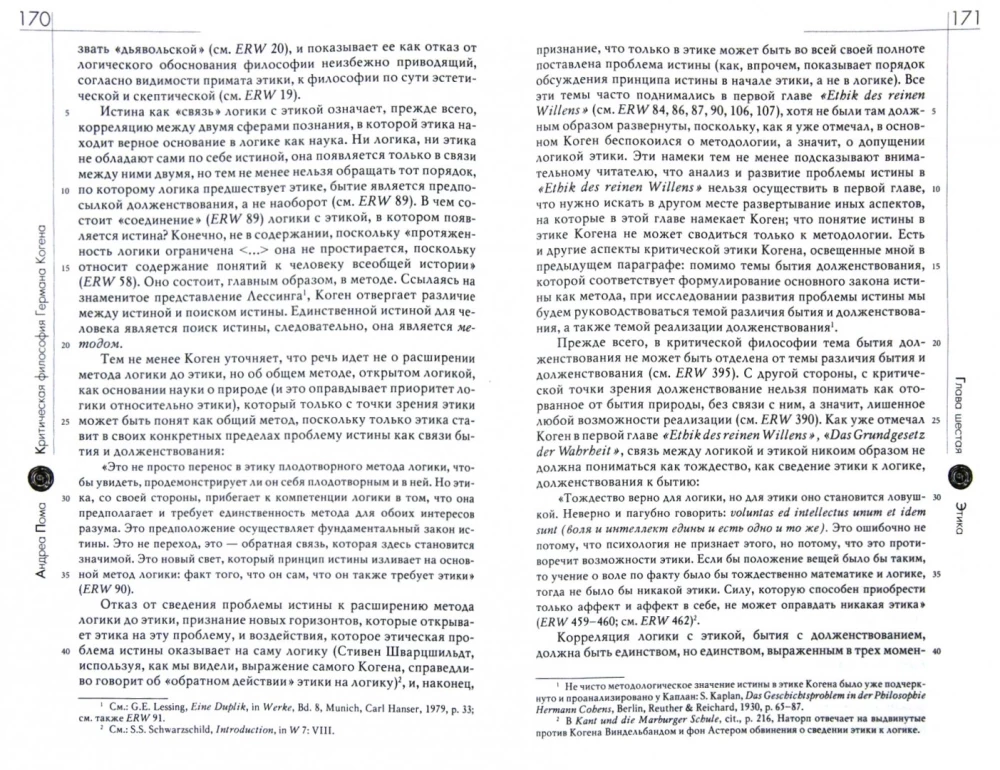
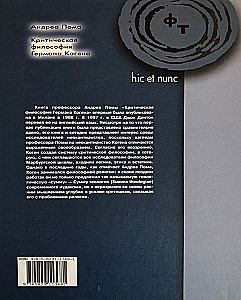
The book is dedicated to the analysis of the philosophical system of the German thinker Hermann Cohen, one of the founders of the Marburg School of Neokantianism. The author examines how Cohen develops the ideas of Immanuel Kant and creates...
his own version of critical philosophy, focused on science, logic, and ethics.
At the center of the study is Cohen's thesis that philosophy should not start from experience, but from pure thought, which forms scientific knowledge. Special attention is paid to his concept of the logic of pure cognition, where scientific thinking is considered an infinite process of constructing truth.
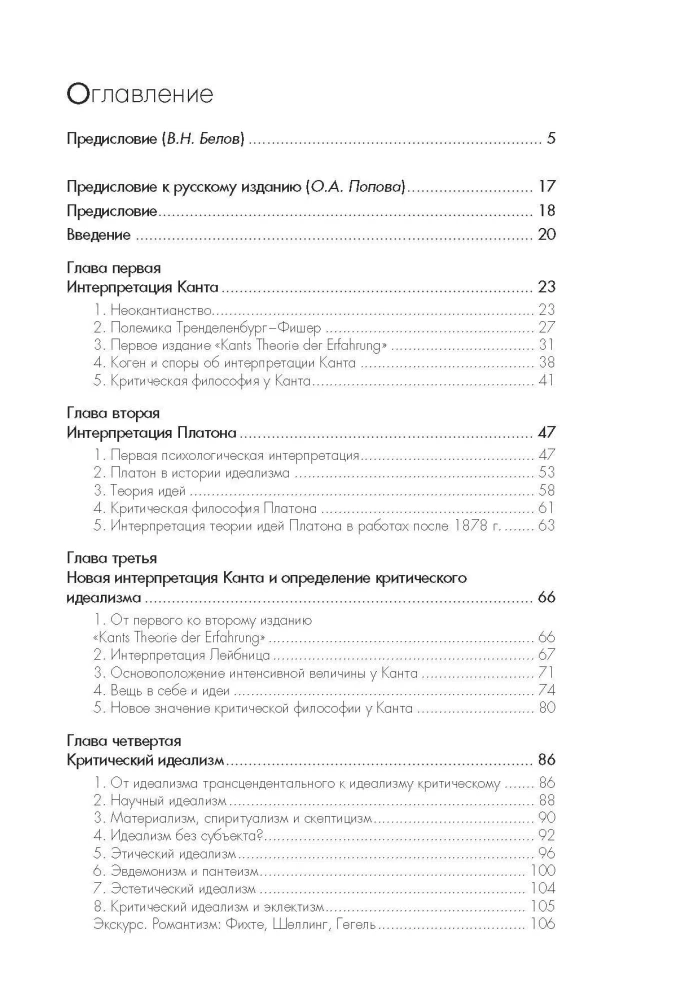
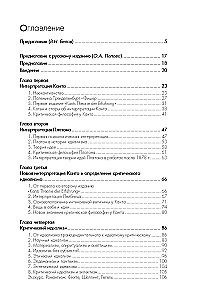
The book also analyzes three key directions of Cohen's philosophy:
- logic as the philosophy of science and the foundations of cognition;
- ethics, where morality is understood as a rational ideal of a just society;
- aesthetics, exploring the role of art in spiritual culture.
The author shows that Cohen's system strives to unite science, morality, and culture into a single rational philosophy, in which human thought continuously strives for the ideal of truth and justice.
The main idea:
Cohen's critical philosophy is an attempt to continue Kant's project and construct a philosophy where scientific thinking and rationality become the main source of understanding the world and humanity.
At the center of the study is Cohen's thesis that philosophy should not start from experience, but from pure thought, which forms scientific knowledge. Special attention is paid to his concept of the logic of pure cognition, where scientific thinking is considered an infinite process of constructing truth.
The book also analyzes three key directions of Cohen's philosophy:
- logic as the philosophy of science and the foundations of cognition;
- ethics, where morality is understood as a rational ideal of a just society;
- aesthetics, exploring the role of art in spiritual culture.
The author shows that Cohen's system strives to unite science, morality, and culture into a single rational philosophy, in which human thought continuously strives for the ideal of truth and justice.
The main idea:
Cohen's critical philosophy is an attempt to continue Kant's project and construct a philosophy where scientific thinking and rationality become the main source of understanding the world and humanity.
Author: Андреа Пома
Printhouse: Triksta
Series: Philosophical Technologies hic et nunc
Age restrictions: 16+
Year of publication: 2012
ISBN: 9785829113681
Number of pages: 320
Size: 215х145х12 mm
Cover type: hard
Weight: 379 g
ID: 1733422
Sold out
€ 12.49
Sold out
€ 12.49
Bestsellers







€ 13.29
In stock
12 Weeks in a Year. How to Achieve More in 12 Weeks Than Others Do in 12 Months
Майкл Леннингтон, Брайан Моран


€ 7.89
In stock
Choice. On the Freedom and Inner Strength of a Person
Эдит Ева Эгер, Эсме Швалль-Вейганд




€ 6.99
In stock