

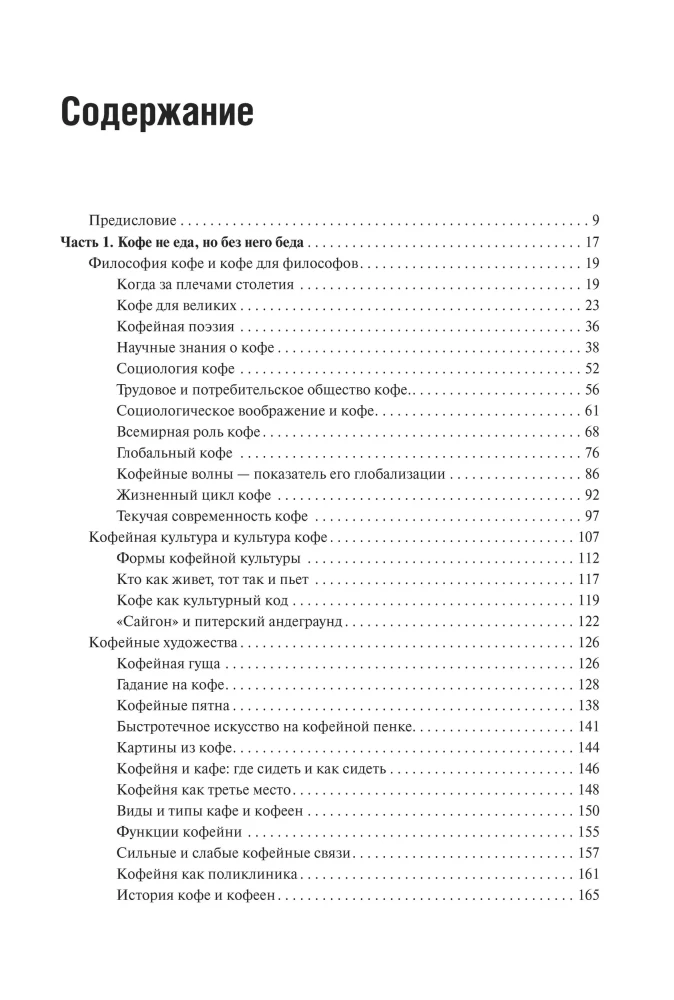
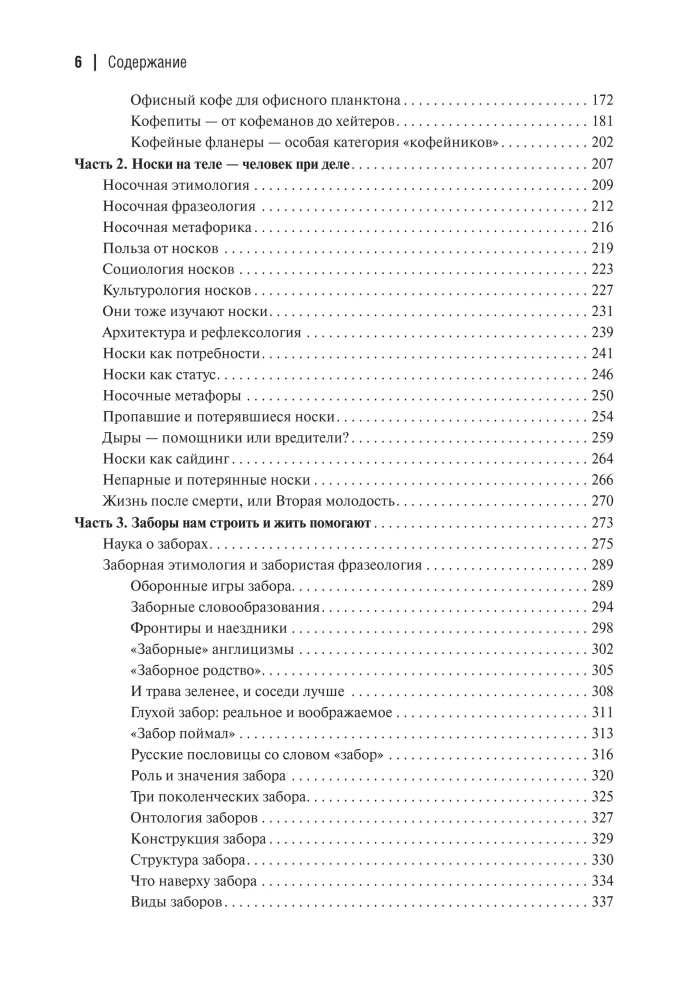
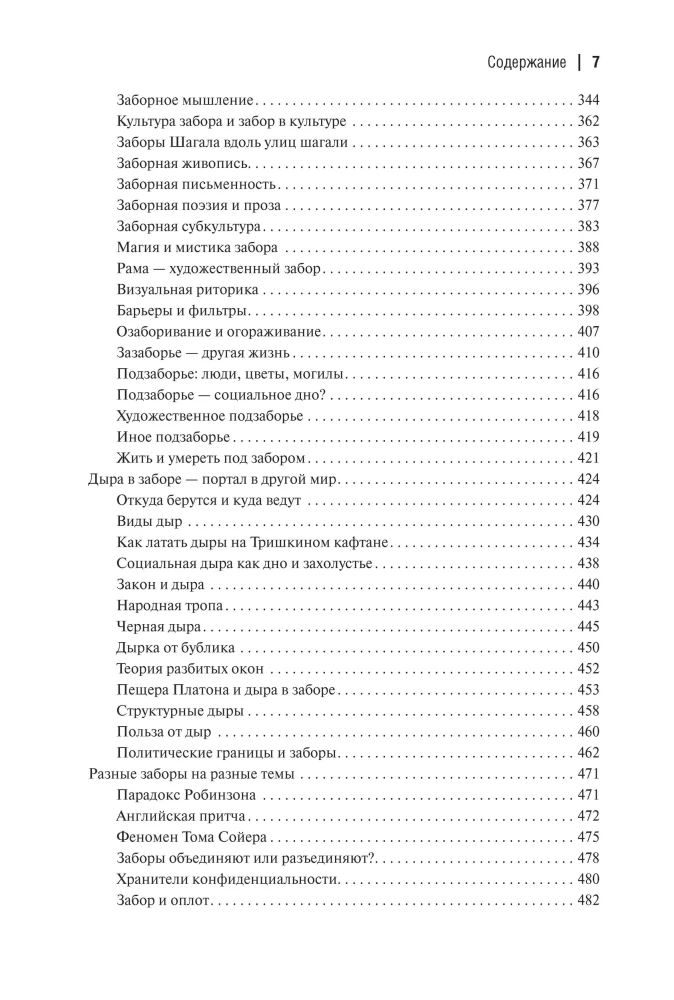



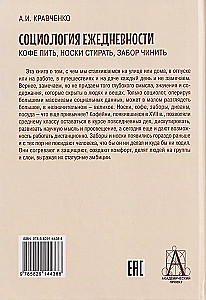

Sociology of Everyday Life
This book is about what we encounter on the street or at home, on vacation or at work, while traveling and at the dacha every day, often without noticing it. Rather, we notice it but do not attribute the profound...
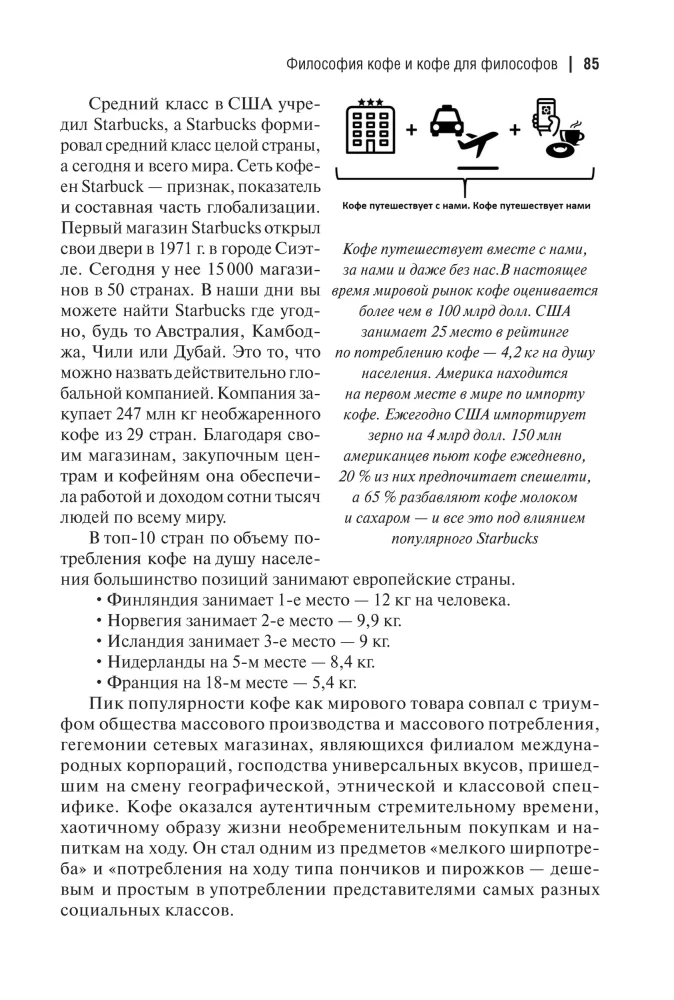
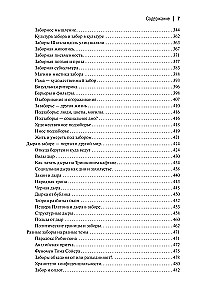
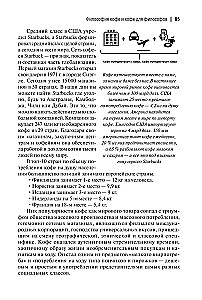
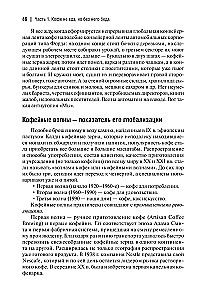
meaning, significance, and content that is hidden in people and things. Only a sociologist, operating with large arrays of social data, can discern the large in the small, the great in the insignificant. Socks, coffee, fences, sofas, dishes — what could be more familiar? Coffeehouses, which appeared in the 17th century, allowed the middle class to stay updated on everyday matters, debate, and develop scientific thought and enlightenment, and today they also provide the opportunity to work remotely. Fences and socks appeared much earlier and have not left a person since, no matter what they do or where they go. They warm and protect, create comfort, divide people into groups and strata, expressing their status ambitions.
The book is addressed to a wide range of specialists and non-specialists, to those who, in pursuit of expanding their horizons or specific learning, are interested in the questions of sociology, cultural studies, philosophy, and related disciplines.
The book is addressed to a wide range of specialists and non-specialists, to those who, in pursuit of expanding their horizons or specific learning, are interested in the questions of sociology, cultural studies, philosophy, and related disciplines.
Author: Альберт Кравченко
Printhouse: Triksta
Age restrictions: 16+
Year of publication: 2026
ISBN: 9785829144388
Number of pages: 515
Size: 215х151х26 mm
Cover type: hard
Weight: 626 g
ID: 1733400
Sold out
€ 31.19
Sold out
€ 31.19
Bestsellers







€ 13.29
In stock
12 Weeks in a Year. How to Achieve More in 12 Weeks Than Others Do in 12 Months
Майкл Леннингтон, Брайан Моран



€ 7.89
In stock
Choice. On the Freedom and Inner Strength of a Person
Эдит Ева Эгер, Эсме Швалль-Вейганд




€ 6.99
In stock